
Hakone Gora Karaku
Gora, Hakone
Hotel in Hakone, Japan
 Book with Pearl
The Read
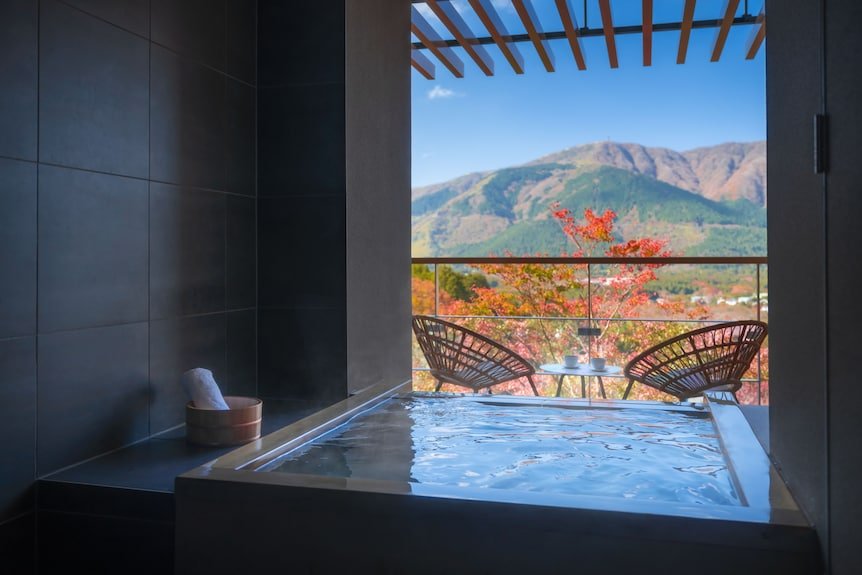
Private-Bath Ryokan Immersion
Why go
Hakone Gora Karaku is a strong special-occasion pick in Gora if the room and onsen time are central to the trip. The suite upgrade makes sense for couples planning to spend real time on property; standard categories are the smarter call if Hakone sightseeing will dominate the schedule.
About Hakone Gora Karaku
Hakone Gora Karaku is a Hakone hotel with a confirmed Michelin 1 Key recognition for 2025. Beyond that award signal, the public details here are limited, so the safest way to evaluate it is as a premium Hakone stay rather than by relying on claims about room types, dining, bathing facilities, service format, or specific location details.
Use this page as a conservative short-list note: Hakone Gora Karaku is relevant if you are comparing recognized hotels in Hakone and want a stay with a confirmed Michelin 1 Key distinction. For details such as room features, meal plans, check-in policies, family suitability, or accessibility, confirm directly with the hotel before booking.
Upgrade only if the room is the point of the trip
There is not enough information here to recommend a specific room category or upgrade. If the room itself is central to the trip, compare the hotel's current room descriptions and booking conditions carefully before paying more. If the hotel is mainly a base for time in Hakone, choose based on the confirmed inclusions and cancellation terms available at booking.
Because specific amenities and formats are not in the available data, avoid assuming that Hakone Gora Karaku follows a particular ryokan, resort, or dining model. Treat it as a Michelin-recognized Hakone hotel and verify the experience details that matter most for your stay.
Who should choose it over another Hakone stay
Choose Hakone Gora Karaku if a confirmed Michelin 1 Key hotel in Hakone is the main requirement. If you are still comparing options, start with Our full Hakone hotels guide, then cross-shop Gora Kadan, Fufu Hakone, Hotel Indigo Hakone Gora, Hyatt Regency Hakone Resort and Spa, and Nazuna Hakone Miyanoshita before committing.
Planning details
- Location
- 1300-8 Gōra, Hakone, Ashigarashimo District, Kanagawa 250-0408
- Website
- gora-karaku.jp
- Phone
- +81 460-83-8860
The take
The Take
The Vibe
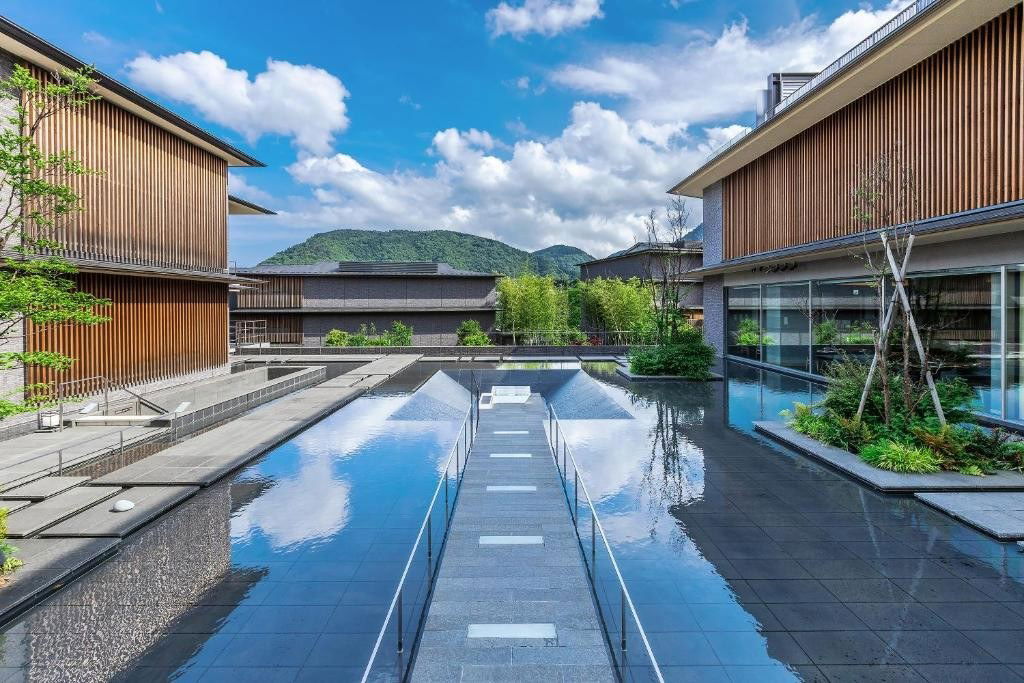
Gora Karaku reads like a contemporary take on a classic ryokan: rooms split between tatami-style and Western configurations, a prescribed rhythm of changing into yukata, bathing and communal dining, and a location that rewards slow movement through the national park. The property leans into tradition rather than flash, so the experience feels deliberate and restorative. Guests encounter a quietly curated atmosphere rather than loud spectacle; the layout and service structure keep attention on the onsens and the sequence of the stay. The result is a refined, low-key escape that foregrounds ritual and calm.
Best For
This property suits travelers who prioritize accessibility to Hakone's highlights without a car and those looking for a structured onsen stay. The hotel’s position in Gora — the terminus of the Hakone Tozan Railway — means arrivals by rail are straightforward, and the nearby ropeway access makes day trips toward Owakudani and Fuji manageable. It’s a strong match for visitors seeking a short, restorative getaway built around bathing, seasonal dining and easy transit connections rather than a base for extensive driving logistics.
Stay Tips
Travelers should plan to use the Hakone Tozan Railway: Gora station is the line’s terminus and places guests within a short distance of the property, avoiding complicated transfers. Expect the ryokan rhythm on arrival — change into a yukata and follow the property’s bathing-and-dining sequence — so factor dinner timings into your travel plans. For day outings, use the nearby ropeway at Sounzan to reach Owakudani and viewing points for Fuji rather than arranging private transfers; the description highlights that those excursions are manageable from Gora by public transit.
Venue details
Ambiance
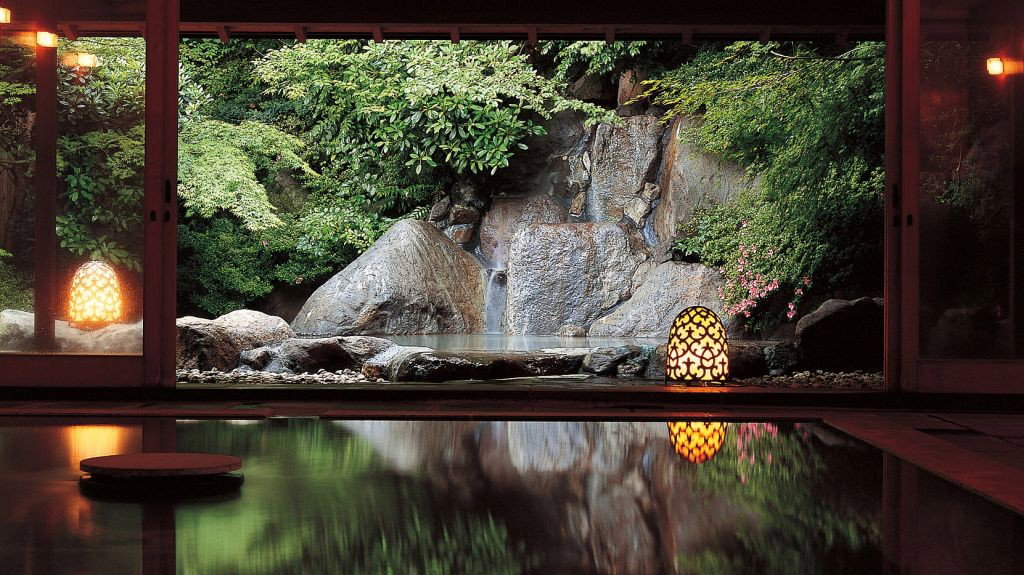
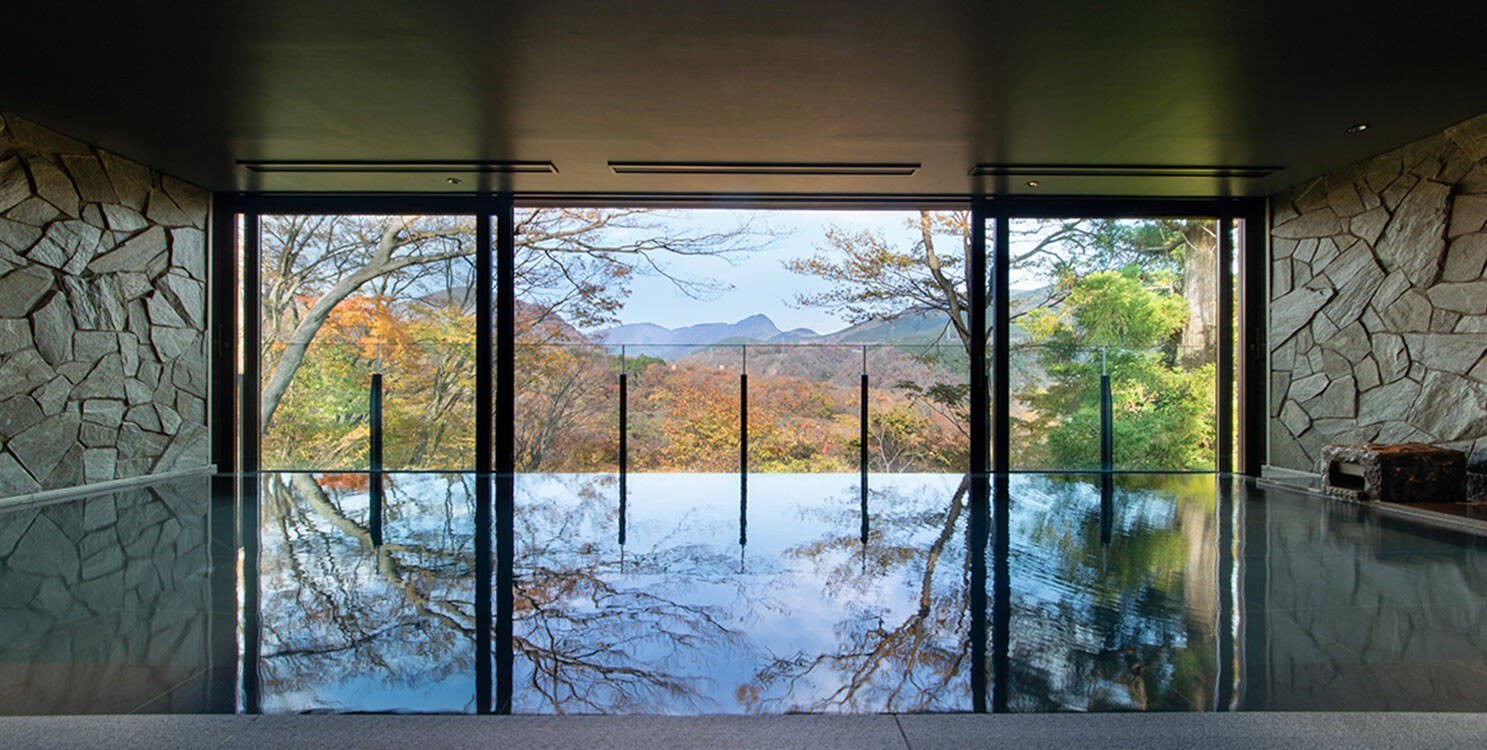
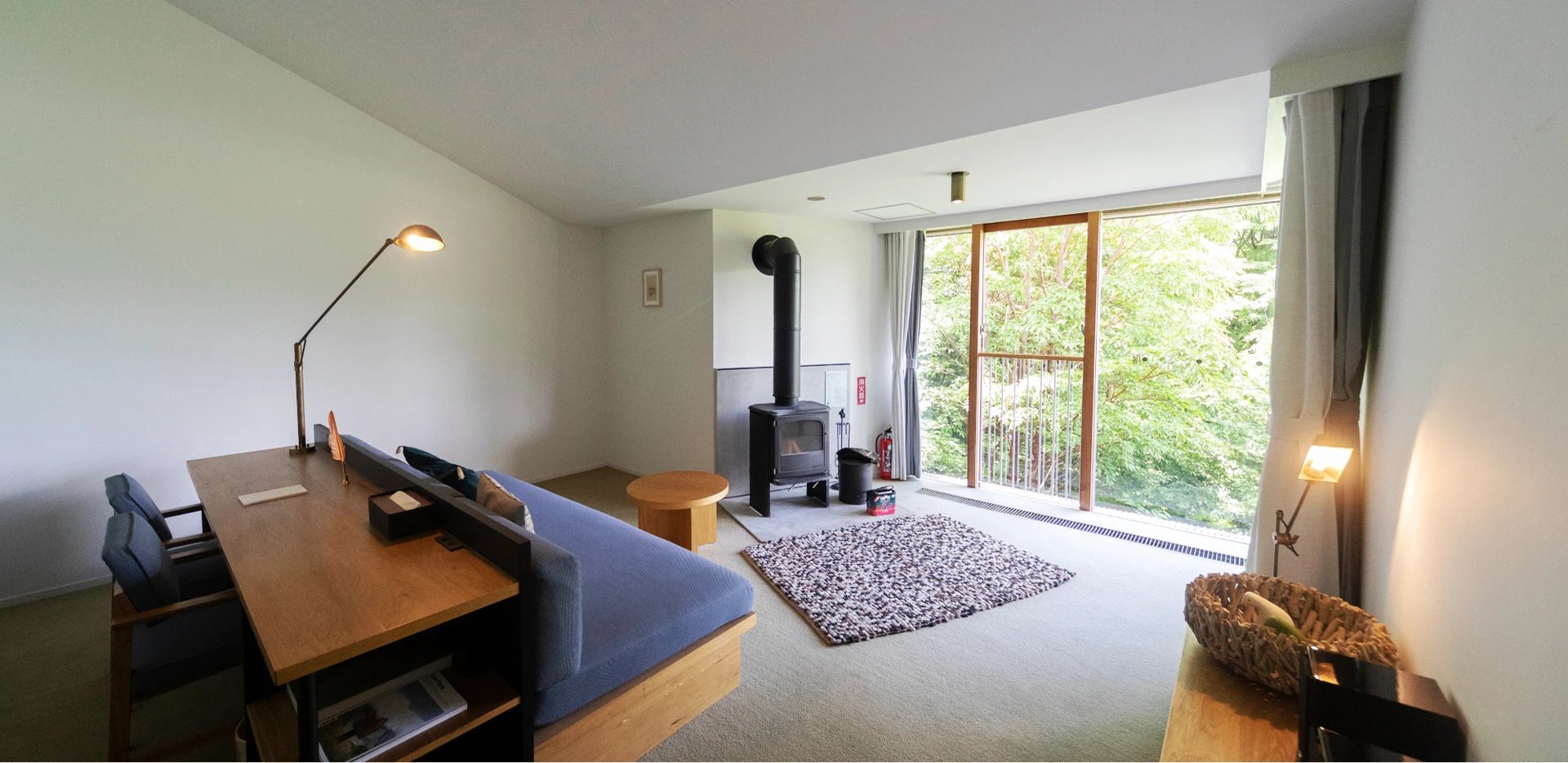
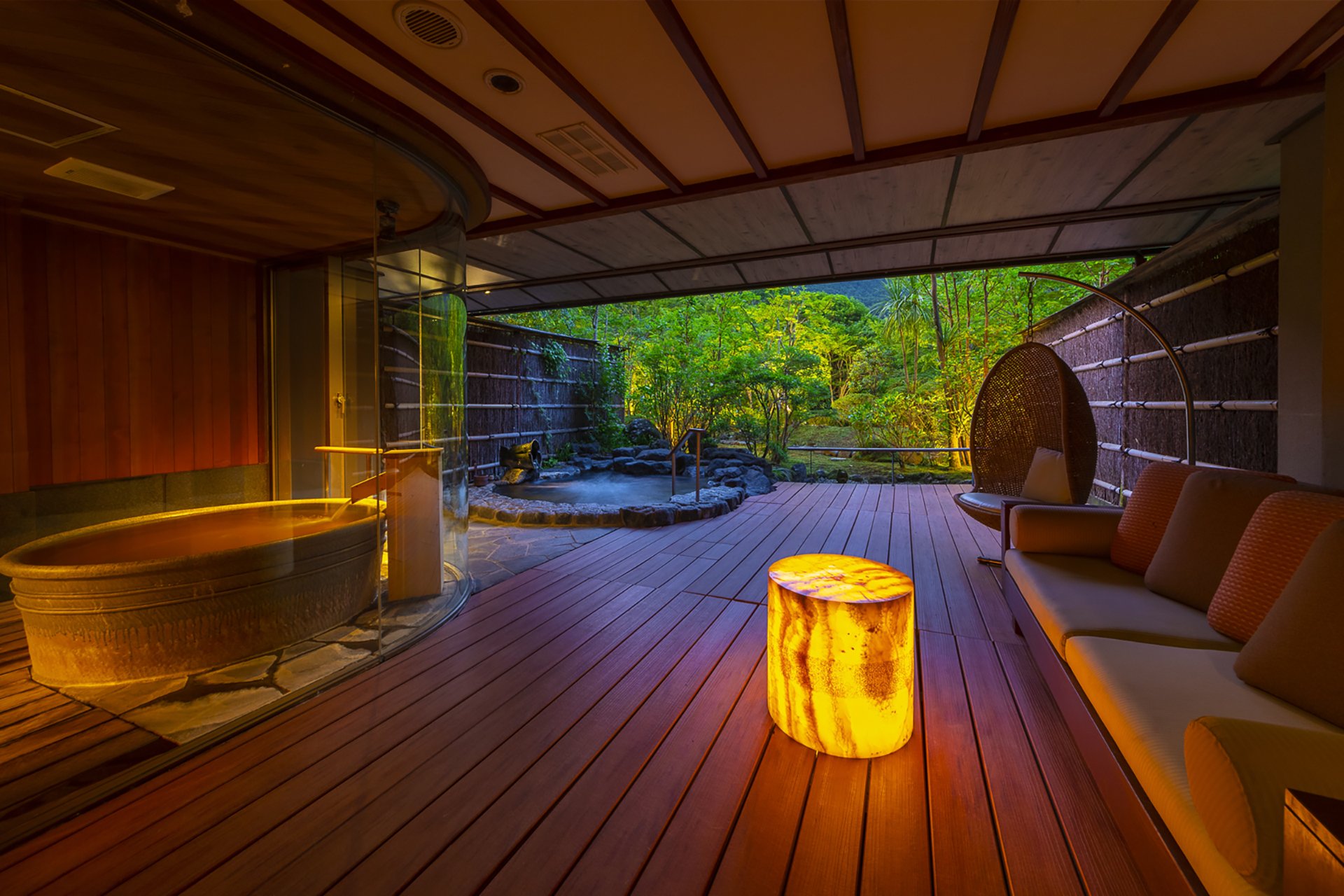
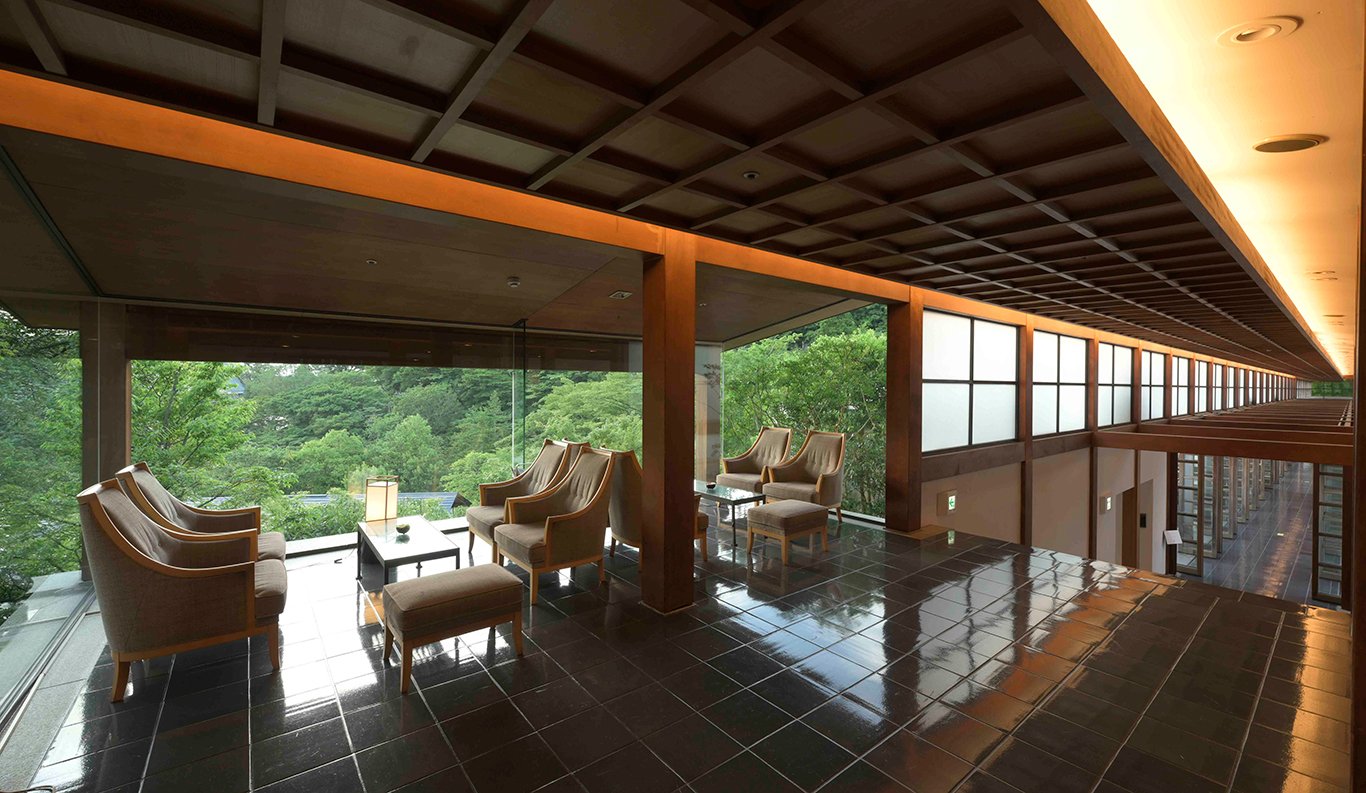
Tranquil and elegant atmosphere with meditative mountain views, soft lighting in spacious modern-Japanese rooms, and relaxing public onsen areas.
Tags
Vibe
Best For
Experience
Amenities
View
Accessibility
About the Stay
- Rooms
- 70
- Check-in
- 15:00
- Check-out
- 11:00
- Property Style
- Modern Japanese Ryokan with Luxury Onsen Facilities
- Design Style
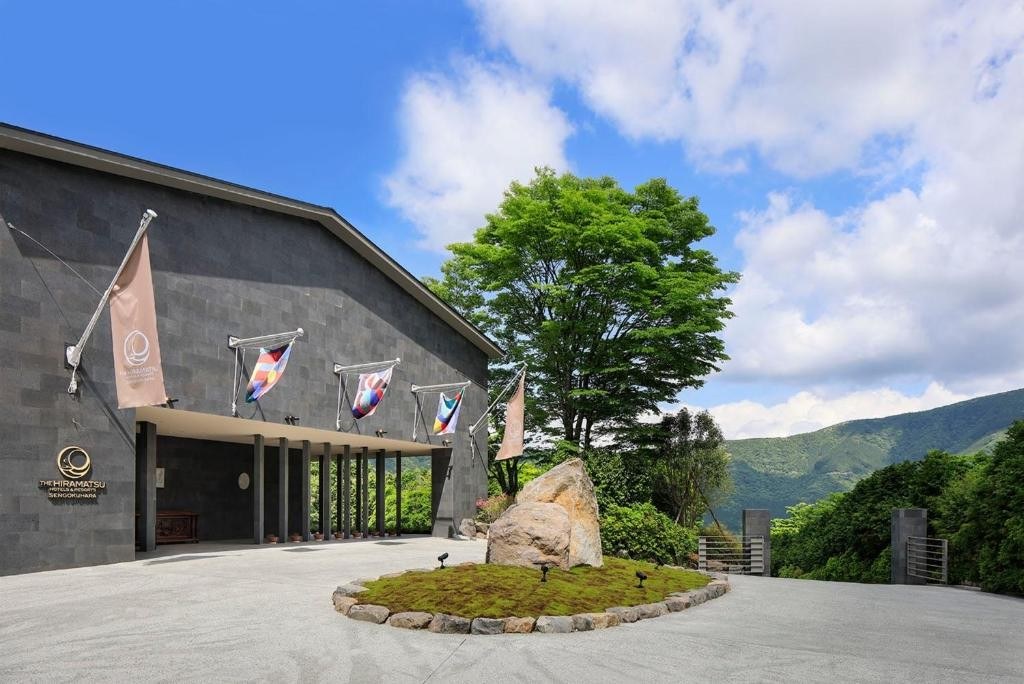
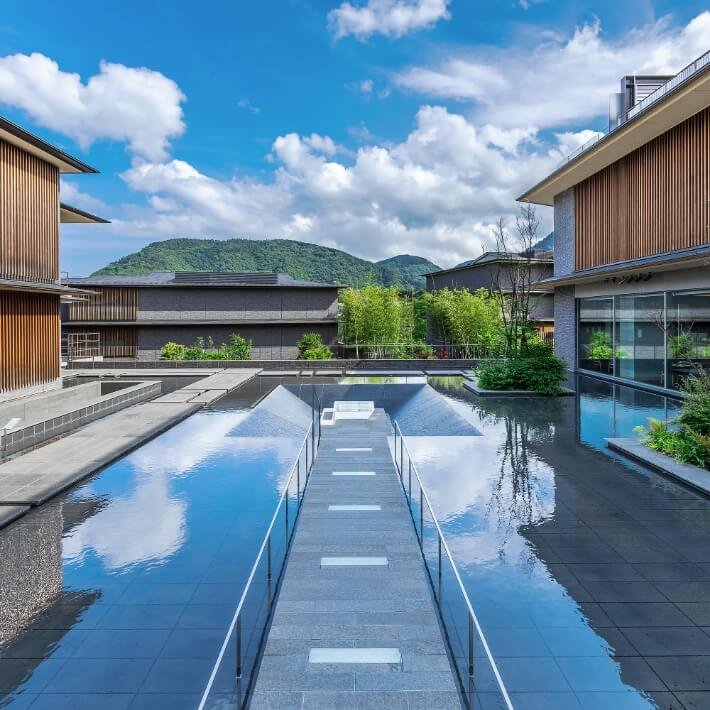
- Contemporary Japanese Minimalist with Elegant Terraces
Know before you go
Know Before You Go
- Getting there
- 1300-8 Gōra, Hakone, Ashigarashimo District, Kanagawa 250-0408
Planning details
Location
1300-8 Gōra, Hakone, Ashigarashimo District, Kanagawa 250-0408 · Directions
Recognition and awards
Also consider
Where to look if dates do not work
Try Fufu Hakone first if the trip is still a polished couple's escape and the room matters. Try Gora Kadan if the priority shifts toward a more traditional Hakone ryokan atmosphere.
Hotel context
How it compares in Hakone
Pick Hakone Gora Karaku over Hotel Indigo Hakone Gora if the stay is meant to feel more occasion-led and less like a casual lifestyle hotel. Hotel Indigo is the easier choice for travelers who want a familiar international-hotel rhythm; Hakone Gora Karaku is the better fit when privacy, room quality, and a quieter Gora base matter more.
Gora Kadan is the stronger cross-shop for travelers who want a more traditional ryokan mood, while Fufu Hakone sits closer to the polished luxury-retreat lane. Choose Hakone Gora Karaku when the decision is suite-versus-standard and the room will carry the trip; choose Gora Kadan when heritage atmosphere is the deciding factor.
Nazuna Hakone Miyanoshita is the more intimate alternative, better for travelers who want a smaller-scale stay. Hyatt Regency Hakone Resort and Spa is the safer pick for guests who prefer a larger resort framework and easier group logistics.
Explore Hakone
Around this place
Discover more on Pearl
Unlock the full Hakone Gora Karaku guide in Pearl, including awards, comparisons, FAQs, planning details, and nearby places.
Compare Hakone Gora Karaku
| Venue | Location | Awards |
|---|---|---|
| Hakone Gora Karaku | Hakone | Michelin 1 Key 20252025 Michelin 1 Key2024 Michelin 1 Key |
| Hotel Indigo Hakone Gora | Hakonemachi, Ashigarashimo Gun | No published awards |
| Gora Kadan | Hakone | 2026 Relais Chateaux Hotels2026 La Liste Top Hotels2025 Relais Chateaux AwardMichelin 3 Keys 20252025 Michelin 3 Keys2024 Michelin 3 Keys |
| Nazuna Hakone Miyanoshita | Hakone | No published awards |
| Fufu Hakone | Hakone | 2025 Michelin 1 Key2024 Michelin 1 Key |
| Hyatt Regency Hakone Resort and Spa | Hakonemachi, Ashigarashimo Gun | No published awards |



How Hakone Gora Karaku compares with similar nearby venues.
FAQ
Frequently Asked Questions
What is check-in like at Hakone Gora Karaku?
The data here does not establish a specific check-in style or arrival process. Hakone Gora Karaku is a Michelin 1 Key hotel in Hakone, but guests should confirm arrival timing, luggage handling, and any special requests directly with the hotel.
How is the location of Hakone Gora Karaku?
Hakone Gora Karaku is in Hakone. No more specific location detail is provided here, so use the hotel's official booking information or map listing for exact access planning.
How does Hakone Gora Karaku compare to nearby hotels?
Hakone Gora Karaku has a confirmed Michelin 1 Key recognition for 2025. If you are comparing Hakone stays, also review Gora Kadan, Fufu Hakone, Hotel Indigo Hakone Gora, Hyatt Regency Hakone Resort and Spa, and Nazuna Hakone Miyanoshita to see which current rates, room details, and booking conditions fit your trip.
Is Hakone Gora Karaku family-friendly?
The data here does not establish whether Hakone Gora Karaku is family-friendly or what family services it offers. Confirm child policies, bedding, meals, and room occupancy directly with the hotel before booking.
Which room category is best at Hakone Gora Karaku?
No specific room category recommendation is here. Choose based on the hotel's current room descriptions, inclusions, cancellation terms, and the amount of time you expect to spend at the property during your Hakone stay.