

Hotel Biaclyn Hakodate
Motomachi, Hakodate
Hotel in Hakodate, Japan
 Book with Pearl
Why go
Book Hotel Biaclyn Hakodate if the goal is a recognized Hakodate base with easy booking, not a full wellness resort. It is better suited to city exploring and short Hokkaido routing than to an onsen-first trip; compare Noboribetsu Hot Spring or the Toya-area hotels if bathing, lake views, or resort time are the main reason for travel.
About Hotel Biaclyn Hakodate
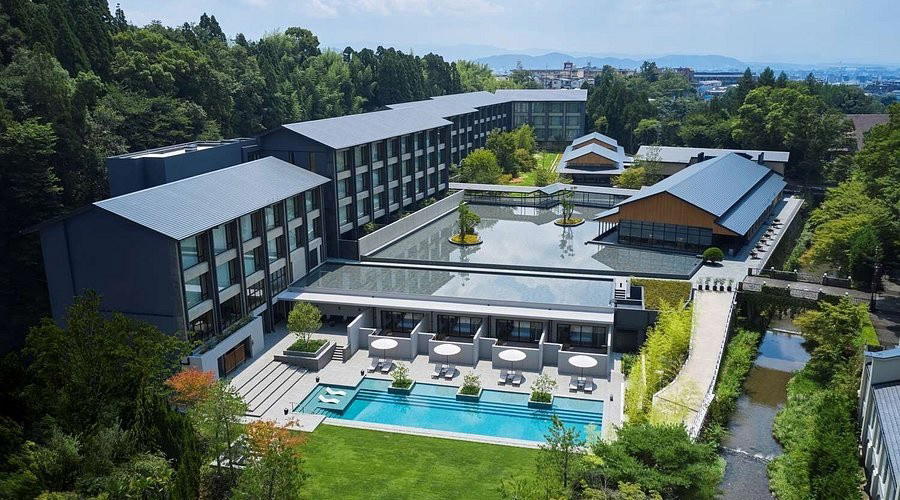
Should you book Hotel Biaclyn Hakodate? In Hakodate, this is a yes for travelers who want a recognized hotel base in the city. It holds specific recognition: Relais Chateaux Award (2026) and MICHELIN Guide, Hotels Selected (2025), which make it a credible consideration for travelers comparing stays in Hakodate.
The decision is less direct if the trip is built around hot springs, lake scenery, or a resort-style itinerary. For that, it is worth comparing dedicated onsen or resort properties in Hokkaido rather than treating a Hakodate city hotel as the default. Here, the stronger use case is a Hakodate stay where the hotel is the base and the city is the focus.
A city-base choice, not the obvious wellness splurge
Hotel Biaclyn Hakodate makes the cleanest sense for travelers who want a Hakodate base with external recognition. The dress code is smart casual. Beyond that, specific details such as dining format, spa facilities, room count, prices, and service inclusions should be checked directly with the hotel before booking.
For food-focused travelers, pair the stay with planning from our full Hakodate restaurants guide. The safest approach is to treat Hotel Biaclyn Hakodate as the lodging anchor and plan dining, drinks, and activities separately through current local sources.
Who should cross-shop before committing
If the priority is hot water, mountain air, lake scenery, or a destination-resort mood, compare before booking. Noboribetsu Hot Spring is the more logical choice for an onsen-led trip. The Windsor Hotel TOYA, Vignette Collection and WE Hotel Toya are better fits when the Toya area is the focus. Raku Suisan and Higashiyama Niseko Village, a Ritz-Carlton Reserve are also worth considering for a broader Hokkaido resort itinerary.
Inside Hotel Biaclyn Hakodate
Planning details
- Location
- 17-3 Funamicho, Hakodate, Hokkaido 040-0055, Japan
- Website
- biaclyn.com
- Phone
- +81 138-83-2273
The take
The Take
The Vibe
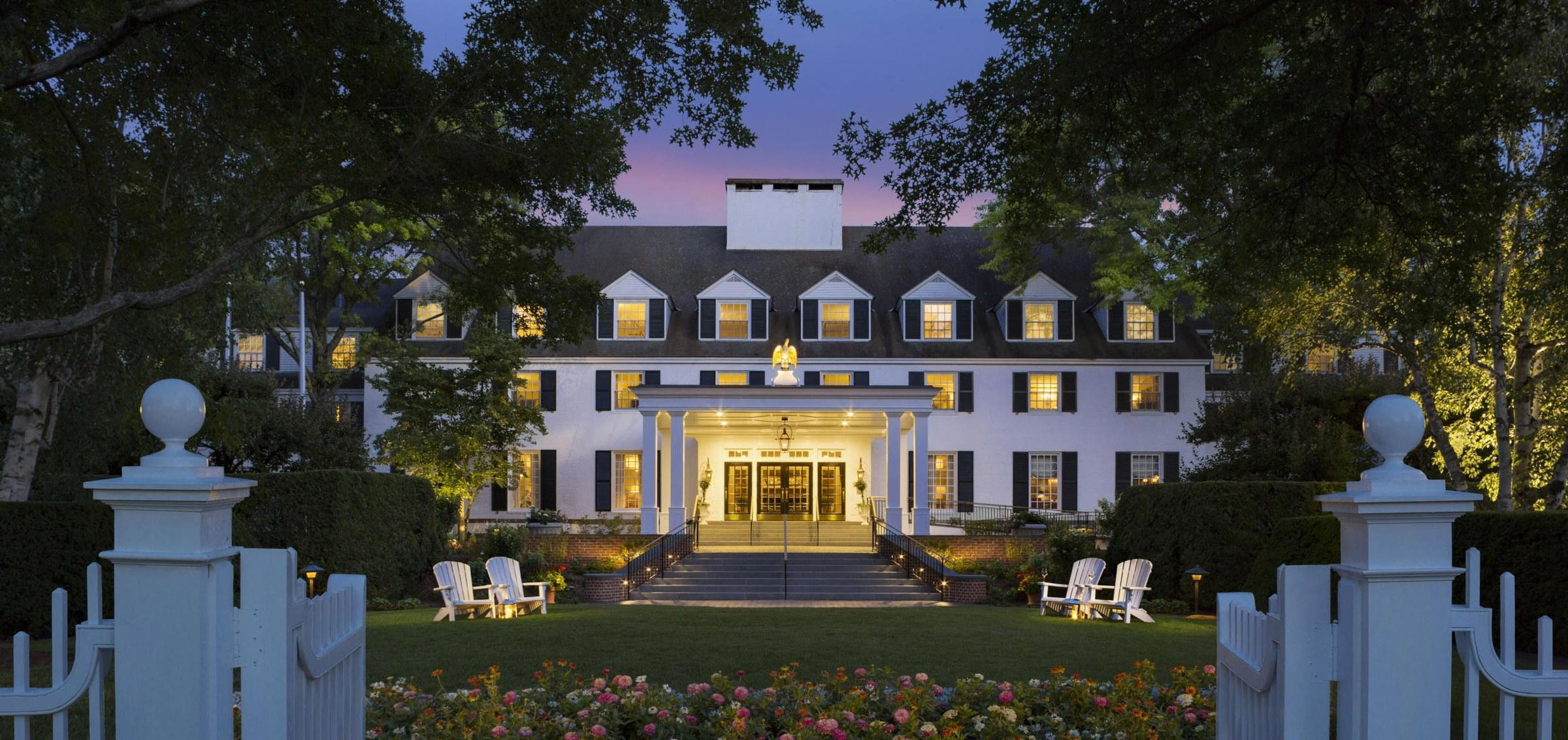
Hotel Biaclyn Hakodate sits within Motomachi’s layered historical fabric, so the property reads as quietly assured and intimate rather than flashy. The hotel’s place in the lower bay district places it amid repurposed brick warehouses, Meiji-era merchant houses and low-rise streets that shape a composed, romantic atmosphere. The MICHELIN Selected designation signals consistent quality in a town where such recognitions are rare, reinforcing a sense of refined restraint. Guests encounter a stay that is defined as much by its neighbourhood — the waterfront, the market and the hillside churches — as by the hotel itself.
Best For
This hotel is best for travelers who prize history, quiet streets and a compact, walkable urban setting — couples on romantic getaways, honeymooners and those celebrating anniversaries feel particularly at home here. Its placement in Motomachi keeps cultural landmarks, consulates and churches within easy reach, while the lower bay location links guests to the morning market and the Kanemori Red Brick Warehouse area. The MICHELIN Selected tag further appeals to visitors seeking assured standards in a smaller-city context rather than high‑volume resort amenities.
Stay Tips
Because Michelin selections from smaller Japanese cities are uncommon, consider booking early, especially in peak travel seasons when demand for boutique, well-regarded properties rises. When reserving, note the hotel’s position in the lower bay and Motomachi hillside so you can ask front desk staff about room placement relative to the market and waterfront precinct. Plan arrival and sightseeing on foot: the hotel’s neighbourhood is compact and best experienced by walking between the morning market, the waterfront warehouses and the hillside streets.
Venue details
Ambiance
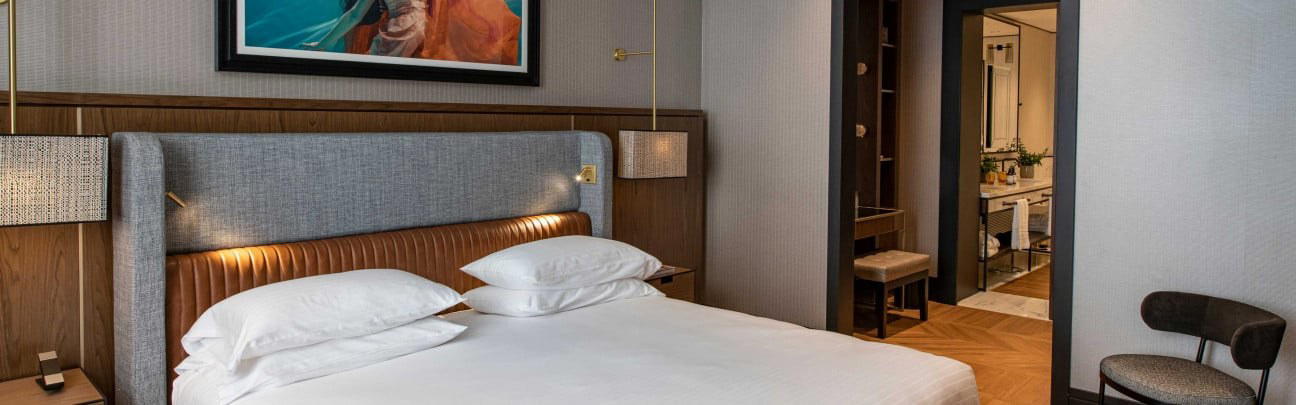
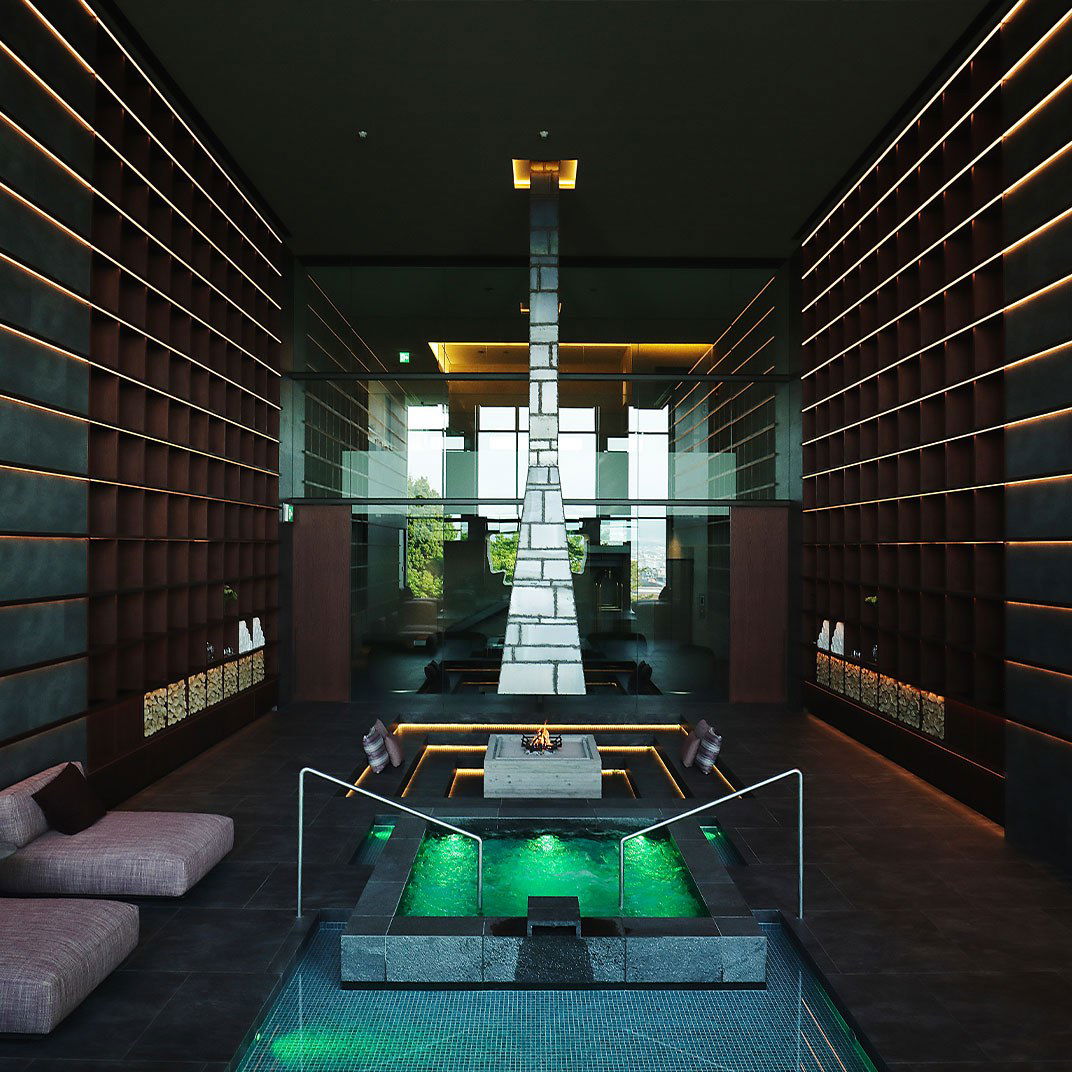
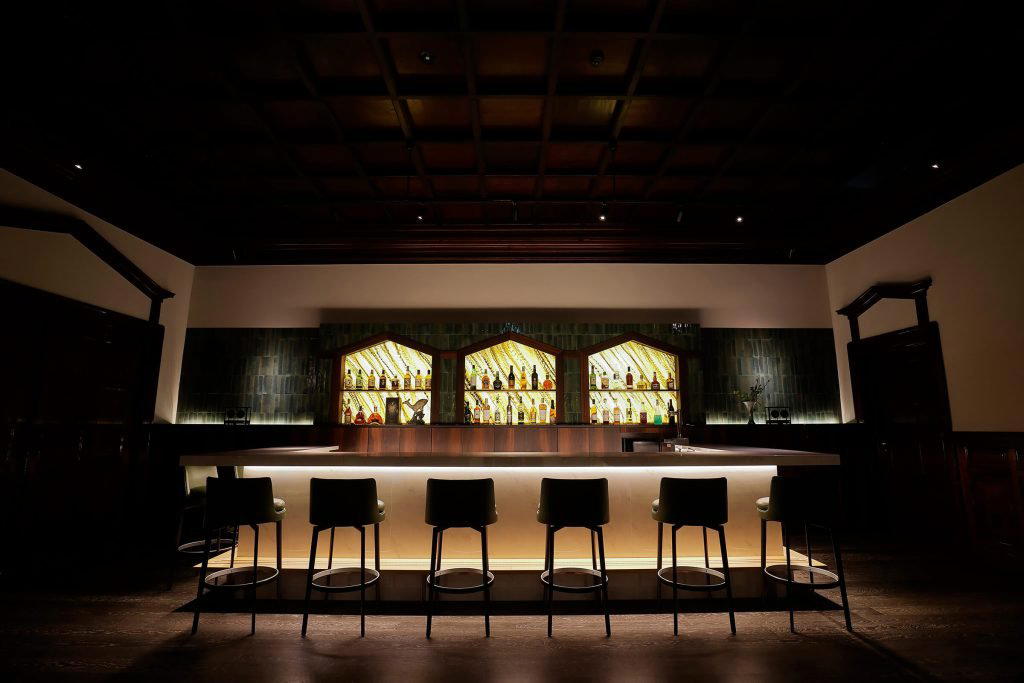
Polished historic atmosphere with ornate ceilings, chandeliers, bay windows, and serene wellness spaces featuring fireplaces and Japanese gardens.
Tags
Vibe
Best For
Experience
Amenities
View
About the Stay
- Rooms
- 11
- Check-in
- 15:00
- Check-out
- 11:00
- Property Style
- Historic Consulate Residence Blended with Contemporary Luxury Suites
- Design Style
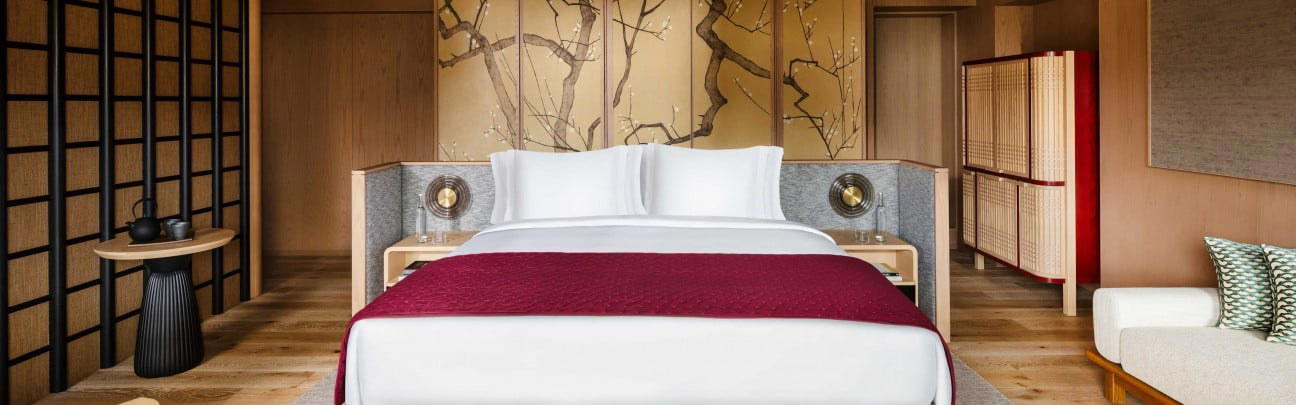
- Classic Charm with Modern Refinement, Featuring Geometric Marble, Ornate Moldings, and Designer Furnishings
Know before you go
Know Before You Go
- Getting there
- 17-3 Funamicho, Hakodate, Hokkaido 040-0055, Japan
Planning details
Location
Recognition and awards

Also consider
Also Consider
- Noboribetsu Hot Spring, Notable alternative
- The Windsor Hotel TOYA, Vignette Collection, Notable alternative
- WE Hotel Toya, Notable alternative
- Raku Suisan, Notable alternative
- Higashiyama Niseko Village, a Ritz-Carlton Reserve, Notable alternative
Hotel context
How it compares in Hokkaido
Hotel Biaclyn Hakodate is the practical city choice in this set: easier to book, better aligned with Hakodate exploring, and less of a destination-resort commitment. Noboribetsu Hot Spring is the better pick for travelers who want the trip to revolve around onsen time rather than the city.
The Windsor Hotel TOYA, Vignette Collection and WE Hotel Toya are stronger cross-shops for scenery-led stays around Lake Toya. Choose them when the hotel setting is the main event; choose Hakodate when restaurants, port-city wandering, and transport convenience matter more.
Raku Suisan and Higashiyama Niseko Village, a Ritz-Carlton Reserve sit closer to the resort end of the decision. They make more sense for a splurge-oriented Hokkaido itinerary, while Hotel Biaclyn Hakodate is the sharper call for a short city stay with credible recognition and lower booking friction.
Explore Hakodate
Around this place
Discover more on Pearl
Unlock the full Hotel Biaclyn Hakodate guide in Pearl, including awards, comparisons, FAQs, planning details, and nearby places.
Compare Hotel Biaclyn Hakodate
| Venue | Location | Awards |
|---|---|---|
| Hotel Biaclyn Hakodate | Hakodate | 2026 Relais Chateaux Hotels2026 Michelin 1 Key2025 Michelin Selected Hotels |
| Noboribetsu Hot Spring | Noboribetsu | No published awards |
| The Windsor Hotel TOYA, Vignette Collection | Toya | No published awards |
| WE Hotel Toya | Toyakocho, Abuta Gun | No published awards |
| Raku Suisan | Kutchancho, Abuta Gun | No published awards |
| Higashiyama Niseko Village, a Ritz-Carlton Reserve | Niseko | 2026 La Liste Top Hotels2026 Michelin 1 KeyMichelin 1 Key 20252025 Michelin 1 Key2024 Michelin 1 Key |



How Hotel Biaclyn Hakodate compares with similar nearby venues.
FAQ
Frequently Asked Questions
When is the best time to book Hotel Biaclyn Hakodate?
Book once your Hakodate dates are set, especially if you want a recognized city base. The Relais Chateaux Award (2026) and MICHELIN Guide, Hotels Selected (2025) recognition make it a sensible option for travelers who prefer to secure lodging early. For busier travel periods, earlier planning is prudent.
Is Hotel Biaclyn Hakodate good for business travel?
It can be a good fit if you want a Hakodate base rather than a resort-style detour. Confirm business facilities, meeting rooms, or loyalty-program benefits directly before booking. For a more destination-led setting outside Hakodate, compare it with The Windsor Hotel TOYA, Vignette Collection.
How is the pool and spa at Hotel Biaclyn Hakodate?
Do not choose it on the basis of pool or spa facilities alone. The stronger case is the hotel's Hakodate location, smart-casual dress code, Relais Chateaux Award (2026), and MICHELIN Guide, Hotels Selected (2025) recognition. If hot springs are the priority, compare Noboribetsu Hot Spring instead.
How does Hotel Biaclyn Hakodate compare to other Hokkaido options?
It is the better choice when you want Hakodate itself, not a lake or hot-spring escape. Noboribetsu Hot Spring is the move for an onsen focus, while The Windsor Hotel TOYA, Vignette Collection and WE Hotel Toya make more sense for a Toya-area resort stay. Higashiyama Niseko Village, a Ritz-Carlton Reserve is for a Niseko resort trip, not a Hakodate city base.
How is the location of Hotel Biaclyn Hakodate?
Its location in Hakodate makes it a cleaner fit for travelers who want a Hakodate stay over a remote retreat. For a quieter, more resort-like setting, compare with The Windsor Hotel TOYA, Vignette Collection or Noboribetsu Hot Spring.