
The Hotel Melrose
Downtown Grand Junction, Grand Junction
Hotel in Grand Junction, United States
 Book with Pearl
Why go
The Hotel Melrose is worth booking when downtown Grand Junction is the point of the trip, not just a place to sleep between outdoor stops. Its Michelin hotel selection adds confidence, while the easy booking profile makes it a practical choice for first-timers, business travelers, and wine-country weekends that need a central base.
About The Hotel Melrose
The Hotel Melrose is a hotel in Grand Junction, and it appears as a MICHELIN Guide Hotels Selected property for 2025. That is a useful quality signal, but specific details about room styles, amenity sets, dining programs, neighborhood claims, or service formats should be confirmed.
Book it if you are specifically considering a Grand Junction hotel and want a property with MICHELIN Guide hotel recognition. Beyond that, the practical decision should come from current availability, rates, room details, and any amenities you confirm directly before booking. For broader planning, pair it with Our full Grand Junction hotels guide, then use Our full Grand Junction restaurants guide, Our full Grand Junction bars guide, Our full Grand Junction wineries guide, and Our full Grand Junction experiences guide to decide how the stay fits into the rest of the trip.
Choose it for Grand Junction, with details confirmed before booking
Set expectations carefully. The Hotel Melrose is a Grand Junction hotel with a 2025 MICHELIN Guide Hotels Selected recognition, but specific claims about room categories, food and beverage, check-in style, family amenities, business facilities, parking, or pricing should be confirmed. If any of those details matter, confirm them through the hotel's current official channels before committing.
For travelers comparing different kinds of stays in the wider region, The Hotel Melrose can be considered alongside other named options such as BRANDED ROCK CANYON, Gateway Canyons Resort, Lionsback Resort, Sorrel River Ranch Resort & Spa, and ULUM Moab. Do not assume they answer the same trip need; compare them by confirmed location, availability, amenities, and the kind of stay you want.
Planning details
- Location
- 337 Colorado Ave, Grand Junction, CO 81501
- Website
- thehotelmelrose.com
- Phone
- (970) 317-2176
The take
The Take
The Vibe
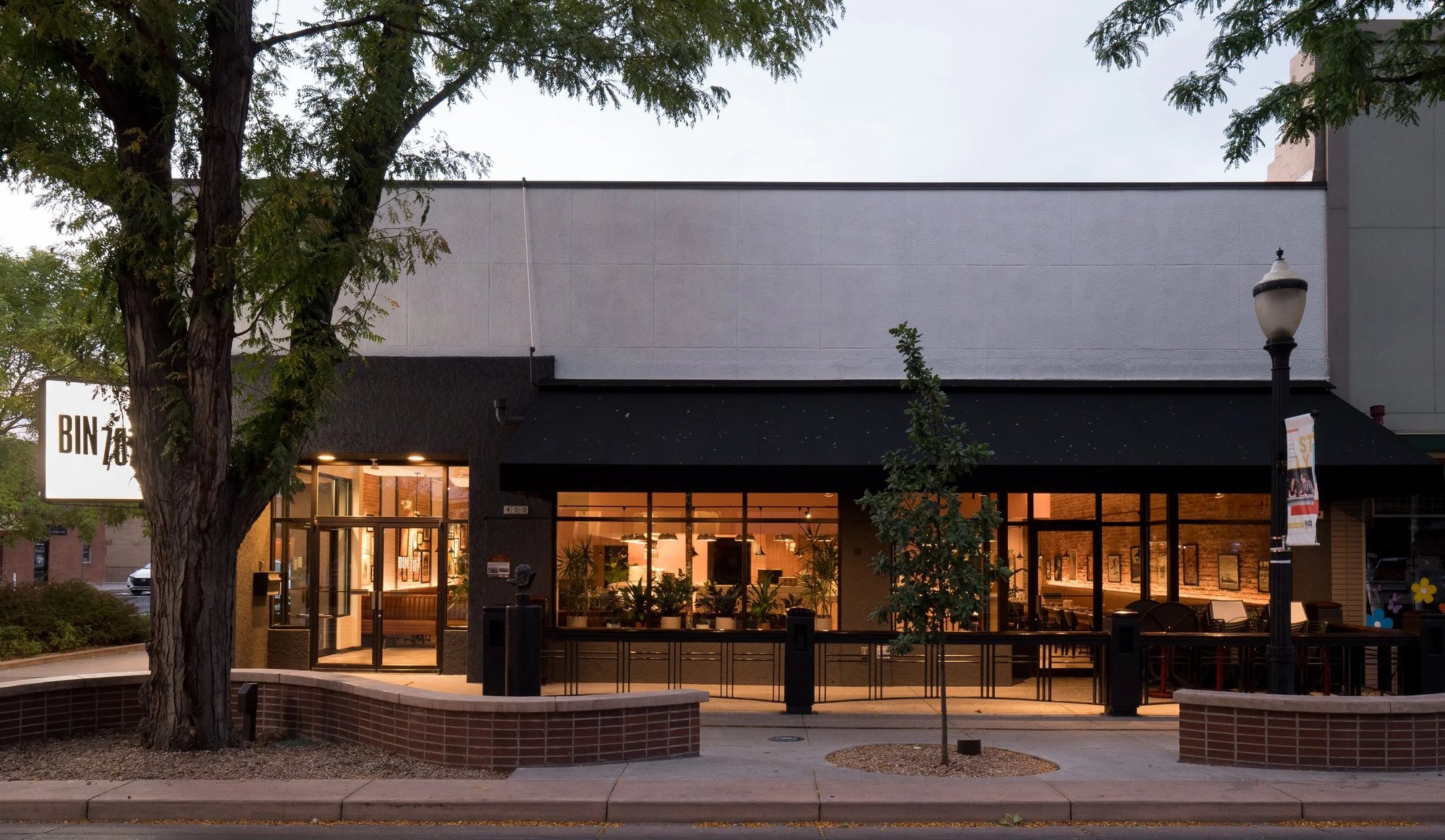
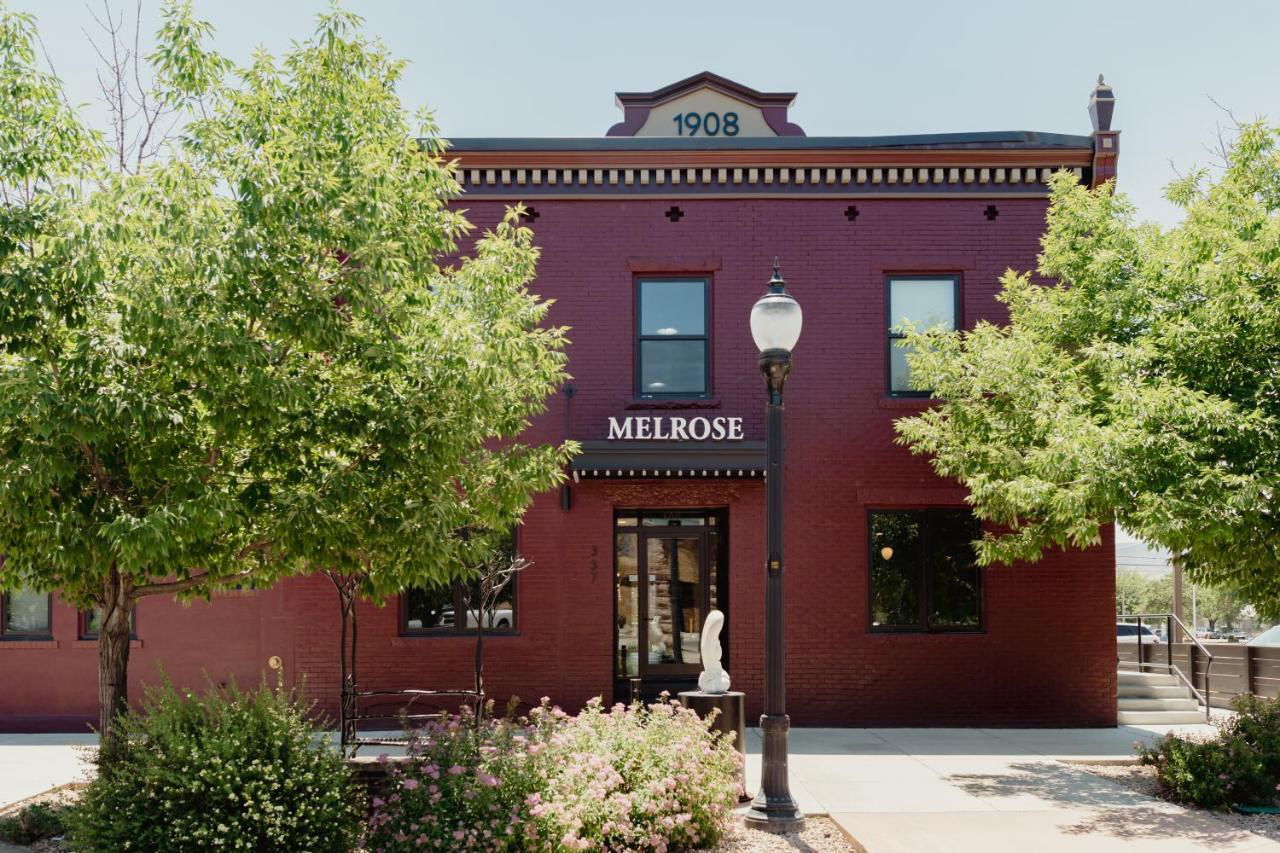
The Hotel Melrose reads as an urbane, historically minded property that foregrounds architectural character over resort spectacle. It sits directly on Colorado Avenue within a working downtown of brick-faced storefronts and covered sidewalks, so the hotel feels like an integrated piece of civic memory rather than an isolated development. Inside, the building’s early twentieth-century proportions—pronounced masonry, high ceilings and detailing that reads as part of an unbroken streetwall—give rooms and public spaces a measured, classic quality. The overall tone is rooted and quietly assured: a hotel that trades flash for authenticity and context.
Best For
The Melrose is best for travelers who want to be in the middle of downtown life and who prize architectural character over big-hotel amenities. It suits walkers and explorers who plan to use Colorado Avenue as a base for browsing brick storefronts and neighborhood restaurants, and it appeals to those who value restored historic fabric—high ceilings, masonry facades and a sense of urban continuity. Because the property competes on adjacency and design rather than amenity square footage, it’s a smart pick for weekend explorers and anyone seeking a city-centered alternative to mesa resorts.
Stay Tips
Choose the Melrose when your priority is downtown access and old‑building proportions: request a room that engages with Colorado Avenue if you want to step easily into pedestrian life. The description highlights the hotel’s historic structure—high ceilings and cross‑ventilation are characteristic—so factor that architectural quality into your choice rather than expecting a modern resort layout. If you prefer to be immersed in the street’s storefronts and covered sidewalks, pick a room on the street side to make the most of the hotel’s urban adjacency and walkable location.
Venue details
Ambiance
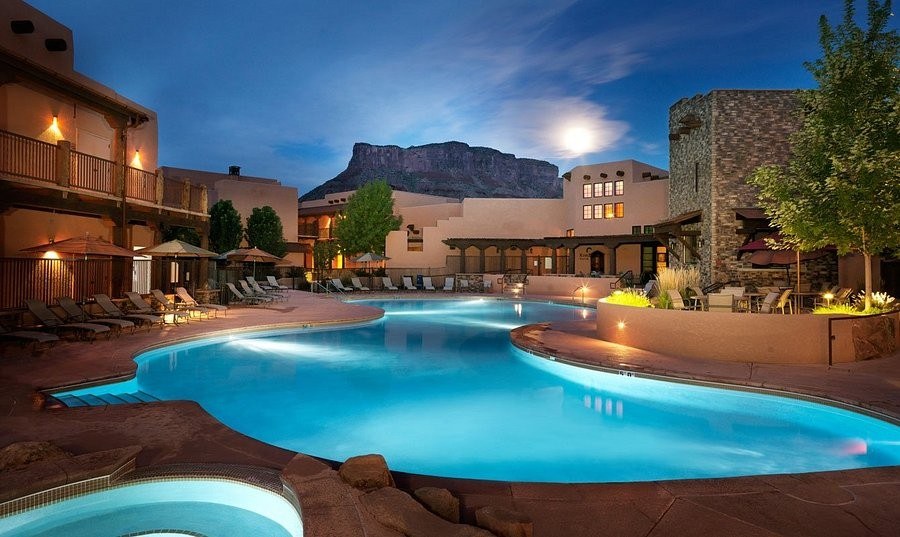
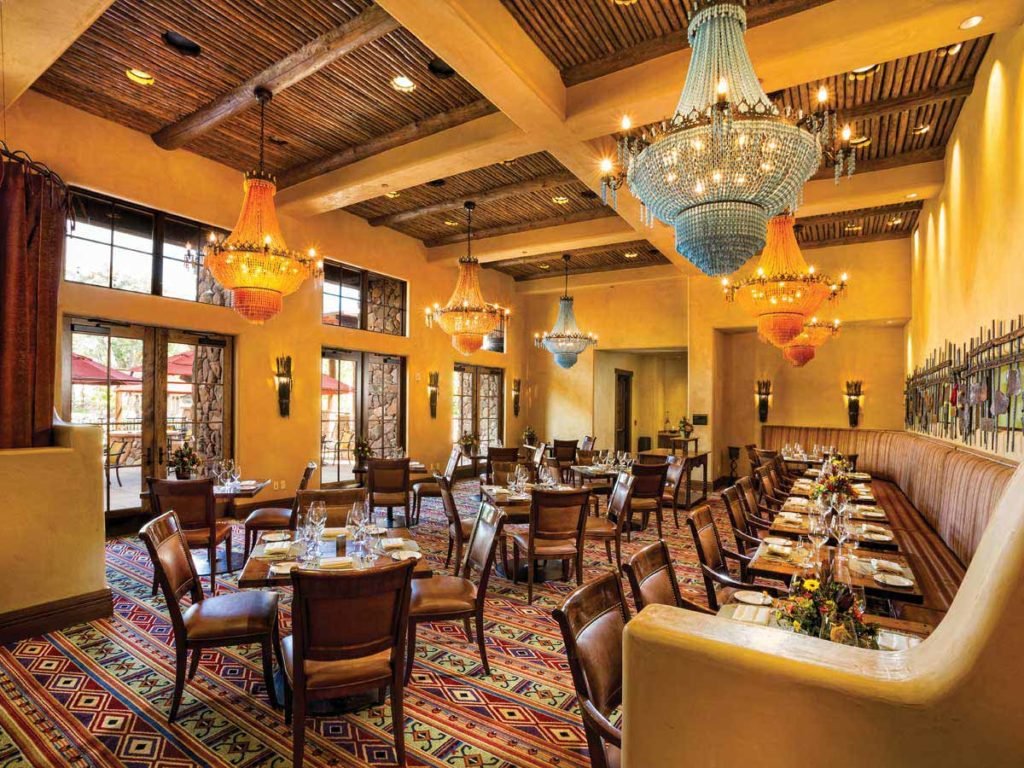
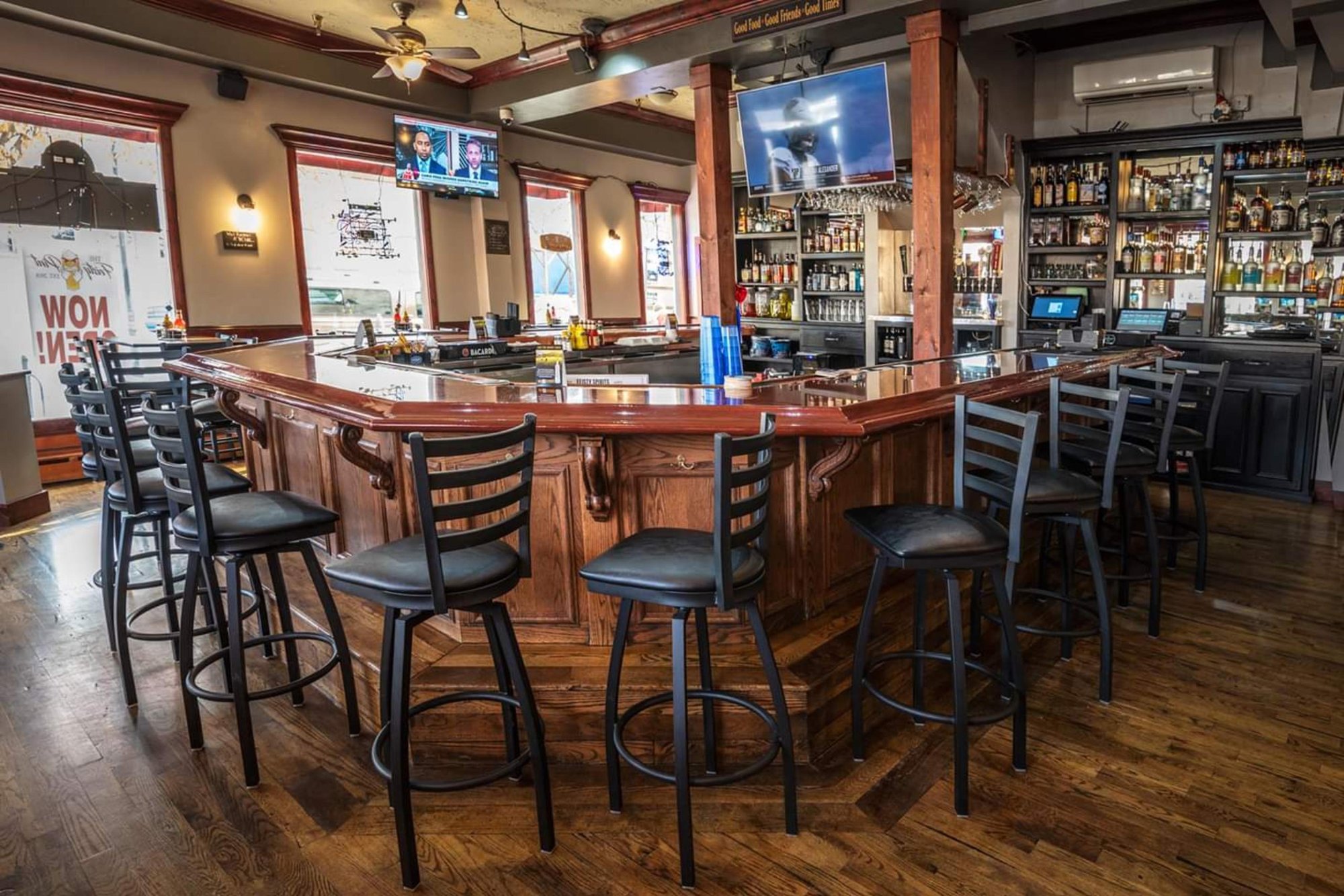
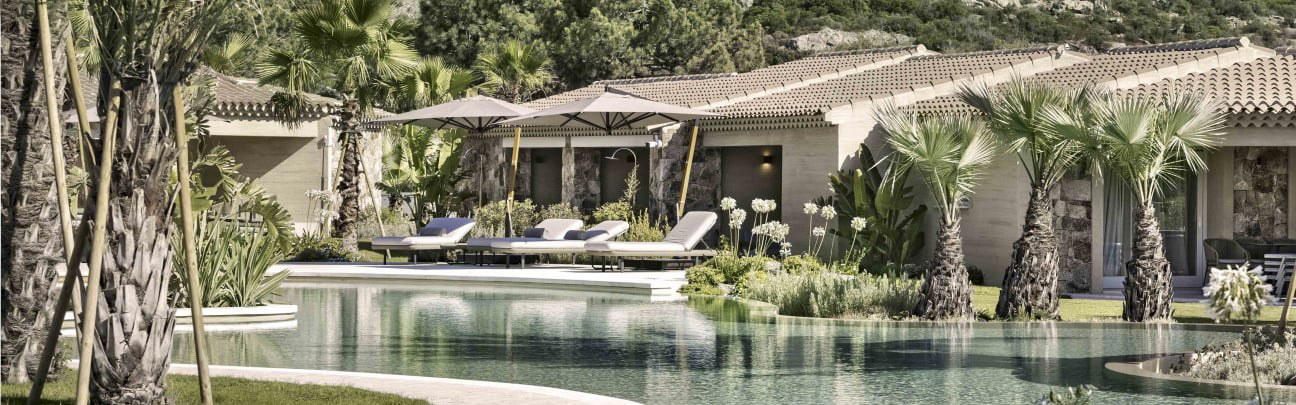
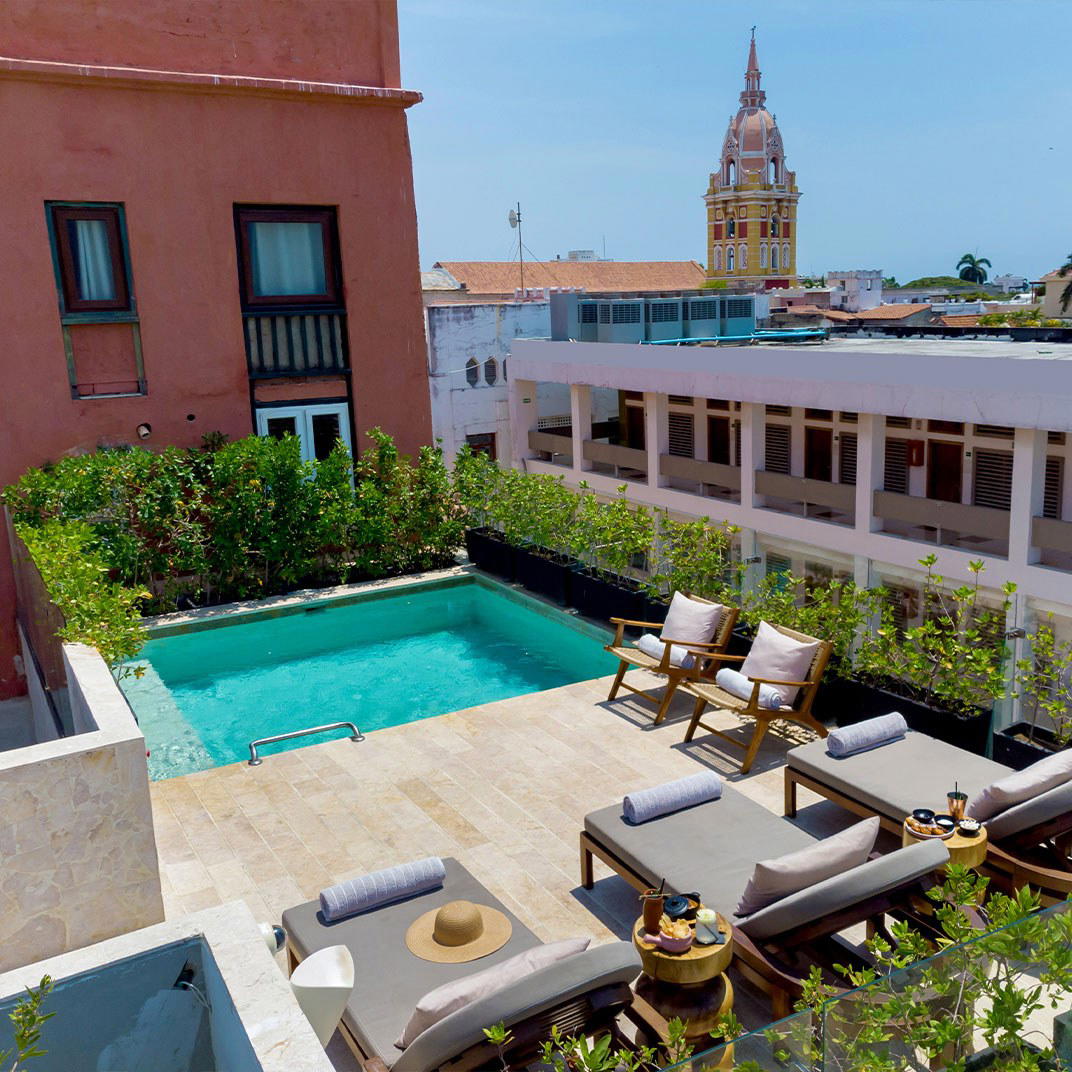
Warm retreat-like atmosphere with luxurious Western flair, speakeasy-style bar, and lush garden terrace.
Tags
Vibe
Best For
Experience
Amenities
Accessibility
About the Stay
- Rooms
- 16
- Check-in
- 16:00
- Check-out
- 11:00
- Property Style
- Historic Boutique with Modern Western Vibe
- Design Style
- Contemporary Elegance Meets Western Charm in Restored 1908 Building
Know before you go
Know Before You Go
- Getting there
- 337 Colorado Ave, Grand Junction, CO 81501
Planning details
Location
Recognition and awards
Also consider
Also Consider
- Gateway Canyons Resort, Notable alternative
- BRANDED ROCK CANYON, Notable alternative
- Lionsback Resort, Notable alternative
- Sorrel River Ranch Resort & Spa, Notable alternative
- ULUM Moab, Notable alternative
Hotel context
How It Compares
The Hotel Melrose is the practical Grand Junction choice for travelers who want to stay in town and avoid building the trip around a remote resort. Gateway Canyons Resort is the better fit if the priority is a fuller resort setting, but it asks for a different kind of itinerary. Pick Melrose for downtown access and easier logistics.
BRANDED ROCK CANYON, Lionsback Resort, Sorrel River Ranch Resort & Spa, and ULUM Moab all skew more destination-driven. They make sense when ambiance, scenery, and time on property matter more than quick access to Grand Junction.
For value, The Hotel Melrose is the cleaner call if the room is mainly a base for meals, work, wine tasting, or regional day trips. For a slower escape with more of the stay happening on-site, cross-shop Sorrel River Ranch Resort & Spa or ULUM Moab instead.
Explore Grand Junction
Around this place
Discover more on Pearl
Unlock the full The Hotel Melrose guide in Pearl, including awards, comparisons, FAQs, planning details, and nearby places.
Compare The Hotel Melrose
| Venue | Location | Awards |
|---|---|---|
| The Hotel Melrose | Grand Junction | 2025 Michelin Selected Hotels |
| Gateway Canyons Resort | Grand Junction | 2026 Virtuoso Luxury Hotel Collection2026 Forbes RecommendedStar Wine Lists 20262025 Michelin Selected Hotels2025 Forbes Recommended |
| BRANDED ROCK CANYON | Debeque | Top 50 Ranches 2026 |
| Lionsback Resort | Moab | No published awards |
| Sorrel River Ranch Resort & Spa | Moab | No published awards |
| ULUM Moab | Moab | 100 Most Incredible Hotels in the World · 20262026 La Liste Top HotelsWorld Travel Awards 20252025 Michelin 1 Key2024 Michelin 2 Keys |









How The Hotel Melrose Grand Junction compares with similar nearby venues.
FAQ
Frequently Asked Questions
Is The Hotel Melrose family-friendly?
The Hotel Melrose is a hotel in Grand Junction with a 2025 MICHELIN Guide Hotels Selected recognition, but specific family amenities are not detailed. Travelers with children should confirm room setup, policies, and any family-specific needs directly before booking.
Is The Hotel Melrose good for business travel?
It may be worth considering if you need a hotel in Grand Junction, but business-specific facilities or services are not detailed. If work amenities matter, confirm Wi-Fi, workspace, meeting needs, parking, and arrival details through the hotel's official channels before booking.
What is check-in like at The Hotel Melrose?
Specific check-in details are not available. If arrival timing, late check-in, luggage storage, or front-desk procedures matter, confirm the current details with The Hotel Melrose before you travel.
How is the dining at The Hotel Melrose?
Specific dining details are not available. Treat any on-site food or beverage offering as something to confirm directly with The Hotel Melrose, and use other Grand Junction dining options as needed when planning the stay.