
The Hiramatsu Hotels & Resorts Ginoza
Ginoza-son, Ginoza
Hotel in Ginoza, Japan
 Book with Pearl
The Read
Peninsula Villa Seclusion
Price
$500–750per night
Why go
A strong choice if you want a quieter, more private Okinawa base in Ginoza rather than a large resort-zone stay. The Michelin 1 Key recognition gives it credible luxury weight, but first-timers should compare exact room terms and seasonal rates carefully before committing.
About The Hiramatsu Hotels & Resorts Ginoza
Consider The Hiramatsu Hotels & Resorts Ginoza if the trip is specifically centered on Ginoza. The property holds a Michelin 1 Key recognition from 2024. For planning, check current room categories, rates, facilities, dining format, and inclusions before booking. The dress code is smart casual.
Okinawa hotel planning often involves choosing between different stays across the island. If you are comparing options, weigh The Hiramatsu Hotels & Resorts Ginoza against other Okinawa properties by checking current room details, inclusions, cancellation terms, and location needs directly before booking.
Book for Ginoza and the Michelin 1 Key signal
The booking case is simple: choose it when staying in Ginoza is central to the trip and the Michelin 1 Key recognition from 2024 matters to you as an external hotel signal. First-timers should treat this as a direct comparison decision: check the exact room, terms, and inclusions before committing.
Seasonal pricing can matter for Okinawa travel. If value is the priority, compare the live rate against the exact stay terms and against other suitable Okinawa hotels before booking.
Who should choose Ginoza over other Okinawa hotel addresses
Ginoza works if the itinerary is built around being in Ginoza rather than another Okinawa base. For comparison, travelers can also look at options such as ALMIS NAKIJIN, Halekulani Okinawa, Hyatt Regency Seragaki Island Okinawa, The Ritz-Carlton, Okinawa, and The Terrace Club Wellness Thalasso at Busena, while checking each property's actual location and current booking terms.
Quick reference: book The Hiramatsu Hotels & Resorts Ginoza if you want a Ginoza stay with a Michelin 1 Key recognition from 2024. Compare other options carefully if your decision depends on specific facilities, dining, room types, loyalty benefits, or activity programming.
Planning details
- Location
- 〒904-1301 Okinawa, Kunigami District, Ginoza, Matsuda, 1425番
- Website
- hiramatsuhotels.com/ginoza
- Phone
- +81 98-968-5600
The take
The Take
The Vibe
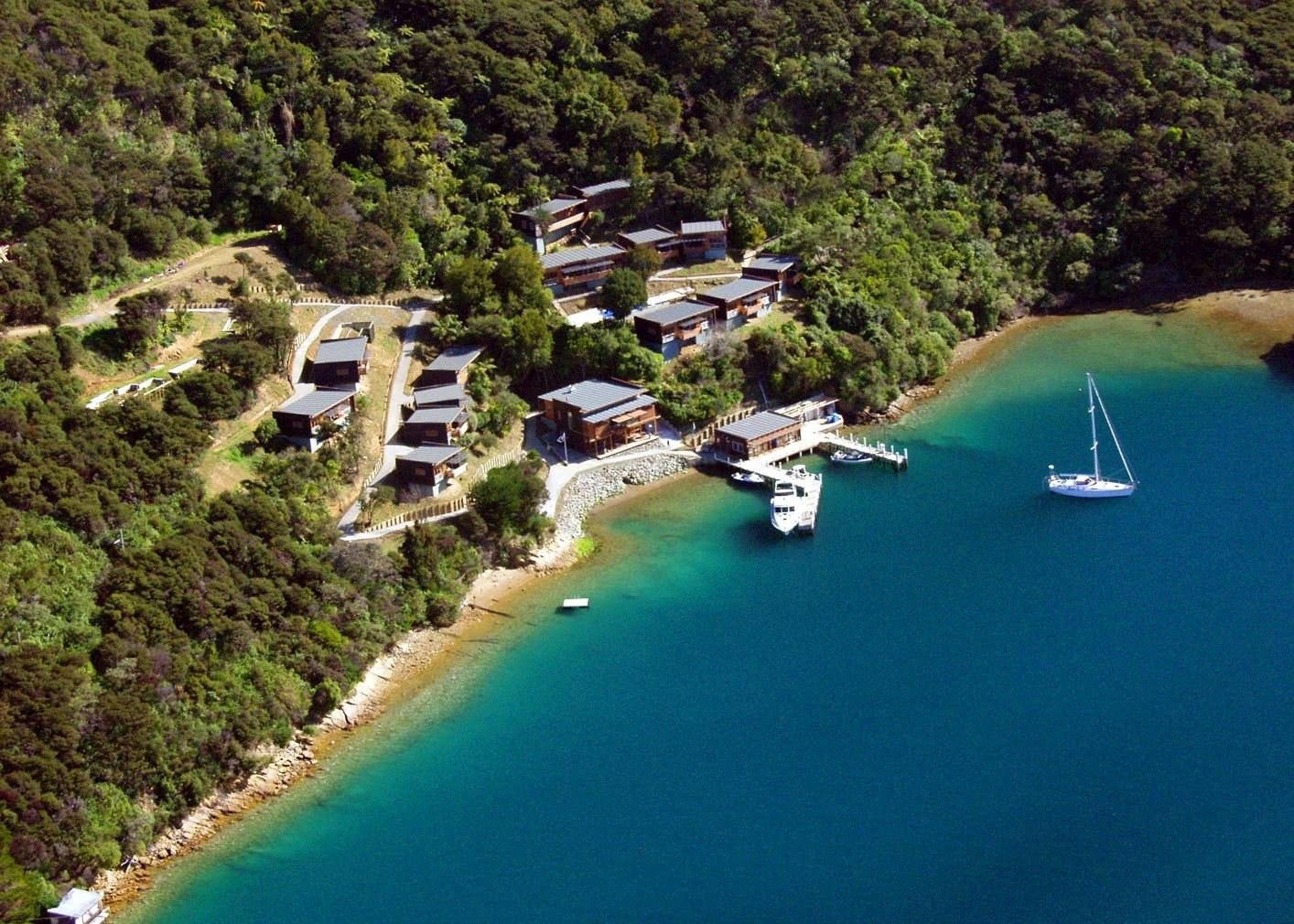
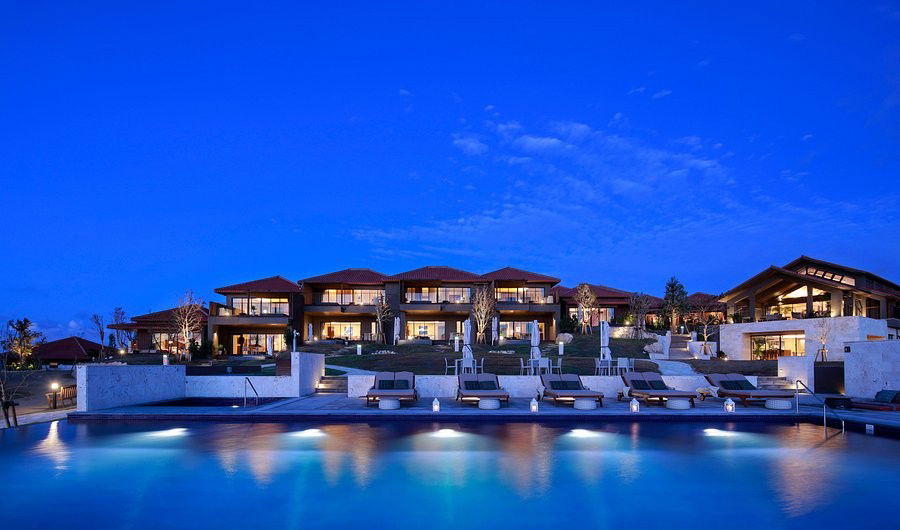
The Hiramatsu Ginoza reads as a study in quiet contemporary restraint set against a dramatic coastal site. Placed on its own peninsula and framed by a pine-forested headland, the property relies on the subtropical light and sea views to define its aesthetic. Architectural moves favor minimal intervention and a low room count, so the sense of seclusion and enclosure is as important as any interior embellishment. The overall effect is modern and serene: design-minded travelers experience the landscape as the primary artwork, with architecture working to highlight the shore, sky and gentle East China Sea light.
Best For
This is a resort for travelers who prize privacy, scenic sea views and considered design. It is well suited to honeymooners, couples on a romantic getaway and guests seeking a wellness-oriented escape or an intimate anniversary retreat. Because the property’s character depends on its site — water on three sides and a wooded headland — visitors who want quiet, contemplative time by the sea and a modern, design-forward environment will find it especially rewarding. It is less about busy programming and more about being immersed in place.
Stay Tips
Book early and prioritize a seaward-facing room: the description makes clear that the site and sea views are the central draw, and the resort’s small scale suggests limited inventory. Expect a quietly programmed, highly private stay rather than a bustling resort scene; requests for rooms on the peninsula or those described as having direct sea views are likely to deliver the experience the copy emphasizes. Arrive prepared to enjoy the natural setting and architectural restraint rather than extensive on-site entertainment.
Venue details
Ambiance
Serene and refined atmosphere with natural light from expansive terraces overlooking the sea, lush greenery, and private outdoor spaces fostering tranquility and intimacy.
Tags
Vibe
Best For
Experience
Amenities
View
Accessibility
About the Stay
- Rooms
- 19
- Check-in
- 15:00
- Check-out
- 11:00
- Property Type
- Boutique hotel
- Property Style
- Luxurious Gourmet Resort Harmonizing Nature, Design, and Gastronomy on Okinawa's East Coast.
- Design Style
- Modern Minimalist with Elegant Terraces and Private Outdoor Jacuzzis Overlooking the Sea.
- Breakfast
- Included
- Pool
- Yes
- Spa
- Yes
- Cancellation
- Strict
Know before you go
Know Before You Go
- Getting there
- 〒904-1301 Okinawa, Kunigami District, Ginoza, Matsuda, 1425番
Planning details
Location
〒904-1301 Okinawa, Kunigami District, Ginoza, Matsuda, 1425番 · Directions
Recognition and awards
Also consider
Where to look if this is not the right fit
If the goal is a bigger, more familiar luxury resort, compare Halekulani Okinawa and The Ritz-Carlton, Okinawa. If wellness is the deciding factor, start with The Terrace Club Wellness Thalasso at Busena.
Hotel context
How it compares with nearby Okinawa luxury hotels
Choose The Hiramatsu Hotels & Resorts Ginoza if the priority is a quieter Ginoza setting with a more retreat-like feel. The Ritz-Carlton, Okinawa is the safer pick for travelers who want a globally familiar luxury resort format, while Halekulani Okinawa is the better cross-shop for a bigger beach-resort mood.
The Terrace Club Wellness Thalasso at Busena makes more sense if wellness is the main reason for the trip. Hyatt Regency Seragaki Island Okinawa is likely the easier planning choice for travelers who want a broader resort setup and less friction around facilities. For a smaller, quieter northern-Okinawa alternative, compare ALMIS NAKIJIN.
On value, the right move is to compare live rates by room type rather than assume one property wins on name alone. If The Hiramatsu prices close to the larger resorts, book it for privacy and atmosphere; if rates climb during peak leisure periods, the bigger properties may deliver more visible amenities for the spend.
Explore Ginoza
Around this place
Discover more on Pearl
Unlock the full The Hiramatsu Hotels & Resorts Ginoza guide in Pearl, including awards, comparisons, FAQs, planning details, and nearby places.
Compare The Hiramatsu Hotels & Resorts Ginoza
| Venue | Location | Awards |
|---|---|---|
| The Hiramatsu Hotels & Resorts Ginoza | Ginoza | 2026 Michelin 1 KeyMichelin 1 Key 20252025 Michelin 1 Key2024 Michelin 1 Key |
| The Ritz-Carlton, Okinawa | Nago | 2026 Forbes 4-Star2026 La Liste Top Hotels2026 Michelin 1 Key2025 Michelin 1 Key2025 Forbes 4-Star2024 Michelin 1 Key |
| The Terrace Club Wellness Thalasso at Busena | Okinawa | 2026 Forbes RecommendedStar Wine Lists 20262026 La Liste Top Hotels2025 Forbes RecommendedSmall Luxury Hotels Member 2025 |
| Halekulani Okinawa | Okinawa | 2026 Virtuoso Luxury Hotel Collection2026 Forbes 5-StarStar Wine Lists 20262026 La Liste Top HotelsLeading Hotels of the World 20262026 Michelin 2 Keys2025 Michelin 2 Keys2025 Forbes 5-Star2024 Michelin 2 Keys |
| Hyatt Regency Seragaki Island Okinawa | Onna, Kunigami Gun | No published awards |
| ALMIS NAKIJIN | Nakijin, Kunigami Gun | No published awards |









How The Hiramatsu Hotels & Resorts Ginoza compares with similar nearby venues.
FAQ
Frequently Asked Questions
Which room category is best at The Hiramatsu Hotels & Resorts Ginoza?
Choose based on the current room descriptions, inclusions, and cancellation terms provided at booking, while noting that the hotel has a Michelin 1 Key recognition from 2024.
Do loyalty programs work at The Hiramatsu Hotels & Resorts Ginoza?
For loyalty-program decisions, check any earning, redemption, or benefit information directly before booking. The 2024 Michelin 1 Key remains the clearest hotel distinction.
How is the location of The Hiramatsu Hotels & Resorts Ginoza?
The location to use for planning is Ginoza. It suits travelers specifically considering Ginoza as their Okinawa base; compare carefully with options such as The Ritz-Carlton, Okinawa or Halekulani Okinawa if another part of Okinawa may fit the trip better.
Is The Hiramatsu Hotels & Resorts Ginoza good for business travel?
If the trip depends on meeting space, work amenities, or corporate convenience, confirm those details directly and compare with alternatives such as Hyatt Regency Seragaki Island Okinawa.
How is the pool and spa at The Hiramatsu Hotels & Resorts Ginoza?
If pool and spa facilities are a deciding factor, confirm current amenities directly and compare with The Terrace Club Wellness Thalasso at Busena if that property is also under consideration.
How does The Hiramatsu Hotels & Resorts Ginoza compare to other Okinawa hotels?
The clearest distinction is that The Hiramatsu Hotels & Resorts Ginoza is in Ginoza and has a Michelin 1 Key recognition from 2024. Compare it with The Ritz-Carlton, Okinawa, Halekulani Okinawa, Hyatt Regency Seragaki Island Okinawa, The Terrace Club Wellness Thalasso at Busena, and ALMIS NAKIJIN based on each property's current location, room details, inclusions, and terms.
When is the best time to book The Hiramatsu Hotels & Resorts Ginoza?
Book when the available room, rate, and cancellation terms suit your Ginoza plans, especially if the Michelin 1 Key recognition is part of the reason for choosing the property.