
Conti di San Bonifacio
Gavorrano, Gavorrano GR
Hotel in Gavorrano GR, Italy
 Book with Pearl
The Read
Agrarian Luxury, Maremma Precision
Why go
Against larger Tuscan resort peers, Conti di San Bonifacio is the quieter Maremma choice for a celebration stay anchored in rural calm. The Michelin 1 Key recognition in 2025 gives it a strong quality signal, but book it for privacy and setting rather than a facilities checklist.
About Conti di San Bonifacio
Conti di San Bonifacio is a venue in Gavorrano GR with a smart-casual dress code and Michelin 1 Key recognition in 2025. Before booking, confirm practical details such as room categories, dining format, facilities, prices, service style, and operating specifics directly.
Use those headline signals as a starting point rather than a complete trip plan. The Michelin 1 Key (2025) is the clearest quality signal, while the smart-casual dress code is the main on-site expectation to plan around.
Book with the confirmed signals in mind
The Michelin 1 Key recognition in 2025 is the strongest quality marker for Conti di San Bonifacio. It supports considering the venue in Gavorrano GR, but it does not by itself indicate specific amenities, dining details, room types, or service formats.
If the trip depends on particular facilities or logistics, confirm those details before committing. Ask about spa access, pool access, restaurant format, pricing, check-in procedures, family services, dietary accommodations, take-out, delivery, and transport arrangements.
The dress code is smart casual. That is the safest guidance for planning what to wear, especially if the visit is tied to a special occasion or a more polished stay.
Use Gavorrano GR as the planning frame
For wider planning, start with Gavorrano GR and cross-check other local options before making fixed plans. If you are comparing nearby or regional stays, consider Conti di San Bonifacio alongside Borgo Santo Pietro, L'Andana, Tenuta Il Cicalino, The Sense Experience Resort, and Vedetta Relais, while confirming the practical differences directly for each property.
Quick reference: Conti di San Bonifacio is in Gavorrano GR, has a smart-casual dress code, and holds Michelin 1 Key recognition for 2025. Confirm all other trip-critical details before booking.
Planning details
- Location
- Localita' Casteani, 1, 58023 Gavorrano GR
- Website
- contidisanbonifacio.com
- Phone
- +39 0566 80006
The take
The Take
The Vibe
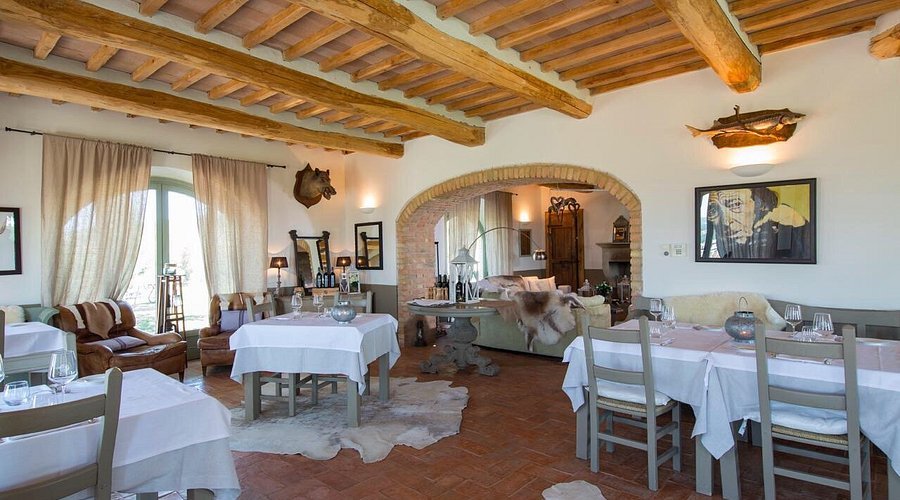
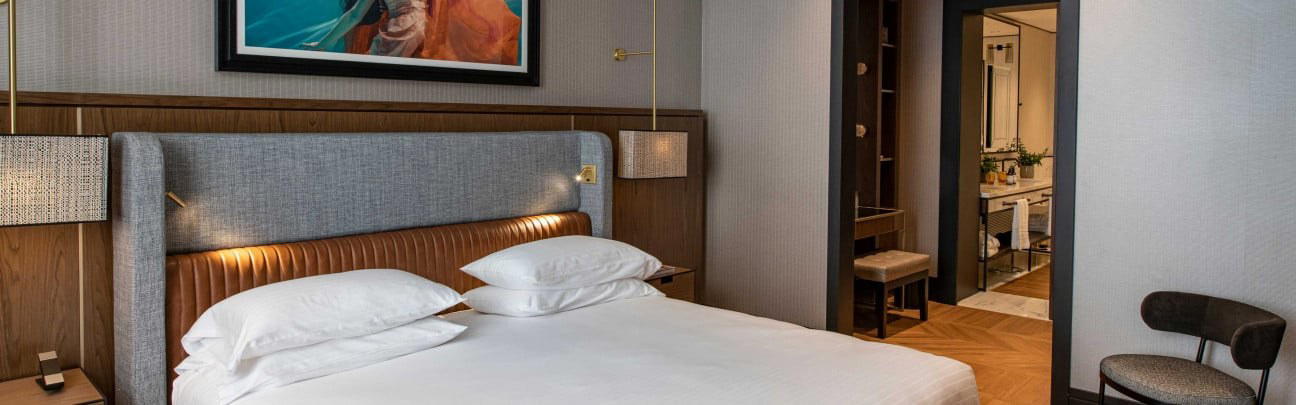
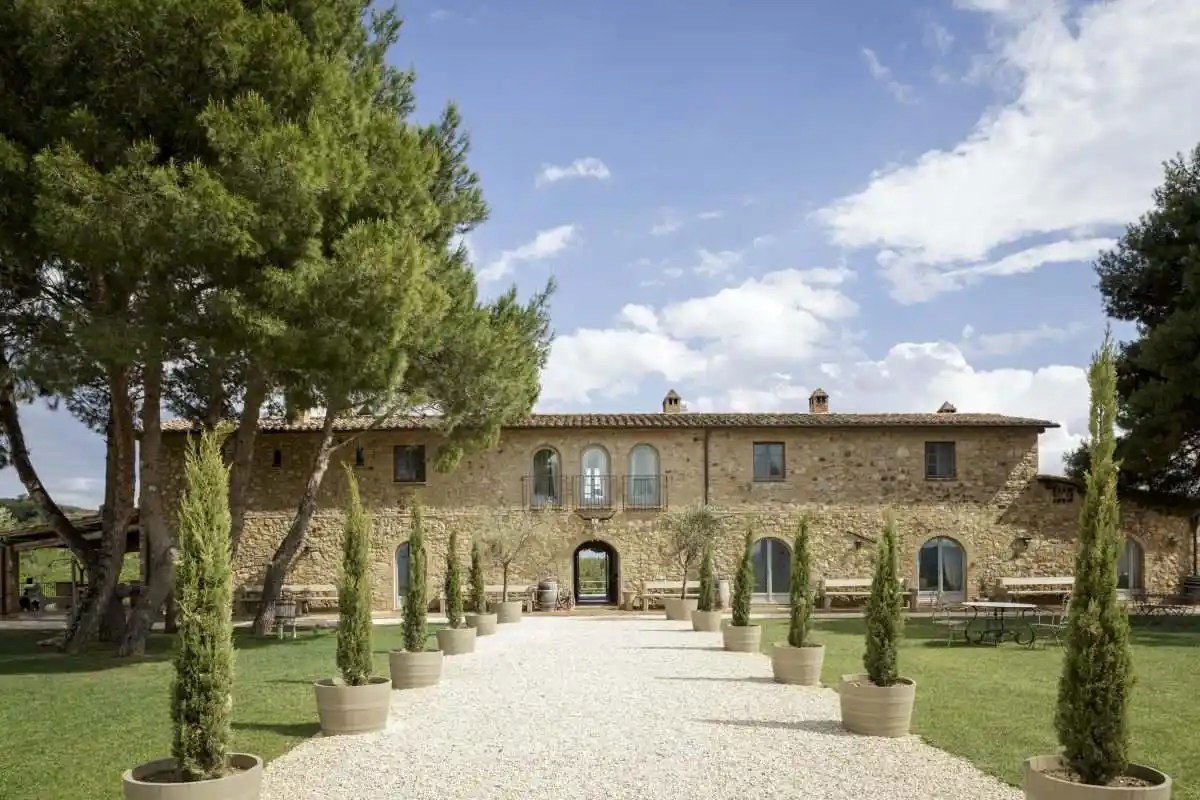
Conti di San Bonifacio reads as a deliberate collision of old and new: the original stone farmhouse, chestnut-beam ceilings and terra-cotta floors remain legible, while interiors introduce Bauhaus chairs, Egyptian cotton linens and marble-carved bathrooms. The restoration foregrounds material thinking rather than pastiche, so the place feels like modern luxury anchored in history. The result is quietly sophisticated and design-led — more considered artful residence than typical agriturismo — and it rewards travelers who care about craft, proportion and a restrained, high-design take on rural Tuscan life.
Best For
This property suits travelers seeking a quietly refined countryside retreat where design and local food matter. Couples on a romantic getaway or honeymoon find the combination of intimate rooms and a landscape-aware food program appealing, while design-minded guests appreciate the dialogue between the original stone structure and contemporary fittings. Its hillside setting in the Maremma makes it a good pick for those after scenic, low-key escapes rather than busy city stays. Guests who value considered materials and local sourcing in their hospitality experience will get the most out of a stay here.
Stay Tips
Plan stays around the hotel’s dining offering: the description emphasizes a food program that leans on what the land produces, so reserve dinners to experience locally sourced provisions prepared on-site. When booking, request rooms that retain the original architectural features if you prefer visible stonework and chestnut beams; if you favor contemporary comforts, note the property’s emphasis on modern fittings like marble bathrooms and refined linens. Given the rural hillside location, allow extra travel time for arrival and coordinate any on-site meal times with the property in advance.
Venue details
Ambiance
Cozy, rustic-chic atmosphere with warm lighting, country elegance, and serene vineyard surroundings.
Tags
Vibe
Best For
Experience
Amenities
View
Accessibility
About the Stay
- Rooms
- 7
- Check-in
- 15:00
- Check-out
- 11:00
- Property Style
- Restored Tuscan Farmhouse Wine Resort
- Design Style
- Rustic Italian Chic with Designer Finishes
Know before you go
Know Before You Go
- Getting there
- Localita' Casteani, 1, 58023 Gavorrano GR
Planning details
Location
Recognition and awards
Also consider
Also Consider
- Tenuta Il Cicalino, Notable alternative
- Vedetta Relais, Notable alternative
- Borgo Santo Pietro, Notable alternative
- L'Andana, Notable alternative
- The Sense Experience Resort, Notable alternative
Hotel context
How it compares in and around Gavorrano GR
Choose Conti di San Bonifacio over Tenuta Il Cicalino or Vedetta Relais if the priority is a quieter, recognition-backed countryside stay for a special occasion. Its Michelin 1 Key in 2025 gives it a clearer luxury signal than peers without comparable listed recognition, though the trade-off is that the available public detail is thinner, so it is less suited to travelers who need every facility confirmed before choosing.
Borgo Santo Pietro is the safer cross-shop for travelers who want a bigger destination-hotel feel and are prepared to plan around a likely harder, higher-stakes booking. L'Andana is the better comparison if the brief is polished Tuscan resort energy rather than intimate rural quiet. Conti di San Bonifacio makes more sense when the trip is about privacy, low noise, and keeping the schedule slow.
The Sense Experience Resort is the better fallback for guests who want a more resort-led stay and easier confidence around facilities. For value, the right move is not to chase the lowest rate; it is to book the property whose format matches the trip. Pick Conti di San Bonifacio for anniversaries and adult-leaning escapes, Borgo Santo Pietro or L'Andana for a fuller luxury-hotel program, and The Sense Experience Resort when amenities matter more than rural seclusion.
Explore Gavorrano GR
Around this place
Discover more on Pearl
Unlock the full Conti di San Bonifacio guide in Pearl, including awards, comparisons, FAQs, planning details, and nearby places.
Compare Conti di San Bonifacio
| Venue | Location | Awards |
|---|---|---|
| Conti di San Bonifacio | Gavorrano GR | 2026 Michelin 1 KeyMichelin 1 Key 20252025 Michelin 1 Key2024 Michelin 1 Key |
| Tenuta Il Cicalino | Massa Marittima | No published awards |
| Vedetta Relais | Scarlino | No published awards |
| Borgo Santo Pietro | Chiusdino | 2026 Virtuoso Luxury Hotel Collection2026 Mr & Mrs Smith Luxury Hotels2026 La Liste Top HotelsLeading Hotels of the World 20262026 Michelin 3 Keys2025 Michelin 3 Keys2024 Michelin 1 Key |
| L’Andana | Castiglione della Pescaia | 2026 Virtuoso Luxury Hotel Collection2026 Mr & Mrs Smith Luxury HotelsLeading Hotels of the World 20262026 Michelin 1 Key2025 Michelin 1 Key2024 Michelin 1 Key |
| The Sense Experience Resort | Follonica | 2025 Michelin Selected HotelsPreferred Hotels Member 2025 |







How Conti di San Bonifacio Gavorrano GR compares with similar nearby venues.
FAQ
Frequently Asked Questions
Is Conti di San Bonifacio good for business travel?
It may work for business travel if the location in Gavorrano GR and the venue's Michelin 1 Key (2025) recognition fit the trip. Confirm meeting facilities, arrival logistics, workspace, and transport directly before relying on the venue for business needs.
How is the dining at Conti di San Bonifacio?
The Michelin 1 Key (2025) recognition supports the overall quality signal for the venue, but it does not indicate cuisine, restaurant format, menus, prices, dietary accommodations, or service hours. If dining is central to the trip, confirm current details directly and compare with options such as L'Andana or Borgo Santo Pietro only after checking their current offerings.
How is the location of Conti di San Bonifacio?
How does Conti di San Bonifacio compare to nearby hotels?
Conti di San Bonifacio has Michelin 1 Key recognition in 2025 and a smart-casual dress code. When comparing it with The Sense Experience Resort, Tenuta Il Cicalino, Vedetta Relais, Borgo Santo Pietro, or L'Andana, focus on current availability, facilities, dining, room types, and logistics, and confirm those details directly with each property.
Is Conti di San Bonifacio family-friendly?
Before booking with children or a multi-generational group, confirm room setup, policies, facilities, dining suitability, and any age-related restrictions directly with the venue.
Which room category is best at Conti di San Bonifacio?
Choose only after checking the current room types, layouts, views, accessibility needs, and pricing directly with the venue or booking channel.