
Palazzo del Corso
Corso Roma, Gallipoli
Hotel in Gallipoli, Italy
 Book with Pearl
Why go
Palazzo del Corso is a strong Gallipoli shortlist pick for a polished, central special-occasion stay, especially if the goal is to sleep in town rather than retreat to a resort. The MICHELIN Guide hotel selection adds credibility, but do not choose it on restaurant strength alone; cross-shop Palazzo Presta and nearby Salento palazzo stays if dining or facilities are the deciding factor.
About Palazzo del Corso
Palazzo del Corso is a Gallipoli hotel listed in the MICHELIN Guide hotel selection for 2025. It is best considered by guests who want a carefully chosen hotel option and who are comfortable confirming practical details directly before booking. The dress code is smart casual, which supports a more dressed-up expectation.
A Gallipoli stay with a confirmed MICHELIN hotel-selection signal
The strongest reason to keep Palazzo del Corso on the shortlist is its MICHELIN Guide Hotels Selected recognition for 2025. That is a useful confidence marker for travelers comparing Gallipoli hotel options, and it supports interest in the hotel experience. Guests planning a celebration, business-leisure stop, or carefully chosen Gallipoli stay should use that recognition as a starting point, then confirm the details that matter for their trip.
The clearer case is simpler: Palazzo del Corso is a Gallipoli hotel with MICHELIN hotel-selection recognition and a smart casual dress code. If the meal, facilities, or a specific itinerary feature is the main reason for the trip, compare options carefully rather than assuming those details from the hotel name or general reputation.
Who should choose it, and who should cross-shop
Choose Palazzo del Corso if you want a Gallipoli hotel that carries a confirmed MICHELIN Guide hotel-selection signal and you are willing to check practical details directly before booking. It is a stronger fit for travelers who value a vetted hotel shortlist than for guests who need every facility, service, or dining element documented in advance.
The MICHELIN Guide hotel selection gives Palazzo del Corso a meaningful trust signal, but that should be read correctly. It supports confidence in considering the hotel; it does not, by itself, prove details about restaurants, amenities, prices, or service format. In practical terms, it is a reason to take the property seriously, not a reason to stop comparing. Palazzo Presta, Palazzo Piccinno, Palais Gentile, Palazzo Tafuri, and Il Giardino Grande - Dimora in Salento can all be part of a broader comparison depending on the kind of stay you want.
Bottom line: shortlist Palazzo del Corso when you want a Gallipoli hotel with MICHELIN Guide Hotels Selected recognition for 2025 and a smart casual dress code. Cross-shop if your decision depends on specific facilities, dining details, loyalty benefits, or services that need to be confirmed before booking. The best fit is a traveler who values a vetted hotel choice but still verifies the practical details that will shape the stay.
Planning details
- Location
- Corso Roma, 145, 73014 Gallipoli LE, Italy
- Website
- hotelpalazzodelcorso.it
- Phone
- +39 0833 264040
The take
The Take
The Vibe
Palazzo del Corso reads as an architectural stay rather than a generic hotel block. Housed in a converted palazzo on Gallipoli’s Corso Roma, it foregrounds original stonework, vertical facades and an interior organised around a cortile or loggia. The interior shifts from the dense, public energy of the corso into a calm, composed space: a quality that feels both restorative and discreet. The Michelin Selected designation signals consistent upkeep and quality, so the hotel’s historic character is presented as carefully preserved rather than merely decorative.
Best For
This is a stay for travelers who prize heritage, quiet and scale. Couples seeking a romantic getaway or milestone stay (honeymoon or anniversary) find the palazzo’s intimate rooms and internal cortile especially suited to that mood. It also appeals to design-conscious visitors who want an architecturally resonant base in Gallipoli’s old town: close to the corso and its light-washed limestone facades, yet offering an interior calm that makes planning and timing straightforward thanks to the Michelin Selected endorsement.
Venue details
Ambiance
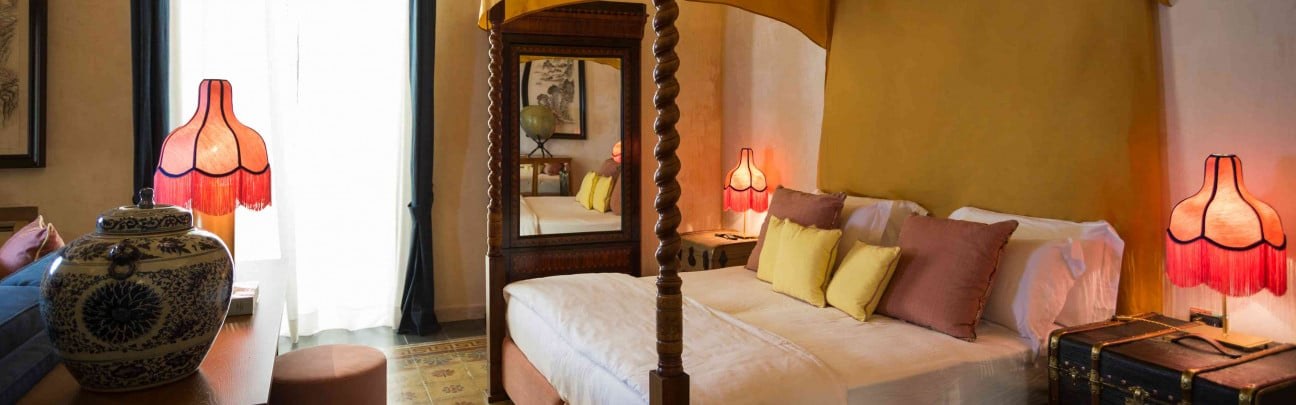
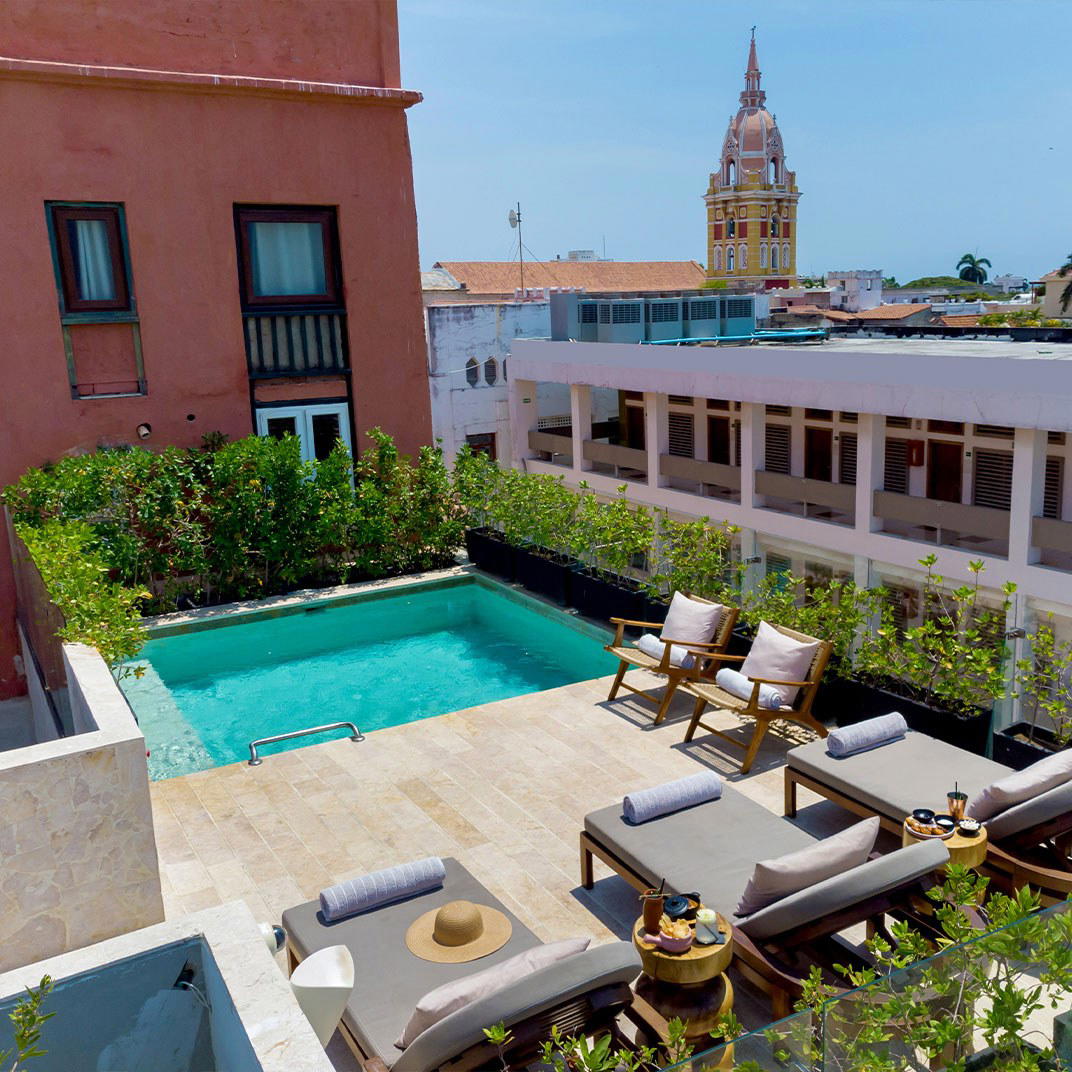
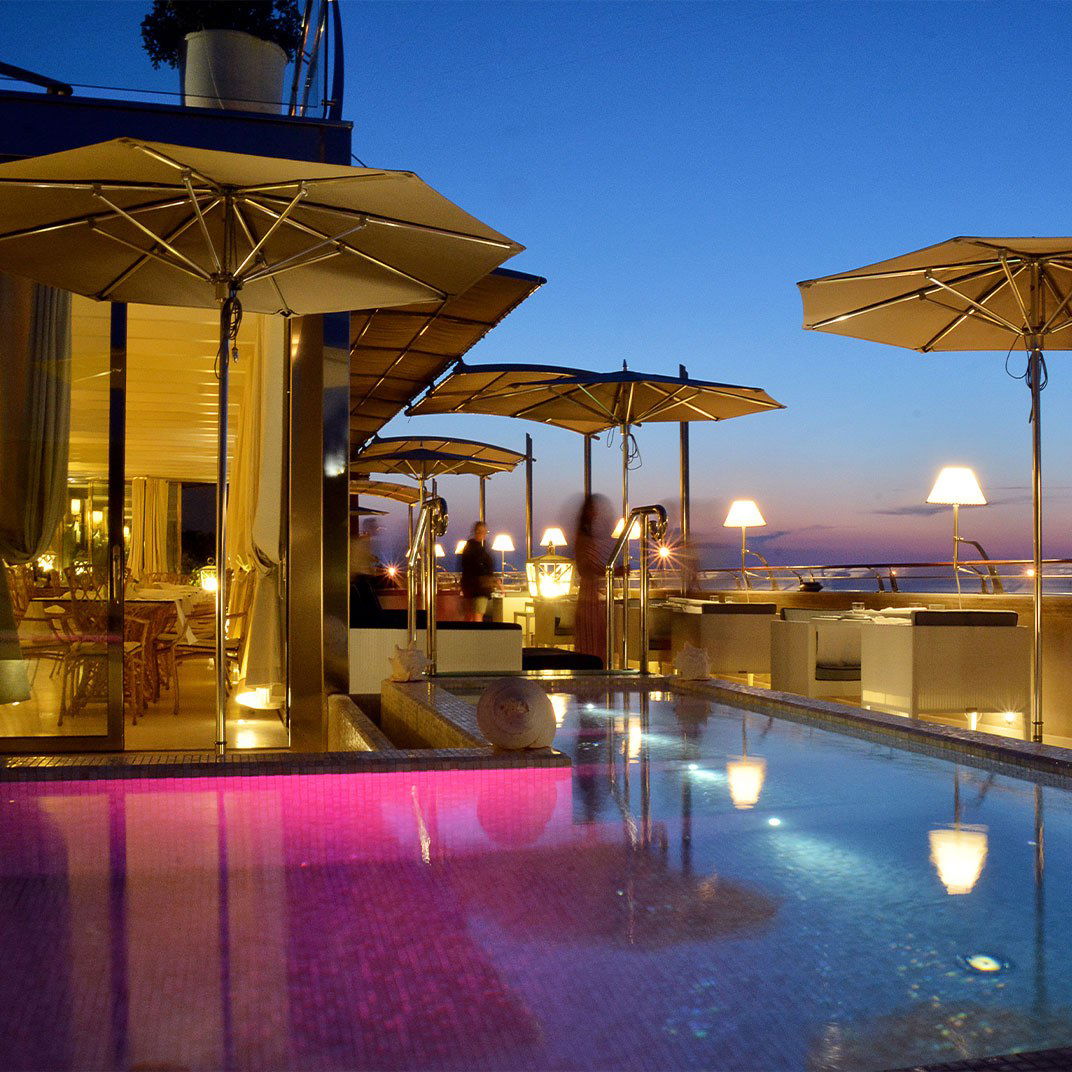
Elegant and refined atmosphere combining 19th-century vaulted ceilings and frescoes with modern stylish elements, enhanced by rooftop dining and hydrotherapy pool.
Tags
Vibe
Best For
Experience
Amenities
View
Accessibility
About the Stay
- Rooms
- 14
- Check-in
- 14:30
- Check-out
- 12:00
- Property Type
- Boutique hotel
- Property Style
- Elegant Boutique in Historic 19th Century Palazzo
- Design Style
- Blend of Classic Puglian with Modern Fashion Styles
- Airport Transfer
- Available
- Pool
- Yes
- Spa
- Yes
Know before you go
Know Before You Go
- Getting there
- Corso Roma, 145, 73014 Gallipoli LE, Italy
Planning details
Location
Recognition and awards
Also consider
Where to look if this is not the right fit
If Palazzo del Corso is not the right match, start with Palazzo Presta for another Gallipoli palazzo stay. If the trip can sit outside town, compare Palazzo Tafuri or Palais Gentile for a broader Salento base with a different pace.
Hotel context
How Palazzo del Corso compares in Gallipoli
Palazzo del Corso is the stronger pick when the brief is a polished central Gallipoli stay with a more formal feel. Palazzo Presta is the closest city comparison and makes sense for travelers who want another palazzo-style option in town before committing. With no confirmed price spread across the set, value should be judged by room category, cancellation terms, and which property gives the right location for the trip rather than by headline rate alone.
Il Giardino Grande - Dimora in Salento, Palazzo Piccinno, Palais Gentile, and Palazzo Tafuri shift the comparison toward a wider Salento stay rather than a Gallipoli-first one. Choose those if the trip is built around exploring the region by car and a quieter base matters more than being on Corso Roma.
Booking difficulty is listed as easy for Palazzo del Corso, which makes it the lower-friction option for a celebration plan that does not allow much schedule risk. For ambiance, it sits in the dressed-up city-hotel lane; the out-of-metro peers are better cross-shops when the desired mood is slower, more residential, or less tied to Gallipoli's center.
Explore Gallipoli
Around this place
Discover more on Pearl
Unlock the full Palazzo del Corso guide in Pearl, including awards, comparisons, FAQs, planning details, and nearby places.
Compare Palazzo del Corso
| Venue | Location | Awards |
|---|---|---|
| Palazzo del Corso | Gallipoli | 2025 Michelin Selected Hotels |
| Palazzo Presta | Gallipoli | No published awards |
| Il Giardino Grande - Dimora in Salento | Parabita | No published awards |
| Palazzo Piccinno | Parabita | No published awards |
| Palais Gentile | Matino | No published awards |
| Palazzo Tafuri | Nardò | No published awards |
How Palazzo del Corso Gallipoli compares with similar nearby venues.
FAQ
Frequently Asked Questions
How does Palazzo del Corso compare to other hotels?
Use Palazzo del Corso as one Gallipoli option with confirmed MICHELIN Guide hotel-selection recognition. Palazzo Presta, Palazzo Piccinno, Palais Gentile, Palazzo Tafuri, and Il Giardino Grande - Dimora in Salento are names to compare when deciding which style of stay fits best.
Do loyalty programs work at Palazzo del Corso?
Loyalty-program participation should be checked with the booking channel. The confirmed case for Palazzo del Corso is its Gallipoli setting, smart casual dress code, and MICHELIN Guide Hotels Selected recognition for 2025.