
Hotel in Fujikawaguchiko, Japan
7c villa\u0026winery
150ptsLakeside Winery Stays

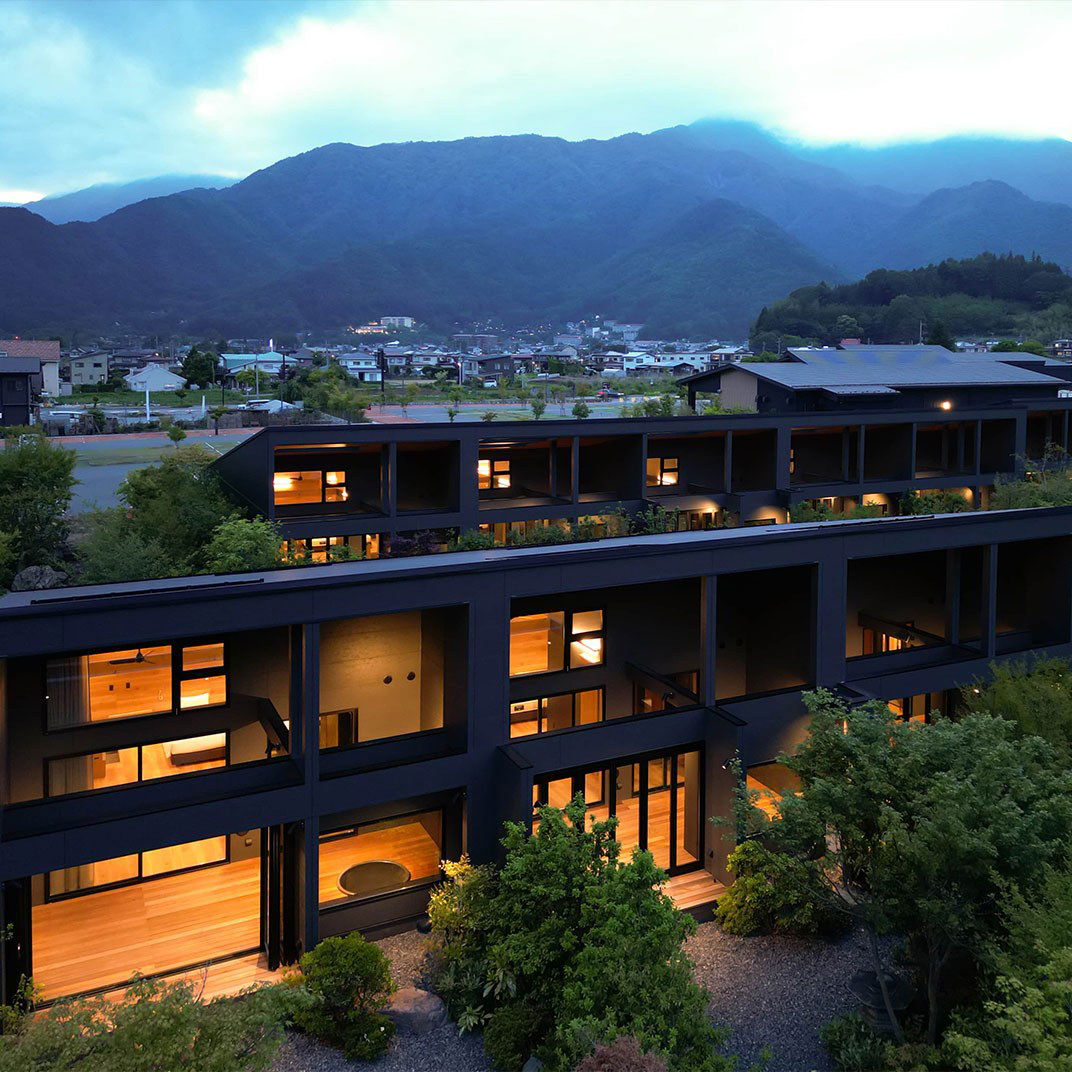
About 7c villa\u0026winery
A Michelin Selected villa and winery property in Fujikawaguchiko, positioned at the intersection of Japan's wine country ambitions and the Fuji Five Lakes resort tradition. The combination of accommodation and on-site wine production is unusual for this region, placing 7c villa&winery in a niche tier where the physical setting and viticultural identity carry as much weight as the hospitality format.
Where the Fuji Five Lakes Meet the Vine
The Fuji Five Lakes region draws visitors for a particular quality of light: the way Mount Fuji's silhouette absorbs and reflects the morning sky over Lake Kawaguchi, and the way that same mountain gives the area an altitude and microclimate distinct from the lowland resort towns of Hakone or the Izu Peninsula. It is this geographic specificity that makes the villa-and-winery format at 7c villa&winery; worth examining as a hospitality proposition rather than a novelty. Japan's domestic wine culture has matured considerably since the 1990s, with Yamanashi Prefecture — the broader region in which Fujikawaguchiko sits — now producing wines that appear on serious restaurant lists in Tokyo and Kyoto. A property that combines accommodation with on-site wine production is, in that context, less an eccentricity and more a logical extension of where premium rural hospitality in Japan is heading.
The Architecture of Arrival
Approaching a villa-format property in this part of Yamanashi means leaving the main road infrastructure that feeds the busier lakefront hotels and moving into a quieter residential and agricultural register. The address at Kawaguchi 512-2 places 7c villa&winery; within Fujikawaguchiko town, and the villa format , as distinct from the large-format ryokan or resort hotel , signals a different kind of spatial experience. Villa properties in this region typically occupy low-rise, ground-hugging structures where the ratio of building footprint to garden or land holding is weighted toward the latter. The physical envelope is kept deliberately small; the surrounding terrain does the work that a conventional hotel lobby or atrium would otherwise perform.
This architectural restraint is increasingly a deliberate market signal in Japan's premium rural accommodation tier. Properties like Zaborin in Kutchan and Nasu Mukunone in Nasu have made low-key, materials-led design a defining feature of their positioning, placing them in a competitive set defined less by brand affiliation and more by design discipline and landscape integration. 7c villa&winery; operates within the same logic: the compound name itself, combining the residential (villa) with the productive (winery), describes a physical arrangement where multiple structures or zones serve different functions within a single property. That is a design program, not just a naming convention.
The Winery as Spatial Identity
In established wine regions globally, the winery building has long served as an architectural set piece, a place where the production process is made visible and legible to visitors. In Japan's nascent premium wine culture, this tradition is still forming. Yamanashi's wine producers range from large industrial facilities on the valley floor to small-batch operations where the cellar, the vineyard, and the hospitality space occupy a single compact site. The villa-and-winery format that 7c embodies belongs to this latter category, where the winery is not a backdrop but a structural and sensory element of the stay itself.
For guests accustomed to the ryokan tradition , where the architecture, the onsen, and the kaiseki meal form an integrated experience , the winery-as-amenity represents a cognate logic applied to a different cultural frame. Both formats ask the guest to engage with their physical surroundings as the primary content of the stay, rather than treating the accommodation as a base from which to conduct external activities. The Michelin Selected distinction for 2025, awarded through the Michelin hotels and stays program, confirms that 7c villa&winery; meets a threshold of quality and distinctive character that the guide considers relevant to its readership. That recognition places the property in a tier where design, setting, and food and drink credentials are weighted alongside conventional hospitality metrics.
Fujikawaguchiko's Premium Accommodation Tier
The Fuji Five Lakes area has developed a layered accommodation market over the past decade. At the volume end, large lakefront hotels and business-oriented properties service the Tokyo day-trip and weekend visitor trade. Above that sits a mid-premium tier of hot spring inns and resort hotels. At the leading, a smaller cohort of properties has emerged that compete on design, exclusivity, and culinary or experiential depth rather than scale or brand recognition. Fufu Kawaguchiko and HOSHINOYA Fuji represent two distinct approaches within this upper tier: the former grounded in a refined ryokan tradition, the latter in a branded outdoor-luxury concept. ふふ 河口湖 extends that conversation further. 7c villa&winery; occupies a different position again, defined by its wine production identity and villa-scale intimacy rather than by either hot spring culture or outdoor adventure programming.
Across Japan more broadly, the most instructive comparisons may be properties where a specific productive or cultural identity anchors the physical design. Benesse House in Naoshima integrates contemporary art at an architectural level; Satoyama-Jujo in Niigata grounds itself in the agricultural specificity of the snow country. 7c villa&winery; applies a parallel logic to viticulture in a region whose wine identity is still consolidating around international recognition. Other Michelin Selected properties in Japan's rural resort tier include Gora Kadan in Hakone, Asaba in Izu, and Kamenoi Besso in Yufu, each of which uses its physical environment as a primary design argument rather than an amenity list.
Planning a Stay
Fujikawaguchiko is accessible from Tokyo via the Chuo Expressway or by direct highway bus from Shinjuku, with journey times typically around ninety minutes to two hours depending on traffic and departure point. The town sits at approximately 830 metres above sea level, which means temperatures run cooler than central Tokyo year-round, and spring and autumn bring distinct atmospheric conditions that affect both the visibility of Mount Fuji and the character of the surrounding landscape. For a winery property, autumn carries particular relevance as the harvest period, though specific programming details and room availability at 7c villa&winery; should be confirmed directly with the property given the absence of public booking infrastructure in the current database. The Michelin Selected status for 2025 is verifiable through the Michelin hotels and stays guide, and that recognition provides a reliable quality baseline for prospective guests assessing the property against the wider Fujikawaguchiko field.
For a broader orientation to the area's dining and accommodation options, our full Fujikawaguchiko restaurants guide covers the range of properties and eating options across the Five Lakes region. Travellers building a longer Japan itinerary might also consider how a Fuji Five Lakes stay connects to urban anchor points: Bvlgari Hotel Tokyo in Tokyo and HOTEL THE MITSUI KYOTO in Kyoto represent the urban luxury tier on either side of the mountain region, while properties like Fufu Nikko in Nikko, Fufu Kyu-Karuizawa Restful Forest in Karuizawa, and Atami Izusan Karaku in Atami map a network of high-quality rural stays across the Kanto and Chubu regions. For those extending further afield, Amanemu in Mie, Nishimuraya Honkan in Kinosaki-cho, Sekitei in Hatsukaichi-shi, Halekulani Okinawa, Jusandi in Ishigaki, and The Hiramatsu Hotels & Resorts Ginoza in Ginoza round out the national picture. International comparisons for the design-led winery-stay format can be drawn from properties like Badrutt's Palace Hotel in St. Moritz and Hôtel de Paris Monte-Carlo in Monte Carlo, though the programmatic and cultural context differs substantially. The Fifth Avenue Hotel in New York City offers yet another reference point for the intersection of design ambition and hospitality distinction in a high-visibility address.
Frequently Asked Questions
What is the atmosphere like at 7c villa&winery;?
The property sits within the Fujikawaguchiko resort zone of Yamanashi Prefecture, a region recognised for its Mount Fuji views and growing wine culture. As a Michelin Selected property in 2025, the atmosphere is positioned toward intimate, design-conscious stays rather than the large-format ryokan or branded resort experience that defines much of the area's accommodation supply. The villa format and on-site winery suggest a quieter, more residential register.
What is the most popular room type at 7c villa&winery;?
Specific room type data is not available in the current record. Given the villa format and Michelin Selected recognition, the property likely operates with a limited number of keys, which is characteristic of this tier in Japan's rural premium accommodation market. Confirming room categories directly with the property is advisable, particularly for stays during autumn harvest season or the spring cherry blossom period when demand across Fujikawaguchiko peaks.
What is the defining thing about 7c villa&winery;?
The combination of villa-scale accommodation with an active winery on a single property is the structural distinction that sets 7c apart from the broader Fujikawaguchiko field. In a region where premium stays typically anchor around hot spring culture or mountain views, a wine production identity represents a different organising principle for the guest experience. The Michelin Selected 2025 designation confirms that distinction is legible to at least one established international quality framework.
Recognized By

Similar venues by awards
Related editorial
- Asia's 50 Best Restaurants 2026: The Chairman and Wing Go 1-2 from the Same BuildingThe Chairman takes No. 1 and Wing climbs to No. 2 at Asia's 50 Best Restaurants 2026. Both operate from the same Hong Kong building. Here's what it means.
- Four Seasons Yachts Debut: 95 Suites, 11 Restaurants, and a March 2026 Maiden VoyageFour Seasons I launches March 20, 2026, with 95 suites, a one-to-one staff ratio, and 11 onboard restaurants. Worth tracking if you want hotel-grade service at sea.
- LA Michelin Guide 2026: Seven New Restaurants from Tlayudas to Uzbek DumplingsMichelin's March 2026 California Guide update adds six LA restaurants and one Montecito newcomer, spanning Oaxacan tlayudas, Uzbek manti, and Korean-Italian pasta.
Save or rate 7c villa\u0026winery on Pearl
Keep this venue in your Pearl passport, rate it after you visit, and track it alongside every other place you collect.