
Hotel / Weingut Meintzinger
Frickenhausen am Main, Frickenhausen
Hotel in Frickenhausen, Germany
 Book with Pearl
The Read
Franconian Winery Lodging
Why go
Book Hotel / Weingut Meintzinger if you want a quiet Frickenhausen wine-country stay with a personal, small-hotel feel and Michelin 1 Key recognition. It is stronger for couples and special occasions than for travelers chasing resort-style amenities or a broad facilities list.
About Hotel / Weingut Meintzinger
Should you book Hotel / Weingut Meintzinger for a stay in Frickenhausen? It is a credible option if you are specifically looking at this venue and want a hotel with Michelin 1 Key recognition from 2025. Beyond that, room details, dining specifics, pricing, facilities, and service format are not specified.
A better fit for travelers who value recognized quality
The strongest grounded reason to consider Hotel / Weingut Meintzinger is its Michelin 1 Key recognition. That makes it easier to shortlist for a considered stay in Frickenhausen, but it should not be treated as proof of any specific amenity, room style, dining format, or service feature. Before booking, confirm the practical details that matter for your trip directly with the property.
As specific room, dining, and pricing details are not available, choose only after confirming the room category, availability, and any needs tied to your stay. For broader planning, compare it with other Frickenhausen options generically, and consider whether the Michelin 1 Key recognition is the main reason it belongs on your shortlist.
Book it for the confirmed recognition, not assumed amenities
Details on booking difficulty, facilities, family setup, dining, or a particular style of stay are not provided. The practical read is simple: Hotel / Weingut Meintzinger is a Frickenhausen hotel with Michelin 1 Key recognition in 2025. If your trip depends on specific amenities, room arrangements, dining plans, or accessibility needs, confirm those details before committing.
Planning details
- Location
- Babenbergpl. 4, 97252 Frickenhausen am Main
- Website
- weingut-meintzinger.de
- Phone
- +49 9331 87110
The take
The Take
The Vibe
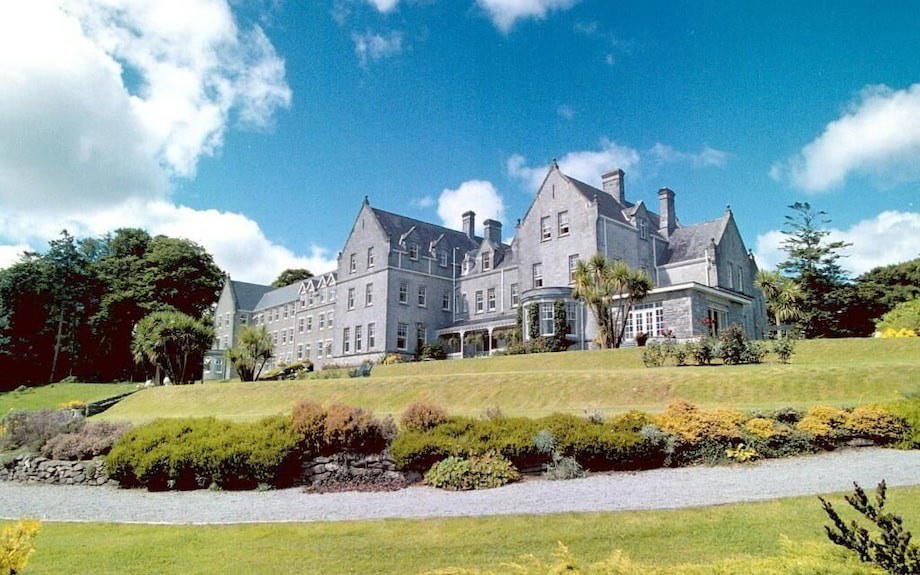
Hotel / Weingut Meintzinger presents itself as a compact, historically rooted boutique in the Franconian wine belt. The stone facade, thick load-bearing walls and deep-set windows read like rural architecture preserved from another century, while the property's dual identity as a hotel and working wine estate gives it a lived-in, place-specific character. It feels deliberate rather than touristic: pared back, quietly confident and focused on regional terroir. With forty rooms and a modest scale, the atmosphere skews intimate and classic, a restful base for travelers who appreciate architecture and local provenance.
Best For
Meintzinger suits travelers seeking a weekend escape focused on regional wine culture and low-key hospitality. The hotel pairs a full-service spa with 40 rooms and an all-day dining room, so it works well for short romantic getaways or relaxed breaks where exploring Franken’s villages and wines is the priority. The property’s independent character and moderate pricing position it for guests who favor authenticity and local roots over chain-standard amenities. It’s also practical for anyone who wants an all-day dining option on site and easy access to the surrounding wine villages.
Stay Tips
Make use of the hotel’s wine-focused resources: the description highlights a public-access wine fridge and the property’s identity as a Weingut, so plan time to taste local Franconian wines on site. The all-day dining room provides a convenient place to pair small plates or regional dishes with bottles from the fridge; staff are likely the best source for recommendations on local producers. Factor in time for the spa and a slow meal if you’re treating the stay as a short wine-centered retreat—this property rewards a measured, exploratory pace.
Venue details
Ambiance
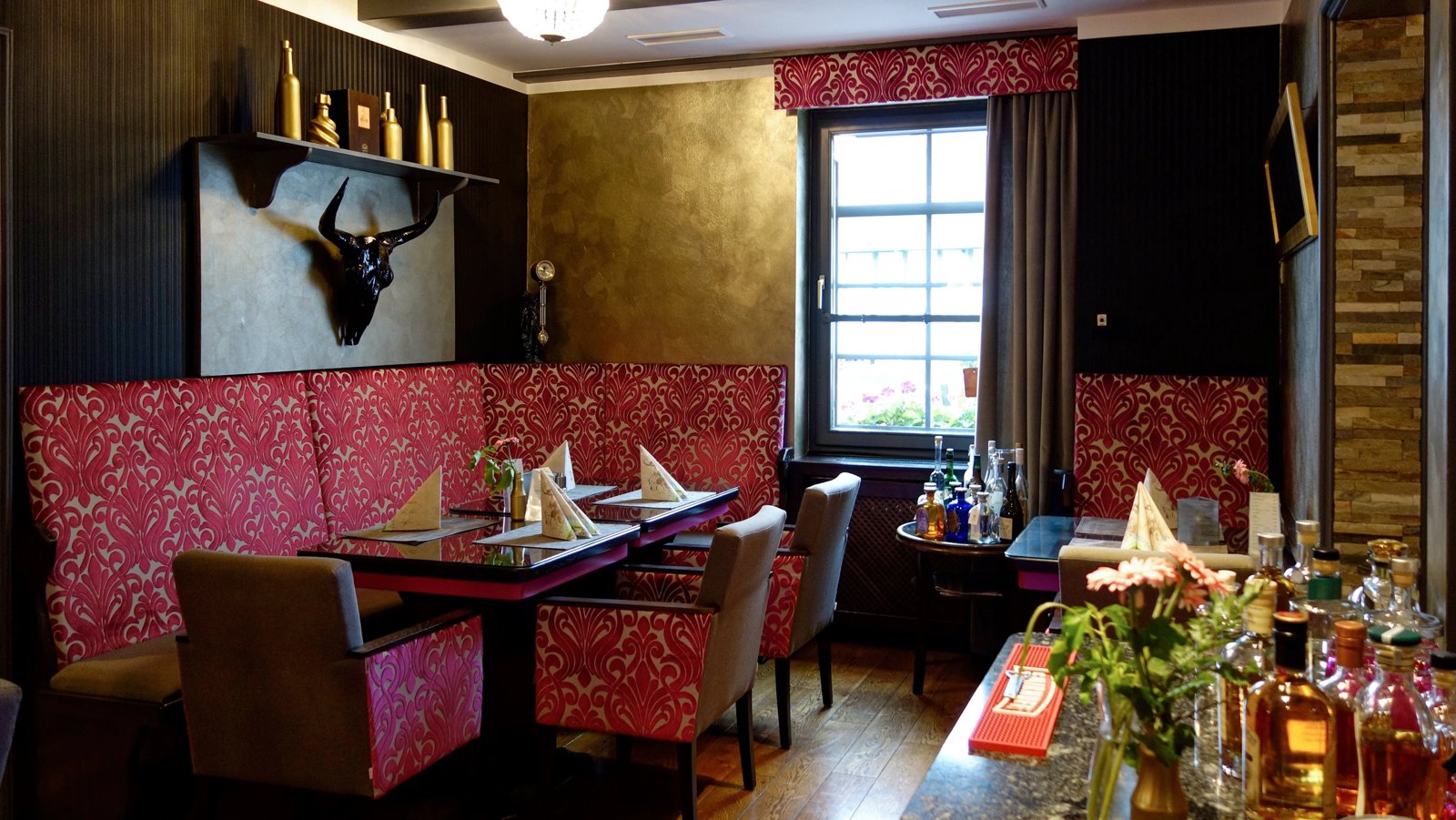
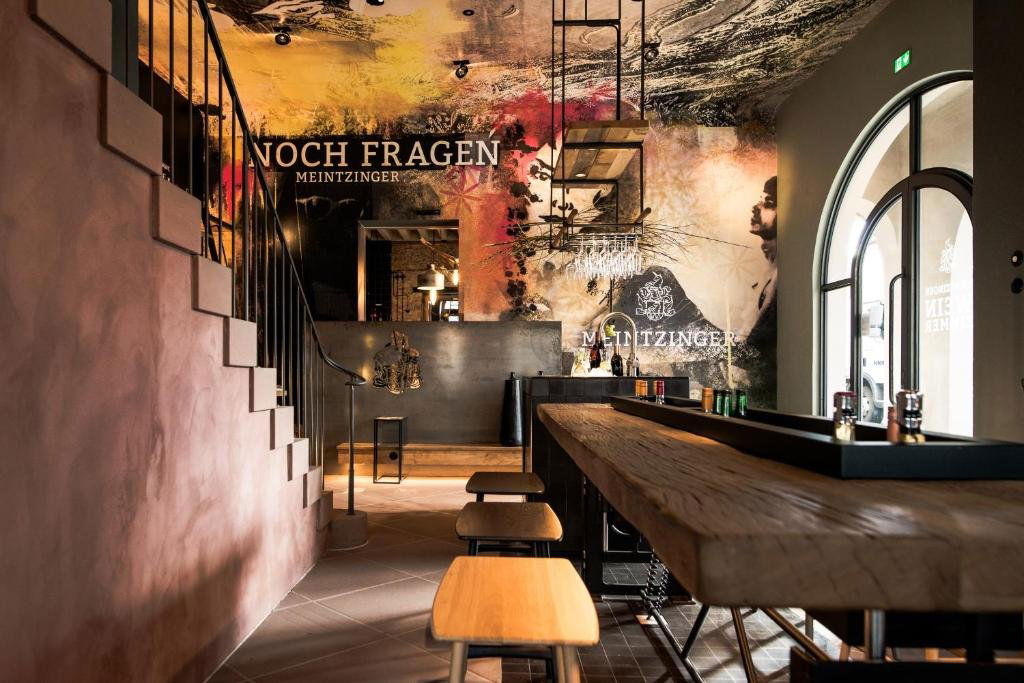
Cozy and homely atmosphere with tasteful modern-traditional decor, comfortable lounges, terraces, and a relaxing wellness oasis.
Tags
Vibe
Best For
Experience
Amenities
View
About the Stay
- Rooms
- 32
- Check-in
- 15:00
- Check-out
- 11:00
- Property Style
- Historic Winery Converted Into a Boutique Hotel
- Design Style
- Blend of Modern and Traditional Franconian Style
Know before you go
Know Before You Go
- Getting there
- Babenbergpl. 4, 97252 Frickenhausen am Main
Planning details
Location
Recognition and awards
Also consider
Also Consider
- Hotel Würzburger Hof, Notable alternative
- Villa Mittermeier, Notable alternative
- herrnschlösschen, Notable alternative
- Barockhotel am Dom, Notable alternative
- Wald & Schlosshotel Friedrichsruhe, Notable alternative
Hotel context
How it compares in the region
Hotel / Weingut Meintzinger is the more intimate wine-country choice; Hotel Würzburger Hof is the better fit if the trip needs a city-hotel base with more urban convenience. For a celebration, Meintzinger feels more place-specific, while Würzburger Hof is the safer logistical pick.
Villa Mittermeier and herrnschlösschen are stronger cross-shops if dining-led atmosphere is the priority. Choose Meintzinger when the stay itself should feel tied to Frickenhausen wine country; choose those peers when the meal-and-room pairing matters more than village quiet.
Barockhotel am Dom gives a more historic city-center framing, while Wald & Schlosshotel Friedrichsruhe is the splurge alternative for a fuller luxury-resort experience. If Meintzinger is unavailable, Friedrichsruhe is the upgrade path; Barockhotel am Dom is the more practical cultural-base substitute.
Explore Frickenhausen
Around this place
Discover more on Pearl
Unlock the full Hotel / Weingut Meintzinger guide in Pearl, including awards, comparisons, FAQs, planning details, and nearby places.
Compare Hotel / Weingut Meintzinger
| Venue | Location | Awards |
|---|---|---|
| Hotel / Weingut Meintzinger | Frickenhausen | Michelin 1 Key 20252025 Michelin 1 Key |
| Hotel Würzburger Hof | Würzburg | No published awards |
| Villa Mittermeier | Rothenburg ob der Tauber | 2025 Michelin 1 Key |
| herrnschlösschen | Rothenburg Upon Tauber | No published awards |
| Barockhotel am Dom | Bamberg | No published awards |
| Wald & Schlosshotel Friedrichsruhe | Zweiflingen | No published awards |
How Hotel / Weingut Meintzinger Frickenhausen: Michelin 1 Key Stay compares with similar nearby venues.
FAQ
Frequently Asked Questions
Which room category is best at Hotel / Weingut Meintzinger?
Specific room categories are not detailed. Choose only after checking the current room options directly with Hotel / Weingut Meintzinger and matching them to your needs for a stay in Frickenhausen.
How is the pool and spa at Hotel / Weingut Meintzinger?
Pool and spa details are not available. Do not book on the assumption that any specific facility is available; confirm current amenities directly with the property before planning around them.
When is the best time to book Hotel / Weingut Meintzinger?
A specific booking window is not available. If Hotel / Weingut Meintzinger is important to your Frickenhausen trip, check availability directly and book when the confirmed room, date, and terms work for you.
How does Hotel / Weingut Meintzinger compare to other hotels?
Hotel / Weingut Meintzinger has a confirmed Michelin 1 Key recognition for 2025. When comparing it with Hotel Würzburger Hof, Villa Mittermeier, herrnschlösschen, Barockhotel am Dom, and Wald & Schlosshotel Friedrichsruhe, use that confirmed recognition as one data point, then verify location, rooms, facilities, and pricing for your own trip.
How is the location of Hotel / Weingut Meintzinger?
Hotel / Weingut Meintzinger is in Frickenhausen. No street address or more specific location detail is provided.
How is the dining at Hotel / Weingut Meintzinger?
Specific dining details, cuisine type, menu format, or service hours are not available. If dining is important to the stay, confirm the current offering directly with Hotel / Weingut Meintzinger and compare it with other dining in Frickenhausen.
Is Hotel / Weingut Meintzinger family-friendly?
Family-specific details are not provided. If you are traveling with children, confirm room setup, sleeping arrangements, and any relevant facilities directly with Hotel / Weingut Meintzinger before booking.