
Schloss Reinach
Munzingen, Freiburg im Breisgau
Hotel in Freiburg im Breisgau, Germany
 Book with Pearl
The Read
Price
$200–300per night
Why go
Choose Schloss Reinach if the Freiburg stay needs a quieter base with wellness appeal rather than a purely central city hotel. It is especially sensible for couples, business travelers with downtime, and first-timers who plan to pair Freiburg with regional exploring. MICHELIN Guide Hotels Selected recognition adds a useful quality signal for 2025.
About Schloss Reinach
Schloss Reinach is a hotel in Freiburg im Breisgau with a MICHELIN Guide Hotels selection for 2025. Beyond that recognition and a smart-casual dress code, details such as facilities, pricing, room formats, dining style, and service logistics are best confirmed directly before booking.
Use Schloss Reinach as a Freiburg im Breisgau hotel option when you want a stay with a clearly identified venue name and a hotel-selection signal, then build the rest of the trip from current sources. For meals, cross-plan through the Freiburg im Breisgau restaurants guide rather than assuming any specific dining format at the hotel.
A Freiburg base with a confirmed MICHELIN hotel selection
The most grounded reason to consider Schloss Reinach is its MICHELIN Guide Hotels Selected recognition in 2025. That does not, by itself, establish a particular price point, amenity list, room category, spa setup, or restaurant offering, but it is a recognition attached to the hotel.
Dress expectations are smart casual. For any situation where attire matters, such as dining, events, or a more formal visit, smart casual is the guidance to use, while any more specific dress requirement should be checked with the hotel.
How to use it on a first Freiburg trip
Plan around confirmed basics: Schloss Reinach is in Freiburg im Breisgau, it is a hotel, it has a 2025 MICHELIN Guide Hotels selection, and the dress code is smart casual. If your decision depends on facilities, transport, dining, accessibility, cancellation terms, or arrival timing, verify those details directly before committing.
For travelers comparing where to stay in Freiburg im Breisgau, treat Schloss Reinach as one named hotel option rather than relying on assumptions about neighborhood, amenities, or service style. Pair the hotel decision with current Freiburg im Breisgau dining research so the accommodation choice and meal planning are based on current information.
Schloss Reinach is the only specific hotel comparison named here. Other Freiburg im Breisgau hotels and dining rooms can still be considered generically, especially if location, facilities, or price are the deciding factors.
Planning details
- Location
- St. Erentrudis-Strasse 12, Freiburg im Breisgau, Germany
- Phone
- +49 7664 4070
The take
The Take
The Vibe
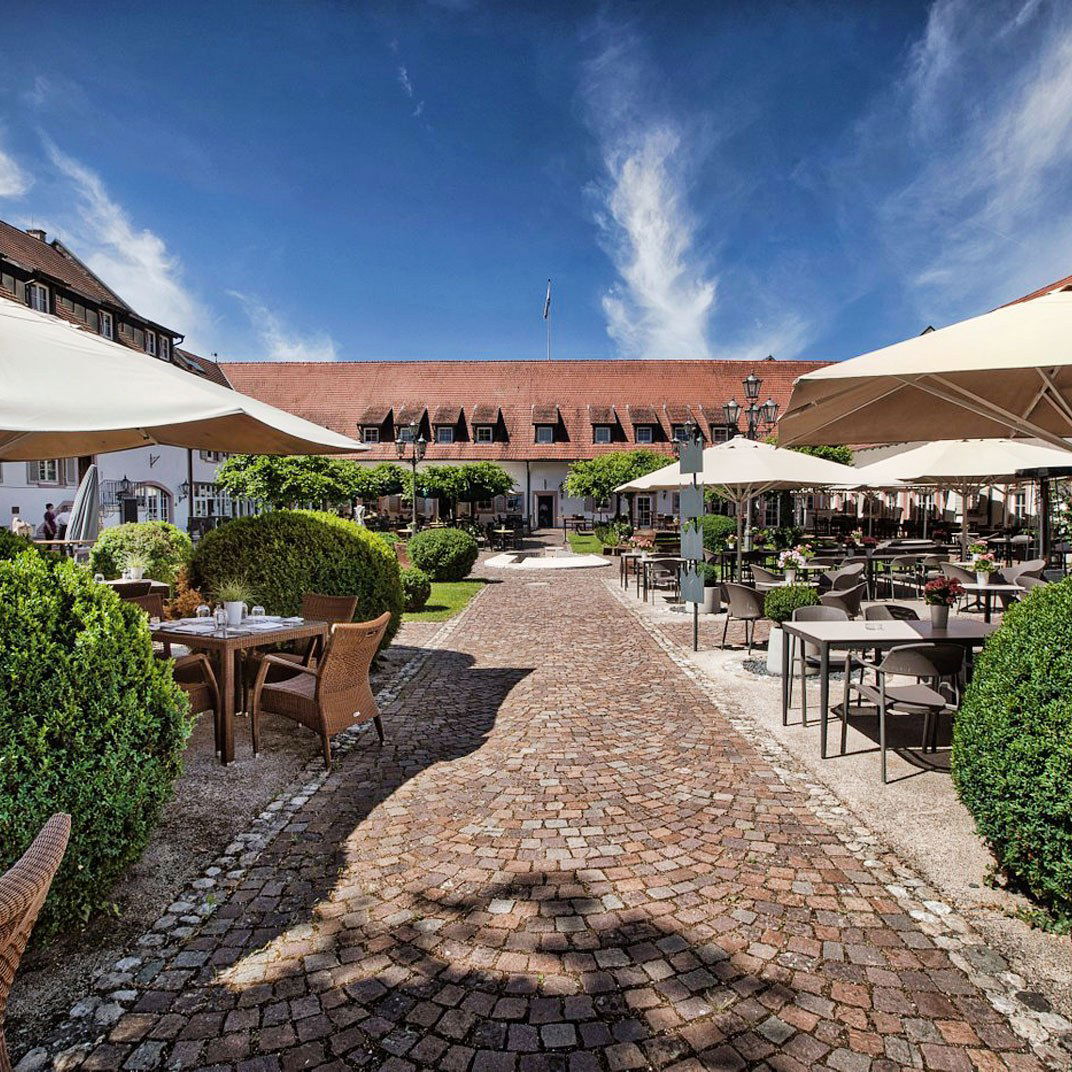
Schloss Reinach reads like a small-scale castle in the German Schloss tradition: arrival happens through a gate into a stone courtyard rather than via an urban revolving-door lobby. The property leans on the visual logic of landed architecture — thick stone walls, pitched roofs and turreted silhouettes — to create a historic, quietly charming atmosphere. Set on the southern approaches to Freiburg, the hotel frames the surrounding Black Forest edge and nearby vineyards so the landscape feels like part of the composition, not merely a backdrop. The result is a restrained, contemplative country-house mood rather than an urban hotel buzz.
Best For
This is a stay for travelers seeking a quietly scenic country escape rather than a business-oriented urban stopover. The description explicitly positions the hotel outside the city centre and close enough for access to Freiburg while being remote enough to foreground forests and vineyards, so it suits couples, small groups and solo guests who want a rural base for wine-country exploration or a restorative weekend. Michelin recognition signals considered quality across accommodation and service, reinforcing that the property is aimed at curated, leisurely stays rather than transient city traffic.
Venue details
Ambiance
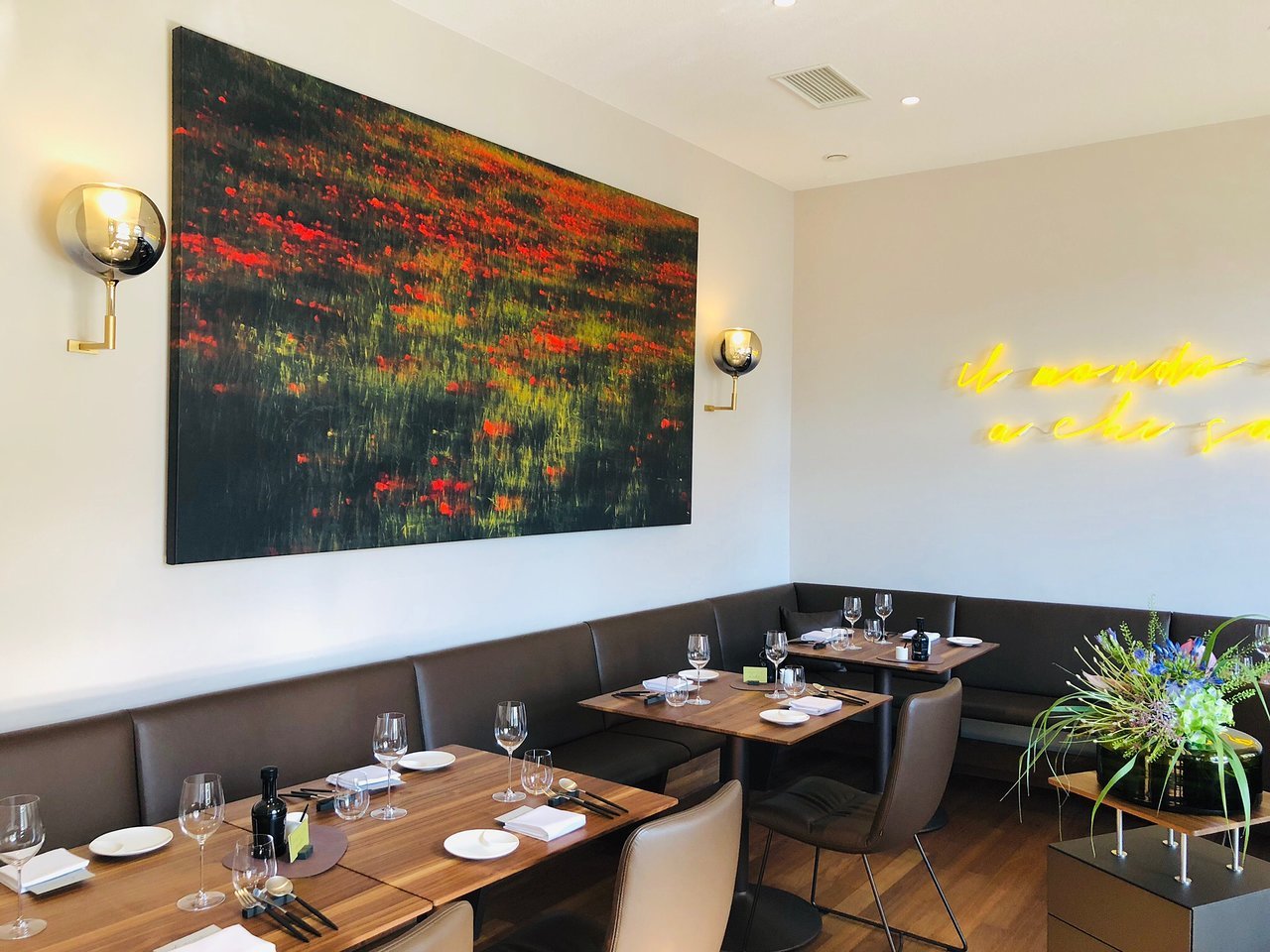
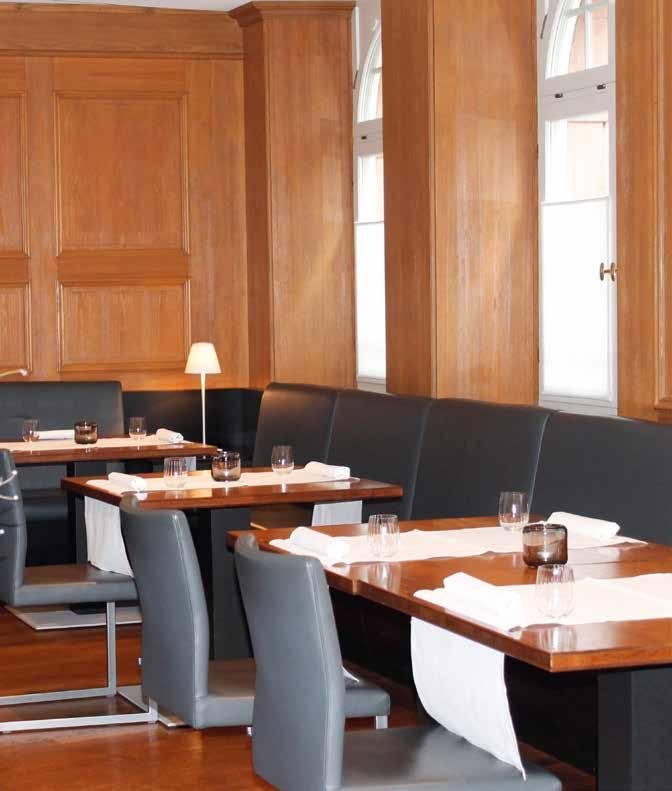
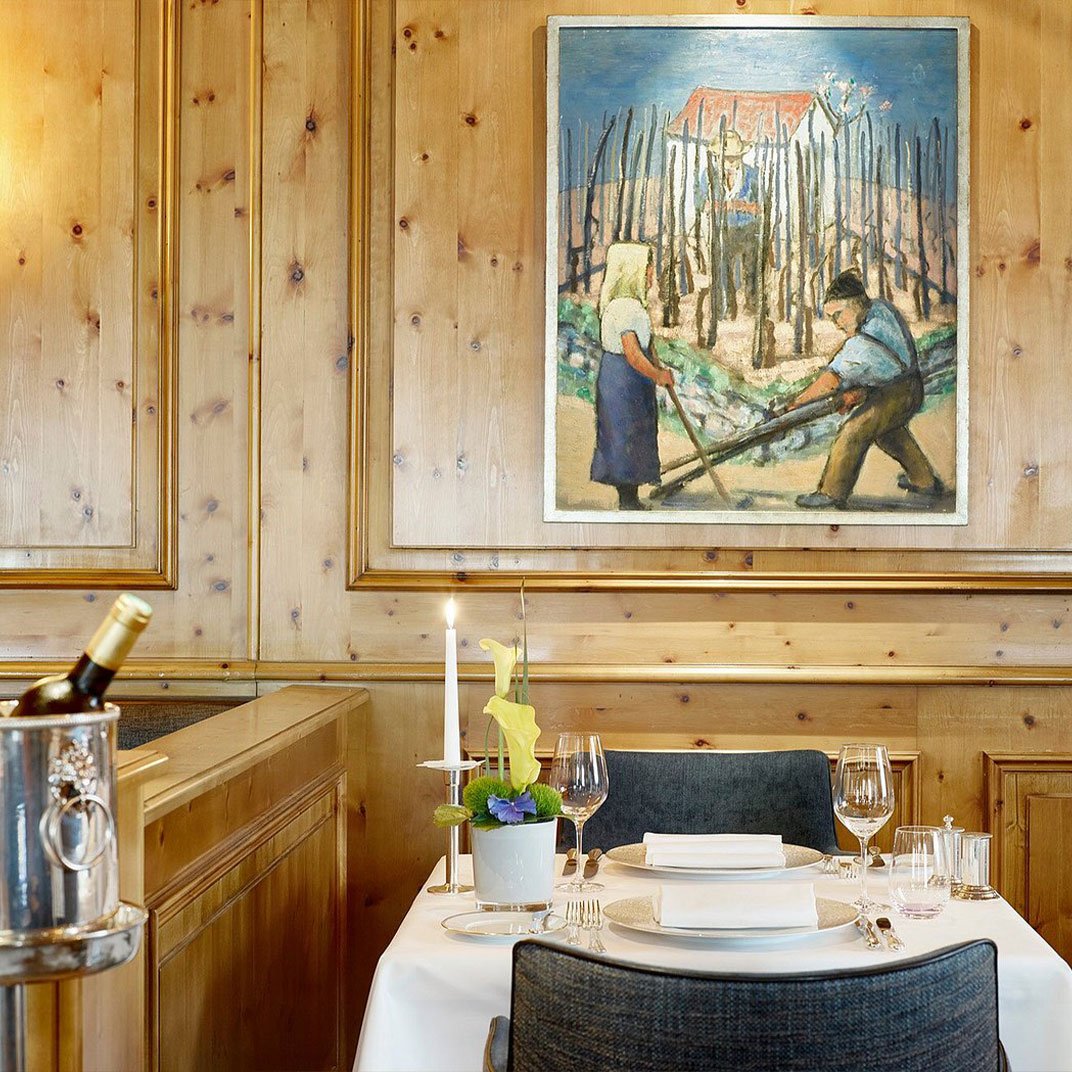
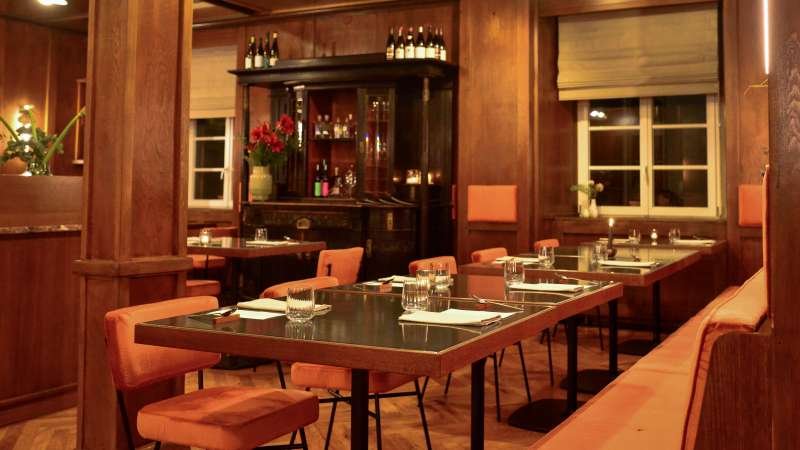
Refined and inviting atmosphere with clean-lined contemporary accommodations, tranquil leafy courtyard, and exquisite traditional estate charm.
Tags
Vibe
Best For
Experience
Amenities
View
Accessibility
About the Stay
- Rooms
- 98
- Check-in
- 15:00
- Check-out
- 11:00
- Property Type
- Heritage hotel
- Property Style
- Historic Chateau Manor with Modern Luxury Renovations
- Design Style
- Clean Lined Contemporary with Elegant Historic Elements
- Pool
- Yes
- Spa
- Yes
- Pets
- Allowed
Know before you go
Know Before You Go
- Getting there
- St. Erentrudis-Strasse 12, Freiburg im Breisgau, Germany
Planning details
Location
St. Erentrudis-Strasse 12, Freiburg im Breisgau, Germany · Directions
Recognition and awards
Around this place
Discover more on Pearl
Unlock the full Schloss Reinach guide in Pearl, including awards, comparisons, FAQs, planning details, and nearby places.
FAQ
Frequently Asked Questions
Is Schloss Reinach good for business travel?
Schloss Reinach is a hotel in Freiburg im Breisgau, but specific business-travel facilities or services are best confirmed directly before booking. If meeting space, early check-in, parking, workspace, or transport access matters, confirm those details before booking.
How is the pool and spa at Schloss Reinach?
Pool and spa details are best confirmed directly. Do not assume a specific wellness setup from this guide; check Schloss Reinach directly for current facilities, access rules, and availability.
Do loyalty programs work at Schloss Reinach?
Loyalty-program participation and benefits are best confirmed through your booking channel and the hotel's official information. If status perks, member rates, or points earning matter, check before reserving.
What is check-in like at Schloss Reinach?
How does Schloss Reinach compare to nearby hotels?
The comparison point is limited: Schloss Reinach is a Freiburg im Breisgau hotel with a 2025 MICHELIN Guide Hotels selection and a smart-casual dress code. For other Freiburg im Breisgau hotels, compare current location, price, facilities, and booking terms directly.