



Teranka Formentera
Playa Migjorn, Formentera
Hotel in Formentera, Spain
 Book with Pearl
The Read
Pine-Canopy Anchorage
Why go
Book Teranka Formentera if the hotel needs to carry a celebration, not just provide a bed near the beach. The strongest case is its luxury-hotel recognition, including a Michelin 1 Key in 2025 and La Liste Top Hotels 2026 score of 90.5; the weaker case is that dining specifics are not strong enough to judge it as a standalone restaurant destination.
About Teranka Formentera
Is Teranka Formentera worth booking for a special-occasion stay? It can be, if the priority is a recognized luxury hotel in Formentera. Its strongest credentials include Michelin 1 Key recognition in 2025, Small Luxury Hotels of the World membership in 2025, La Liste Top Hotels 2026 score of 90.5 points, and Virtuoso Luxury Hotel Partner status in 2026.
Keep the booking decision focused on whether Teranka Formentera fits the kind of hotel stay you want on the island. Details such as cuisine, chef, menu format, prices, spa facilities, pool setup, room count, and specific services should be checked directly with the property; the main reason to shortlist it is its luxury-hotel recognition.
Book for the whole stay experience, not just dinner
The dining angle is worth treating carefully. For dining-specific decisions, check the current cuisine type, chef, menu format, and price range directly; the safer call is to treat any on-site dining as part of the hotel experience rather than the sole reason to travel. If the meal itself is the point, use Our full Formentera restaurants guide alongside this booking.
For planning, compare Teranka Formentera with Dunas de Formentera, Can Tres Formentera, Paraiso de los Pinos, Five Flowers Formentera, and Hotel Cala Saona & Spa, and confirm current facilities, services, and booking terms with each property before committing.
Planning details
- Location
- Carrer Sant Agustí Playa des Arenals, KM 10.7, 07872, Illes Balears
- Website
- teranka.com
- Phone
- +34 871 87 30 30
The take
The Take
The Vibe
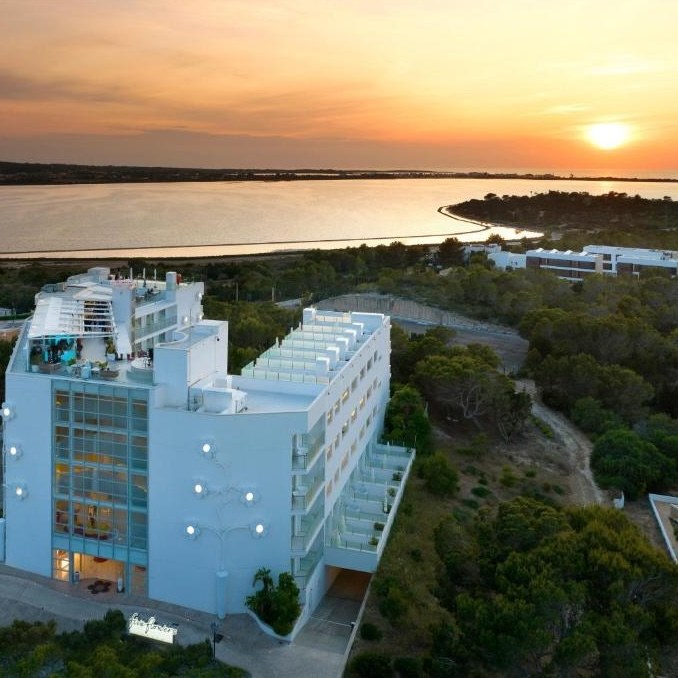
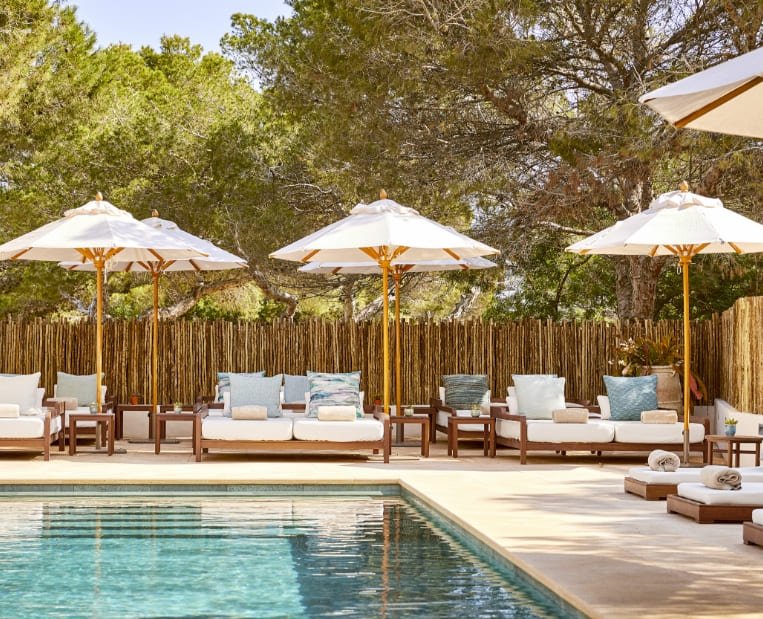
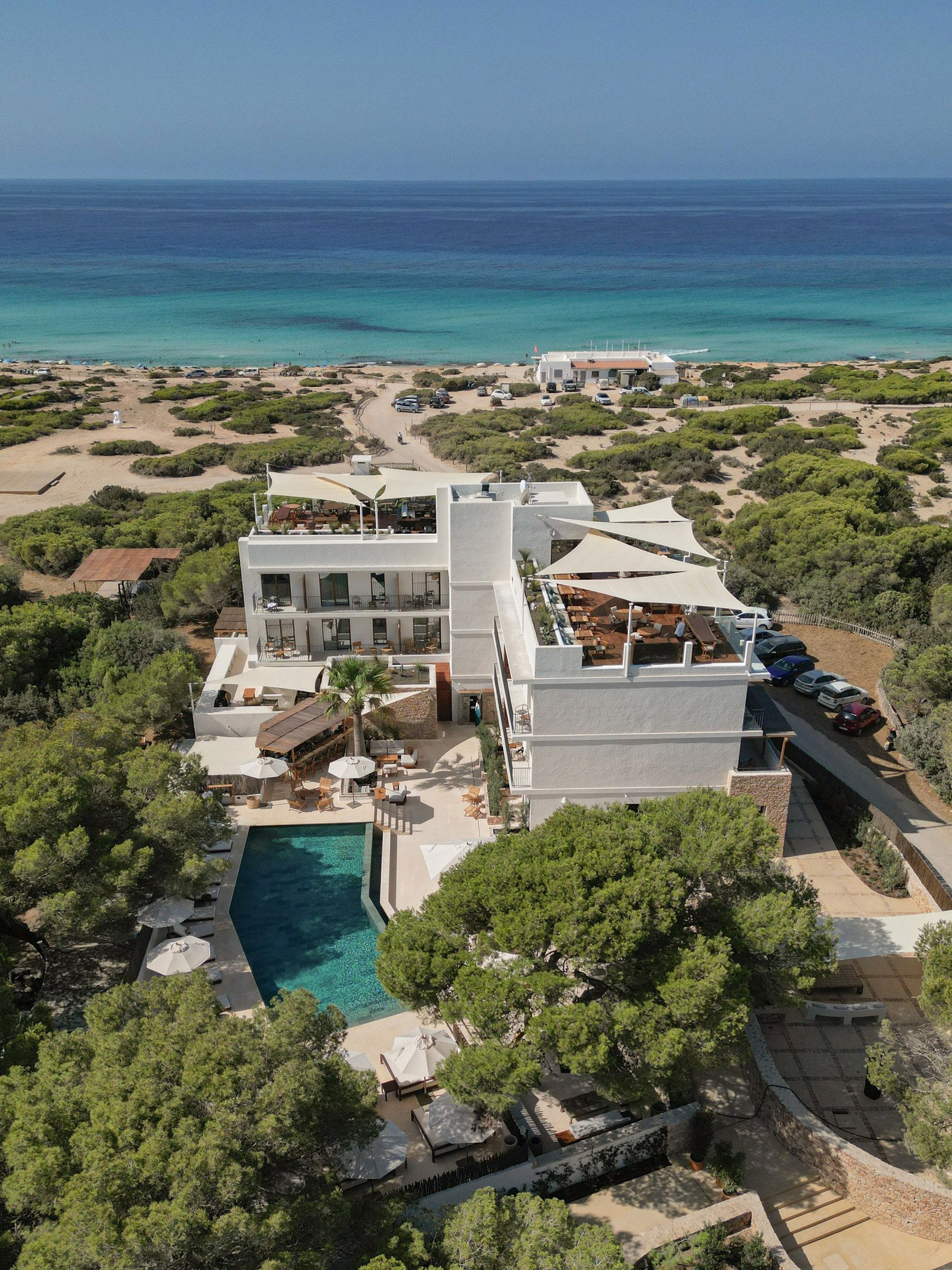
Teranka Formentera reads as a thoughtfully curated retreat that leans into the island’s quieter rhythms. The property belongs to a small-key cohort that prizes restraint, refined simplicity and provenance over scale and showmanship. Located near Playa Migjorn and set against undeveloped coastline and pine groves, the hotel emphasizes calm and slow living—appealing to travelers who want pared-back design and a low-key, polished atmosphere. Culinary programming is similarly understated, focused on what the island supplies rather than culinary celebrity, reinforcing an overall sophisticated, serene sensibility.
Best For
Teranka is best for travelers seeking an intimate, slow-paced island escape—couples on a honeymoon or romantic getaway, and guests pursuing a quiet weekend or wellness-minded retreat. Its small-scale, curated approach and emphasis on local provenance appeal to visitors who value thoughtful hospitality and natural surroundings over high-energy nightlife. The hotel’s placement near Playa Migjorn makes it a good base for beach days and low-key exploration of Formentera’s protected landscapes, while the refined dining program suits those who appreciate seasonal, locally sourced cuisine in a hushed setting.
Stay Tips
Dining at Teranka follows the island’s seasonal calendar, so lean into whatever the kitchen highlights as current provenance-driven dishes. The food-and-beverage program is built around producers and the island’s supply rather than a single chef’s tasting menu—favor seasonal plates and preparations described as 'refined simplicity.' Ask staff about the day’s best local catches, produce or island producers to experience Teranka’s editorial approach to Mediterranean cooking; menus will shift with what the island supplies.
Venue details
Ambiance
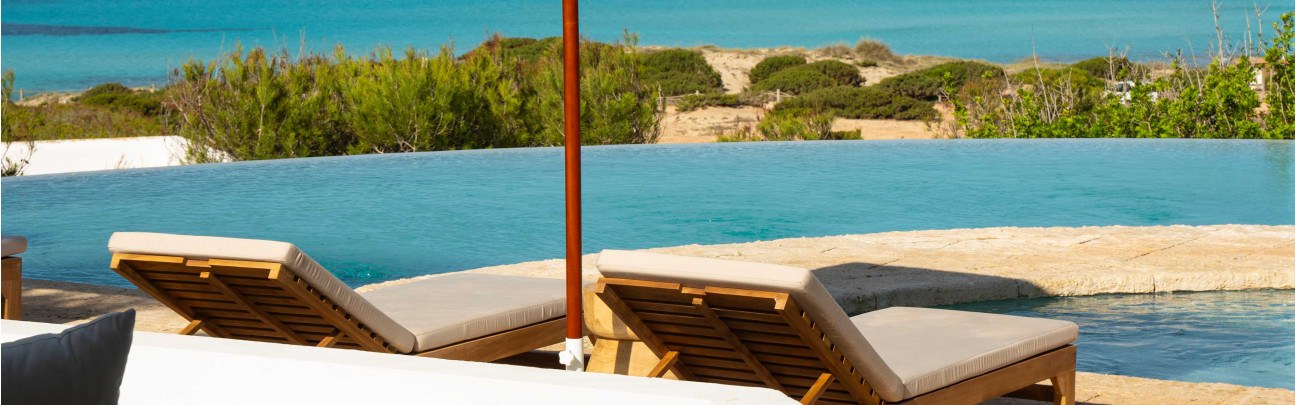
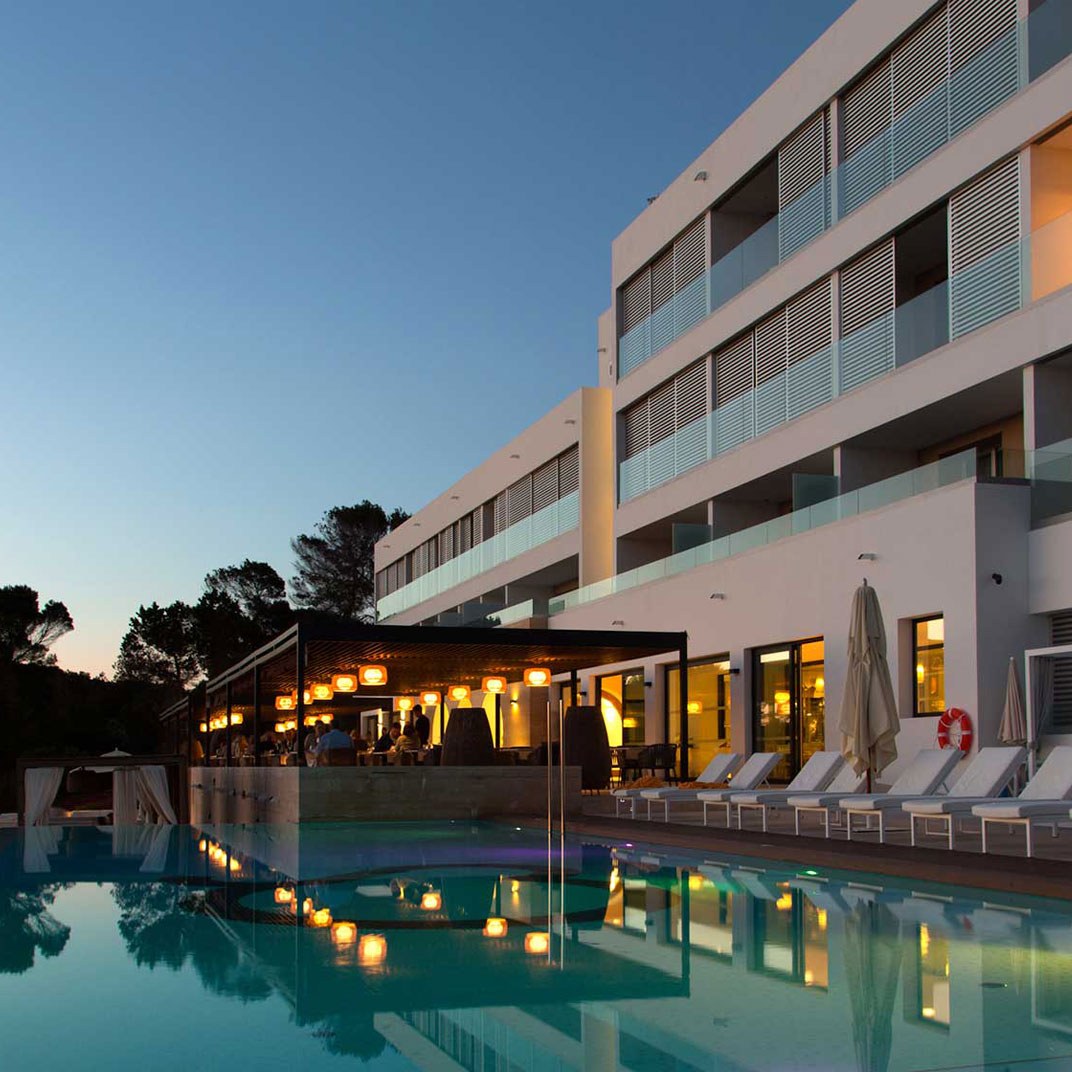
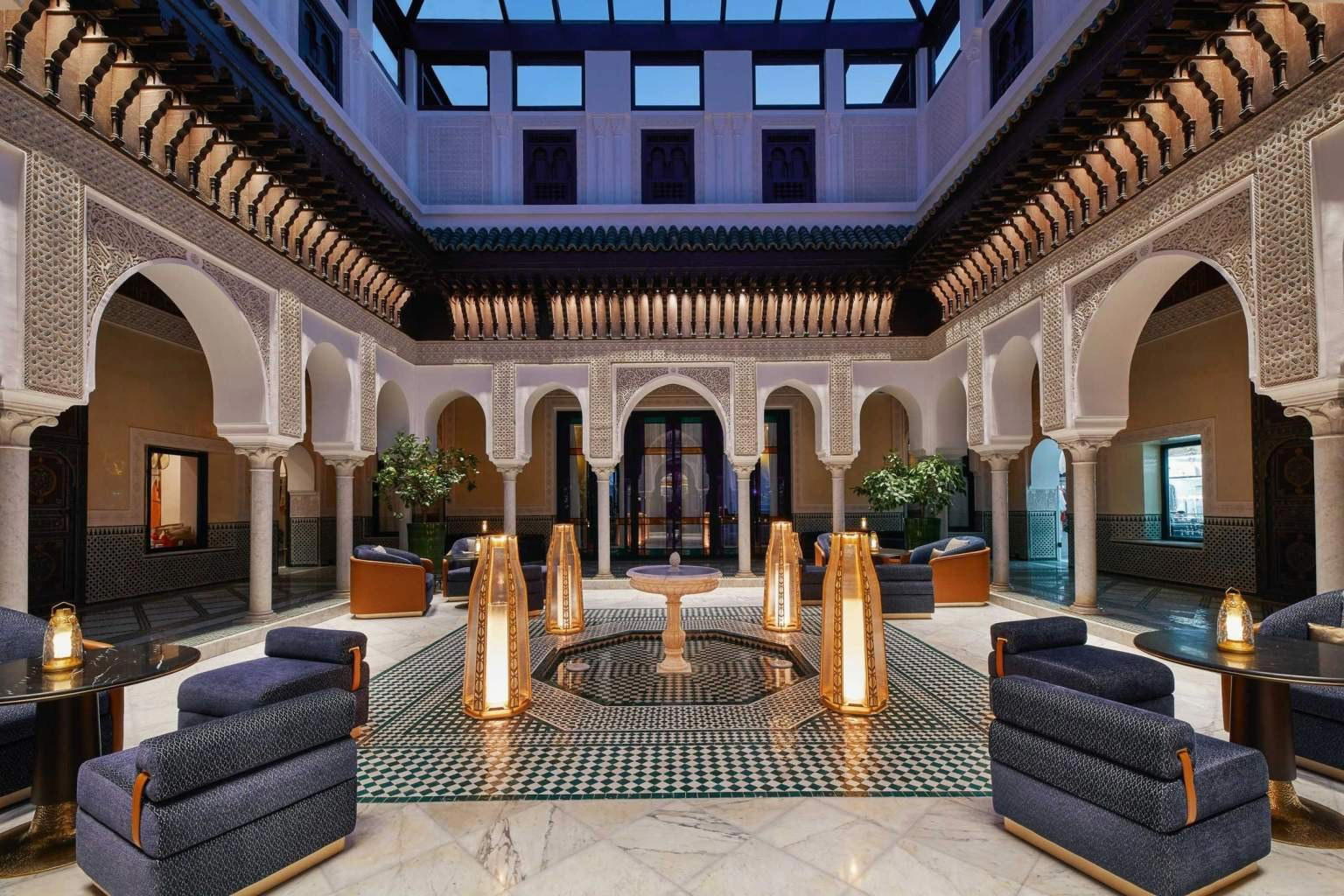
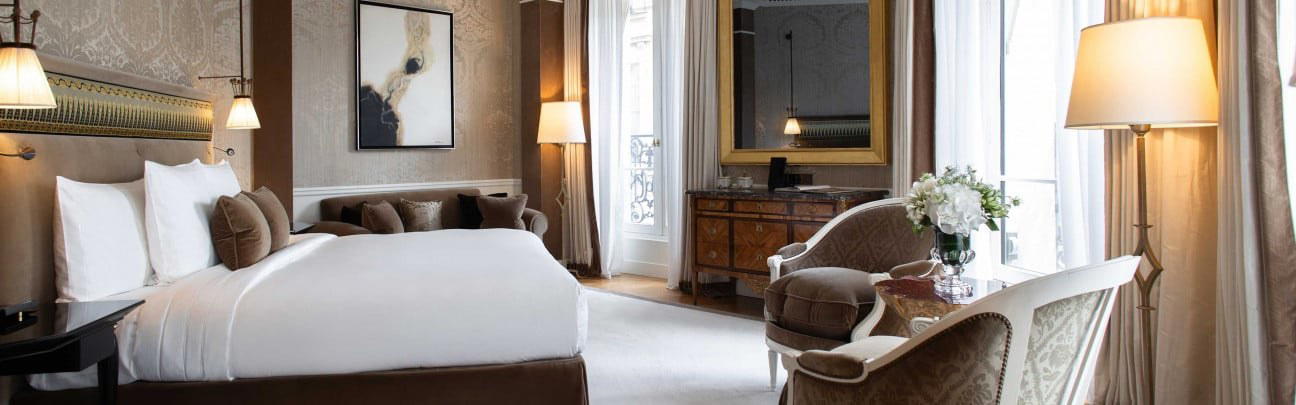
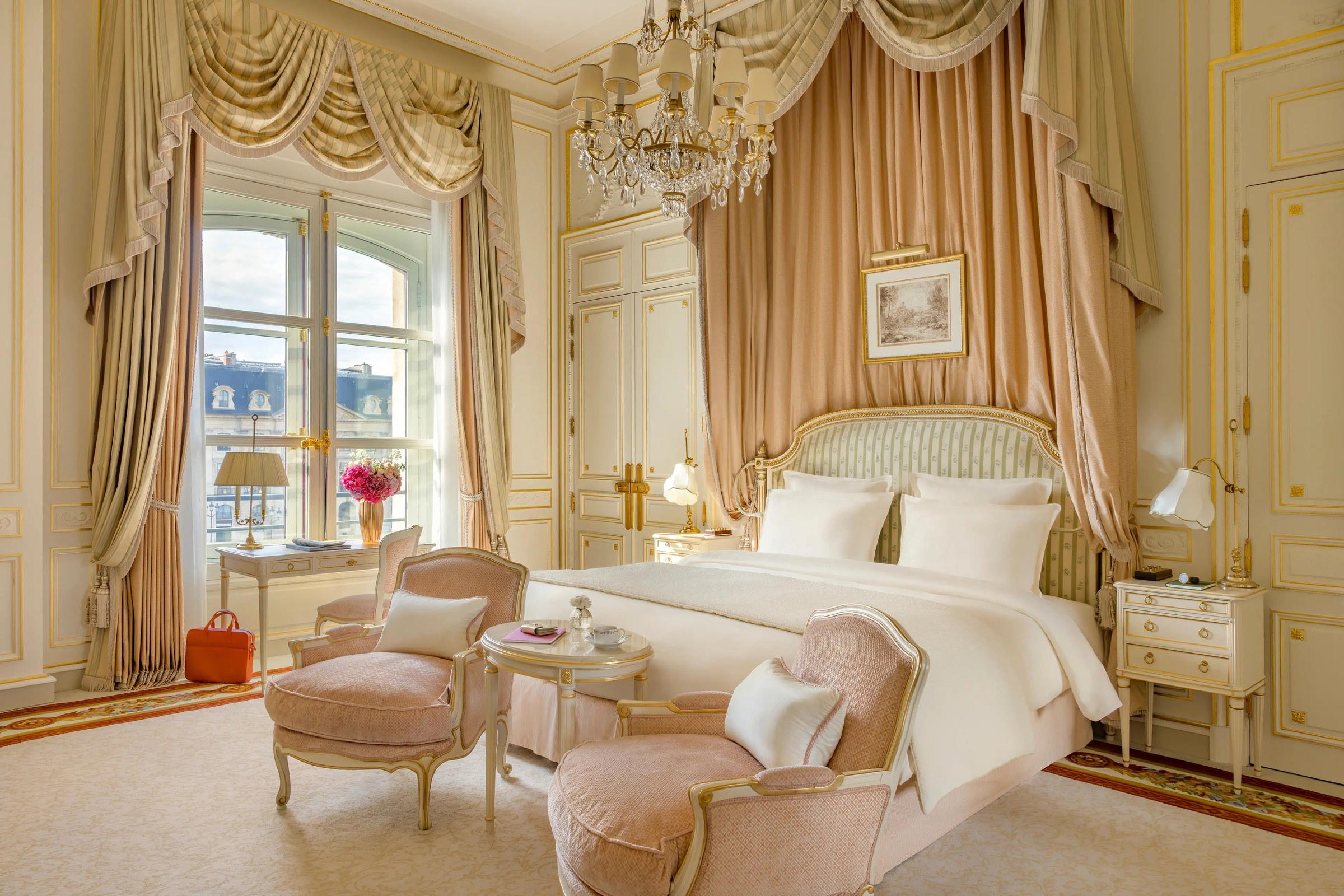
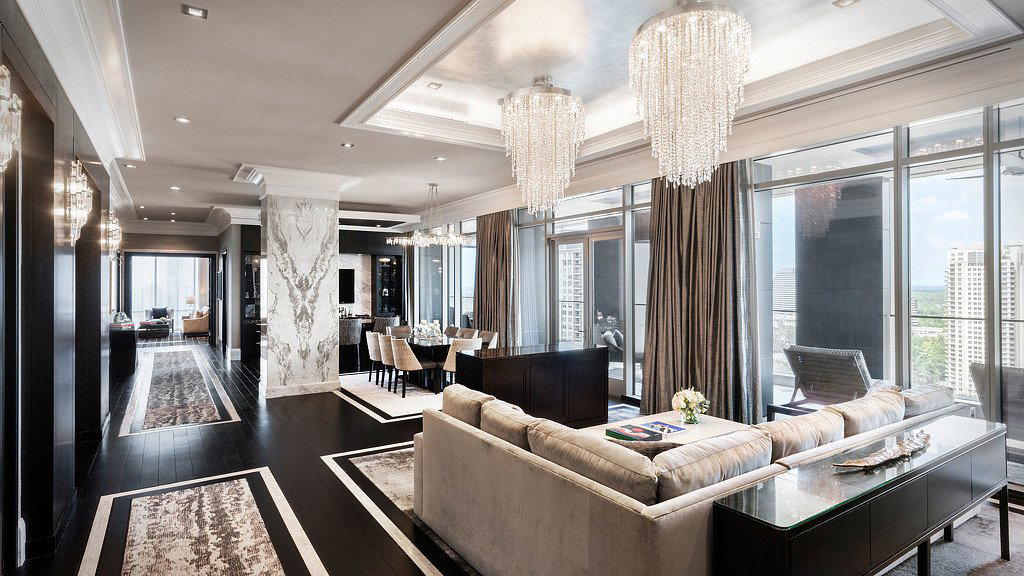
Light-filled minimalist rooms with earthy textures and natural light, fostering a calming, disconnected atmosphere amid pines and sea views.
Tags
Vibe
Best For
Experience
Amenities
View
About the Stay
- Rooms
- 35
- Check-in
- 15:00
- Check-out
- 12:00
- Property Style
- Contemporary Balearic Luxe with Art and Nature Integration
- Design Style
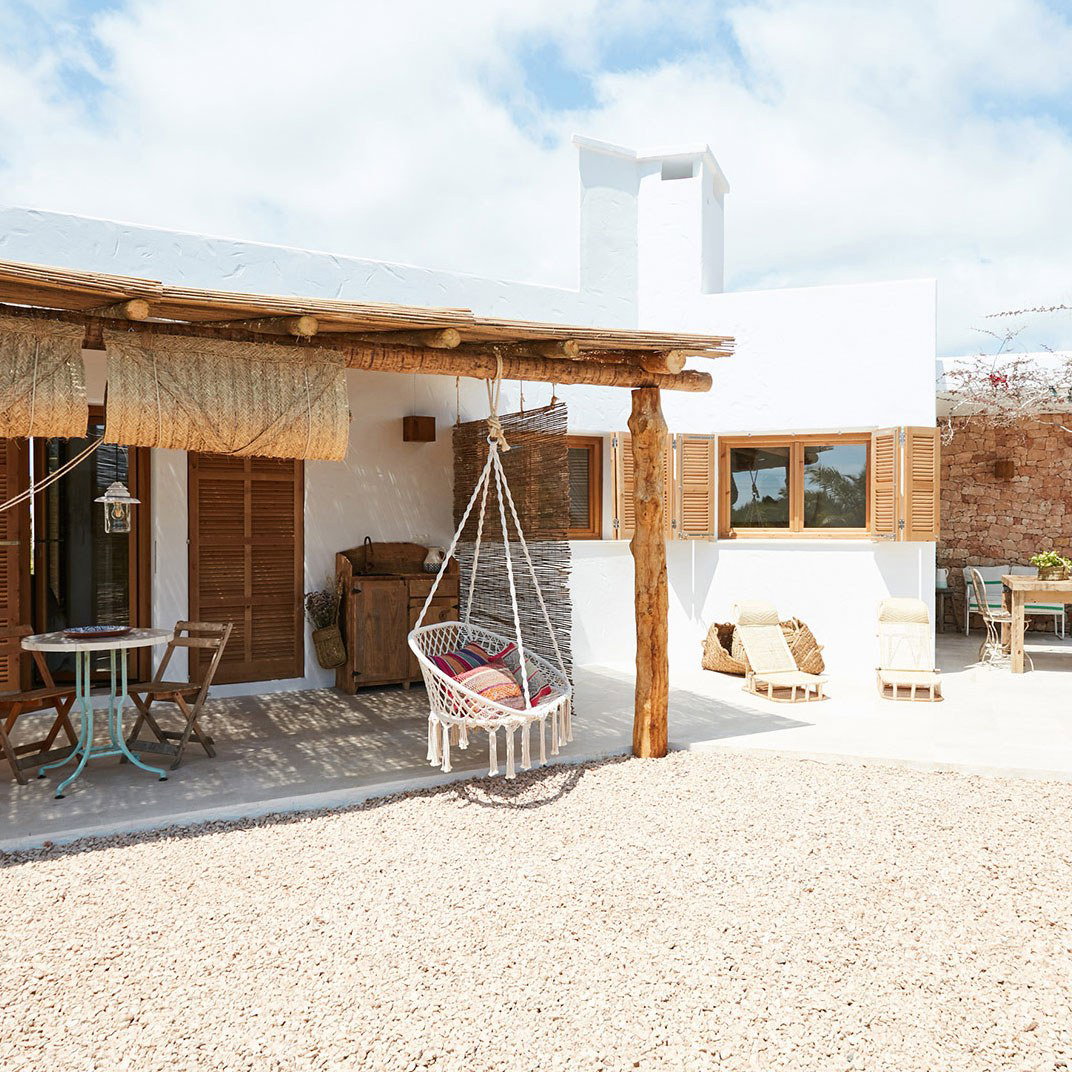
- Minimalist with Organic Textures, Rattan, Linen, and Contemporary Art
Know before you go
Know Before You Go
- Getting there
- Carrer Sant Agustí Playa des Arenals, KM 10.7, 07872, Illes Balears
Planning details
Location
Carrer Sant Agustí Playa des Arenals, KM 10.7, 07872, Illes Balears · Directions



Also consider
Also Consider
- Dunas de Formentera, Notable alternative
- Can Tres Formentera, Notable alternative
- Paraiso de los Pinos, Notable alternative
- Five Flowers Formentera, Notable alternative
- Hotel Cala Saona & Spa, Notable alternative
Hotel context
How it compares in Formentera
Teranka Formentera is the splurge-leaning choice in this group when the stay itself needs to feel considered, with stronger recognition signals than the listed peers: Michelin 1 Key, Small Luxury Hotels of the World membership, La Liste Top Hotels 2026 scoring, and Virtuoso partner status. Choose it over Dunas de Formentera when hotel polish and occasion value matter more than keeping the booking casual.
Can Tres Formentera and Paraiso de los Pinos are the smarter cross-shops if the priority is a quieter, lower-pressure stay and the itinerary is built around being out most of the day. Teranka is harder to book and makes more sense when the room, service rhythm, and on-property time are part of the trip's value.
Five Flowers Formentera is the better comparison for guests who want a more hotel-forward Formentera stay, while Hotel Cala Saona & Spa is the more direct alternative for a beach-and-wellness brief. If dining is the deciding factor, do not book Teranka on restaurant reputation alone; book it when the full hotel setting is the reason for paying up.
Explore Formentera
Around this place
Discover more on Pearl
Unlock the full Teranka Formentera guide in Pearl, including awards, comparisons, FAQs, planning details, and nearby places.
Compare Teranka Formentera
| Venue | Location | Awards |
|---|---|---|
| Teranka Formentera | Formentera | 2026 Virtuoso Luxury Hotel Collection2026 La Liste Top HotelsMichelin 1 Key 20252025 Michelin 1 KeySmall Luxury Hotels Member 2025 |
| Dunas de Formentera | Formentera | 2026 Michelin Guide New Hotels2026 Mr & Mrs Smith Luxury Hotels2025 Michelin Selected HotelsSmall Luxury Hotels Member 2025 |
| Can Tres Formentera | Formentera | No published awards |
| Paraiso de los Pinos | Formentera | No published awards |
| Five Flowers Formentera | Formentera | No published awards |
| Hotel Cala Saona & Spa | Formentera | No published awards |

How Teranka Formentera Review: Verified Recognition & Verdict compares with similar nearby venues.
FAQ
Frequently Asked Questions
How is the pool and spa at Teranka Formentera?
If pool or spa features are central to the trip, confirm them directly with Teranka Formentera before booking and compare current information with other Formentera options such as Hotel Cala Saona & Spa.
When is the best time to book Teranka Formentera?
With recognition including Michelin 1 Key status and luxury-hotel partnerships, it is sensible to check availability directly and book on a timeline that matches your Formentera travel dates.
Do loyalty programs work at Teranka Formentera?
Teranka Formentera is a Small Luxury Hotels of the World member in 2025 and a Virtuoso Luxury Hotel Partner in 2026. Compare specific benefits, rates, and loyalty-program terms across booking channels before reserving.
How does Teranka Formentera compare to nearby hotels?
Teranka Formentera has notable recognition: Michelin 1 Key in 2025, Small Luxury Hotels of the World membership in 2025, La Liste Top Hotels 2026 at 90.5 points, and Virtuoso Luxury Hotel Partner status in 2026. For a fuller decision, compare current facilities and booking terms with Hotel Cala Saona & Spa, Five Flowers Formentera, Paraiso de los Pinos, Can Tres Formentera, and Dunas de Formentera.
Is Teranka Formentera family-friendly?
Families should confirm practical requirements such as room setup, childcare, children's facilities, and family programming directly with Teranka Formentera and compare current information with other Formentera options such as Paraiso de los Pinos.