
Dunas de Formentera
Es Arenals, Formentera
Hotel in Formentera, Spain
 Book with Pearl
The Read
Organic Minimalism Between Two Shores
Why go
Dunas de Formentera is a strong fit for a calmer Formentera stay where the hotel acts as a polished base, not the whole itinerary. Book a suite only if downtime at the property matters; standard rooms make more sense for beach-first trips. Recognition from Small Luxury Hotels of the World and Mr & Mrs Smith adds confidence.
About Dunas de Formentera
Dunas de Formentera is a venue in Formentera with a casual dress code, Small Luxury Hotels of the World membership in 2025, and a Mr & Mrs Smith Seal of Approval in 2026. It is best evaluated as a Formentera option to compare against your own dates, budget, and preferred trip style.
Before booking, avoid making assumptions about room categories, dining, facilities, pricing, or service format. Confirm the practical details directly before reserving, especially if you need a particular room type, on-property amenities, or a specific arrival plan.
Choose this for a Formentera stay with confirmed recognition
The clearest signals for Dunas de Formentera are its Formentera location, casual dress code, Small Luxury Hotels of the World membership, and Mr & Mrs Smith Seal of Approval. Those are useful quality markers, but they do not replace checking the exact stay details for your dates.
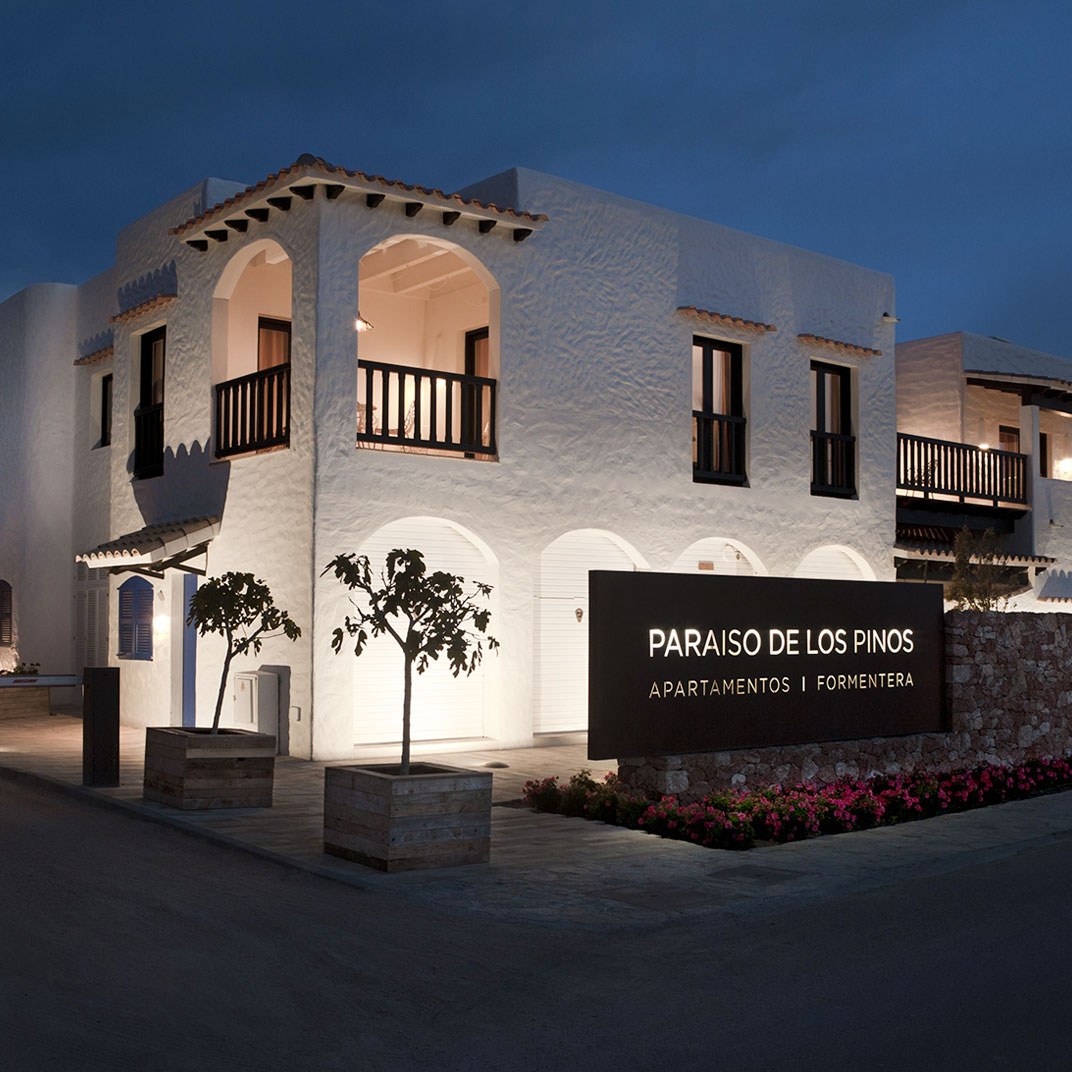
For meals, use our full Formentera restaurants guide and keep dining plans flexible until you have checked the current food-and-beverage details directly. Compare Dunas de Formentera with other Formentera options such as Hotel Cala Saona & Spa, Five Flowers Formentera, Teranka Formentera, Can Tres Formentera, and Paraiso de los Pinos.
Confirm the room and stay details before booking
Avoid choosing a specific room category, rate level, or length of stay on assumptions. If space, privacy, amenities, or on-property time matter to your trip, check the current room descriptions and booking terms before committing.
If you are comparing several Formentera stays, use Dunas de Formentera's industry recognition as one data point rather than the whole decision. Cross-shop Teranka Formentera, Can Tres Formentera, Paraiso de los Pinos, Hotel Cala Saona & Spa, and Five Flowers Formentera according to the details that matter most for your own trip.
Planning details
- Location
- Lugar Venda De Ses Clotades, 4449, 07872 Formentera, Illes Balears
- Website
- dunasdeformentera.com
- Phone
- +34 971 12 45 00
The take
The Take
The Vibe
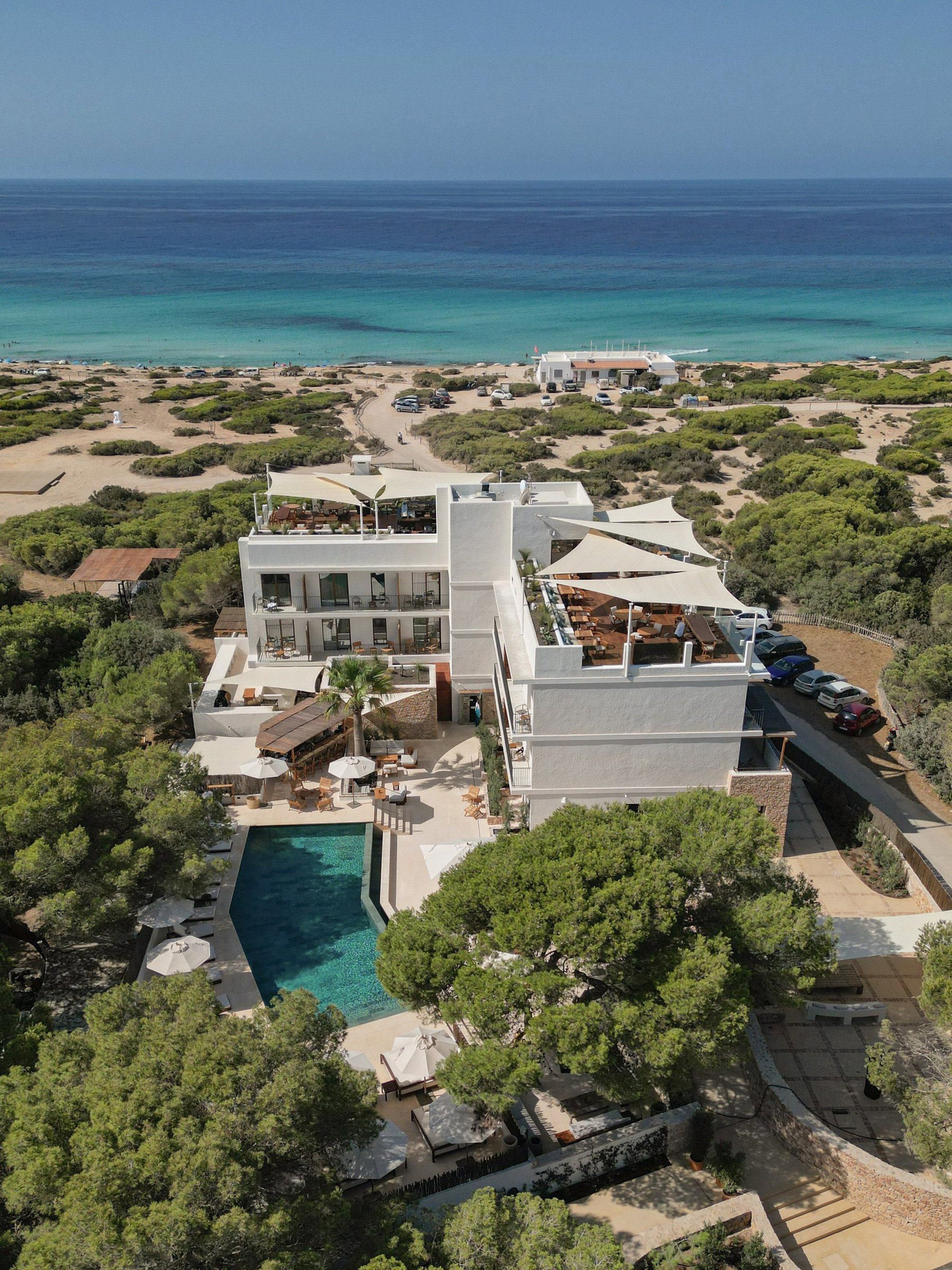
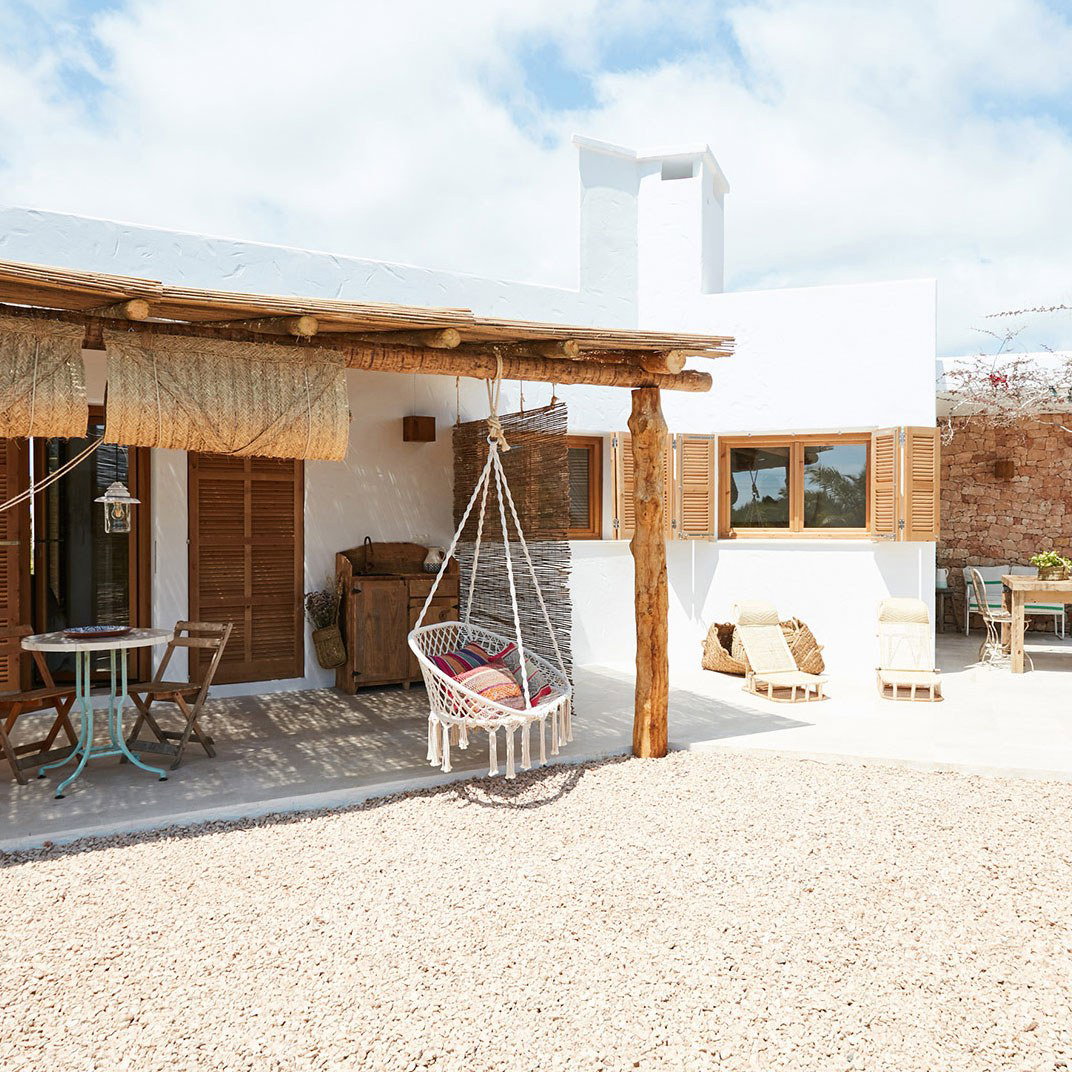
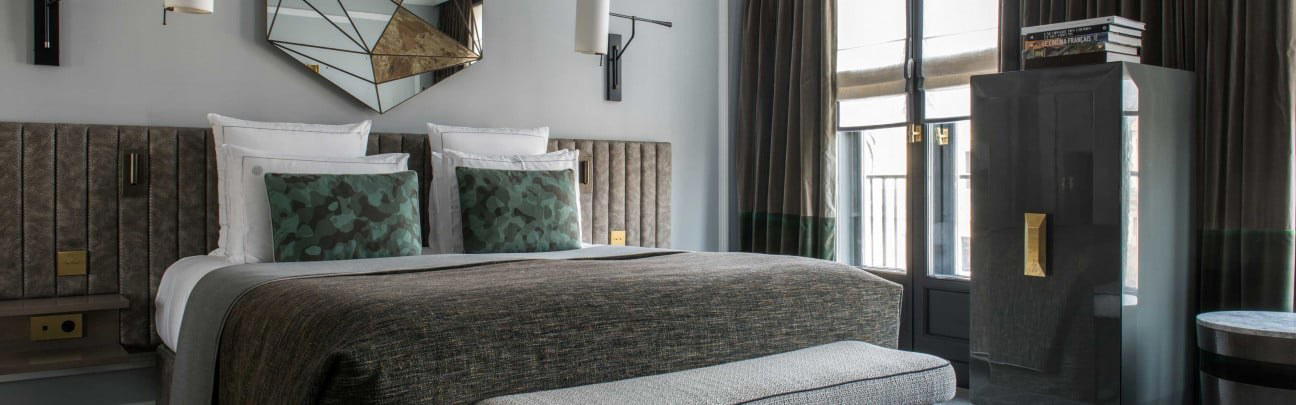
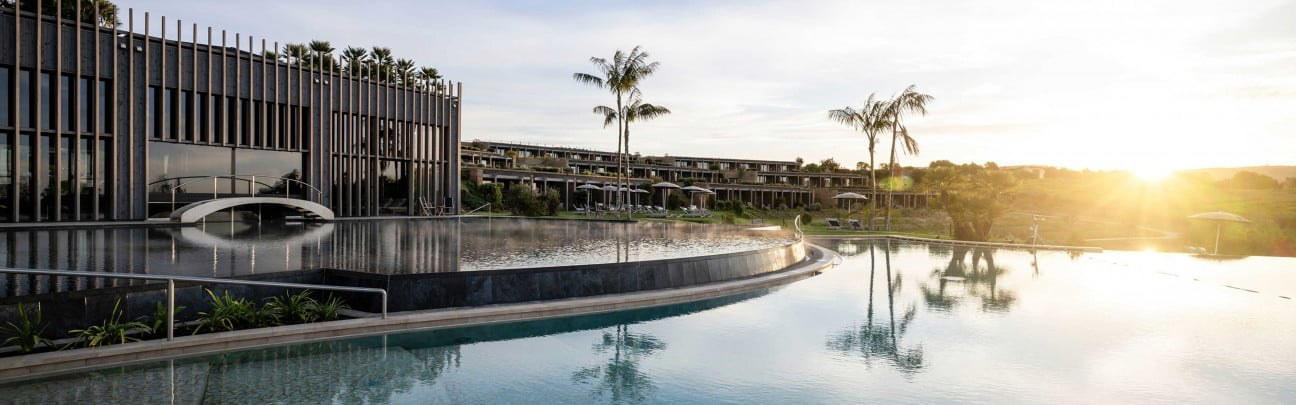
Dunas de Formentera reads as a study in deliberate absence: design carries the weight here, not spectacle. Interiors follow a restraint-led logic—neutral colours, organic textures and precise proportions—so the architecture feels like the principal offering. The hotel leans into the island’s spare geography, where wide skies and unbroken horizons frame a calm, considered atmosphere. Rather than theatrical gestures, the property favors measured material choices that reference the dune landscape outside. The result is a quietly sophisticated retreat that privileges light, proportion and the slow rhythm of Formentera over conventional resort theatrics.
Best For
This hotel is best for travelers who prize design-forward calm and a gentle pace. Reachable by a short ferry from Ibiza and sited between Migjorn and Es Caló, it suits couples on a romantic getaway or honeymoon as well as guests seeking a restorative wellness break or a low‑key weekend escape. Its small scale and the island’s bicycle-friendly terrain appeal to people who prefer understated architecture and easy beach access over crowded resort scenes. Expect a stay oriented around quiet mornings, wide skies and the tactile restraint of thoughtfully chosen materials.
Venue details
Ambiance
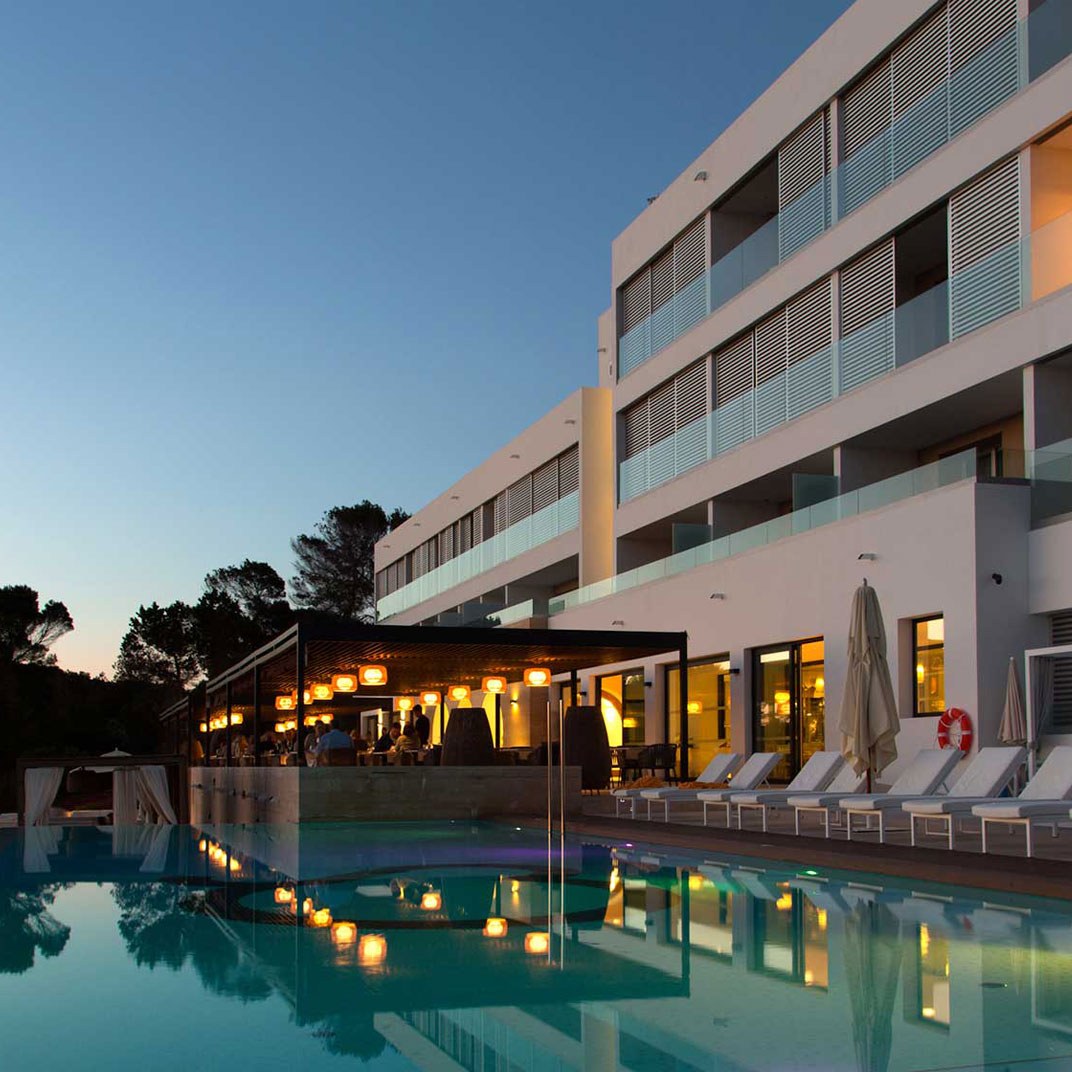
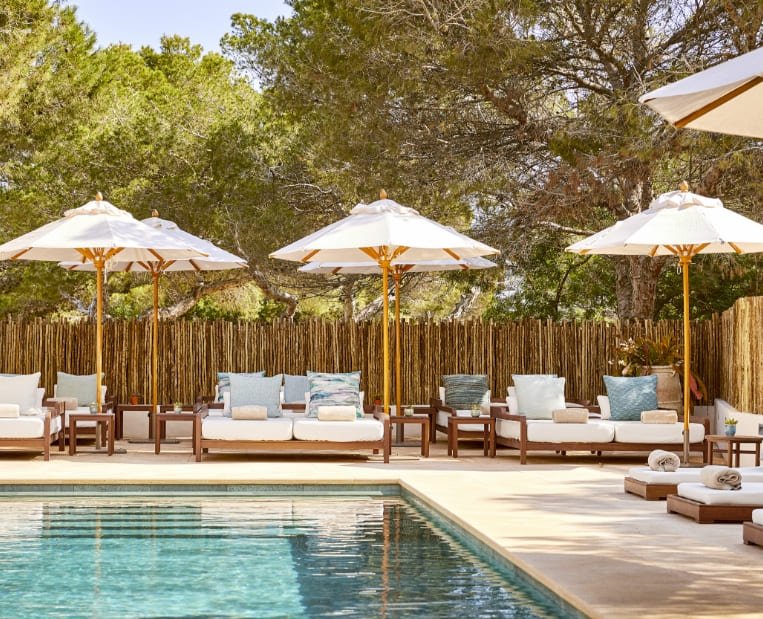
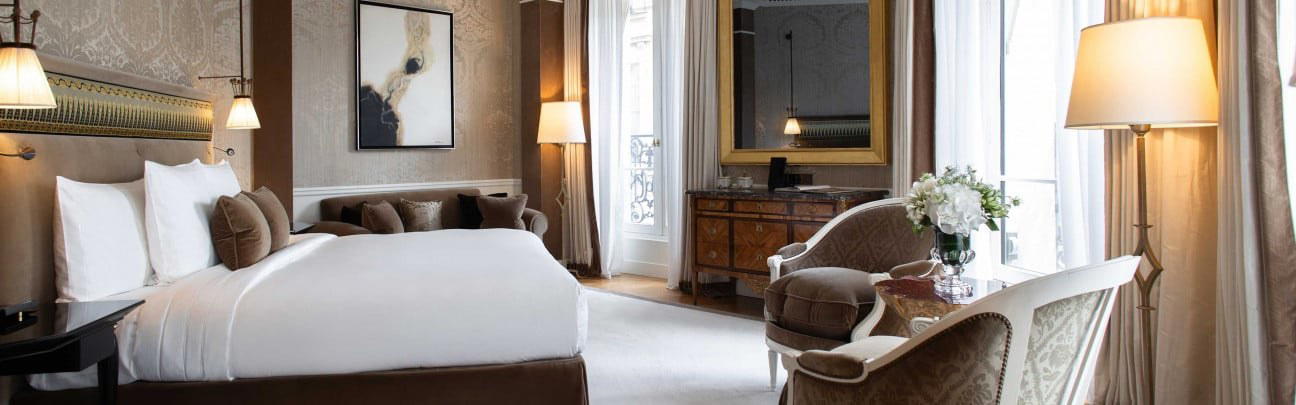
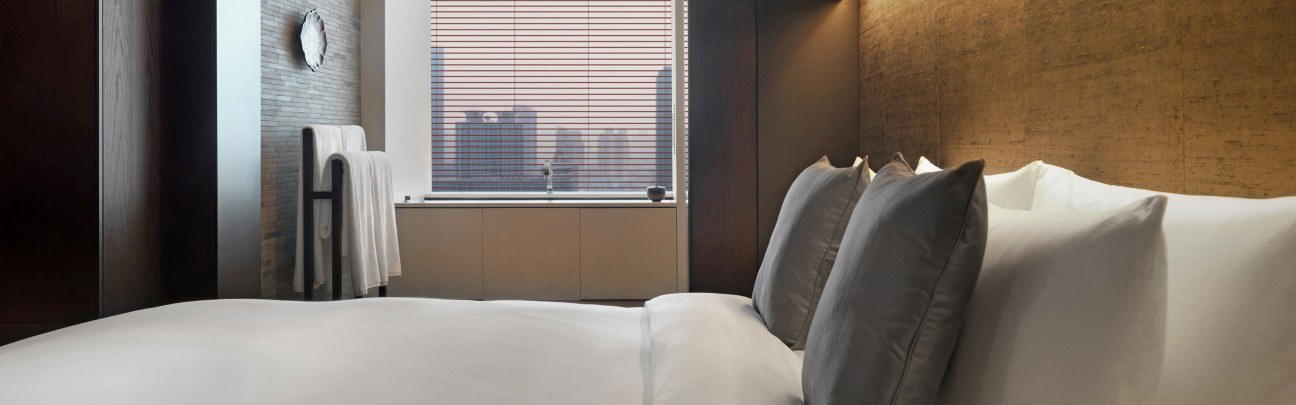
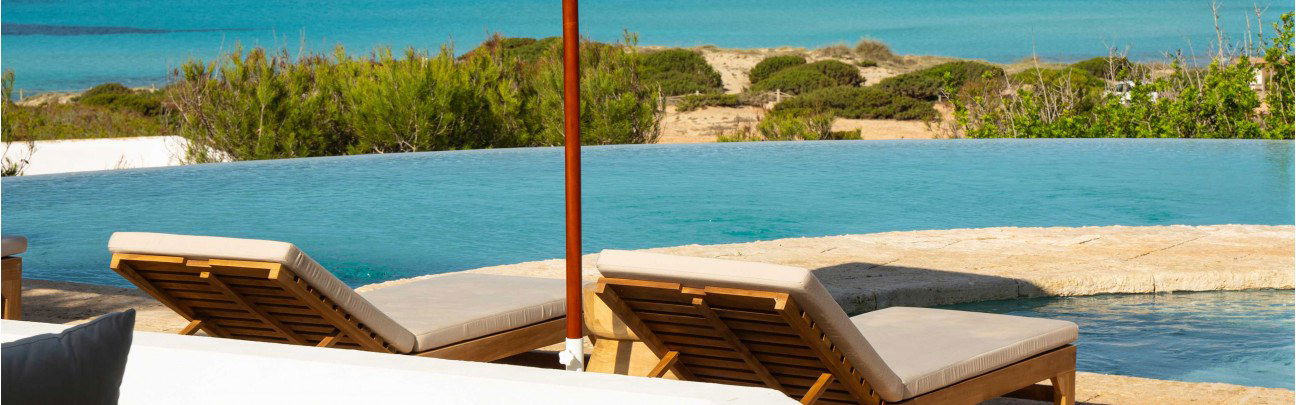
Soft natural light fills minimalist rooms with serene Mediterranean atmosphere; poolside and terrace areas offer quiet sophistication with sea breezes.
Tags
Vibe
Best For
Experience
Amenities
View
Accessibility
About the Stay
- Rooms
- 45
- Check-in
- 15:00
- Check-out
- 12:00
- Property Style
- Eco Conscious Beachfront Retreat
- Design Style
- Minimalist Mediterranean with Natural Materials
Know before you go
Know Before You Go
- Getting there
- Lugar Venda De Ses Clotades, 4449, 07872 Formentera, Illes Balears
Planning details
Location
Lugar Venda De Ses Clotades, 4449, 07872 Formentera, Illes Balears · Directions
Recognition and awards

Also consider
Also Consider
- Teranka Formentera, Notable alternative
- Can Tres Formentera, Notable alternative
- Paraiso de los Pinos, Notable alternative
- Five Flowers Formentera, Notable alternative
- Hotel Cala Saona & Spa, Notable alternative
Hotel context
How It Compares
Dunas de Formentera is the practical pick when booking ease and a calmer base matter more than chasing the liveliest hotel scene. Teranka Formentera is the better cross-shop if you are prioritising atmosphere and design, while Dunas de Formentera makes more sense for a first-timer who wants less friction around availability.
For value, compare it with Can Tres Formentera and Paraiso de los Pinos. Those are the names to check if the rate at Dunas de Formentera pushes beyond what you want to spend for a room-led stay. If the trip is more about beach time than hotel facilities, the lower-key alternatives may be the smarter use of budget.
Five Flowers Formentera and Hotel Cala Saona & Spa are better fits for travellers who want the hotel to carry more of the experience. Choose Dunas de Formentera if you want a quieter island base and plan to build the trip around Formentera itself; choose those peers if amenities, a more active hotel mood, or spa time are central to the stay.
Explore Formentera
Around this place
Discover more on Pearl
Unlock the full Dunas de Formentera guide in Pearl, including awards, comparisons, FAQs, planning details, and nearby places.
Compare Dunas de Formentera
| Venue | Location | Awards |
|---|---|---|
| Dunas de Formentera | Formentera | 2026 Michelin Guide New Hotels2026 Mr & Mrs Smith Luxury Hotels2025 Michelin Selected HotelsSmall Luxury Hotels Member 2025 |
| Teranka Formentera | Formentera | 2026 Virtuoso Luxury Hotel Collection2026 La Liste Top Hotels2025 Michelin 1 KeySmall Luxury Hotels Member 2025 |
| Can Tres Formentera | Formentera | No published awards |
| Paraiso de los Pinos | Formentera | No published awards |
| Five Flowers Formentera | Formentera | No published awards |
| Hotel Cala Saona & Spa | Formentera | No published awards |




How Dunas de Formentera compares with similar nearby venues.
FAQ
Frequently Asked Questions
When is the best time to book Dunas de Formentera?
What is check-in like at Dunas de Formentera?
Confirm the current arrival instructions before travel. The location is Formentera.
Is Dunas de Formentera good for business travel?
Which room category is best at Dunas de Formentera?
Choose only after checking the current room descriptions, rates, and booking terms for your Formentera stay.
Do loyalty programs work at Dunas de Formentera?
Dunas de Formentera is a Small Luxury Hotels of the World member. Check the exact loyalty benefits, booking-channel perks, and terms before confirming.
How is the dining at Dunas de Formentera?
Confirm current dining details, cuisine, chef information, and meal formats directly, and consider other Formentera dining options if you want to plan meals in advance.