
Hotel in Flores, Guatemala
Bolontiku Hotel Boutique \u0026 Spa
150ptsPeninsula Lakeside Retreat

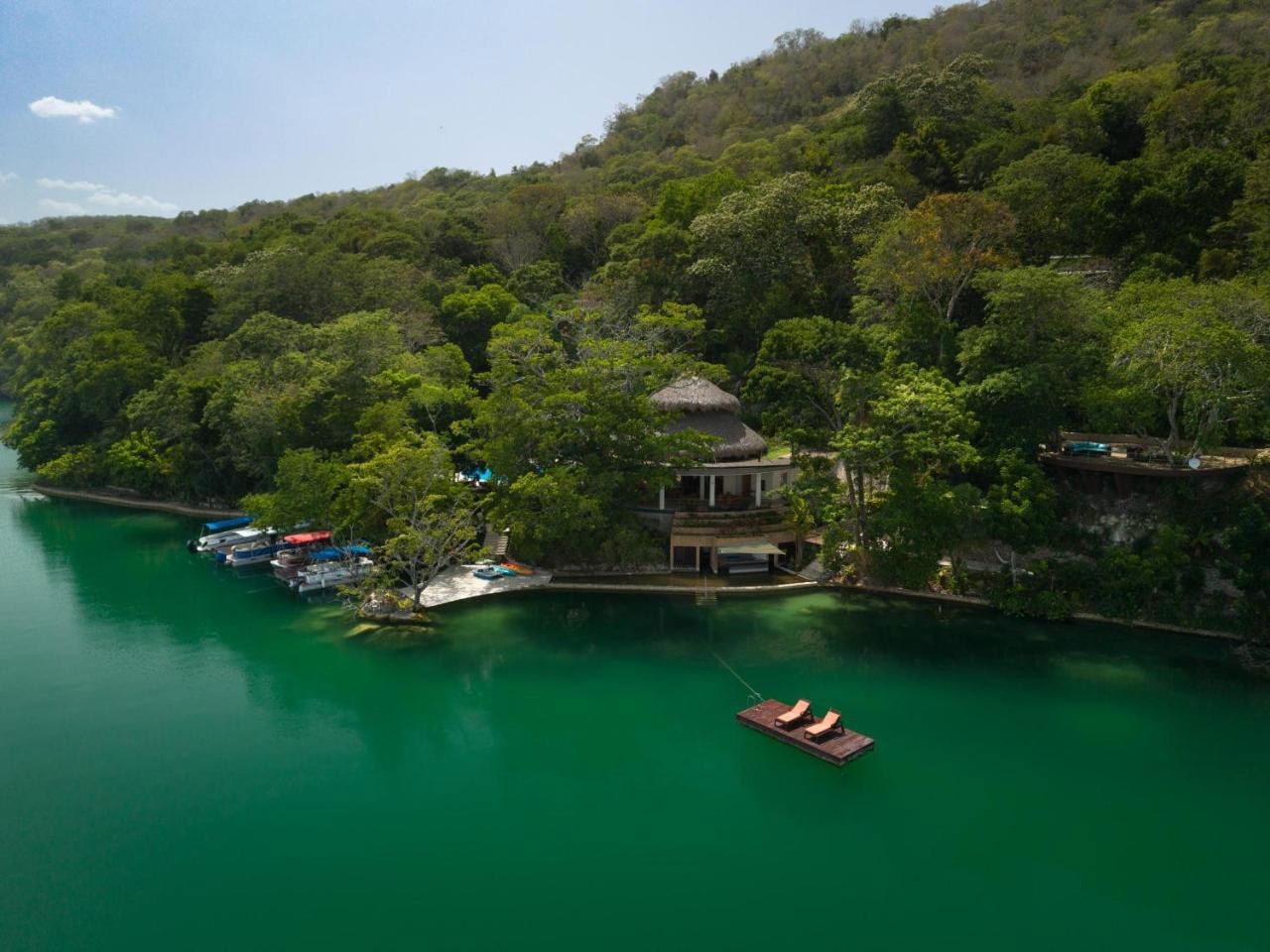
About Bolontiku Hotel Boutique \u0026 Spa
A Michelin Selected boutique hotel on the shores of Lake Petén Itzá in San Andrés, Bolontiku sits within the broader Flores area and occupies a niche where design-conscious small-scale accommodation meets one of Central America's most architecturally significant landscapes. The property's lakeside position and spa offering place it clearly above the functional transit-stop tier that most Petén accommodation falls into.
Where Lake Petén Itzá Sets the Architecture's Terms
In the Petén lowlands, the physical environment does not allow buildings to dominate. Lake Petén Itzá stretches wide and flat, the jungle presses close at the margins, and the light shifts from pale morning silver to a deep amber by late afternoon. Any property that attempts to compete with that setting loses. The ones that succeed do so by subordinating their design to the water and the canopy, framing views rather than blocking them. Bolontiku Hotel Boutique & Spa, positioned on the Punta de Piedra Nitum peninsula in San Andrés along the lake's northern shore, occupies this tradition of architectural restraint — a mode that the Petén's few genuinely considered small hotels have had to learn or fail.
This matters because the region's accommodation has historically sorted itself into two blunt categories: functional lodges oriented toward Tikal day-trippers, and the handful of smaller properties that treat the lake itself as the primary amenity. Bolontiku sits in the second group, where the design relationship between structure and landscape is the central editorial fact of a stay. The Michelin Selected designation for 2025 — part of Michelin's hotels guide rather than its restaurant guide , confirms that an external editorial body places it in a curated tier above the regional average. For the Petén, that signal matters; Michelin's hotel selection process applies the same inspectors-on-the-ground methodology as its restaurant work, so the credential carries weight without needing to be overstated.
The Design Logic of a Lake-Facing Boutique Property
Boutique hotels on Central American lakeshores tend to resolve their design question in one of two ways: they either lean into vernacular materials and construction techniques, or they import a modernist vocabulary that sits uneasily against the surrounding vegetation. The most coherent properties in this geography, including Casa Palopó in Santa Catarina Palopó on Lake Atitlán, have found a middle register , contemporary spatial thinking applied through local materials and craft, where the result feels rooted rather than imported.
Bolontiku's address on the Punta de Piedra Nitum peninsula gives the property something that flatly inland sites cannot offer: water on multiple sides. Peninsula sites create a specific spatial logic. Sightlines extend in more than one direction, breezes move across rather than just arriving from one face of the building, and the sense of enclosure typical of jungle accommodation gives way to something more open. For a boutique property with spa facilities, this translates directly into how treatment spaces, terraces, and social areas can be positioned relative to the light and the view.
The boutique format itself , low key count, a spa component, a named identity rather than a chain flag , places Bolontiku in the same competitive conversation as properties like La Lancha in Tikal, which operates on a similar premise of small-scale, design-aware accommodation in the Petén. The difference in address is significant: La Lancha sits closer to the Tikal ruins corridor, while Bolontiku's San Andrés location aligns it more directly with the lake as an experience in itself rather than as a base for archaeological visits. These are not competing properties so much as different arguments about what the Petén is for.
Flores and San Andrés: Reading the Geography
Flores, the island town connected to the mainland by a causeway, is the administrative and logistical center of the Petén. It is also increasingly a place that travelers pass through rather than stay in, given that its small island footprint limits the kind of accommodation that a considered boutique property requires. San Andrés, on the lake's northern shore, offers the spatial room that Flores proper cannot. The drive between them is short , the two communities share the lake but sit on different banks , and the northern shore's lower development density is directly relevant to why properties there can hold the kind of lakeside positioning that Bolontiku describes.
For travelers arranging Guatemala itineraries that move between the highlands and the Petén, the routing is worth thinking through carefully. Antigua-based stays at properties like Posada del Angel in Antigua or Good Hotel Antigua in Antigua Guatemala represent the cultural-colonial end of a Guatemala circuit; Bolontiku represents its ecological and archaeological counterpart. The contrast between Antigua's cobblestone urbanism and the Petén's lake-and-jungle geography is considerable, and most serious itineraries through Guatemala are structured around exactly that contrast. Our full Flores restaurants guide covers what to expect from the wider destination.
The Spa as Structural Argument
In the Petén's accommodation market, a spa is not a standard amenity. The region's lodging has historically been functional , built around access to Tikal and the surrounding archaeological sites, not around rest or wellness programming. A boutique hotel that incorporates spa facilities is making an argument about what kind of traveler it is designed for: one who treats the lake and the jungle as a context for slowing down, not only as a backdrop for day-excursion logistics. That positioning creates a meaningfully different experience from the transit-lodge model that dominates Flores town itself.
This shift in the Petén's hospitality model mirrors what has happened in other biologically rich, archaeologically significant destinations across Latin America, where the first-generation lodge infrastructure oriented entirely toward site access has gradually been supplemented by a second generation of properties that foreground the landscape as an end in itself. Hotel Esencia in Tulum and One&Only Mandarina in Riviera Nayarit represent that second-generation model in the Mexican context. Bolontiku occupies an analogous position in Guatemala's Petén, though at a smaller scale and a correspondingly more accessible price tier relative to those comparators.
Planning a Stay
Bolontiku's address in San Andrés, Petén, means that the primary access point is Mundo Maya International Airport (FRS) in Santa Elena, which receives domestic flights from Guatemala City and, seasonally, international connections. The lake's northern shore requires a short transfer from the airport, typically by road around the lake perimeter or by boat across it. Dry season, running roughly from November through April, is the standard high-demand window for Petén travel, when Tikal visits are most comfortable and the lake's surface is calmer. The shoulder months either side of the wet season offer a different experience of the landscape, with the vegetation at its most saturated and the accommodation sector operating at lower occupancy, which often translates to more flexibility on booking lead times.
For those assembling a Guatemala itinerary that combines this property with accommodation at Lake Atitlán, the Bolontiku Boutique Hotel and Spa in San Andres listing provides the most current availability and booking information. Travelers comparing this kind of regionally specific, Michelin Selected boutique format against the broader category of design-led small hotels globally will find instructive peer sets in places like Castello di Reschio in Lisciano Niccone or The Siam in Bangkok, though those operate at different price points and in very different contexts. Within Guatemala, the relevant comparison set stays close to home: the handful of Michelin Selected and otherwise editorially recognized boutique properties that have begun to define what considered accommodation in this country actually looks like.
Frequently Asked Questions
What kind of setting is Bolontiku Hotel Boutique & Spa?
Bolontiku sits on the Punta de Piedra Nitum peninsula along the northern shore of Lake Petén Itzá, in San Andrés, Petén. Its peninsula position means the property has water exposure on multiple sides, which distinguishes it from mainland-edge sites where only one facade faces the lake. The Michelin Selected 2025 designation places it in a curated tier within Guatemalan accommodation. For travelers arriving from highland properties in Antigua, the contrast in landscape and pace is significant: this is lake-and-jungle Petén rather than colonial-urban Guatemala.
What's the most popular room type at Bolontiku Hotel Boutique & Spa?
Specific room category data is not available in our current records. Given the property's peninsula position and the primacy of the lake view in its design logic, it is reasonable to assume that rooms with direct water exposure carry the most demand. At Michelin Selected boutique properties in comparable lakeside settings, lake-facing rooms typically book earliest. Confirming current availability and room configuration directly through the Bolontiku listing is the reliable approach, particularly for travel during the November-to-April dry season peak.
Recognized By

Similar venues by awards
Related editorial
- Asia's 50 Best Restaurants 2026: The Chairman and Wing Go 1-2 from the Same BuildingThe Chairman takes No. 1 and Wing climbs to No. 2 at Asia's 50 Best Restaurants 2026. Both operate from the same Hong Kong building. Here's what it means.
- Four Seasons Yachts Debut: 95 Suites, 11 Restaurants, and a March 2026 Maiden VoyageFour Seasons I launches March 20, 2026, with 95 suites, a one-to-one staff ratio, and 11 onboard restaurants. Worth tracking if you want hotel-grade service at sea.
- LA Michelin Guide 2026: Seven New Restaurants from Tlayudas to Uzbek DumplingsMichelin's March 2026 California Guide update adds six LA restaurants and one Montecito newcomer, spanning Oaxacan tlayudas, Uzbek manti, and Korean-Italian pasta.
Save or rate Bolontiku Hotel Boutique \u0026 Spa on Pearl
Keep this venue in your Pearl passport, rate it after you visit, and track it alongside every other place you collect.