Garner Essen Handelshof
Stadtkern, Essen
Hotel in Essen, Germany
 Book with Pearl
Why go
A practical Essen hotel choice for business travelers who need a city base rather than a hotel-led trip. Garner Essen Handelshof works when easy logistics and value matter more than dining, spa facilities, or a high-design room experience.
About Garner Essen Handelshof
Garner Essen Handelshof is a venue in Essen with limited public detail, so it works best with a careful, practical mindset. The dress code is smart casual, which gives at least one useful baseline for how to prepare for a visit. Beyond that, specific claims about services, amenities, dining, rooms, pricing, or hours should be checked directly with the venue before you plan around them, especially if any of those details would affect your schedule, budget, or expectations.
Treat this as a cautious starting point rather than a full verdict. If you are comparing options in Essen, focus on the basics you can confirm for your own dates and needs, avoid assuming details that are not confirmed. In practice, that means treating every unconfirmed element as open until you have received up-to-date information from Garner Essen Handelshof itself.
A practical Essen listing with limited detail
The safest way to approach Garner Essen Handelshof is to verify the essentials directly before booking or visiting. Details such as a restaurant format, room categories, wellness facilities, service style, prices, or specific opening hours are not available. Those are the kinds of details that can shape whether a venue is right for a particular plan, so they should not be inferred from the name, location, or general expectations about similar venues.
For wider planning in the city, you can browse other Essen dining options through our full Essen restaurants guide. Treat any plans involving meals, facilities, or special services as tentative until confirmed with Garner Essen Handelshof. If your visit depends on a particular amenity, a certain service arrangement, or a precise time window, direct confirmation is the most reliable way to avoid disappointment.
Know Before You Go
- Location: Essen.
- Dress code: smart casual.
- Confirm directly: current availability, services, amenities, pricing, any visit-specific requirements.
- Planning note: do not assume details about dining, wellness facilities, room types, or service format.
Planning details
- Location
- Essen, Germany
The take
The Take
The Vibe
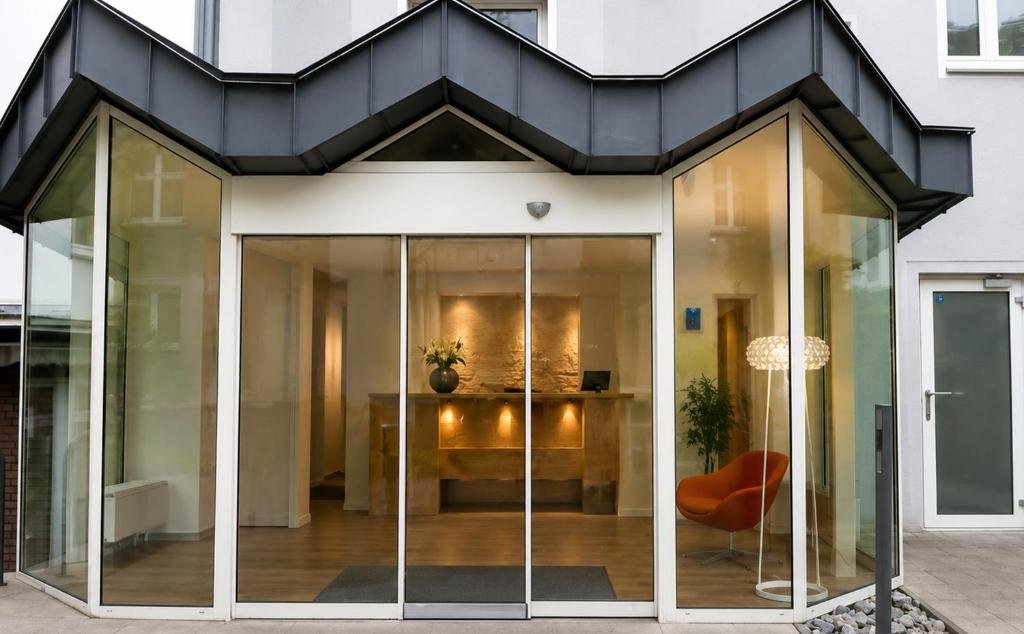
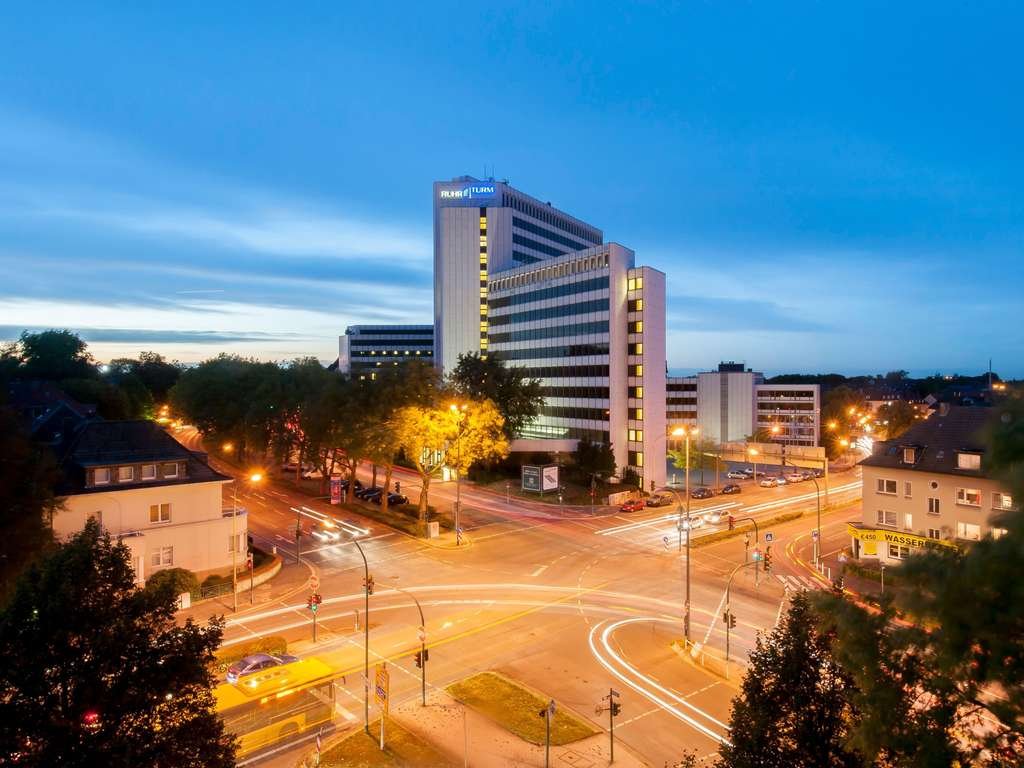
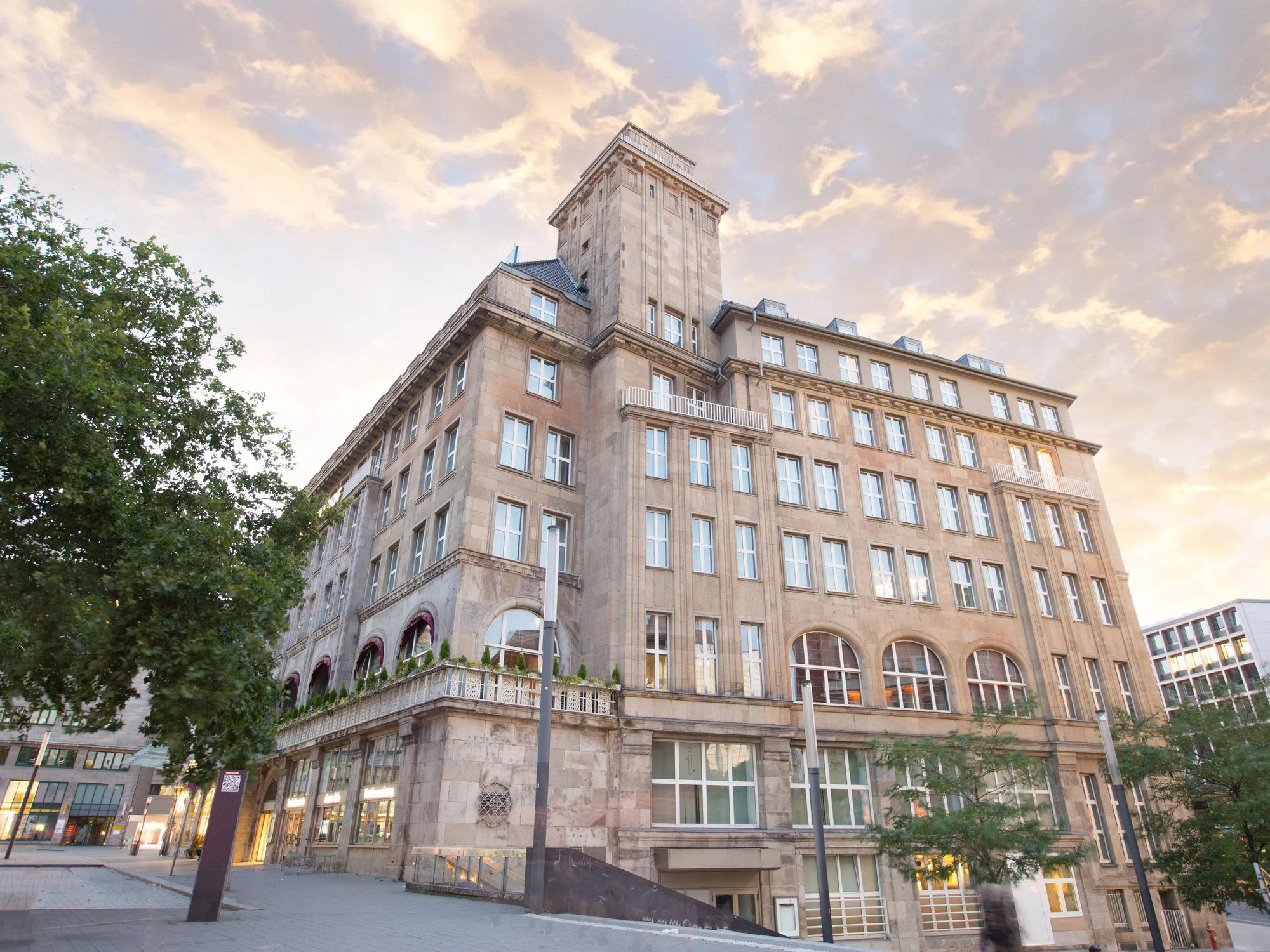
Garner Essen Handelshof presents its atmosphere through architecture first. The hotel sits inside a Handelshof — a civic-commercial trading hall typology from the Wilhelmine and Weimar eras — and that lineage shapes every spatial encounter: lofty lobbies, generous circulation, and masonry facades that read as institutional rather than domestic. The writing emphasizes adaptive reuse and premium hospitality, so the impression is of a formally composed, historically grounded property that trades on scale and permanence. Guests experience the building’s presence as much as any individual decorative detail, making the stay about place, memory, and architectural heft rather than intimate domesticity.
Best For
This hotel is best for travelers who prioritize architectural context and a sense of civic history—particularly business travelers and weekend visitors exploring Essen’s urban core. The Handelshof typology is described as a building designed to consolidate trade, hospitality, and public gatherings, which aligns with business-focused stays and events tied to the city’s commercial life. Weekend escape guests who appreciate pronounced historic fabric and adaptive reuse will find the property rewarding: the hotel reads as a destination in itself, useful for those who want to understand how Essen’s pre-war commercial architecture shapes contemporary hospitality.
Venue details
Ambiance
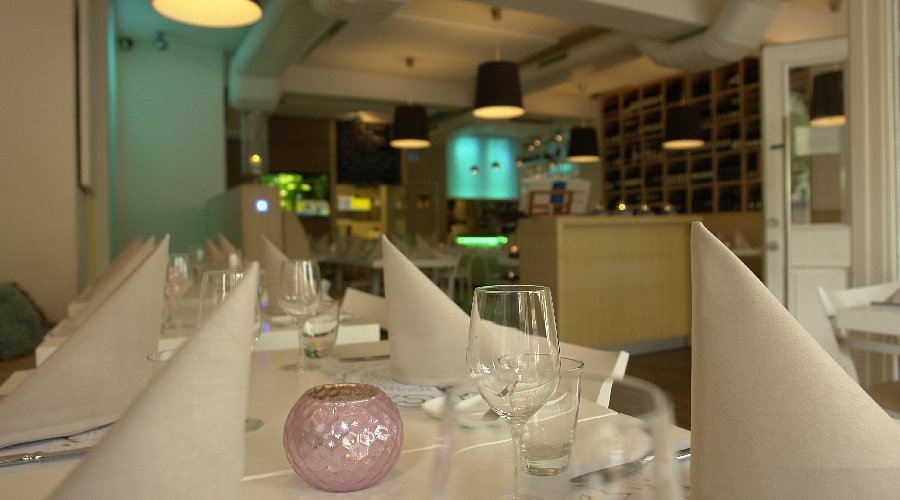
Tastefully furnished modern rooms in historic building with comfortable, clean, and spacious accommodations praised by guests.
Tags
Vibe
Best For
Experience
Amenities
View
Accessibility
About the Stay
- Rooms
- 198
- Check-in
- 15:00
- Check-out
- 12:00
- Property Style
- Historic City Hotel with Modern Comforts
- Design Style
- Refined Modern Decor in Heritage Building
Planning details
Location
Essen, Germany · Directions
Explore Essen
Around this place
Discover more on Pearl
Unlock the full Garner Essen Handelshof guide in Pearl, including awards, comparisons, FAQs, planning details, and nearby places.
FAQ
Frequently Asked Questions
When is the best time to book Garner Essen Handelshof?
Booking-timing guidance is not available for Garner Essen Handelshof. If your plans in Essen are date-sensitive, confirm availability directly as soon as your dates are fixed.
Do loyalty programs work at Garner Essen Handelshof?
Loyalty-program details are not available for Garner Essen Handelshof. Check directly with the venue or your booking channel before assuming points, benefits, or membership perks apply.
How is the dining at Garner Essen Handelshof?
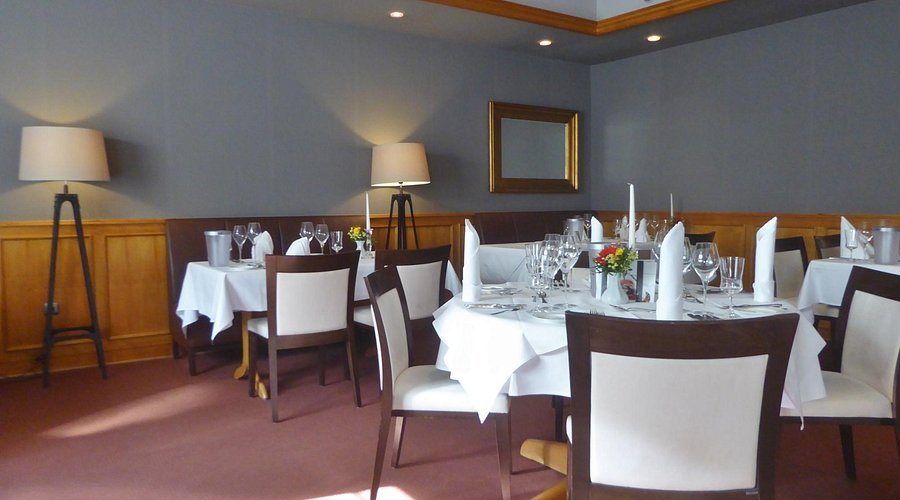
Dining details are not available for Garner Essen Handelshof. If dining matters to your visit, confirm the current options directly or compare other dining in Essen before making plans.
Is Garner Essen Handelshof good for business travel?
Business-travel amenities and services are not available for Garner Essen Handelshof. The venue is in Essen, but you should confirm any work-trip needs directly before relying on them.
What is check-in like at Garner Essen Handelshof?
Which room category is best at Garner Essen Handelshof?
Room-category details are not available for Garner Essen Handelshof. If room size, layout, desk space, or quiet placement matters, confirm those details directly before booking.
How is the pool and spa at Garner Essen Handelshof?
Pool and spa details are not available for Garner Essen Handelshof. Do not plan around wellness facilities unless the venue or your booking details confirm them.