
The Glasshouse Hotel
Greenside, Edinburgh
Hotel in Edinburgh, United Kingdom
 Book with Pearl
The Read
Church-to-Glass Conversion
Why go
The Glasshouse Hotel is a polished Edinburgh choice for travellers who want a central special-occasion base without the formality of the city's grander hotels. It suits couples and families with older children who care more about location and calm than resort-style facilities. Forbes Recommended in 2026, it is worth cross-shopping against The Balmoral, W Edinburgh, and Gleneagles Townhouse before committing.
About The Glasshouse Hotel
The Glasshouse Hotel is an Edinburgh hotel with a smart-casual dress code and Forbes Recommended recognition for 2026. Compare it carefully against your own trip priorities for details about room types, facilities, dining, pricing, address, or service style.
A city stay that suits travellers who want an Edinburgh base
Its positioning is simple: The Glasshouse Hotel is in Edinburgh, carries Forbes Recommended recognition for 2026, and notes a smart-casual dress code. That makes it reasonable to consider for travellers seeking a composed hotel stay in the city.
For families, couples, and special-occasion travellers, the decision should come down to the practical details you confirm directly before booking. Check the room configuration, any on-site facilities you care about, and the cancellation terms.
Who should choose it when comparing Edinburgh hotels
Choose The Glasshouse Hotel if you want to consider a Forbes Recommended 2026 hotel in Edinburgh with a smart-casual tone. If you are comparing Edinburgh stays, you may also want to look at The Balmoral, a Rocco Forte Hotel and W Edinburgh, depending on availability, rates, and the type of trip you are planning.
Other natural Edinburgh comparisons include Gleneagles Townhouse, The Edinburgh Grand, a Luxury Collection Hotel, Edinburgh, and 24 Royal Terrace Hotel. Use those comparisons to test practical fit: location within Edinburgh, room setup, booking terms, and the overall feel you prefer.
Verdict: consider The Glasshouse Hotel for an Edinburgh stay where recognition and a smart-casual hotel tone matter. Before booking, confirm any specific facilities, room details, family needs, or dining expectations directly with the hotel.
Part of
Autograph Collection160 locations on PearlPlanning details
- Location
- 2 Greenside Pl, Edinburgh EH1 3AA
- Website
- marriott.com/en-us/hotels/ediak-the-glasshouse-autograph-collection/overview/?scid=f2ae0541-1279-4f24-b197-a979c79310b0
- Phone
- +44 131 525 8200
The take
The Take
The Vibe
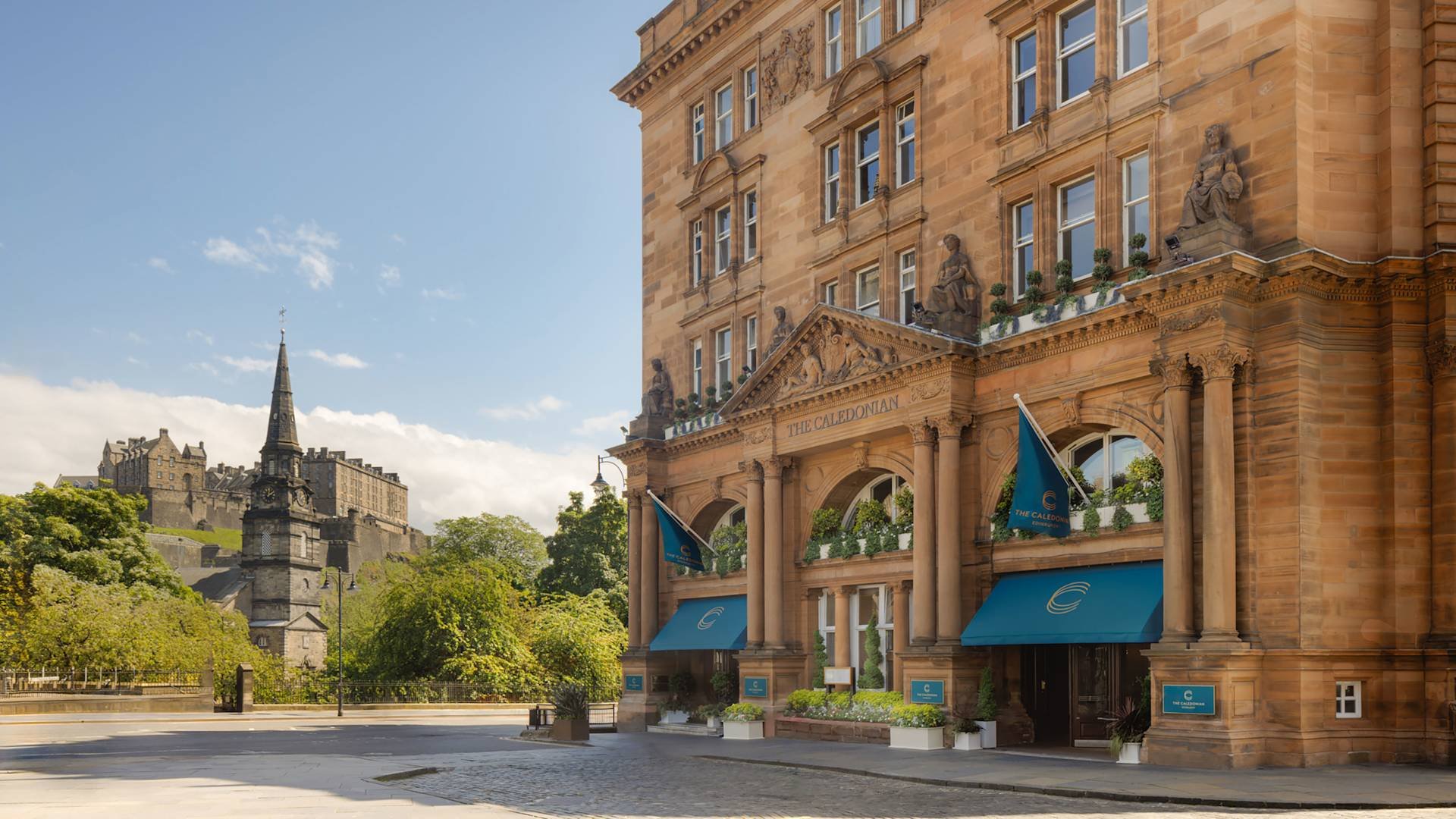
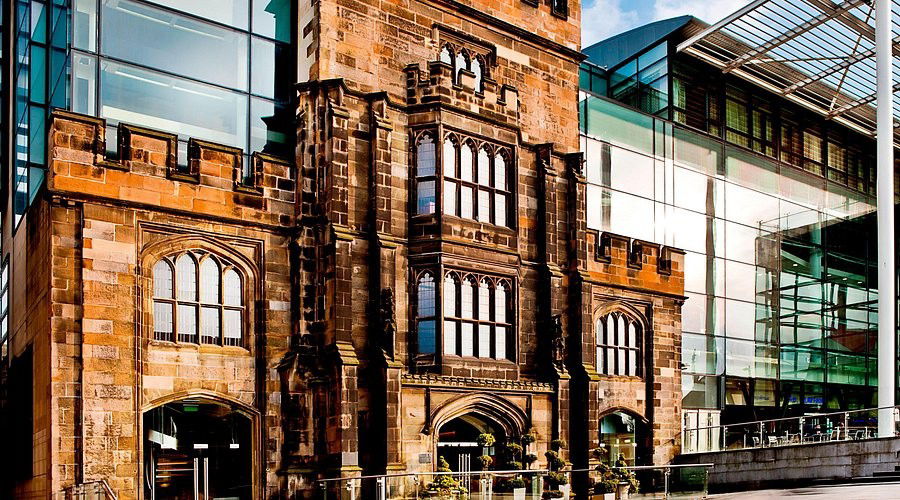
The Glasshouse stages a deliberate dialogue between Victorian stone and contemporary glass, using a 170-year-old church as a striking entry point before unfolding a modern glazed volume behind it. A 2018 revamp sharpens that contrast rather than erasing it: interiors read as tastefully curated Scottish art with a restrained Japanese minimalist influence, and 77 rooms favor wooden screens and floor-to-ceiling windows that frame Calton Hill or city vistas. The property’s standout rooftop—a two-acre garden with real grass and palms—adds a scenic, unexpectedly verdant counterpoint to the urban silhouette, giving the hotel a quietly charming, design-forward presence in the city centre.
Best For
This hotel suits design-minded travellers who want a contemporary alternate to Edinburgh’s heavier, baronial institutions. It appeals to guests who prize strong architectural character, plentiful daylight and city views—especially those who return for the expansive rooftop garden. The city-centre siting between Calton Hill and Princes Street makes it convenient for urban exploration or short leisure stays, and the considered interiors will particularly please travellers who favour minimalist touches and curated art over traditional tartan flourishes. It’s an especially good pick for weekend escapes and anyone seeking a scenic rooftop place to unwind after a day in the city.
Venue details
Ambiance
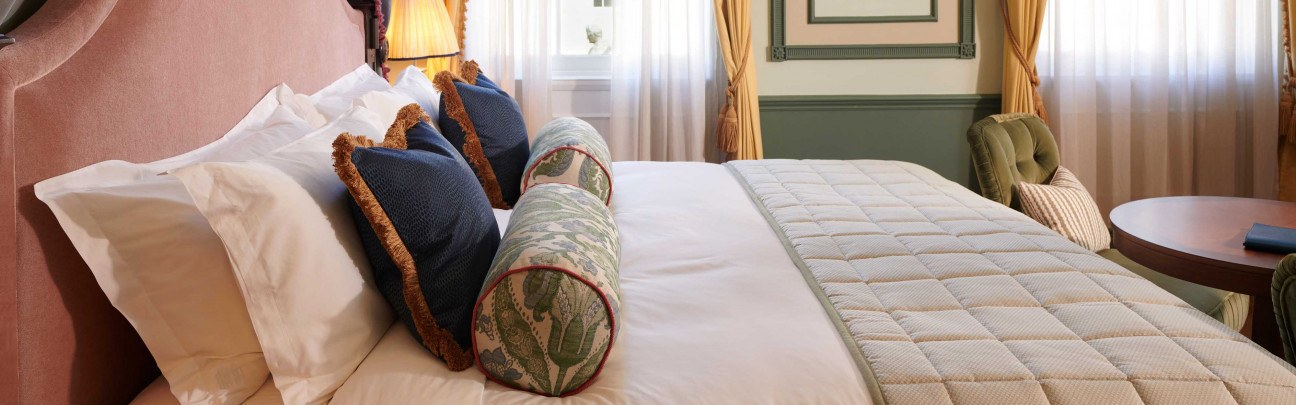
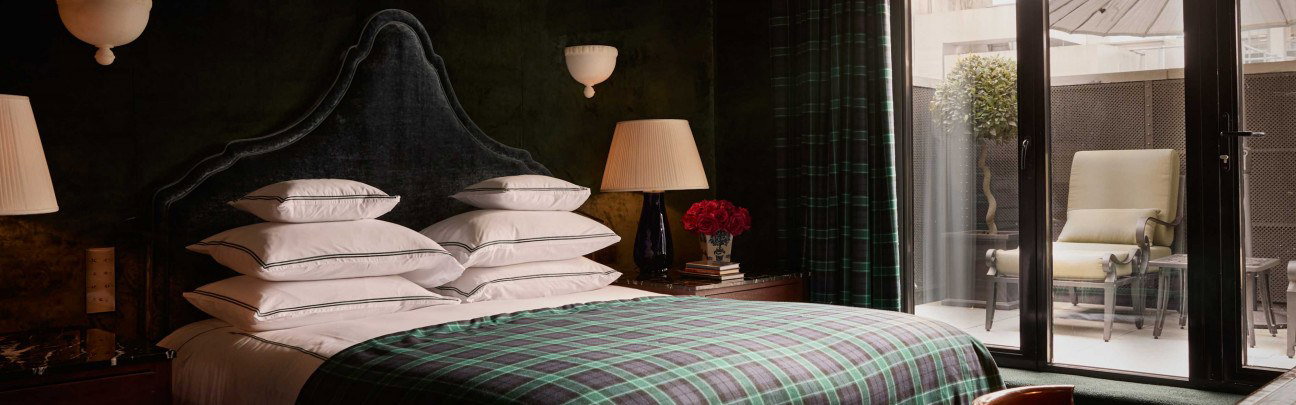
Light-filled spaces with floor-to-ceiling windows, plush bedding, and tranquil rooftop garden atmosphere praised for its relaxing and luxurious feel.
Tags
Vibe
Best For
Experience
Amenities
View
Accessibility
About the Stay
- Rooms
- 77
- Property Type
- Boutique hotel
- Property Style
- Contemporary Urban Boutique with Rooftop Oasis
- Design Style
- Modern Minimalist with Floor to Ceiling Windows and Sleek Interiors
- Families
- Welcome
Know before you go
Know Before You Go
- Getting there
- 2 Greenside Pl, Edinburgh EH1 3AA
Planning details
Location
Recognition and awards

Also consider
Also Consider
- W Edinburgh, Notable alternative
- The Edinburgh Grand, a Luxury Collection Hotel, Edinburgh, Notable alternative
- The Balmoral, a Rocco Forte Hotel, Notable alternative
- Gleneagles Townhouse, Notable alternative
- 24 Royal Terrace Hotel, Notable alternative
Hotel context
How it compares in Edinburgh
The Glasshouse Hotel is the better fit if the brief is a polished, central stay with a calmer feel than W Edinburgh. W is the stronger choice for guests who want a more energetic, nightlife-friendly atmosphere, but families and celebration travellers who prefer less scene should lean toward The Glasshouse Hotel.
The Balmoral, a Rocco Forte Hotel is the splurge choice for classic Edinburgh ceremony, while Gleneagles Townhouse suits travellers who want a clubbier social setting. The Glasshouse Hotel sits between those poles: less formal than The Balmoral, less socially driven than Gleneagles Townhouse, and more occasion-ready than a purely functional city hotel.
For space-led stays, compare carefully with The Edinburgh Grand, a Luxury Collection Hotel, Edinburgh, which is likely the smarter pick for guests who want a more independent apartment-style setup. For a quieter boutique alternative, 24 Royal Terrace Hotel is the one to check if the priority is atmosphere over central convenience.
Explore Edinburgh
Around this place
Discover more on Pearl
Unlock the full The Glasshouse Hotel guide in Pearl, including awards, comparisons, FAQs, planning details, and nearby places.
Compare The Glasshouse Hotel
| Venue | Location | Awards |
|---|---|---|
| The Glasshouse Hotel | Edinburgh | 2026 Forbes Recommended2025 Forbes Recommended |
| W Edinburgh | Edinburgh | No published awards |
| The Edinburgh Grand, a Luxury Collection Hotel, Edinburgh | Edinburgh | No published awards |
| The Balmoral, a Rocco Forte Hotel | Edinburgh | 2026 Forbes 5-Star2026 Virtuoso Luxury Hotel Collection2026 La Liste Top Hotels2026 Michelin 2 KeysMichelin 2 Keys 20252025 Michelin 2 Keys2025 Forbes 5-Star |
| Gleneagles Townhouse | Edinburgh | 2026 Virtuoso Luxury Hotel Collection2026 Mr & Mrs Smith Luxury HotelsLeading Hotels of the World 20262026 La Liste Top Hotels2026 Michelin 2 Keys2025 Michelin 1 Key |
| 24 Royal Terrace Hotel | Edinburgh | No published awards |







How The Glasshouse Hotel Edinburgh compares with similar nearby venues.
FAQ
Frequently Asked Questions
When is the best time to book The Glasshouse Hotel?
Book once your Edinburgh travel dates are firm, especially if you are comparing hotels for a busy period. The Glasshouse Hotel is in Edinburgh, has a smart-casual dress code, and is Forbes Recommended for 2026.
Which room category is best at The Glasshouse Hotel?
Choose based on the current options shown by the hotel or booking channel. Before committing, confirm the room size, bed setup, view, and any inclusions that matter for your Edinburgh stay.
Are pool or spa facilities at The Glasshouse Hotel?
If wellness facilities are important, confirm them directly with The Glasshouse Hotel before booking and compare the answer with other Edinburgh options such as The Balmoral, a Rocco Forte Hotel.
Is The Glasshouse Hotel family-friendly?
Families considering The Glasshouse Hotel should confirm suitable room configurations, extra-bed policies, and any practical requirements directly with the hotel before booking an Edinburgh stay.
How does The Glasshouse Hotel compare to other Edinburgh hotels?
The Glasshouse Hotel is a Forbes Recommended 2026 hotel in Edinburgh with a smart-casual dress code. For comparison, travellers can also look at W Edinburgh, The Balmoral, a Rocco Forte Hotel, The Edinburgh Grand, a Luxury Collection Hotel, Edinburgh, 24 Royal Terrace Hotel, and Gleneagles Townhouse, then decide based on current rates, room details, and the trip style they want.