

InterContinental Edinburgh The George
New Town, Edinburgh
Hotel in Edinburgh, United Kingdom
 Book with Pearl
The Read
Georgian Townhouse Hospitality
Why go
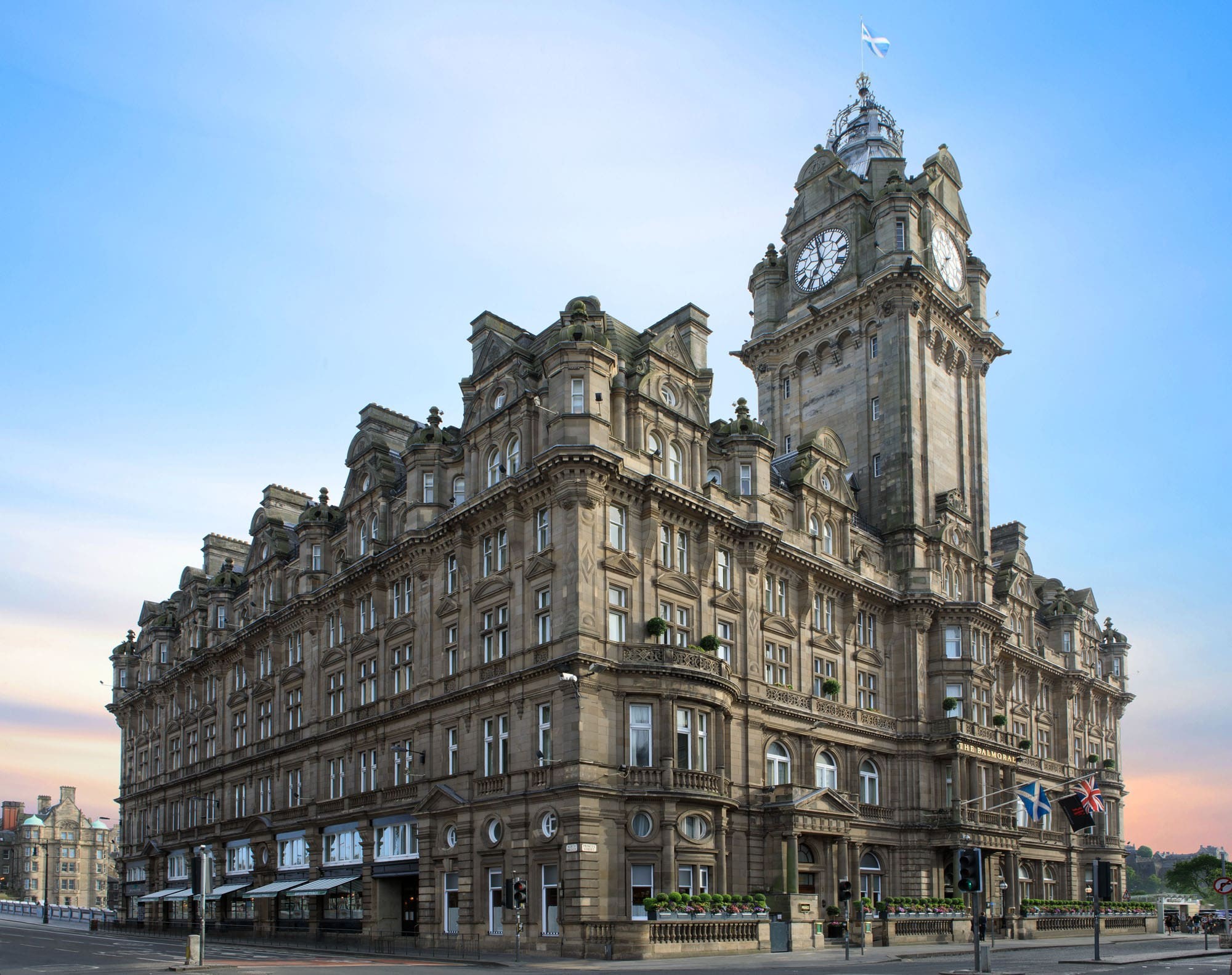
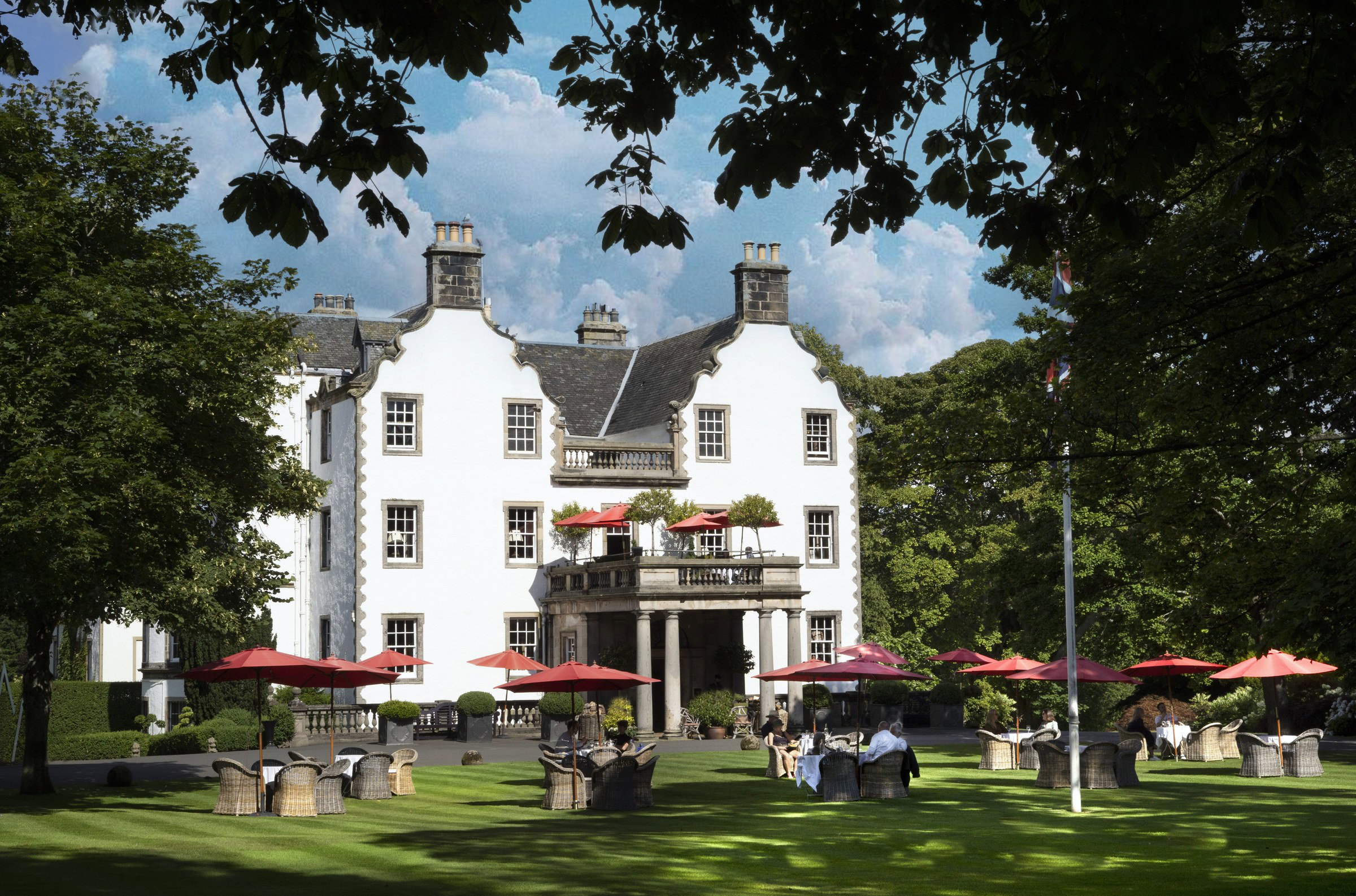
A strong pick for first-time Edinburgh visitors who want a polished George Street base rather than a resort-style hotel. InterContinental Edinburgh The George is better for central access, business travel, and brand reliability than for boutique character; compare Gleneagles Townhouse or The Balmoral if atmosphere is the main priority.
About InterContinental Edinburgh The George
InterContinental Edinburgh The George is a hotel in Edinburgh with a smart casual dress code and recognition from Forbes Recommended in 2026 and the MICHELIN Guide Hotels selection in 2025.
Before booking, check current hotel materials for specific facilities, room types, dining, prices, and service formats. The key decision point is whether this Edinburgh hotel, its smart casual dress code, and its third-party recognition match the kind of stay you are planning.
Book for an Edinburgh base with hotel recognition
The essentials are direct: the venue is InterContinental Edinburgh The George in Edinburgh, the dress code is smart casual, and it has been recognized as Forbes Recommended in 2026 and selected by the MICHELIN Guide Hotels list in 2025.
If you are comparing recognized Edinburgh hotels, Gleneagles Townhouse, The Balmoral, a Rocco Forte Hotel, W Edinburgh, 100 Princes Street, and The Edinburgh Grand, a Luxury Collection Hotel, Edinburgh may also be relevant cross-shops depending on your preferred style of stay. Compare amenities, room inventory, dining, and pricing directly when weighing them.
The stay makes sense when the essentials are enough
InterContinental Edinburgh The George is best evaluated as an Edinburgh hotel with smart casual expectations and recognition from Forbes and the MICHELIN Guide Hotels selection. Travelers who need specific details about spa facilities, dining, accessibility, parking, room categories, or rates should confirm those directly before booking.
Recognition from Forbes Recommended in 2026 and selection in the MICHELIN Guide Hotels list in 2025 give it credible third-party validation. The practical verdict is narrow: consider it if an Edinburgh hotel with those credentials fits your trip, and avoid assuming additional details without checking directly.
Planning details
- Location
- 19 - 21 George St, Edinburgh EH2 2PB
- Website
- ihg.com/intercontinental/hotels/gb/en/edinburgh/edigs/hoteldetail?cm_mmc=GoogleMaps-_-IC-_-GB-_-EDIGS
- Phone
- +44 131 225 1251
The take
The Take
The Vibe
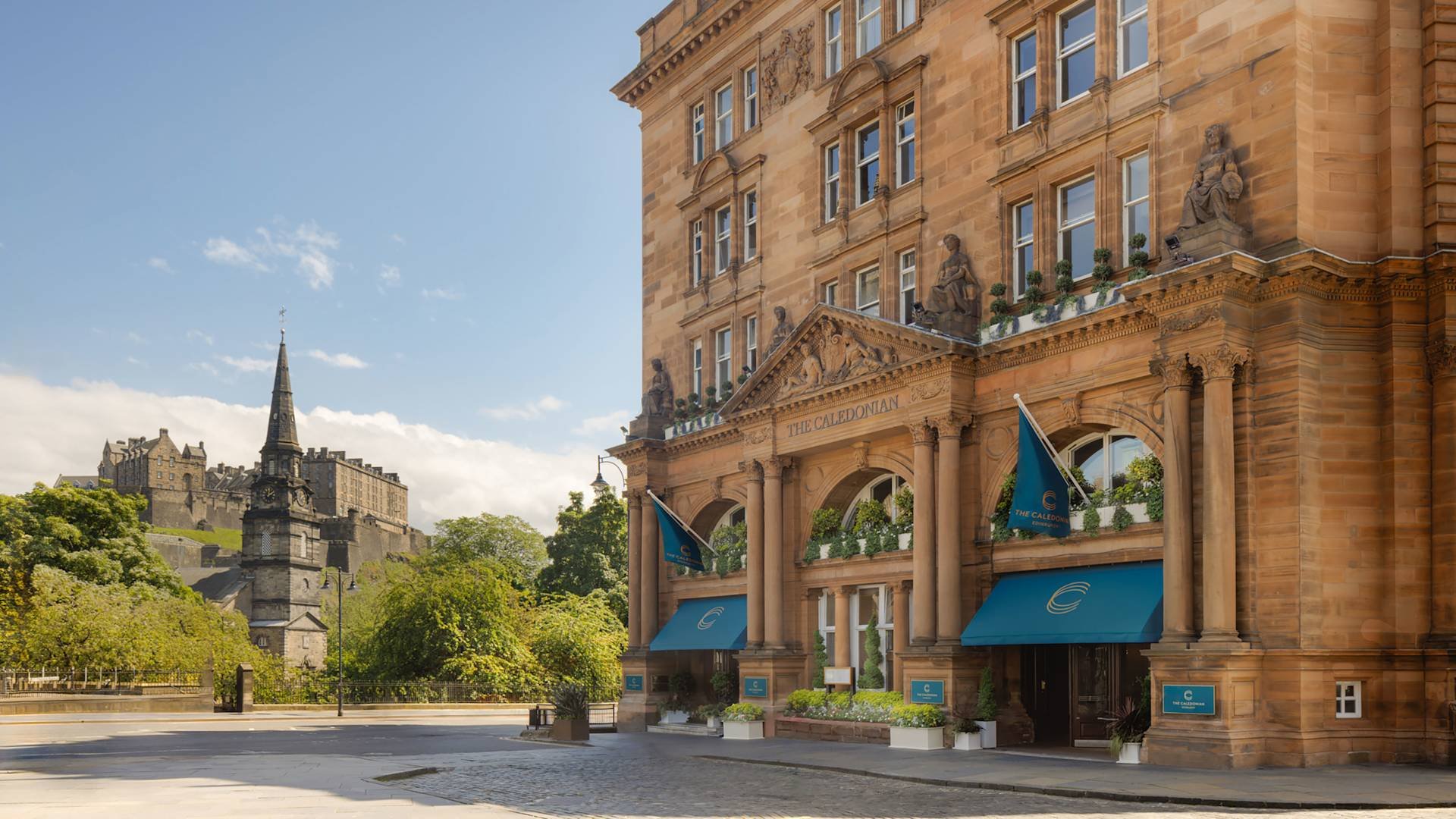
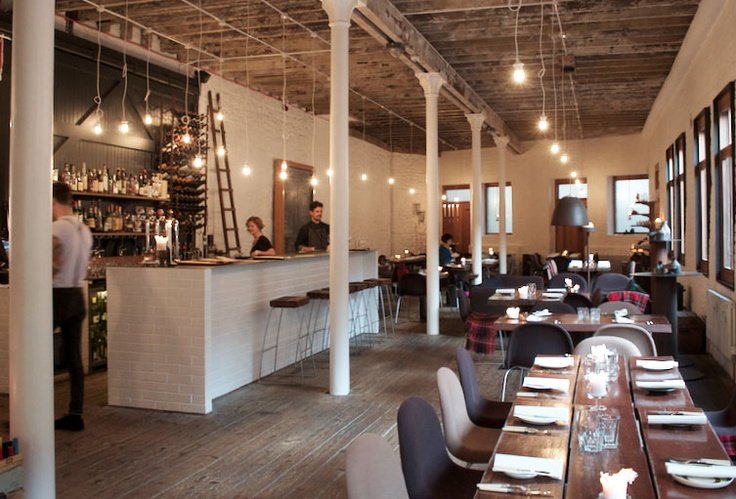
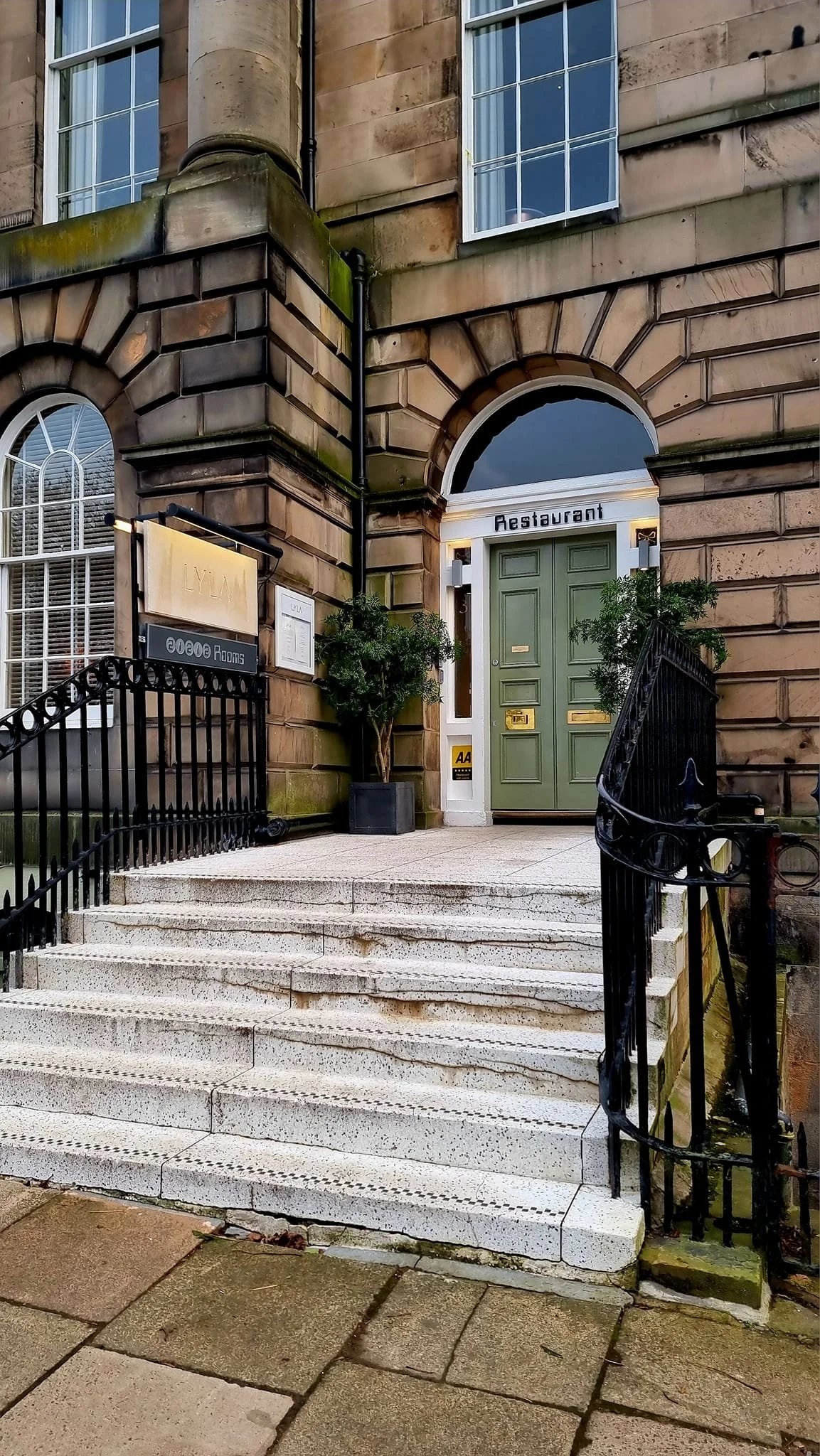
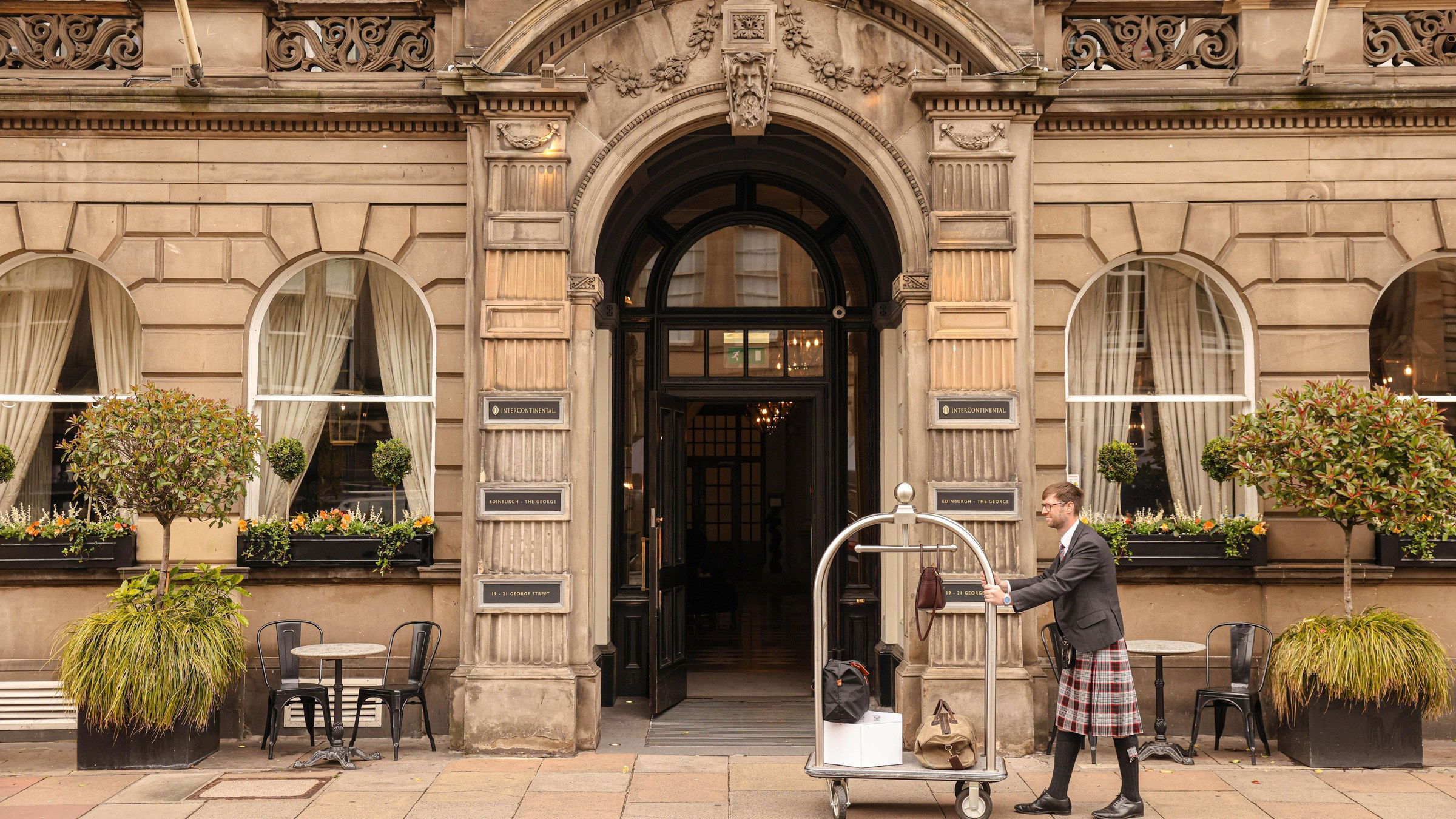
InterContinental Edinburgh The George presents as a hotel that foregrounds Edinburgh’s New Town heritage. Housed across five linked Georgian townhouses, the property leans into restored period details — preserved ceiling mouldings, sandstone facades and classical proportions — so the architecture becomes the principal feature of the stay. The multimillion-dollar refurbishment is attentive rather than theatrical, aiming for historical coherence over pastiche, which gives the hotel a quietly distinguished, urbane presence on George Street. Guests encounter a staying experience rooted in place: a heritage-minded city hotel that reads like an extension of the surrounding Georgian streetscape.
Best For
This hotel suits travelers who prioritize architectural context and a central New Town address. It is especially apt for visitors who want to be immersed in Edinburgh’s literary and civic history: the property’s documented links to local figures and its presence on George Street make it a natural base for cultural exploration. Business travelers and couples already include the hotel among practical and romantic options, but more broadly the property appeals to anyone looking for a substantive heritage stay with easy access to the city’s restaurants, bars and walking routes through the New Town grid.
Stay Tips
Ask about room placement and period details when booking: the hotel is composed of linked Georgian townhouses, so room layouts and character vary across the 240 rooms. The refurbishment intentionally preserved original ceiling mouldings and the rhythm of townhouse room plans, so guests seeking pronounced historic character should request rooms highlighted for preserved features. Because the restoration emphasizes historically coherent finishes, inquire with reservations about which room categories best showcase those restored elements if experiencing the building’s architectural fabric is a priority.
Venue details
Ambiance
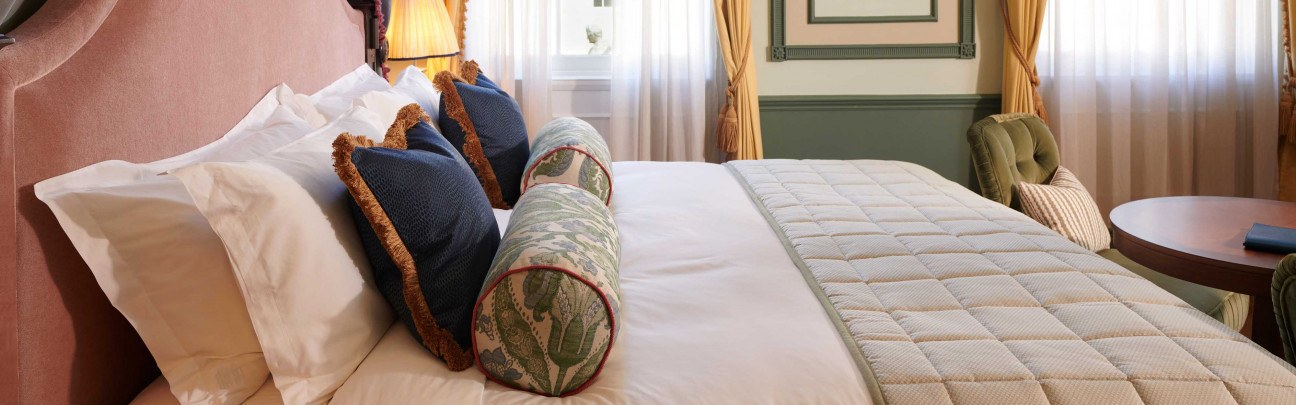
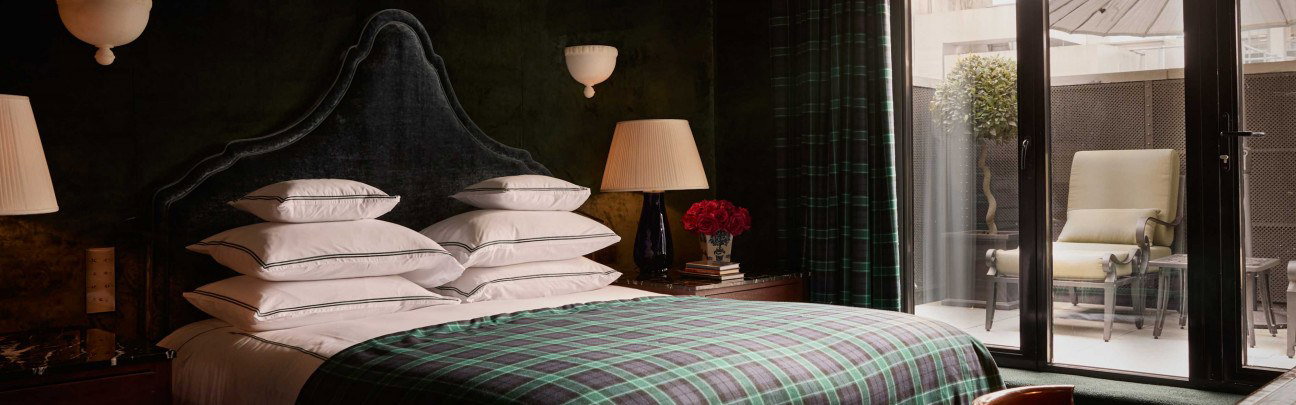
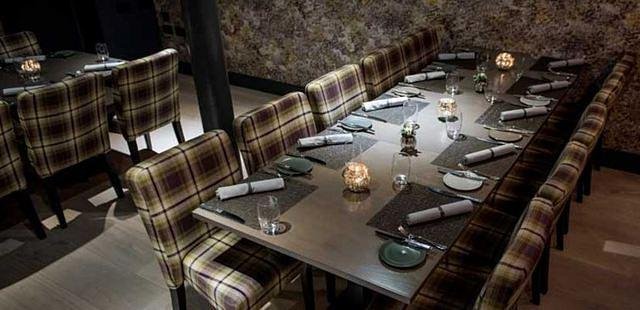
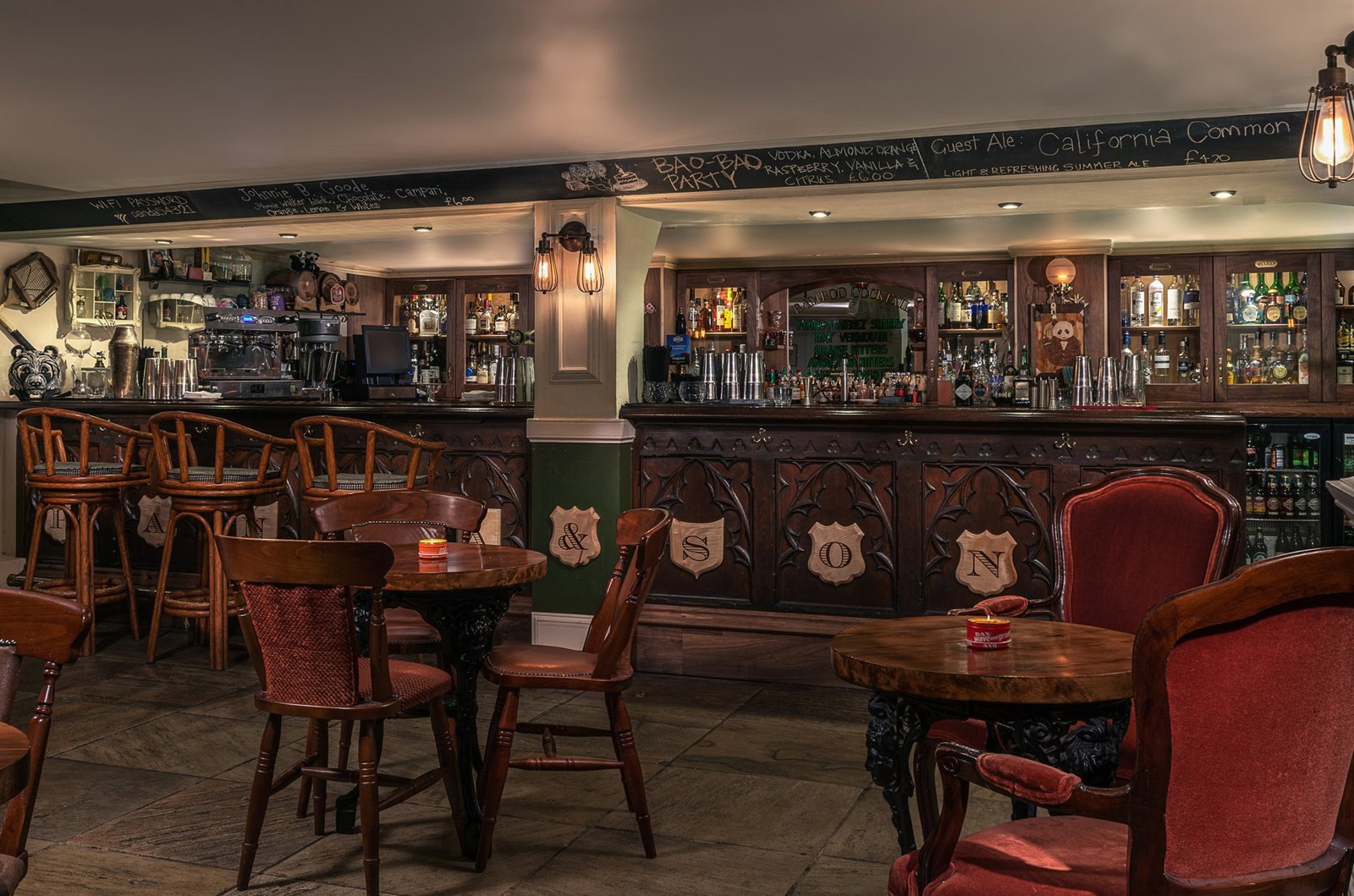
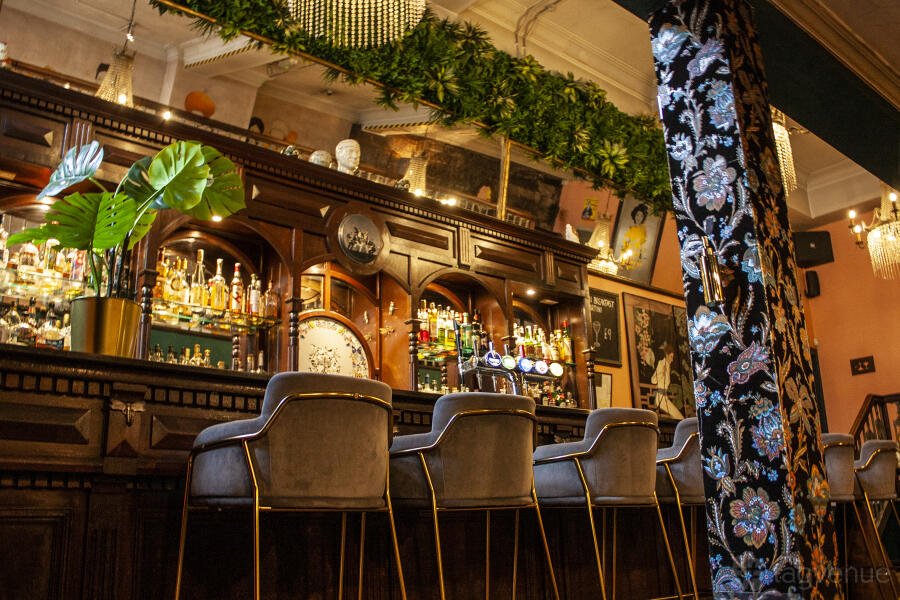
Elegant historic atmosphere with peaceful ambiance, comfortable rooms featuring luxury Byredo amenities, bathrobes, and Egyptian cotton sheets.
Tags
Vibe
Best For
Experience
Amenities
View
Accessibility
About the Stay
- Rooms
- 239
- Check-in
- 15:00
- Check-out
- 12:00
- Property Style
- Historic Luxury Hotel with Restored Grandeur
- Design Style
- Elegant Classic with Natural Materials
Know before you go
Know Before You Go
- Getting there
- 19 - 21 George St, Edinburgh EH2 2PB
Planning details
Location
19 - 21 George St, Edinburgh EH2 2PB · Directions
Recognition and awards

Also consider
Also Consider
- Gleneagles Townhouse, Notable alternative
- The Edinburgh Grand, a Luxury Collection Hotel, Edinburgh, Notable alternative
- 100 Princes Street, Notable alternative
- The Balmoral, a Rocco Forte Hotel, Notable alternative
- W Edinburgh, Notable alternative
Hotel context
How it compares in Edinburgh
Gleneagles Townhouse is the better choice if atmosphere is the reason for the trip; it has a stronger club-hotel feel and will suit travelers who want the property to carry more of the Edinburgh experience. InterContinental Edinburgh The George is the safer pick for a first visit or work-led stay because George Street is practical and the InterContinental Hotels Group framework favors consistency.
The Edinburgh Grand, a Luxury Collection Hotel, Edinburgh is the stronger cross-shop for guests who want a more residence-style city stay, while 100 Princes Street and The Balmoral, a Rocco Forte Hotel make more sense for travelers chasing a more defined luxury-hotel mood. If the booking decision is about value for money, the question is whether central convenience matters more than a more distinctive hotel identity.
W Edinburgh is the sharper fit for a more contemporary, social stay. Choose InterContinental Edinburgh The George instead when the group includes business travelers, first-timers, or guests who want a central address without committing to a louder design hotel. Booking is marked hard here, so keep at least one of these peers in play for peak Edinburgh dates.
Explore Edinburgh
Around this place
Discover more on Pearl
Unlock the full InterContinental Edinburgh The George guide in Pearl, including awards, comparisons, FAQs, planning details, and nearby places.
Compare InterContinental Edinburgh The George
| Venue | Location | Awards |
|---|---|---|
| InterContinental Edinburgh The George | Edinburgh | 2026 Forbes Recommended2025 Michelin Selected Hotels2025 Forbes Recommended |
| Gleneagles Townhouse | Edinburgh | 2026 Virtuoso Luxury Hotel Collection2026 Mr & Mrs Smith Luxury HotelsLeading Hotels of the World 20262026 La Liste Top Hotels2025 Michelin 1 Key |
| The Edinburgh Grand, a Luxury Collection Hotel, Edinburgh | Edinburgh | No published awards |
| 100 Princes Street | Edinburgh | 2026 Forbes 4-Star2026 Virtuoso Luxury Hotel Collection2026 Mr & Mrs Smith Luxury Hotels2025 Esquire Best New Hotels2025 Michelin 1 Key |
| The Balmoral, a Rocco Forte Hotel | Edinburgh | 2026 Forbes 5-Star2026 Virtuoso Luxury Hotel Collection2026 La Liste Top HotelsMichelin 2 Keys 20252025 Michelin 2 Keys2025 Forbes 5-Star |
| W Edinburgh | Edinburgh | No published awards |







How InterContinental Edinburgh The George compares with similar nearby venues.
FAQ
Frequently Asked Questions
How is the pool and spa at InterContinental Edinburgh The George?
For pool and spa details, confirm wellness facilities directly before booking. InterContinental Edinburgh The George is an Edinburgh hotel with a smart casual dress code, Forbes Recommended recognition in 2026, and MICHELIN Guide Hotels selection in 2025.
How does InterContinental Edinburgh The George compare to nearby hotels?
It may be considered alongside other Edinburgh hotels such as The Balmoral, a Rocco Forte Hotel, W Edinburgh, Gleneagles Townhouse, 100 Princes Street, and The Edinburgh Grand, a Luxury Collection Hotel, Edinburgh. Compare amenities, pricing, and service style directly when choosing between them.
Is InterContinental Edinburgh The George good for business travel?
It may suit travelers who want an Edinburgh hotel with third-party recognition. Confirm meeting spaces, work amenities, and any other business-travel requirements directly before booking.
How is the location of InterContinental Edinburgh The George?
InterContinental Edinburgh The George is in Edinburgh. Check current booking or hotel materials for precise logistics.