

Bab Al Shams Desert Resort & Spa
Dubai desert, Dubai
Hotel in Dubai, United Arab Emirates
 Book with Pearl
The Read
Arabian Desert Immersion
Why go
A strong pick for families who want a desert-led Dubai stay rather than a city-base hotel. Bab Al Shams Desert Resort & Spa makes the most sense when the resort is the itinerary: quieter atmosphere, more space, a stronger sense of place than many urban towers, with Tablet Hotels Top 40 New Hotels recognition adding credibility.
About Bab Al Shams Desert Resort & Spa
Bab Al Shams Desert Resort & Spa is a Dubai venue with a smart casual dress code, the property was ranked #4 in Tablet Hotels Top 40 New Hotels in 2025. Travelers should avoid assuming details about specific facilities, dining formats, room categories, transport times, or amenities unless they confirm them directly before booking.
If the trip depends on specific services or logistics, compare the details with other options such as Address Beach Resort, Address Montgomerie, JA The Resort - JA Palm Tree Court, or Maison Privee. If Bab Al Shams Desert Resort & Spa remains the focus, confirm any unlisted details directly with the property.
A Dubai stay
Bab Al Shams Desert Resort & Spa is in Dubai, has a smart casual dress code, received 2025 Tablet Hotels recognition. Claims about children's facilities, resort programming, pools, restaurants, transfer times, or room layouts should be checked with the property before relying on them.
Travelers considering Bab Al Shams Desert Resort & Spa can also compare it with Address Beach Resort, Address Montgomerie, JA The Resort - JA Palm Tree Court, or Maison Privee, depending on whether another Dubai option better fits their plans.
Book only after confirming the details that matter to your trip
Details like seasonal programming, pricing, room categories, opening hours, or dining specifics should be confirmed with the property at the time of travel, as booking decisions should be based on this information. The smart casual dress code is a practical policy to note.
Recognition from Tablet Hotels Top 40 New Hotels #4 in 2025 highlights Bab Al Shams Desert Resort & Spa as a notable option for travelers comparing stays in Dubai. This recognition does not imply specific details about any restaurant, spa service, activity, family service, or room feature.
Quick reference: consider Bab Al Shams Desert Resort & Spa for a Dubai stay, note the smart casual dress code, verify any detailed service or itinerary needs directly before booking.
Planning details
- Location
- Al Qudra Road - opposite Endurance City - Mugatrah - Dubai
- Website
- babalshams.com
- Phone
- +97148096100
The take
The Take
The Vibe
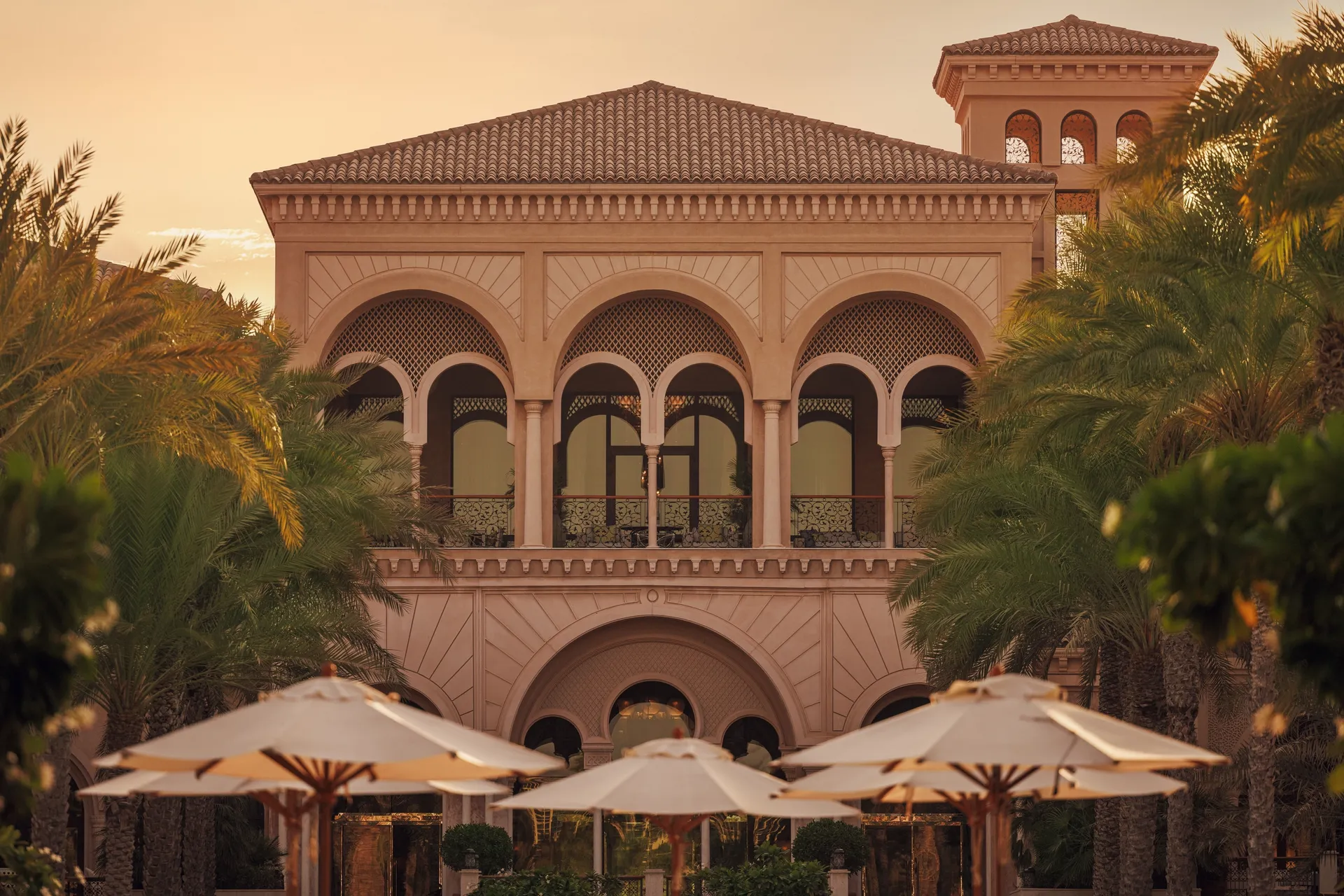
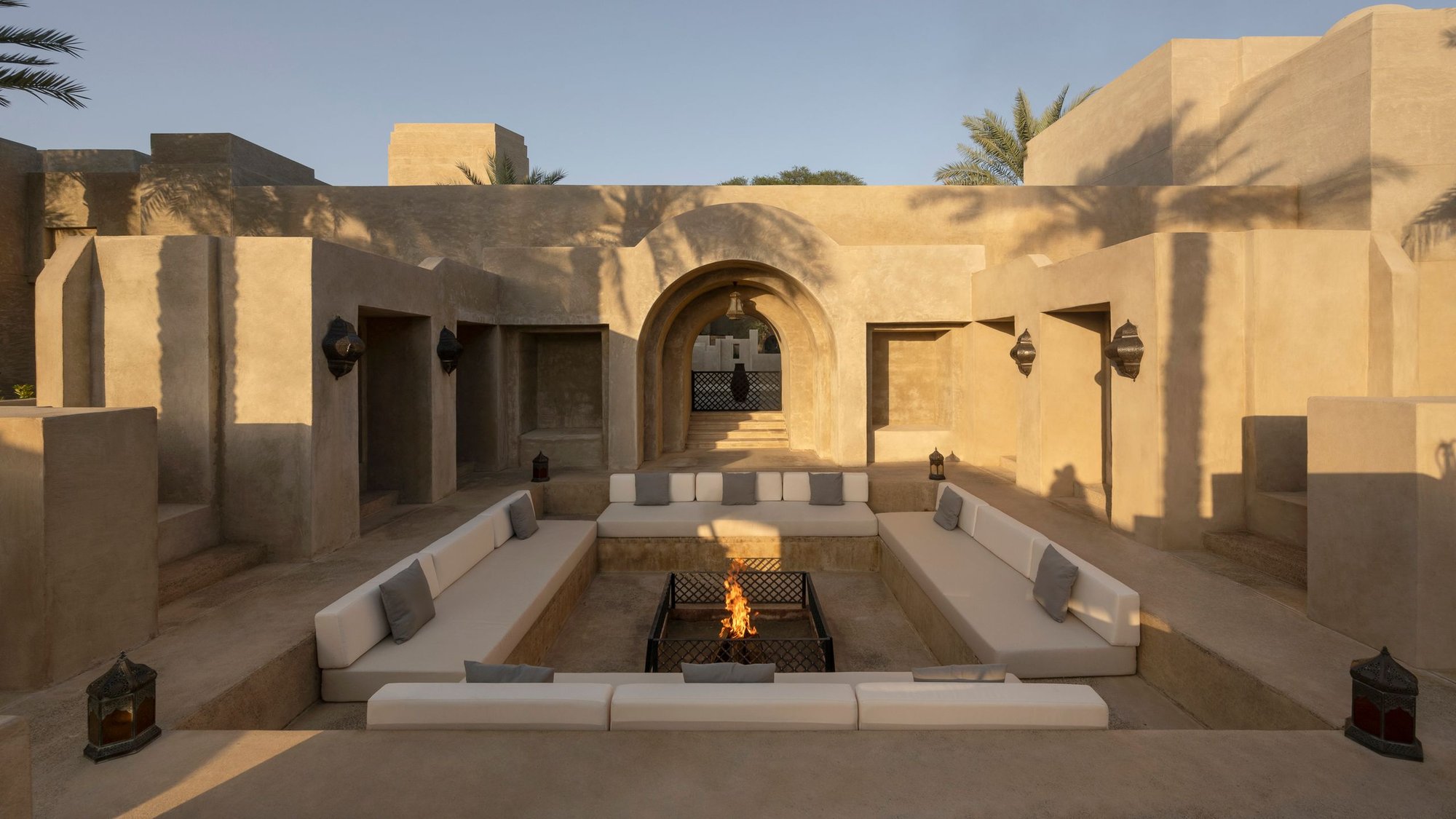
Bab Al Shams positions itself as an intentional counterpoint to Dubai’s vertical, waterfront glamour. Its low-slung, weathered-sandstone buildings, shaded arcades and inward-facing courtyards evoke a historic-Arabian-fort sensibility rather than contemporary spectacle. The resort leans into silence and enclosure: guests arrive to a wide, tawny horizon and architectural restraint that encourages retreat and stillness. It feels calm and unhurried—luxury that chooses subtlety over grand gestures—and the desert setting is integral to the atmosphere, trading skyline views for the open hush of dunes and the private pockets of terrace and courtyard life.
Best For
Bab Al Shams is best for travelers seeking a desert retreat away from Dubai’s urban theatrics. Repeat visitors prioritize the resort’s quiet and measured pace, and the scale—113 rooms—accommodates families without feeling crowded outside peak holiday windows. Spring is singled out as an ideal season for outdoor activity when temperatures are moderate. The property suits guests who want a contemplative weekend escape or a restful base for low-key outdoor exploration, particularly those who value architecture and setting as part of their hotel experience.
Stay Tips
Plan a stay between March and May when desert temperatures remain comfortable for outdoor spaces—the description explicitly calls spring the window many returning guests target. Visit outside school holiday periods if you prefer emptier pool terraces and quieter outdoor areas. Bookings should factor in the resort’s appeal as a retreat from the city: expect a measured, courtyard-focused layout rather than the bustle of downtown hotels. The copy emphasizes returning guests and a preference for silence, so if solitude and outdoor terrace time matter, aim for midweek or off-peak dates.
Venue details
Ambiance
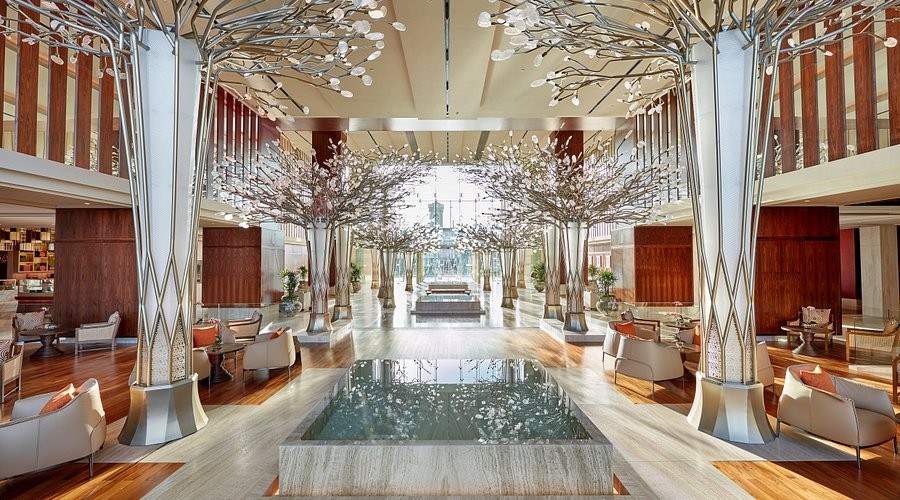
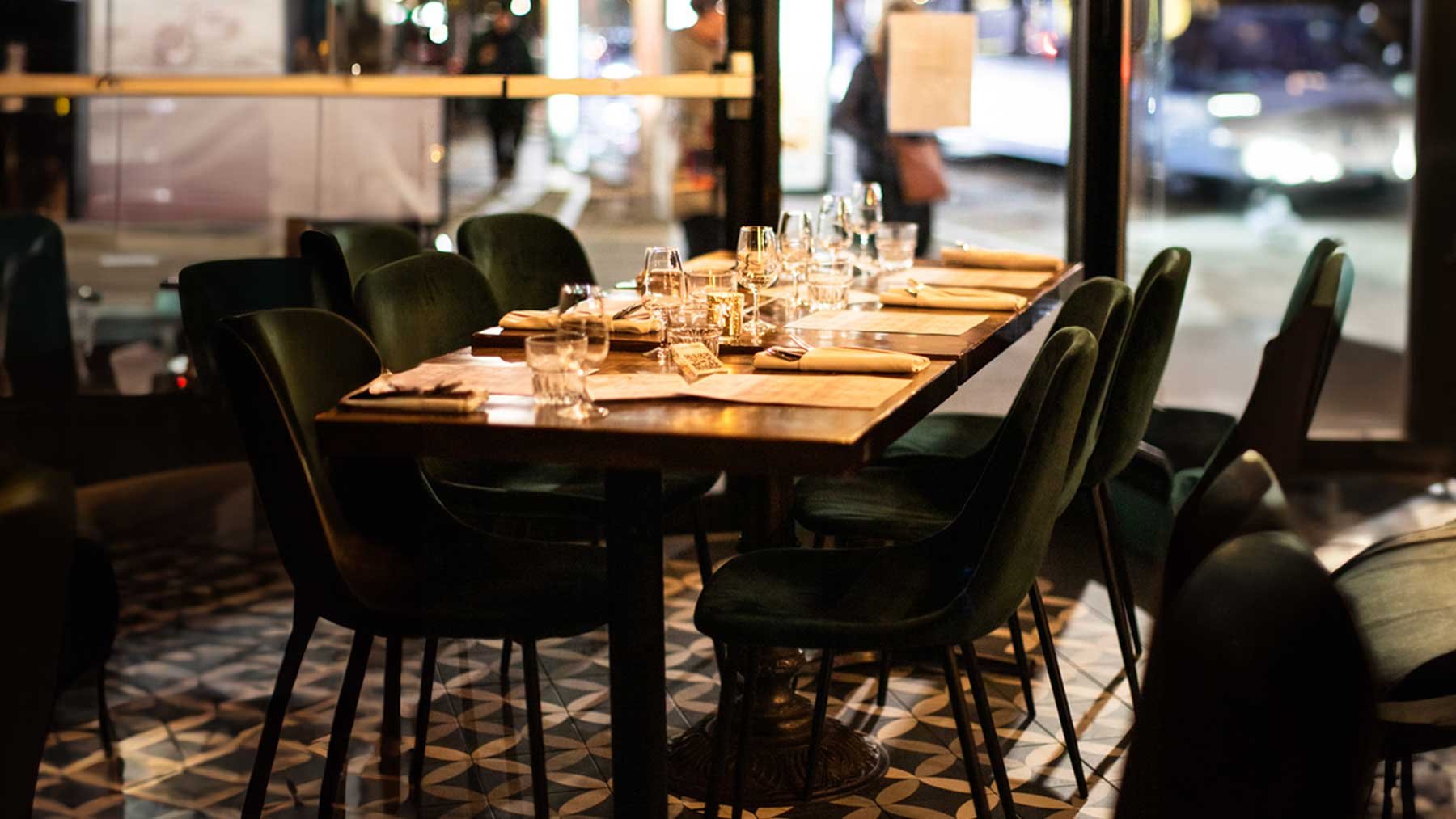
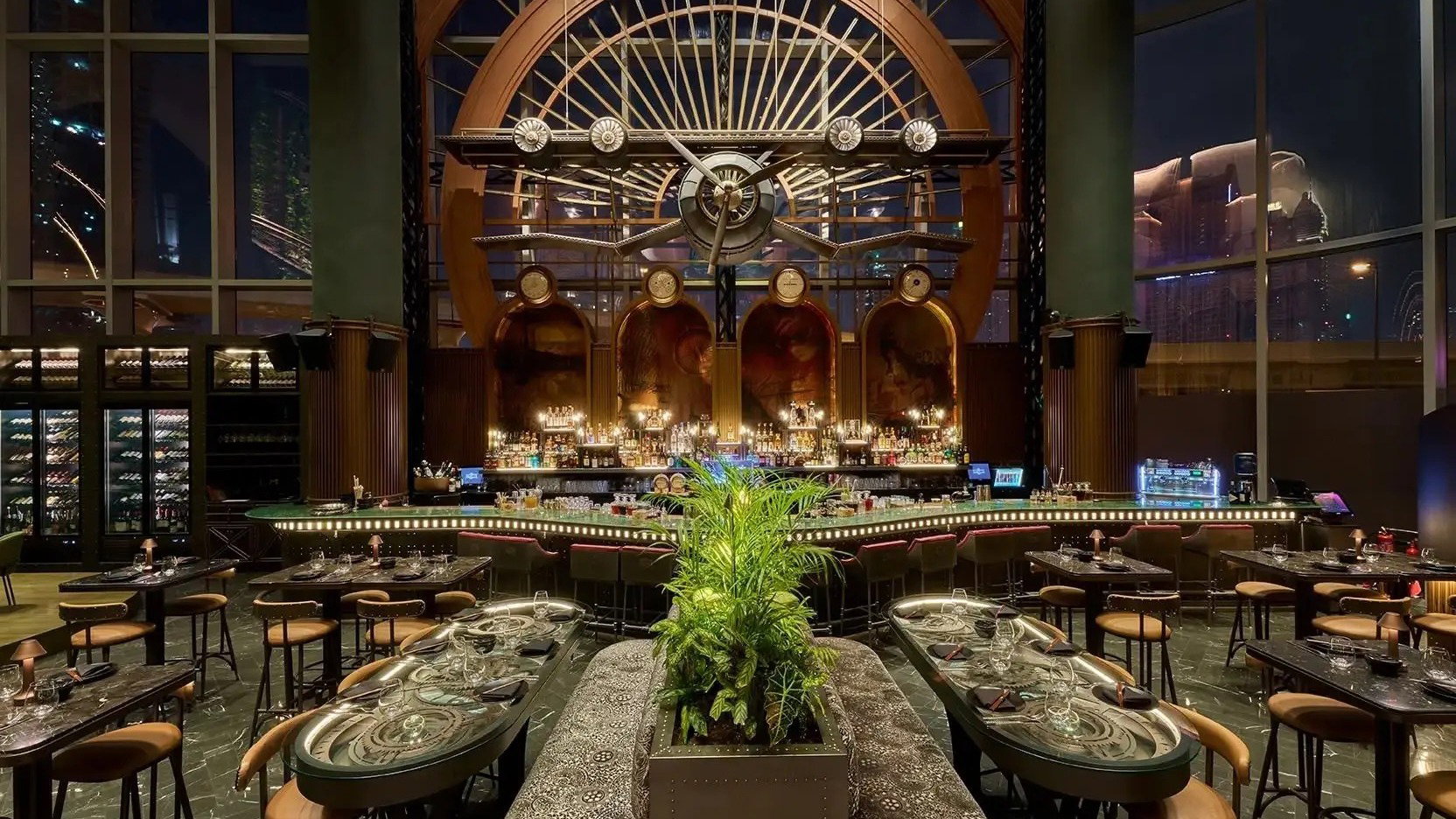
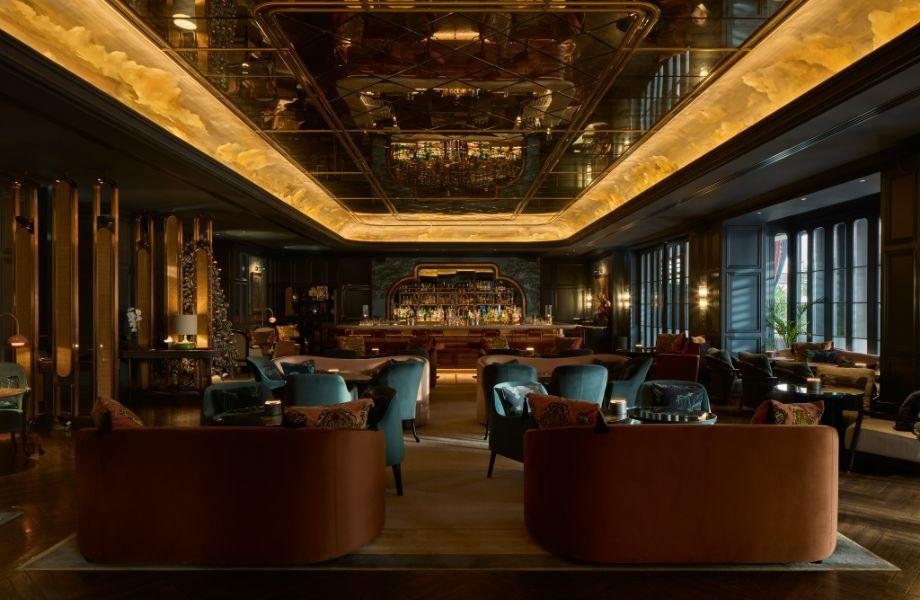
Cozy and tranquil Arabian heritage atmosphere with tasteful desert-inspired decor, peaceful pool areas, and serene lighting creating utmost calmness.
Tags
Vibe
Best For
Experience
Amenities
View
Accessibility
About the Stay
- Rooms
- 115
- Check-in
- 15:00
- Check-out
- 12:00
- Property Style
- Traditional Arabian Desert Resort with Modern Luxury Renovations
- Design Style
- Elegant Arabian Heritage Aesthetic with Opulent Desert Inspired Furnishings
Planning details
Location
Recognition and awards

Also consider
If this is not the right fit
Pick JA The Resort - JA Palm Tree Court if the trip is family-first and a larger resort setup matters more than desert atmosphere. Pick Address Montgomerie if the goal is a calmer Dubai base without committing to an out-of-city desert stay.
Hotel context
How it compares with Dubai alternatives
Bab Al Shams, A Rare Finds Desert Resort, Dubai is the closest cross-shop because it targets the same desert-resort decision: book this style of stay when atmosphere matters more than fast access to central Dubai. Against Maison Privee, the difference is format. Maison Privee is the more practical choice for travelers who want apartment-style flexibility in the city; the desert resort is better when the stay itself needs to feel like the main event.
JA The Resort - JA Palm Tree Court is the stronger family comparison if the priority is a resort ecosystem with a beach-area rhythm. Choose it when kids need more conventional resort variety and easier day-to-day logistics. Choose the desert option when quieter ambiance and a less urban setting matter more than being near the coast.
Address Montgomerie is the smarter value play for a calm Dubai stay with better city access, while Address Beach Resort is the better fit for travelers who want beachfront energy and skyline convenience. Booking difficulty is marked easy here, so the decision is less about securing a room and more about choosing the right trip style.
Explore Dubai
Around this place
Discover more on Pearl
Unlock the full Bab Al Shams Desert Resort & Spa guide in Pearl, including awards, comparisons, FAQs, planning details, and nearby places.
Compare Bab Al Shams Desert Resort & Spa
| Venue | Location | Awards |
|---|---|---|
| Bab Al Shams Desert Resort & Spa | Dubai | Tablet Hotels Top 40 New Hotels 2025 · #42025 Michelin 1 Key |
| Bab Al Shams, A Rare Finds Desert Resort, Dubai | Dubai | No published awards |
| Maison Privee | Dubai | No published awards |
| JA The Resort - JA Palm Tree Court | Dubai | 2026 La Liste Top Hotels |
| Address Montgomerie | Dubai | No published awards |
| Address Beach Resort | Dubai | 2026 Forbes 5-Star2026 La Liste Top Hotels2025 Michelin 1 Key2025 Forbes 5-Star |


How Bab Al Shams Desert Resort & Spa Dubai compares with similar nearby venues.
FAQ
Frequently Asked Questions
How is the dining at Bab Al Shams Desert Resort & Spa?
Specific dining venues, cuisine, menus, prices, hours, or dietary policies are not detailed. Bab Al Shams Desert Resort & Spa has a smart casual dress code, it was ranked #4 in Tablet Hotels Top 40 New Hotels in 2025, but dining details should be confirmed directly with the property.
Which room category is best at Bab Al Shams Desert Resort & Spa?
Specific room categories, views, sizes, or upgrade recommendations are not identified. Choose a room only after checking current room descriptions and inclusions with Bab Al Shams Desert Resort & Spa in Dubai.
How is the location of Bab Al Shams Desert Resort & Spa?
Bab Al Shams Desert Resort & Spa is in Dubai. Travelers should confirm exact arrival logistics with the property before booking.
Is Bab Al Shams Desert Resort & Spa good for business travel?
Meeting facilities, work amenities, transfer times, or business services are not specified. Business travelers should compare Bab Al Shams Desert Resort & Spa with other Dubai options such as Address Beach Resort or Address Montgomerie and confirm practical requirements directly.
Do loyalty programs work at Bab Al Shams Desert Resort & Spa?
Loyalty-program participation or benefits are not specified. The smart casual dress code applies, the resort was ranked #4 in Tablet Hotels Top 40 New Hotels in 2025. Check any points, status, or booking benefits directly before reserving.
What is check-in like at Bab Al Shams Desert Resort & Spa?
Check-in time, check-out time, arrival process, transfer options, or luggage policies are not included. Confirm current check-in details with Bab Al Shams Desert Resort & Spa before travel, especially if comparing it with JA The Resort - JA Palm Tree Court or Address Beach Resort.
When is the best time to book Bab Al Shams Desert Resort & Spa?
Seasonal pricing, weather-based programming, or best-booking windows are not included. Book based on your Dubai itinerary, the current rate, directly confirmed details from Bab Al Shams Desert Resort & Spa.