Shangri-La Resort, Shangri-La
Jiantang Town, Diqing Tibetan Autonomous Prefecture
Hotel in Diqing Tibetan Autonomous Prefecture, China
 Book with Pearl
The Read
Price
$200–300per night
Why go
A practical first-timer base in Shangri-La City, better suited to travellers who want a familiar resort setup and easier orientation than a remote character stay. Cross-shop Banyan Tree Ringha if atmosphere matters more than low-friction logistics.
About Shangri-La Resort, Shangri-La
Shangri-La Resort, Shangri-La is listed for Diqing Tibetan Autonomous Prefecture. The practical note is the dress code: smart casual.
Planning the stay
The case for Shangri-La Resort, Shangri-La should be kept simple: it is a named option in Diqing Tibetan Autonomous Prefecture, with smart casual dress noted.
For broader planning, compare Shangri-La Resort, Shangri-La with other named options such as Banyan Tree Ringha, Hotel Indigo Diqing Moonlight City, Banyan Tree Lijiang, Pullman Lijiang Resort and Spa, and The ArcadiaPlace, Lugu Lake. For dining-led planning in Diqing Tibetan Autonomous Prefecture, use current local restaurant information rather than assuming a specific hotel dining program.
Who should book, and who should cross-shop
Book only after confirming the details that matter for your trip, such as current facilities, dining, rates, and any loyalty-program terms.
For more China hotel context, cross-shop naturally with Banyan Tree Lijiang, Banyan Tree Ringha, Hotel Indigo Diqing Moonlight City, Pullman Lijiang Resort and Spa, Shangri-La Resort, Shangri-La, and The ArcadiaPlace, Lugu Lake. Keep comparisons practical and confirm current details directly with each property before deciding.
Planning details
- Location
- Shangri-La City, Diqing Tibetan Autonomous Prefecture, China, 674400
- Phone
- +86 887 899 8998
The take
The Take
The Vibe
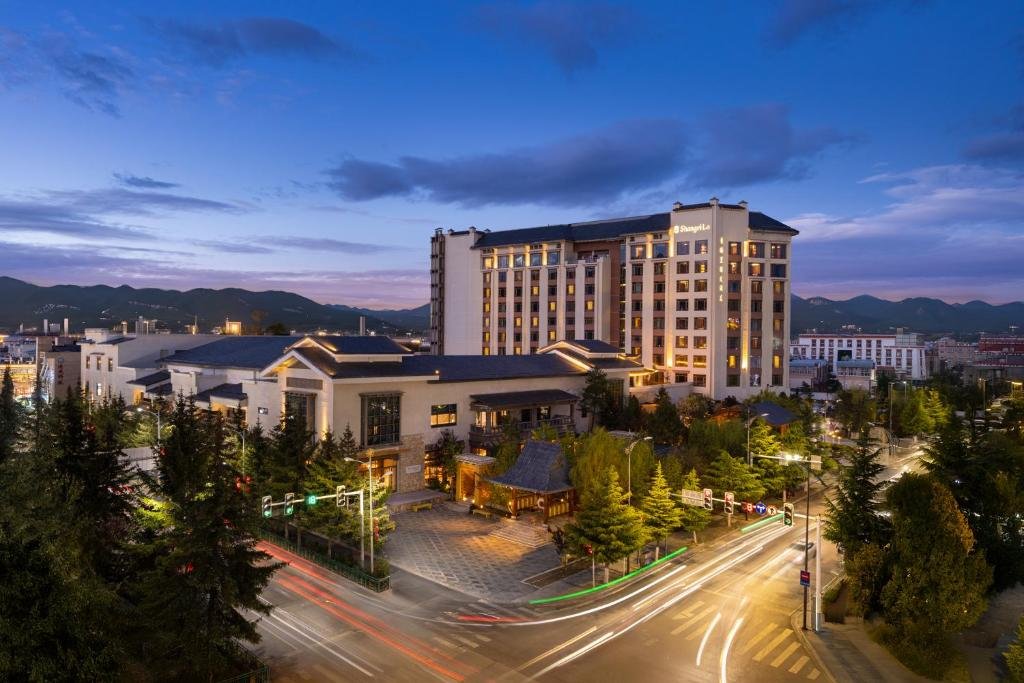
Shangri-La Resort reads as an architectural argument: a property that foregrounds Khampa Tibetan building logic rather than an imported luxury template. Heavy stone plinths, carved timber detailing and courtyard alignments make the architecture feel rooted in altitude ecology and local material culture. At nearly 3,200 metres the resort’s design responds to harder light, thin air and sharp diurnal temperature swings, so the buildings feel like extensions of the plateau rather than overlays. The result is a quiet, sophisticated mountain retreat where craftsmanship and context are the defining aesthetic, and the sense of place is central to the guest experience.
Best For
This is a destination for travelers who prize architecture and landscape as part of their stay. The resort suits romantic getaways that value remote, considered design; families seeking a dramatic mountain backdrop; and wellness-focused visitors drawn to altitude, clarity of light and restorative isolation. The property’s emphasis on regional construction and courtyard planning rewards guests who appreciate cultural resonance and quiet luxury rather than urban spectacle. Expect a contemplative atmosphere where the built environment and plateau views are the primary attractions.
Stay Tips
When planning a visit, prioritize accommodations and timing that take advantage of the resort’s courtyard orientations and the high-altitude light. Courtyard planning manages wind and sunlight, so request rooms or suites oriented toward the landscape and courtyards if possible. Be prepared for significant temperature swings across a single day: layered clothing and time to acclimatize are sensible. Because the property’s appeal is architectural and environmental, allow extra time to explore the grounds and experience how buildings relate to the plateau's light and terrain.
Venue details
Ambiance
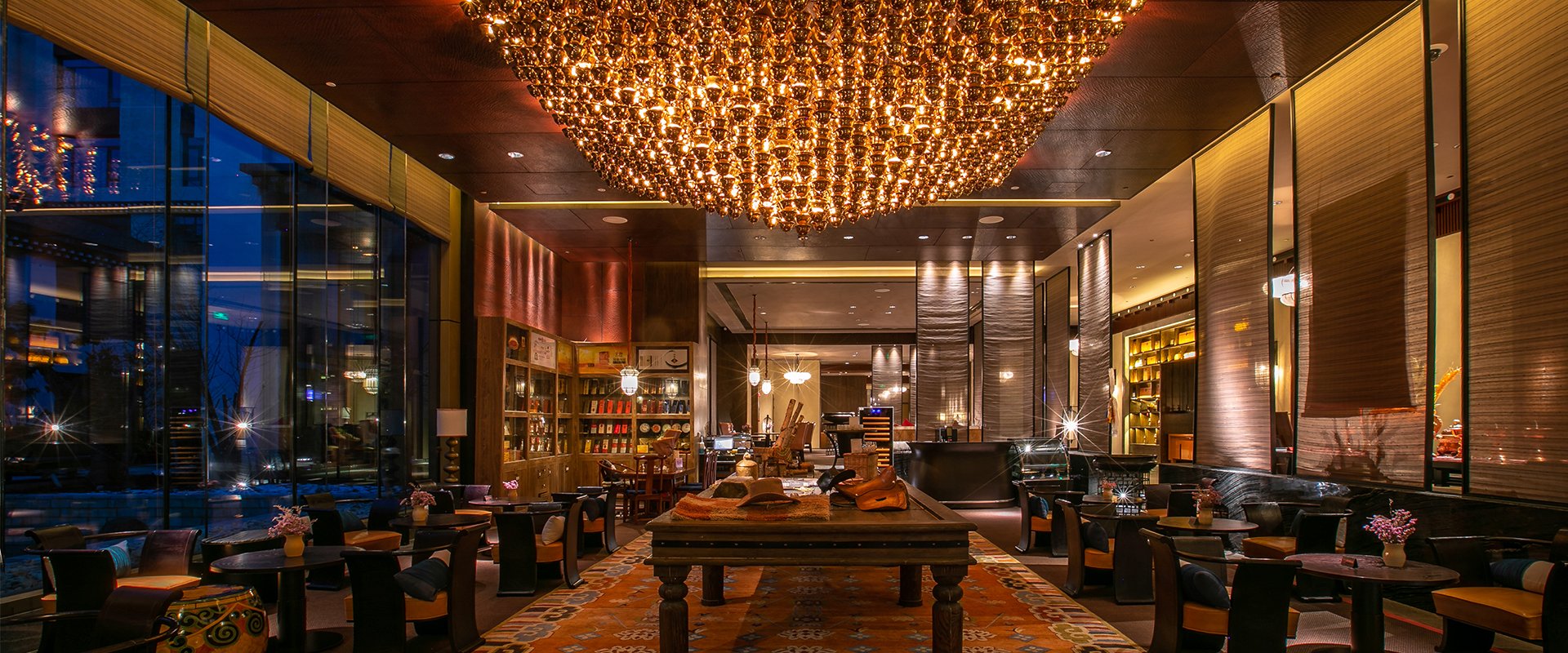
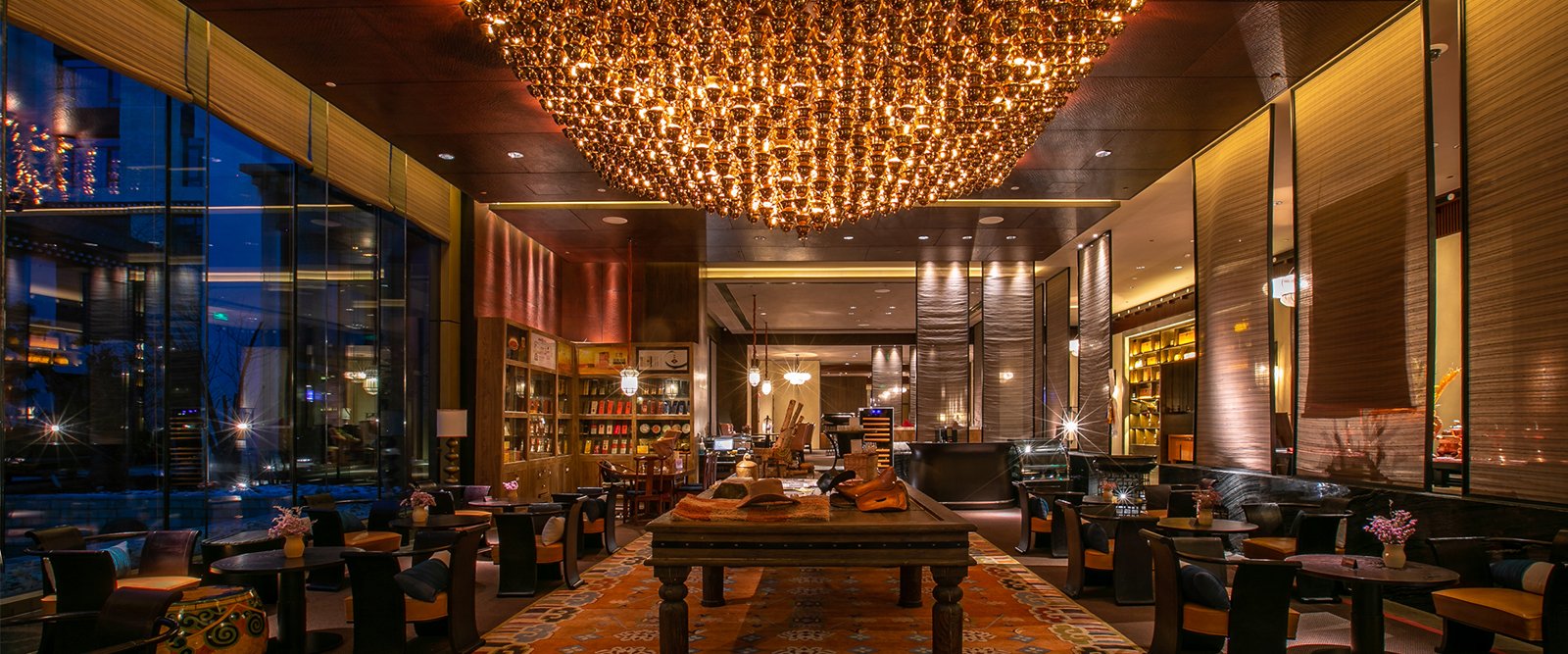
Exotic courtyards and gardens with warm wooden features, local fabrics, and sophisticated Tibetan-inspired lighting creating an elegant yet authentic highland retreat.
Tags
Vibe
Best For
Experience
Amenities
View
Accessibility
About the Stay
- Rooms
- 228
- Check-in
- 14:00
- Check-out
- 12:00
- Property Style
- Tibetan Yunnan Fusion Resort
- Design Style
- Traditional Yunnan and Tibetan with Local Pine and Limestone
- Airport Transfer
- Available
- Pool
- Yes
- Spa
- Yes
- Families
- Welcome
- Cancellation
- Moderate
Know before you go
Know Before You Go
- Getting there
- Shangri-La City, Diqing Tibetan Autonomous Prefecture, China, 674400
Planning details
Location
Shangri-La City, Diqing Tibetan Autonomous Prefecture, China, 674400 · Directions
Also consider
Also Consider
- Hotel Indigo Diqing Moonlight City, Notable alternative
- Banyan Tree Ringha, Notable alternative
- The ArcadiaPlace, Lugu Lake, Notable alternative
- Banyan Tree Lijiang, Notable alternative
- Pullman Lijiang Resort and Spa, Notable alternative
Hotel context
How it compares
Shangri-La Resort, Shangri-La is the practical choice in this set: easier to understand for a first visit, likely less demanding logistically, and better for travellers who want a familiar resort rhythm. Hotel Indigo Diqing Moonlight City is the closer cross-shop for a more design-led city stay, while Banyan Tree Ringha is the stronger pick for atmosphere and a more retreat-like mood.
For travellers willing to look beyond Diqing, Banyan Tree Lijiang and Pullman Lijiang Resort and Spa make more sense if Lijiang is already part of the itinerary. Choose Banyan Tree Lijiang for a more polished resort feel; choose Pullman if the priority is a broader resort setup that may be easier to fit into a multi-stop Yunnan trip.
The ArcadiaPlace, Lugu Lake is the outlier: better for travellers who want the stay to revolve around scenery and a slower lake setting. Shangri-La Resort, Shangri-La is easier to recommend when the trip needs dependable logistics over a destination-hotel statement.
Explore Diqing Tibetan Autonomous Prefecture
Around this place
Discover more on Pearl
Unlock the full Shangri-La Resort, Shangri-La guide in Pearl, including awards, comparisons, FAQs, planning details, and nearby places.
Compare Shangri-La Resort, Shangri-La
| Venue | Location | Awards |
|---|---|---|
| Shangri-La Resort, Shangri-La | Diqing Tibetan Autonomous Prefecture | No published awards |
| Hotel Indigo Diqing Moonlight City | Shangri-La | No published awards |
| Banyan Tree Ringha | Shangri-La | 2026 Michelin 1 Key2025 Michelin 1 Key |
| The ArcadiaPlace, Lugu Lake | Lugu Lake | No published awards |
| Banyan Tree Lijiang | Lijiang | No published awards |
| Pullman Lijiang Resort and Spa | Lijiang | No published awards |


How Shangri-La Resort, Shangri-La compares with similar nearby venues.
FAQ
Frequently Asked Questions
How is the location of Shangri-La Resort, Shangri-La?
Shangri-La Resort, Shangri-La is in Diqing Tibetan Autonomous Prefecture. Use official booking or hotel channels for precise arrival details.
How is the dining at Shangri-La Resort, Shangri-La?
The dress code at Shangri-La Resort, Shangri-La is smart casual.
How does Shangri-La Resort, Shangri-La compare to other hotels?
Shangri-La Resort, Shangri-La is one option to compare with Banyan Tree Ringha, Hotel Indigo Diqing Moonlight City, Banyan Tree Lijiang, Pullman Lijiang Resort and Spa, and The ArcadiaPlace, Lugu Lake.