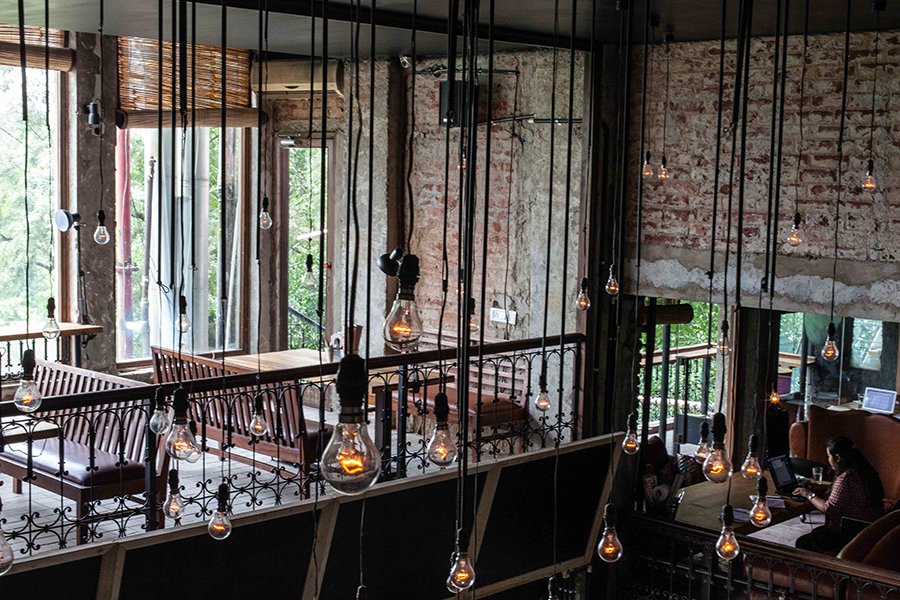
Hotel in Delhi, India
Aurika, Nehru Place, New Delhi
150Pearl PointsNehru Place Basecamp
About Aurika, Nehru Place, New Delhi
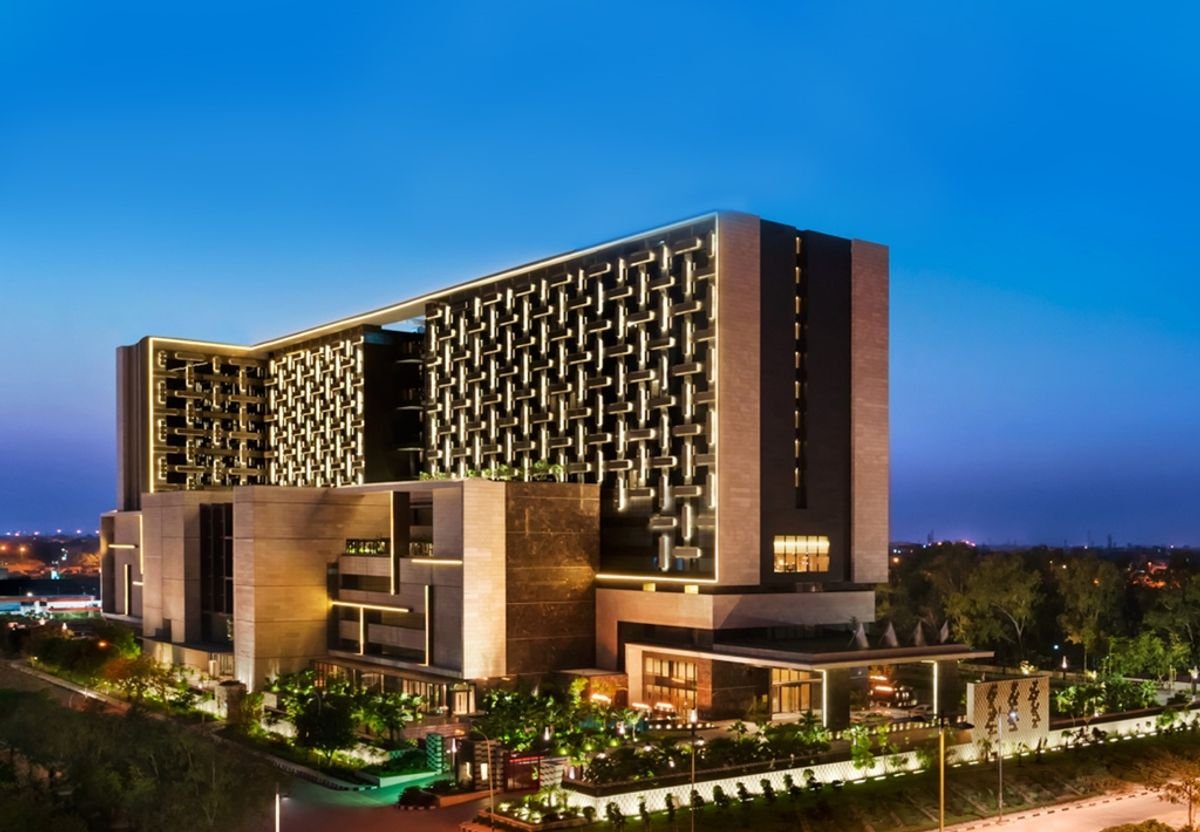
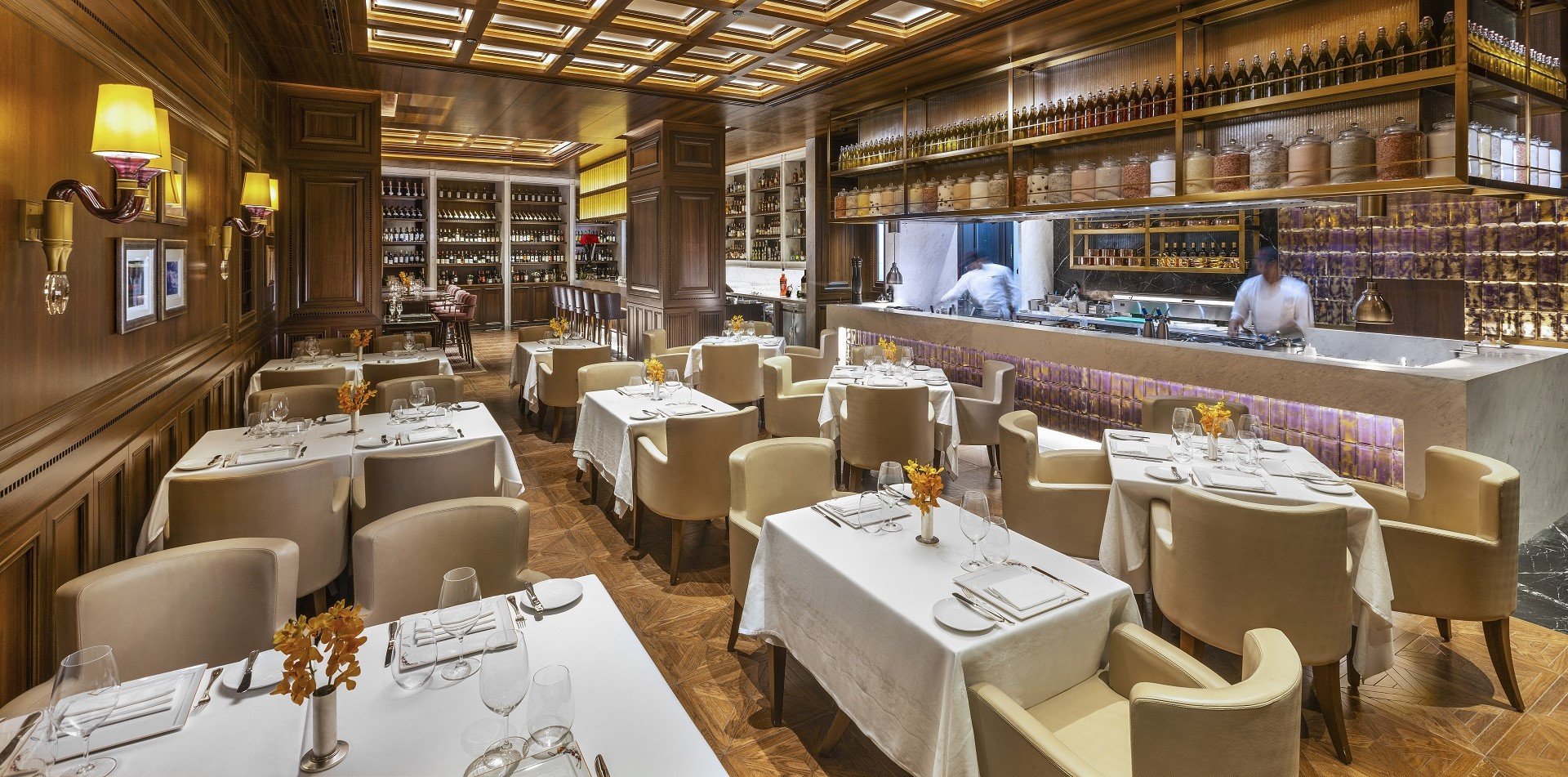
<strong>Aurika</strong>, <strong>Nehru Place</strong>, <strong>New Delhi</strong> sits <strong>in Delhi’s business</strong>-hotel conversation rather than the palace-hotel circuit, a useful distinction for travellers weighing <strong>South Delhi</strong> access against heritage theatre. With public database details limited, the smarter reading is contextual: Nehru Place signals commerce, metro connectivity, and a contemporary urban stay shaped by function as much as design.
Arrival in Delhi's Commercial South
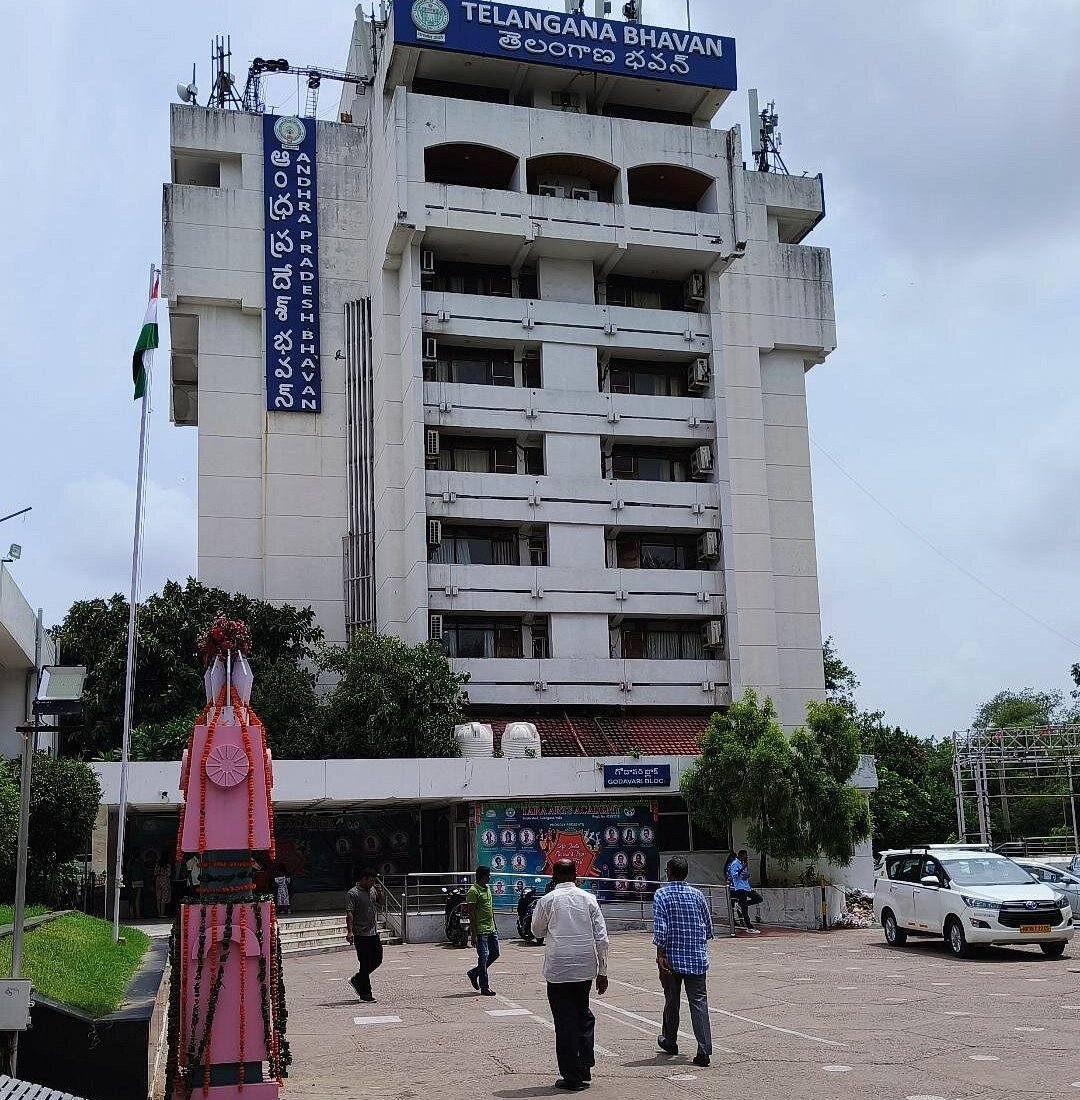
Nehru Place does not announce itself with the ceremonial pace of Lutyens’ Delhi or the restored courtyards of Shahjahanabad. It is a denser, more commercial part of the city: office towers, electronics markets, traffic movement, metro access, and the practical energy of South Delhi. That setting matters for how Aurika, Nehru Place, New Delhi should be read. This is not a heritage haveli stay, nor a diplomatic-zone palace hotel. Its appeal lies in the contemporary business-hotel register, where architecture, circulation, lobby scale, meeting flow, and city access carry more weight than nostalgia.
Delhi’s hotel scene has split into several clear tribes. There are colonial-era and postcolonial institutions near Connaught Place and the diplomatic quarter, restored heritage properties in Old Delhi, airport-adjacent hotels built around short stays and conference demand, and South Delhi addresses that serve corporate, medical, shopping, and residential traffic. Aurika, Nehru Place, New Delhi belongs to that last group. In a city where location often defines the stay before the room does, Nehru Place gives the hotel a different brief: efficient arrival, contemporary interiors, and a base for travellers whose Delhi is spread between business districts, neighbourhood dining, and south-side cultural stops.
Design as a Practical Urban Language
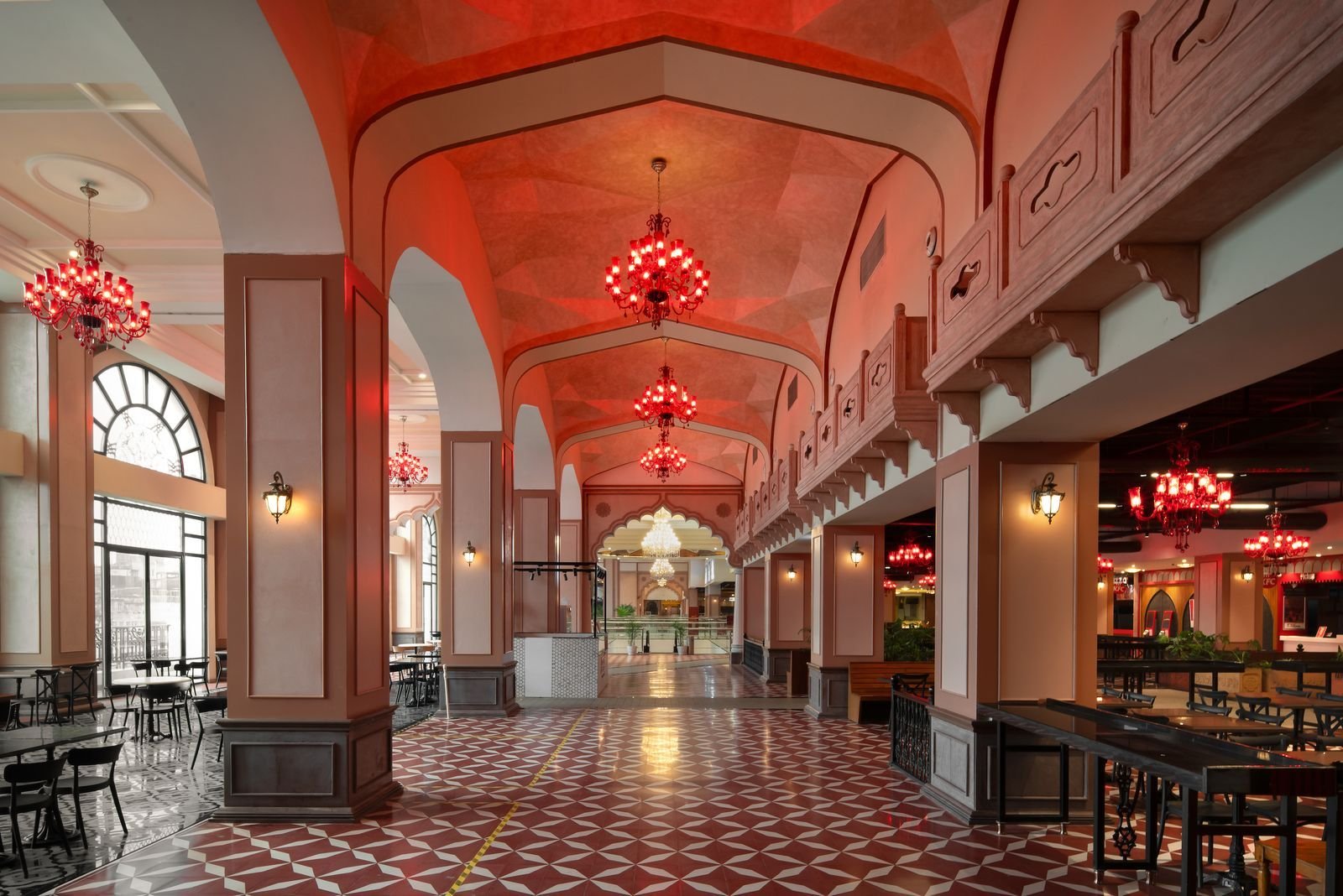
The architecture-and-design question in Delhi hotels is often framed too narrowly as heritage versus modernity. The sharper comparison is between ceremonial design and operational design. Ceremonial hotels create a sense of arrival through procession, scale, and historical reference. Operational hotels have to solve different problems: quick movement from car to lobby, reliable guest circulation, enough public space to absorb meetings, and rooms that can work for both short business stays and longer city itineraries. Aurika, Nehru Place, New Delhi sits in that operational category, and its Nehru Place address reinforces the point.
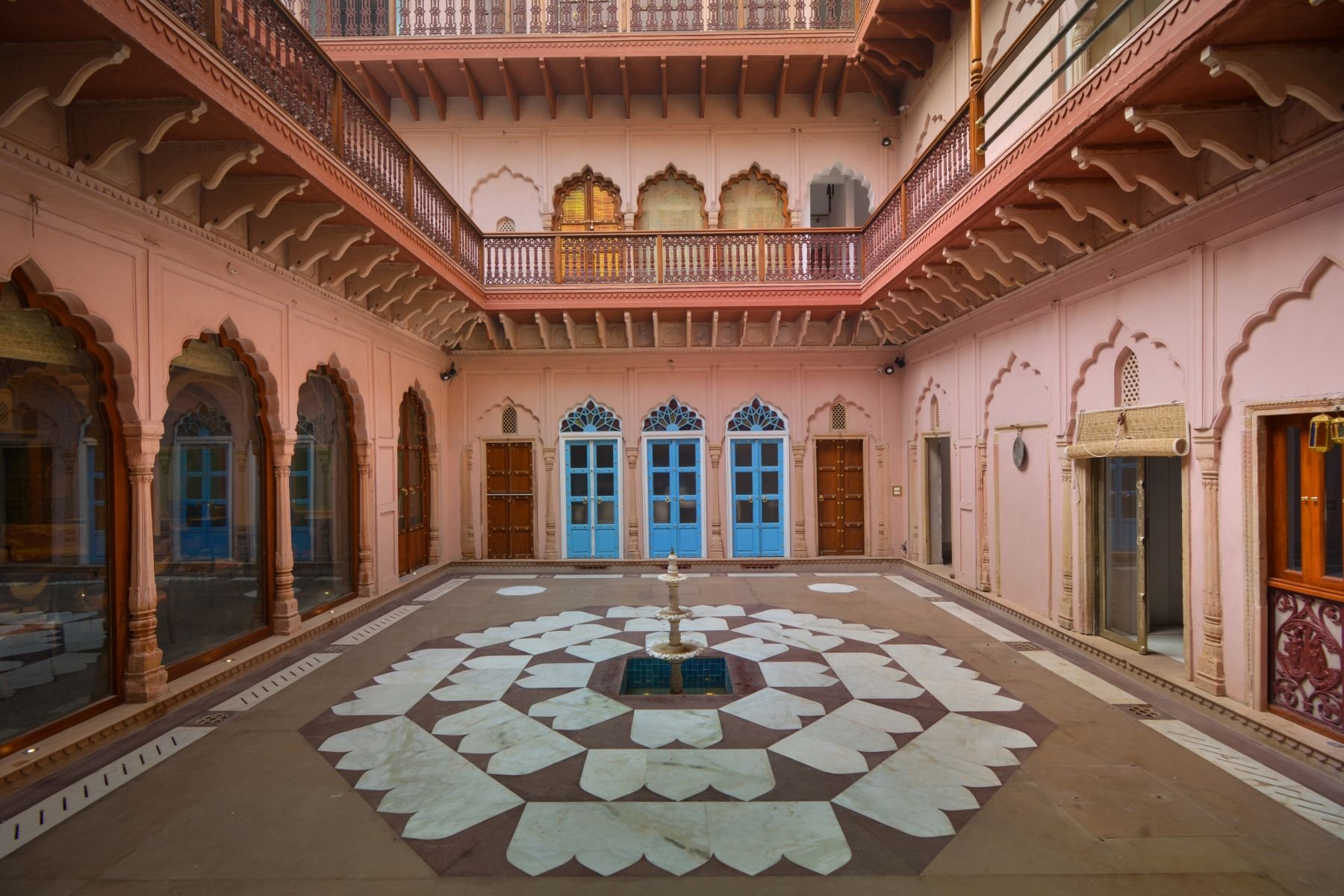
That does not make design secondary. In business-heavy districts, design is the difference between a hotel that feels merely convenient and one that can hold a traveller’s attention between appointments. The public record supplied here does not include architect, room count, suite categories, restaurant details, or interior materials, so those specifics should not be invented. What can be said with confidence is that the hotel’s editorial context is contemporary urban Delhi, not resort seclusion or old-world restoration. Readers comparing it with Haveli Dharampura are comparing two different ideas of the city: one rooted in Old Delhi’s built memory, the other in South Delhi’s commercial tempo.
The same distinction applies to Ambassador, New Delhi - IHCL SeleQtions, where the draw is tied to a more established central Delhi hotel tradition. Nehru Place asks for a different lens. It is less about being near monumental Delhi and more about reducing friction in a large, demanding city. For many premium travellers, that is not a compromise. It is the point.
The Nehru Place Factor
Nehru Place is one of Delhi’s better-known commercial districts, with a reputation shaped by offices, technology retail, and metro-linked movement rather than leisure promenades. That has consequences for hotel choice. A stay here makes sense when the schedule leans south and southeast, when meetings are clustered away from the diplomatic quarter, or when a traveller wants a base that avoids the constant cross-city commute. Delhi rewards precise positioning. A hotel that looks attractive on paper can become tiring if every appointment requires a long drive across traffic-heavy corridors.
There is also a dining implication. South Delhi’s restaurant culture is spread across enclaves rather than concentrated in a single hotel district. Greater Kailash, New Friends Colony, Defence Colony, Mehrauli, and Lodhi-side dining each carry different rhythms. A Nehru Place base can work well for travellers who plan to move through that south-side map rather than stay anchored to Connaught Place. For wider planning, Our full Delhi restaurants guide gives the restaurant context, while Our full Delhi bars guide is more useful for after-dark routing. Delhi drinking is not a single-neighbourhood story; hotel location shapes how much of it feels realistic on a weeknight.
The hotel database record does not list a cuisine type, chef, awards, price range, booking channel, or guest-room hierarchy. That absence is itself useful information. Aurika, Nehru Place, New Delhi should not be assessed here through claims about a destination restaurant or named chef. The stronger editorial case is urban positioning: a contemporary hotel in a district where access, work patterns, and design efficiency drive the stay.
How It Compares Inside Delhi
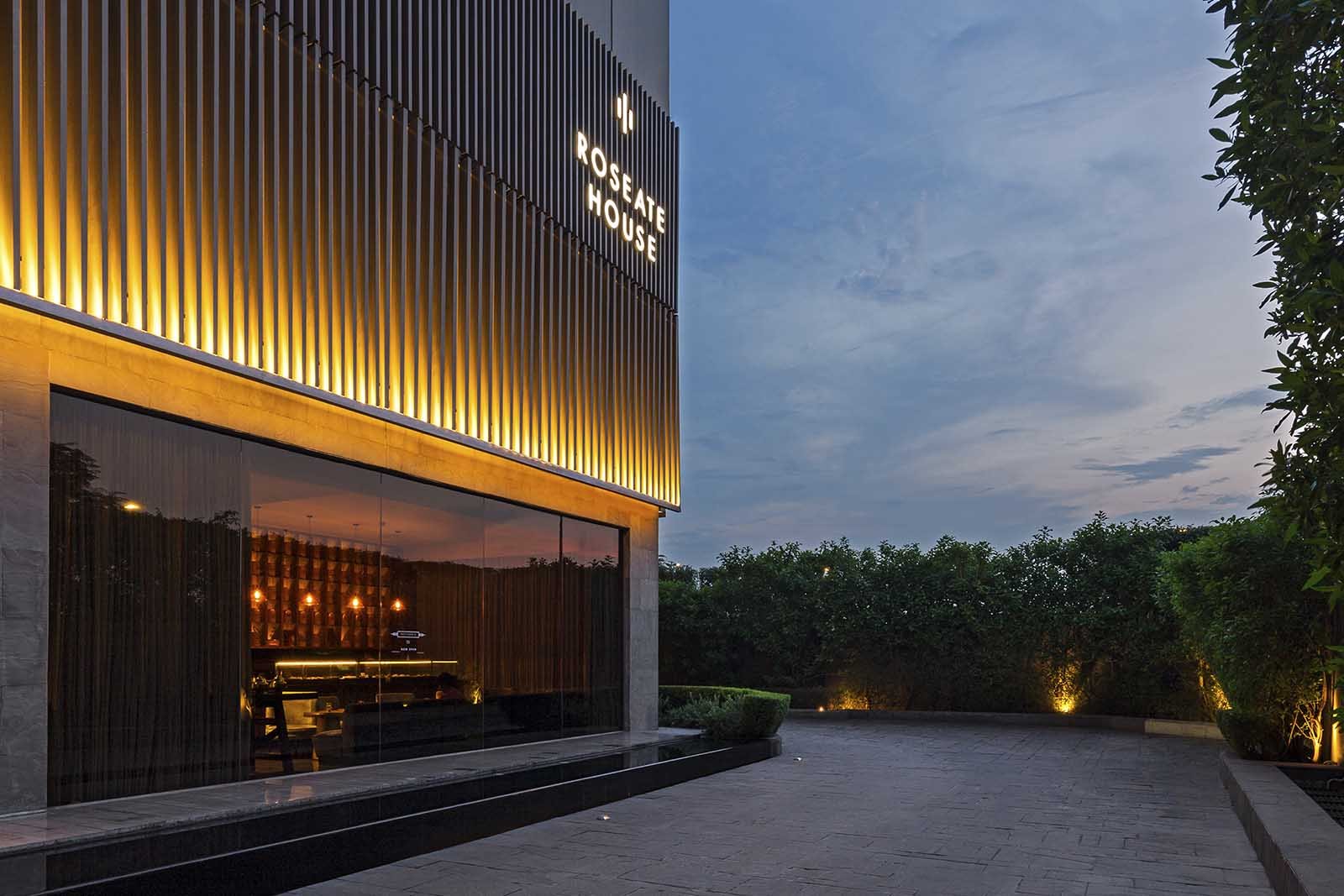
Delhi’s premium hotel market is unusually layered. The Leela Palace New Delhi in New Delhi sits in the grander diplomatic-zone luxury conversation, where arrival rituals, large rooms, and high-touch service expectations set the tone. The Park belongs to a different urban tradition, more central and design-conscious in the Connaught Place orbit. Roseate House points toward the airport-side, transit-and-business model, where convenience is calibrated around flights and corporate movement. The Leela Ambience Convention Hotel Delhi brings convention-scale hospitality into the comparison.
Against that field, Aurika, Nehru Place, New Delhi is better understood as a South Delhi business and urban-stay proposition. The distinction is not about hierarchy; it is about use case. A traveller with meetings in Saket, Okhla, Greater Kailash, Nehru Place, or nearby commercial pockets will read value differently from a traveller focused on India Gate, the diplomatic quarter, or Old Delhi. Delhi punishes vague hotel selection. The city is large enough that the right district can matter more than the extra flourish of a lobby.
For readers building a broader city shortlist, Our full Delhi hotels guide is the cleaner starting point. Those pairing hotel stays with cultural programming can cross-check Our full Delhi experiences guide, while Our full Delhi wineries guide is a niche reference for readers tracking wine-led hospitality rather than standard hotel bars. The category matters because Delhi is not a single-purpose destination. It is a city where hotel, restaurant, meeting, and neighbourhood choices need to align.
Atmosphere, Without the Brochure Language
The atmosphere around Nehru Place is urban and workday-driven. Expect the external mood of a commercial district rather than a resort enclave or old-city romance. That context may suit travellers who prefer a hotel to function as a composed interior pause within a busy city. It may frustrate travellers seeking a walking district with slow, scenic streets outside the door. In Delhi, that trade-off is common: the more useful a location is for certain schedules, the less it may resemble the city of postcards.
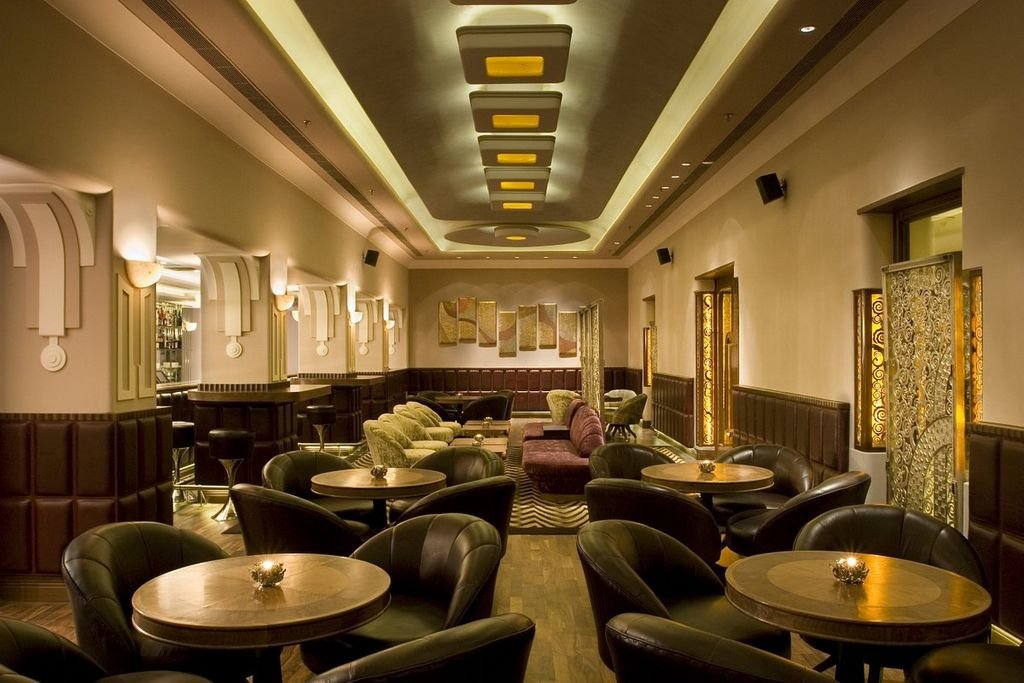
Because the database does not provide verified sensory detail, it would be irresponsible to describe lobby scent, room textures, restaurant dishes, or bar lighting as fact. The editorially useful point is broader. Contemporary hotels in business districts often work through controlled transitions: from road noise to lobby calm, from public meeting space to guest-only floors, from city heat to air-conditioned interiors. Aurika, Nehru Place, New Delhi should be judged through how well it handles those transitions, not through borrowed palace-hotel vocabulary.
For a different Delhi atmosphere altogether, Haveli Dharampura points toward the restored Old Delhi format. For a more central city rhythm, Ambassador, New Delhi - IHCL SeleQtions and The Park frame other versions of the capital. The value of the Nehru Place address is specificity: it is for travellers whose Delhi is south-facing, commercially anchored, or logistically planned.
Food, Drink, and the Hotel-as-Base Question
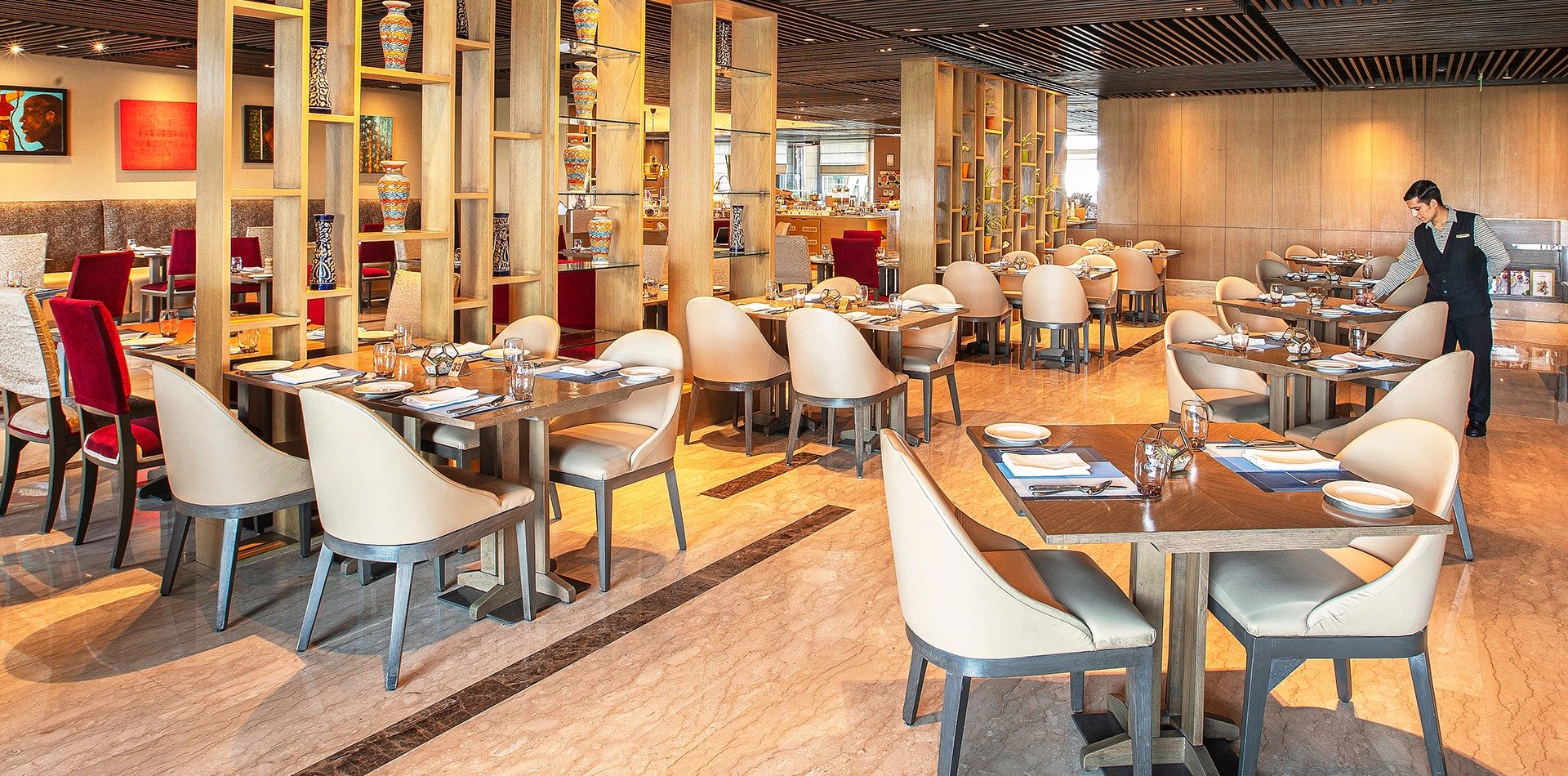
No cuisine type, chef name, restaurant format, bar programme, or signature dishes are supplied in the venue record. That limits what can be responsibly said about dining at the hotel. The safer and more useful advice is to treat the property as part of a wider South Delhi eating plan unless verified hotel restaurant details are available directly from the property. Delhi is a city where a hotel restaurant can be convenient, but neighbourhood dining often defines the trip.
That is where a Nehru Place base can be useful. South Delhi offers access to a wide spread of dining formats, from high-end Indian dining rooms to clubby neighbourhood restaurants and cocktail-led addresses. For casual bar context in the city dataset, Pebble Street sits in the broader Delhi drinking conversation, while Our full Delhi restaurants guide gives a better map for meals that justify crossing neighbourhoods. Hotel choice should follow that map rather than sit apart from it.
Planning the Stay
The available record does not list phone number, website, booking method, address, price range, hours, dress code, or room categories. That means readers should verify live rates, room types, cancellation terms, restaurant opening times, and transport arrangements through a direct, current source before committing. Delhi hotel pricing shifts with conferences, wedding season, diplomatic activity, and winter travel demand. October through March is usually the city’s heavier premium travel window, while summer heat changes how much guests rely on hotel interiors, cars, and indoor dining.
Advance planning is sensible in Delhi, especially when a stay overlaps with major business events, large weddings, or peak winter travel. The practical question is less whether a hotel is hard to access in the abstract and more whether the desired room category, arrival time, and neighbourhood schedule are aligned. In Nehru Place, transport planning matters. A traveller using the hotel for South Delhi meetings may gain time; a traveller whose days are concentrated around Old Delhi or the diplomatic quarter should compare cross-city travel before choosing.
For India-wide benchmarking, compare Delhi’s urban hotel logic with palace, resort, and wilderness formats elsewhere: The Leela Palace Jaipur in Jaipur, The Oberoi Amarvilas in Agra, Suján Jawai in Pali, The Taj Mahal Palace, Mumbai in Mumbai, Amanbagh in Ajabgarh, Woods at Sasan in Sasan Gir, Anantya By The Lake in Kaliyal, Park Hyatt Hyderabad in Hyderabad, Kumarakom Lake Resort in Kumarakom, and Suryagarh in Jaisalmer. Those comparisons show why Delhi requires a different standard: the success of an urban hotel often rests on precision rather than spectacle.
Internationally, the same distinction appears in cities where architecture carries both symbolic and operational weight. The Fifth Avenue Hotel in New York City, Hôtel de Paris Monte-Carlo in Monte Carlo, and Badrutt's Palace Hotel in St. Moritz occupy far more historically loaded hotel categories. Aurika, Nehru Place, New Delhi belongs to a more contemporary urban set, where the design brief is shaped by movement, work, and the need to create order inside a demanding city.
FAQ
What's the atmosphere like at Aurika, Nehru Place, New Delhi?
The atmosphere should be read through its city setting: Nehru Place is a commercial South Delhi district, so the mood is urban, practical, and business-facing rather than heritage-led. No awards, price range, or verified sensory details are supplied in the database record, so claims about specific interiors or service rituals should be checked directly before booking.
What is the venue spotlight for Aurika, Nehru Place, New Delhi?
The spotlight is its position in Delhi’s contemporary hotel field. The record does not list awards, cuisine, or chef information, which places the emphasis on location and city use rather than a named dining programme. It is most relevant for travellers who want a South Delhi base in a commercial district.
What's the main draw of Aurika, Nehru Place, New Delhi?
Use it for South Delhi access first. The main draw is the Nehru Place setting within Delhi’s commercial geography, especially for schedules tied to nearby business districts. Since no price range or awards are listed in the supplied record, judge value against live rates and the exact neighbourhoods on the itinerary.
Should I book Aurika, Nehru Place, New Delhi in advance?
If travel falls during Delhi’s busier winter season, a major conference period, or wedding-heavy dates, advance booking is the safer approach. The supplied record does not include a website, phone number, price range, or awards, so current room availability and cancellation terms need verification through an official or trusted booking source.
What's the leading suite at Aurika, Nehru Place, New Delhi?
Check the current room-category list before choosing. The database record does not provide suite names, style details, awards, or price range, so naming a leading suite here would be speculative. For a premium stay, compare room size, floor position, lounge access if offered, and cancellation terms on the live booking channel.
Location
Delhi, India
Explore Delhi
Save or rate Aurika, Nehru Place, New Delhi on Pearl
Keep this venue in your Pearl passport, rate it after you visit, and track it alongside every other place you collect.