
Radisson Hotel Dakar Diamniadio
Diamniadio, Dakar
Hotel in Dakar, Senegal
 Book with Pearl
Why go
A practical pick for business and conference travel in Diamniadio, beside the Abdou Diouf International Conference Center area. Radisson Hotel Dakar Diamniadio is easier to justify for repeat Dakar visitors with meetings nearby than for leisure travelers who want restaurants, bars, and the city core close at hand.
About Radisson Hotel Dakar Diamniadio
Radisson Hotel Dakar Diamniadio is a hotel in Dakar with a smart casual dress code and a place in the MICHELIN Guide hotel selection for 2025. That makes it a reasonable property to shortlist if you want a recognized hotel option in Dakar. For details such as neighborhood advantages, dining style, wellness facilities, pricing, or room features, review the hotel's current official information before booking.
For planning, compare it against your own Dakar itinerary rather than assume a particular travel format. For planning beyond the hotel, use our full Dakar restaurants guide and other Dakar travel resources to decide whether the location and hotel profile match the trip.
Book it as a recognized Dakar hotel, then check the details that matter to your trip
The strongest point is simple: Radisson Hotel Dakar Diamniadio is in Dakar and has MICHELIN Guide hotel selection recognition for 2025. That is a useful quality signal for travelers narrowing hotel options, but it should not be stretched into assumptions about exact address advantages, nearby landmarks, service format, or on-property amenities.
For price, room count, facilities, or booking difficulty, evaluate the hotel directly through current official information. The smart casual dress code is the style guidance, so guests should use that as the baseline for on-property expectations where dress standards apply.
The wellness angle matters only if hotel details match your plans
If spa, pool, or fitness facilities are important, check the current setup directly before booking. The MICHELIN Guide hotel selection gives a quality reference, while individual facilities should be reviewed separately.
Dining should be approached the same way. If cuisine type, chef, signature menu, price range, or service format matter to your plans, check the hotel's current restaurant details before relying on the property for meals. Use the Dakar restaurants guide for meals where the food is the focus.
Bottom line: Radisson Hotel Dakar Diamniadio is a Dakar hotel with a smart casual dress code and MICHELIN Guide hotel selection recognition for 2025. It is worth considering on that basis, while reviewing amenities, dining, pricing, and exact location fit directly before you book.
Planning details
- Location
- Prolongement Autoroute A Peage A Cote, Du Centre De Conference Intl Abou Diouf, Diamniadio, Dakar, Senegal
- Phone
- +221 33 879 27 27
The take
The Take
The Vibe
Radisson Hotel Dakar Diamniadio reads as a purpose-built, functional property that fits its planned-city context. The architecture and urban layout around it are deliberately legible and institutional, so the hotel projects a pragmatic, minimalist energy rather than seaside leisure or historic charm. It leans into reliability and international standards — a polished, business-focused presence on the conference corridor. The MICHELIN Selected Hotels mention underscores a quality-first approach: clean, efficient design and dependable service define the guest experience more than romantic flourishes or destination-style theatrics.
Best For
This hotel is best for conference delegates, corporate travellers, and diplomatic visitors who prioritise proximity and efficiency. Positioned beside the Centre International de Conférences Abdou Diouf and near the new airport corridor, it offers straightforward access to meetings and event infrastructure. The property belongs in the competitive set that values consistent international standards — a practical choice for business dinners, day-long meetings, and short stays tied to the conference calendar. Leisure travellers seeking Atlantic-facing beaches or Plateau nightlife should look elsewhere; this is built around function and convenience.
Stay Tips
If your trip centers on meetings or events at the conference centre, book rooms early around major conferences; the hotel's immediate adjacency makes logistics simplest. Rely on the MICHELIN Selected Hotels nod as an assurance of consistent service standards, but temper leisure expectations: the property sits in Diamniadio’s institutional zone and is not competing with Dakar’s coastal resorts, so don’t expect ocean views or resort amenities. For business travel, request rooms and services aligned with meeting schedules to streamline transfers to the conference venue and airport.
Venue details
Ambiance
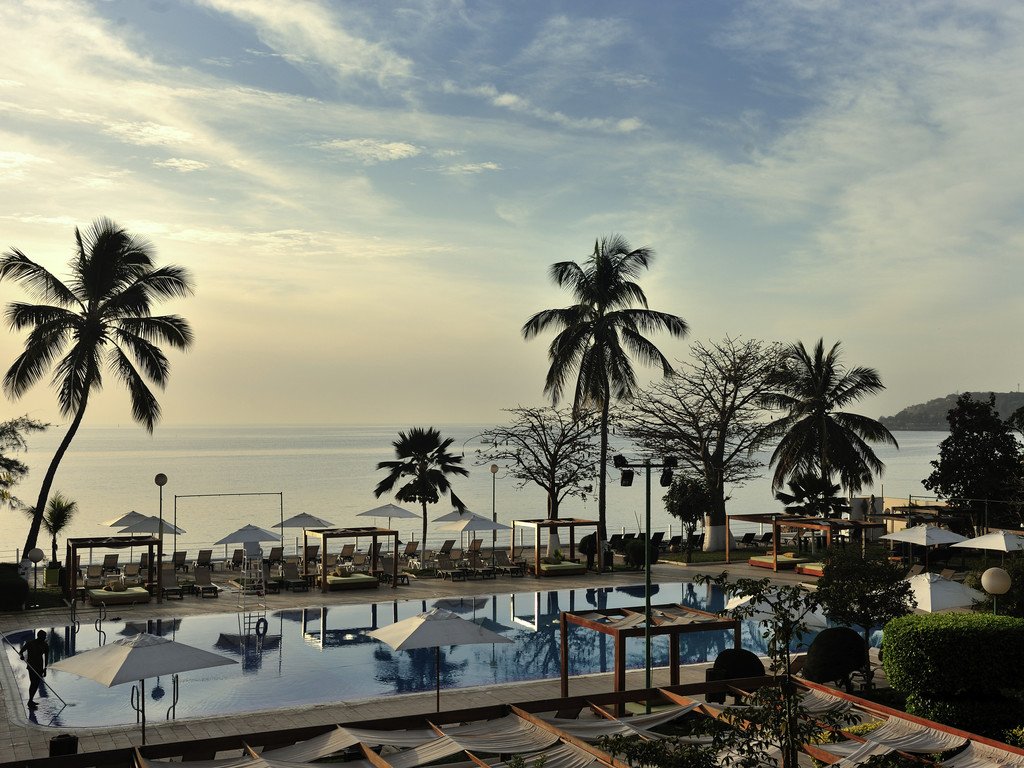
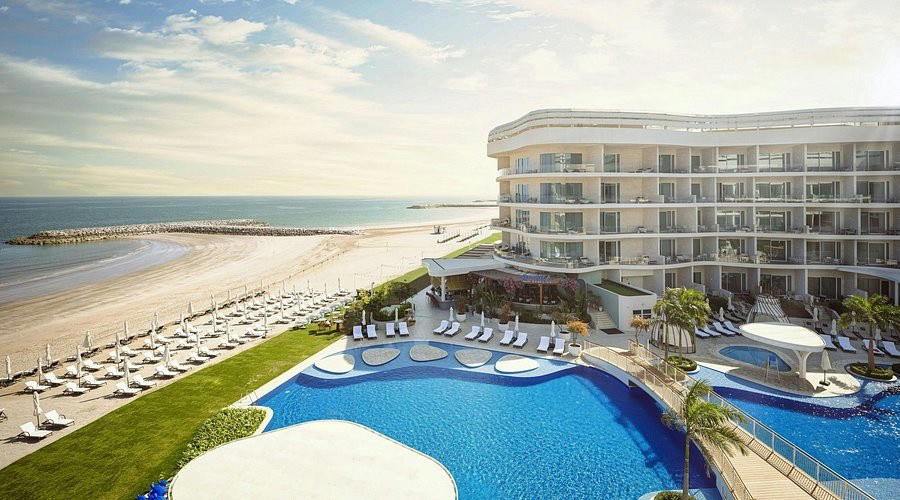
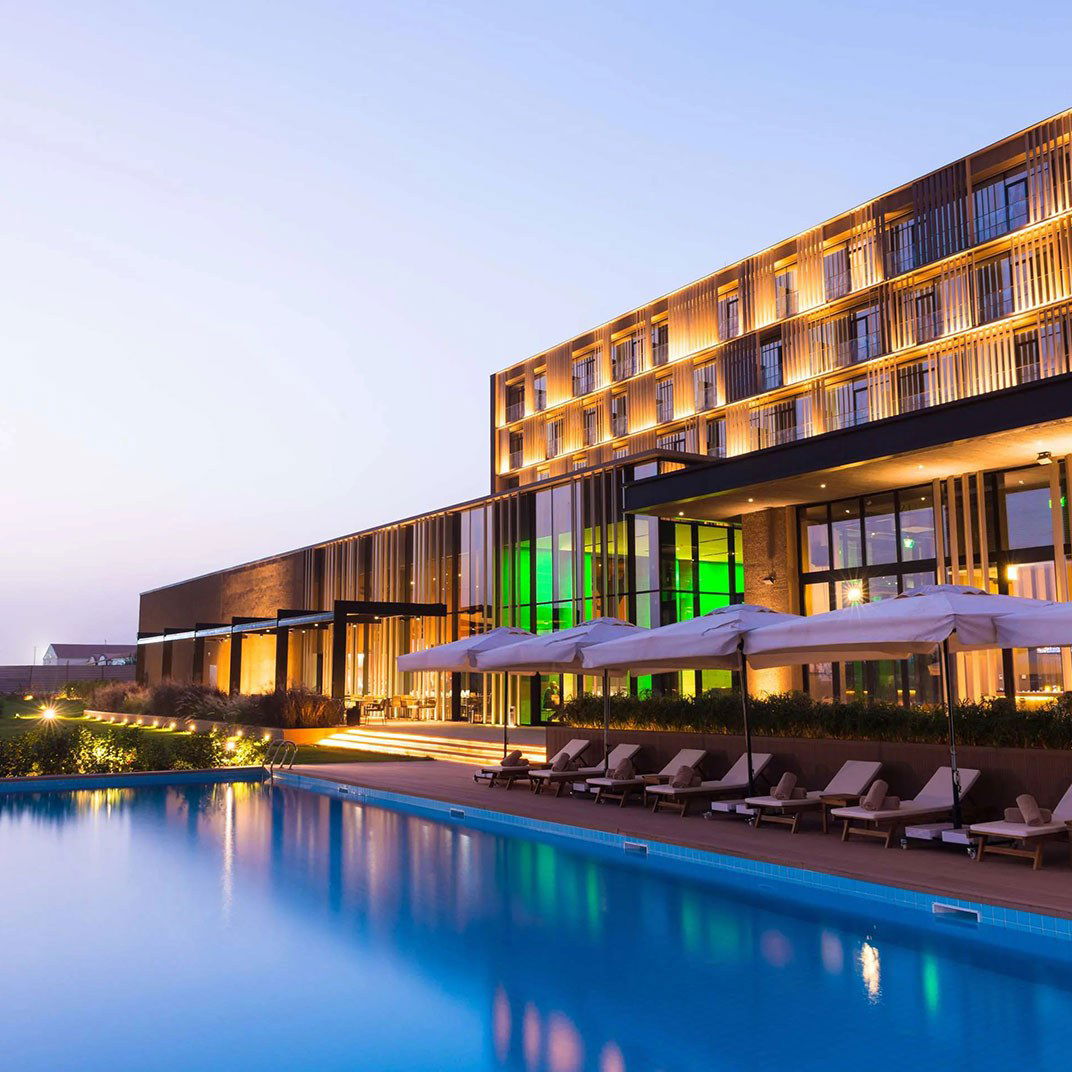
Bright, airy common spaces with colorful modern interiors and natural lighting; the ground-level restaurant and bar open onto a large outdoor pool area creating a resort-like atmosphere.
Tags
Vibe
Best For
Experience
Amenities
View
Accessibility
About the Stay
- Rooms
- 152
- Check-in
- 15:00
- Check-out
- 12:00
- Property Style
- Modern Luxury Business Hotel with Contemporary Design Elements and Smart City Positioning Near the Airport.
- Design Style
- Art Deco Inspired with Bold Nature Themed Murals, Colorful Interiors, Large Format Local Photography, and Striking Onyx Wall Installations in Suites.
Know before you go
Know Before You Go
- Getting there
- Prolongement Autoroute A Peage A Cote, Du Centre De Conference Intl Abou Diouf, Diamniadio, Dakar, Senegal
Planning details
Location
Prolongement Autoroute A Peage A Cote, Du Centre De Conference Intl Abou Diouf, Diamniadio, Dakar, Senegal · Directions
Recognition and awards
Explore Dakar
Around this place
Discover more on Pearl
Unlock the full Radisson Hotel Dakar Diamniadio guide in Pearl, including awards, comparisons, FAQs, planning details, and nearby places.
FAQ
Frequently Asked Questions
Is Radisson Hotel Dakar Diamniadio family-friendly?
It is a hotel in Dakar with MICHELIN Guide hotel selection recognition for 2025. Travelers planning a family stay should check room types, facilities, and family policies directly before booking.
Is Radisson Hotel Dakar Diamniadio good for business travel?
It may be worth considering as a recognized hotel in Dakar. Business travelers should check meeting facilities, business services, and conference-location needs directly with the hotel.
How is the location of Radisson Hotel Dakar Diamniadio?
The broad location is Dakar. Check the hotel's current official listing against your itinerary for address, district, landmark, and access details before booking.
How is the dining at Radisson Hotel Dakar Diamniadio?
If cuisine type, chef, menu format, price range, or service style matter to your plans, check current dining details directly with the hotel, and use current Dakar dining resources if meals are a major part of the trip.
How does Radisson Hotel Dakar Diamniadio compare to nearby hotels?
Use Radisson Hotel Dakar Diamniadio as one candidate in a Dakar hotel search, then compare current rates, amenities, and location details directly when planning a Dakar stay.