
Pousada Mosteiro Crato
Flor da Rosa, Crato, Crato
Hotel in Crato, Portugal
 Book with Pearl
Why go
Pousada Mosteiro Crato is worth booking for a quiet Alentejo stay where the setting supports focus, rest, or a small work retreat. Its 2025 MICHELIN Guide hotel selection gives it a useful credibility signal, but the fit is specific: choose it for calm and historic character, not for city-style convenience or a dense dining-and-meetings schedule.
About Pousada Mosteiro Crato
Pousada Mosteiro Crato is a hotel in Crato listed in the MICHELIN Guide Hotels Selected for 2025. For travelers building a shortlist, it is best considered as a Crato stay with guide recognition rather than as a basis for assuming particular facilities, room types, dining, or service details.
For planning, keep the decision simple. Choose Pousada Mosteiro Crato if staying in Crato is the priority and the MICHELIN Guide Hotels Selected 2025 listing is useful context for your shortlist. If your decision depends on particular amenities, meal service, room configuration, accessibility needs, or transport logistics, confirm those details directly before booking.
A Crato hotel with MICHELIN Guide hotel recognition
The key distinction is the 2025 MICHELIN Guide Hotels Selected recognition. That makes Pousada Mosteiro Crato a relevant option for travelers comparing hotels in Crato, especially when they want a property with an external guide listing.
The dress code is smart casual. If cuisine, prices, facilities, seat counts, room categories, or service format are important to your plans, check those details before booking.
How to use it well on a return visit
For a repeat stay, the same principle applies: book Pousada Mosteiro Crato when Crato is the right base and the MICHELIN Guide Hotels Selected 2025 listing supports the choice. Avoid building the trip around assumptions about amenities or dining; check any must-have details before committing.
For planning around the area, compare Pousada Mosteiro Crato with other dining and hotel options in Crato, and confirm any practical details that matter to your trip.
Planning details
- Location
- R. do Mosteiro, Crato, Portugal
- Phone
- +351 245 997 210
The take
The Take
The Vibe
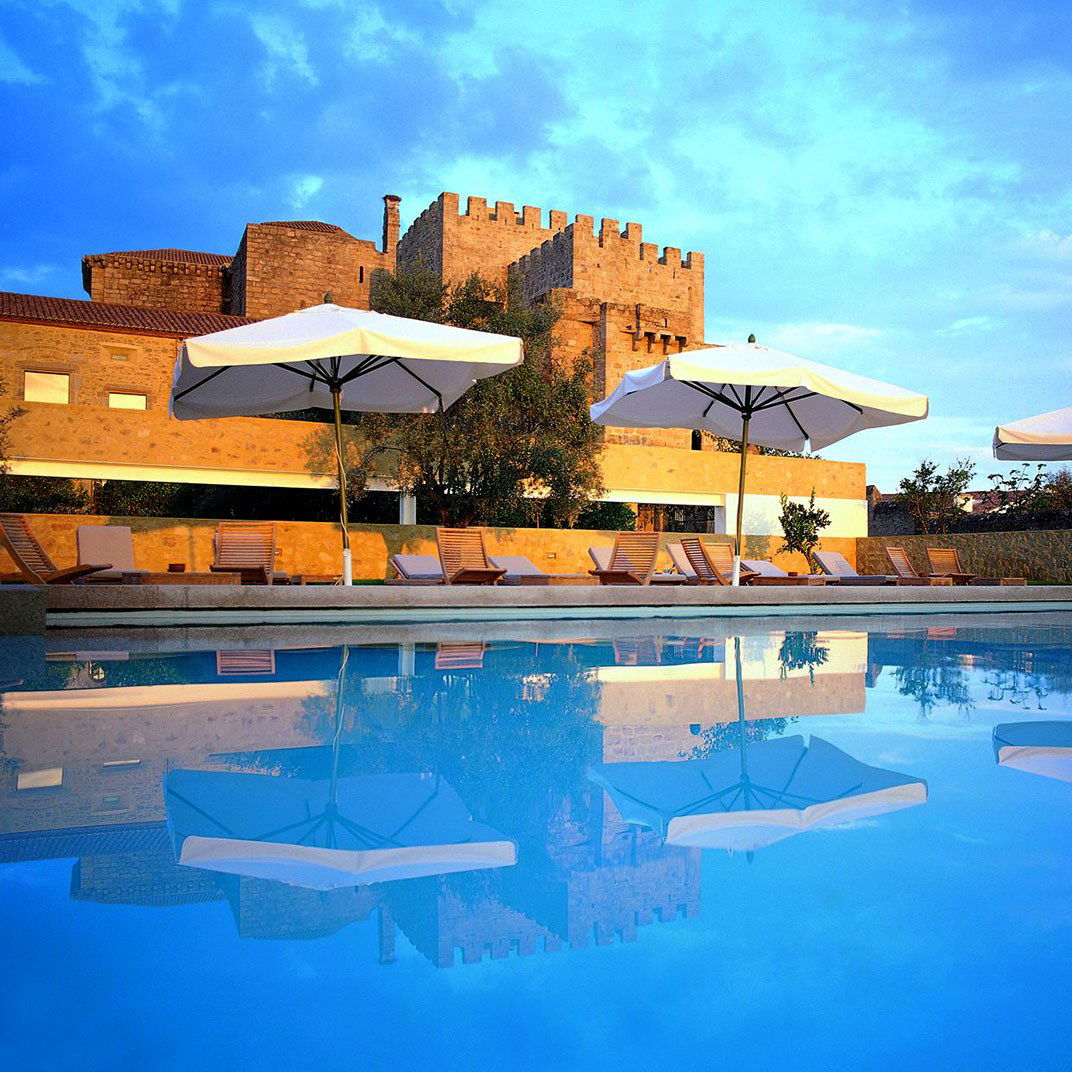
Pousada Mosteiro Crato inhabits a patient, classical quiet: a 15th‑century monastery reworked into hotel form that reads as an extension of the Alentejo landscape rather than an interruption. The stone facade and layered construction register centuries of use, while cloister gardens and a central courtyard shape light and movement. The writing foregrounds silence and slowness — guests encounter architecture that rewards time and attention, with rooms and circulation organized around monastic proportions rather than contemporary hospitality theatrics. The overall effect is refined and timeless, ideal for travelers who want atmosphere over spectacle.
Best For
This is a destination for travellers seeking history, calm and a rural change of pace. Set roughly 200 kilometres east of Lisbon on the high plains of the Alto Alentejo, the Pousada is well suited to couples on a romantic getaway or visitors looking for a weekend escape centered on architecture and landscape. The cloistered courtyards and gardens make the site rewarding for slow, contemplative stays rather than busy itineraries; it appeals to anyone who wants heritage rooms, quiet corridors and a sense of rooted place.
Stay Tips
The property sits in a remote part of the Alentejo, about 200 kilometres from Lisbon, so allow for travel time when planning a stay. Expect a quiet, inward‑facing layout organised around cloister gardens and a central courtyard; if courtyard-facing rooms are important, confirm room placement at booking. The description emphasises heritage and atmosphere rather than contemporary amenities, so plan visits around time to explore the cloisters and the surrounding high plains.
Venue details
Ambiance
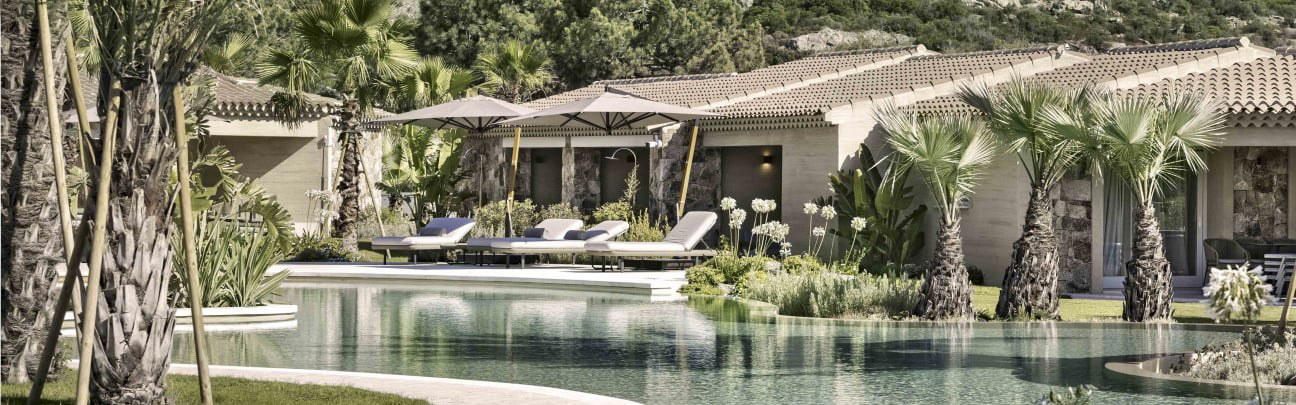
Tranquil and harmonious historic atmosphere with tall windows, immersed in greenery, gardens, and pool views.
Tags
Vibe
Best For
Experience
Amenities
View
About the Stay
- Rooms
- 0
- Property Style
- Converted 14th Century Fortified Monastery with Gothic Architecture
- Design Style
- Gothic Historic with Modern Luxury Rooms
Know before you go
Know Before You Go
- Getting there
- R. do Mosteiro, Crato, Portugal
Planning details
Location
R. do Mosteiro, Crato, Portugal · Directions
Recognition and awards
Explore Crato
Around this place
Discover more on Pearl
Unlock the full Pousada Mosteiro Crato guide in Pearl, including awards, comparisons, FAQs, planning details, and nearby places.
FAQ
Frequently Asked Questions
How does Pousada Mosteiro Crato compare to nearby hotels?
It is a Crato hotel with MICHELIN Guide Hotels Selected 2025 recognition. For anything beyond that, compare directly based on the details you need for your stay.
Is Pousada Mosteiro Crato family-friendly?
Do loyalty programs work at Pousada Mosteiro Crato?
When is the best time to book Pousada Mosteiro Crato?
How is the pool and spa at Pousada Mosteiro Crato?
Which room category is best at Pousada Mosteiro Crato?
Choose based on the details provided at booking, and contact the property if view, space, or layout matters.