
Aethos Sardinia
Cannigione, Costa Smeralda
Hotel in Costa Smeralda, Italy
 Book with Pearl
The Read
Price
$300–500per night
Why go
Aethos Sardinia is worth booking if you want a quieter, design-led Cannigione base rather than a large Costa Smeralda resort. The 2025 MICHELIN Guide Hotels Selected recognition gives it a credible quality signal, but travelers seeking a major beach-club or full-service resort feel should compare carefully before committing.
About Aethos Sardinia
Aethos Sardinia is a Costa Smeralda stay listed as MICHELIN Guide Hotels Selected for 2025. With a smart casual dress code and a recognized hotel selection behind it, it is best approached as a polished option for travelers who want a Costa Smeralda base and plan to confirm practical details before booking.
For travelers comparing stays in Costa Smeralda, Aethos Sardinia belongs on the shortlist if a MICHELIN Guide hotel selection is a meaningful trust signal. If you need a hotel with a particular beach setup, spa program, restaurant concept, family facilities, or loyalty arrangement, confirm those details directly with the property before booking. Readers who want a broader scan before committing should use a general Costa Smeralda hotels guide.
A Costa Smeralda stay with a MICHELIN hotel selection
The strongest reason to consider Aethos Sardinia is its MICHELIN Guide Hotels Selected recognition for 2025. Treat the recognition as a useful credibility marker, and check whether the property matches the exact trip you are planning.
The dress code is smart casual. That is helpful for packing and for setting expectations around the general tone of the stay. If your next trip is food-led, pair the hotel search with Our full Costa Smeralda restaurants guide; if the trip is more about beaches, boats, or day plans, check current local options before building the itinerary around the hotel.
Who should book it, and who should keep looking
Choose Aethos Sardinia if you want a Costa Smeralda hotel with a MICHELIN Guide Hotels Selected 2025 listing and you are comfortable checking practical details directly before reserving. It is a better fit for travelers who value a recognized hotel selection than for travelers whose decision depends on a specific beach, spa, restaurant, family program, meeting setup, or loyalty benefit.
Keep looking, or compare carefully, if your decision depends on those details. Other properties to weigh include 7Pines Resort Sardinia, Cascioni Eco Retreat, Hotel Capo D'Orso Thalasso and Spa, Hotel Li Finistreddi, and Hotel Pitrizza. Use those comparisons to clarify priorities, then confirm current services, policies, and availability directly with each property.
Planning details
- Location
- Via Monti Corru, 07021 Cannigione OT, Italy
- Website
- aethos.com/destinations/sardinia
- Phone
- +39 0789 892091
The take
The Take
The Vibe
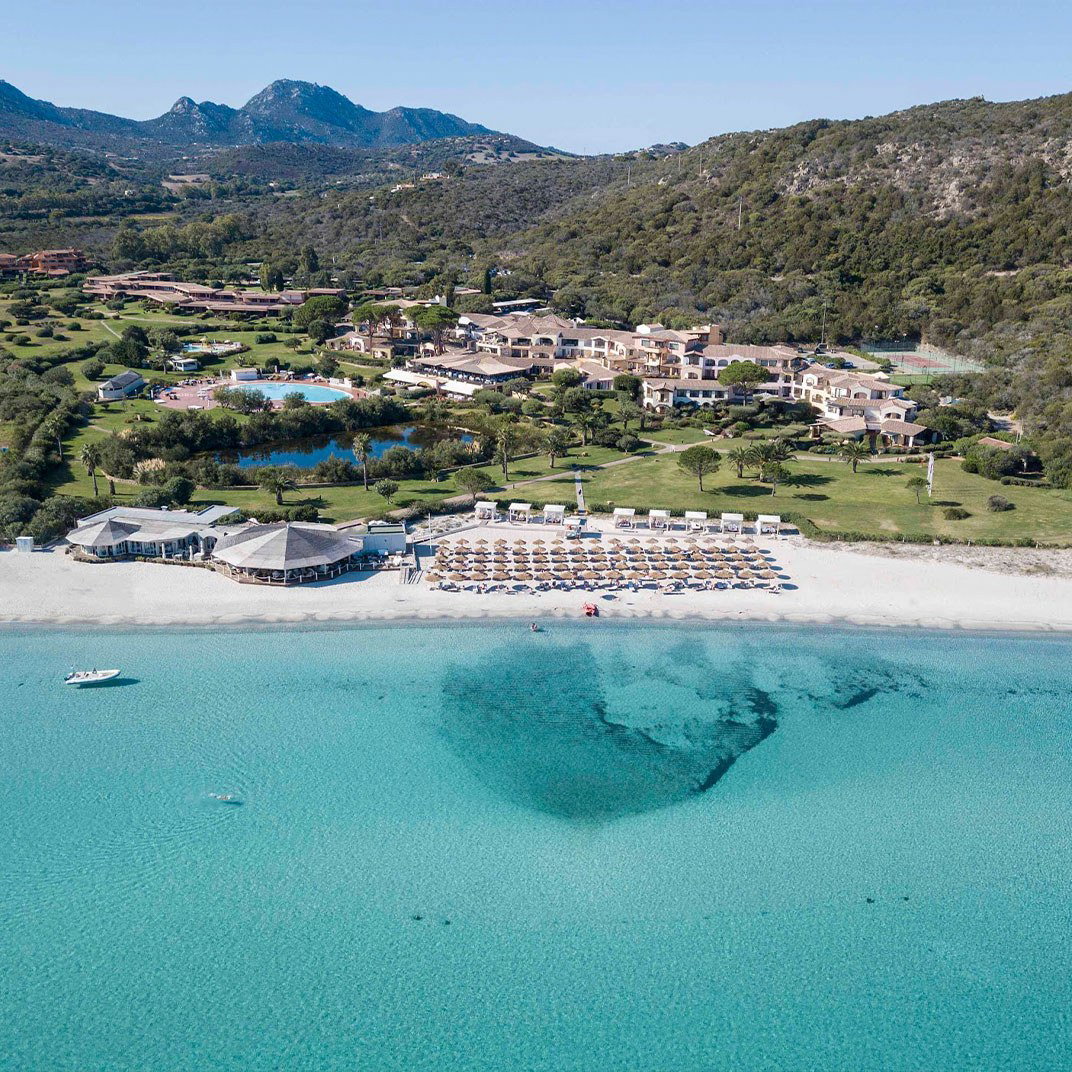
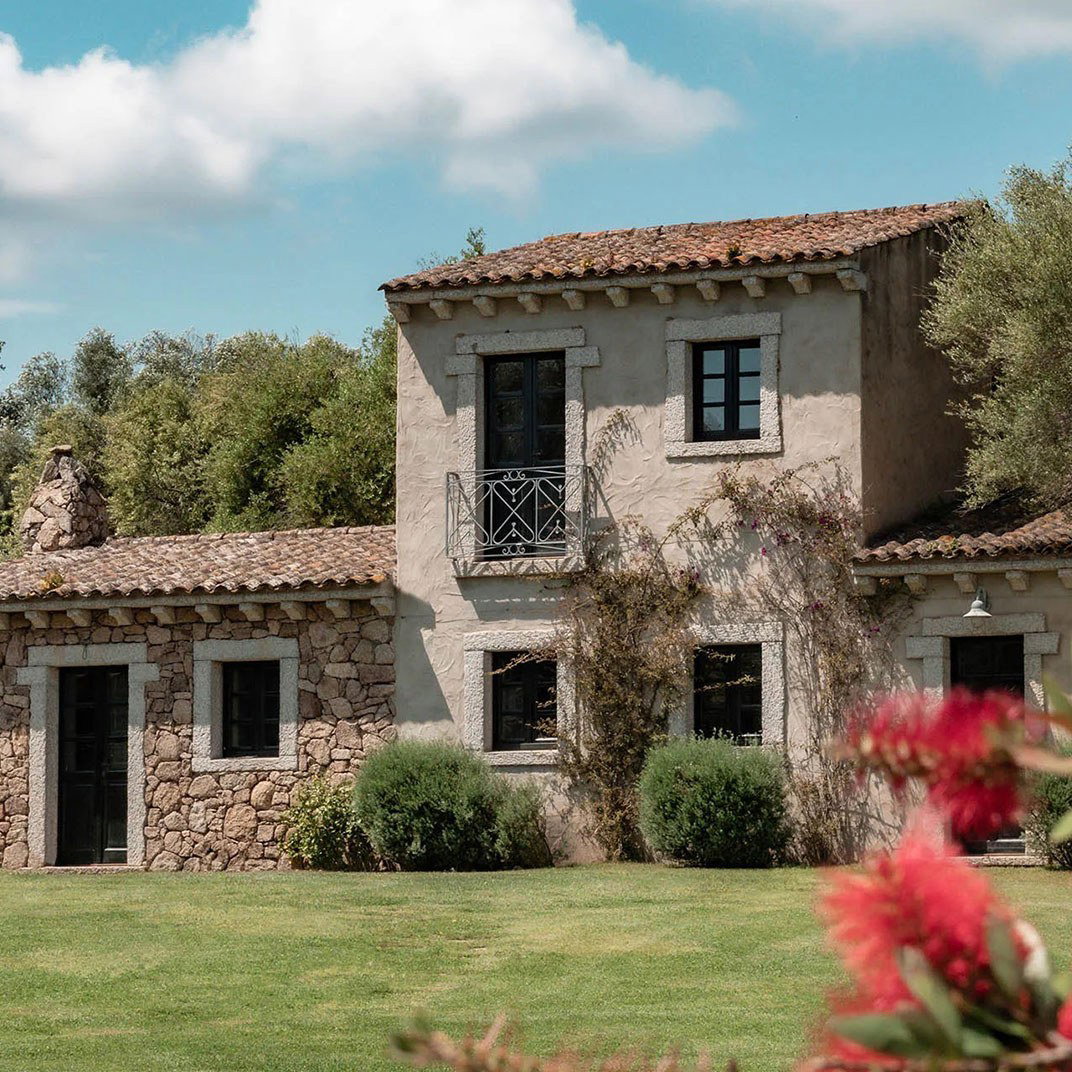
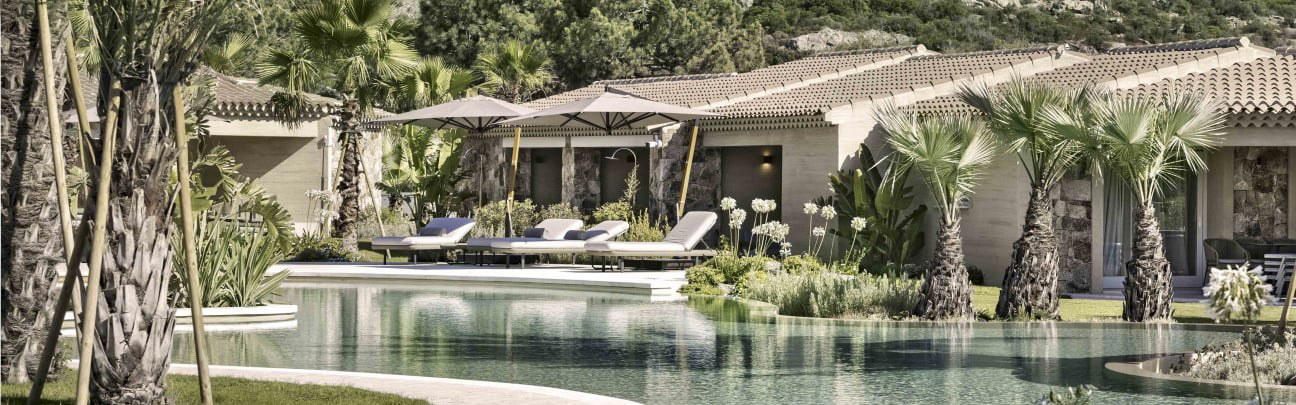
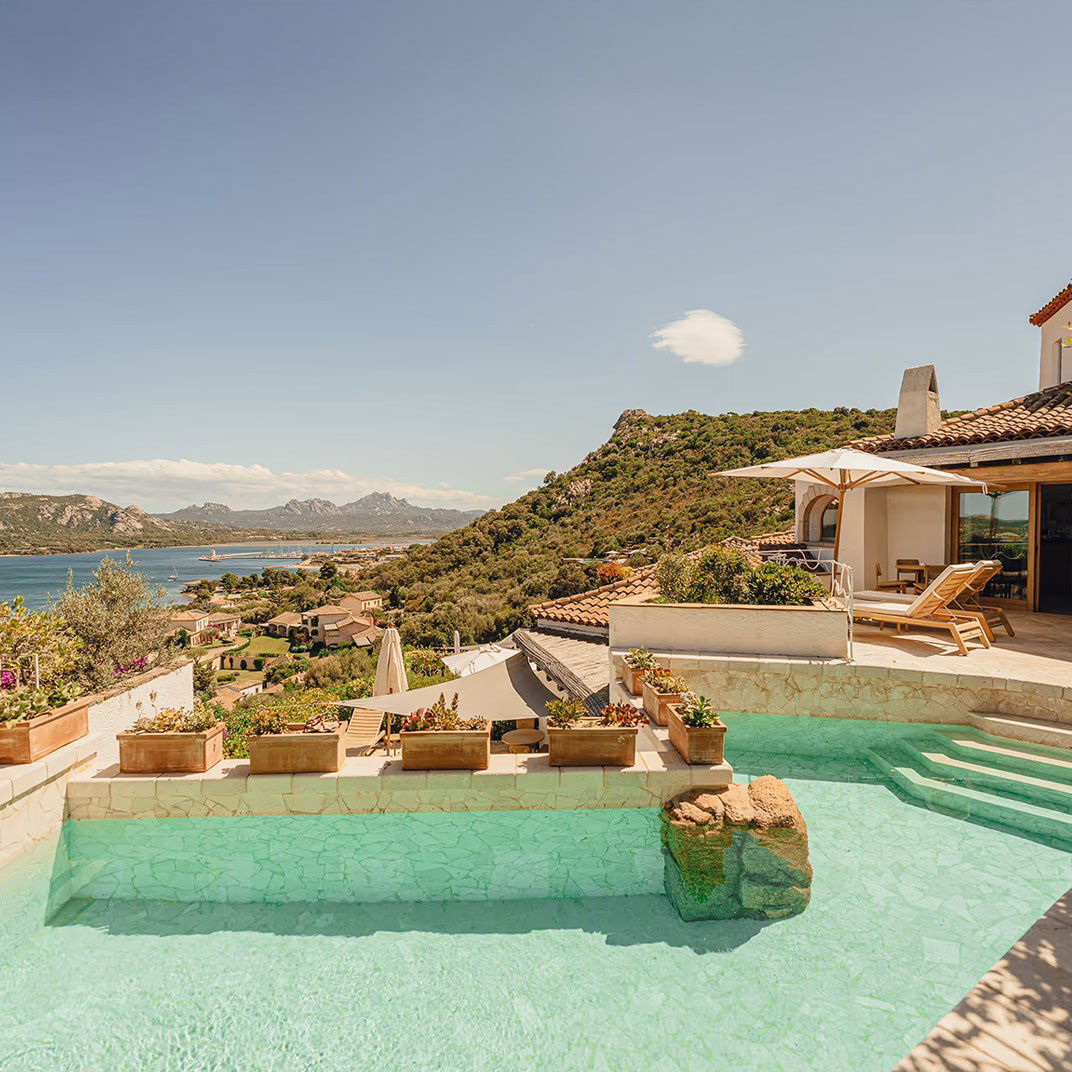
Aethos Sardinia reads as a quietly assured retreat that favors restraint over spectacle. The architecture is the primary voice here (local stone, natural light and interiors that reference the landscape rather than compete with it) creating a serene, design-focused environment. The hotel deliberately positions itself apart from the maximalist resorts of the Costa Smeralda, offering a more measured, sophisticated take on Mediterranean hospitality. The atmosphere emphasizes slow pace, subtle materials and thoughtful proportions, making the property feel like a considered coastal refuge rather than a showy seaside palace.
Best For
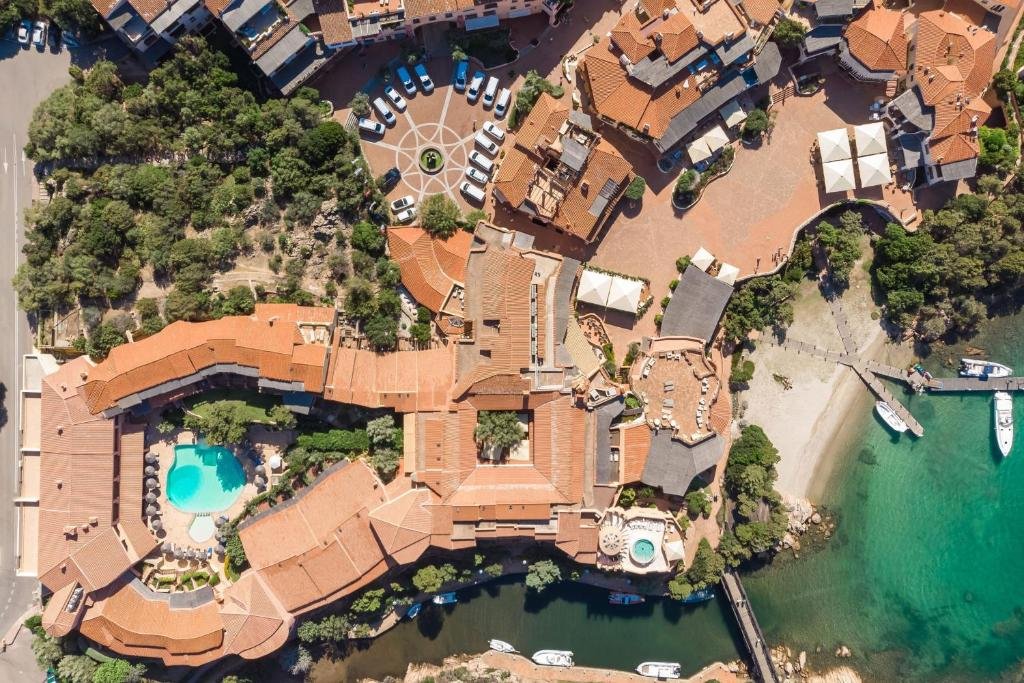
This property is best for travelers seeking a slower, design-led coastal experience rather than the high-visibility glamour of Porto Cervo. Because the brand is explicitly 'wellness-adjacent' and the setting is a quieter working harbour in Cannigione, it suits weekend escapes and wellness-minded breaks where atmosphere and architecture matter. Couples and travelers who prefer a restrained, sophisticated pace, those who want coastal proximity without the maximum-resort energy, will find the hotel particularly appealing.
Venue details
Ambiance
Sunny, airy suites with natural light, serene and tranquil atmosphere enhanced by lush gardens and sea vistas.
Tags
Vibe
Best For
Experience
Amenities
View
Accessibility
About the Stay
- Rooms
- 56
- Property Type
- Boutique hotel
- Property Style
- Contemporary Sardinian Hillside Resort with Barefoot Elegance and Slow Coastal Living.
- Design Style
- Blend of Traditional Sardinian Tiles, Terracotta, White Arches, and Modern Art Furnishings.
- Breakfast
- Included
- Airport Transfer
- Available
- Pool
- Yes
- Spa
- Yes
- Pets
- Allowed
- Families
- Welcome
Know before you go
Know Before You Go
- Getting there
- Via Monti Corru, 07021 Cannigione OT, Italy
Planning details
Location
Via Monti Corru, 07021 Cannigione OT, Italy · Directions
Recognition and awards
Also consider
Where to look if this is not the right fit
If you want a larger resort experience, cross-shop 7Pines Resort Sardinia. If spa facilities are the point of the trip, compare Hotel Capo D'Orso Thalasso and Spa before booking.
Hotel context
How Aethos Sardinia compares in Costa Smeralda
Aethos Sardinia is the calmer, design-led choice in this set: better for travelers who want Cannigione as a base and do not need the hotel to dominate the trip. Hotel Pitrizza is the splurge comparison for a more formal Costa Smeralda resort stay, while 7Pines Resort Sardinia is the stronger pick if you want a broader resort setup and more on-property momentum.
Hotel Li Finistreddi and Cascioni Eco Retreat are the more natural cross-shops if privacy, landscape, and a slower pace matter more than scene. Choose Aethos Sardinia when you want design polish with easier logistics around Cannigione; choose those peers when the brief is more retreat-like and less tied to moving around the coast.
Hotel Capo D'Orso Thalasso and Spa is the better comparison for travelers prioritizing spa and wellness infrastructure. Aethos Sardinia is the cleaner decision for a lighter, less programmed stay; Capo D'Orso is the safer call when the hotel's facilities are the main reason for the trip.
Explore Costa Smeralda
Around this place
Discover more on Pearl
Unlock the full Aethos Sardinia guide in Pearl, including awards, comparisons, FAQs, planning details, and nearby places.
Compare Aethos Sardinia
| Venue | Location | Awards |
|---|---|---|
| Aethos Sardinia | Costa Smeralda | 2025 Michelin Selected Hotels |
| Hotel Li Finistreddi | Cannigione | No published awards |
| 7Pines Resort Sardinia | Baja Sardinia | 2026 Forbes 4-Star2026 Virtuoso Luxury Hotel Collection2026 Mr & Mrs Smith Luxury Hotels2025 Michelin Selected Hotels2025 Forbes Recommended |
| Cascioni Eco Retreat | Arzachena | 2026 Mr & Mrs Smith Luxury Hotels2026 Michelin 1 Key2025 Michelin 1 KeySmall Luxury Hotels Member 20252024 Michelin 1 Key |
| Hotel Capo D'Orso Thalasso and Spa | Palau | 2026 Virtuoso Luxury Hotel CollectionLeading Hotels of the World 2026 |
| Hotel Pitrizza | Porto Cervo | 2026 Forbes 4-Star2026 Virtuoso Luxury Hotel Collection2025 Michelin Selected Hotels2025 Forbes 4-Star |






How Aethos Sardinia compares with similar nearby venues.
FAQ
Frequently Asked Questions
How is the dining at Aethos Sardinia?
Aethos Sardinia is in Costa Smeralda and is MICHELIN Guide Hotels Selected for 2025.
When is the best time to book Aethos Sardinia?
Plan ahead for Aethos Sardinia as a Costa Smeralda hotel with MICHELIN Guide Hotels Selected 2025 recognition.
Is Aethos Sardinia family-friendly?
Families can consider Aethos Sardinia, but should confirm room types, policies, and current services directly with the property. Hotel Li Finistreddi and Cascioni Eco Retreat are other comparison points to review when deciding what style of stay fits best.
How does Aethos Sardinia compare to other hotels?
Aethos Sardinia is a Costa Smeralda hotel with MICHELIN Guide Hotels Selected 2025 recognition. Other properties to compare include Hotel Pitrizza, 7Pines Resort Sardinia, Hotel Li Finistreddi, Cascioni Eco Retreat, and Hotel Capo D'Orso Thalasso and Spa.
Do loyalty programs work at Aethos Sardinia?
Do not plan the stay around points, elite benefits, or program perks unless Aethos Sardinia or your travel program confirms them directly. Aethos Sardinia is listed as MICHELIN Guide Hotels Selected 2025.
Is Aethos Sardinia good for business travel?
Aethos Sardinia may be considered as a Costa Smeralda stay, but meeting space, work amenities, and corporate services should be confirmed directly with the property. If logistics are important, compare current details with Hotel Pitrizza and other options.