


Nobis Hotel Copenhagen
Indre By, Copenhagen
Hotel in Copenhagen, Denmark
 Book with Pearl
The Read
Lived-In Nordic Modernism
Why go
Nobis Hotel Copenhagen is the better choice for travelers who want a calm, design-led city stay rather than a big-hotel scene. Its Michelin 1 Key recognition and 2026 hotel-list attention make it credible for a polished Copenhagen base, but compare live rates against Villa Copenhagen, Nimb Copenhagen, and Radisson Collection Royal Hotel before paying a premium.
About Nobis Hotel Copenhagen
For a Copenhagen stay, the clearest reasons to consider Nobis Hotel Copenhagen are its Design Hotels membership and recent hotel recognition. The hotel is a Michelin 1 Key property for 2025, appears in La Liste Top Hotels 2026 with 91.5 points, is listed as a 2026 Design Hotels member, and holds a Mr & Mrs Smith Seal of Approval for 2026. If facilities, room categories, dining, or service details are essential to your stay, check those directly with the hotel before booking.
The safest way to assess Nobis Hotel Copenhagen is as a recognized Copenhagen hotel choice. If restaurants, bars, and activities are important to the trip, plan those separately through Our full Copenhagen restaurants guide, Our full Copenhagen bars guide, and Our full Copenhagen experiences guide.
Choose the room for design credentials and fit
Choose a category based on your own needs for bed configuration, space, and rate. Nobis Hotel Copenhagen is best supported by its recognition profile: Michelin 1 Key status, Design Hotels membership, La Liste attention, and Mr & Mrs Smith approval.
For a broader hotel search, compare it against Our full Copenhagen hotels guide. Nobis Hotel Copenhagen makes the most sense when the priority is a recognized Design Hotels stay in Copenhagen and when the booking decision does not depend on specific room layouts, dining formats, or extra services.
Where it sits in Copenhagen's hotel choice set
Within Copenhagen, Nobis Hotel Copenhagen is a natural option for travelers who value recognition and a Design Hotels identity. Villa Copenhagen, Nimb Copenhagen, Radisson Collection Royal Hotel, Copenhagen, Hotel Cph Living, and Hotel Bella Grande are other Copenhagen hotels to compare depending on the kind of stay, rate, and atmosphere you want.
The practical verdict: choose Nobis Hotel Copenhagen when its credentials matter to you, including the 2025 Michelin 1 Key, 2026 La Liste Top Hotels score, Design Hotels membership, and Mr & Mrs Smith Seal of Approval. Cross-shop other Copenhagen hotels when price, room type, or a different hotel style is the deciding factor.
Planning details
- Location
- Niels Brocks Gade 1, 1574 København
- Website
- nobishotel.dk
- Phone
- +45 78 74 14 10
The take
The Take
The Vibe
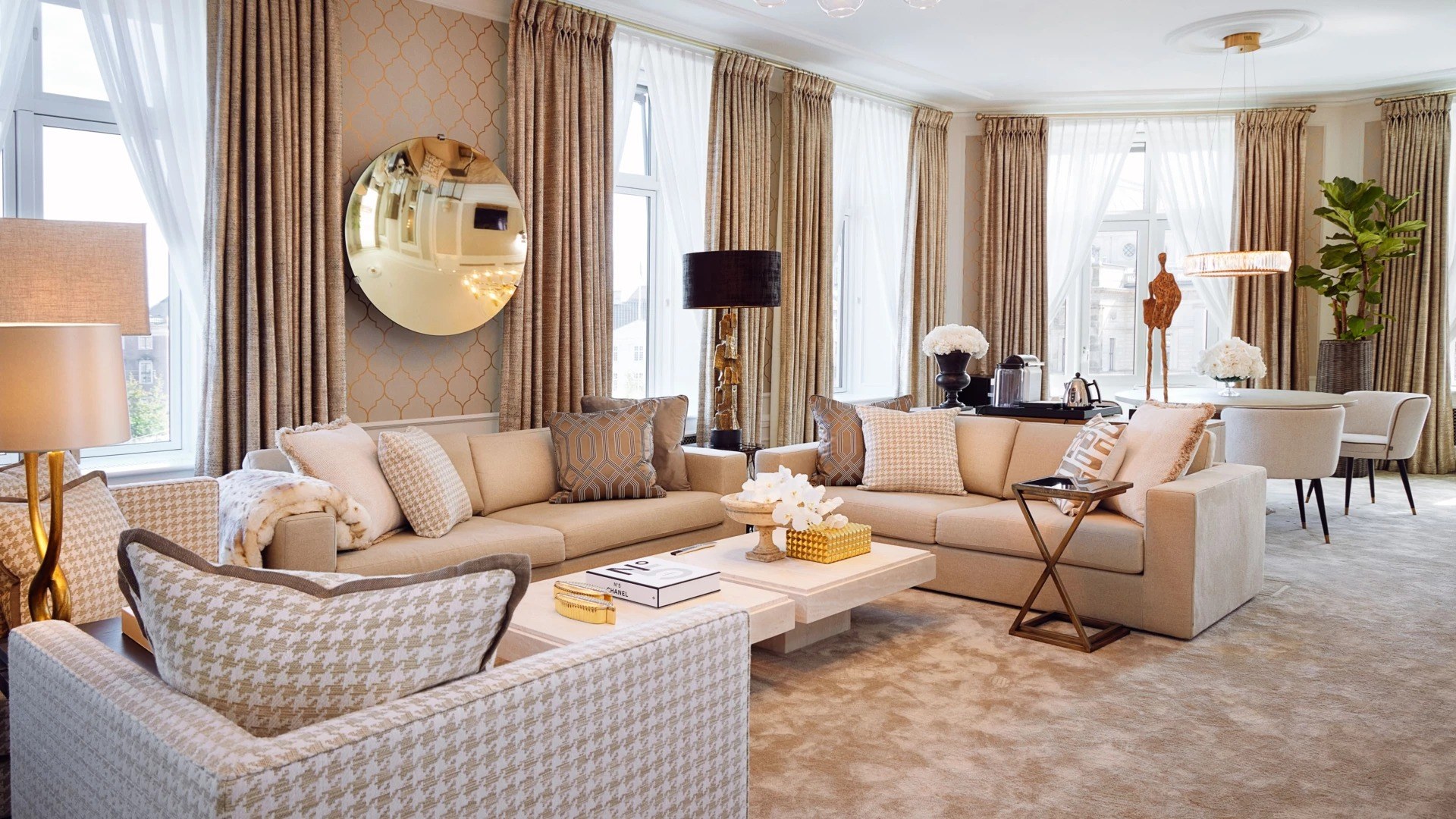
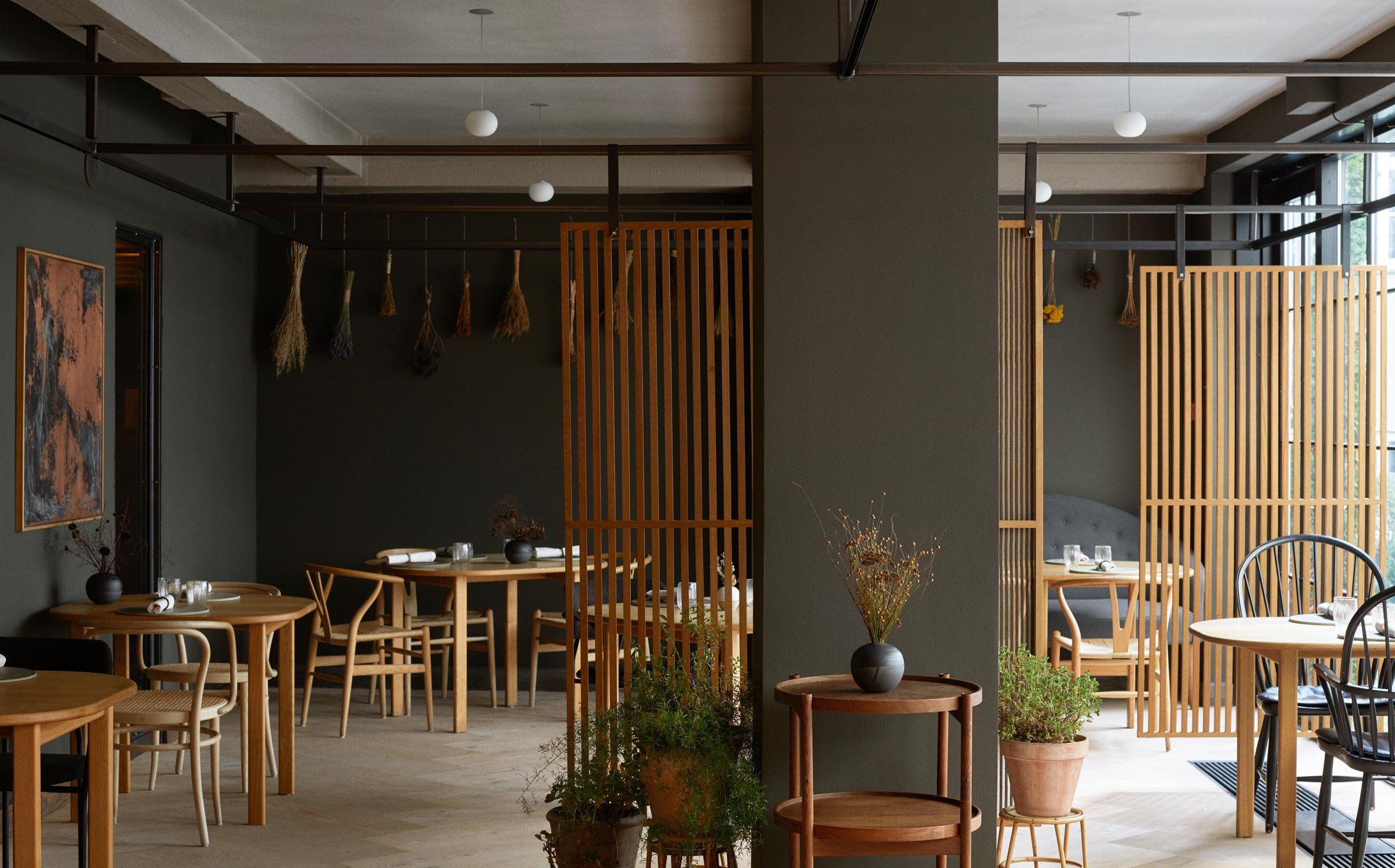
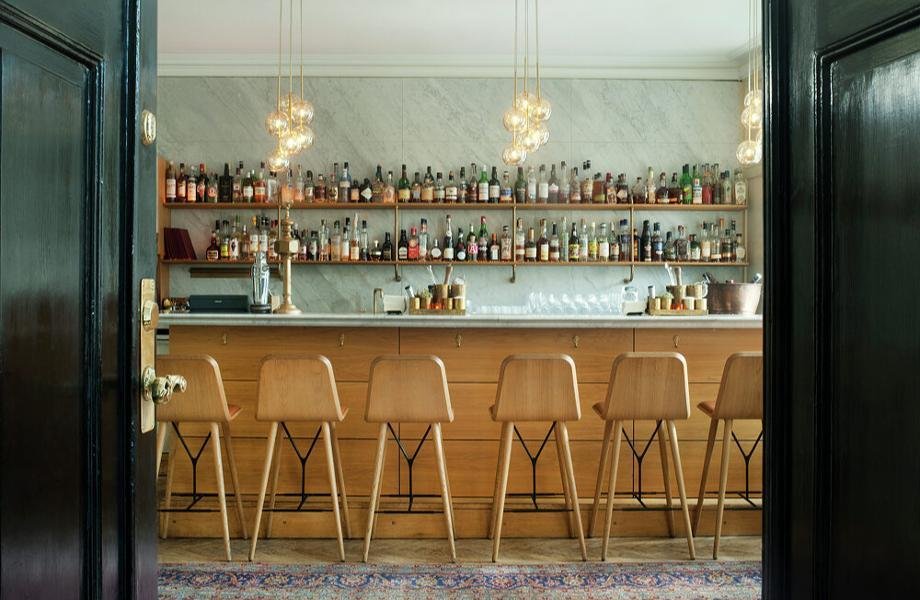
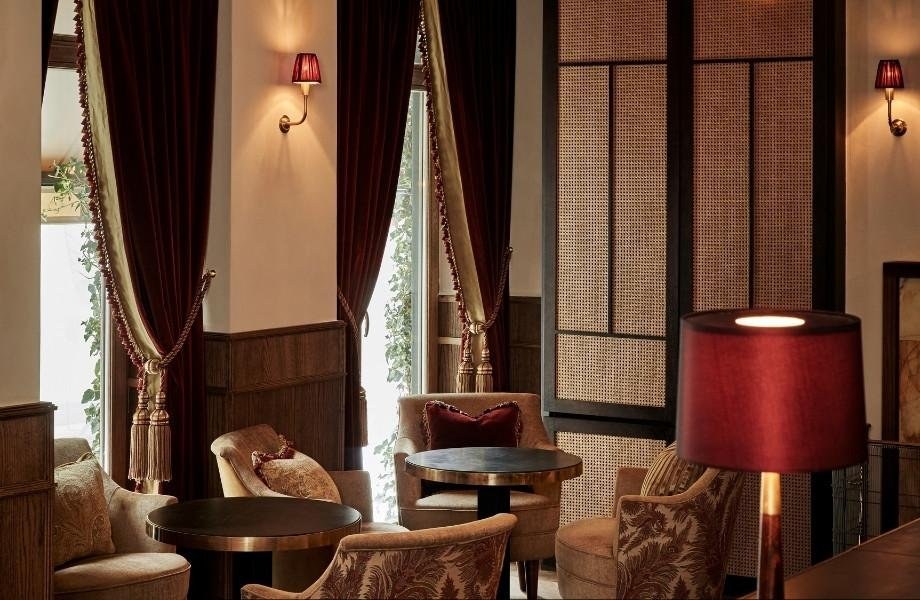
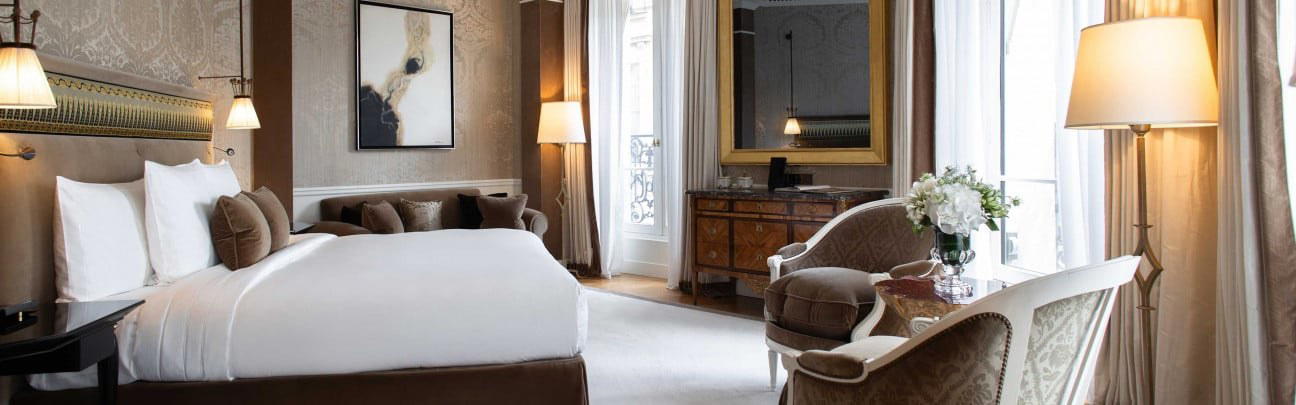
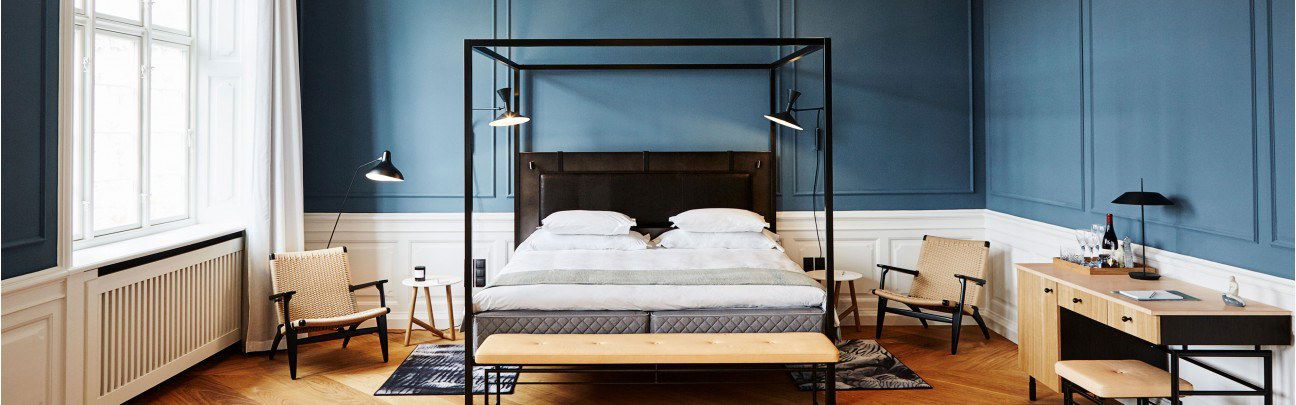
Nobis Hotel Copenhagen occupies a civic, early-20th-century shell that reads as both dignified and inhabited. The 1903 façade and former life as the Royal Danish Conservatory of Music give the exterior a rooted, historic presence, while Gert Wingårdh’s 2017 intervention recalibrates the interiors toward a warmer, more textured sensibility. Rather than a stark minimalist reset, the redesign favors deep colors, organic textures and a restrained, human scale—resulting in rooms and public spaces that feel considered and comfortably modern. The overall effect is a classical, historic hotel that prioritizes livability and thoughtful design over fashionable starkness.
Best For
This is a strong pick for travelers who value architecture and a central location. Sitting one block from Tivoli Gardens and planted in Copenhagen’s historic core, the hotel suits weekend escapes and romantic getaways that combine city sights with quiet, polished surroundings. The property’s design focus and measured luxury also make it convenient for business trips where a calm, well-crafted base matters. Guests come for the building’s civic presence and thoughtful interiors—it’s less about nightlife theatrics and more about staying in a distinct, well-designed Copenhagen address.
Venue details
Ambiance
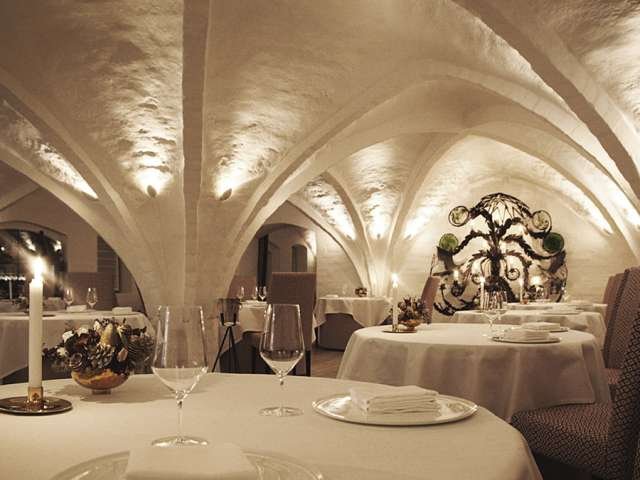
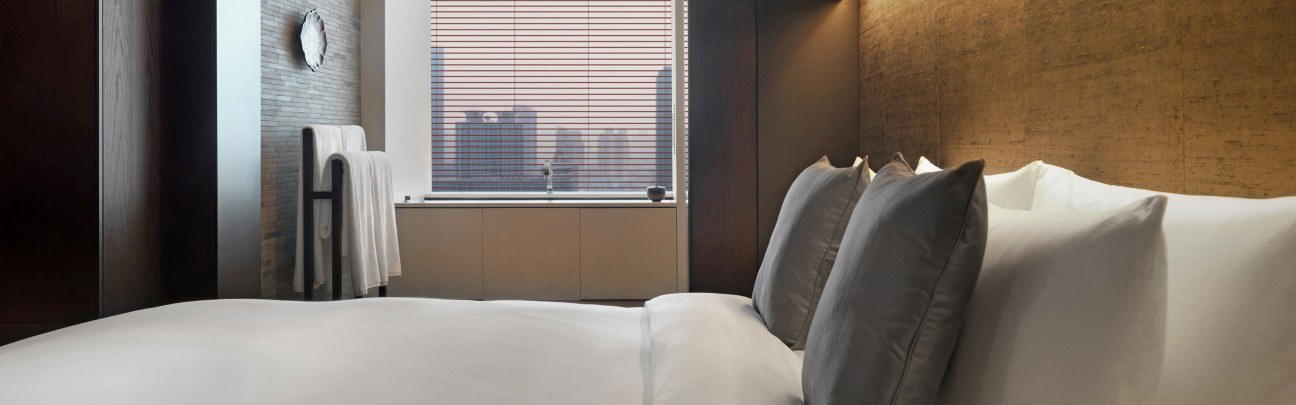
Sophisticated and serene with minimalist Scandinavian design, high ceilings, soft lighting, and an overall calm aesthetic that balances grand architecture with contemporary elegance.
Tags
Vibe
Best For
Experience
Amenities
View
Accessibility
About the Stay
- Rooms
- 75
- Check-in
- 16:00
- Check-out
- 12:00
- Property Style
- Contemporary Five Star Luxury Blending Danish Classicism with Modern Minimalism, Designed by Swedish Architect Gert Wingårdh.
- Design Style
- Scandinavian Minimalism with Custom Made Contemporary Furnishings, Nordic Design Elements, Italian Marble Accents, and Period Architectural Details.
Know before you go
Know Before You Go
- Getting there
- Niels Brocks Gade 1, 1574 København
Planning details
Location
Recognition and awards

Also consider
Where to look if this does not fit
If availability is tight or the rate moves beyond the value of the entry room, check Villa Copenhagen for a larger, livelier city stay and Radisson Collection Royal Hotel, Copenhagen for a more business-oriented alternative. If the goal is a more memorable setting rather than a conventional luxury-hotel frame, compare Hotel Cph Living.
Hotel context
How it compares
Nobis Hotel Copenhagen is the restrained design-hotel option in this Copenhagen set. Choose it over Villa Copenhagen if a quieter, more composed stay matters more than scale and hotel energy. Choose Villa Copenhagen instead if the trip benefits from a larger-property feel and a busier social atmosphere.
Nimb Copenhagen is the stronger splurge comparison for travelers who want a more theatrical Copenhagen stay. Nobis is the cleaner pick for design restraint and a calmer base. Radisson Collection Royal Hotel, Copenhagen is the safer business cross-shop, especially for travelers who prefer a more familiar full-service rhythm.
For value-led or setting-led alternatives, Hotel Cph Living makes more sense if the location experience is the main point, while Hotel Bella Grande is worth checking when the Nobis rate feels high for the room category available. The practical call: Nobis works when atmosphere and design discipline are worth paying for; cross-shop if the stay needs a stronger scene or a sharper rate.
Explore Copenhagen
Around this place
Discover more on Pearl
Unlock the full Nobis Hotel Copenhagen guide in Pearl, including awards, comparisons, FAQs, planning details, and nearby places.
Compare Nobis Hotel Copenhagen
| Venue | Location | Awards |
|---|---|---|
| Nobis Hotel Copenhagen | Copenhagen | 2026 Design Hotels Collection2026 Mr & Mrs Smith Luxury Hotels2026 La Liste Top HotelsMichelin 1 Key 20252025 Michelin 1 Key |
| Villa Copenhagen | Copenhagen | No published awards |
| Nimb Copenhagen | Copenhagen | 2026 Virtuoso Luxury Hotel Collection2026 Forbes 4-Star2026 Mr & Mrs Smith Luxury Hotels2026 La Liste Top HotelsWorld Travel Awards 2025Small Luxury Hotels Member 20252025 Michelin 1 Key2025 Forbes 4-Star |
| Hotel Cph Living | Copenhagen | No published awards |
| Radisson Collection Royal Hotel, Copenhagen | Copenhagen | 2026 La Liste Top Hotels |
| Hotel Bella Grande | Copenhagen | No published awards |




How Nobis Hotel Copenhagen compares with similar nearby venues.
FAQ
Frequently Asked Questions
Do loyalty programs work at Nobis Hotel Copenhagen?
For loyalty-program benefits, check directly with the hotel or booking channel. The strongest reasons to consider Nobis Hotel Copenhagen are its Michelin 1 Key for 2025, La Liste Top Hotels 2026 score of 91.5 points, 2026 Design Hotels membership, and Mr & Mrs Smith Seal of Approval for 2026.
How does Nobis Hotel Copenhagen compare to other Copenhagen hotels?
Choose Nobis Hotel Copenhagen if you want a Copenhagen hotel with Design Hotels credentials and recent recognition. Villa Copenhagen, Nimb Copenhagen, Radisson Collection Royal Hotel, Copenhagen, Hotel Cph Living, and Hotel Bella Grande are useful Copenhagen comparisons depending on budget, atmosphere, and preferred hotel style.
Is Nobis Hotel Copenhagen good for business travel?
If you are considering Nobis Hotel Copenhagen for a business trip, assess it as a recognized Copenhagen hotel and confirm any required facilities directly before booking.
How is the location of Nobis Hotel Copenhagen?
What is check-in like at Nobis Hotel Copenhagen?
Contact Nobis Hotel Copenhagen directly for arrival timing, procedures, and any special requests before travel.
Which room category is best at Nobis Hotel Copenhagen?
When is the best time to book Nobis Hotel Copenhagen?
If Nobis Hotel Copenhagen is your preferred Copenhagen hotel, compare current rates with other Copenhagen options such as Hotel Bella Grande and book when the room type and price fit your trip.