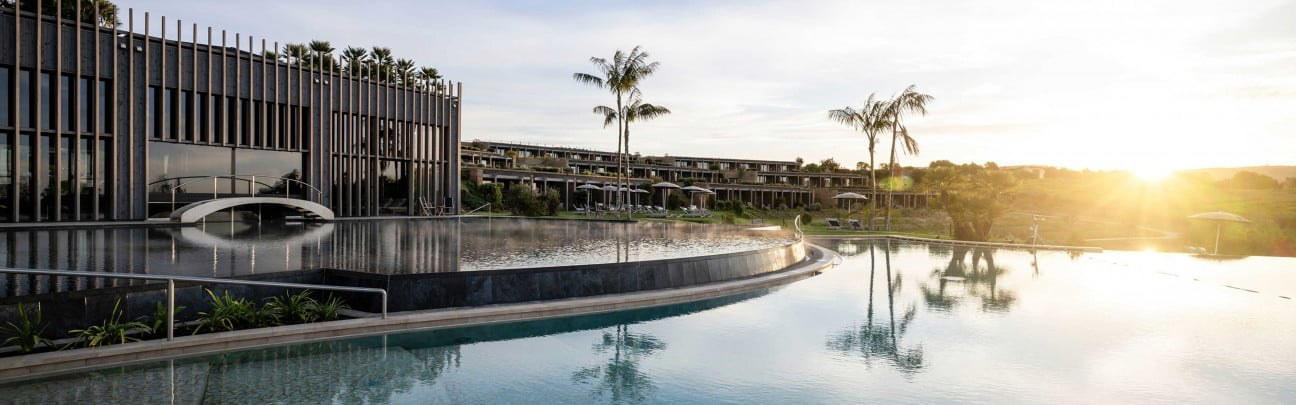

Borgo Canonica
Valle d'Itria, Cisternino
Hotel in Cisternino, Italy
 Book with Pearl
The Read
Price
$200–300per night
Why go
Borgo Canonica is worth shortlisting if you want a calm Cisternino countryside base with stronger third-party recognition than many rural stays. The main caution is value: without confirmed public detail on dining, spa, or room categories here, compare the live rate against nearby masseria-style hotels before paying a premium.
About Borgo Canonica
Borgo Canonica is a Cisternino hotel with two clear recognition signals: a Mr & Mrs Smith Seal of Approval for 2026 and selection by the MICHELIN Guide Hotels in 2025. Beyond those accolades, this guide presents Borgo Canonica as a recognition-backed Cisternino option.
Use the confirmed recognition as the main reason to put Borgo Canonica on a shortlist, then verify practical details directly before booking. If you are comparing premium stays, look at the live offer against Masseria Cervarolo, Masseria le Carrube, Ottolire Resort, ostuni art resort, and Paragon 700 Boutique Hotel & SPA before committing.
A Cisternino hotel with confirmed recognition
The strongest case for Borgo Canonica is its hotel recognition: MICHELIN Guide Hotels Selected in 2025 and a Mr & Mrs Smith Seal of Approval for 2026. Those signals can help separate it from other Cisternino options. For a broader local scan, use the Cisternino hotels guide; if the trip is built around meals, pair it with the Cisternino restaurants guide.
Know Before You Go
- Good fit: travelers considering a recognized hotel in Cisternino.
- Less ideal for: travelers who need confirmed details on facilities, room setup, dining, or business services before shortlisting.
- Price check: compare the live rate against Masseria Cervarolo, Masseria le Carrube, Ottolire Resort, ostuni art resort, and Paragon 700 Boutique Hotel & SPA before deciding.
- Booking: confirm current availability, rates, arrival timing, and included services directly before travel.
Planning details
- Location
- Contrada Minetta, 20, 72014 Cisternino BR, Italy
- Website
- borgocanonica.com
- Phone
- +39 080 444 8416
The take
The Take
The Vibe
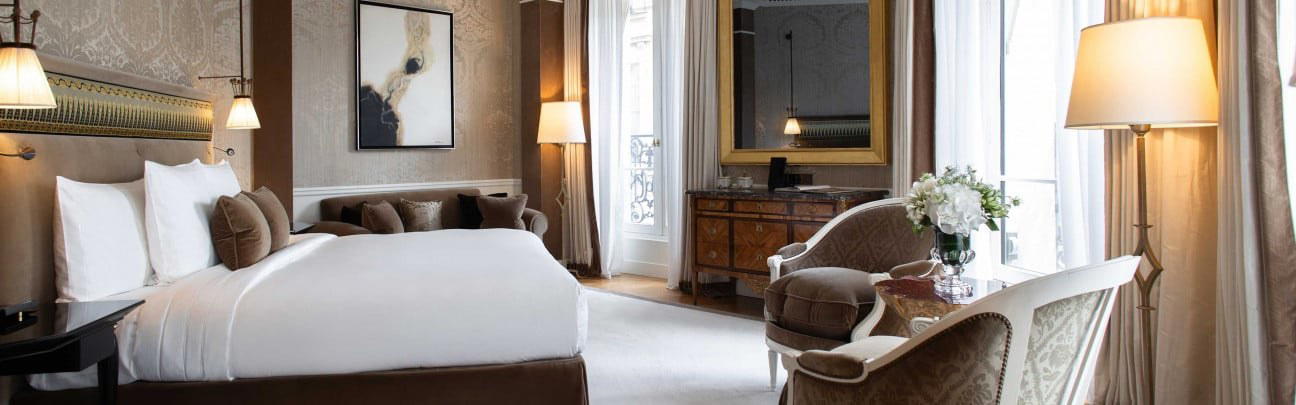
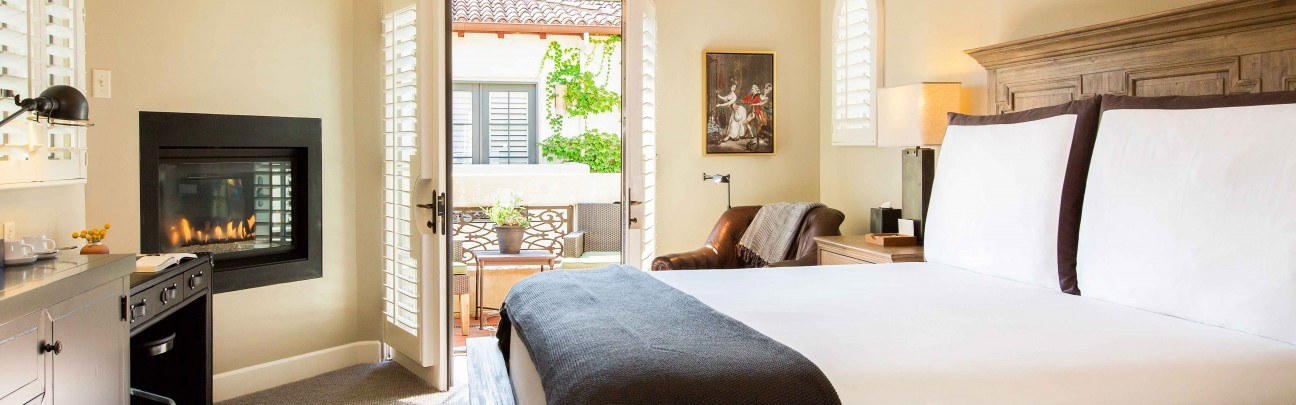
Borgo Canonica reads as a studied act of restraint: rather than import a resort script it submits to the Valle d'Itria's vernacular. The property leans on limestone hues, low-profile volumes and the familiar silhouettes of trulli and dry-stone walls to create an intimate, historically rooted atmosphere. Silence and architecture are the primary arguments here, covered loggias and external staircases quietly mediate between room and landscape, so the overall mood is serene and charming rather than performatively luxurious. It feels like a lived-in cluster of farm buildings brought gently into service for guests who value place over spectacle.
Best For
This is a destination for travelers who prize architectural authenticity and a low-key countryside pace. Borgo Canonica suits couples seeking a romantic, quiet escape as well as anyone after a restful weekend in the Valle d'Itria. Its position on Contrada Minetta places you close enough to Cisternino's centro storico to explore the town yet far enough into the agricultural periphery to enjoy olive groves and open skies. The MICHELIN Selected designation signals attentive hospitality without resort theatrics, so it also works for travellers who want considered design and rural calm rather than high‑energy resort amenities.
Stay Tips
Prioritize accommodations that expose the borgo's architectural features: rooms with covered loggias or views over the surrounding olive groves best convey the property's character. Allow time to walk into Cisternino's centro storico, among the Valle d'Itria's most intact; the proximity makes short excursions easy. Expect a quieter, more contemplative pace than you would at larger masserie, and book in advance if you want specific room configurations that open onto external staircases or loggias mentioned in the property description.
Venue details
Ambiance
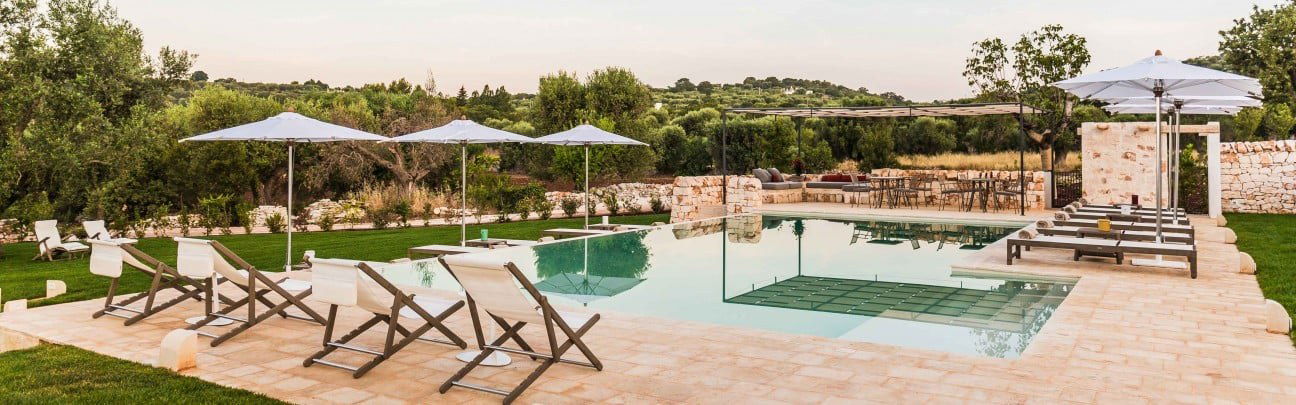
Charming and relaxing atmosphere with ancient stone walls, peaceful garden settings, and elegant restoration blending past authenticity with modern comfort.
Tags
Vibe
Best For
Experience
Amenities
View
About the Stay
- Rooms
- 14
- Check-in
- 15:00
- Check-out
- 12:00
- Property Type
- Boutique hotel
- Property Style
- Restored 19th Century Rural Village with Traditional Trulli Architecture
- Design Style
- Rustic Puglian with Conical Roofs, Dry Stone Walls, and Authentic Stone Elements
- Breakfast
- Included
- Airport Transfer
- Available
- Pool
- Yes
- Spa
- Yes
Know before you go
Know Before You Go
- Getting there
- Contrada Minetta, 20, 72014 Cisternino BR, Italy
Planning details
Location
Recognition and awards
Also consider
Also Consider
- Masseria Cervarolo, Notable alternative
- Masseria le Carrube, Notable alternative
- ostuni art resort, Notable alternative
- Ottolire Resort, Notable alternative
- Paragon 700 Boutique Hotel & SPA, Notable alternative
Hotel context
How It Compares
Borgo Canonica makes the clearest case for travelers who want a quiet Cisternino-area base with credible hotel recognition and easy booking pressure. Against Masseria Cervarolo and Masseria le Carrube, it is the safer pick when third-party selection matters more than chasing a more amenity-led masseria stay.
If the decision is value for money, compare live rates carefully with Ottolire Resort and ostuni art resort. Those are better cross-shops for travelers who are flexible on exact location and want to test whether the same budget buys a broader resort feel or a more design-led stay.
Paragon 700 Boutique Hotel & SPA is the better comparison for guests who want a more urban boutique-hotel mood and named spa positioning. Choose Borgo Canonica instead when the trip calls for a quieter countryside address and a lower-friction booking path.
Explore Cisternino
Around this place
Discover more on Pearl
Unlock the full Borgo Canonica guide in Pearl, including awards, comparisons, FAQs, planning details, and nearby places.
Compare Borgo Canonica
| Venue | Location | Awards |
|---|---|---|
| Borgo Canonica | Cisternino | 2026 Mr & Mrs Smith Luxury Hotels2025 Michelin Selected Hotels |
| Masseria Cervarolo | Ostuni | No published awards |
| Masseria le Carrube | Ostuni | No published awards |
| ostuni art resort | Ostuni | No published awards |
| Ottolire Resort | Locorotondo | 2026 Michelin 1 Key2025 Michelin 1 Key2024 Michelin 1 Key |
| Paragon 700 Boutique Hotel & SPA | Ostuni | 2026 Mr & Mrs Smith Luxury Hotels2026 La Liste Top Hotels2026 Michelin 1 Key2025 Michelin 1 Key2024 Michelin 1 Key |



How Borgo Canonica Cisternino compares with similar nearby venues.