
Poggio Piglia
Macciano, Chiusi
Hotel in Chiusi, Italy
 Book with Pearl
Why go
Poggio Piglia is a good Chiusi choice for travelers who want a quieter southern Tuscany base rather than a town-center stay. The value is strongest if the trip is built around countryside time, wineries, and low-friction day trips; look elsewhere if walkable restaurants and late-night options matter more.
About Poggio Piglia
Poggio Piglia is a Chiusi venue with a smart casual dress code and hotel recognition from the Mr & Mrs Smith Seal of Approval and MICHELIN Guide Hotels Selected. Use it as a candidate when you want a recognized stay in Chiusi, while confirming current practical details directly before booking.
The right guest here is someone who values a Chiusi base and is comfortable making decisions from booking terms rather than assumptions about facilities or services. Decisions should be based on current availability, room terms, and whether Chiusi fits the wider itinerary.
A Chiusi hotel for a measured stay, not a checklist stay
The appeal is the positioning. Chiusi can work as the anchor for a trip when travelers want one base rather than frequent moves. Readers comparing where to stay should start with Chiusi planning resources, then use our full Chiusi restaurants guide to decide how much of the trip will happen off property.
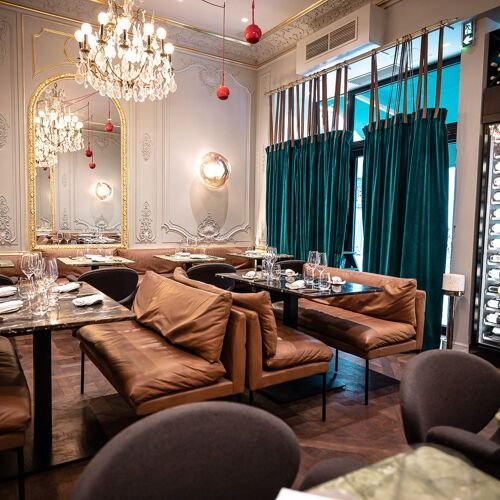
Dining expectations should stay measured unless current details from the venue are the reason for the stay. The smarter play is to treat meals as part of the wider Chiusi plan rather than assuming any one hotel will carry the whole food itinerary. For travelers who care about dining first, build the trip around confirmed reservations, then use Poggio Piglia as the base between them.
Value depends on how much you use the Chiusi base
Poggio Piglia is worth considering when a stay in Chiusi suits the trip. If the plan is mostly about settling into one base and moving at an easier pace, the value case is stronger. If the trip is mostly built around off-property plans, compare it carefully with other Chiusi options and current booking terms.
The hotel has recognition from both the Mr & Mrs Smith Seal of Approval and MICHELIN Guide Hotels Selected, which is the clearest trust signal here. That does not mean every traveler should choose it; it means the property has recognized hotel credentials. For someone comparing stays in Chiusi, that is enough reason to keep it on the shortlist.
Booking strategy: decide early if Chiusi is the right base
The decision should not be panic-driven. The better question is whether this kind of Chiusi stay matches the trip. Travelers who want a recognized base can consider it early, then shape meals and plans around Chiusi. Anyone with specific room, facility, or service needs should check those details before committing, as they are not specified.
Do not assume points or elite benefits will drive the stay. Compare the actual terms, room type, and cancellation flexibility, then choose the booking route that gives the better room confidence and fewer restrictions.
Planning details
- Location
- Frazione Macciano, Chiusi, Italy
- Website
- poggiopiglia.com/en/home
- Phone
- +39 0578 274286
The take
The Take
The Vibe
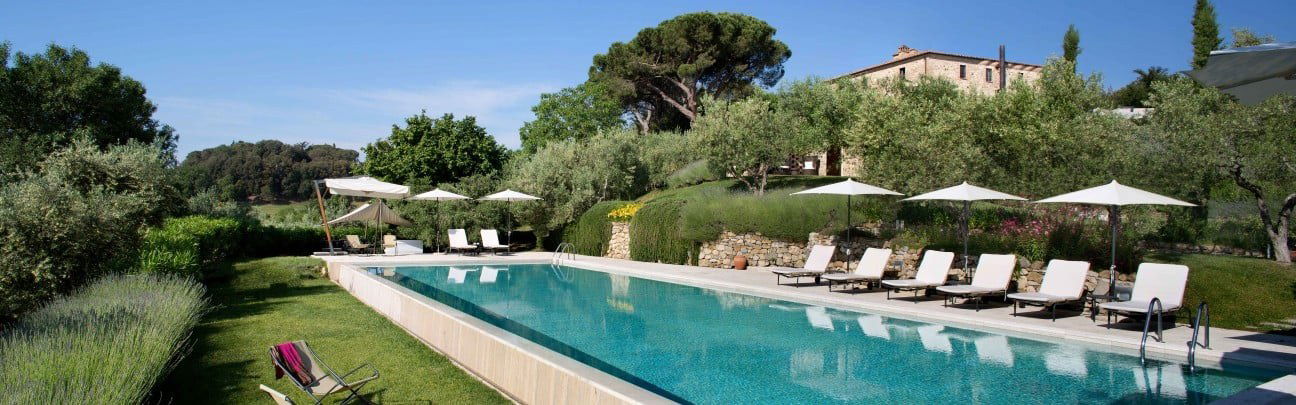
Poggio Piglia presents itself as a quietly historic Tuscan farmstead where stone walls, cypress rows, and open grain fields define the place more than curated vistas. The writing emphasizes silence and preservation—restorations that honor thermal, thick-walled construction and an agricultural logic rather than architectural grandstanding. That sensibility yields a serene, charming estate that feels rooted in working-land rhythms: a welcome counterpoint to more polished, touristed corners of Tuscany. The tone privileges authenticity and calm, so guests encounter an unforced elegance that grows out of place and history rather than theatrical refinement.
Best For
This property suits travelers who prize rural authenticity and quiet over high-gloss presentation. The description repeatedly foregrounds silence, agricultural character, and careful restoration, so it appeals to visitors seeking contemplative stays, architectural character, and an immersive sense of place. It is a good fit for those who prefer a working estate’s unbigoted charm to sculpted vineyards and formal resort trappings—guests who value atmosphere and the tactile qualities of stone, cypress, and open fields will find the stay particularly rewarding.
Stay Tips
Set expectations around landscape and pace before booking: Poggio Piglia sits on the flatter Val di Chiana plateau, with cypress rows and grain fields rather than manicured vineyard terraces. The property's Michelin Selected designation signals quality and character, but the copy stresses authenticity and quiet over urban formality or extensive built amenities. Book with the intention of experiencing a working estate—arrive ready to appreciate silence, historical architecture, and rural detail rather than resort-style programming or theatrical views.
Venue details
Ambiance
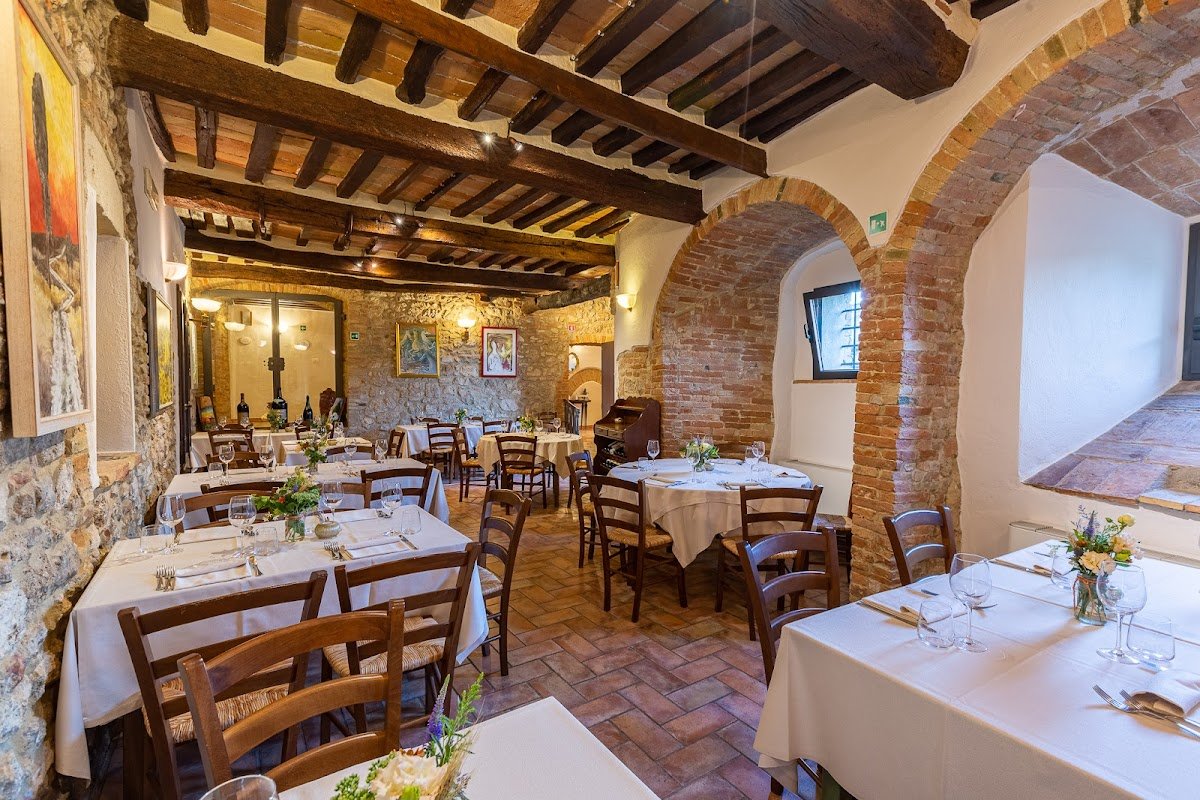
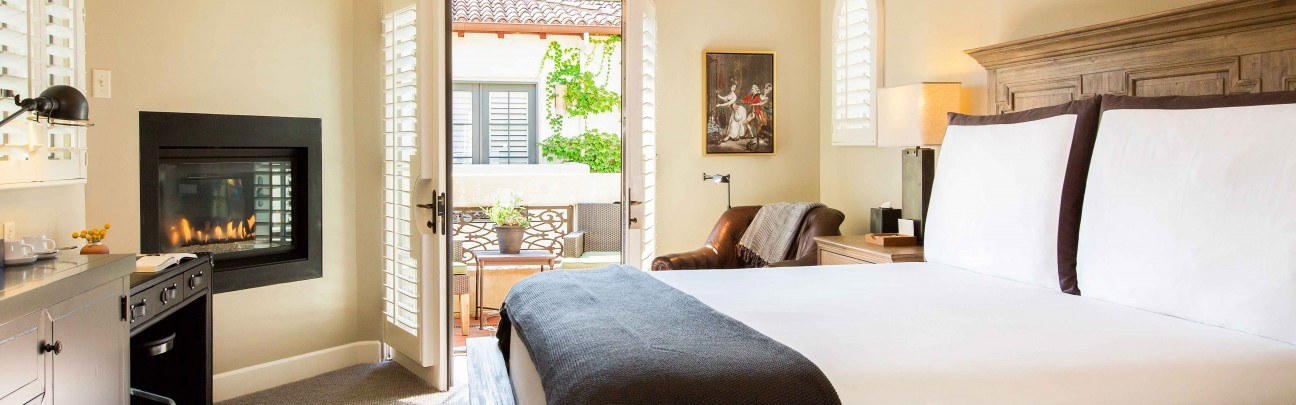
Warm, tranquil Tuscan countryside atmosphere with natural light, wood-beamed ceilings, stone walls, and panoramic views creating an intimate and relaxing retreat.
Tags
Vibe
Best For
Experience
Amenities
View
About the Stay
- Rooms
- 11
- Check-in
- 14:00
- Check-out
- 10:30
- Property Style
- Cultured Contemporary Tuscan Casale in Bucolic Countryside Setting
- Design Style
- Rustic Modern with Wood Beamed Ceilings, Natural Stone Walls, Wood Floors, and Contemporary Furnishings
Know before you go
Know Before You Go
- Getting there
- Frazione Macciano, Chiusi, Italy
Planning details
Location
Recognition and awards
Explore Chiusi
Around this place
Discover more on Pearl
Unlock the full Poggio Piglia guide in Pearl, including awards, comparisons, FAQs, planning details, and nearby places.
FAQ
Frequently Asked Questions
How is the dining at Poggio Piglia?
Treat dining here as part of a Chiusi hotel stay, not as a destination restaurant booking. The trust signals are the Mr & Mrs Smith Seal of Approval (2026) and MICHELIN Guide Hotels Selected (2025), which support the overall hotel choice in Chiusi. If dining is the main reason for the trip, compare the hotel against a dedicated restaurant plan instead.
Is Poggio Piglia family-friendly?
It does not specify family-room inventory, child-focused facilities, or other family-specific services. Families considering Poggio Piglia should check room layout and current on-property details before committing. The clearest signals are its Chiusi location, smart casual dress code, and hotel recognition from Mr & Mrs Smith and the MICHELIN Guide.
When is the best time to book Poggio Piglia?
Book when the rate, room type, and cancellation terms work for your Chiusi dates. There is no established specific booking window, seasonal pattern, or demand level, so planning should be based on current availability and the flexibility you need.
How does Poggio Piglia compare to nearby hotels?
Poggio Piglia makes sense when you want a Chiusi hotel with recognized hotel credentials from Mr & Mrs Smith and the MICHELIN Guide. Compare it with other Chiusi stays on practical factors such as room type, cancellation terms, and the kind of base you want for the trip. Choose it for the hotel recognition and fit with your itinerary, not for facilities or services that are not specified.