
RatiLanna Riverside Spa Resort
Chang Khlan, Chiang Mai
Hotel in Chiang Mai, Thailand
 Book with Pearl
The Read
Price
$100–200per night
Why go
A practical pick for travelers who want Chiang Mai with a calmer resort rhythm rather than a dense old-city base. RatiLanna Riverside Spa Resort suits couples, spa-led breaks, and slower family stays, with MICHELIN Guide Hotels Selected recognition for 2025 adding a useful trust signal. Choose it for space and reset time; look elsewhere if walk-everywhere convenience is the priority.
About RatiLanna Riverside Spa Resort
RatiLanna Riverside Spa Resort is a Chiang Mai property with limited details available in this profile. The confirmed basics are that it is in Chiang Mai, has a casual dress code, and is in the MICHELIN Guide Hotels Selected (2025).
The booking case should therefore stay simple.
A slower Chiang Mai base for celebration trips
The information supports only a broad read: RatiLanna Riverside Spa Resort is a Chiang Mai property with MICHELIN Guide Hotels Selected (2025) recognition. Details such as room categories, facilities, dining venues, service hours, and prices are not here.
For planning beyond the hotel, use our full Chiang Mai hotels guide, our full Chiang Mai restaurants guide, our full Chiang Mai bars guide, and our full Chiang Mai experiences guide to fill the rest of the itinerary without overloading the stay.
Know before you go
- Good for: travelers considering a Chiang Mai stay with MICHELIN Guide Hotels Selected (2025) recognition.
- Less ideal for: travelers who need detailed information on facilities, dining, loyalty benefits, or transport before deciding.
- Location read: the location should be treated simply as Chiang Mai.
- Dress code: casual.
The strongest reasons to keep RatiLanna Riverside Spa Resort on the shortlist are its Chiang Mai location, casual dress code, and MICHELIN Guide Hotels Selected (2025) recognition. Book it when that broad profile fits the trip; research further if you need confirmed specifics before committing.
Planning details
- Location
- 33 Changklan Road, Pa Daet, Mueang Chiang Mai, Chiang Mai, Thailand
- Phone
- +66(0) 53 999 333
The take
The Take
The Vibe
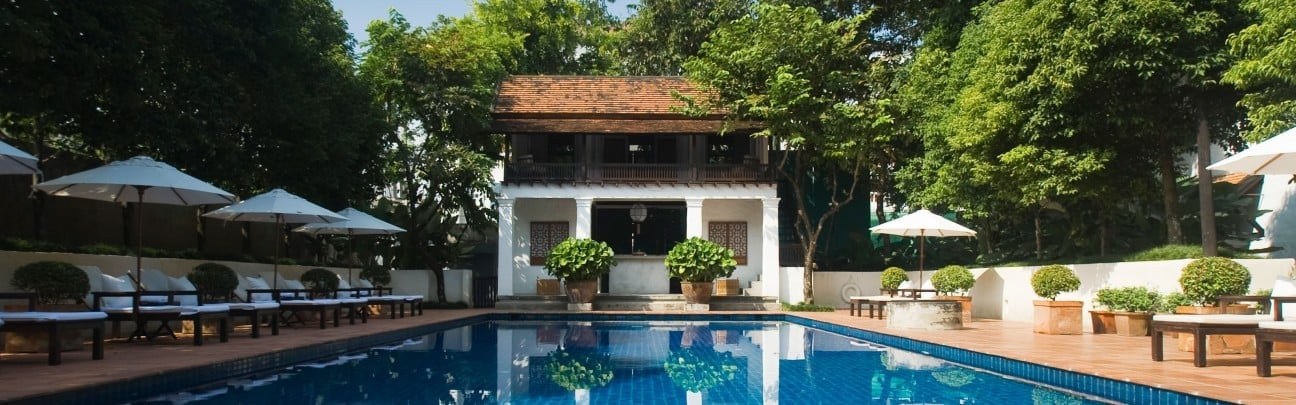
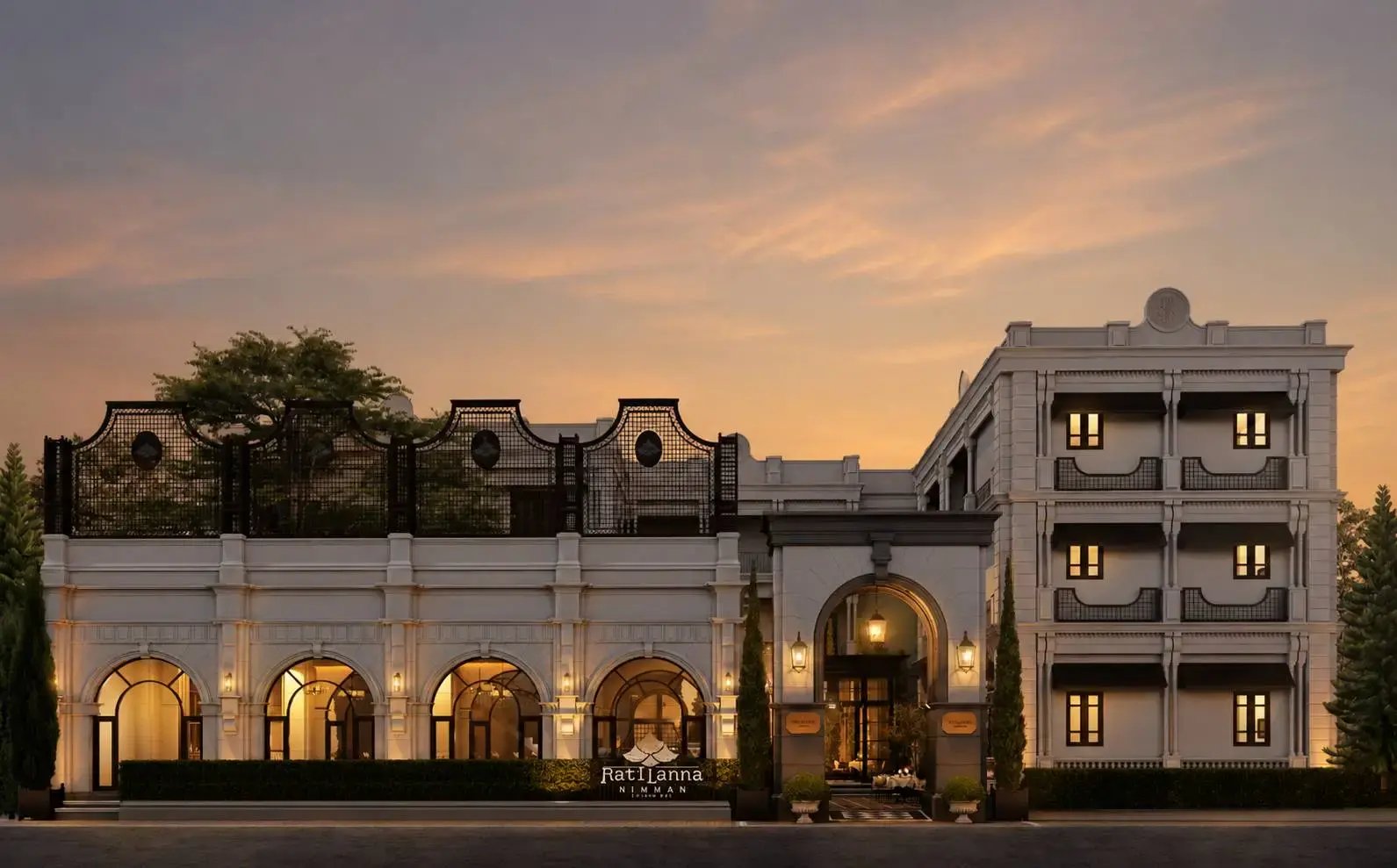
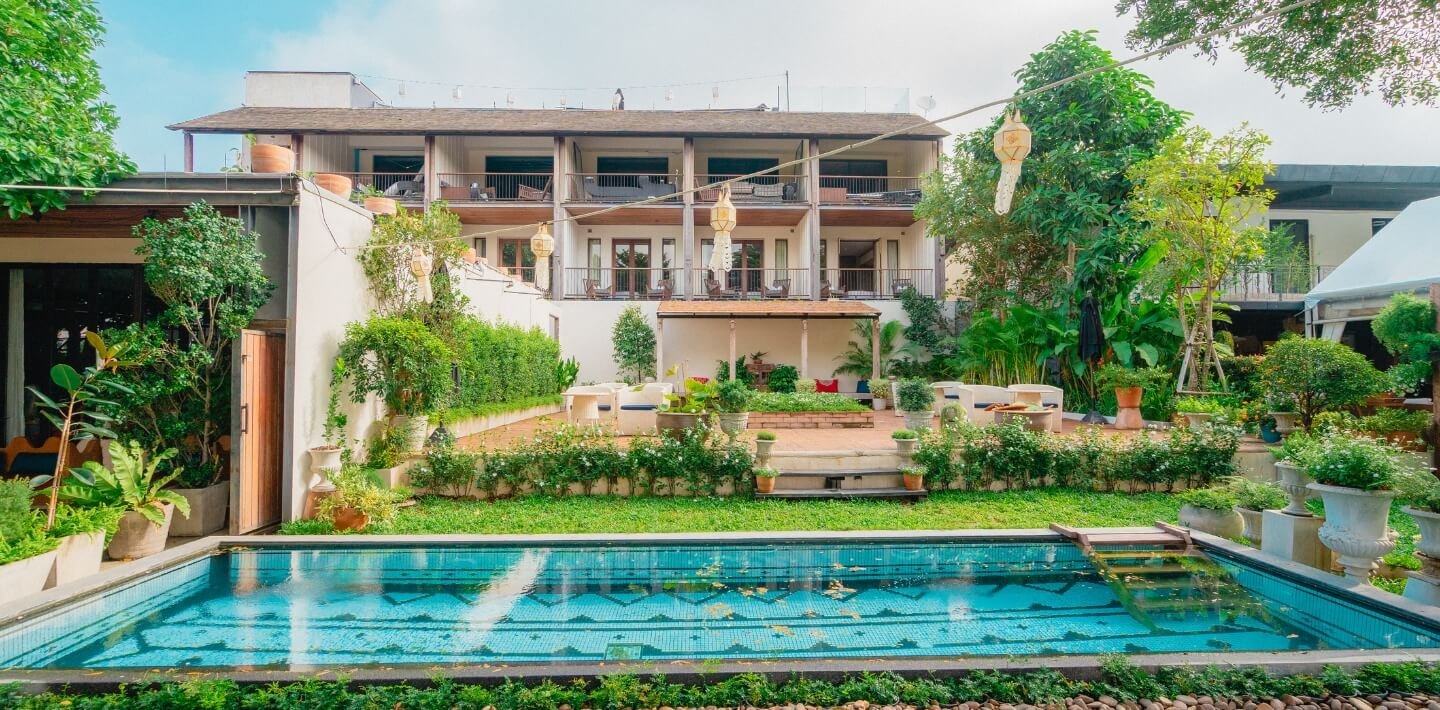
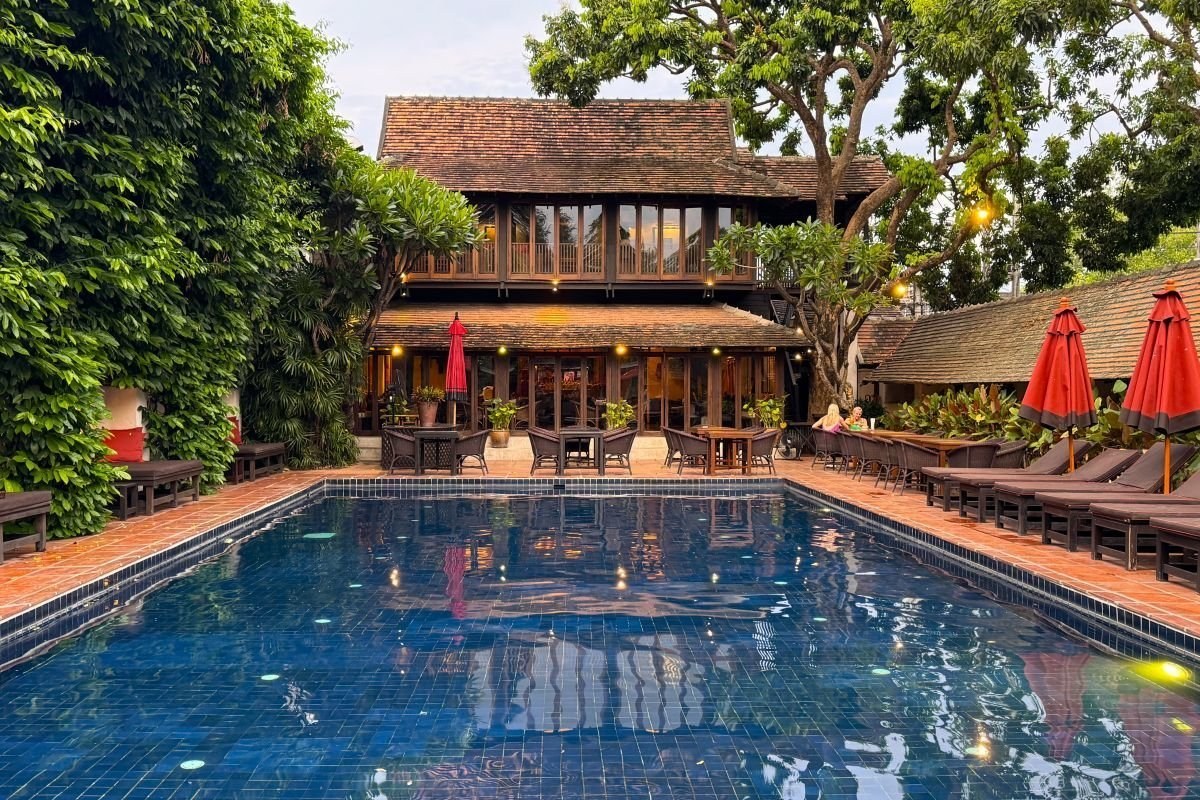
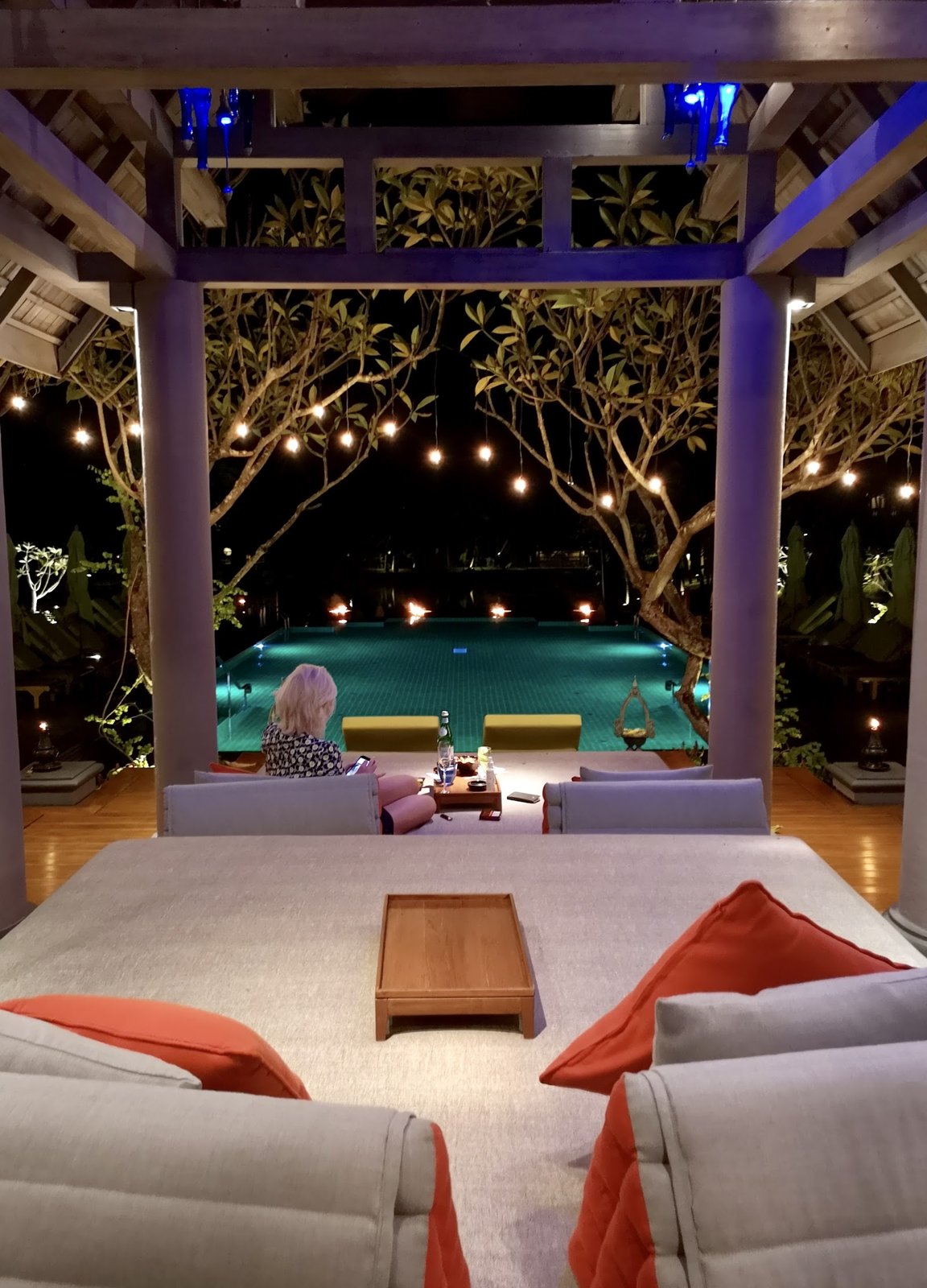
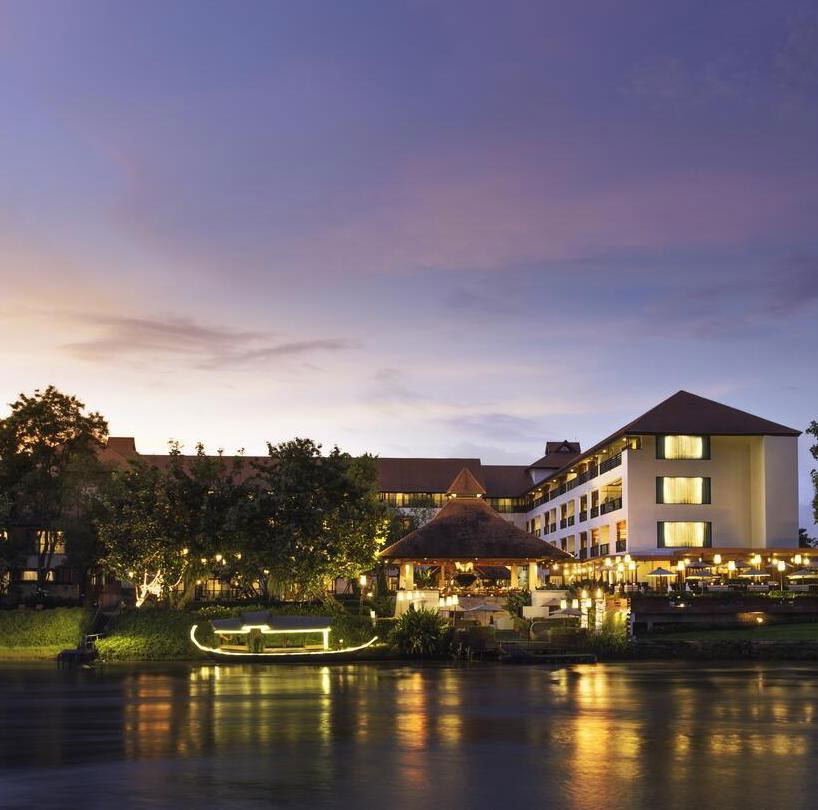
RatiLanna Riverside Spa Resort leans on Northern Thailand’s Lanna architectural language to shape a quietly distinguished stay. Low-slung buildings with steep rooflines, dark teak detailing and covered walkways prioritize shade, cross-ventilation and a close relationship with the Ping River bank rather than vertical theatrics. The compound’s river orientation and traditional materials create a composed, characterful atmosphere that feels both rooted and restorative. Public spaces read as deliberately scaled and gardened, and the overall effect is one of serene, classical Thai hospitality that favors craftsmanship and environmental responsiveness over conspicuous modernity.
Best For
This resort suits travelers seeking a restful, design-forward riverside escape. Its spa focus and water-facing orientation make it a natural fit for wellness-minded guests and couples on romantic getaways, while the separated, shaded compound also works well for families who want quieter riverfront grounds away from busy city streets. The property’s emphasis on Lanna architecture and low-rise layouts appeals to guests who prefer atmospheric, characterful hotels rather than large branded resorts: ideal for anniversaries, wellness retreats, and leisurely stays where the river and relaxed pace are central.
Stay Tips
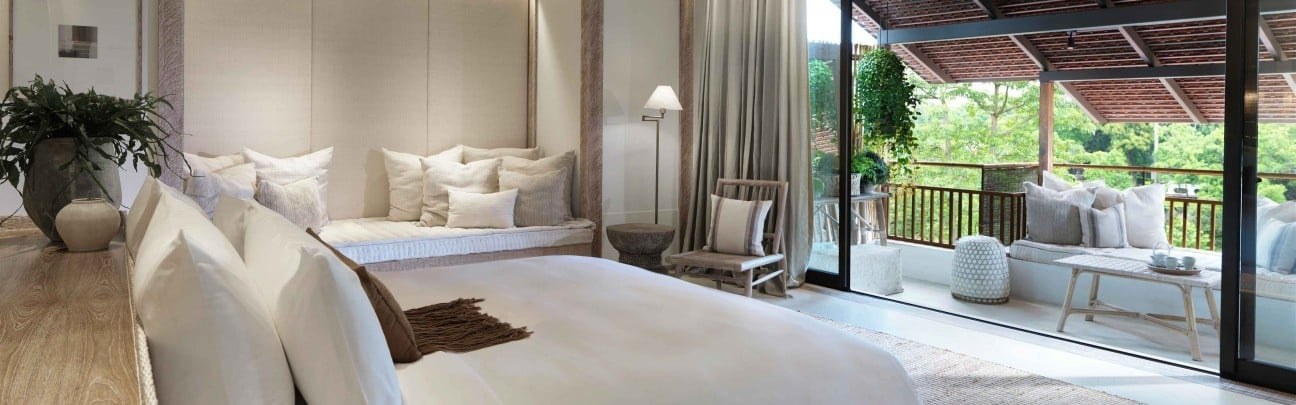
When booking, prioritize accommodations and timing that maximize the river setting: request a room or suite with a river-facing aspect since the property’s primary orientation is toward the Ping River. Expect low-profile buildings and shaded walkways rather than a towering hotel silhouette: rooms and public areas are designed for cross-ventilation and a close connection to the grounds. Given the resort’s spa focus and character-led positioning, plan treatments or downtime into your itinerary to fully experience the relaxation and riverside tranquility the property emphasizes.
Venue details
Ambiance
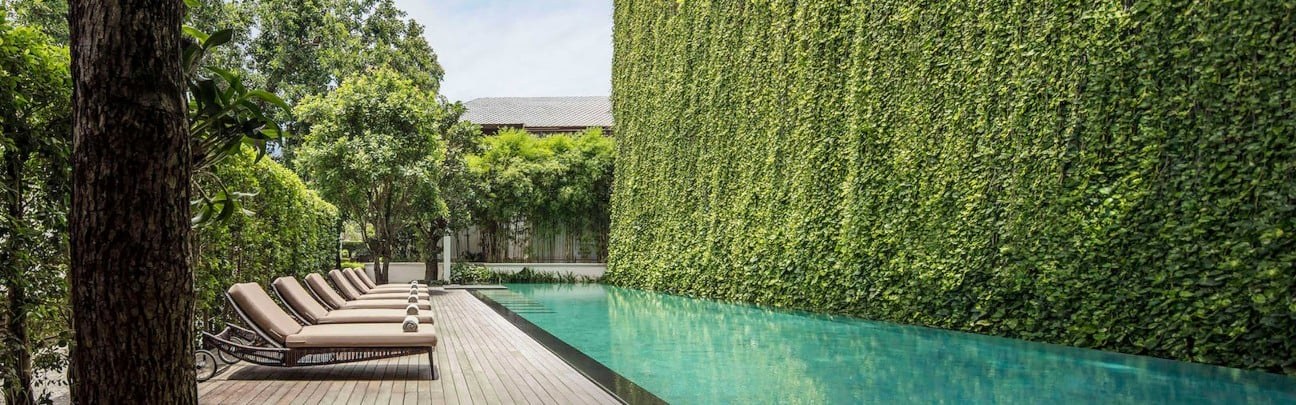
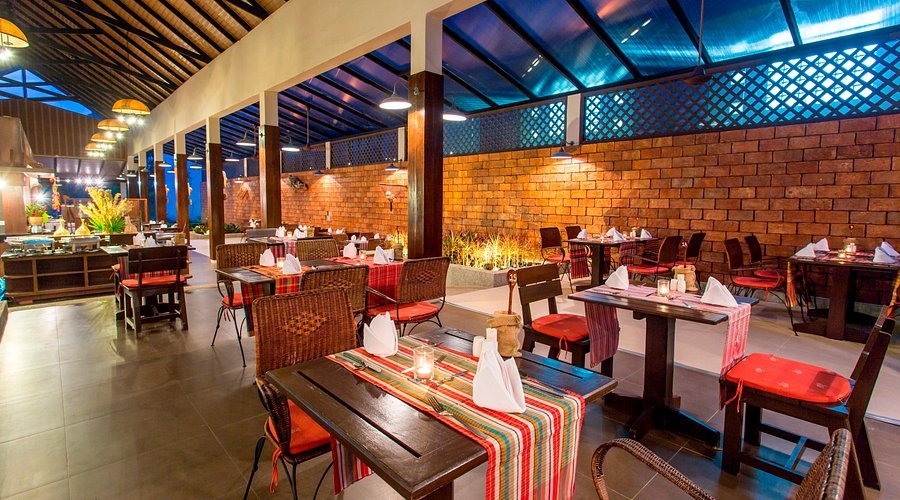
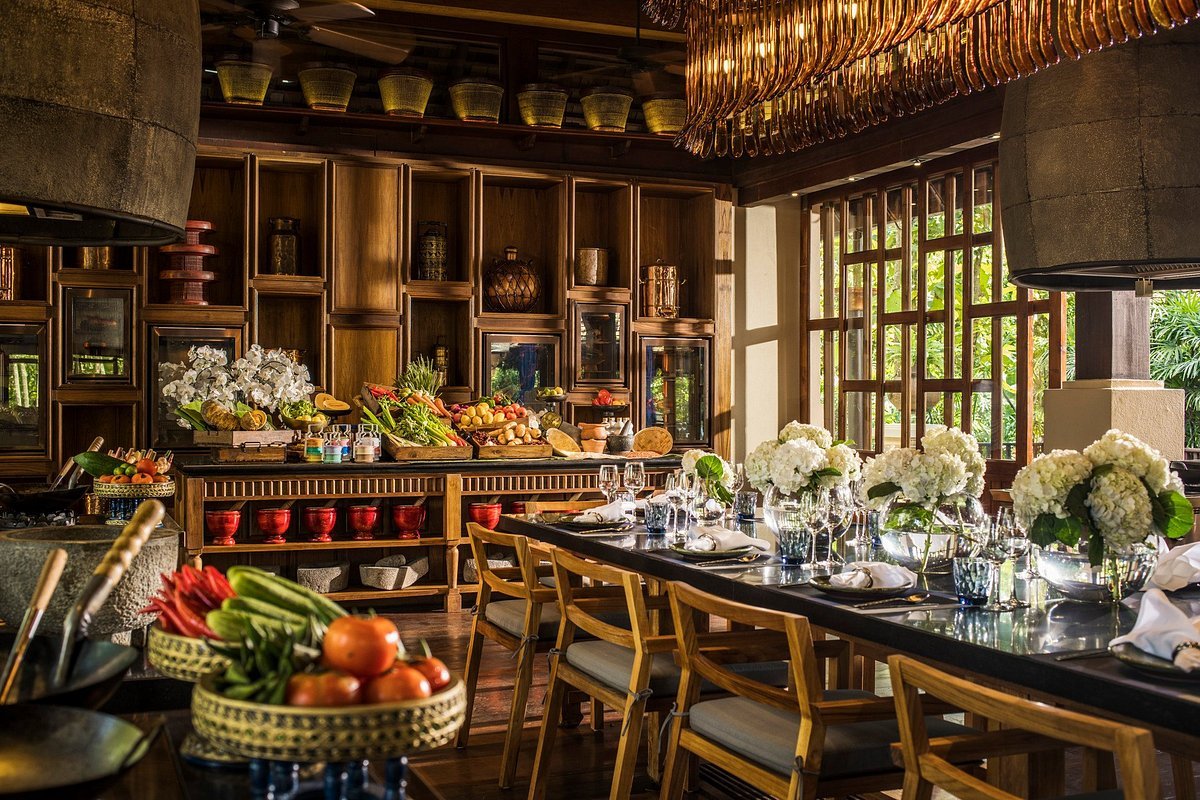
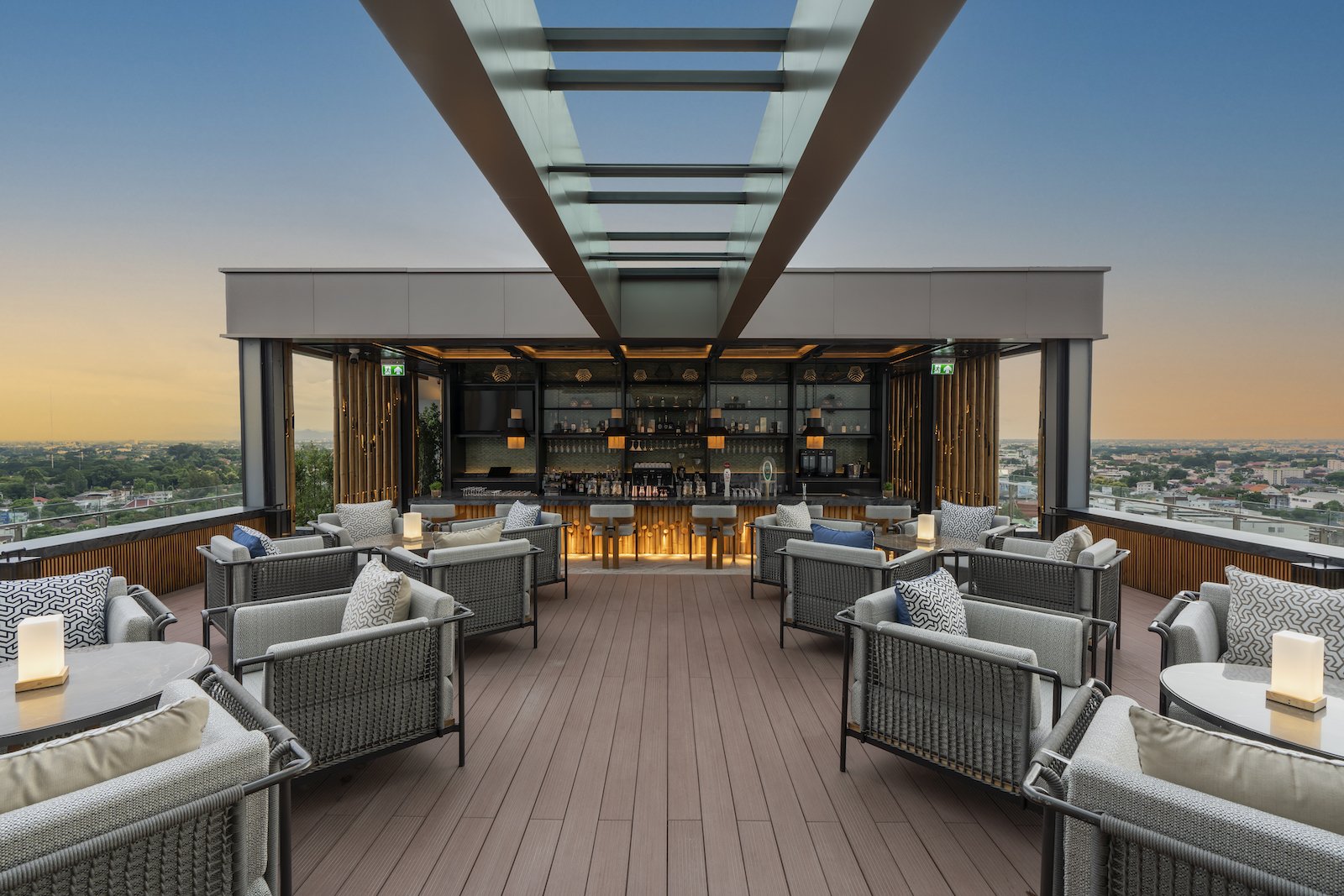
Serene and tranquil with lush tropical gardens, traditional Thai woodwork, and peaceful riverside setting creating an oasis-like atmosphere ideal for relaxation and rejuvenation.
Tags
Vibe
Best For
Experience
Amenities
View
Accessibility
About the Stay
- Rooms
- 107
- Check-in
- 14:00
- Property Type
- Boutique hotel
- Property Style
- Contemporary Northern Thai Luxury Resort Blending Traditional Lanna Architectural Heritage with Modern Design and Amenities.
- Design Style
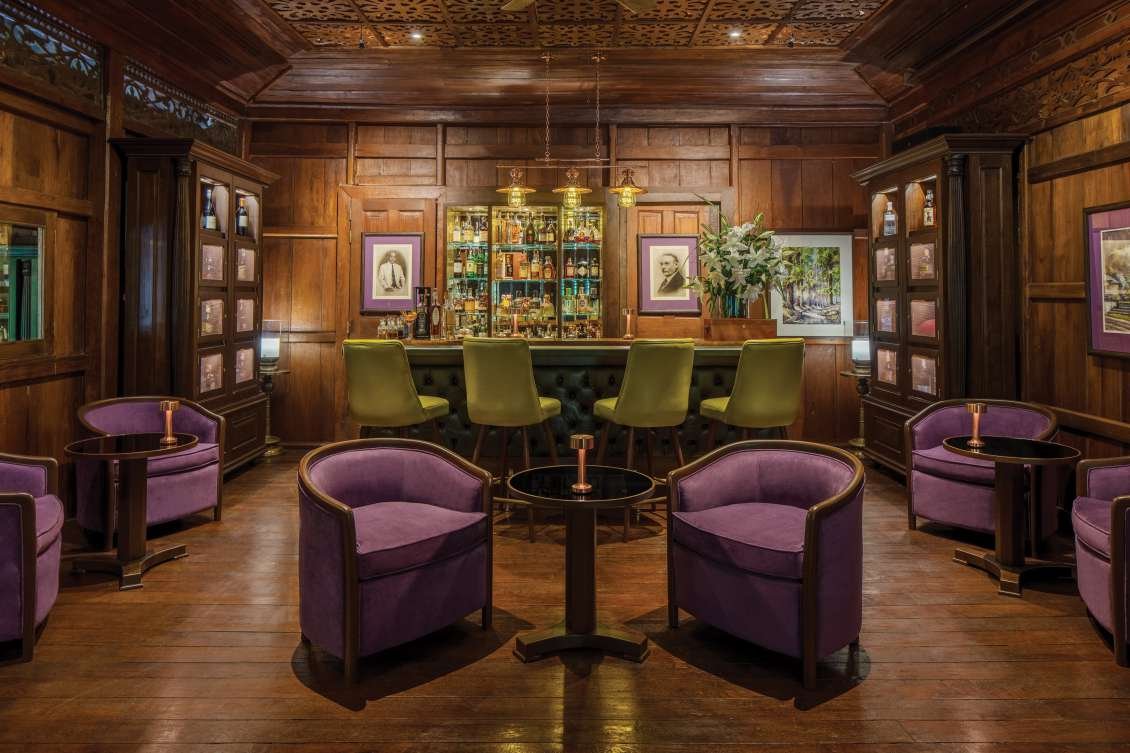
- Traditional Lanna with Intricate Woodwork, Thai Décor, Wooden Furnishings, and Contemporary Elements Creating an Elegant Fusion of Cultural Authenticity and Modern Comfort.
- Breakfast
- Included
- Airport Transfer
- Available
- Pool
- Yes
- Spa
- Yes
- Families
- Welcome
- Cancellation
- Moderate
Know before you go
Know Before You Go
- Getting there
- 33 Changklan Road, Pa Daet, Mueang Chiang Mai, Chiang Mai, Thailand
Planning details
Location
33 Changklan Road, Pa Daet, Mueang Chiang Mai, Chiang Mai, Thailand · Directions
Recognition and awards
Explore Chiang Mai
Around this place
Discover more on Pearl
Unlock the full RatiLanna Riverside Spa Resort guide in Pearl, including awards, comparisons, FAQs, planning details, and nearby places.
FAQ
Frequently Asked Questions
Which room category is best at RatiLanna Riverside Spa Resort?
Compare the current room descriptions on the venue's official channels and choose based on the details that are actually listed for your dates. The property is in Chiang Mai and has MICHELIN Guide Hotels Selected (2025) recognition.
Do loyalty programs work at RatiLanna Riverside Spa Resort?
Do not count on points, elite perks, or loyalty value as the main reason to stay here unless the venue or booking channel confirms them for your reservation. The clearer trust signal is MICHELIN Guide Hotels Selected (2025).