

Hotel in Châteauneuf-du-Pape, France
Hostellerie Château des Fines Roches
150Pearl PointsChâteau Stay Verdict

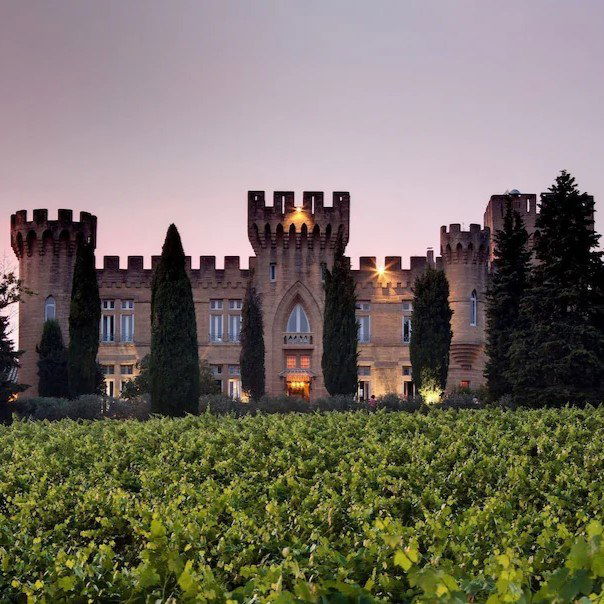
About Hostellerie Château des Fines Roches
Book Hostellerie Château des Fines Roches if the goal is a wine-country base with a château setting in Châteauneuf-du-Pape. The value is strongest when the building, village access, and Rhône Valley atmosphere matter more than a broad resort checklist. Compare seasonal rates before peak dates.
Should you stay at Hostellerie Château des Fines Roches in Châteauneuf-du-Pape? Consider it if you want a hotel in Châteauneuf-du-Pape with a clearly confirmed external recognition signal. The verified details are limited, so the safest way to evaluate it is to confirm the current room, rate, dining, and facility information directly before booking.
The confirmed practical note is that the dress code is smart casual. Beyond that, this page does not verify specific amenities, room categories, dining formats, prices, hours, or services. Treat any stay decision as a fit check: does the location in Châteauneuf-du-Pape and the confirmed recognition matter enough for your trip, or do you need more detailed guarantees before committing?
Choose it for a confirmed Châteauneuf-du-Pape hotel shortlist
The strongest verified trust signal is that Hostellerie Château des Fines Roches is selected by the MICHELIN Guide Hotels list for 2025. That recognition is useful when narrowing a Châteauneuf-du-Pape hotel shortlist, but it should not replace checking the latest official details on rates, room types, inclusions, and policies.
Because no verified price, amenity list, dining format, room count, or service schedule is available here, avoid building the booking around assumptions. If you need a particular setup, ask the hotel directly before reserving. If your plans are flexible, compare the confirmed essentials rather than relying on unverified claims.
First-timers should anchor the trip here, then compare other relevant options
For readers still building the itinerary, start with Châteauneuf-du-Pape hotels research, then layer in Our full Châteauneuf-du-Pape restaurants guide and other current planning resources. That gives a better read on whether Hostellerie Château des Fines Roches fits the trip or whether another base would be more practical.
If the trip is part of a broader shortlist, compare Hostellerie Château des Fines Roches with other relevant options such as Auberge de Cassagne, La Suite, Le Prieuré, Le Prieuré Baumanière, and Mas de Capelou. Use those comparisons to clarify what matters most: location, current availability, confirmed services, or the overall style of stay.
The practical verdict: choose Hostellerie Château des Fines Roches if a Châteauneuf-du-Pape stay with MICHELIN Guide Hotels Selected 2025 recognition is the key requirement. Skip it, or keep comparing, if you need verified details on specific amenities, dining, room categories, or service offerings before booking.
- Auberge de Cassagne
- Hostellerie Château des Fines Roches
- La Suite
- Le Prieuré
- Le Prieuré Baumanière
- Mas de Capelou
Frequently Asked Questions
When is the best time to book Hostellerie Château des Fines Roches?
No verified booking window is available here. If Hostellerie Château des Fines Roches is a priority for your Châteauneuf-du-Pape stay, check current availability and policies directly before making plans. The confirmed recognition is MICHELIN Guide Hotels Selected 2025.
Do loyalty programs work at Hostellerie Château des Fines Roches?
No verified loyalty-program detail is available here. Do not choose this stay for points value unless the hotel or booking channel confirms it directly. The confirmed details are its Châteauneuf-du-Pape location, smart-casual dress code, and MICHELIN Guide Hotels Selected 2025 recognition.
How does Hostellerie Château des Fines Roches compare to other hotels?
Use Hostellerie Château des Fines Roches as a Châteauneuf-du-Pape option with MICHELIN Guide Hotels Selected 2025 recognition, then compare current details with Auberge de Cassagne, La Suite, Le Prieuré, Le Prieuré Baumanière, and Mas de Capelou. Confirm location, availability, services, and policies directly for each property before deciding.
Which room category is best at Hostellerie Château des Fines Roches?
No verified room categories are available here. Ask the hotel directly about current room types, views, accessibility, bedding, and noise considerations before booking. The verified location detail is Châteauneuf-du-Pape.
Is Hostellerie Château des Fines Roches family-friendly?
No verified family-policy or room-layout detail is available here. If you are traveling with children, confirm occupancy rules, bedding, facilities, and any relevant policies directly with the hotel before booking.
How is the pool and spa at Hostellerie Château des Fines Roches?
No verified pool or spa details are available here. If those facilities are important to your trip, confirm the current offering directly with Hostellerie Château des Fines Roches before booking.
How is the dining at Hostellerie Château des Fines Roches?
No verified dining format, cuisine, menu, price, or service schedule is available here. The confirmed dress code is smart casual. For current dining details, check the venue's official channels before planning around a meal there.
Location
1901 Rte de Sorgues, 84230 Châteauneuf-du-Pape, France
Compare Hostellerie Château des Fines Roches
| Venue |
|---|
| Hostellerie Château des Fines Roches |
| Mas de Capelou |
| Auberge de Cassagne |
| La Suite |
| Le Prieuré Baumanière |
| Le Prieuré |
Key differences to consider before you reserve.
Also Consider
- Mas de Capelou, Notable alternative
- Auberge de Cassagne, Notable alternative
- La Suite, Notable alternative
- Le Prieuré Baumanière, Notable alternative
- Le Prieuré, Notable alternative
How it compares in and around Châteauneuf-du-Pape
Hostellerie Château des Fines Roches is the pick when ambiance is the deciding factor: it gives a stronger château-and-wine-region signal than Mas de Capelou or La Suite. Choose those instead if the brief is simpler lodging or a quieter, less formal-feeling base rather than a stay built around the setting.
Auberge de Cassagne is the better cross-shop for travelers who want a broader hotel experience outside the village rhythm, while Hostellerie Château des Fines Roches makes more sense for first-timers who want Châteauneuf-du-Pape itself to shape the stay. Booking should be easier here than at properties that depend on a smaller destination-hotel audience, but seasonal wine travel can still shift the rate-to-experience equation.
Le Prieuré Baumanière and Le Prieuré are the alternatives to check if the priority is a more polished Provence escape rather than direct Châteauneuf-du-Pape positioning. For value, pick the hotel whose location matches the actual itinerary: vineyard days favor Hostellerie Château des Fines Roches; a broader Avignon-Provence plan may favor the Prieuré options.
Recognized By

Explore Châteauneuf-du-Pape
Save or rate Hostellerie Château des Fines Roches on Pearl
Keep this venue in your Pearl passport, rate it after you visit, and track it alongside every other place you collect.