

La Bonne Étape
Château-Arnoux-Saint-Auban
Hotel in Château-Arnoux-Saint-Auban, France
 Book with Pearl
The Read
Fourth-Generation Provençal Table
Why go
La Bonne Étape is worth considering if Château-Arnoux-Saint-Auban works as a Haute-Provence base rather than a one-night convenience stop. The pull is its recognized country-house positioning, but confirm room type, meal plans, and seasonal logistics before committing, especially if comparing it with more view-led or spa-led Provence stays.
About La Bonne Étape
La Bonne Étape is a venue in Château-Arnoux-Saint-Auban with recognition from Michelin 1 Key in 2024 and a Relais Chateaux Award in 2026. For travelers considering it as part of an itinerary, those distinctions are good reasons to keep it on the shortlist.
Before booking, confirm the practical points directly with the venue. Room details, meal arrangements, cancellation terms, seasonal operations, and other stay-specific services should be checked through the venue's official channels rather than assumed.
Choose this for its recognition, then check the details
The strongest case for La Bonne Étape is its recognition: Michelin 1 Key in 2024 and a Relais Chateaux Award in 2026. The dress code is smart casual.
If a trip depends on a particular room type, dining format, amenity, dietary accommodation, or service schedule, confirm it before committing to dates.
How to decide if the venue earns the detour
For a trip that includes Château-Arnoux-Saint-Auban, La Bonne Étape is worth considering when recognition matters in the decision. If the itinerary depends on another part of the region, compare it with other named options without assuming they serve the same purpose or sit in the same city.
Start with the Château-Arnoux-Saint-Auban hotels guide if lodging is the main decision. If the stay is being built around meals, also check the Château-Arnoux-Saint-Auban restaurants guide. For other planning needs, check current details directly with the venue before relying on them.
Inside La Bonne Étape
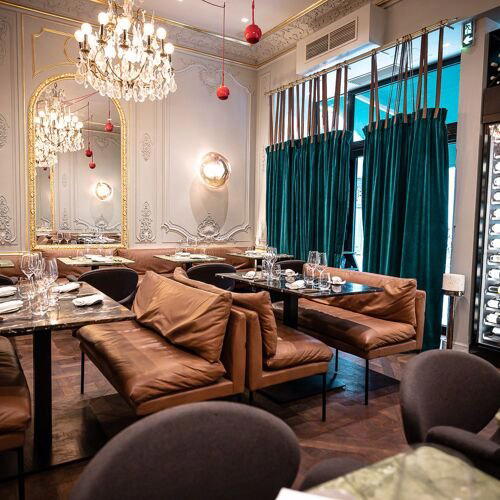 restaurantBistro GabyA Michelin Plate-recognised bistro on Château-Arnoux-Saint-Auban's central avenue, Bistro Gaby anchors itself firmly in Provençal tradition, drawing on the ingredients and flavour logic of the Haute-Provence interior. At the €€ price point, it occupies the accessible end of a town that also houses one of France's most storied regional tables, making it a sensible first or second stop for anyone spending time in the Durance valley.
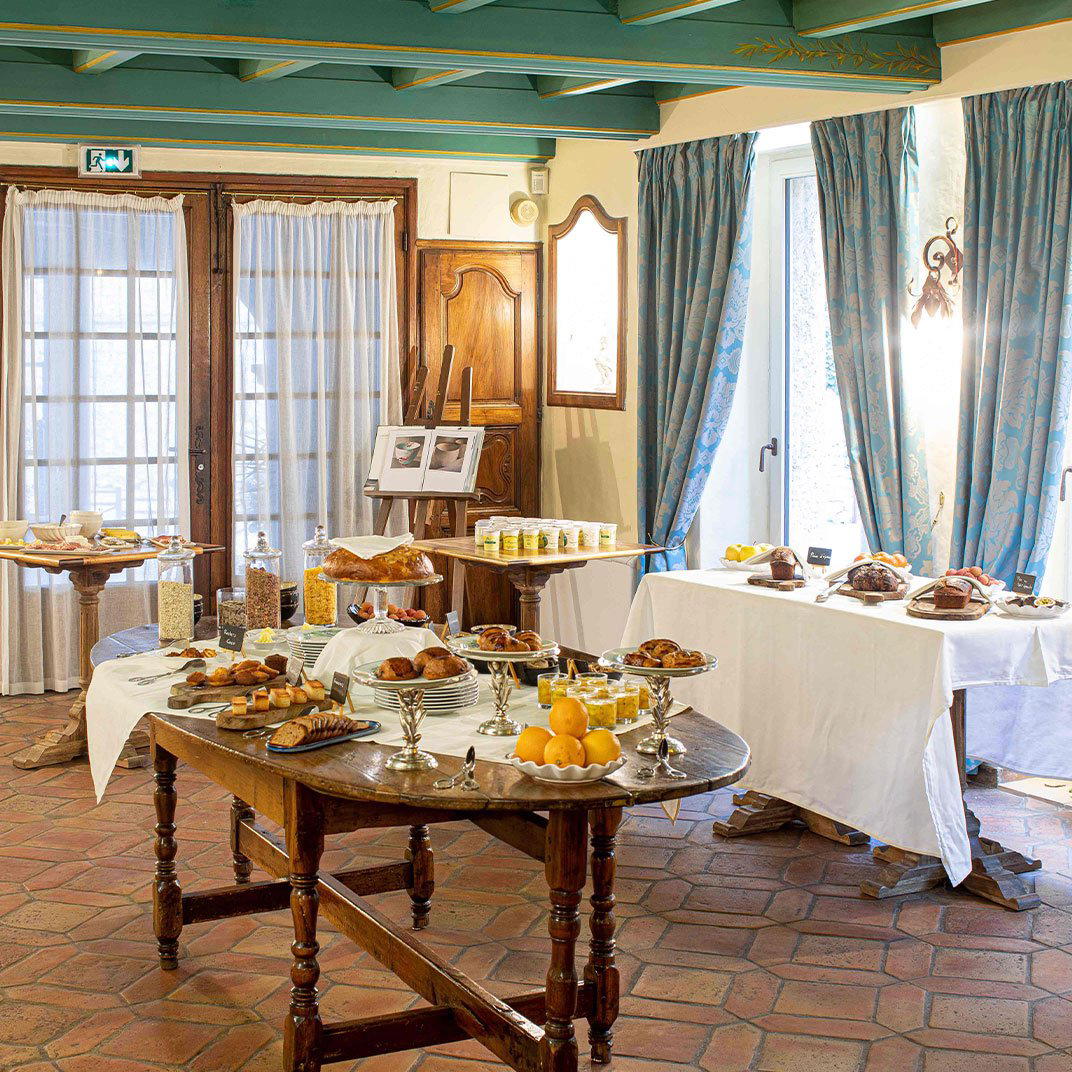 restaurantLa Bonne ÉtapeA Michelin-starred coaching inn dating to the 18th century, La Bonne Étape has been in the Gleize family for four generations and sits at the serious end of Provençal dining in the Alpes-de-Haute-Provence. The 2.5-acre organic kitchen garden sets the produce agenda, and the €€€€ price point positions it firmly within France's destination-restaurant tier rather than its village-restaurant circuit.
Planning details
- Location
- Chem. du Lac, 04160 Château-Arnoux-Saint-Auban
- Website
- bonneetape.com
- Phone
- +33 4 92 64 00 09
The take
The Take
The Vibe
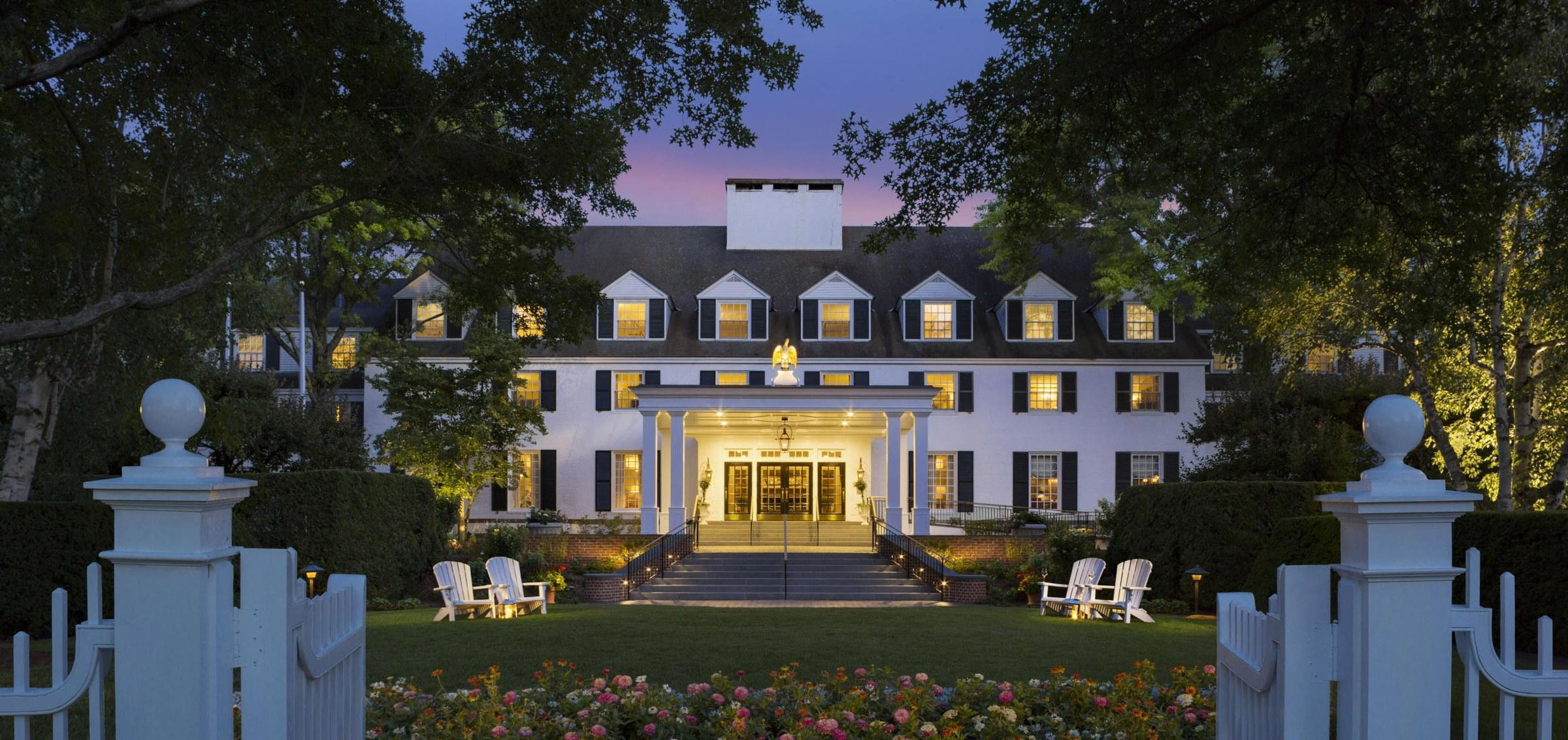
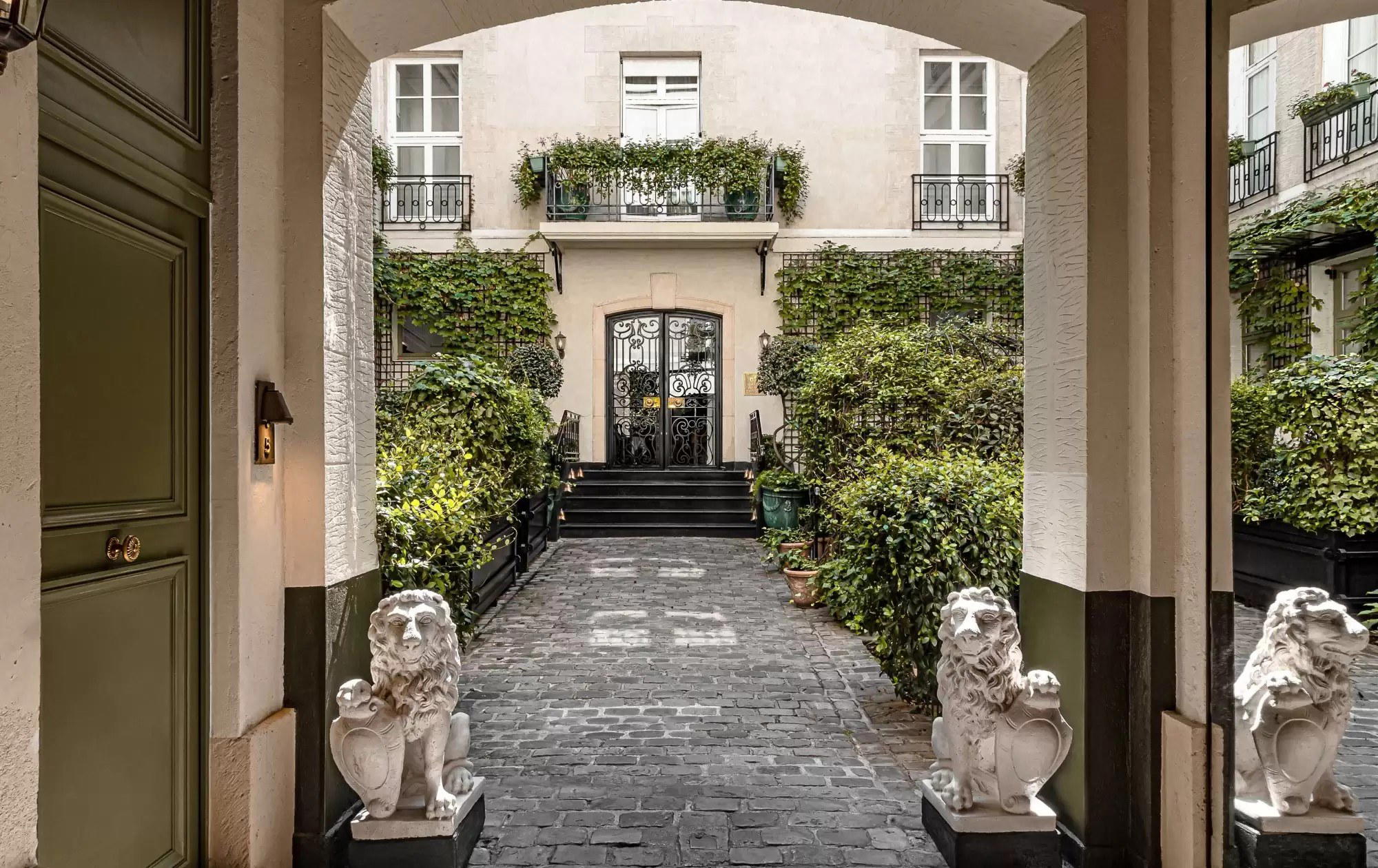
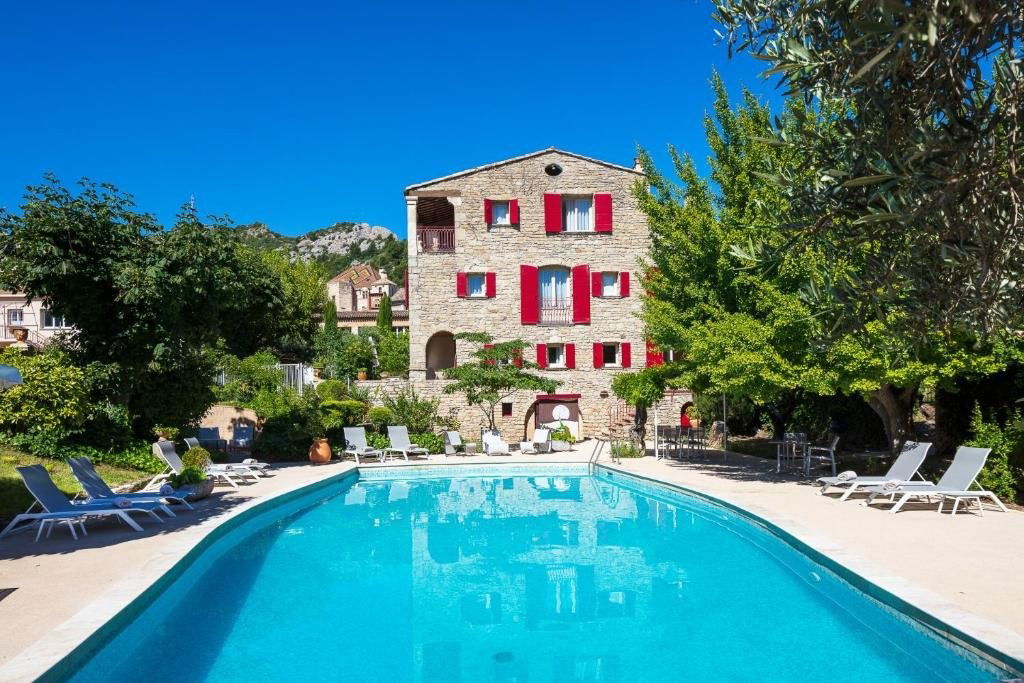
La Bonne Étape feels rooted in its era: an 18th-century post house whose thick stone walls, courtyard plan and sustained family ownership lend the place an authentic historic personality. The interiors balance traditional Provençal proportions with selective contemporary furniture, so rooms feel lived-in rather than staged. Balconies and terraces look out over cultivated garden spaces while Haute‑Provence peaks and lavender fields frame the distance, reinforcing a calm, pastoral mood. The result is a quietly charming, gently elegant refuge that foregrounds architecture and landscape as much as modern comforts.
Best For
This is a hotel for travelers seeking a peaceful Provençal escape—a romantic stay, anniversary weekend or a quiet country weekend away from the Riviera crowds. With just 18 rooms and suites, the property favors intimacy and low-key privacy, so couples and small parties who value history, gardens and mountain views find it especially appealing. Its location in the Durance valley also makes it a good base for exploring Haute‑Provence’s villages and fields of lavender while returning each day to a serene, family‑run inn.
Stay Tips
Book early and be specific about room preferences: the hotel has only 18 rooms and suites, and the description highlights junior suites that open onto balconies or terraces facing the gardens, so request a garden‑facing room if that view matters. Note the location is an hour north of Aix‑en‑Provence and well clear of the Riviera, so plan transportation in advance. Treat the property as a small, family‑run coaching inn—clear requests about preferred room types and arrival logistics help ensure a smooth stay.
Venue details
Ambiance
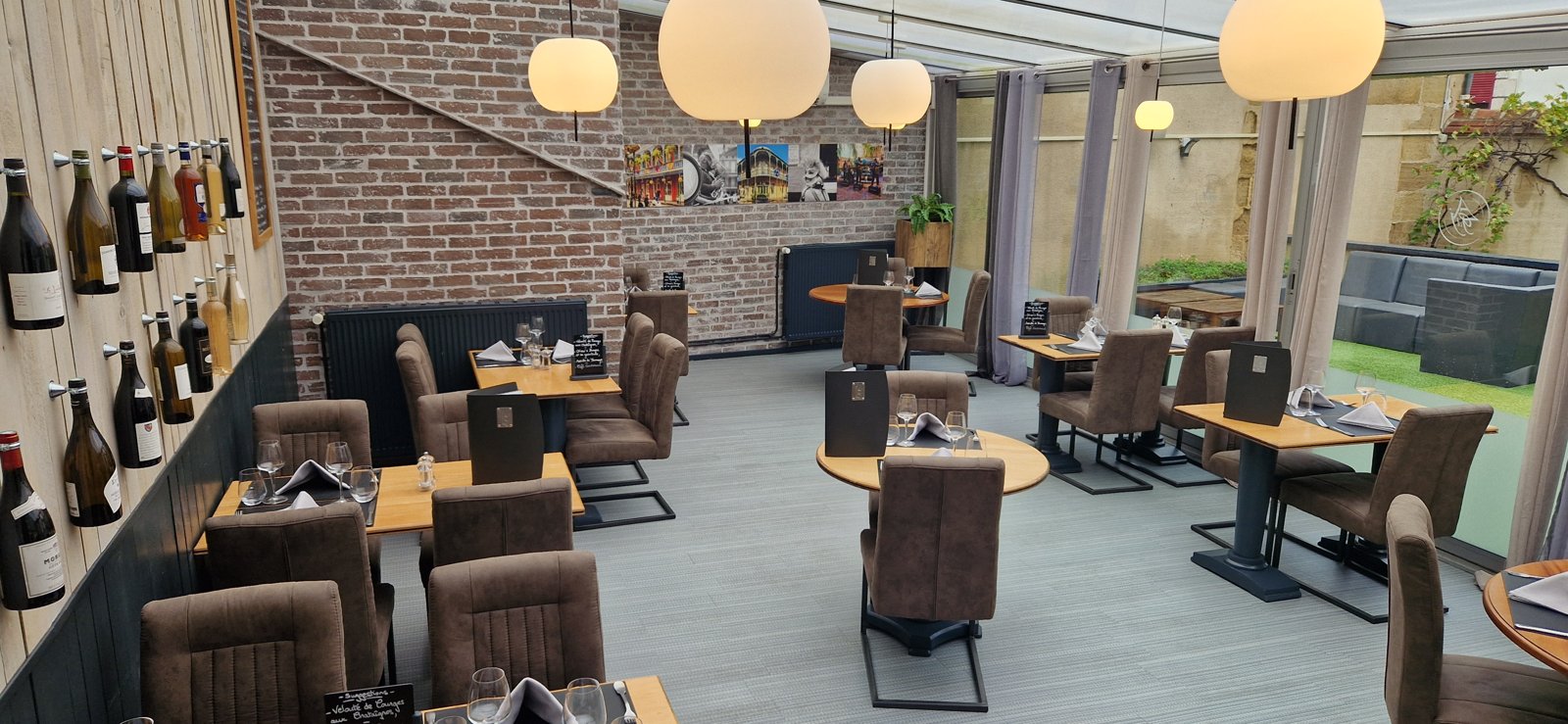
Elegant and charming with a bygone era feel, featuring pretty gardens, attentive service, and a relaxing poolside atmosphere.
Tags
Vibe
Best For
Experience
Amenities
View
Accessibility
About the Stay
- Rooms
- 0
- Check-in
- 16:00
- Check-out
- 11:00
- Property Type
- Heritage hotel
- Property Style
- 18th Century Provençal Coaching Inn with Beautiful Gardens and Pool
- Design Style
- Classic Provençal Elegance with Modern Comforts
- Pool
- Yes
- Spa
- Yes
- Pets
- Allowed
- Families
- Welcome
Know before you go
Know Before You Go
- Getting there
- Chem. du Lac, 04160 Château-Arnoux-Saint-Auban
Planning details
Location
Recognition and awards

Also consider
Also Consider
- Le Couvent des Minimes, Un Hôtel & Spa L'Occitane en Provence, Notable alternative
- La Bastide de Moustiers, Notable alternative
- Hotel des Gorges du Verdon, Notable alternative
- Domaine des Andeols, Notable alternative
- Le Pavillon de Galon, Notable alternative
Hotel context
How it compares with nearby Provence stays
Choose La Bonne Étape if the priority is a recognized country-house stop in Haute-Provence with a quieter base than the higher-profile village and gorge hotels. La Bastide de Moustiers is the stronger cross-shop for travelers who want the Moustiers setting to define the trip, while Hotel des Gorges du Verdon makes more sense when the view and outdoor itinerary matter more than the hotel's own hospitality pedigree.
For a spa-led Provence stay, Le Couvent des Minimes, Un Hôtel & Spa L'Occitane en Provence is the cleaner fit; it is likely the better choice for travelers who want the property to feel like a wellness destination. Domaine des Andeols should be on the list for a more design-forward countryside stay, especially if the room style matters as much as the surrounding region.
If value and a smaller-scale atmosphere are the deciding factors, compare carefully with Le Pavillon de Galon. La Bonne Étape is the safer choice when external recognition and a more established hospitality frame matter; the peers are better bets when the trip needs a clearer single focus, such as spa time, gorge access, village immersion, or design.
Explore Château-Arnoux-Saint-Auban
Around this place
Discover more on Pearl
Unlock the full La Bonne Étape guide in Pearl, including awards, comparisons, FAQs, planning details, and nearby places.
Compare La Bonne Étape
| Venue | Location | Awards |
|---|---|---|
| La Bonne Étape | Château-Arnoux-Saint-Auban | 2026 Relais Chateaux Hotels2026 Michelin 1 KeyMichelin 1 Key 20252025 Relais Chateaux Award2025 Michelin 1 Key2024 Michelin 1 Key |
| Le Couvent des Minimes, Un Hôtel & Spa L'Occitane en Provence | Mane | 2026 Virtuoso Luxury Hotel Collection2026 Relais Chateaux Hotels2025 Relais Chateaux Award |
| La Bastide de Moustiers | Moustiers-Sainte-Marie | 2026 Vogue Best Hotels in Provence2026 La Liste Top Hotels2026 Michelin 1 Key2025 Michelin 1 Key2024 Michelin 1 Key |
| Hotel des Gorges du Verdon | La Palud Sur Verdon | No published awards |
| Domaine des Andeols | Saint-Saturnin | 2026 Design Hotels Collection2026 Michelin 1 Key2025 Michelin 1 Key2024 Michelin 1 Key |
| Le Pavillon de Galon | Cucuron | No published awards |





How La Bonne Étape compares with similar nearby venues.
FAQ
Frequently Asked Questions
When is the best time to book La Bonne Étape?
Book when your Château-Arnoux-Saint-Auban dates are firm and confirm current availability directly with the venue. Its recognition includes Michelin 1 Key in 2024 and a Relais Chateaux Award in 2026. If your itinerary is still open, you can also compare it with La Bastide de Moustiers before you commit.
Which room category is best at La Bonne Étape?
Choose only after confirming the current room options, inclusions, and cancellation terms through the venue's official channels.
How does La Bonne Étape compare to other properties?
La Bonne Étape is a Château-Arnoux-Saint-Auban option with recognition from Michelin and Relais Chateaux. For a broader search, compare it with Le Couvent des Minimes, Un Hôtel & Spa L'Occitane en Provence, Hotel des Gorges du Verdon, La Bastide de Moustiers, Domaine des Andeols, and Le Pavillon de Galon based on your route and current details from each property.
Do loyalty programs work at La Bonne Étape?
Confirm any loyalty-program benefits directly with the venue before treating them as part of the booking value. If those details affect the value of the booking, compare the rate and terms against Domaine des Andeols as part of a wider search.
How is the location of La Bonne Étape?
La Bonne Étape is in Château-Arnoux-Saint-Auban. Its recognition includes Michelin 1 Key in 2024 and a Relais Chateaux Award in 2026. If location is the deciding factor, compare it with Le Pavillon de Galon or La Bastide de Moustiers according to the route you are actually planning.