
Château les Oliviers de Salettes
Drôme Provençale, Charols
Hotel in Charols, France
 Book with Pearl
The Read
Price
$100–200per night
Why go
Château les Oliviers de Salettes is a sensible Charols countryside pick if the hotel stay matters as much as dinner. The MICHELIN Guide hotel selection gives reassurance, but dining should be verified against the current offer before treating it as the sole reason to book.
About Château les Oliviers de Salettes
For Château les Oliviers de Salettes in Charols, it is listed in the MICHELIN Guide hotel selection for 2025, and the noted dress code is smart casual.
The safest way to evaluate the stay is to treat the MICHELIN Guide hotel selection as a quality signal for the hotel, not as a substitute for current rate, room, or service details. Without a published price band here, compare live rates before committing and decide whether the Charols location fits the purpose of the trip.
Book for the hotel stay first, then judge dinner by the current offer
The dining question should be handled carefully. The recognition here is for the hotel selection in the MICHELIN Guide, not a confirmed restaurant award.
For travelers who specifically want to stay in Charols, Château les Oliviers de Salettes is a recognized hotel option to check against current needs and live availability. Readers building a wider plan can use Our full Charols restaurants guide to compare other dining options in Charols.
Who should choose it over a louder destination address
Choose this if the priority is a hotel stay in Charols with a confirmed MICHELIN Guide hotel-selection signal and a smart-casual expectation. Skip it if the trip depends on specifics such as a particular restaurant format, wellness setup, loyalty benefit, room category, or published price band; those details should be checked directly before booking.
Quick reference: strongest for travelers who want a recognized hotel option in Charols and are willing to verify current rates, rooms, dining details, and arrival logistics before committing.
Planning details
- Location
- 1205 Rte du Château, 26450 Charols, France
- Website
- chateaulesoliviersdesalettes.com
- Phone
- +33 4 75 00 19 30
The take
The Take
The Vibe
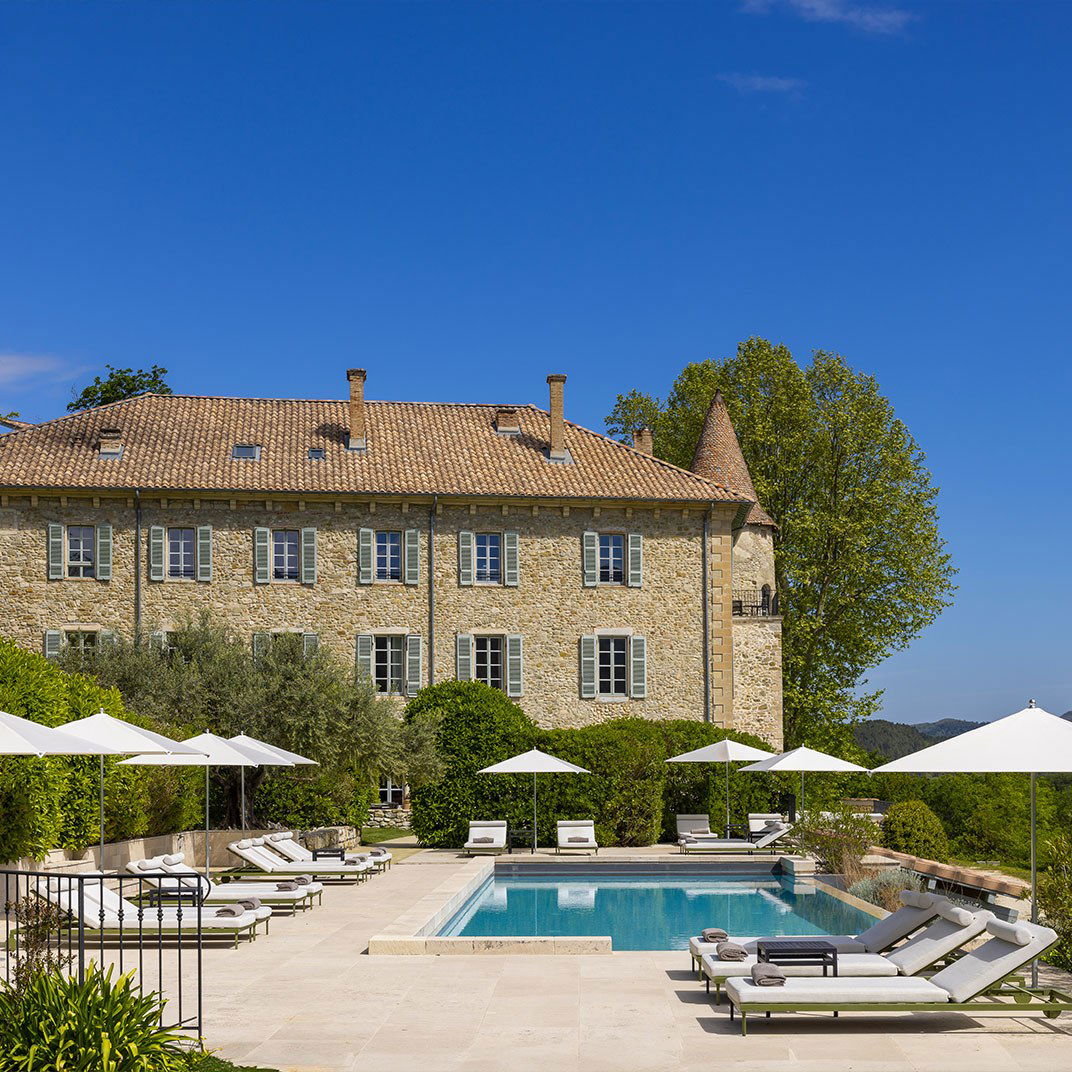
Château les Oliviers de Salettes reads like a regional manifesto: thick limestone walls, olive groves and sun-browned courtyards anchor the property in the Drôme Provençale vernacular. The place favors durable, functional stone, and its agricultural identity, olives, lavender, and nearby Rhône appellations are the primary aesthetic. That working-estate sensibility gives the château a rustic-historic charm that feels measured rather than contrived. Quiet courtyards and long views across planted grounds underscore a serene, timeless mood, while the Michelin Hotels selection note signals a quietly elevated standard of hospitality.
Best For
This château suits travelers who want a slow, scenic stay in the southern Drôme: couples seeking a romantic getaway, families looking for a rural base, and guests pursuing wellness-focused downtime all find appropriate rhythms here. The property’s estate character and olive-grove setting make it well suited to anniversary moments and restorative escapes rather than high-energy urban itineraries. The inclusion in the Michelin Hotels selection makes it a sensible choice for visitors who prize consistent hospitality in a memorable historic setting.
Venue details
Ambiance
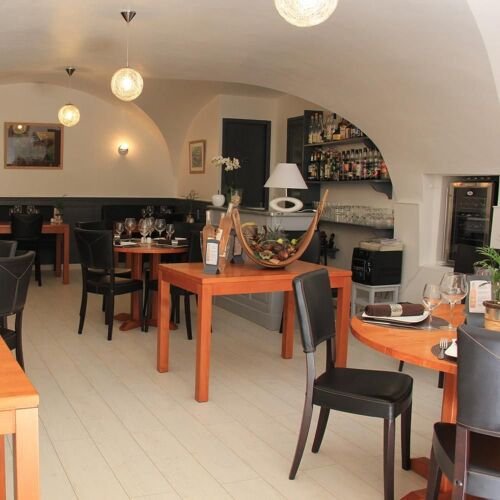
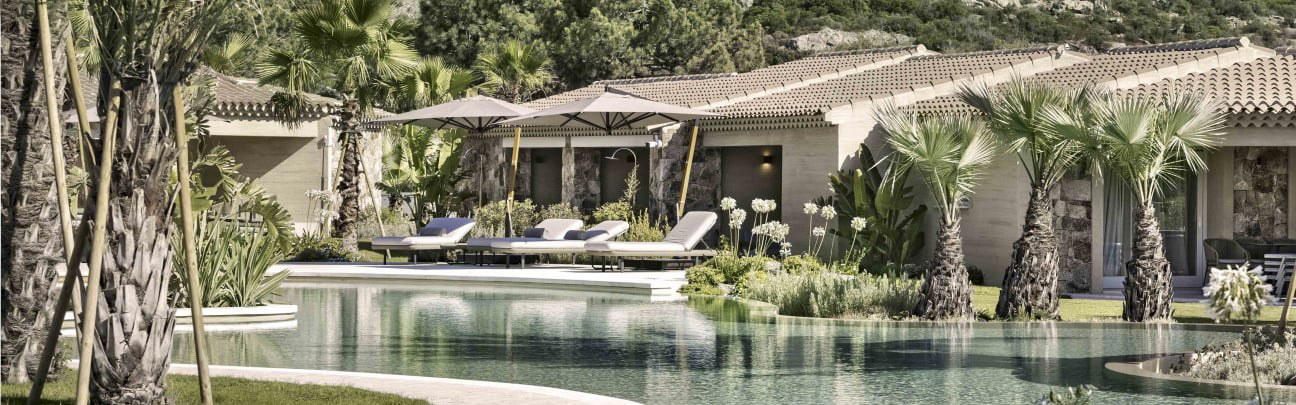
Elegant and serene with contemporary-classic interiors, featuring fireplaces, libraries, and terraces overlooking manicured gardens and countryside vistas.
Tags
Vibe
Best For
Experience
Amenities
View
Accessibility
About the Stay
- Rooms
- 32
- Check-in
- 16:00
- Check-out
- 12:00
- Property Type
- Heritage hotel
- Property Style
- Luxury Boutique Château Hotel Blending 16th Century Heritage Architecture with Contemporary Classic Design in a Secluded Countryside Estate.
- Design Style
- Contemporary Classic with Individually Furnished Rooms Featuring Period Details, Modern Amenities, and Views of Gardens or Parkland.
- Pool
- Yes
- Spa
- Yes
- Families
- Welcome
Know before you go
Know Before You Go
- Getting there
- 1205 Rte du Château, 26450 Charols, France
Planning details
Location
1205 Rte du Château, 26450 Charols, France · Directions
Recognition and awards
Also consider
Also Consider
- La Ferme Chapouton, Notable alternative
- Le Clair de la Plume, Notable alternative
- Pic, Notable alternative
- Chateau de Massillan, Notable alternative
- Crillon le Brave, Notable alternative
Hotel context
How it compares
Château les Oliviers de Salettes is the practical choice if Charols is the anchor and the priority is a quieter countryside hotel with low booking friction. La Ferme Chapouton and Le Clair de la Plume are better cross-shops for travelers who want a stronger village-hotel feel or a more food-forward stop, while this address is the cleaner fit when the stay itself should feel removed from a busier route.
For a more ambitious dining-led trip, compare live rates and availability against Pic. Pic is the more obvious choice when the restaurant is the point of the journey; Château les Oliviers de Salettes is easier to justify when the hotel base, countryside setting, and contained evening matter more than a headline meal.
Chateau de Massillan and Crillon le Brave are the better alternatives for travelers willing to look beyond Charols for a broader Provence-style hotel experience. Stay here if Charols proximity and a quieter value equation are the deciding factors; cross-shop those two if the trip can absorb a different location for more atmosphere.
Explore Charols
Around this place
Discover more on Pearl
Unlock the full Château les Oliviers de Salettes guide in Pearl, including awards, comparisons, FAQs, planning details, and nearby places.
Compare Château les Oliviers de Salettes
| Venue | Location | Awards |
|---|---|---|
| Château les Oliviers de Salettes | Charols | 2025 Michelin Selected Hotels |
| La Ferme Chapouton | Grignan | No published awards |
| Le Clair de la Plume | Grignan | 2026 Michelin 1 Key2025 Michelin 1 Key2024 Michelin 1 Key |
| Pic | Valence | Star Wine Lists 2026 · #12026 Relais Chateaux Hotels2026 Michelin 1 Key2025 Michelin 1 Key2025 Relais Chateaux Award2025 Gault & Millau Exceptional Hotel2024 Michelin 1 Key |
| Chateau de Massillan | Uchaux | No published awards |
| Crillon le Brave | Crillon Le Brave | 2026 Virtuoso Luxury Hotel Collection2026 Vogue Best Hotels in Provence2026 Mr & Mrs Smith Luxury Hotels2026 Michelin 1 Key2025 Travel + Leisure 100 Favorite Hotels in the World · #322025 Michelin 1 Key2024 Michelin 1 Key |








How Château les Oliviers de Salettes compares with similar nearby venues.
FAQ
Frequently Asked Questions
Do loyalty programs work at Château les Oliviers de Salettes?
No loyalty-program details are available. Château les Oliviers de Salettes is in Charols, has a smart-casual dress code, and is listed in the MICHELIN Guide hotel selection for 2025.
How is the pool and spa at Château les Oliviers de Salettes?
If wellness facilities matter to the stay, ask the property directly before booking rather than assuming what is included.
Which room category is best at Château les Oliviers de Salettes?
Choose only after checking the property's current room descriptions, availability, and booking terms directly.
How does Château les Oliviers de Salettes compare to nearby hotels?
Château les Oliviers de Salettes is the Charols option in this set and has MICHELIN Guide hotel-selection recognition for 2025. For broader comparisons, travelers may also look at La Ferme Chapouton, Le Clair de la Plume, Pic, Chateau de Massillan, and Crillon le Brave, depending on the route and trip priorities.