
Abbaye Des Vaux de Cernay
Cernay-la-Ville, Cernay-la-ville
Hotel in Cernay-la-ville, France
 Book with Pearl
Why go
Choose Abbaye Des Vaux de Cernay if the stay itself is the point: a heritage abbey setting in Cernay-la-ville with recent 2026 recognition from Virtuoso and Mr & Mrs Smith. It is better for leisure retreats than business travel, worth cross-shopping against Versailles-area hotels if access matters more than atmosphere.
About Abbaye Des Vaux de Cernay
Abbaye Des Vaux de Cernay is a hotel option in Cernay-la-ville. With only limited details, its practical points include a smart casual dress code and 2026 recognition as a Virtuoso Luxury Hotel Partner and Mr & Mrs Smith Seal of Approval.
A Cernay-la-ville stay to evaluate
Abbaye Des Vaux de Cernay may be relevant for travelers considering a stay in Cernay-la-ville. Beyond that, specific details about rooms, grounds, restaurants, transfers, or on-property facilities are not covered.
Operational details are not covered, so consider the hotel as a fit question rather than assuming a particular service style. Before booking, confirm current rates, room categories, dining options, transport needs directly with the hotel or your booking channel.
Who should book, who should cross-shop
Book if Cernay-la-ville is the right base for your trip and you are comfortable confirming the practical details before committing. The dress code is smart casual, so guests should plan for polished but not formal attire.
For comparison, consider Abbaye des Vaux De Cernay, un hôtel Paris Society Collection, Airelles Château de Versailles - Le Grand Contrôle, Le Barn, or Le Louis Versailles Château depending on the kind of hotel stay you are evaluating. L'Arpège may also be relevant if the broader trip includes dining research rather than only hotel selection.
The clearest trust signals are the 2026 Virtuoso Luxury Hotel Partner recognition and the 2026 Mr & Mrs Smith Seal of Approval. Those recognitions support treating Abbaye Des Vaux de Cernay as a vetted luxury-hotel candidate, while still advising to confirm the details that matter for your dates.
Practical fit before committing
Reservations: confirm availability and booking terms directly before making plans. Budget: price band is not specified, so compare live rates before committing. Dress: smart casual. Trip type: best judged by whether Cernay-la-ville is the right location for your itinerary.
If you need more context around the stay, compare Abbaye Des Vaux de Cernay with other Cernay-la-ville dining and hotel options generically, with the named comparison venues above where relevant. Avoid assuming specific services, amenities, or dining formats until confirmed for your booking.
Planning details
- Location
- Domaine de l'Abbaye des Vaux-de-Cernay
- Website
- journey.com/hotels/abbaye-des-vaux-de-cernay
The take
The Take
The Vibe
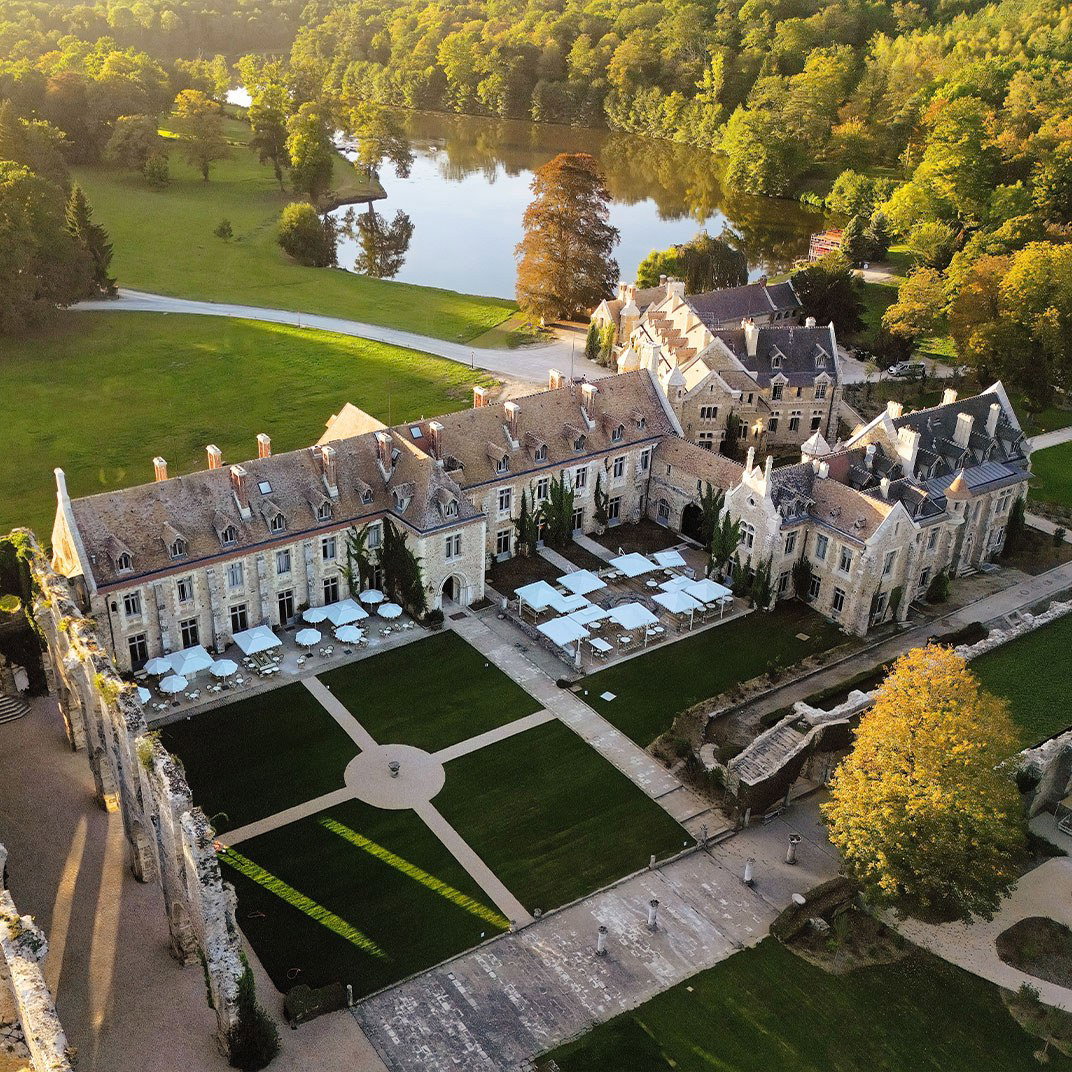
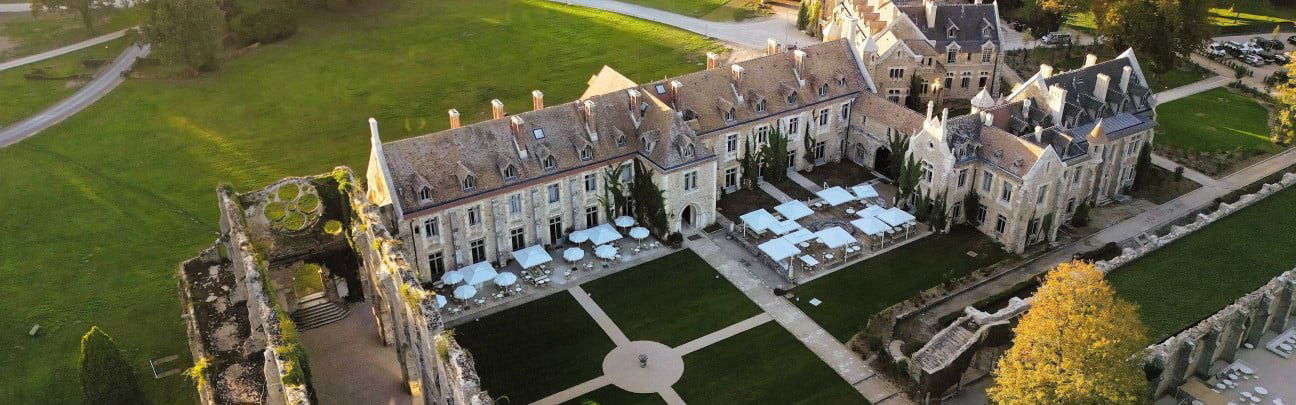
Abbaye des Vaux de Cernay foregrounds stone and scale, and the building’s 12th-century monastic fabric sets the tone. The ruined nave sits at the heart of the compound, and the decision not to reconstruct gives the place a palpable honesty: history is a material presence rather than a stage set. Arrival through a forested drive primes a sense of retreat, and the surrounding protected woodland and lake reinforce a composed, almost monastic calm. The estate reads as an architectural proposition — austere, quietly charming and serenely historic — for guests who want atmosphere shaped by structure and landscape.
Best For
This is a destination for travelers who prize architectural integrity and quiet immersion in landscape. Couples seeking a romantic, low‑fuss getaway and celebrants marking anniversaries or honeymoons find the abbey’s scale and intimacy resonant. Weekend escapes suit guests who want long walks, lakeside views and time to take in the ruined nave and grounds. Families who appreciate outdoor exploration and a setting that feels more like a preserved site than a typical luxury conversion will also value the estate’s forested trails and open estate grounds.
Stay Tips
Plan time to arrive with daylight so you can experience the forested approach and walk the estate’s trails; the description emphasizes the grounds and the lake as integral parts of the visit. Bring sturdy shoes for uneven paths around the ruined nave and along tree-lined promenades. Allow for slow, exploratory pacing rather than a packed itinerary — the property’s design rewards lingering in the architecture and landscape rather than rushing between programmed activities.
Venue details
Ambiance
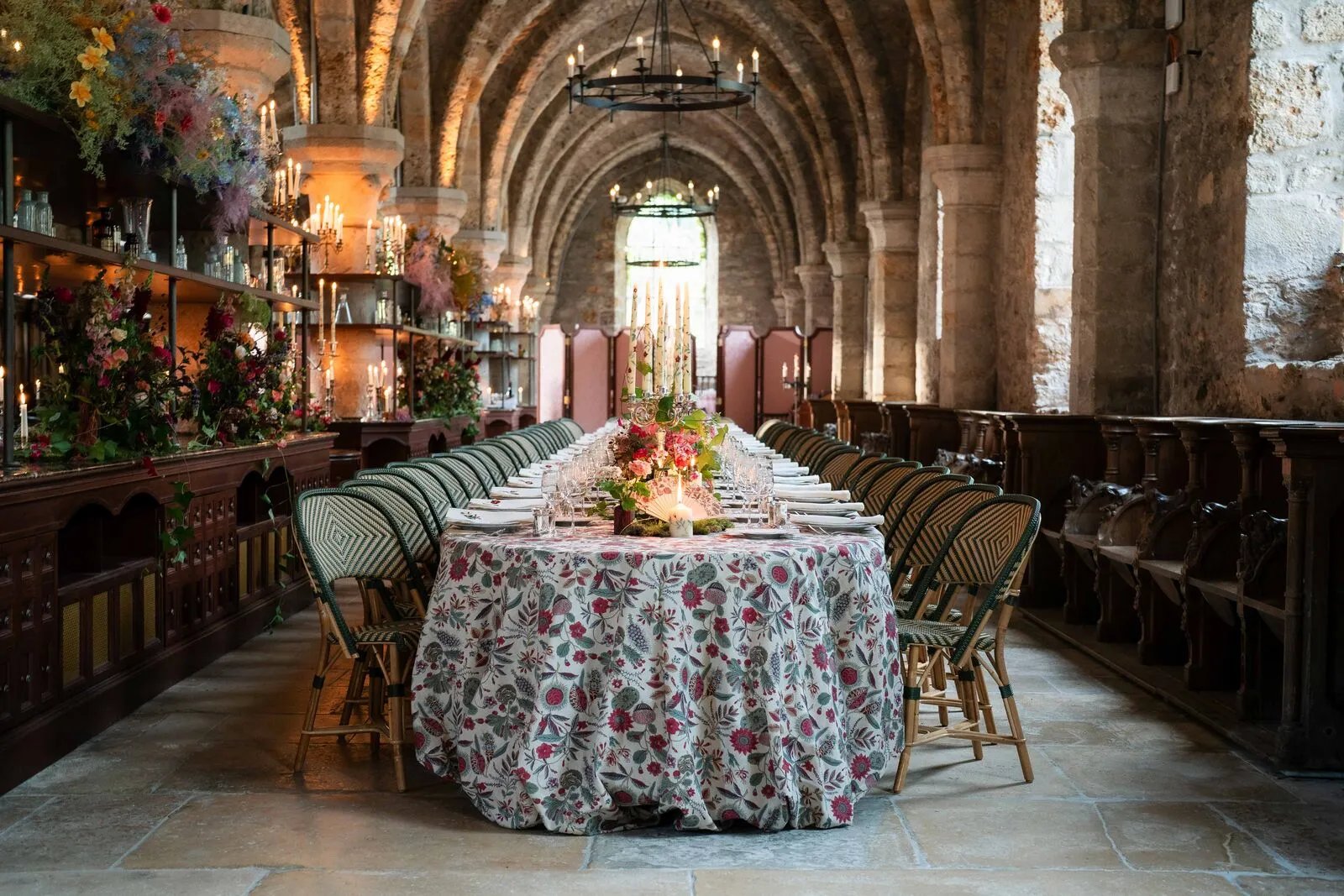
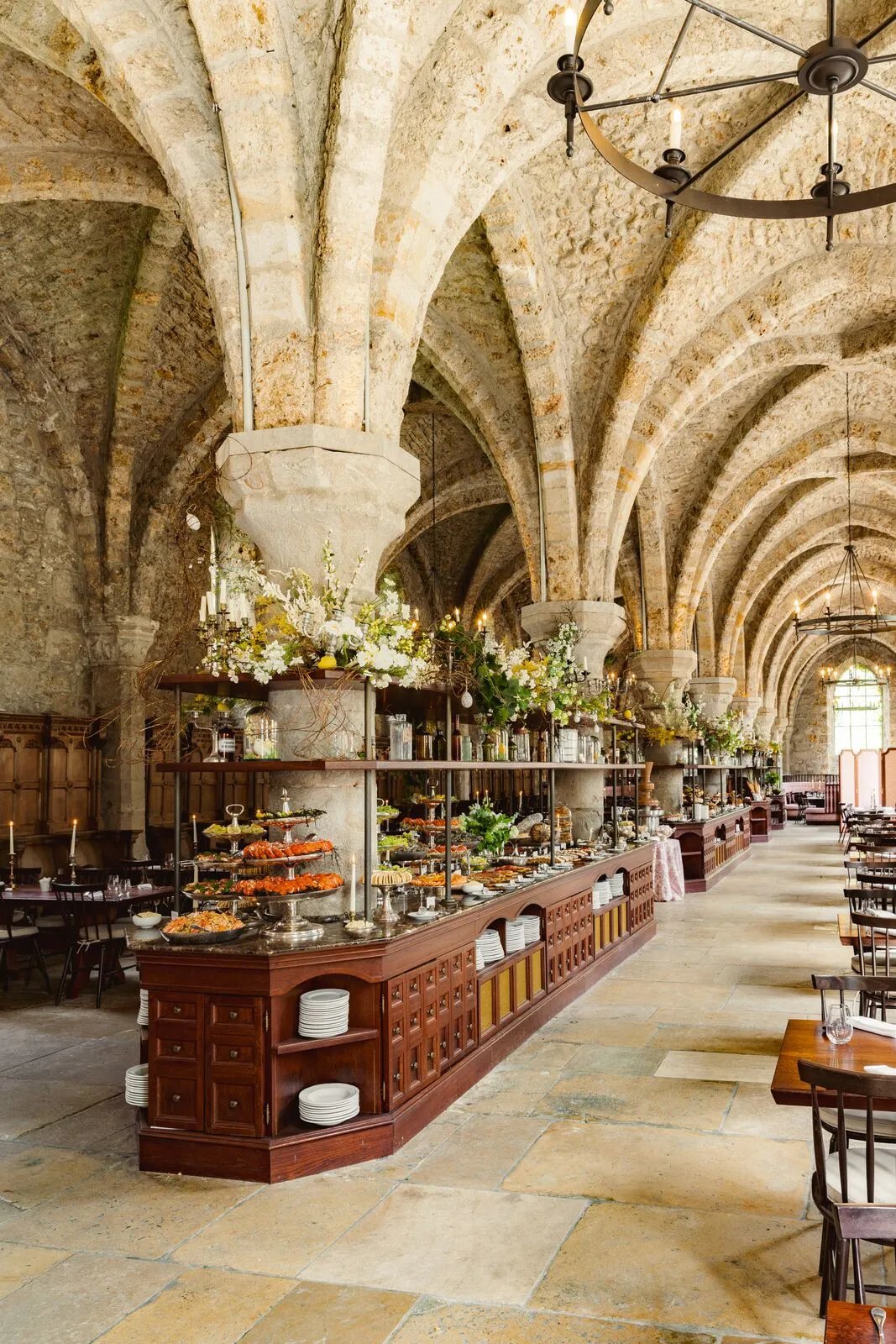
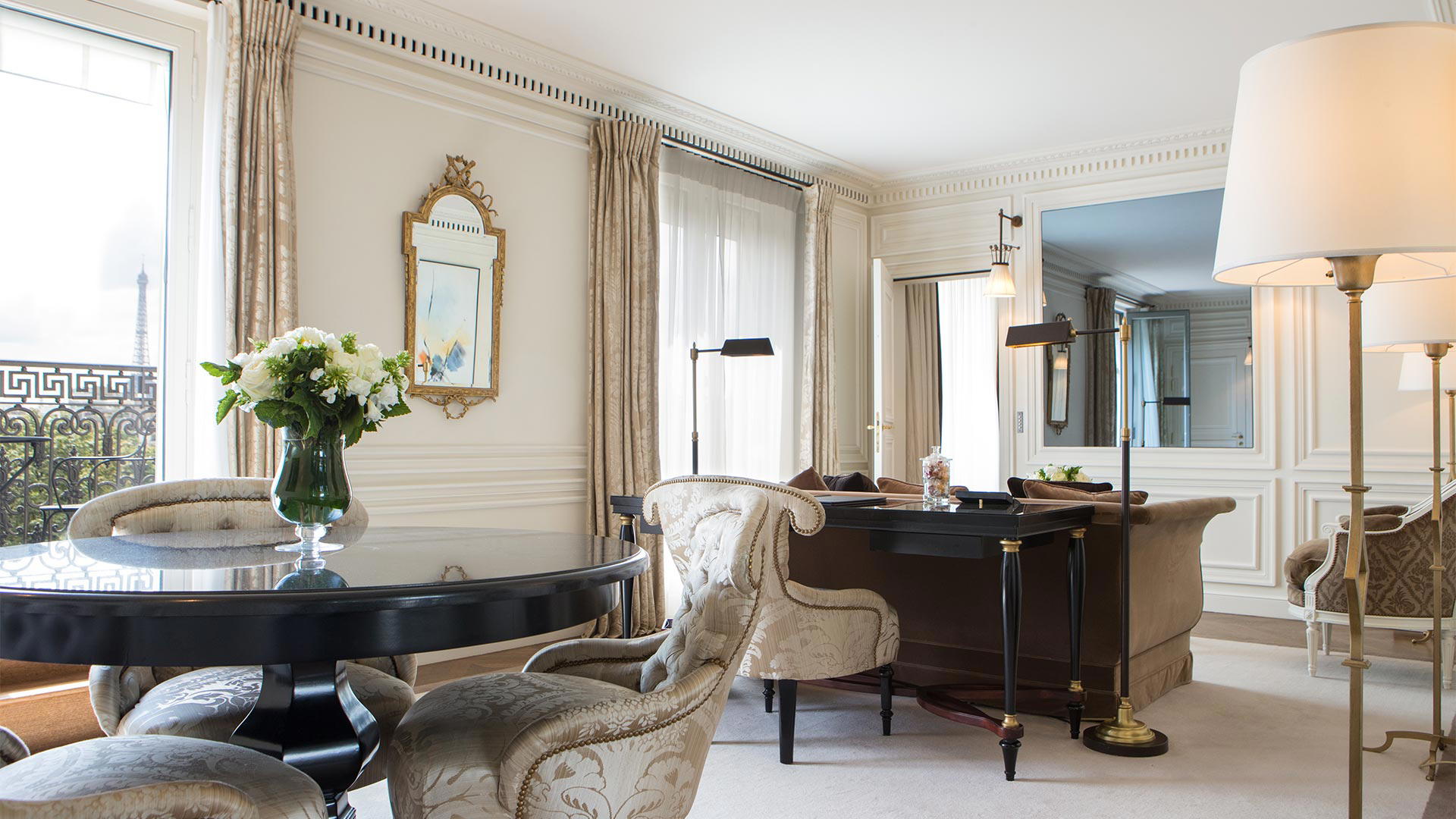
Atmosphere of historic elegance with Gothic-style lounges featuring grand fireplaces, candlelit refectories evoking Hogwarts-like magic, and refined spaces blending antique furnishings with natural light from park and forest views.
Tags
Vibe
Best For
Experience
Amenities
View
Accessibility
About the Stay
- Rooms
- 145
- Property Style
- Restored Medieval Cistercian Abbey and Former Rothschild Estate Across Four Historic Buildings Including Stables and Farm.
- Design Style
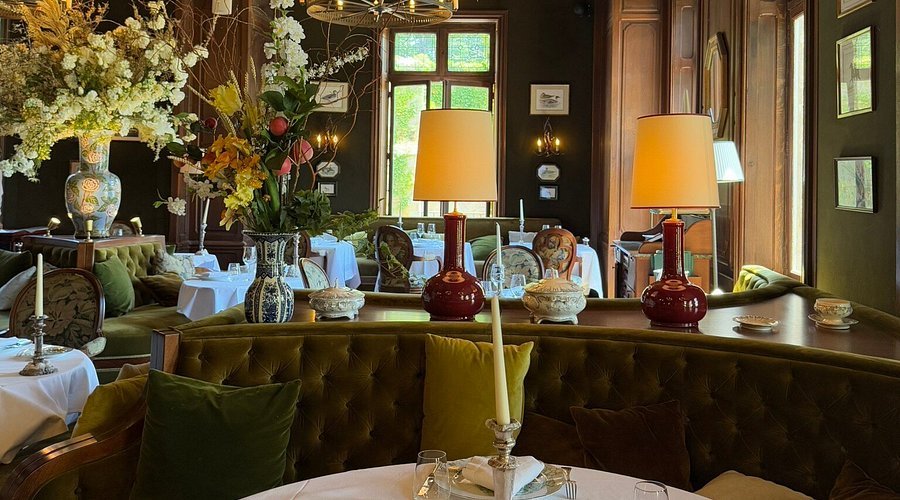
- Refined Antique Furnishings, Wood Paneling, Tapestries, Baroque Elements, and Bespoke Heritage Decor Without Air Conditioning to Preserve Authenticity.
Planning details
Location
Domaine de l'Abbaye des Vaux-de-Cernay · Directions
Recognition and awards

Also consider
If this is not the right fit
Book Le Barn instead for a more relaxed countryside stay with less emphasis on historic drama. Choose Le Louis Versailles Château if the trip needs Versailles proximity and simpler day-to-day logistics.
Hotel context
How it compares
Against Abbaye des Vaux De Cernay, un hôtel Paris Society Collection, this is effectively the same Cernay-la-ville decision set: choose it for the abbey-domain atmosphere and retreat value rather than city convenience. Booking difficulty is listed as easy, which gives it a practical edge over more ceremonial palace-style stays when the goal is a lower-friction countryside escape.
Le Barn is the better cross-shop for a looser rural mood. Pick Le Barn if the brief is casual countryside time; pick Abbaye Des Vaux de Cernay if the architecture and historic setting matter more. Airelles Château de Versailles - Le Grand Contrôle is the splurge comparison for travelers who want a more formal Versailles-linked experience, while Le Louis Versailles Château is the more practical Versailles-area base.
L'Arpège belongs in the comparison only if the trip is being built around a dining-led Paris plan. For a hotel-led countryside stay, Abbaye Des Vaux de Cernay is the more coherent choice; for a restaurant-first itinerary, stay closer to the city and treat the countryside as a separate trip.
Explore Cernay-la-ville
Around this place
Discover more on Pearl
Unlock the full Abbaye Des Vaux de Cernay guide in Pearl, including awards, comparisons, FAQs, planning details, and nearby places.
Compare Abbaye Des Vaux de Cernay
| Venue | Location | Awards |
|---|---|---|
| Abbaye Des Vaux de Cernay | Cernay-la-ville | 2026 Virtuoso Luxury Hotel Collection2026 Mr & Mrs Smith Luxury Hotels |
| Abbaye des Vaux De Cernay, un hôtel Paris Society Collection | Cernay-la-ville | No published awards |
| Le Barn | Bonnelles | No published awards |
| L'Arpège | Jouars Pontchartrain | No published awards |
| Airelles Château de Versailles - Le Grand Contrôle | Paris | 2026 Virtuoso Luxury Hotel Collection2026 Forbes 4-StarStar Wine Lists 20262026 La Liste Top Hotels2025 Forbes 4-Star2025 Gault & Millau Exceptional Hotel2025 Michelin 3 Keys2024 Michelin 3 Keys |
| Le Louis Versailles Château | Versailles | No published awards |





How Abbaye Des Vaux de Cernay compares with similar nearby venues.
FAQ
Frequently Asked Questions
How is the location of Abbaye Des Vaux de Cernay?
Abbaye Des Vaux de Cernay is in Cernay-la-ville. A street address or neighborhood details are not specified, so use Cernay-la-ville as the location and check transport logistics before booking.
Is Abbaye Des Vaux de Cernay family-friendly?
Do loyalty programs work at Abbaye Des Vaux de Cernay?
Recognition includes 2026 Virtuoso Luxury Hotel Partner and 2026 Mr & Mrs Smith Seal of Approval. Specific loyalty earnings, benefits, or elite-treatment terms are not specified, so confirm the exact booking conditions before choosing a rate.
How does Abbaye Des Vaux de Cernay compare to other hotels?
Use Abbaye Des Vaux de Cernay as the Cernay-la-ville reference point, then compare it with Abbaye des Vaux De Cernay, un hôtel Paris Society Collection, Airelles Château de Versailles - Le Grand Contrôle, Le Barn, Le Louis Versailles Château as relevant to your trip. Specific differences in amenities, pricing, or service style among them are not covered.
When is the best time to book Abbaye Des Vaux de Cernay?
Booking-window guidance is not provided. Book once your dates are firm, confirm availability, cancellation terms, current rates through the hotel or your preferred booking channel.
Which room category is best at Abbaye Des Vaux de Cernay?
Specific room categories and views are not specified. Choose based on the current room descriptions, rate rules, space needs shown at the time of booking.
Is Abbaye Des Vaux de Cernay good for business travel?
Business-travel suitability is not specified. If you need work facilities, meeting space, transfers, or reliable scheduling support, confirm those details directly before booking a stay in Cernay-la-ville.