


Castel Monastero
Ombrone Valley, Castelnuovo Berardenga
Hotel in Castelnuovo Berardenga, Italy
 Book with Pearl
The Read
Medieval Village Conversion
Why go
Castel Monastero is worth considering for a Tuscan countryside stay where the property itself is part of the trip, not just a place to sleep. Its Michelin 1 Key, Leading Hotels of the World, and Virtuoso credentials support the luxury case, but value depends on whether a rural Castelnuovo Berardenga base suits the itinerary.
About Castel Monastero
Is Castel Monastero worth booking? The case is direct: Castel Monastero is in Castelnuovo Berardenga, has a smart casual dress code, and carries several confirmed luxury-hotel trust signals. Michelin awarded it 1 Key in 2025, it is a Leading Hotels of the World member for 2025, and it is listed as a Virtuoso Luxury Hotel Partner for 2026.
For 2026 planning, treat the confirmed recognition as a reason to shortlist the hotel, then verify the practical details that matter for your specific stay before booking. Public-facing decisions should not rely on assumptions about room categories, facilities, dining formats, transfer needs, or on-property amenities unless those details are confirmed directly for your dates.
The value case is the recognition, not unconfirmed extras
The confirmed location is Castelnuovo Berardenga. Beyond that, the safest way to evaluate Castel Monastero is to separate facts from trip-specific preferences. The page can support the hotel as a recognized luxury option, but it should not assume a particular room style, amenity set, culinary program, or service format without confirmation.
The recognition helps justify taking it seriously: Michelin awarded it 1 Key in 2025, and it is also a Leading Hotels of the World member and a Virtuoso luxury hotel partner for 2026. Those are useful trust signals because they place the hotel in a vetted luxury set, but they do not automatically settle the value question. The smarter test is whether the confirmed facts match the trip you are planning: if those affiliations and the Castelnuovo Berardenga location matter, it belongs on the shortlist; if you need specific facilities or services, verify them before committing.
Who should choose it over another regional stay
Choose Castel Monastero over Borgo San Felice Resort, Hotel Le Fontanelle, or The Club House when its confirmed recognition and Castelnuovo Berardenga location fit the trip best. Cross-shop those same hotels if availability, room preferences, or booking benefits are the deciding factors.
For broader planning, use Castel Monastero's details alongside other hotel research and the Castelnuovo Berardenga restaurants guide. The right answer depends less on headline recognition alone and more on whether the location, affiliations, and booking terms match the stay you want.
Inside Castel Monastero
Planning details
- Location
- Loc. Monastero D'Ombrone, 19, 53019 Castelnuovo Berardenga SI
- Website
- castelmonastero.com
- Phone
- +39 0577 570570
The take
The Take
The Vibe
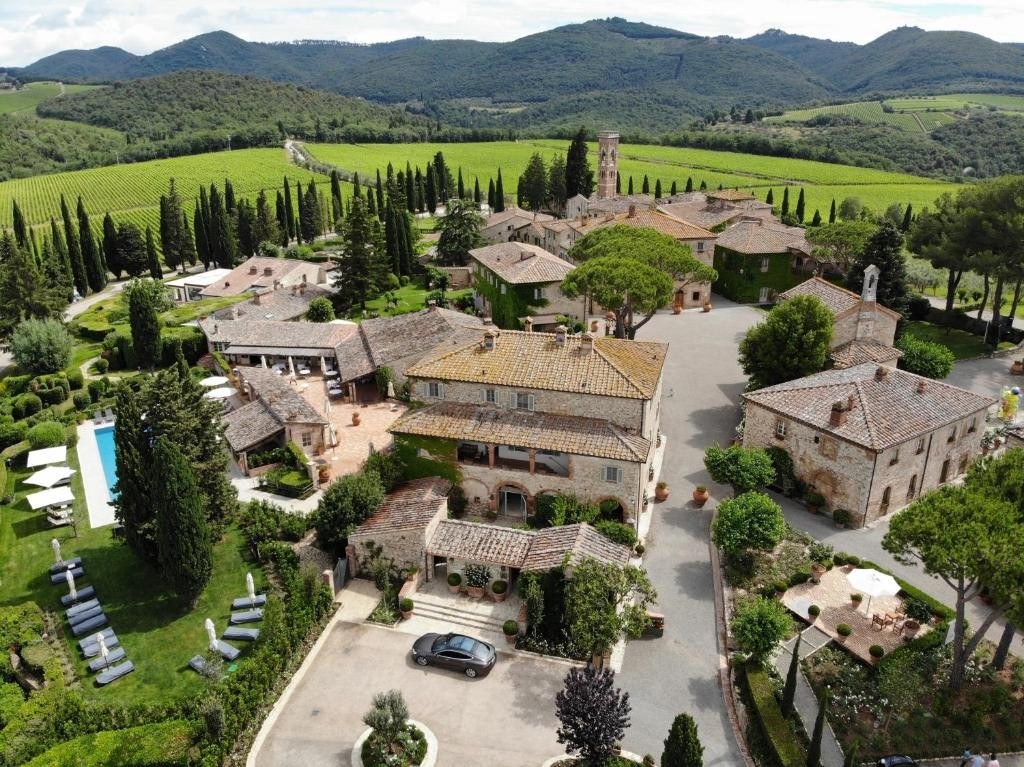
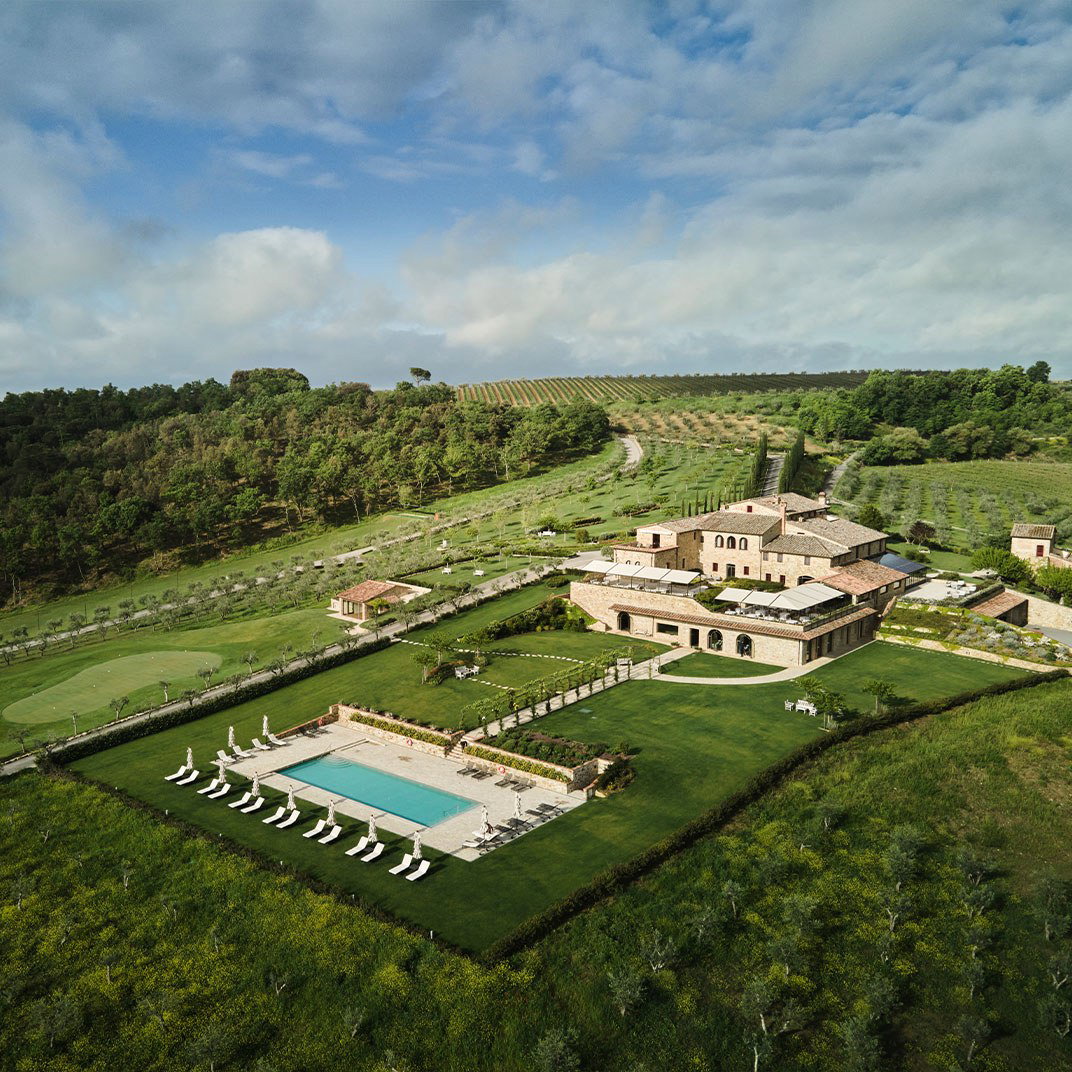
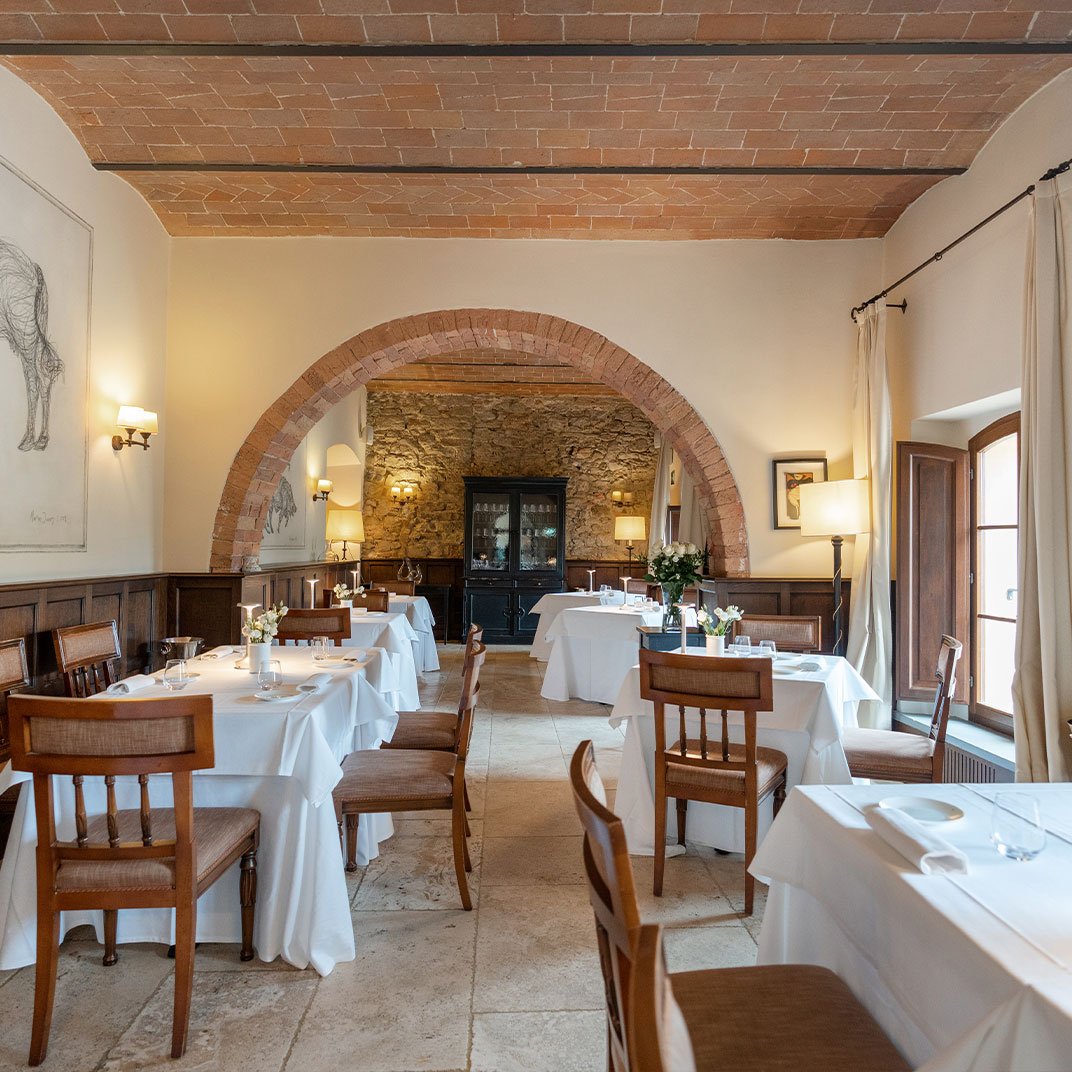
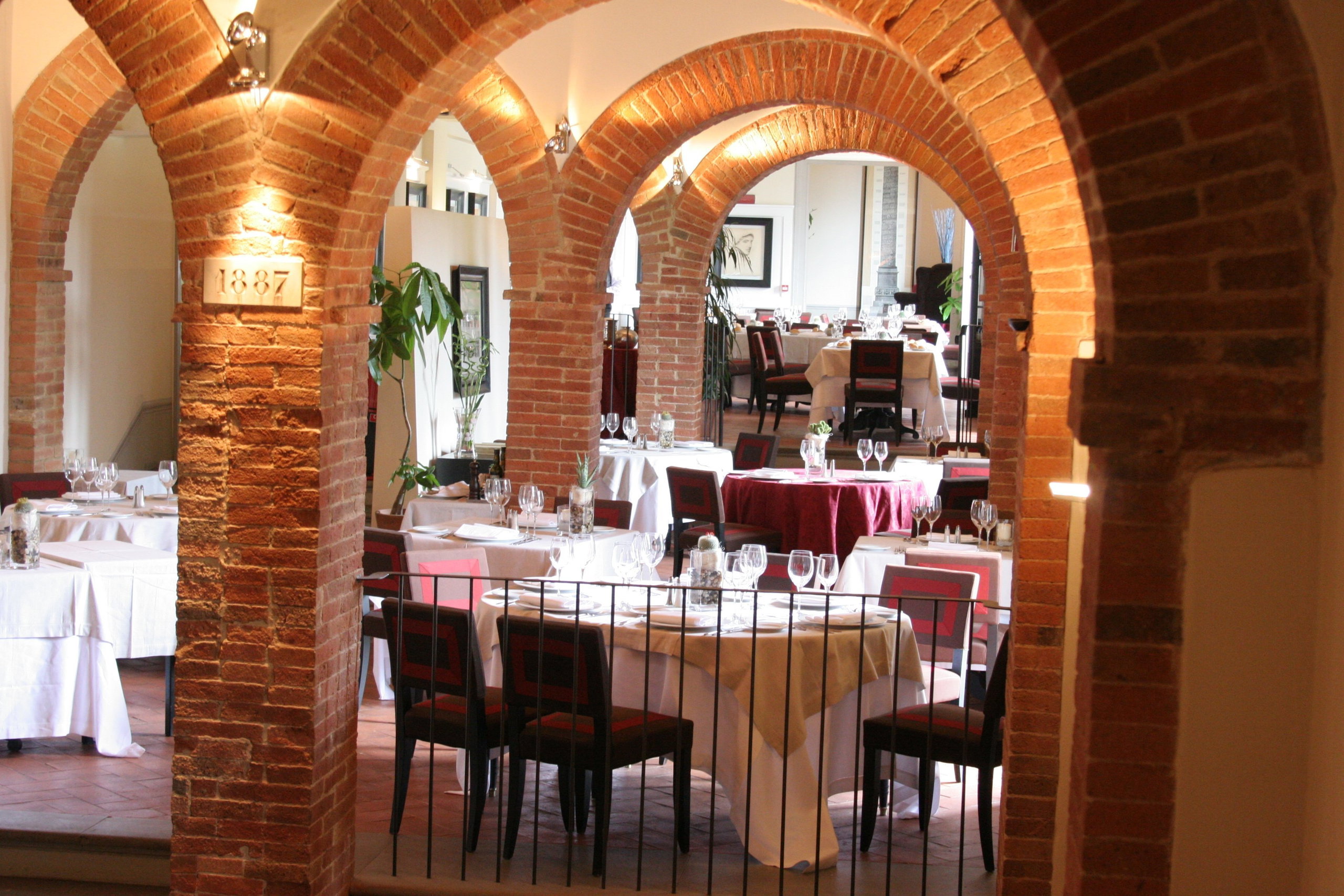
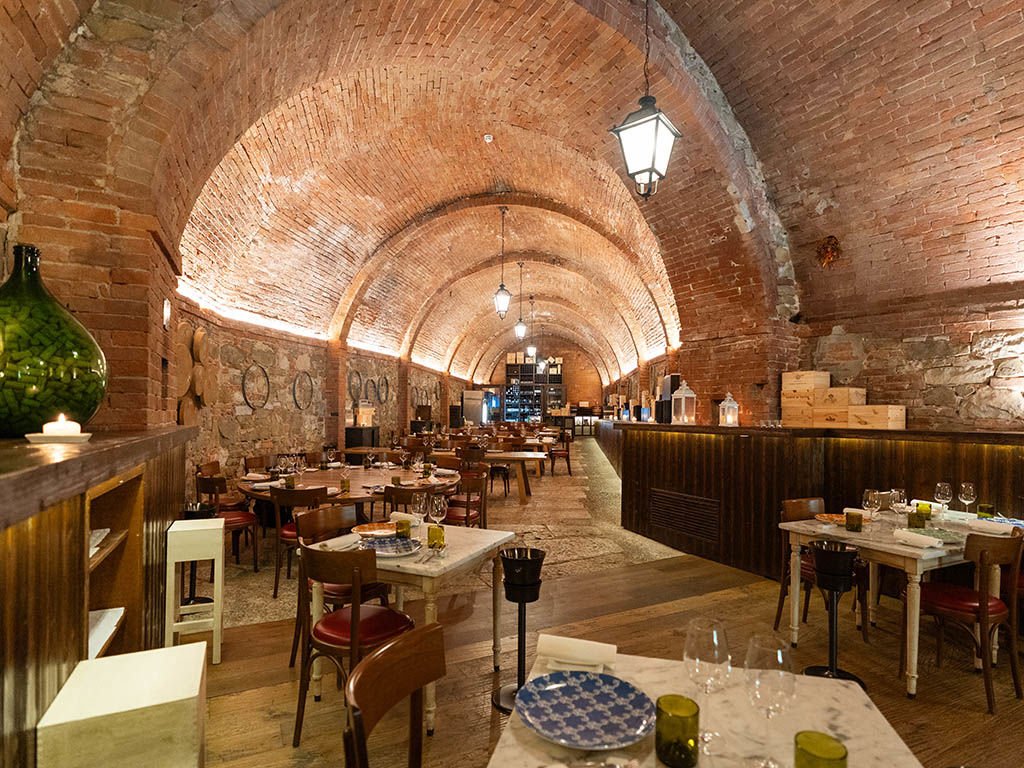
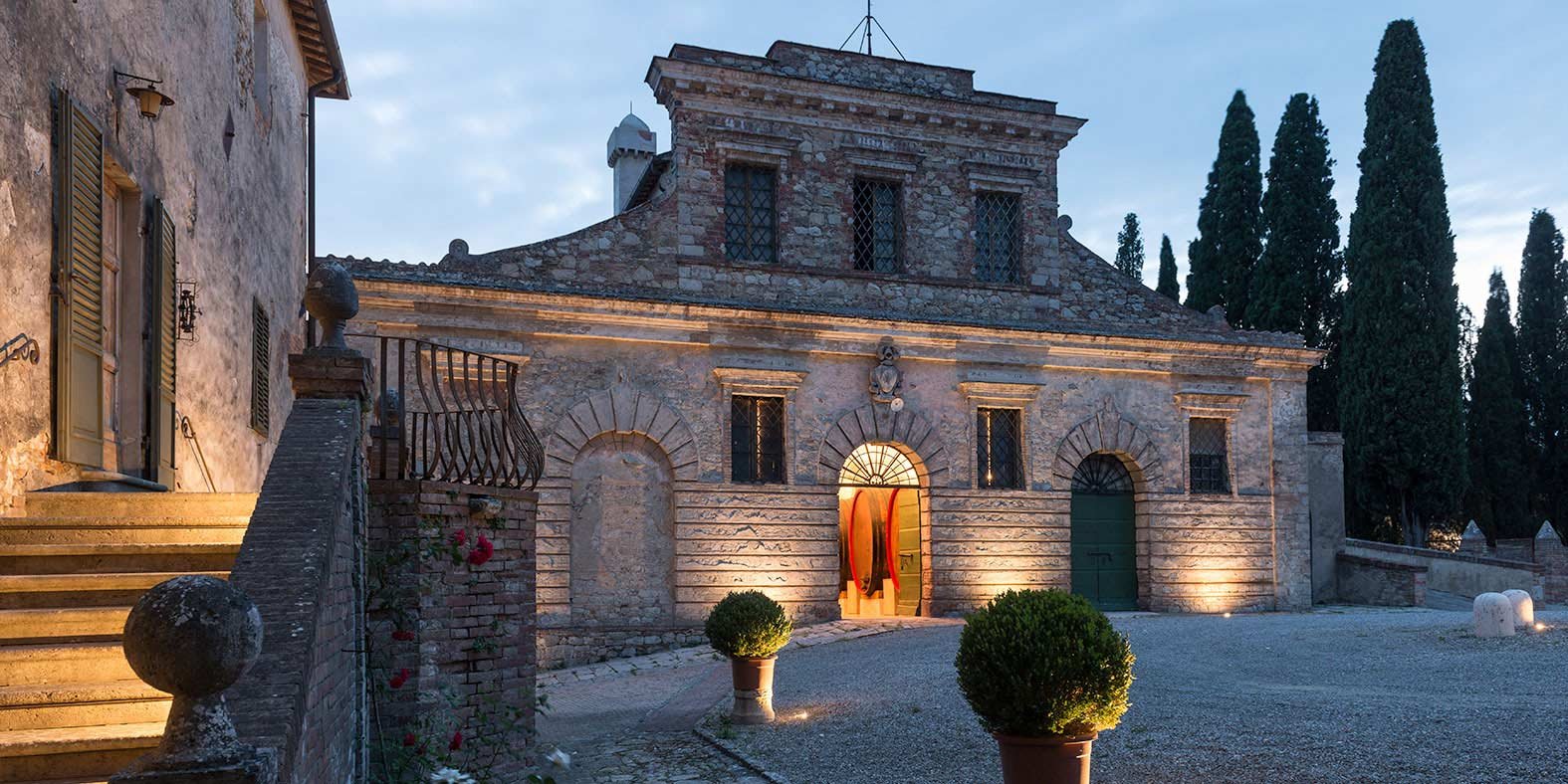
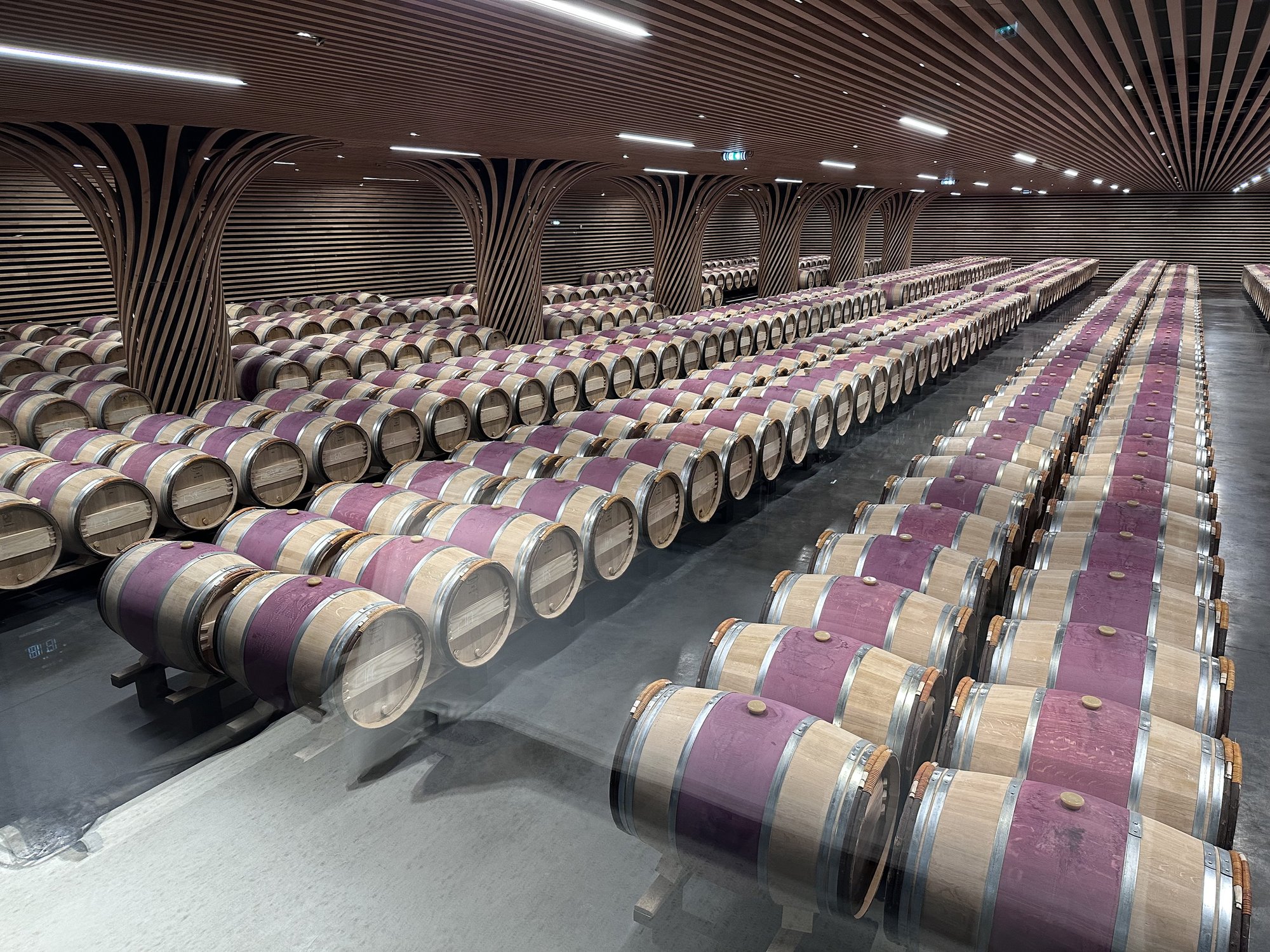
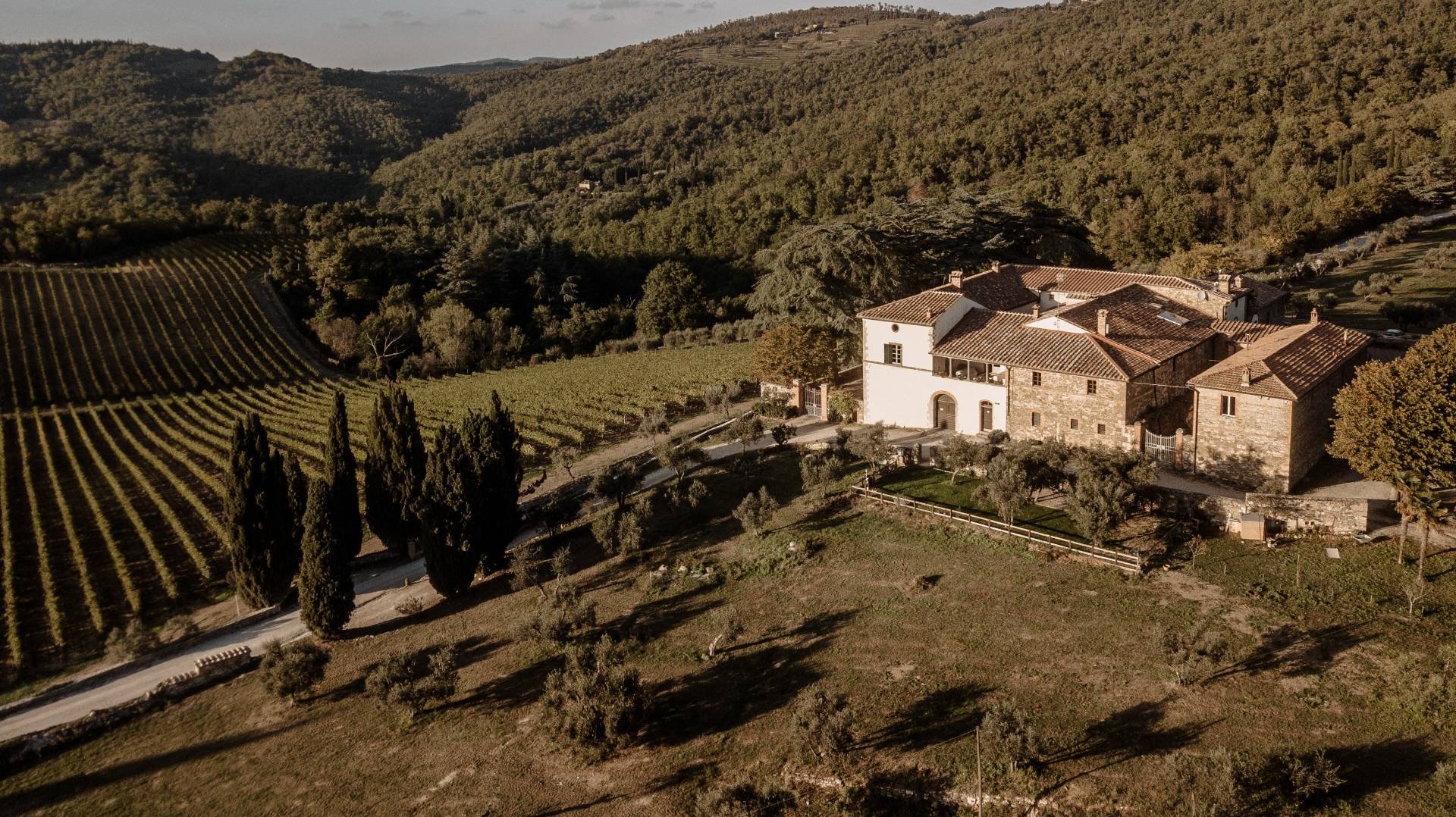
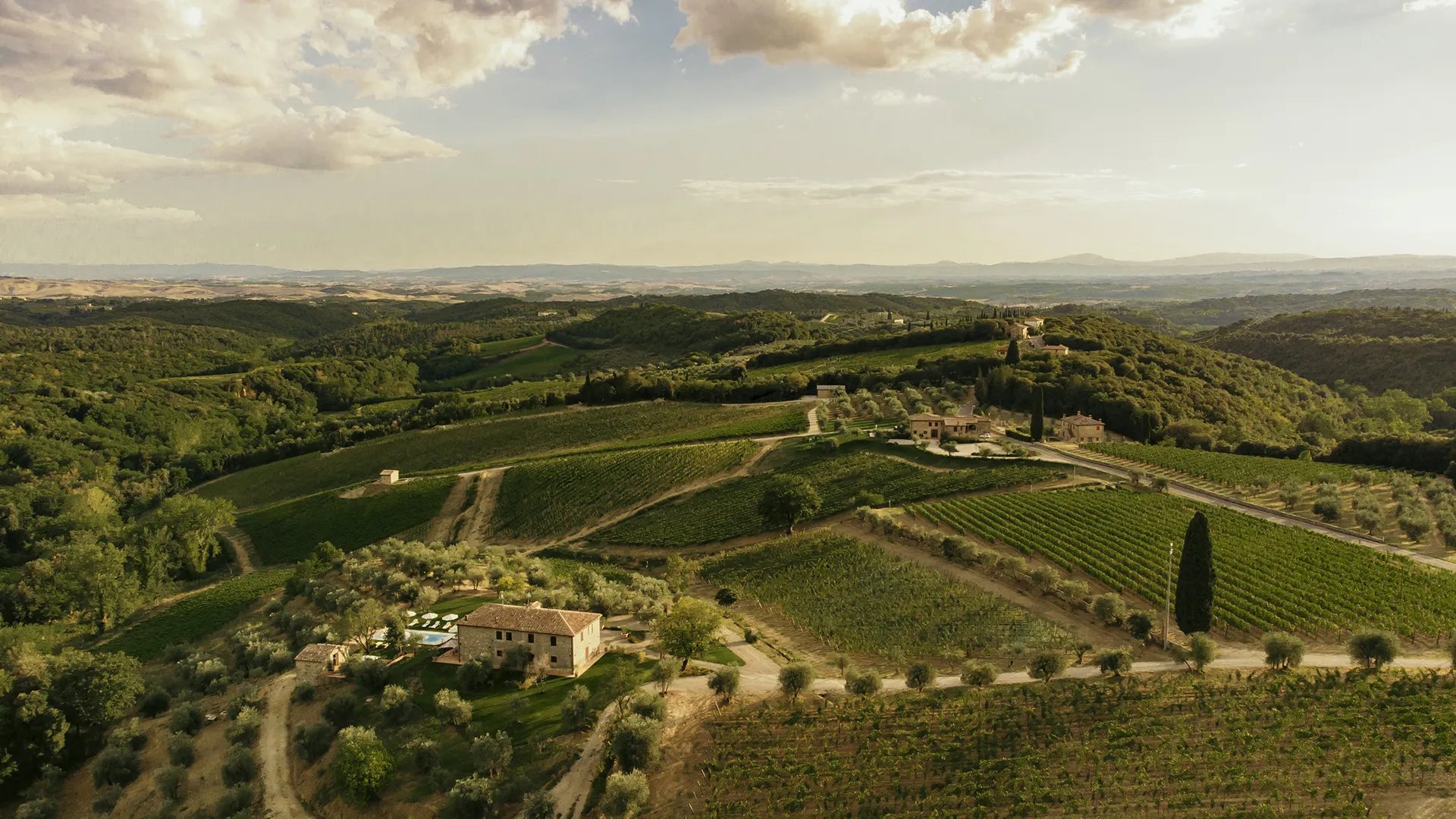
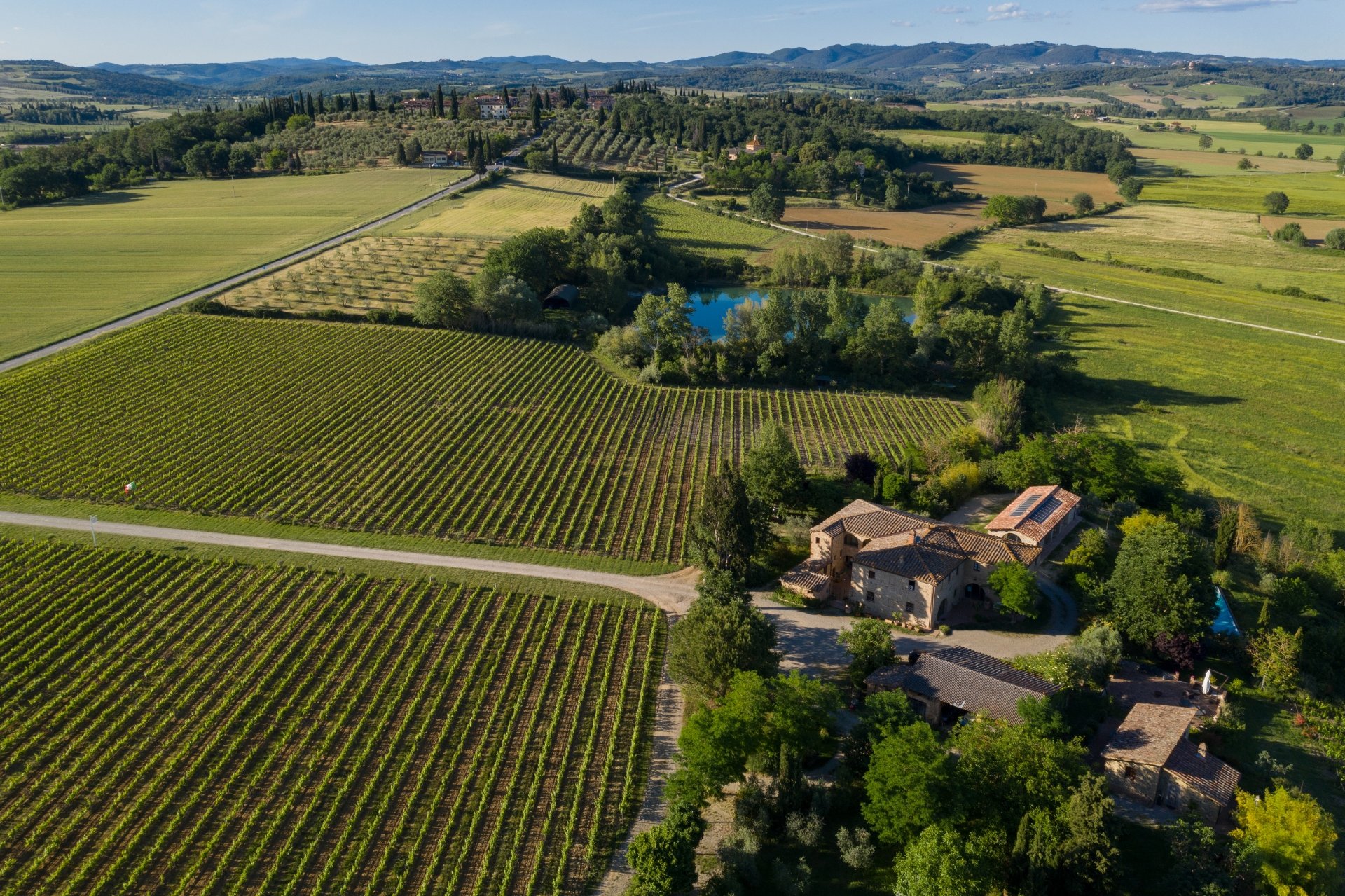
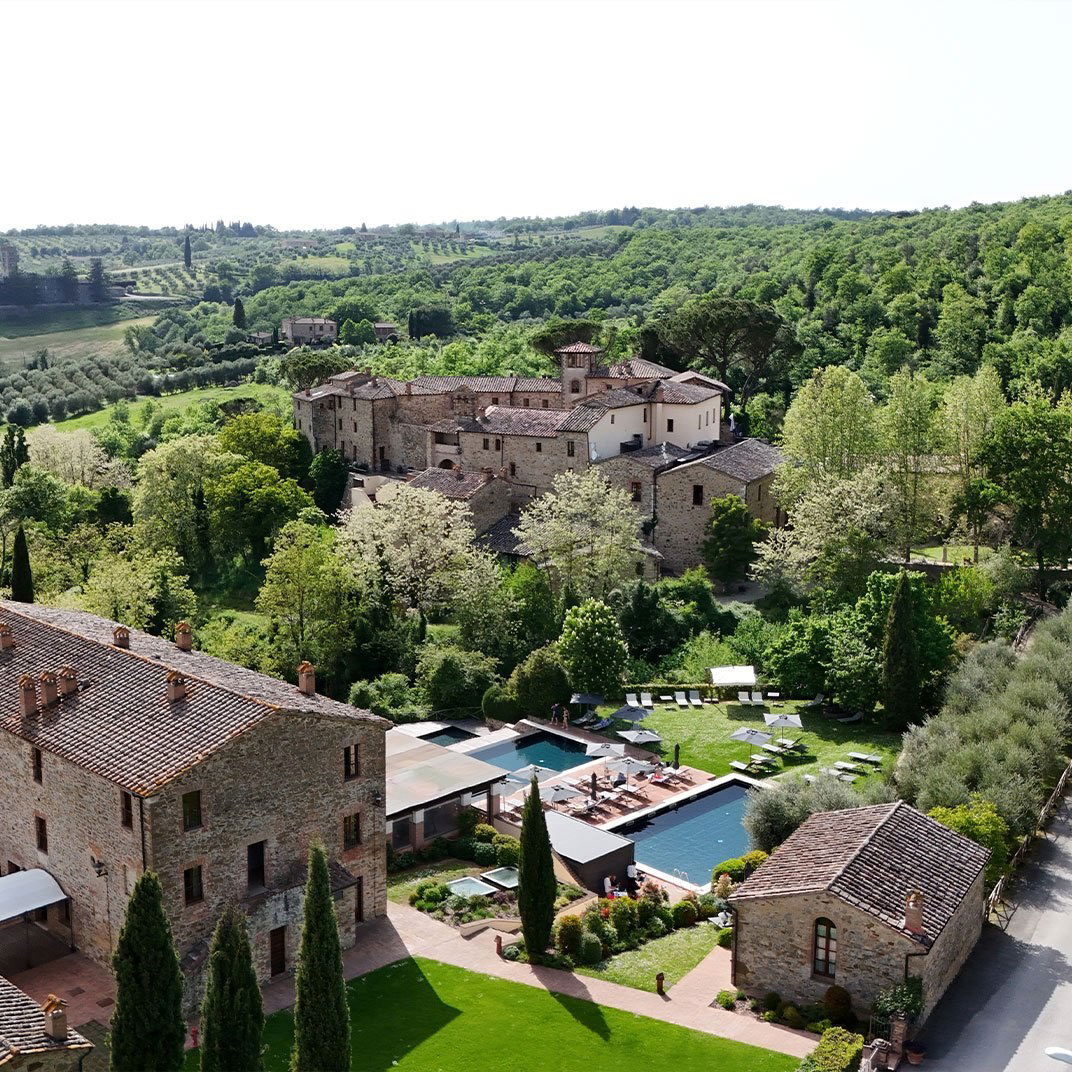
Castel Monastero reads as living history: an eleventh-century settlement that evolved from village to monastery and now functions as a hilltop hotel. Stone walls, a monastery piazza and a wine cellar that remained in use across generations give the property a quietly storied presence that doesn’t perform its age. The architecture and the surrounding Chianti vineyards, chestnut woods and cypress lines make the landscape the primary stage, so the experience is less about flashy spectacle and more about restrained, timeless character and measured calm.
Best For
This is a property for travelers who want Tuscany itself to be the destination: couples seeking a romantic hillside escape, small parties aiming for a refined weekend away and food-and-wine–minded visitors drawn to the Cantina’s historic cellar. It also suits guests who prefer countryside immersion over urban access but still want the option of a day trip to Siena (about 23 km). The setting favors slow exploration of estate grounds, regional dining, and restorative quiet more than city-centric itineraries.
Stay Tips
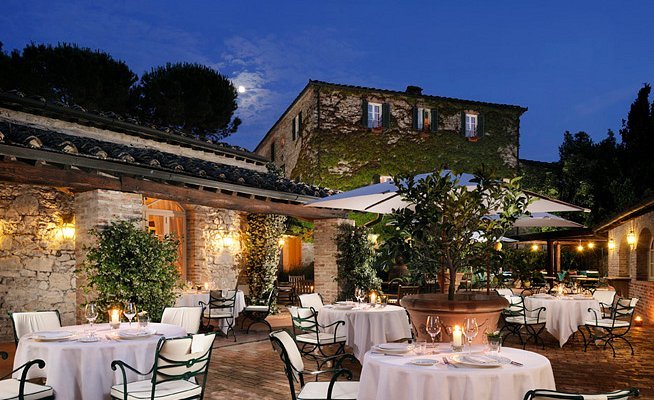
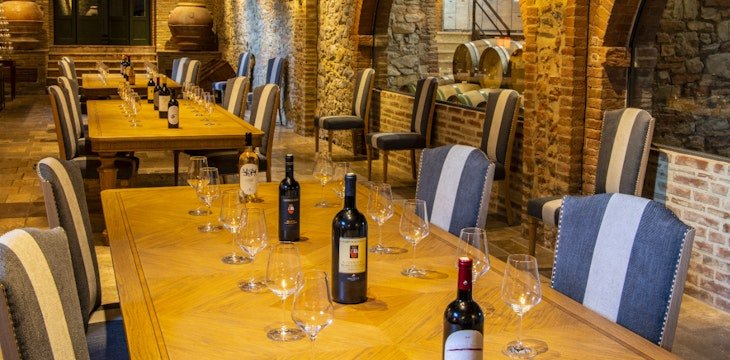
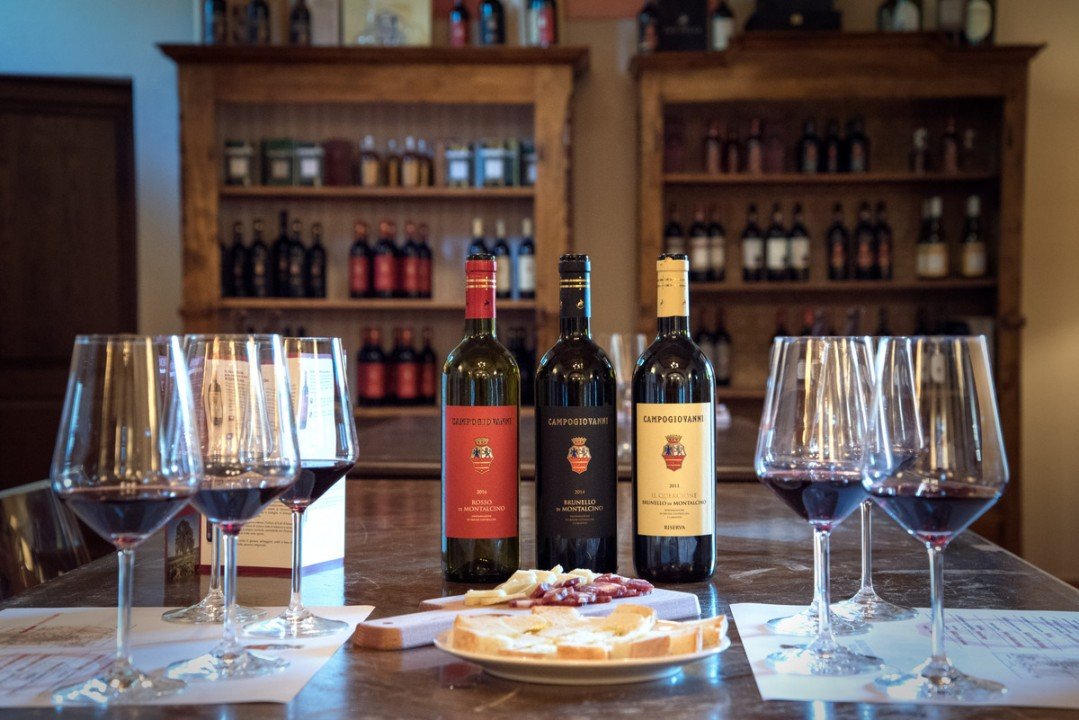
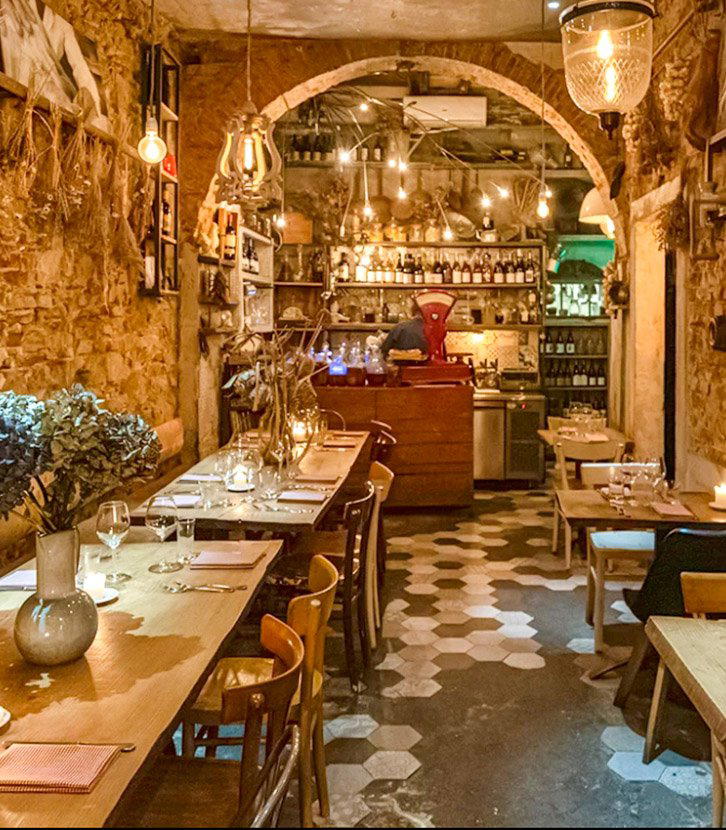
Food at Castel Monastero signals a strong connection to Tuscan vernacular: expect dishes rooted in legumes, cured meats, hand-cut pasta and Chianina beef, and look to the Cantina restaurant where the historic wine cellar is integrated into the dining programme. Prioritize an evening at the Cantina to experience the cellar’s atmosphere and the property’s culinary register, and leave time to stroll the monastery piazza and surrounding vineyards to fully appreciate the site’s landscape-anchored rhythm.
Venue details
Ambiance
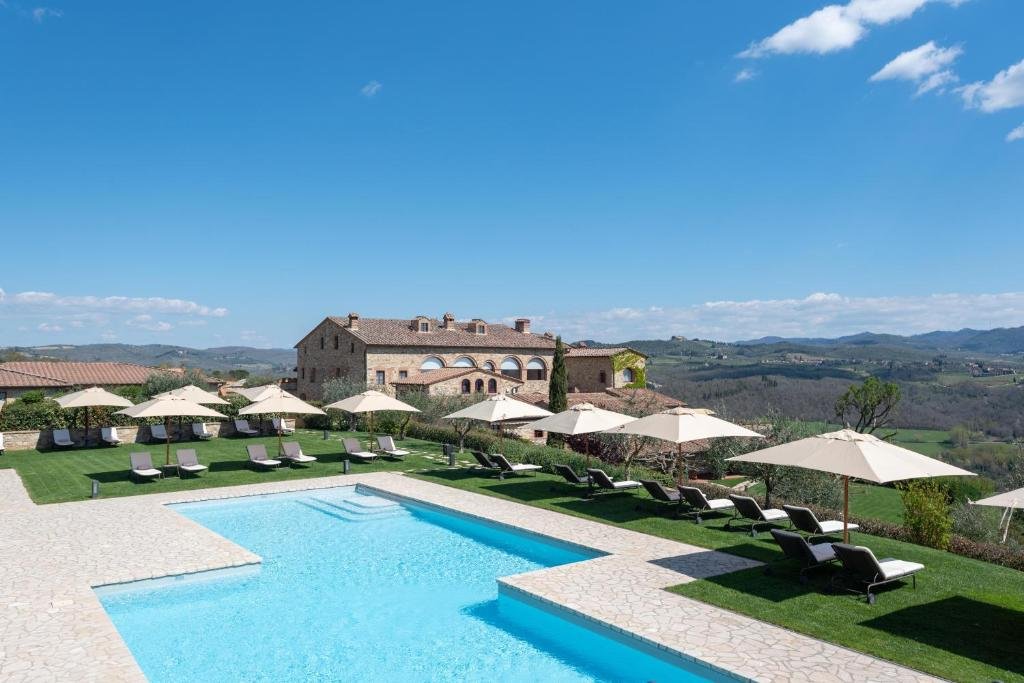
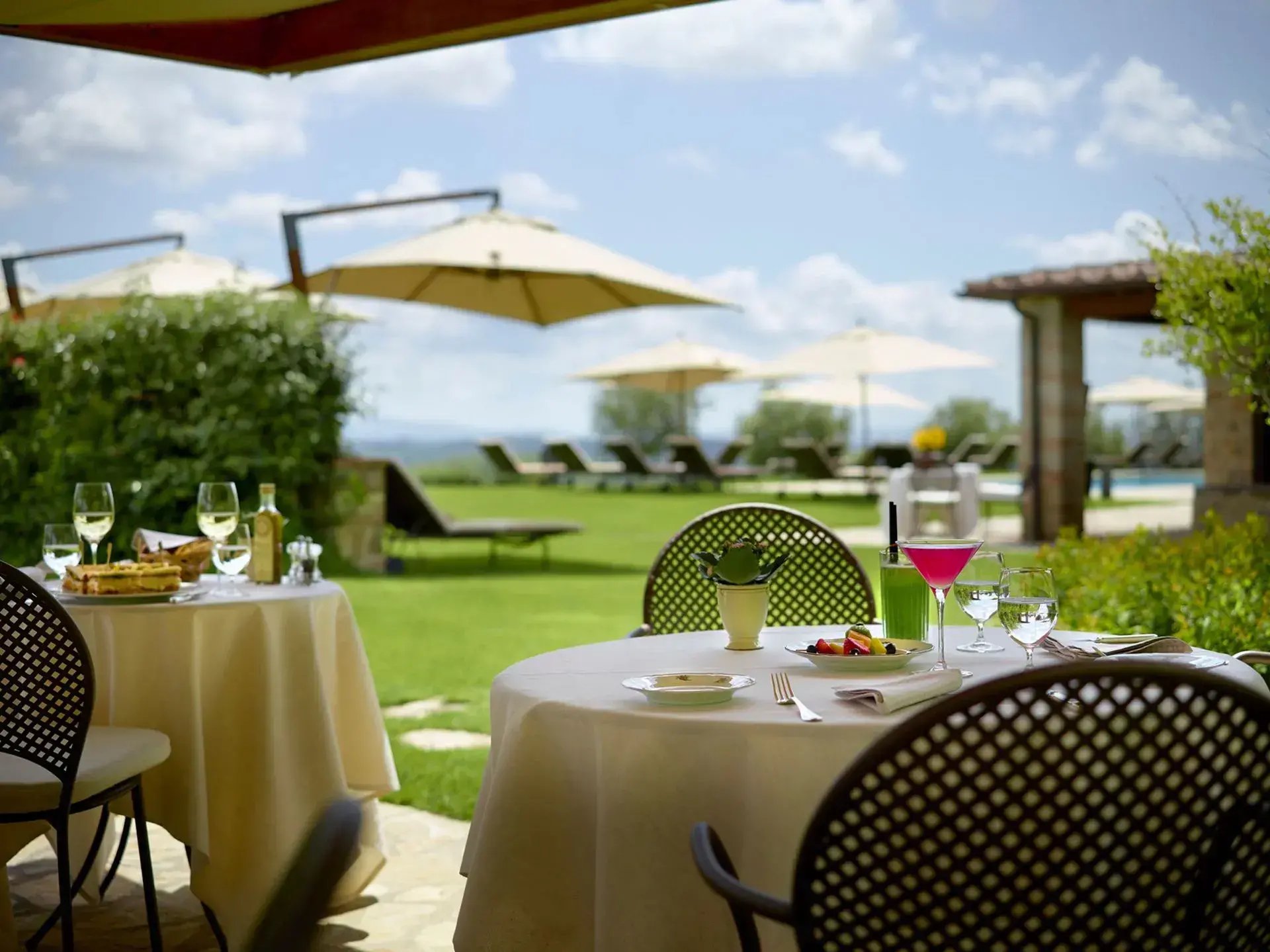
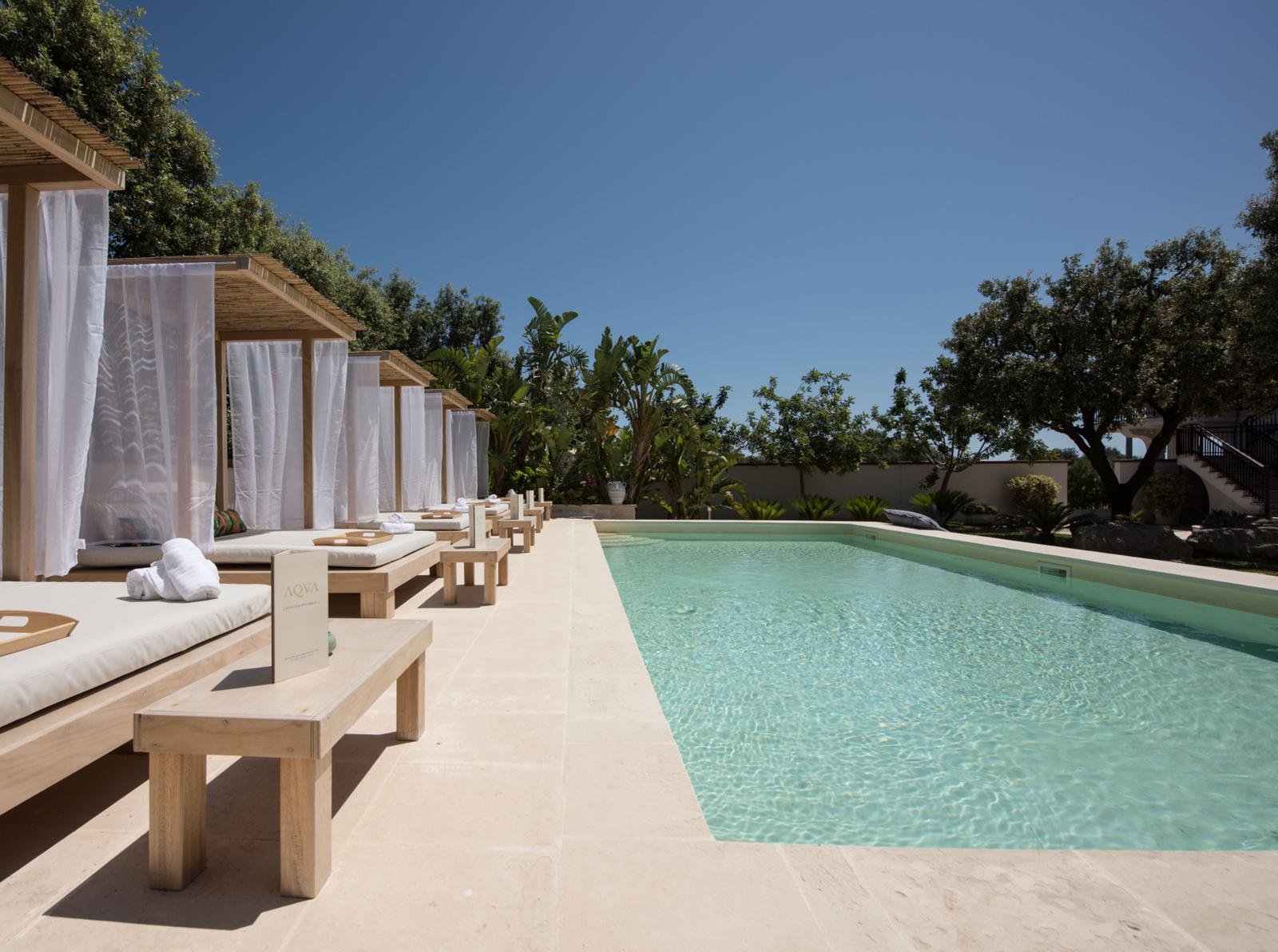
Tranquil and elegant with a romantic Tuscan charm, featuring serene spa lighting, rustic stone interiors, and peaceful valley surroundings praised for quietness.
Tags
Vibe
Best For
Experience
Amenities
View
About the Stay
- Rooms
- 68
- Check-in
- 15:00
- Check-out
- 11:00
- Property Style
- Restored Medieval Monastery in Tuscan Countryside
- Design Style
- Rustic Elegant with Individually Decorated Historic Rooms
Know before you go
Know Before You Go
- Getting there
- Loc. Monastero D'Ombrone, 19, 53019 Castelnuovo Berardenga SI
Planning details
Location
Loc. Monastero D'Ombrone, 19, 53019 Castelnuovo Berardenga SI · Directions
Recognition and awards


Also consider
Where to look if dates are tight
If Castel Monastero is unavailable, check Borgo San Felice Resort first for a similar Castelnuovo Berardenga countryside stay. Then compare Hotel Le Fontanelle if the priority is finding a polished nearby base without stretching the search too far.
Hotel context
How Castel Monastero compares nearby
Castel Monastero is the safer choice for travelers who want formal luxury credentials attached to a rural Tuscan stay. Borgo San Felice Resort is the closest cross-shop for a similar Castelnuovo Berardenga countryside plan, so compare availability and room fit before deciding. If both are open, choose based on which setting better matches the trip rather than assuming one will deliver better value.
Hotel Le Fontanelle and The Club House are useful alternatives when the booking window is tight or when the preferred room category here is gone. For guests who care more about ambiance and a quieter base than formal recognition, Castello di Garga and Palazzo Tiglio are worth cross-shopping, especially if the itinerary already extends outside Castelnuovo Berardenga.
The practical verdict: start with Castel Monastero if the trip needs a vetted luxury resort in the countryside. Move to Borgo San Felice Resort or Hotel Le Fontanelle if availability, room category, or rate-value balance is stronger on the dates that matter.
Around this place
Discover more on Pearl
Unlock the full Castel Monastero guide in Pearl, including awards, comparisons, FAQs, planning details, and nearby places.
Compare Castel Monastero
| Venue | Location | Awards |
|---|---|---|
| Castel Monastero | Castelnuovo Berardenga | 2026 Virtuoso Luxury Hotel CollectionLeading Hotels of the World 2026Michelin 1 Key 20252025 Michelin 1 Key |
| Borgo San Felice Resort | Castelnuovo Berardenga | 2026 Forbes Recommended2026 Virtuoso Luxury Hotel Collection2026 Relais Chateaux Hotels2026 La Liste Top Hotels2025 Relais Chateaux Award2025 Michelin 2 Keys2025 Forbes Recommended2024 Michelin 2 Keys |
| Hotel Le Fontanelle | Castelnuovo Berardenga | No published awards |
| The Club House | Castelnuovo Berardenga | No published awards |
| Castello di Garga | Gaiole in Chianti | No published awards |
| Palazzo Tiglio | Bucine | Star Wine Lists 2026Small Luxury Hotels Member 2025 |






How Castel Monastero compares with similar nearby venues.
FAQ
Frequently Asked Questions
Which room category is best at Castel Monastero?
The data does not establish a best room category at Castel Monastero. Use the Michelin 1 Key recognition and luxury-hotel affiliations as trust signals, then confirm room layouts, sizes, views, and booking terms directly for your dates.
How is the location of Castel Monastero?
Castel Monastero is in Castelnuovo Berardenga. The location information should be used at city level only; confirm any finer location details, arrival plans, and transport needs directly before booking.
Do loyalty programs work at Castel Monastero?
Castel Monastero is a Leading Hotels of the World Member for 2025 and a Virtuoso Luxury Hotel Partner for 2026. The value depends on which booking channel or advisor you use, so check which benefits actually apply before you commit.
How does Castel Monastero compare to other regional hotels?
Compare Castel Monastero with Borgo San Felice Resort, Hotel Le Fontanelle, or The Club House if you are weighing regional hotel options. Castel Monastero's confirmed differentiators are its Michelin 1 Key recognition, Leading Hotels of the World membership, Virtuoso Luxury Hotel Partner status, and Castelnuovo Berardenga location.