
Locanda Le Piazze
Castellina in Chianti
Hotel in Castellina in Chianti, Italy
 Book with Pearl
Why go
Locanda Le Piazze is a smart Chianti pick if the trip calls for a quiet countryside base with credible on-site dining. It is better for couples and first-time wine-country travelers than for business stays or town-center nightlife, with MICHELIN hotel selection adding a useful quality signal.
About Locanda Le Piazze
Locanda Le Piazze is a hotel in Castellina in Chianti with a MICHELIN Guide hotel selection mention for 2025. Beyond that, the public details here are intentionally limited, so the safest way to evaluate it is as a Castellina in Chianti stay rather than through unconfirmed claims about cuisine, room types, service format, or specific on-property amenities.
For travelers comparing hotels in the area, the MICHELIN hotel selection is the main grounded hook. It can help distinguish Locanda Le Piazze from other Castellina in Chianti options, but it should not be treated as proof of any specific restaurant format, price point, menu, room category, or service feature unless those details are confirmed directly at booking.
A stay with limited dining details
The available information does not support naming a cuisine, chef, menu format, price, or dining schedule. The practical approach is to confirm any dining plans directly with the property before relying on them for an itinerary. The one confirmed style note is the smart-casual dress code, which is useful to know when packing for a stay.
Travelers who are building a trip around meals should cross-shop restaurants separately through our full Castellina in Chianti restaurants guide. For broader local planning, use our full Castellina in Chianti wineries guide or our full Castellina in Chianti bars guide.
Who should book, and who should look elsewhere
Book Locanda Le Piazze if you want a Castellina in Chianti hotel with a MICHELIN Guide hotel-selection mention and you are comfortable verifying the operational details that matter to your trip. Look elsewhere if you need published specifics on amenities, room categories, dining format, prices, or schedules before committing.
For another nearby hotel comparison, consider Castello La Leccia. For broader planning beyond the hotel decision, our full Castellina in Chianti experiences guide is the better next step. The practical verdict is simple: choose Locanda Le Piazze for a Castellina in Chianti stay with a MICHELIN hotel-selection signal; choose a different base if you need more specific details before booking.
Planning details
- Location
- Località Piazze, 41, 53011 Castellina in Chianti SI, Italy
- Website
- locandalepiazze.com
- Phone
- +39 0577 743190
The take
The Take
The Vibe
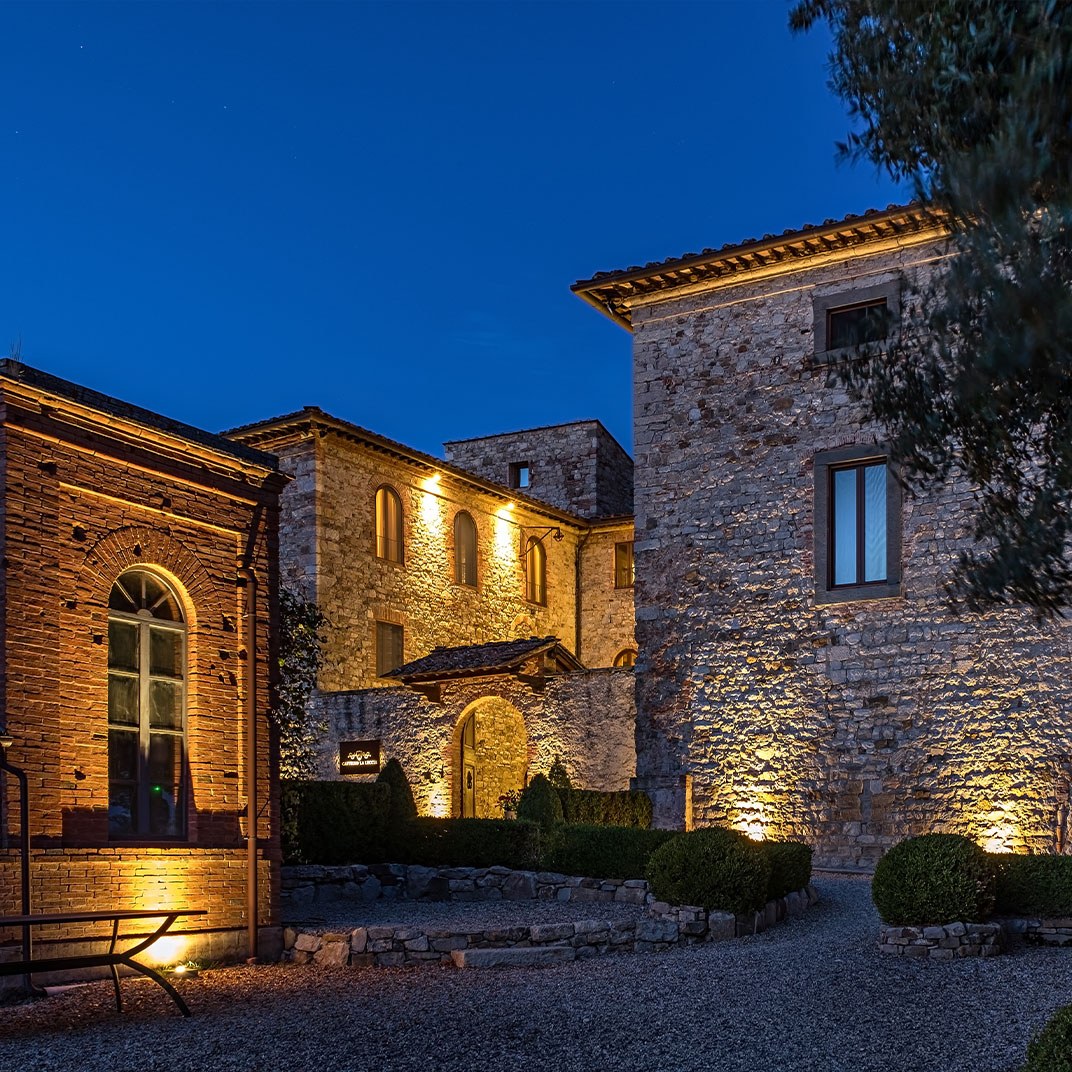
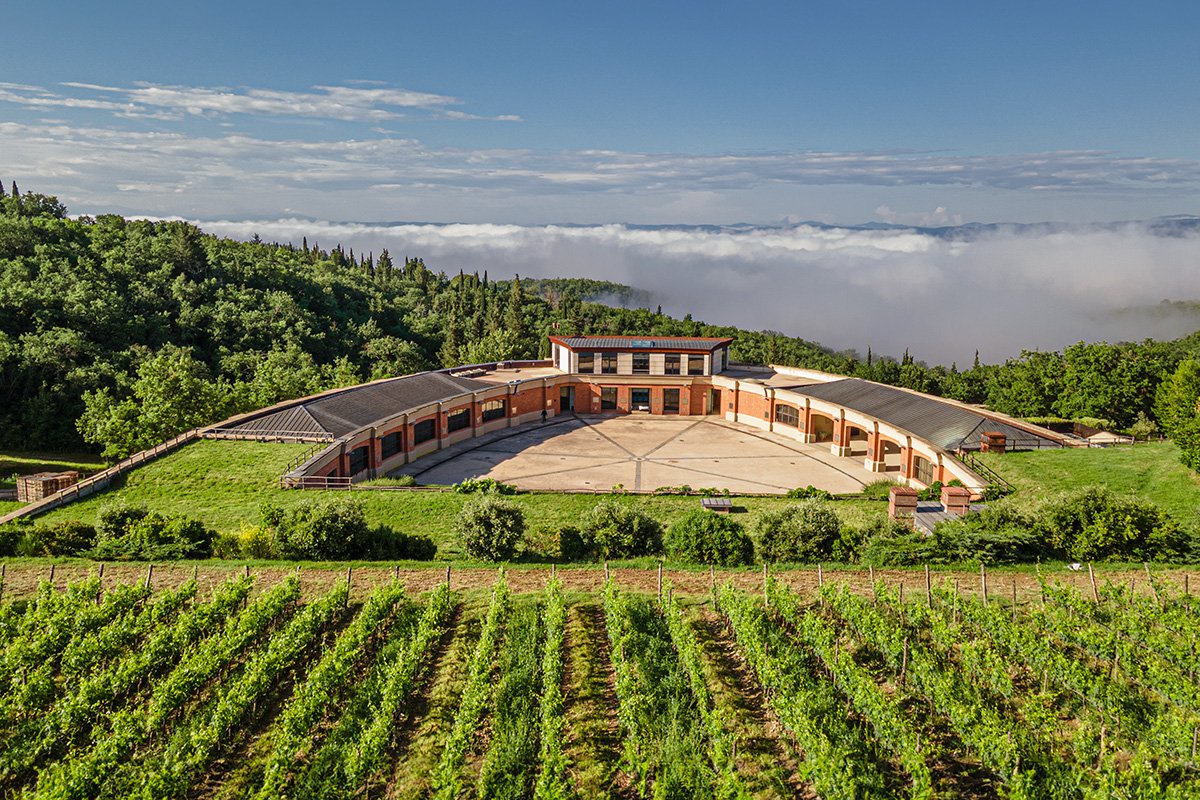
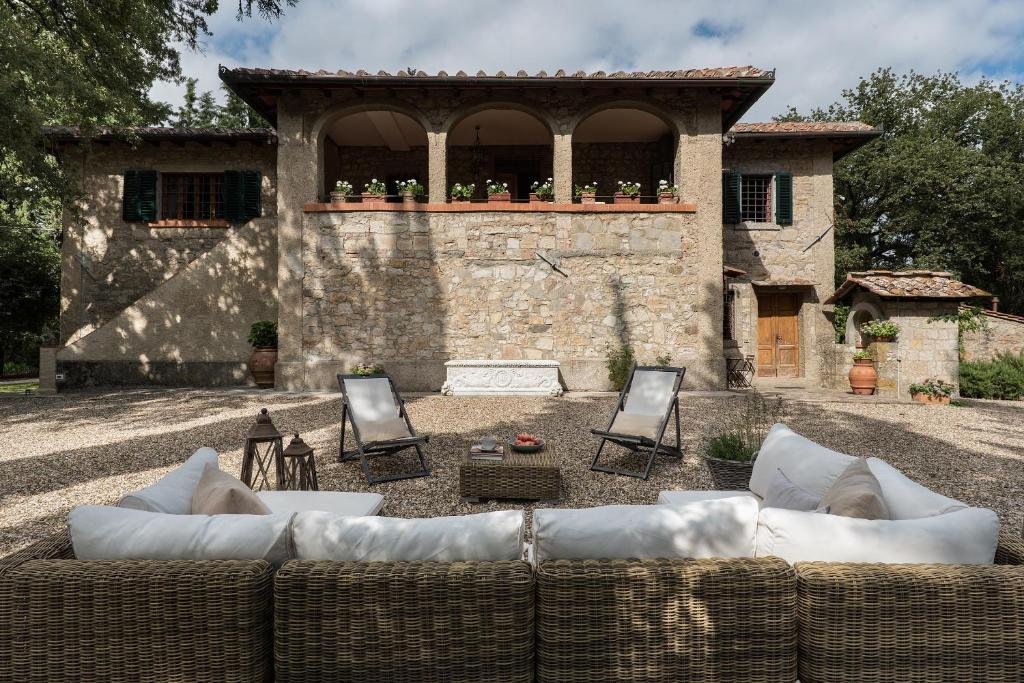
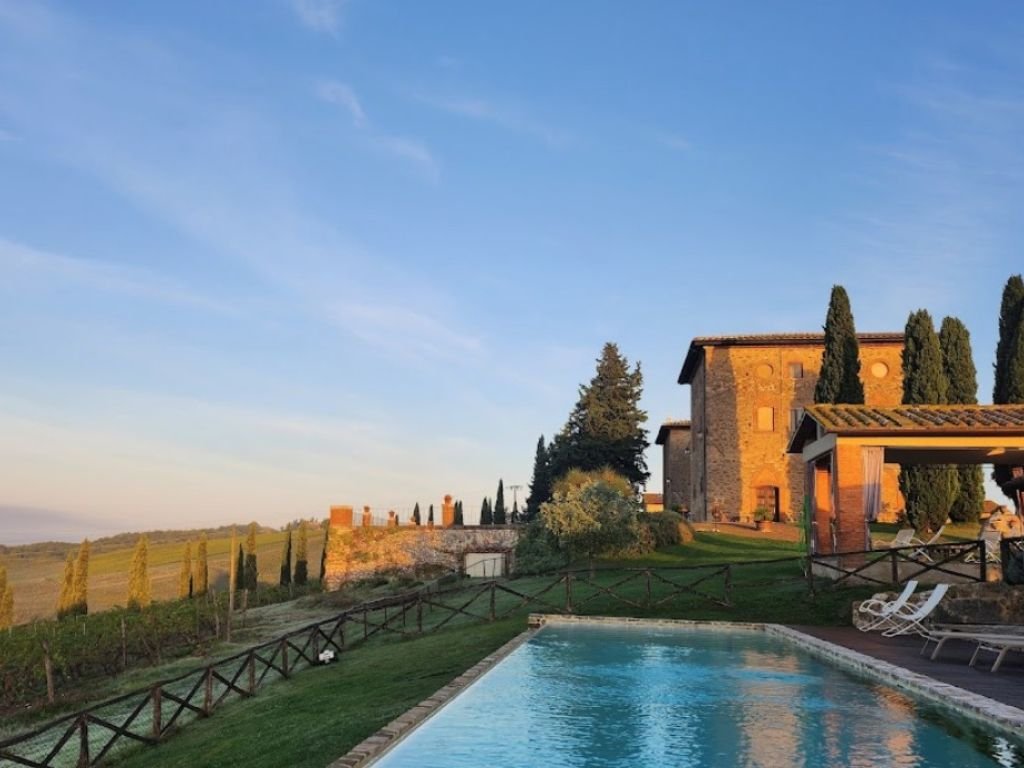
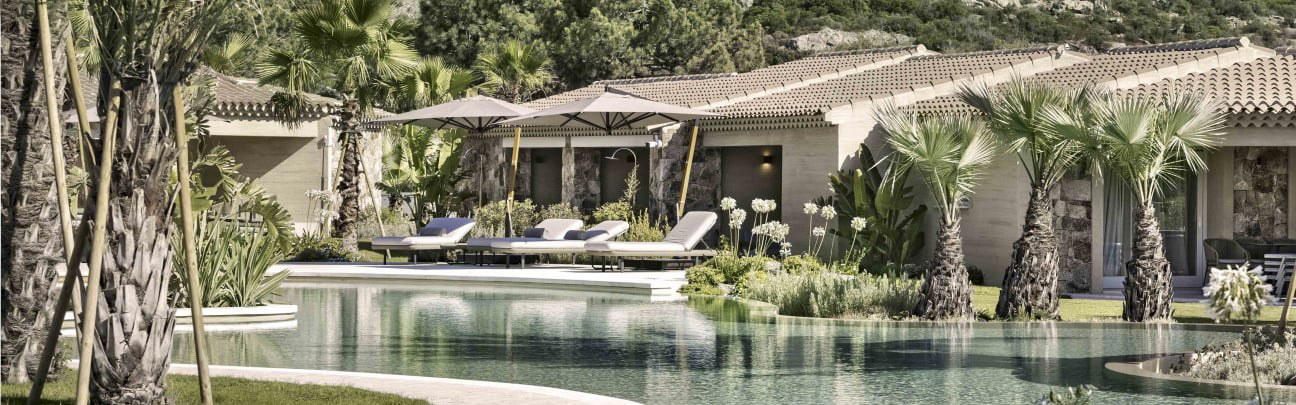
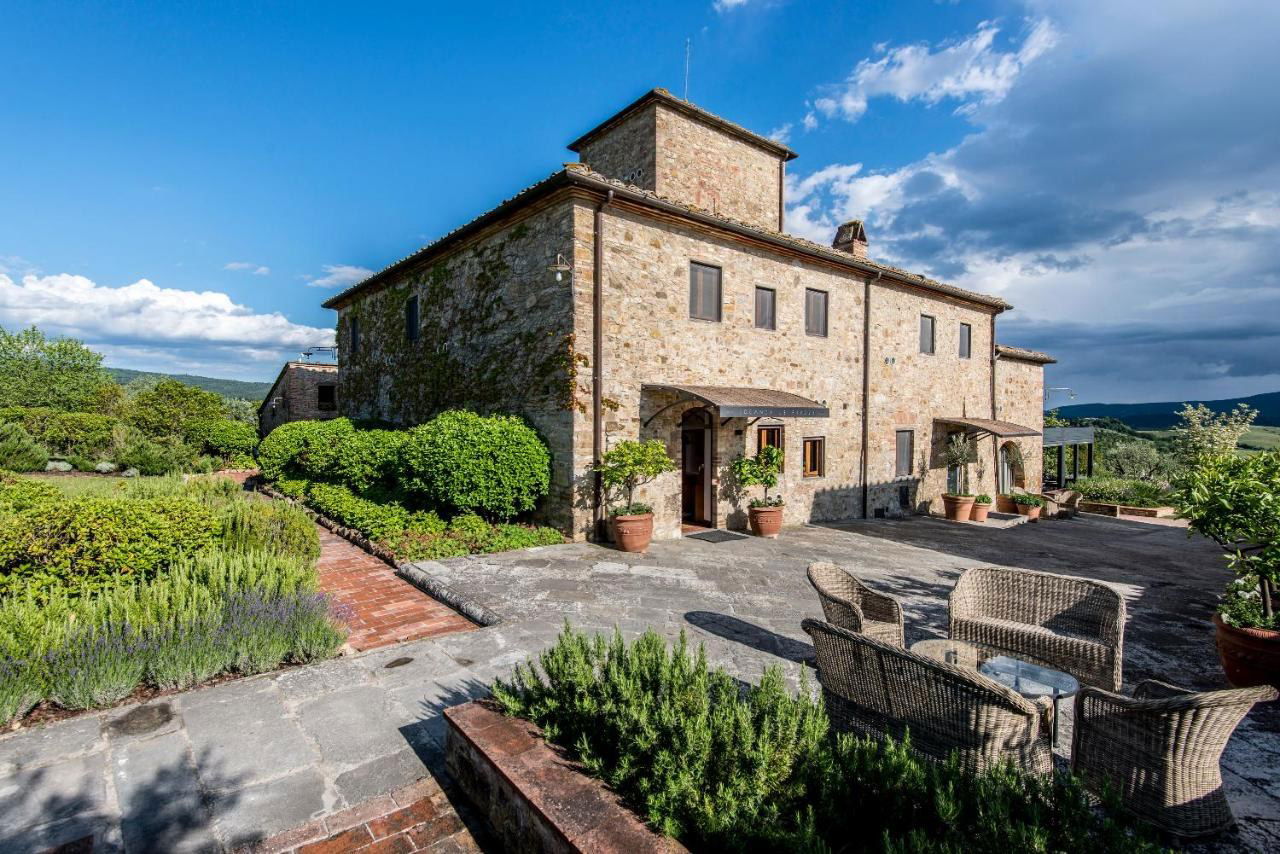
Locanda Le Piazze presents as a quietly scenic, small-scale Tuscan retreat. It operates in the locanda tradition — a lodging type rooted in working agricultural land — so the property's character is drawn from olive groves, vineyards and the late-afternoon light on the Sienese hills. The hotel sits outside Castellina in Chianti along a country road, and the surrounding ridge-top town offers medieval charm and panoramic vine-covered slopes. The MICHELIN Selected designation underscores that Le Piazze is valued for consistent quality and local character rather than spectacle, making the stay feel considered and regionally authentic.
Best For
Le Piazze is best for travelers who want a quietly curated base in the heart of Chianti Classico — guests who prioritize proximity to vineyards, authentic agrarian character and a compact, historic hill town. Its small-scale locanda model and countryside setting suit couples seeking relaxed, scenic stays, independent travelers exploring the DOCG zone, and anyone looking for an intimate alternative to larger estate hotels. The MICHELIN Selected status signals dependable standards, so it also appeals to guests who want thoughtfully run accommodations without the scale or formality of internationally branded properties.
Stay Tips
Book in advance and request accommodations with a vineyard- or hillside aspect to make the most of the property's setting; the description emphasizes views across vine-covered slopes and the particular light of the Sienese hills in late afternoon. Keep arrival times flexible so you can enjoy late-afternoon vistas from the property or nearby Castellina in Chianti. Given the locanda's smaller scale and MICHELIN Selected recognition, reservations during high season or weekends may be limited, so secure your dates early and confirm any specific room orientation when you reserve.
Venue details
Ambiance
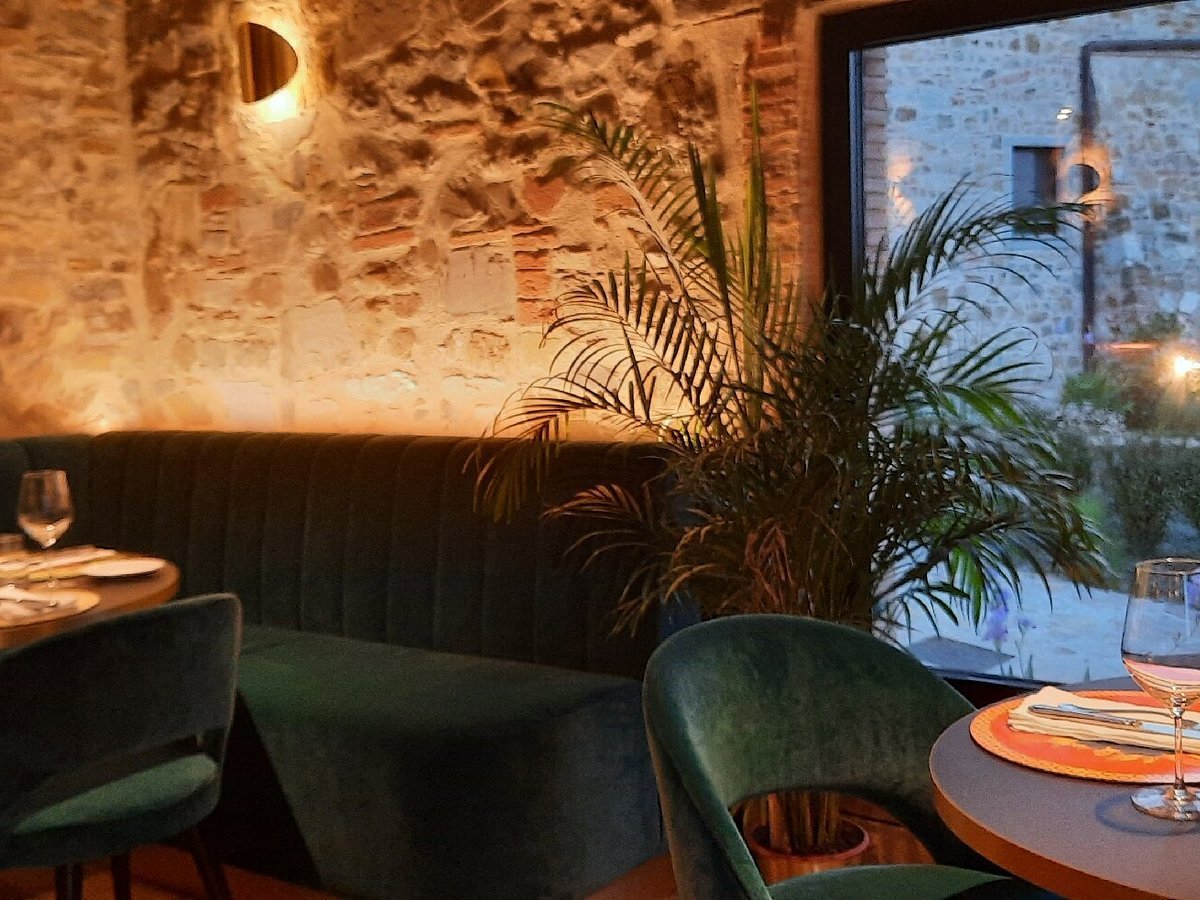
Serene and tranquil with tasteful decor, soft soothing colors, natural materials, and relaxing vineyard views.
Tags
Vibe
Best For
Experience
Amenities
View
About the Stay
- Rooms
- 20
- Check-in
- 16:00
- Check-out
- 11:30
- Property Type
- Boutique hotel
- Property Style
- Eco Friendly Luxury Boutique in Restored 16th Century Farmstead
- Design Style
- Rustic Elegance with Beamed Ceilings, Terracotta Tiles, Natural Materials, and Antiques
- Pool
- Yes
- Spa
- Yes
- Pets
- Allowed
Know before you go
Know Before You Go
- Getting there
- Località Piazze, 41, 53011 Castellina in Chianti SI, Italy
Planning details
Location
Località Piazze, 41, 53011 Castellina in Chianti SI, Italy · Directions
Recognition and awards
Also consider
Also Consider
- Castello La Leccia, Notable alternative
- Monteriggioni, Notable alternative
- La Locanda Di Pietracupa, Notable alternative
- Relais Borgo Vescine, Notable alternative
- Borgo Vescine, Notable alternative
Hotel context
How It Compares
Choose Locanda Le Piazze if on-site dining and a quieter countryside mood matter more than being in the middle of town. Compared with Castello La Leccia, it reads as the more dining-led hotel decision, while Castello La Leccia is the better cross-shop for travelers who want a castle-style stay in Castellina in Chianti.
Relais Borgo Vescine and Borgo Vescine are the stronger alternatives if the brief is a hamlet-style rural stay with more of the property carrying the experience. Locanda Le Piazze is the safer pick when dinner on property is part of the plan and the group wants a quieter evening rhythm.
If availability is tight, also check La Locanda Di Pietracupa and Monteriggioni. They make sense as fallback options for travelers who care less about staying directly in Castellina in Chianti and more about keeping access to the wider Chianti area.
Explore Castellina in Chianti
Around this place
Discover more on Pearl
Unlock the full Locanda Le Piazze guide in Pearl, including awards, comparisons, FAQs, planning details, and nearby places.
Compare Locanda Le Piazze
| Venue | Location | Awards |
|---|---|---|
| Locanda Le Piazze | Castellina in Chianti | 2025 Michelin Selected Hotels |
| Castello La Leccia | Castellina in Chianti | No published awards |
| Monteriggioni | Monteriggioni | No published awards |
| La Locanda Di Pietracupa | Tavarnelle Val di Pesa | No published awards |
| Relais Borgo Vescine | Radda in Chianti | Star Wine Lists 2026Tablet Hotels Top 40 New Hotels 2025 · #192025 Michelin Selected Hotels |
| Borgo Vescine | Siena | No published awards |


How Locanda Le Piazze compares with similar nearby venues.
FAQ
Frequently Asked Questions
What is check-in like at Locanda Le Piazze?
Locanda Le Piazze is a hotel in Castellina in Chianti, and guests should confirm arrival timing, access details, and any special requests directly with the property before travel. The MICHELIN Guide hotel selection for 2025 is the main recognition signal.
Is Locanda Le Piazze good for business travel?
It does not specify business-travel features such as meeting rooms, desk setup, or work-focused amenities. It may still suit some travelers looking for a stay in Castellina in Chianti, but anyone booking for work should confirm the practical requirements directly before reserving.
Which room category is best at Locanda Le Piazze?
It does not provide room inventory or category details. Choose a room only after reviewing the current options from the booking channel or the property directly, and confirm any needs such as space, bedding, or outlook before reserving.
How is the location of Locanda Le Piazze?
Locanda Le Piazze is in Castellina in Chianti. For a fuller comparison, Castello La Leccia and Relais Borgo Vescine are other hotel options to consider, while Monteriggioni may suit travelers comparing nearby destinations.