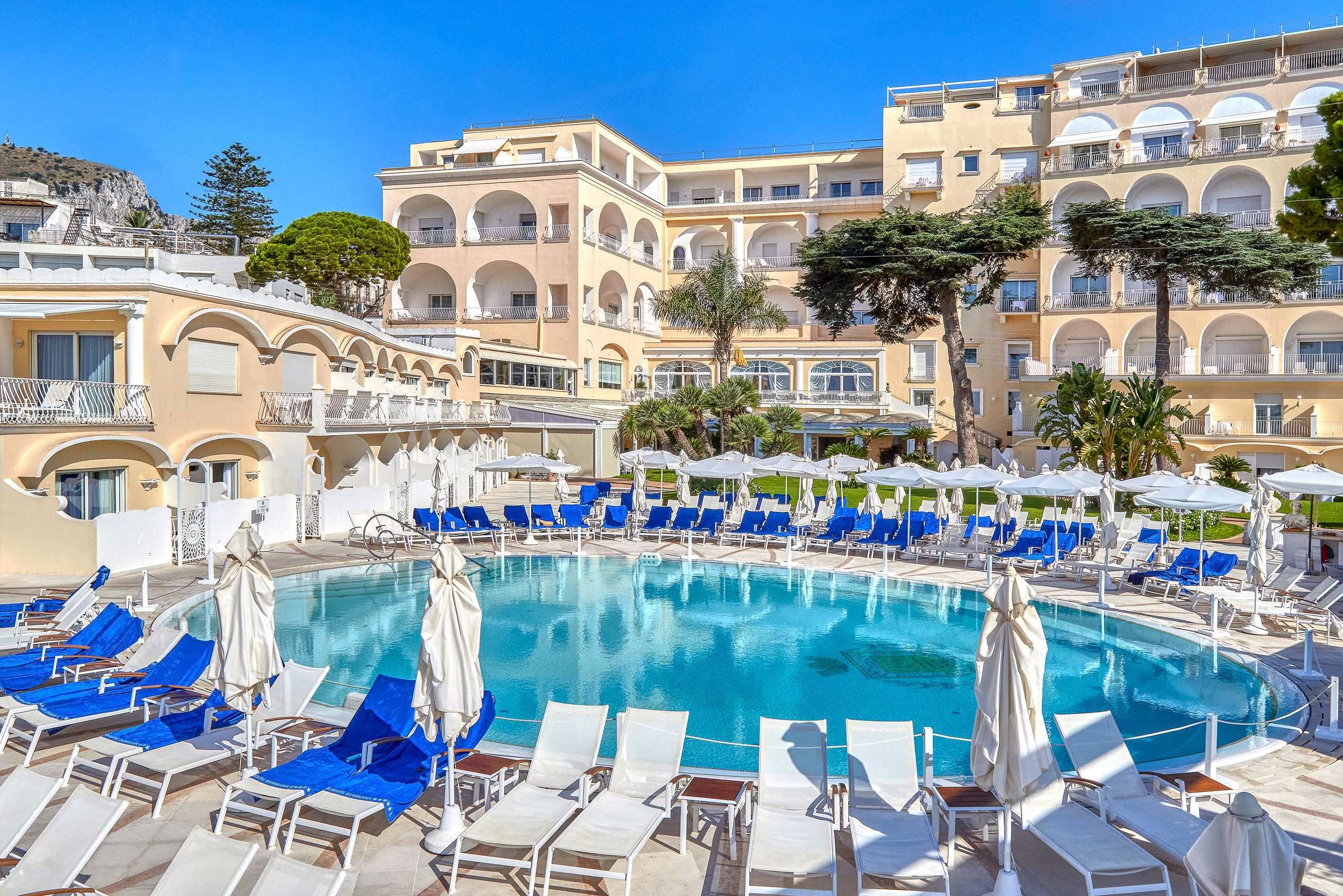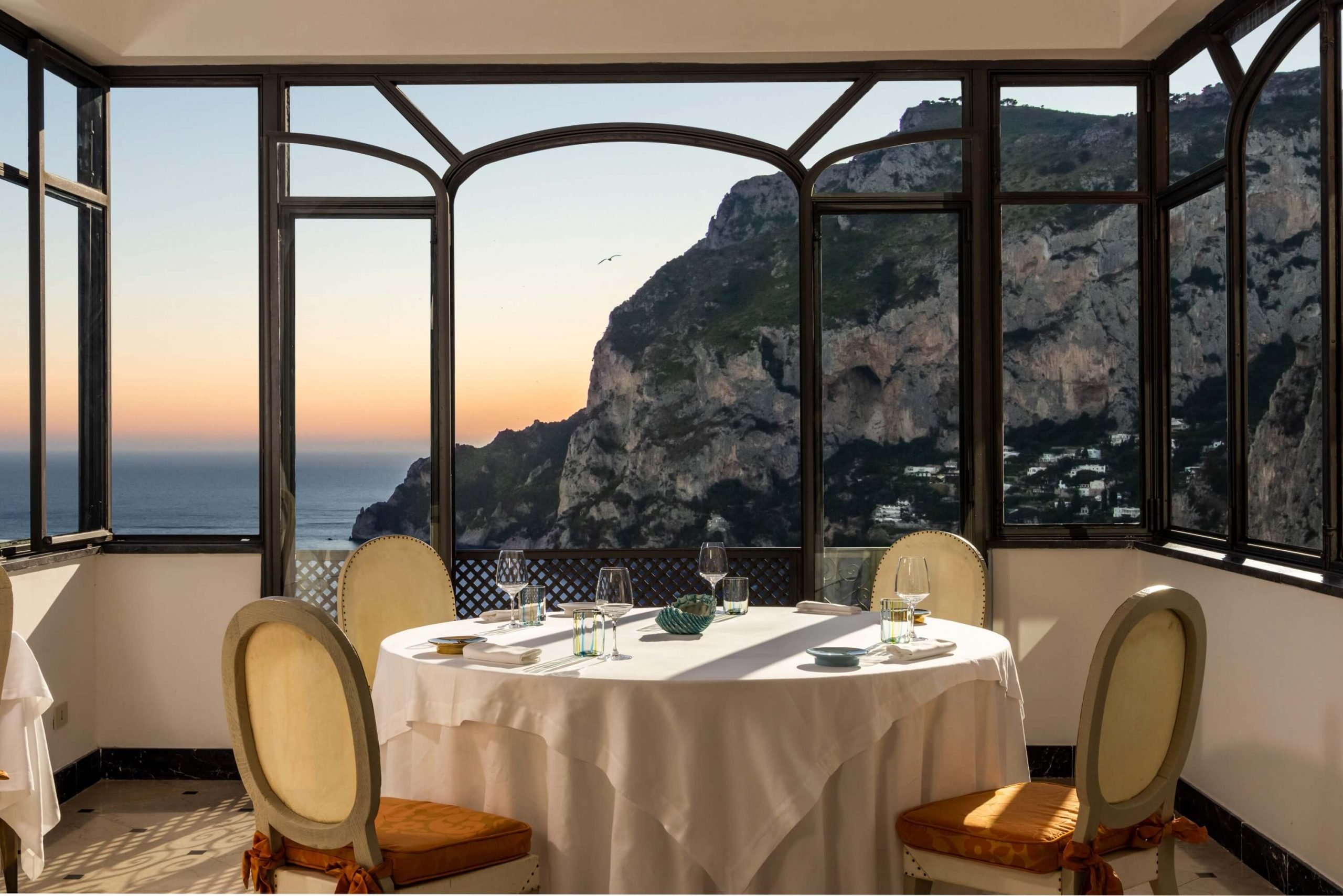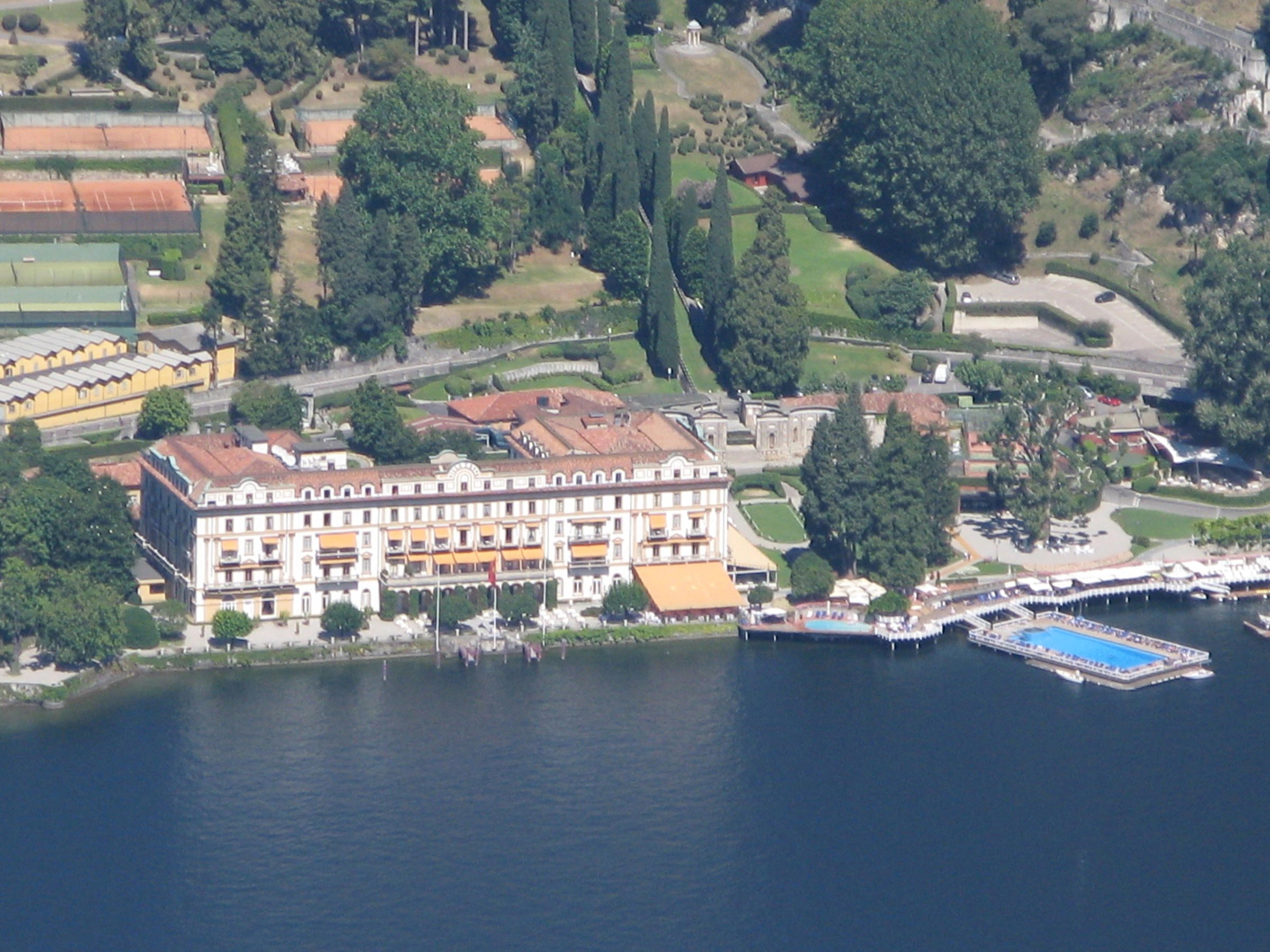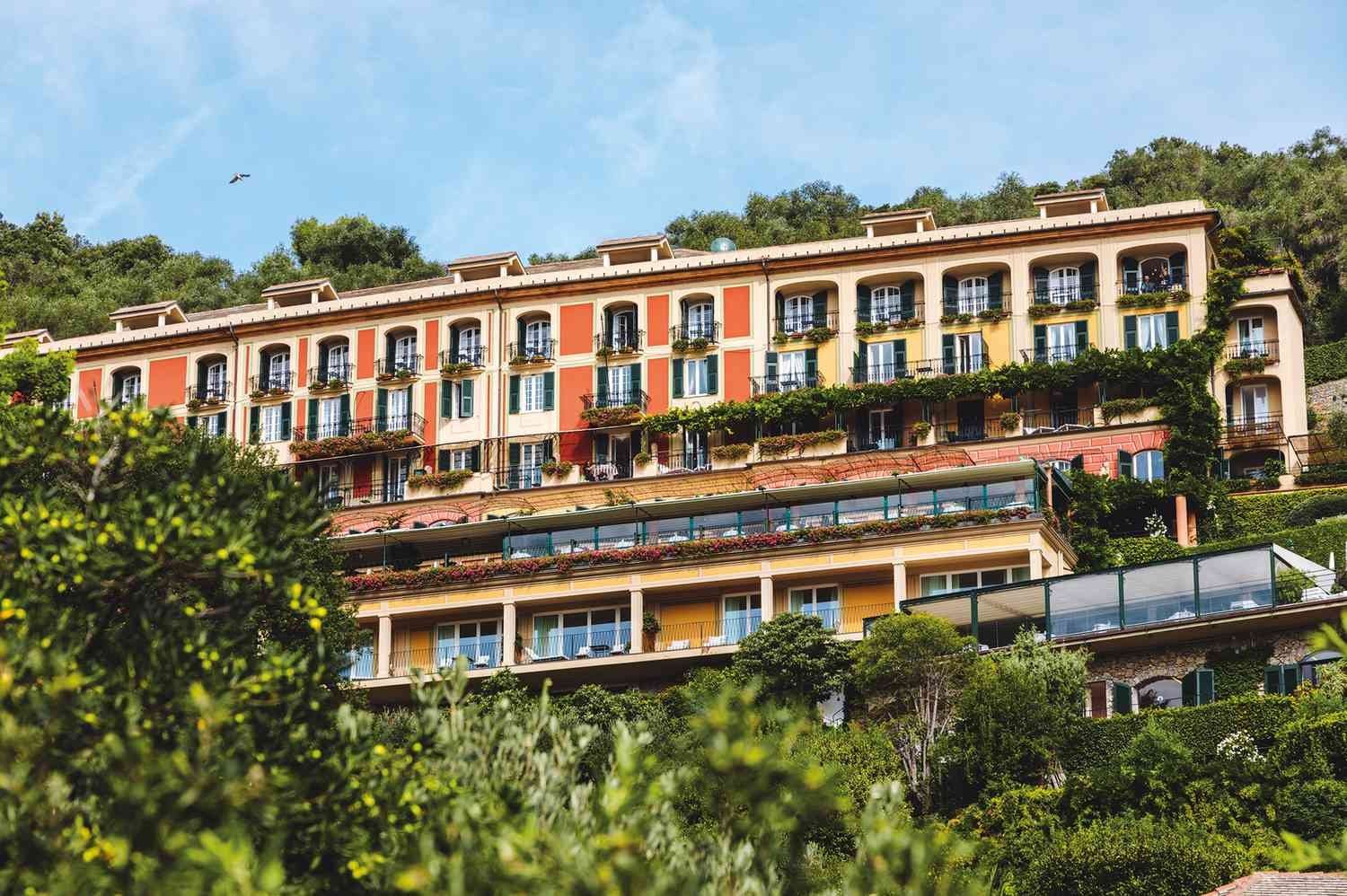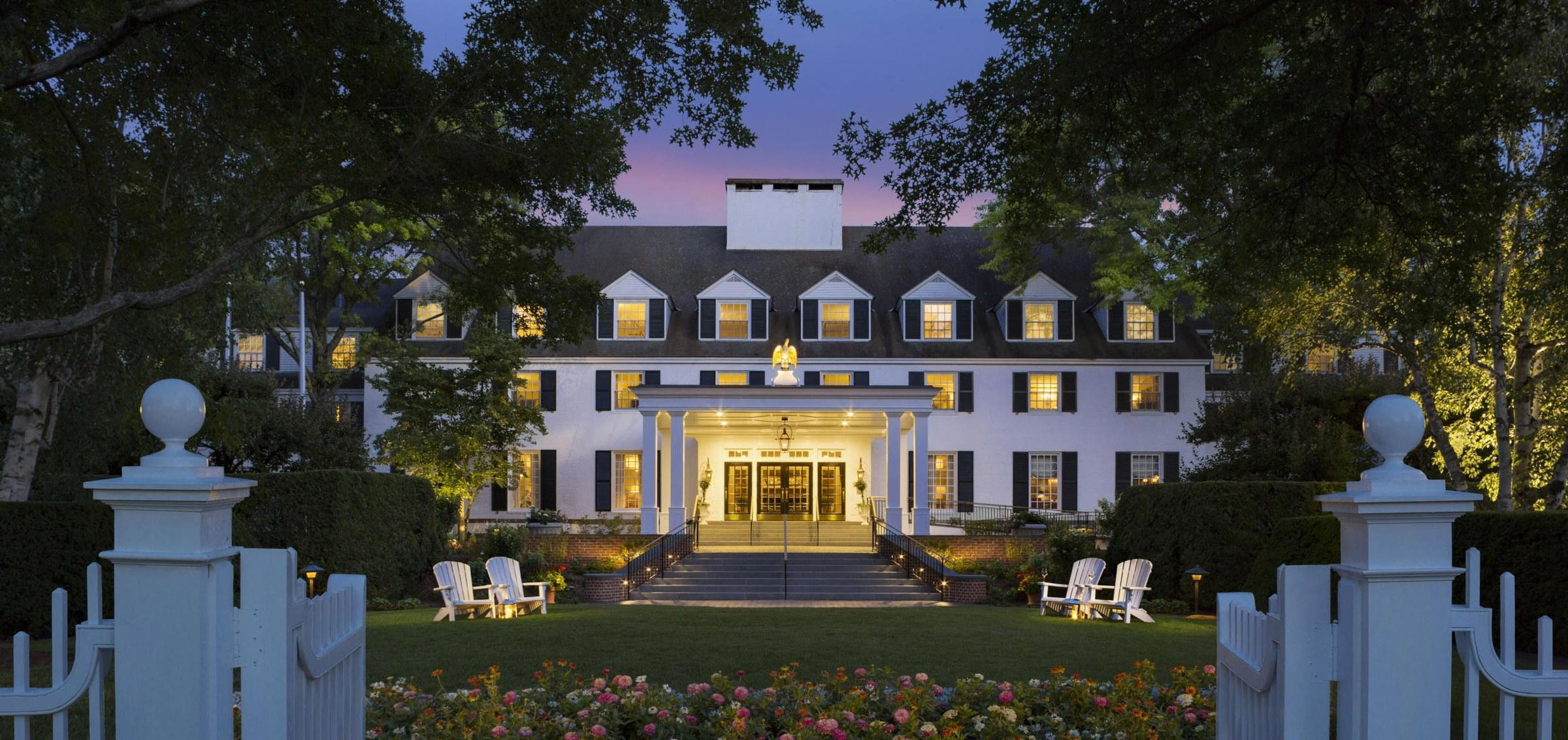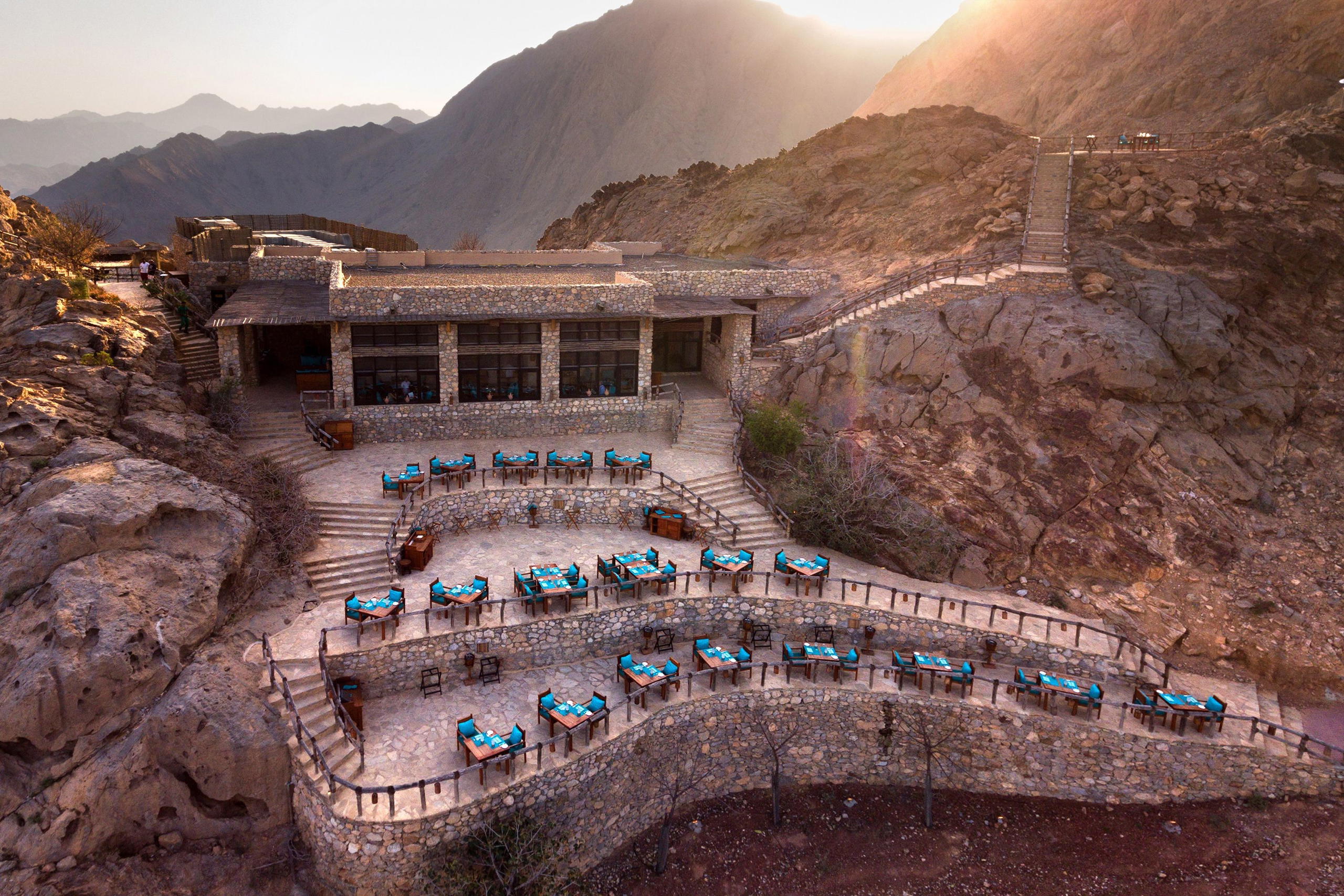


Hotel La Palma Capri, an Oetker Collection Hotel
Piazzetta, Capri
Hotel in Capri, Italy
 Book with Pearl
The Read
Historic Island Residency
Why go
Book this if you want a polished central Capri base and are willing to choose the room category carefully. The Michelin 1 Key and Virtuoso recognition support the luxury positioning, but the value depends on whether location and room comfort matter more than a quieter resort feel.
About Hotel La Palma Capri, an Oetker Collection Hotel
Hotel La Palma Capri, an Oetker Collection Hotel is a hotel in Capri. It carries a Michelin 1 Key for 2025 and is listed as a Virtuoso Luxury Hotel Partner for 2026. The dress code is smart casual.
Before booking, confirm the exact room category, inclusions, cancellation terms, dining availability, and any family or accessibility needs directly with the hotel or your booking advisor.
Book for a Capri hotel, then check the practical details
The safest reason to shortlist Hotel La Palma Capri, an Oetker Collection Hotel is its Capri setting and recognition. The Michelin 1 Key and Virtuoso Luxury Hotel Partner status can help frame expectations, but they should not replace a careful review of the room type and booking terms you are considering.
For comparison within Capri, you can also look at Casa Morgano, Capri Tiberio Palace, Grand Hotel Quisisana, Palazzo M Capri, and Pazziella, a Luxury Collection Hotel, Capri. Use those comparisons to check rates, room categories, and the type of stay that best fits your trip.
The room-category call is where the value is won or lost
Do not treat the cheapest available room as the automatic default. The value depends on whether the specific category you book matches how you plan to use the hotel. Confirm the size, outlook, outdoor space if relevant, and any included benefits before committing.
If your trip is built around Capri dining, bars, and experiences, use the hotel as one part of the overall plan. Confirm current dining, bar, and experience information directly with the hotel or the relevant provider before you book.
Inside Hotel La Palma Capri, an Oetker Collection Hotel
Planning details
- Location
- Via Vittorio Emanuele, 39, 80073 Capri NA
- Website
- oetkerhotels.com/hotels/hotel-la-palma
- Phone
- +39 081 837 0133
The take
The Take
The Vibe
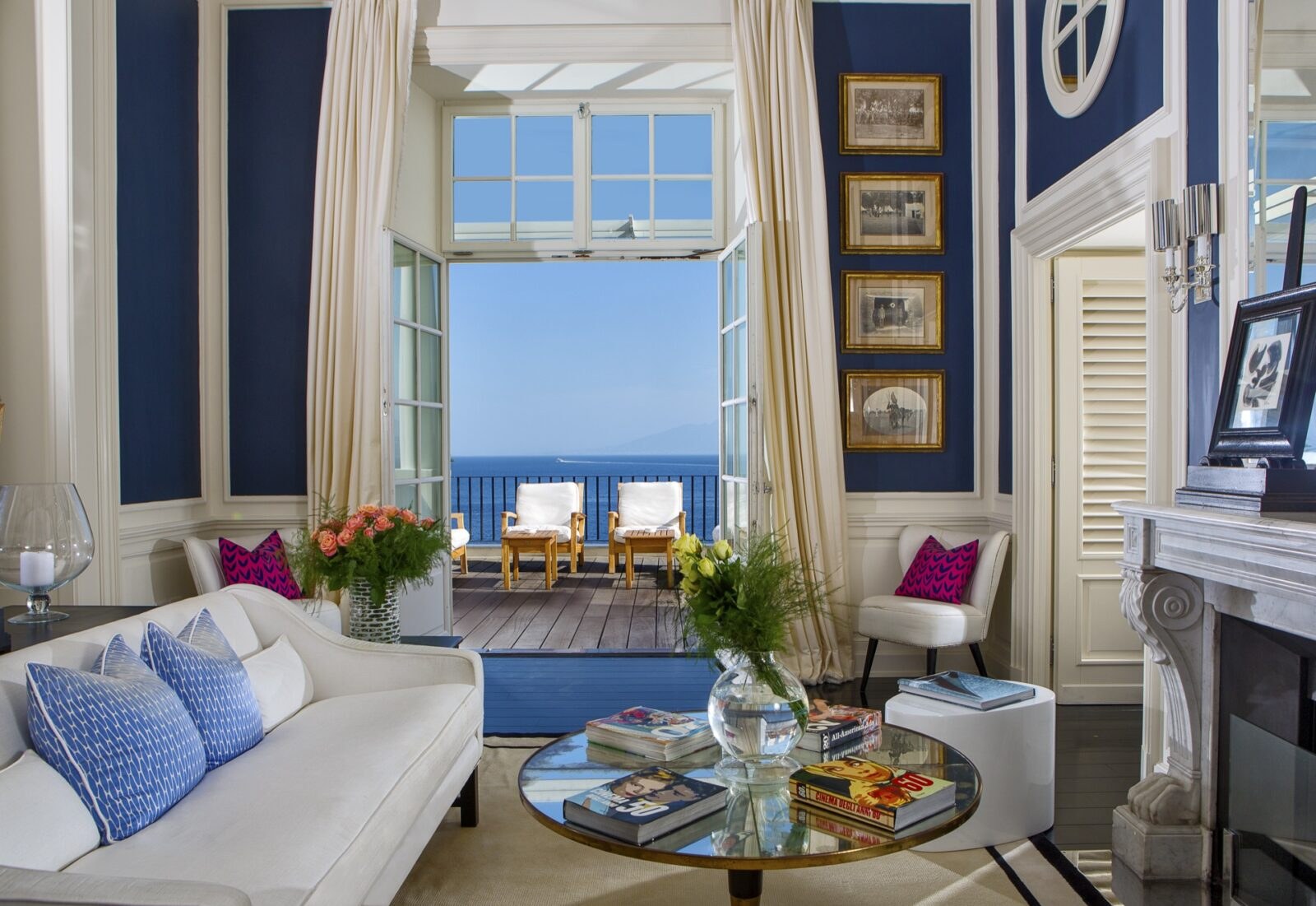
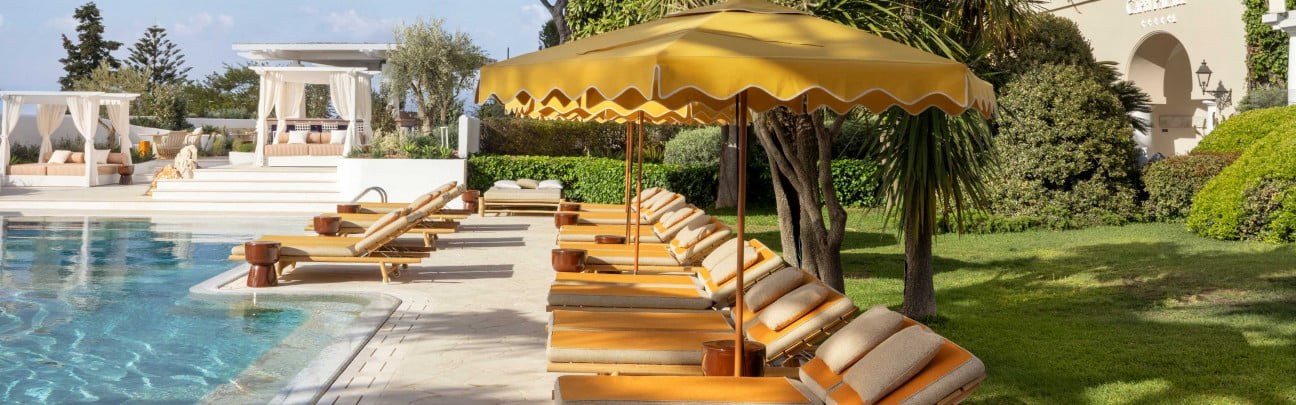
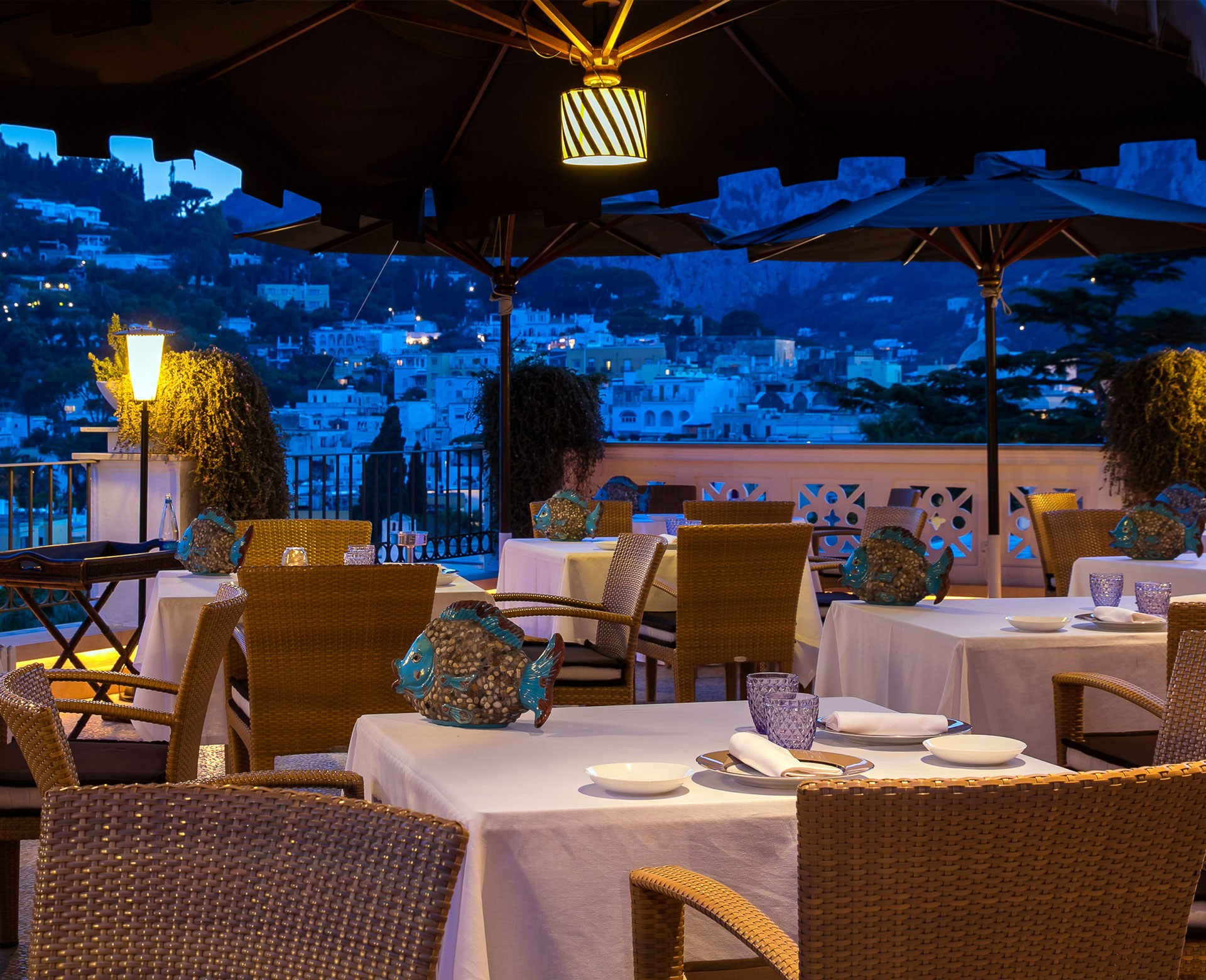
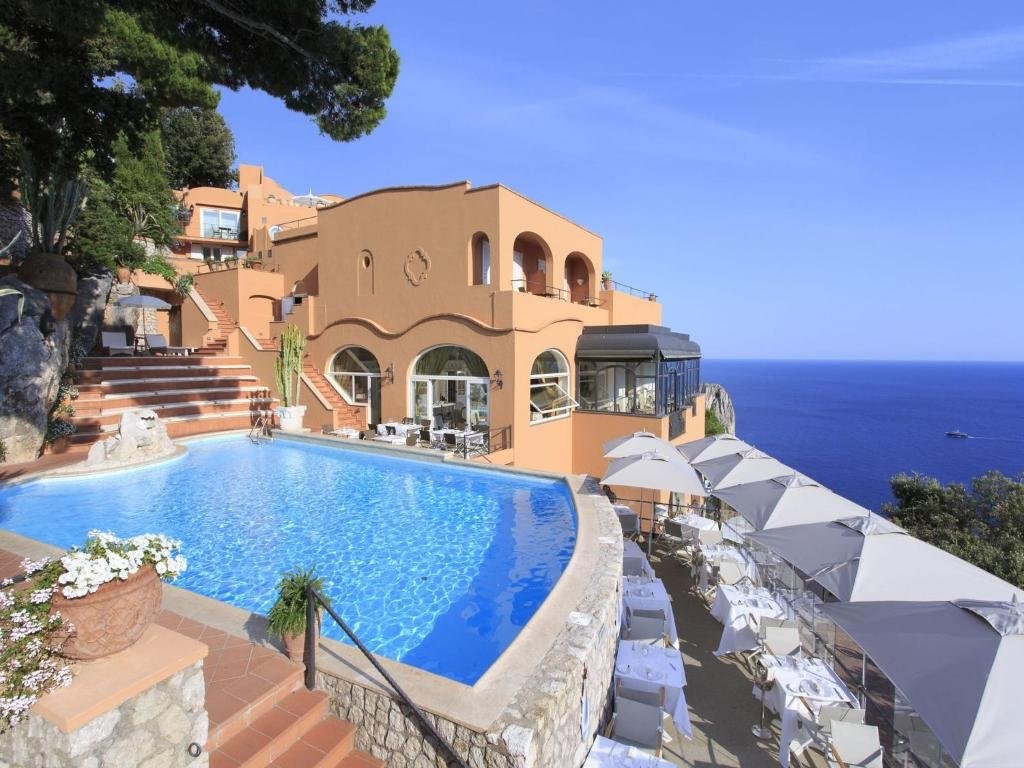
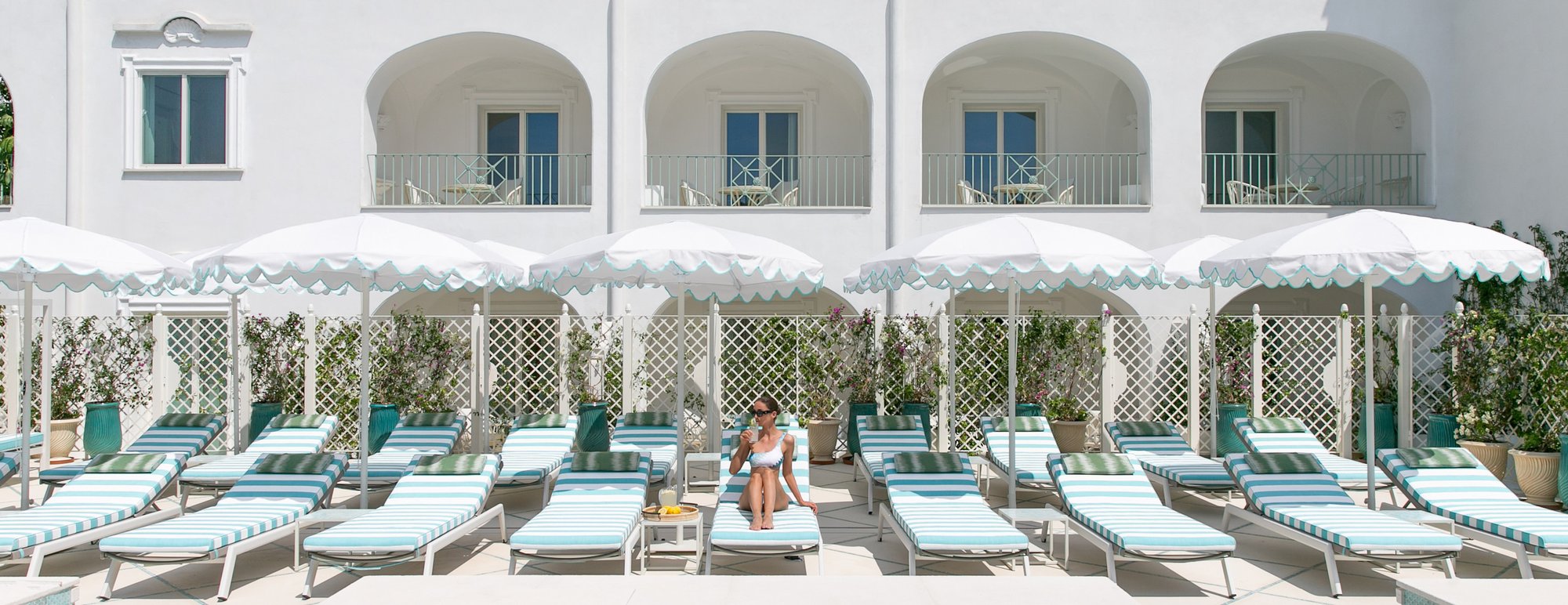
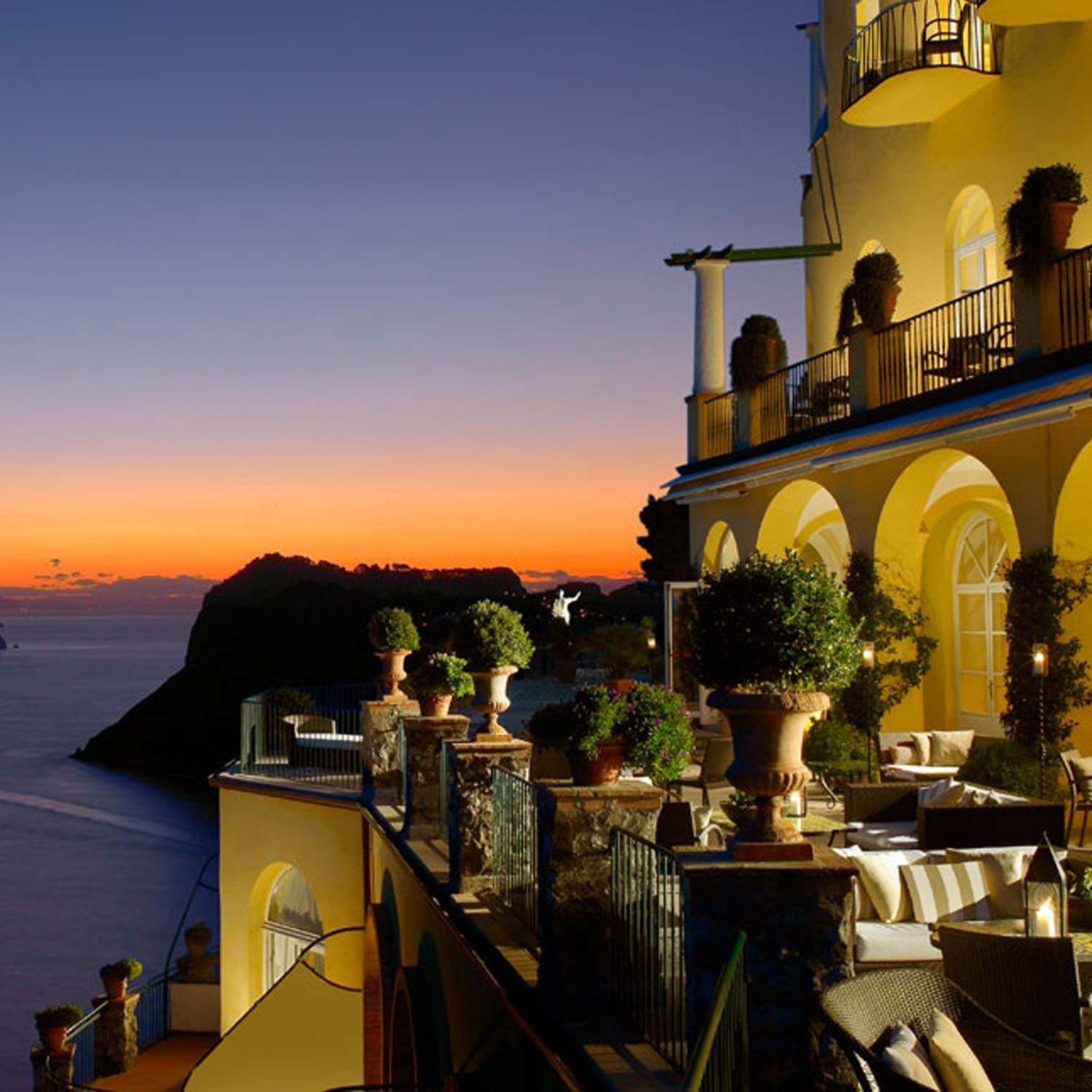
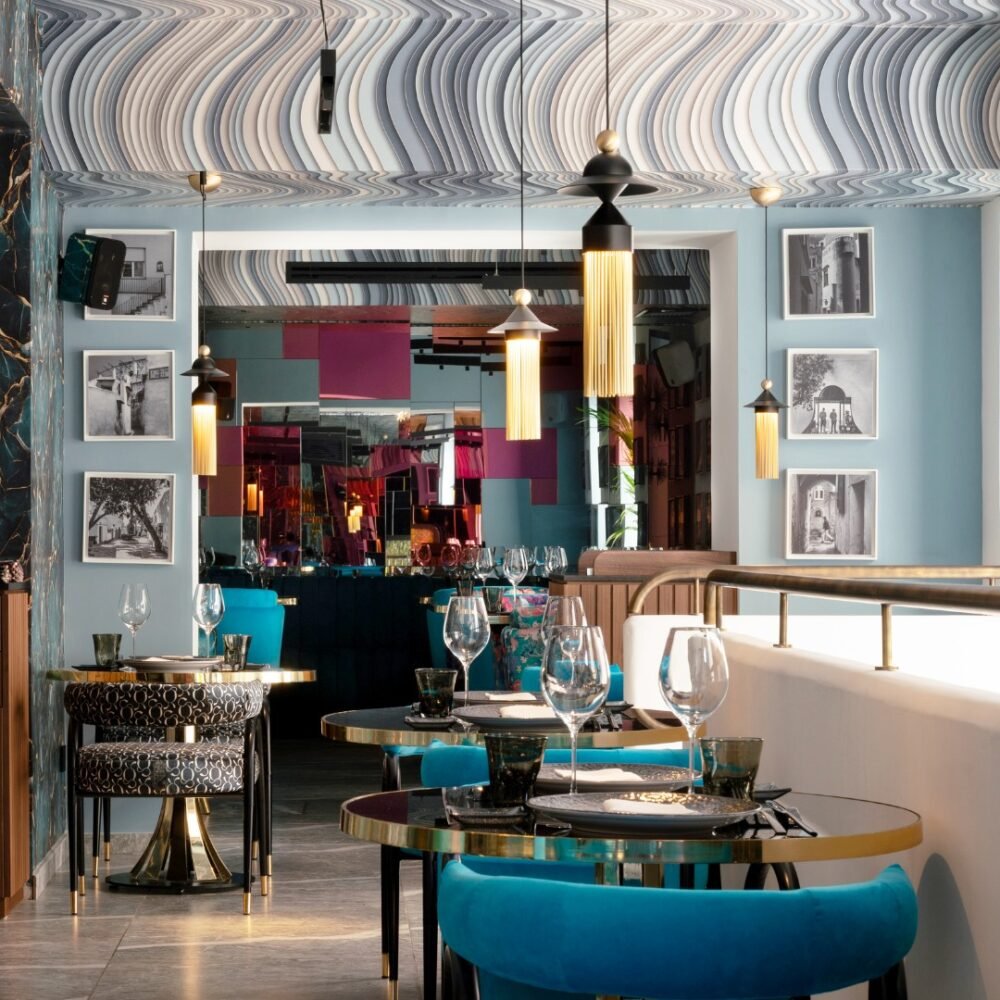
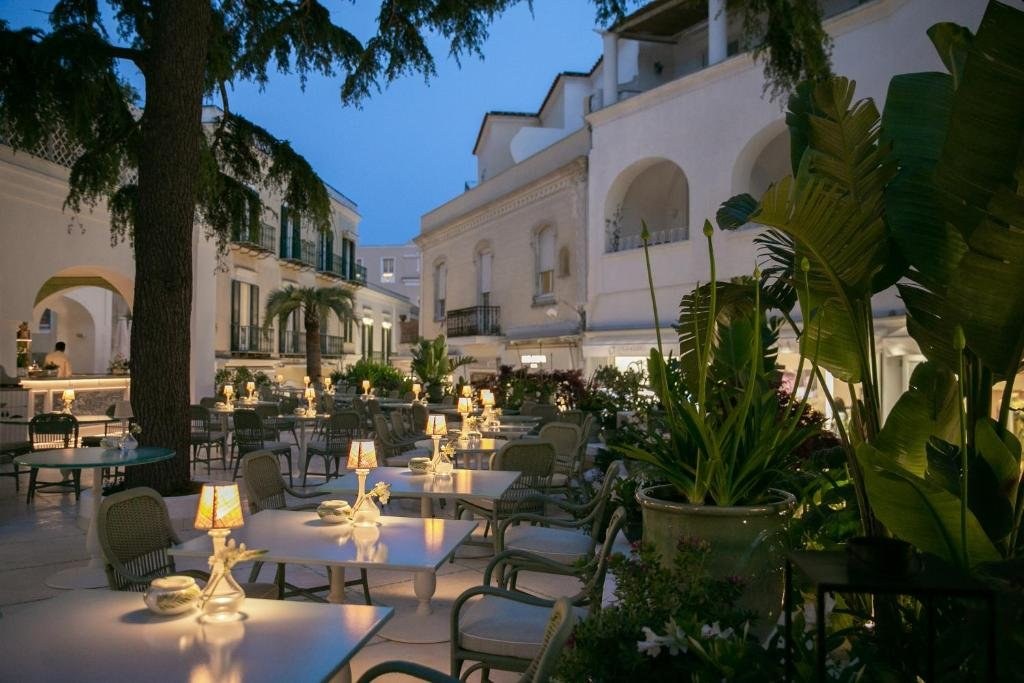
Hotel La Palma reads as Capri in miniature: a historically rooted address (founded in 1822) that sits steps from the Piazzetta. A Francis Sultana–led renovation leans into the island’s 1950s jet‑set era, so the hotel feels classically composed rather than aggressively contemporary. With just 50 rooms and suites, and a compact program of three food-and-beverage outlets, a private beach club and a spa, the property favors an intimate, charming temperament over resort scale. The result is a historic, classic hotel that feels quietly social and personally anchored to Capri’s enduring island rituals.
Best For
The hotel is best for travelers who want to be at the centre of Capri life. Its address on Via Vittorio Emanuele places the Piazzetta—the island’s social and sartorial barometer—within easy reach, so mornings and evenings naturally revolve around the square. Couples and celebratory travelers benefit from the hotel’s small scale, historic pedigree and on‑site offerings (dining, spa and private beach access). For visitors looking to remove logistics from their itinerary and live the island’s pedestrian rhythm, La Palma’s centrality and programmatic breadth make it a practical, atmospheric choice.
Venue details
Ambiance
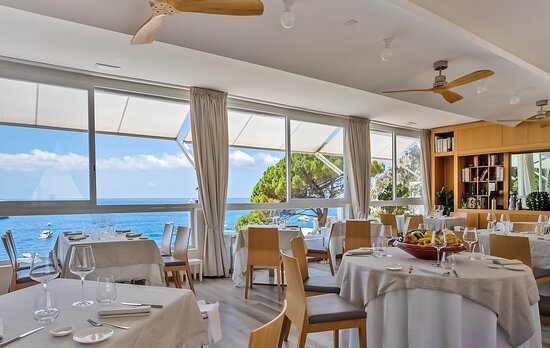
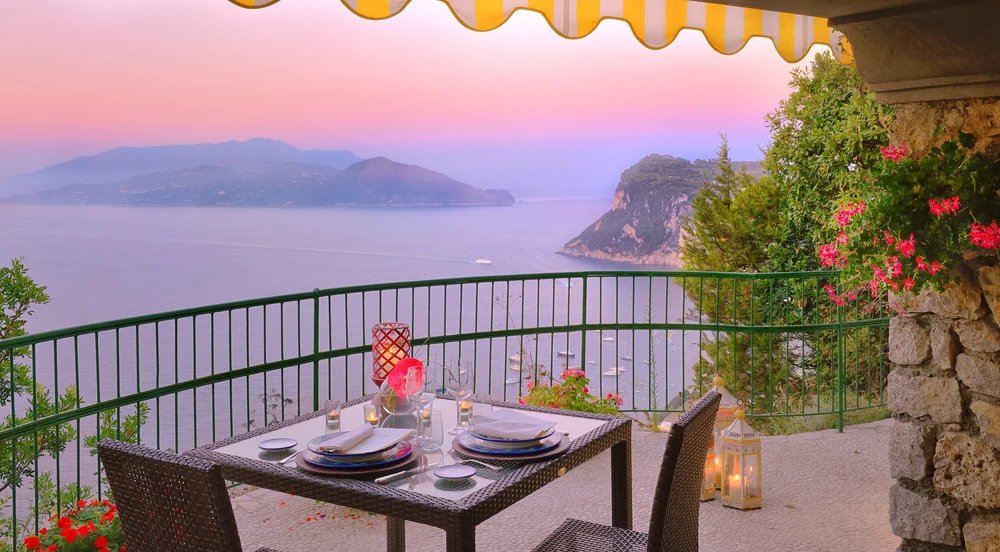
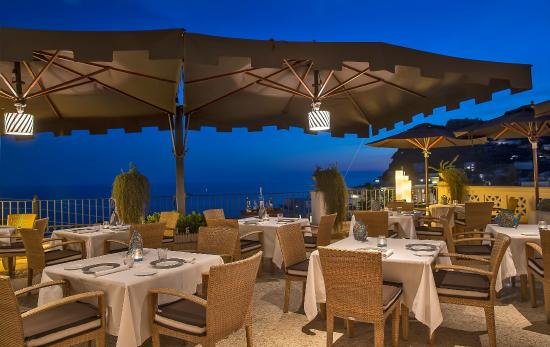
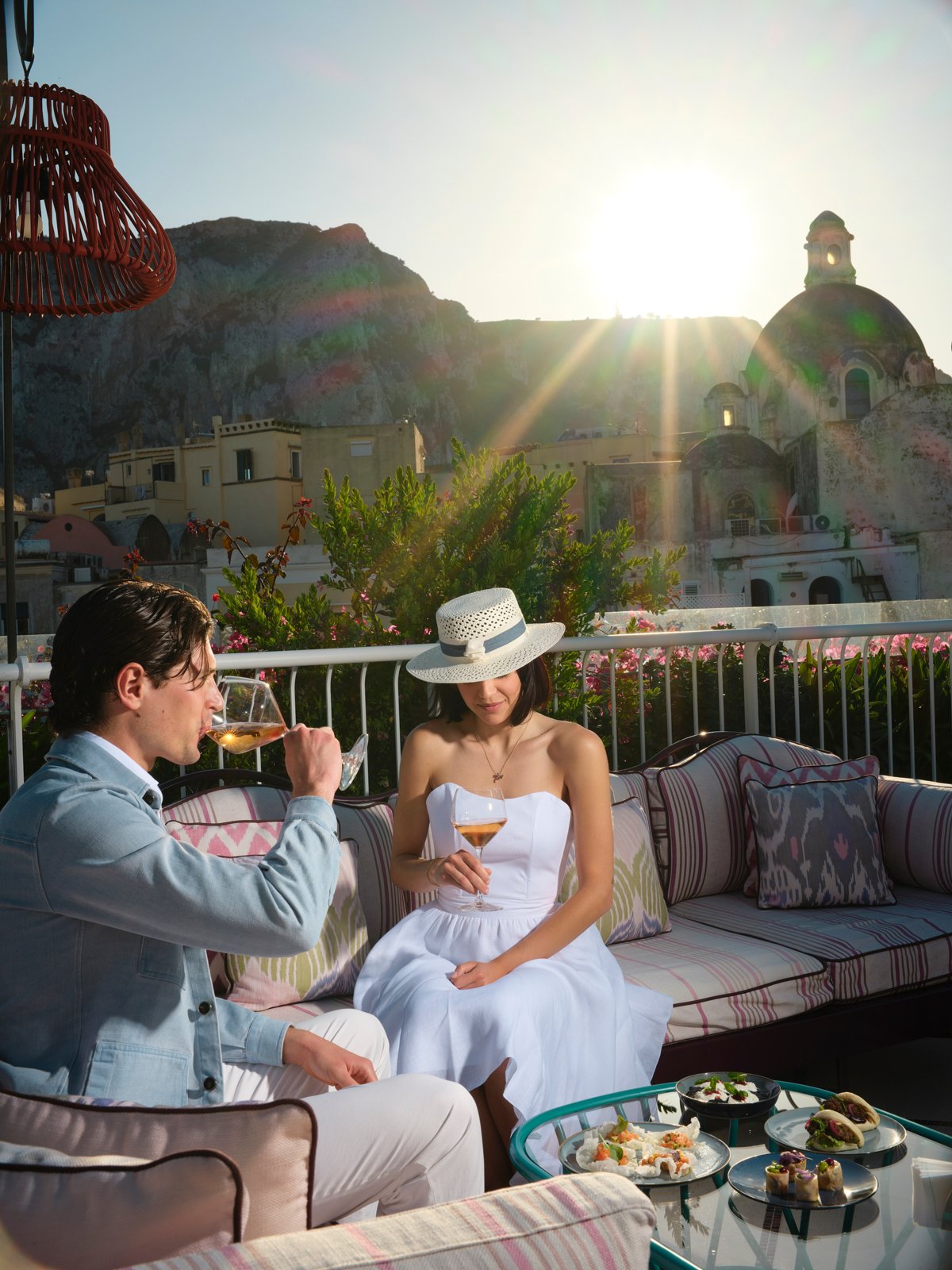
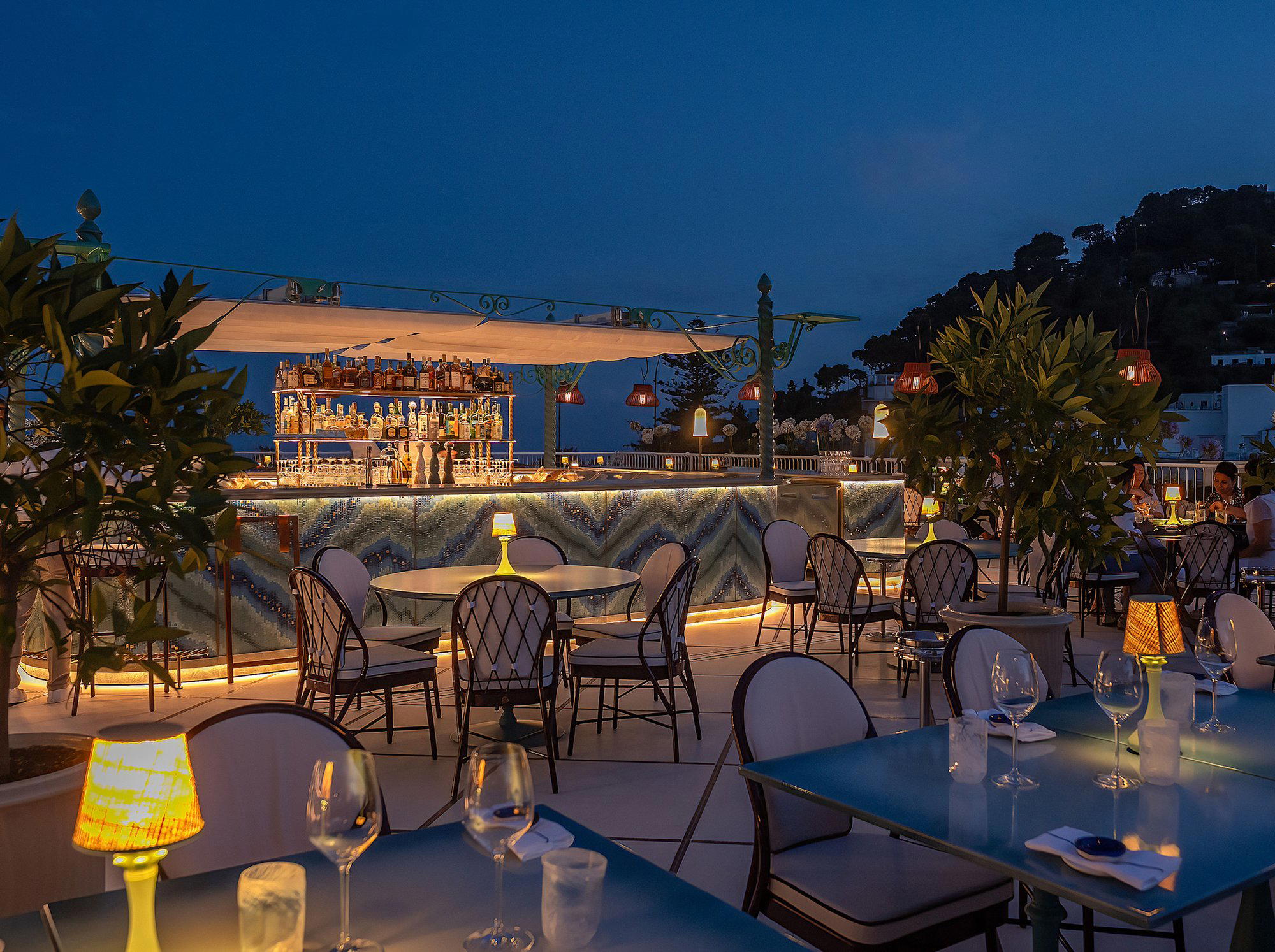
Glamorous yet warm Mediterranean elegance with soft lighting on the rooftop terrace, sophisticated dining spaces, and sun-drenched beach club atmosphere.
Tags
Vibe
Best For
Experience
Amenities
View
Accessibility
About the Stay
- Rooms
- 50
- Check-in
- 15:00
- Check-out
- 11:00
- Property Style
- Luxury Mediterranean Retreat Blending Historic Heritage with Contemporary Design, Positioned as Oetker Collection's Flagship Italian Property.
- Design Style
- Contemporary Mediterranean Elegance with Individually Furnished Rooms, Frescoed Walls, Traditional Tiled Floors, and Refined Interiors by Francis Sultana.
Know before you go
Know Before You Go
- Getting there
- Via Vittorio Emanuele, 39, 80073 Capri NA
Planning details
Location
Via Vittorio Emanuele, 39, 80073 Capri NA · Directions
Recognition and awards

Also consider
Also Consider
- Grand Hotel Quisisana, Notable alternative
- Palazzo M Capri, Notable alternative
- Pazziella, a Luxury Collection Hotel, Capri, Notable alternative
- Capri Tiberio Palace, Notable alternative
- Casa Morgano, Notable alternative
Hotel context
Against Grand Hotel Quisisana, Hotel La Palma Capri is the sharper pick if you want central Capri with a more edited luxury-hotel feel. Quisisana is the safer classic-Capri choice for guests who want the grand-hotel reference point; La Palma is the better call when room choice and a tighter town itinerary matter more than heritage scale.
Compared with Palazzo M Capri and Pazziella, a Luxury Collection Hotel, Capri, La Palma should be treated as the bigger splurge and booked only if its recognition and central positioning justify the rate. Palazzo M and Pazziella are the stronger cross-shops for travelers who want Capri access but are watching value more closely.
Capri Tiberio Palace and Casa Morgano are better alternatives if the goal is a softer hotel rhythm away from the busiest town energy. Choose La Palma for a polished, central stay; choose those peers when ambiance and a calmer base are higher priorities than being in the middle of Capri.
Around this place
Discover more on Pearl
Unlock the full Hotel La Palma Capri, an Oetker Collection Hotel guide in Pearl, including awards, comparisons, FAQs, planning details, and nearby places.
Compare Hotel La Palma Capri, an Oetker Collection Hotel
| Venue | Location | Awards |
|---|---|---|
| Hotel La Palma Capri, an Oetker Collection Hotel | Capri | 2026 Virtuoso Luxury Hotel CollectionMichelin 1 Key 20252025 Michelin 1 Key |
| Grand Hotel Quisisana | Capri | 2026 Forbes RecommendedLeading Hotels of the World 20262025 Forbes Recommended |
| Palazzo M Capri | Capri | No published awards |
| Pazziella, a Luxury Collection Hotel, Capri | Capri | No published awards |
| Capri Tiberio Palace | Capri | 2026 Forbes Recommended2026 Virtuoso Luxury Hotel Collection2026 Mr & Mrs Smith Luxury HotelsLeading Hotels of the World 20262026 La Liste Top Hotels2025 Michelin 1 Key2025 Forbes Recommended2024 Michelin 1 Key |
| Casa Morgano | Capri | No published awards |



How Hotel La Palma Capri Review: Michelin Key Capri Hotel compares with similar nearby venues.
FAQ
Frequently Asked Questions
Is Hotel La Palma Capri, an Oetker Collection Hotel family-friendly?
The hotel is in Capri, has a smart casual dress code, carries a Michelin 1 Key for 2025, and is a Virtuoso Luxury Hotel Partner for 2026. Families should confirm room configurations, policies, and practical needs directly before booking.
When is the best time to book Hotel La Palma Capri, an Oetker Collection Hotel?
If you are considering a stay, compare available room categories and terms early enough to choose the option that fits your trip, and confirm current policies through the hotel or your advisor.
How is the location of Hotel La Palma Capri, an Oetker Collection Hotel?
The hotel is in Capri. Check the hotel's official materials for precise arrival guidance.
Do loyalty programs work at Hotel La Palma Capri, an Oetker Collection Hotel?
Hotel La Palma Capri, an Oetker Collection Hotel is a Virtuoso Luxury Hotel Partner for 2026. Any benefits, credits, upgrades, or loyalty-related value depend on the booking channel and current program terms, so confirm those before reserving.
How does Hotel La Palma Capri, an Oetker Collection Hotel compare to nearby hotels?
Hotel La Palma Capri, an Oetker Collection Hotel is in Capri, has a smart casual dress code, carries a Michelin 1 Key for 2025, and is a Virtuoso Luxury Hotel Partner for 2026. For other Capri options, compare it with Grand Hotel Quisisana, Casa Morgano, Capri Tiberio Palace, Palazzo M Capri, and Pazziella, a Luxury Collection Hotel, Capri based on current rates and room details.
What is check-in like at Hotel La Palma Capri, an Oetker Collection Hotel?
Before arrival, confirm the current check-in time, transfer guidance, luggage arrangements, and any documentation requirements directly with the hotel.