
Canfranc Estación, a Royal Hideaway Hotel
Canfranc-Estación
Hotel in Canfranc-Estación, Spain
 Book with Pearl
The Read
Station-to-Hotel Conversion
Why go
Canfranc Estación, a Royal Hideaway Hotel is worth booking when the restored railway-station setting is central to the trip, not just a place to sleep. Michelin 2 Keys in 2025 gives the stay real credibility, but the value case depends on wanting atmosphere and location character over a simpler mountain base.
About Canfranc Estación, a Royal Hideaway Hotel
For a stay in Canfranc-Estación, consider Canfranc Estación, a Royal Hideaway Hotel when the hotel itself is part of the trip rather than just a place to sleep. A significant signal is that the hotel holds Michelin 2 Keys for 2025.
The booking decision should stay practical. Treat the hotel as a premium Canfranc-Estación option with recognition, and avoid relying on assumptions about room types, amenities, dining, or service format unless you confirm them directly before booking.
Choose it for a recognized Canfranc-Estación hotel stay
The strongest reason to shortlist Canfranc Estación, a Royal Hideaway Hotel is its status in Canfranc-Estación and its Michelin 2 Keys recognition in 2025. That makes it a serious candidate for travelers who want the stay itself to matter, not just the destination.
Keep the planning disciplined. The dress code is smart casual, but other specifics should be checked with the hotel if they matter to the trip. Do not assume details such as dining format, wellness facilities, views, room categories, pricing, or arrival logistics without current confirmation.
For planning around the area, use the full Canfranc-Estación hotels guide first, then add meals, drinks, and activities from the Canfranc-Estación restaurants guide, the bars guide, the wineries guide, and the experiences guide. For hotel comparisons, consider Canfranc Estación, a Royal Hideaway Hotel alongside options such as HOTEL & CHALET VIÑAS DE LÁRREDE, Belfry & Spa, Hotel La voie Lactée, Hôtel Parc Beaumont & Spa - MGallery Collection, and Hôtel Villa Navarre, depending on where your wider itinerary takes you.
The booking case is strong, but only for the right trip
The external validation is meaningful: Michelin 2 Keys in 2025 puts Canfranc Estación, a Royal Hideaway Hotel in a serious hospitality bracket. That does not automatically make it the right booking for every Canfranc-Estación trip. It means the hotel has recognition, so it makes the most sense when the property itself is central to the stay.
Before committing, confirm any trip-critical details directly, including current availability, room needs, accessibility requirements, dining plans, and arrival timing. One-line reference: book for a recognized Canfranc-Estación hotel stay; cross-shop if flexibility, logistics, or specific amenities matter more.
Inside Canfranc Estación, a Royal Hideaway Hotel
Planning details
- Location
- C. Huesca, 22880 Canfranc-Estación, Huesca
- Website
- barcelo.com/es-es/canfranc-estacion-a-royal-hideaway-hotel
- Phone
- +34 974 56 19 00
The take
The Take
The Vibe
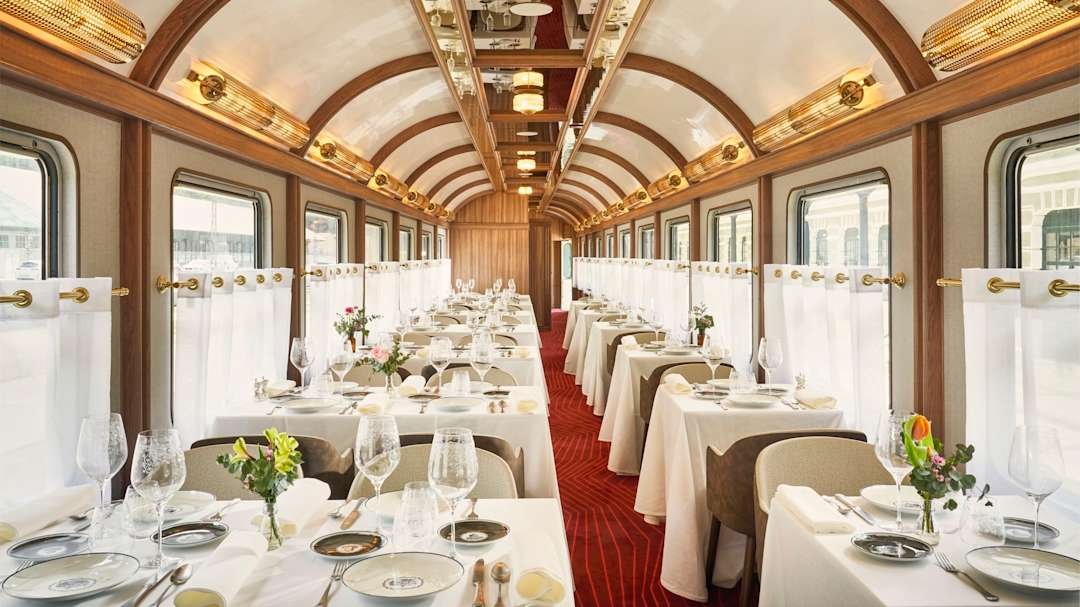
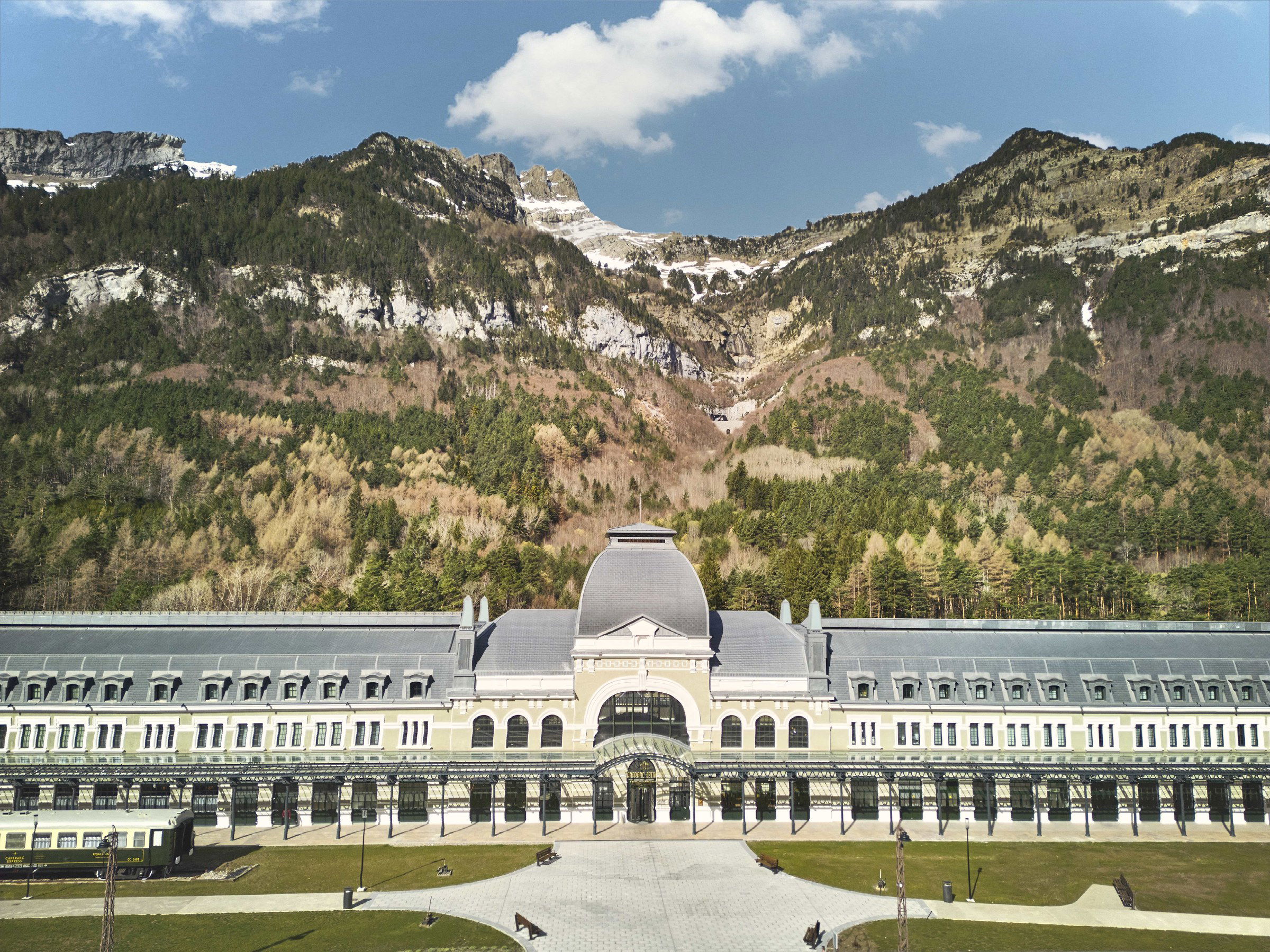
Canfranc Estación operates like a living monument: the building itself is the primary draw. The hotel inhabits the ornate Beaux‑Arts Canfranc International Station, a dramatically scaled 1928 edifice whose 365 windows, symmetrical stone towers and expansive platform canopies read less like hotel trimmings and more like civic architecture. The decade‑long rehabilitation emphasizes preservation, so restored ironwork and period detailing remain central to the experience. The overall effect is theatrical yet measured — an elegant, classically composed property where architecture, history and craftsmanship set the tone for every stay.
Best For
This hotel best serves travelers who prioritize architecture, history and a sense of occasion. History buffs and design‑minded guests will appreciate the building’s layered past and careful restoration; couples and small groups looking for a romantic or celebratory escape will find the civic grandeur particularly suited to anniversaries, honeymoons and weekend getaways. Its mountain‑border location also appeals to visitors seeking a dramatic setting at the foot of the Aragonese Pyrenees. The property reads as a destination in its own right rather than a conventional mountain lodge.
Venue details
Ambiance
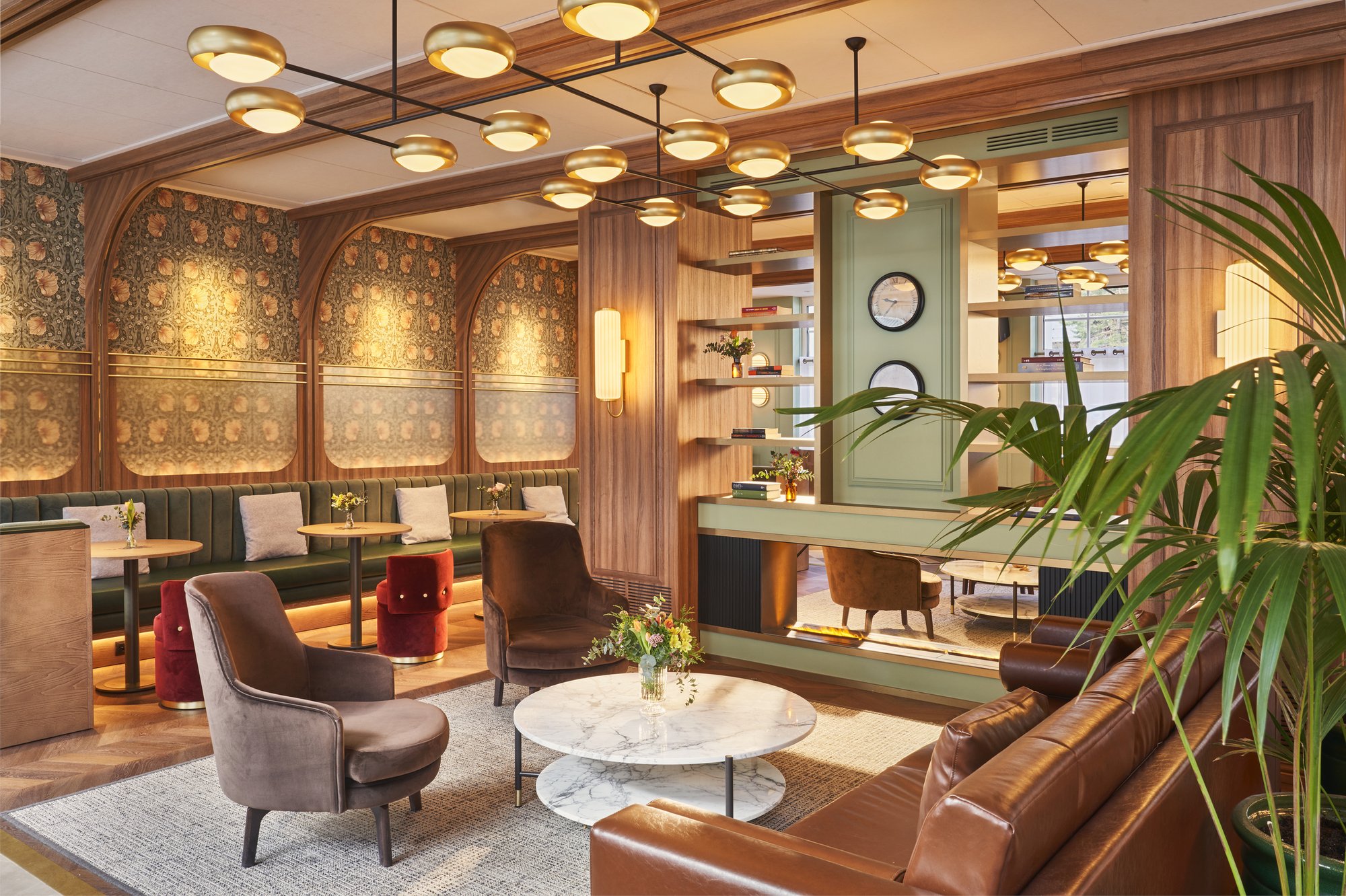
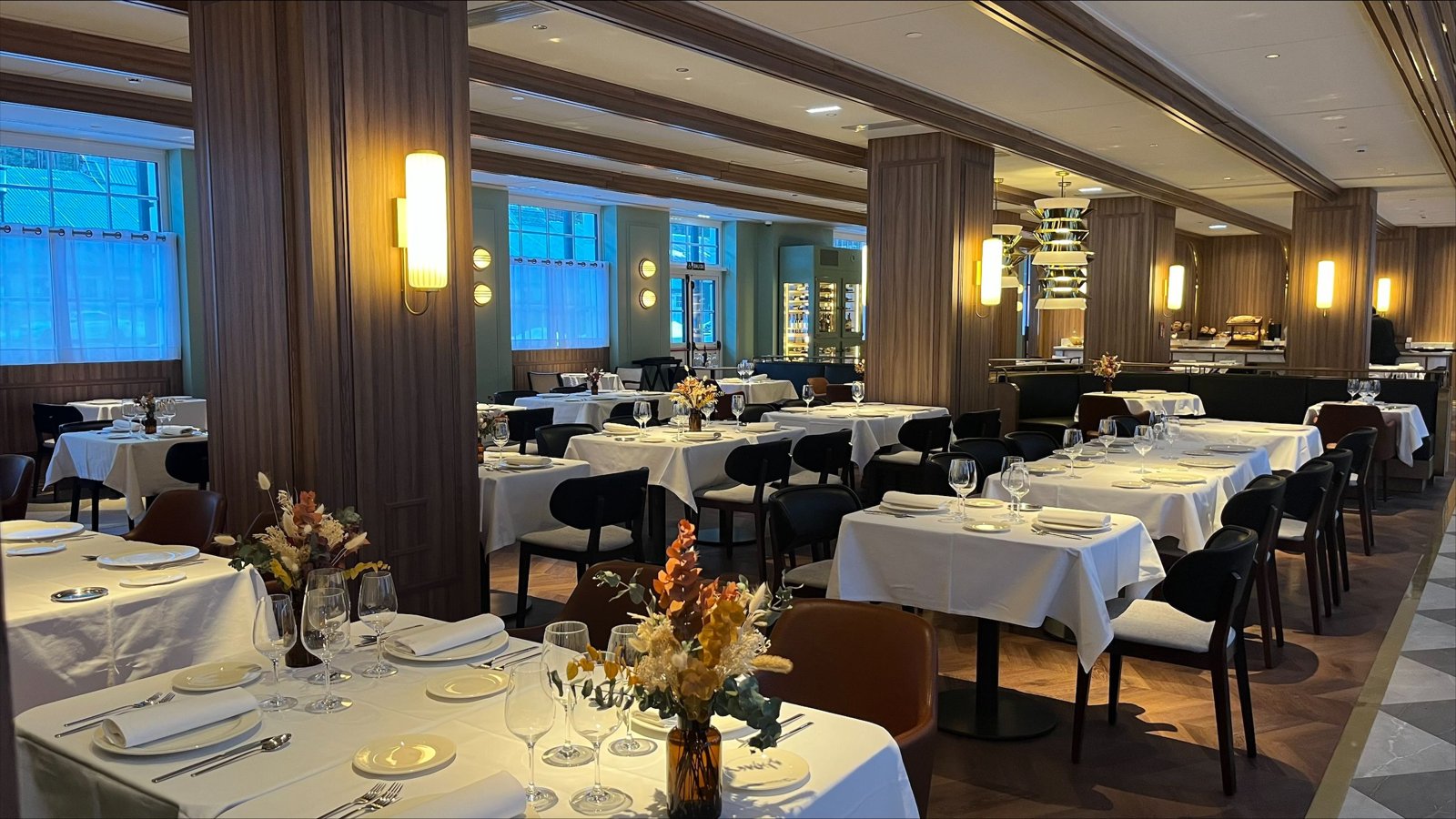
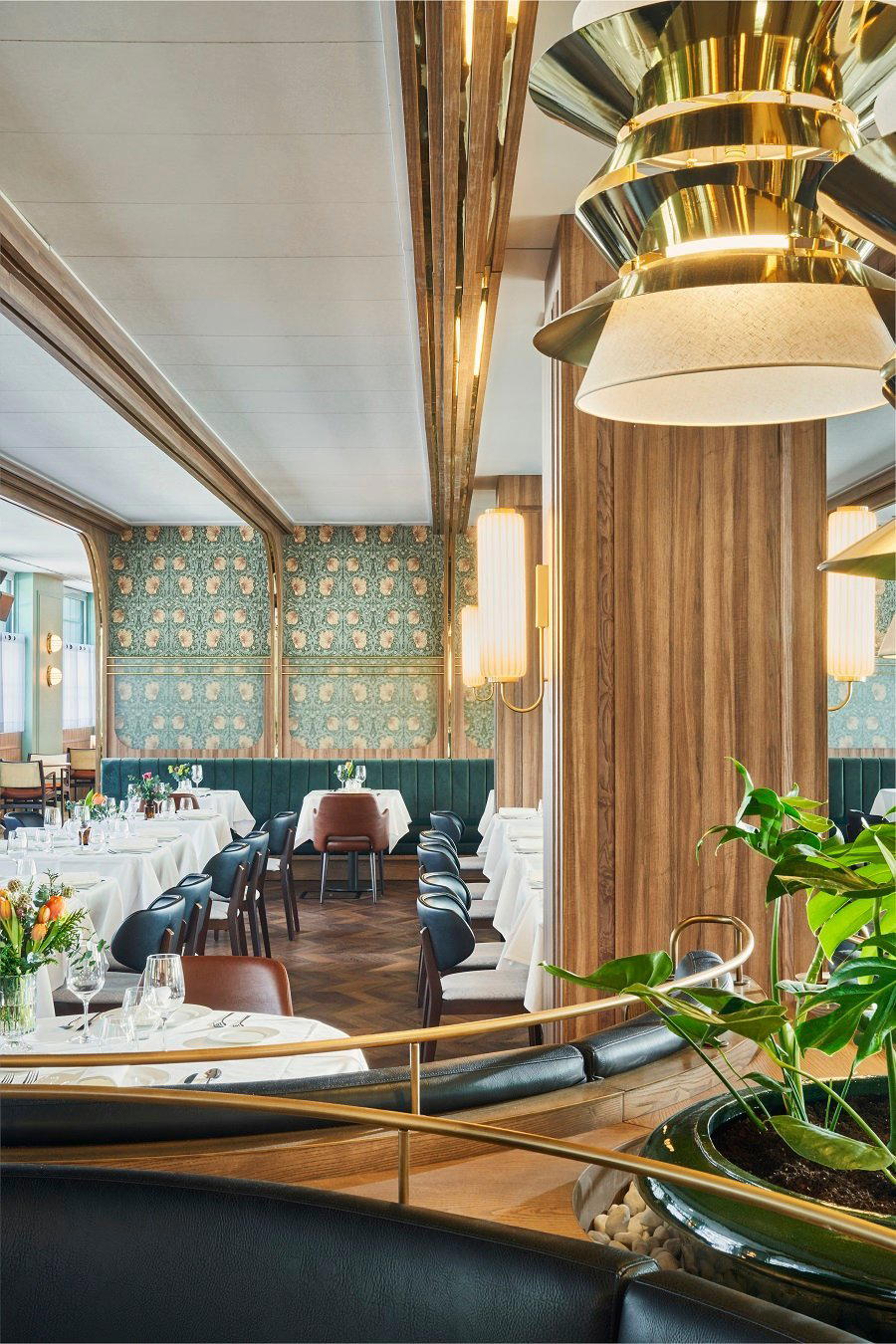
Elegant Art Deco-inspired atmosphere with warm lighting, noble materials like wood and brass, velvet fabrics, and a sense of timeless sophistication.
Tags
Vibe
Best For
Experience
Amenities
View
Accessibility
About the Stay
- Rooms
- 104
- Check-in
- 15:00
- Check-out
- 12:00
- Property Style
- Historic Railway Station Luxury Retreat
- Design Style
- Art Deco with Aragonese Cultural Elements
Know before you go
Know Before You Go
- Getting there
- C. Huesca, 22880 Canfranc-Estación, Huesca
Planning details
Location
C. Huesca, 22880 Canfranc-Estación, Huesca · Directions
Recognition and awards
Also consider
Also Consider
- HOTEL & CHALET VIÑAS DE LÁRREDE, Notable alternative
- Belfry & Spa, Notable alternative
- Hotel La voie Lactée, Notable alternative
- Hôtel Parc Beaumont & Spa - MGallery Collection, Notable alternative
- Hôtel Villa Navarre, Notable alternative
Hotel context
How it compares in and around Canfranc-Estación
Canfranc Estación, a Royal Hideaway Hotel is the clear pick when the building and sense of occasion matter more than easy value. Against HOTEL & CHALET VIÑAS DE LÁRREDE, it is the more destination-led choice; Viñas de Lárrede is the better cross-shop for travelers who want a quieter chalet-style base rather than a landmark hotel stay.
Belfry & Spa and Hotel La voie Lactée make more sense if spa time or a more conventional mountain-hotel rhythm is the priority. The Canfranc property is harder to treat casually: booking difficulty is part of the decision, and fixed-date travelers should have a backup rather than assume availability will line up.
For guests willing to look farther out, Hôtel Parc Beaumont & Spa - MGallery Collection and Hôtel Villa Navarre are better comparisons for a polished hotel stay with less reliance on a single landmark setting. Choose Canfranc for atmosphere and railway heritage; choose the alternatives when value, easier logistics, or a broader city-hotel feel matters more.
Explore Canfranc-Estación
Around this place
Discover more on Pearl
Unlock the full Canfranc Estación, a Royal Hideaway Hotel guide in Pearl, including awards, comparisons, FAQs, planning details, and nearby places.
Compare Canfranc Estación, a Royal Hideaway Hotel
| Venue | Location | Awards |
|---|---|---|
| Canfranc Estación, a Royal Hideaway Hotel | Canfranc-Estación | 2025 Michelin 2 KeysMichelin 2 Keys 20252024 Michelin 1 Key |
| HOTEL & CHALET VIÑAS DE LÁRREDE | Huesca | No published awards |
| Belfry & Spa | Lourdes | 2025 Gault & Millau Exceptional Hotel |
| Hotel La voie Lactée | Bagnères-de-Bigorre | No published awards |
| Hôtel Parc Beaumont & Spa - MGallery Collection | Pau | 2025 Michelin Selected Hotels2025 Gault & Millau Exceptional Hotel |
| Hôtel Villa Navarre | Pau | 2025 Gault & Millau Exceptional Hotel |



How Canfranc Estación Hotel compares with similar nearby venues.
FAQ
Frequently Asked Questions
How is the pool and spa at Canfranc Estación, a Royal Hideaway Hotel?
If wellness facilities are important to the trip, confirm the current offering directly with the hotel before booking. The hotel is in Canfranc-Estación and holds Michelin 2 Keys for 2025.
Is Canfranc Estación, a Royal Hideaway Hotel family-friendly?
What is check-in like at Canfranc Estación, a Royal Hideaway Hotel?
Do loyalty programs work at Canfranc Estación, a Royal Hideaway Hotel?
If points, status benefits, or member rates matter to the booking, confirm them through the hotel or the relevant booking channel before committing.
Which room category is best at Canfranc Estación, a Royal Hideaway Hotel?
Choose based on your budget and trip needs, and confirm current room descriptions directly with the hotel if layout, view, accessibility, or bedding is important.
How does Canfranc Estación, a Royal Hideaway Hotel compare to other hotels?
Canfranc Estación, a Royal Hideaway Hotel is the option here with Michelin 2 Keys in 2025. For a wider hotel search, compare it with HOTEL & CHALET VIÑAS DE LÁRREDE, Belfry & Spa, Hotel La voie Lactée, Hôtel Parc Beaumont & Spa - MGallery Collection, or Hôtel Villa Navarre based on location, availability, and the type of stay you want.