

The Lake House on Canandaigua
Canandaigua Lake, Canandaigua
Hotel in Canandaigua, United States
 Book with Pearl
The Read
Lakefront Scale, Wine Country
Why go
The Lake House on Canandaigua is a strong fit for a Finger Lakes celebration stay where the room, lake setting, and on-property dining matter together. Book it for an easy special-occasion weekend, not as a restaurant-only destination. Food-focused travelers should compare nearby hotel and dining options before committing.
About The Lake House on Canandaigua
The Lake House on Canandaigua is a premium venue in Canandaigua with Preferred Hotels L.V.X. Collection (2025) recognition and the Mr & Mrs Smith Seal of Approval (2026). Those credentials offer a useful external basis for considering the property. Beyond those credentials and a smart casual dress code, specific details such as cuisine, menu format, room categories, amenities, pricing, hours, and service style should be confirmed directly before booking.
For planning, the key question is whether those signals are enough for your trip. If you need exact dining details, amenity information, rates, or room-by-room guidance, confirm those directly before booking, especially if any one of those details would materially shape the decision. If you are comparing broader regional options, consider The Lake House on Canandaigua alongside Argos Inn, Ithaca Marriott Downtown on the Commons, Mirbeau Inn & Spa Skaneateles, Skaneateles Fields Resort & Spa, and The Aurora Inn.
Book for a premium Canandaigua option, not for assumptions about specifics
The case for The Lake House on Canandaigua rests on its Canandaigua setting, smart casual dress code, and recognition from Preferred Hotels L.V.X. Collection and Mr & Mrs Smith. Those facts support treating it as a credentialed option, but they do not establish a specific restaurant concept, chef, menu structure, room type, amenity package, or price point. In other words, the strongest signals are at the level of positioning and recognition, not exact on-the-ground details.
That means travelers should avoid building an itinerary around assumptions. Use The Lake House on Canandaigua as a candidate when Canandaigua is the right base and the recognition matters to you, then verify the practical details that affect your exact stay or meal before committing. This is particularly important for travelers comparing several properties, because a strong recognition signal can narrow the list, but it cannot replace the basics of fit, availability, and preference.
Who should choose this among regional options
Choose The Lake House on Canandaigua if you want a Canandaigua venue with premium recognition and you are comfortable checking the operational details directly. The smart casual dress code also gives a modest signal about the expected tone without proving a specific service format. It suggests a polished environment, but not enough to infer how a meal is structured, what amenities are included, or what the final cost will be.
If your priority is a different setting or style, compare it with other named regional options carefully. Argos Inn and Ithaca Marriott Downtown on the Commons are separate alternatives in Ithaca; Mirbeau Inn & Spa Skaneateles and Skaneateles Fields Resort & Spa are Skaneateles options; The Aurora Inn is another regional comparison. Do not treat these as interchangeable with Canandaigua, but use them to test which location and type of stay best fit the trip. The comparison is most useful when it clarifies geography and general intent, rather than implying identical experiences.
Recognition from Preferred Hotels L.V.X. Collection and Mr & Mrs Smith gives The Lake House on Canandaigua a quality signal. Still, those badges should not be mistaken for confirmation of every detail a traveler might care about. The right booking is one where Canandaigua, smart casual expectations, and the recognition are enough, and where any remaining specifics are confirmed before arrival.
Planning details
- Location
- 770 S Main St, Canandaigua, NY 14424
- Website
- lakehousecanandaigua.com/?y_source=1_MjAxMDk5NTUyMC03MTUtbG9jYXRpb24ud2Vic2l0ZQ%3D%3D
- Phone
- +1 585-394-7800
The take
The Take
The Vibe
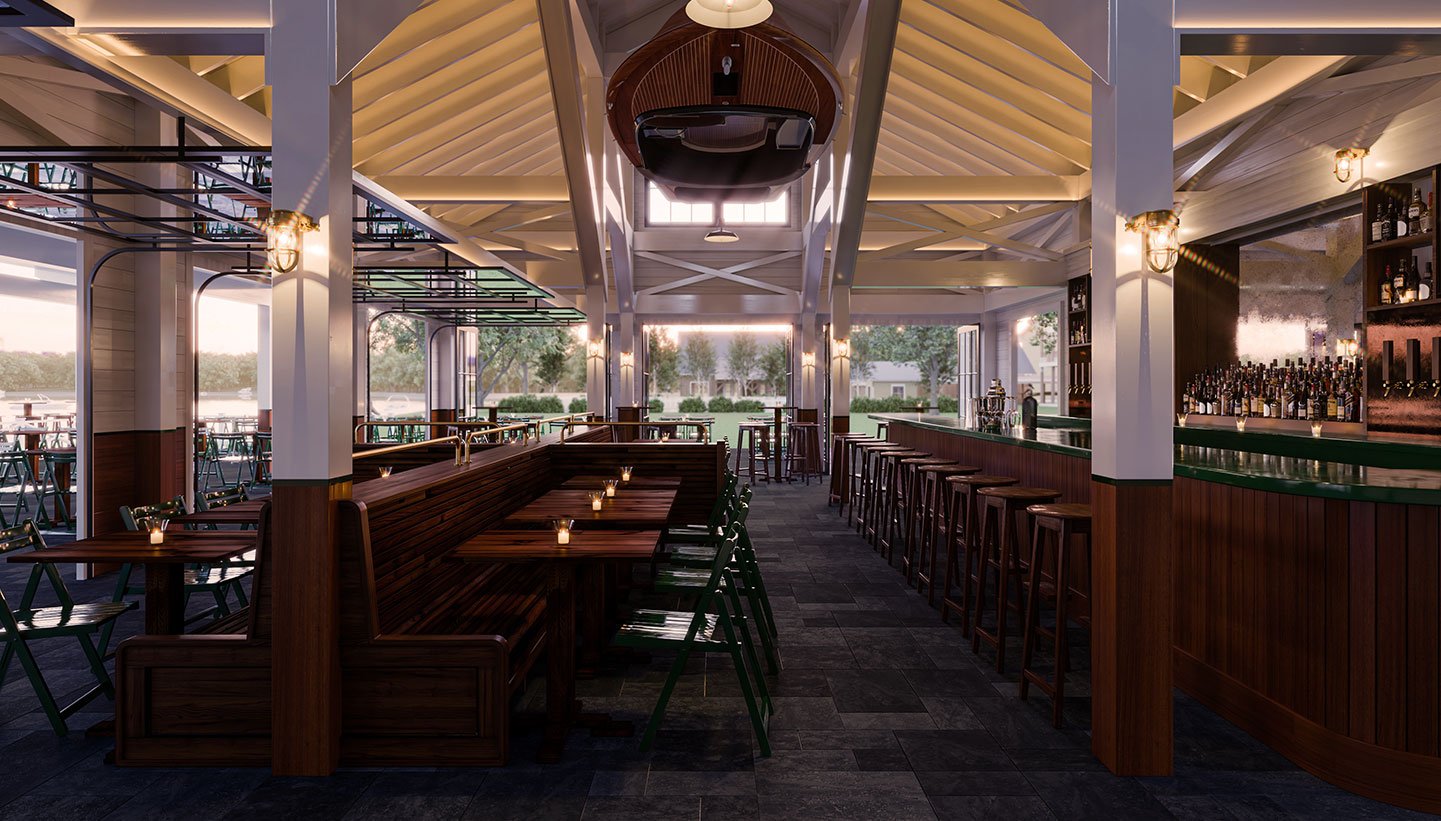
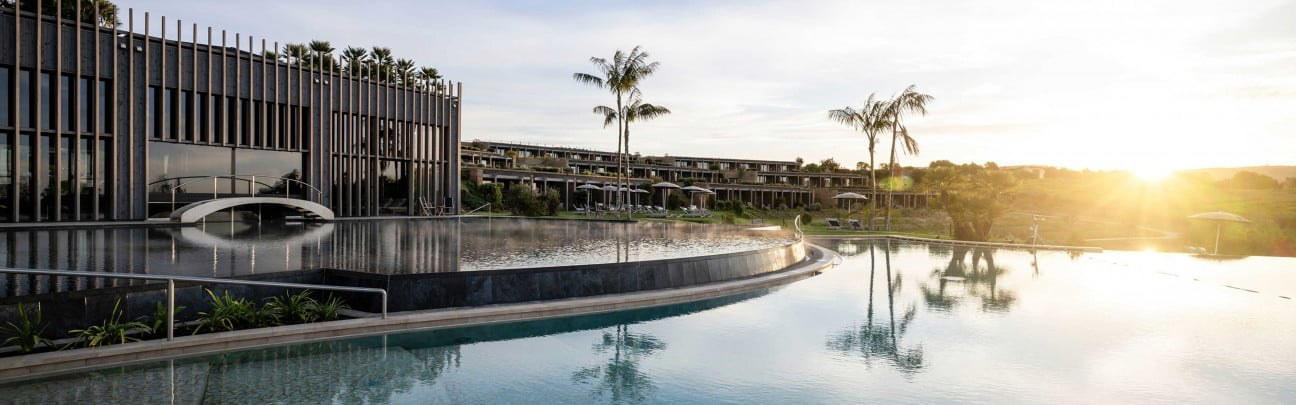
The Lake House on Canandaigua presents a contemporary lakeside sensibility that prioritizes a dialogue with the water. The hotel sits at a deliberate mid-resort scale—124 rooms—that lets it offer full-service amenities without feeling anonymous. Architecture and material choices favor glazing and terracing, drawing sightlines and movement toward the shore rather than masking it with heavy, rustic massing. That design-first approach gives the property a modern, considered presence on Canandaigua Lake: polished and composed, with an emphasis on views and thoughtful sequencing of indoor and outdoor spaces that keep the water at the center of the guest experience.
Best For
This property suits travelers who prize design-forward, waterfront stays that still feel approachable. Couples and small groups seeking a scenic, romantic stay on the lake find the hotel’s scale and focus on sightlines especially appealing, while guests looking for a full-service resort experience benefit from its larger footprint compared with intimate inns. Architecture-minded visitors will appreciate the emphasis on glazing and terraces that orient rooms and public areas to the lake. The Lake House is particularly well matched to weekend escapes and design-focused getaways centered on enjoying the shoreline.
Stay Tips
Request a lake-facing room when booking—the hotel is explicitly designed to engage the water, and rooms oriented to the shore will deliver the clearest views. Ask about accommodations with direct access to terraced outdoor spaces, since the property’s terracing is highlighted as a key element of its design. Given the mid-sized scale (124 rooms) and its full-service positioning, plan key activities—dining or waterfront seating—early to secure preferred times and locations that maximize the lake outlook.
Venue details
Ambiance
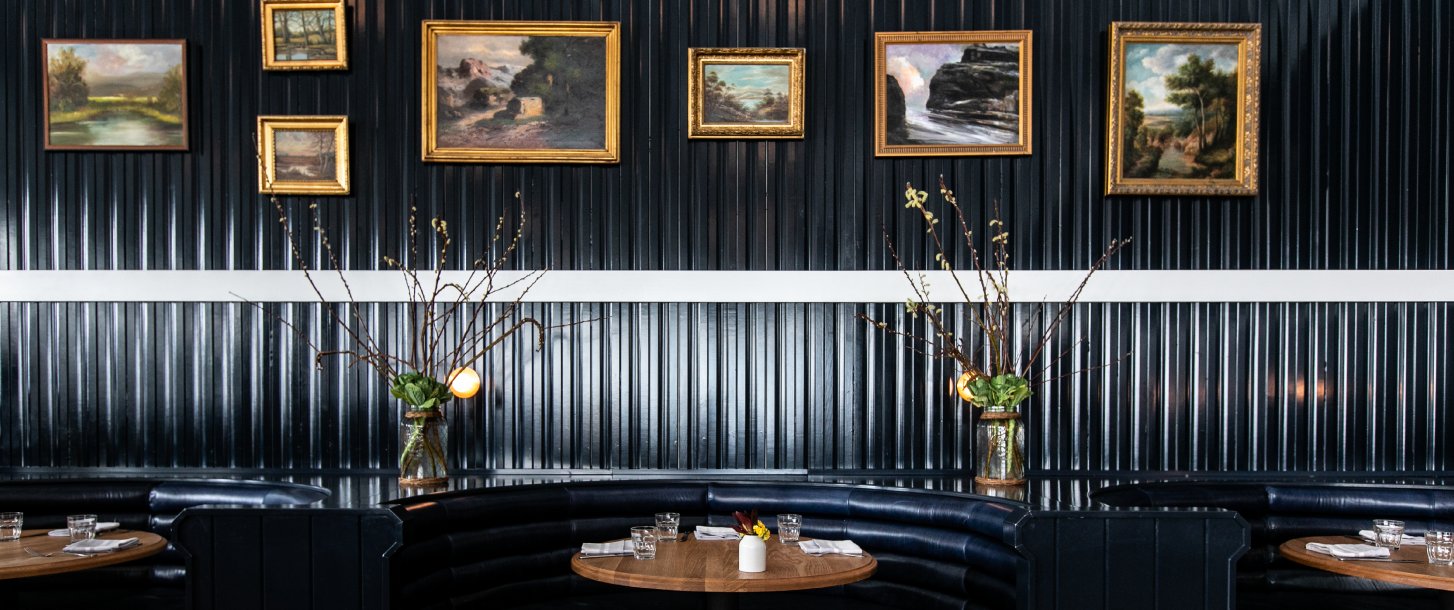
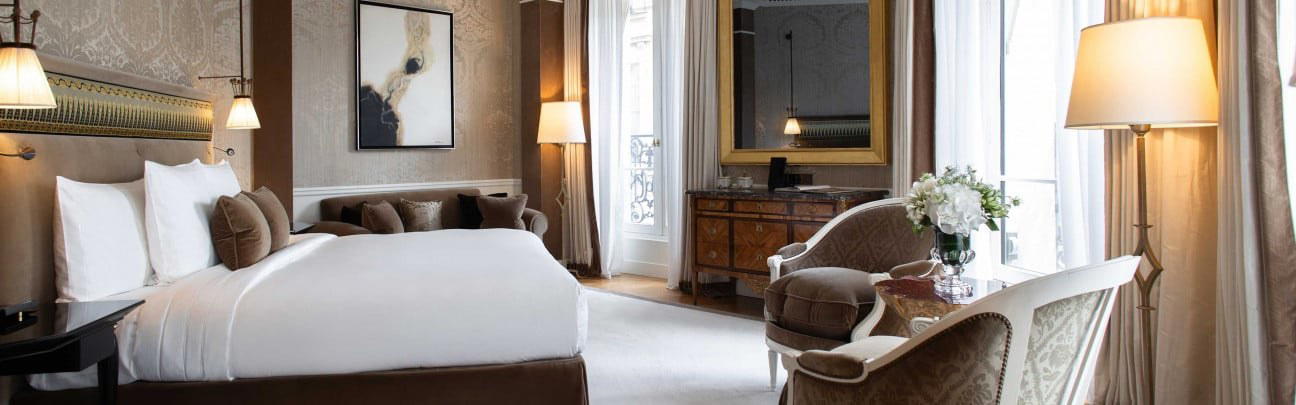
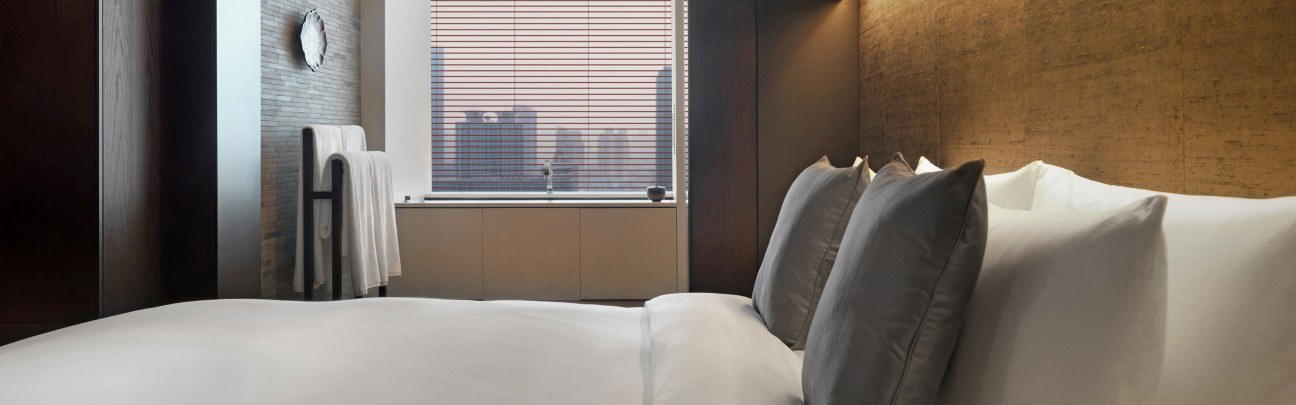
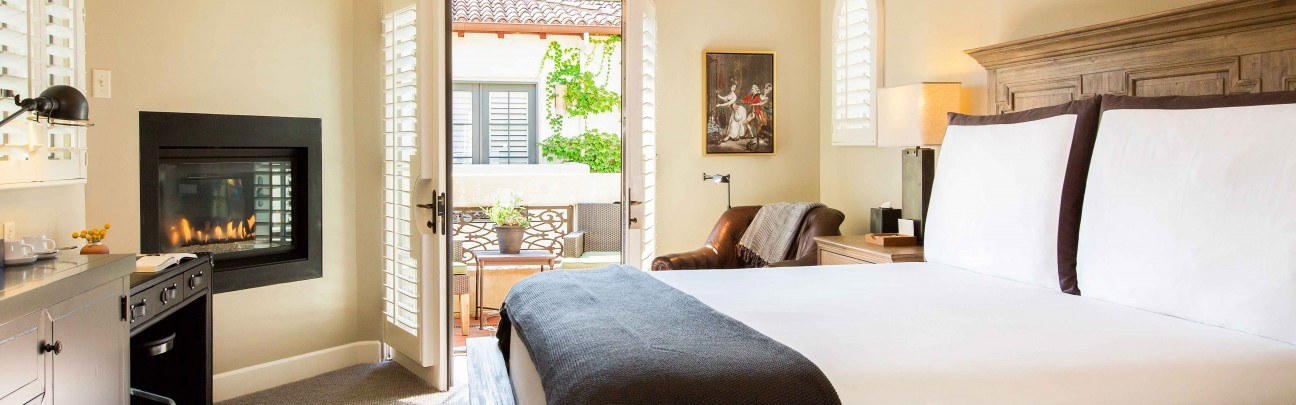
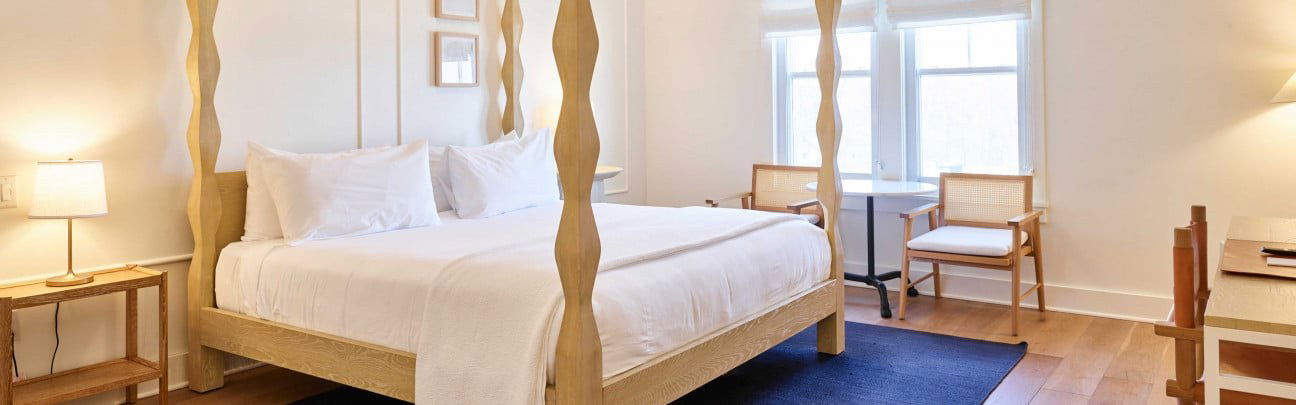
Cozy and inviting with warm lighting from fireplaces, spa-like bathrooms, and a relaxing lakeside atmosphere praised for its spotless, comfortable rooms.
Tags
Vibe
Best For
Experience
Amenities
View
Accessibility
About the Stay
- Rooms
- 124
- Property Style
- Historic Lakeside Retreat with Refined Artistic Details and Modern Amenities.
- Design Style
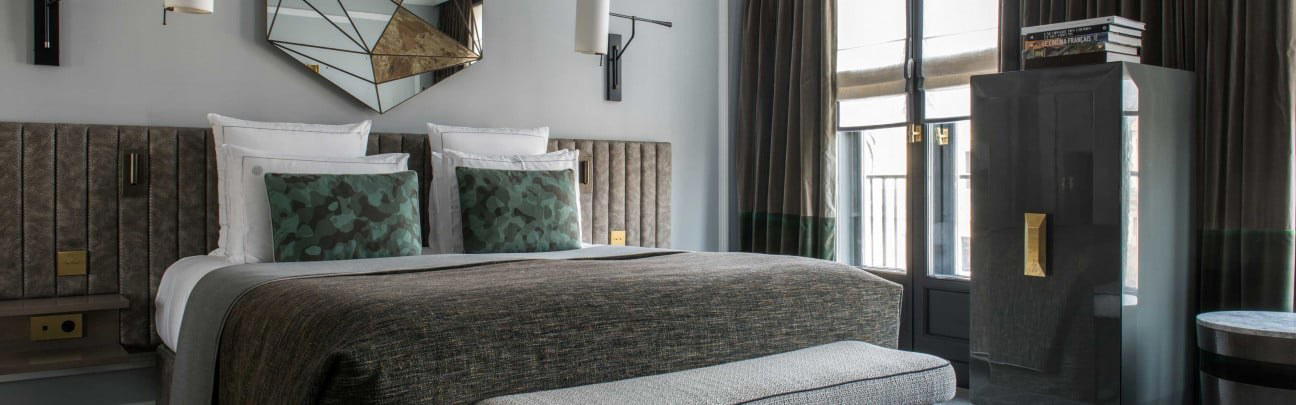
- Elegant Mix of Handmade Furniture, Hardwood Floors, Brass Finishes, and Spa Inspired Bathrooms.
Know before you go
Know Before You Go
- Getting there
- 770 S Main St, Canandaigua, NY 14424
Planning details
Location
770 S Main St, Canandaigua, NY 14424 · Directions
lakehousecanandaigua.com/?y_source=1_MjAxMDk5NTUyMC03MTUtbG9jYXRpb24ud2Vic2l0ZQ%3D%3D
Recognition and awards
Also consider
Also Consider
- The Aurora Inn, Notable alternative
- Mirbeau Inn & Spa Skaneateles, Notable alternative
- Skaneateles Fields Resort & Spa, Notable alternative
- Ithaca Marriott Downtown on the Commons, Notable alternative
- Argos Inn, Notable alternative
Hotel context
How it compares with nearby Finger Lakes hotels
The Aurora Inn is the closer cross-shop for travelers who want an inn-style stay with a quieter, more traditional feel. The Lake House on Canandaigua is the better fit when the lakefront hotel experience and on-property ease are the priority; The Aurora Inn makes more sense for guests who prefer a smaller historic-inn mood.
Mirbeau Inn & Spa Skaneateles and Skaneateles Fields Resort & Spa are stronger cross-shops for spa-led trips. If the main goal is a wellness weekend, start there. If the main goal is a Canandaigua lake stay with dining convenience and a polished hotel frame, The Lake House on Canandaigua is the cleaner choice.
Ithaca Marriott Downtown on the Commons is more practical for a business or city-centered Ithaca stay, while Argos Inn is better for independent character and a smaller scale. For special occasions, choose The Lake House when ambiance and water access matter more than downtown convenience.
Explore Canandaigua
Around this place
Discover more on Pearl
Unlock the full The Lake House on Canandaigua guide in Pearl, including awards, comparisons, FAQs, planning details, and nearby places.
Compare The Lake House on Canandaigua
| Venue | Location | Awards |
|---|---|---|
| The Lake House on Canandaigua | Canandaigua | 2026 Mr & Mrs Smith Luxury Hotels2025 Michelin Selected HotelsPreferred Hotels L.V.X. Collection 2025 |
| The Aurora Inn | Finger Lakes | 2026 Forbes 4-Star2026 Virtuoso Luxury Hotel CollectionStar Wine Lists 20262026 Michelin 1 KeyMichelin 1 Key 20252025 Michelin 1 Key2025 Forbes 4-Star2024 Michelin 1 Key |
| Mirbeau Inn & Spa Skaneateles | Finger Lakes | 2026 Forbes 4-Star2025 Forbes 4-Star |
| Skaneateles Fields Resort & Spa | Skaneateles | No published awards |
| Ithaca Marriott Downtown on the Commons | Finger Lakes | No published awards |
| Argos Inn | Finger Lakes | No published awards |





How The Lake House on Canandaigua compares with similar nearby venues.
FAQ
Frequently Asked Questions
Is The Lake House on Canandaigua family-friendly?
Family-specific details are best confirmed directly before booking. The known facts are that The Lake House on Canandaigua is in Canandaigua, has a smart casual dress code, and carries Preferred Hotels L.V.X. Collection (2025) and Mr & Mrs Smith Seal of Approval (2026) recognition. Confirm family needs directly before booking.
How is the location of The Lake House on Canandaigua?
The location is Canandaigua. If Canandaigua is the right base for your trip, The Lake House on Canandaigua is worth considering; if you want a different city setting, compare it with options such as Ithaca Marriott Downtown on the Commons.
How are the amenities at The Lake House on Canandaigua?
Amenity details should be confirmed directly before booking. Do not book on the assumption of a specific amenity package without confirming directly. If you are also considering a Skaneateles option, Mirbeau Inn & Spa Skaneateles is a regional comparison to review separately.
How does The Lake House on Canandaigua compare to regional hotels?
The Lake House on Canandaigua has recognition from Preferred Hotels L.V.X. Collection (2025) and the Mr & Mrs Smith Seal of Approval (2026), plus a smart casual dress code. Compare that with Argos Inn, Ithaca Marriott Downtown on the Commons, Mirbeau Inn & Spa Skaneateles, Skaneateles Fields Resort & Spa, and The Aurora Inn based on the city, setting, and confirmed details that matter most to your trip.
Do loyalty programs work at The Lake House on Canandaigua?
Specific loyalty-program benefits should be checked directly with the property or booking source. The recognition includes Preferred Hotels L.V.X. Collection (2025), so check whether any benefits, earning, or perks apply on your exact dates. If loyalty status is the priority, compare the final confirmed benefits against another option such as Ithaca Marriott Downtown on the Commons.
Which room category is best at The Lake House on Canandaigua?
Room categories and view details should be confirmed directly before booking. Choose only after confirming the available room types, rates, and inclusions directly with the booking source. The location is Canandaigua, but no specific room recommendation can be made from the confirmed facts provided.
Is The Lake House on Canandaigua good for business travel?
Business-travel suitability depends on your needs. The known facts are its Canandaigua location, smart casual dress code, Preferred Hotels L.V.X. Collection (2025) recognition, and Mr & Mrs Smith Seal of Approval (2026). For a city-centered itinerary, Ithaca Marriott Downtown on the Commons may be a practical comparison to evaluate.