
The Westin Josun Busan
Haeundae, Busan
Hotel in Busan, South Korea
 Book with Pearl
The Read
Price
$200–300per night
Why go
Book The Westin Josun Busan if Haeundae is the center of the trip and reliability matters more than a boutique mood. Suite-level only makes sense for milestone stays, family space, or meaningful in-room downtime; otherwise, a standard room is the cleaner value play.
About The Westin Josun Busan
The Westin Josun Busan is a hotel in Busan listed in the MICHELIN Guide, Hotels Selected for 2025. Beyond that recognition and a smart casual dress code, it is best to confirm practical details directly with the hotel.
For planning, The Westin Josun Busan is a Busan hotel option with MICHELIN Guide hotel selection recognition. Confirm facilities, room categories, dining, neighborhood positioning, and service style with the property before booking.
Upgrade for space and occasion value, not bragging rights
If you are considering an upgraded booking, make the decision based on your own trip needs rather than any promise about a particular room type. For an anniversary, family trip, or slower stay, extra space may be worth asking the hotel about directly. For a short or busy Busan itinerary, a simpler booking may be the more practical choice.
The Westin Josun Busan is a recognized Busan hotel, but specific business amenities, room layouts, and service details should be checked with the property.
What first-timers should expect in Busan
For first-time visitors, the main context is simple: The Westin Josun Busan is in Busan. Any more specific location details, neighborhood assumptions, or landmark-based planning should be confirmed through the hotel or a current map before using them to shape the trip.
The MICHELIN Guide hotel selection for 2025 is the key quality signal. It supports placing The Westin Josun Busan on a serious Busan hotel shortlist, while still leaving practical booking questions, room type, facilities, dining, and arrival logistics to be directly.
Who should skip the upgrade
Skip an upgraded booking if the hotel room will not be a major part of the stay, or if you would rather keep more of the budget for the wider Busan trip. If the location decision is not settled, compare Busan hotel options first, then use our full Busan restaurants guide to plan how much time you are likely to spend away from the hotel.
Planning details
- Location
- 67, Dongbaek-ro, Haeundae-gu, Busan, Korea
- Phone
- +82 51-749-7000
The take
The Take
The Vibe
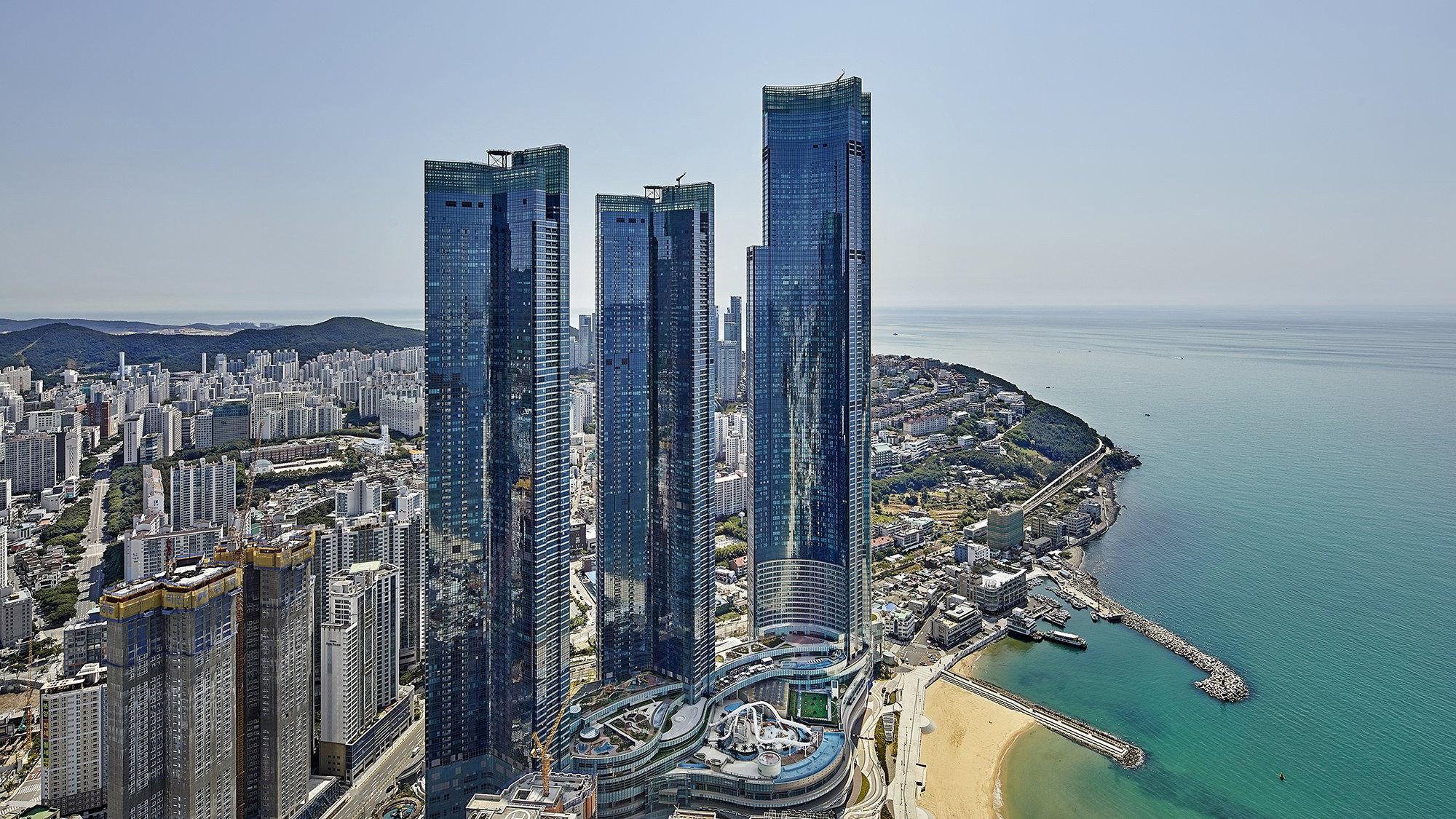
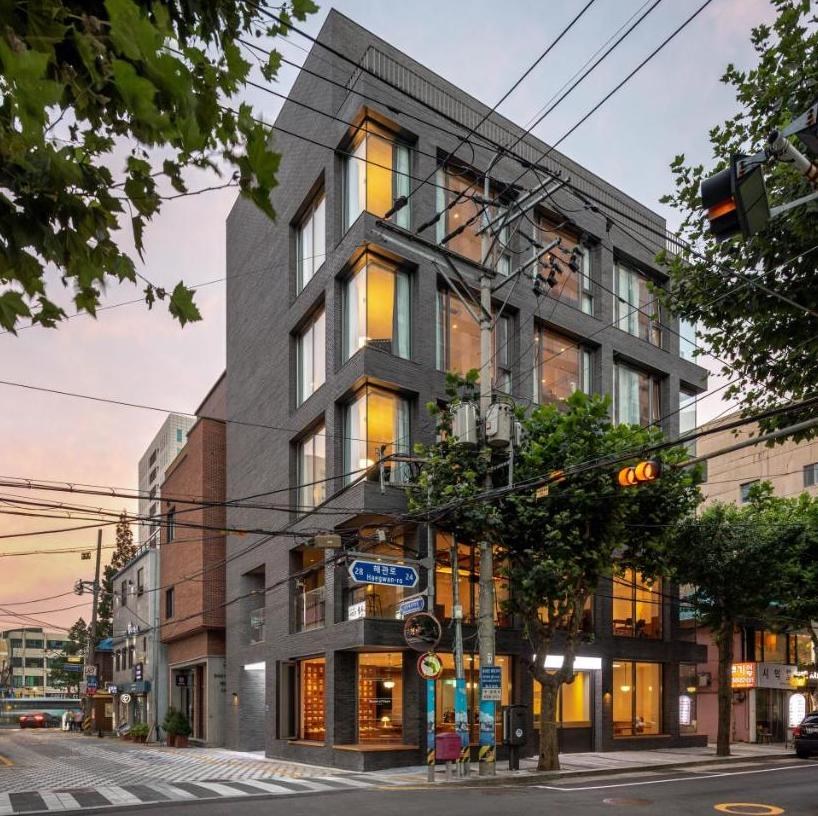
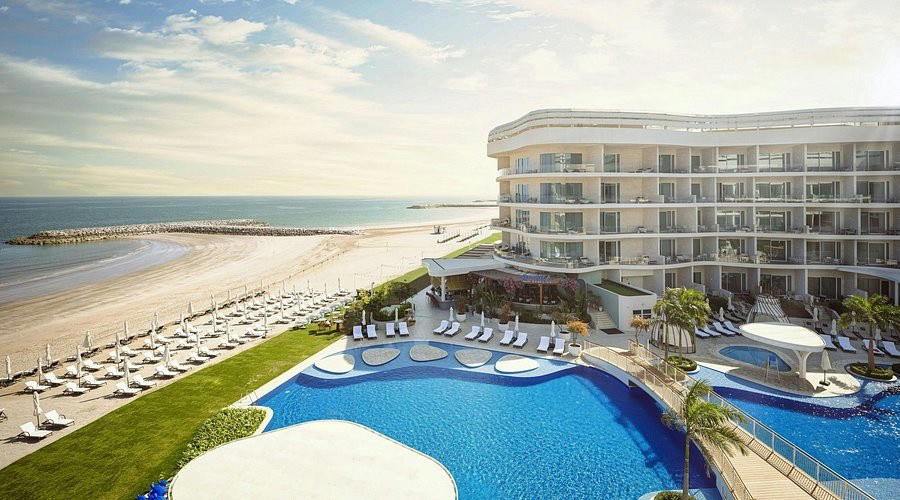
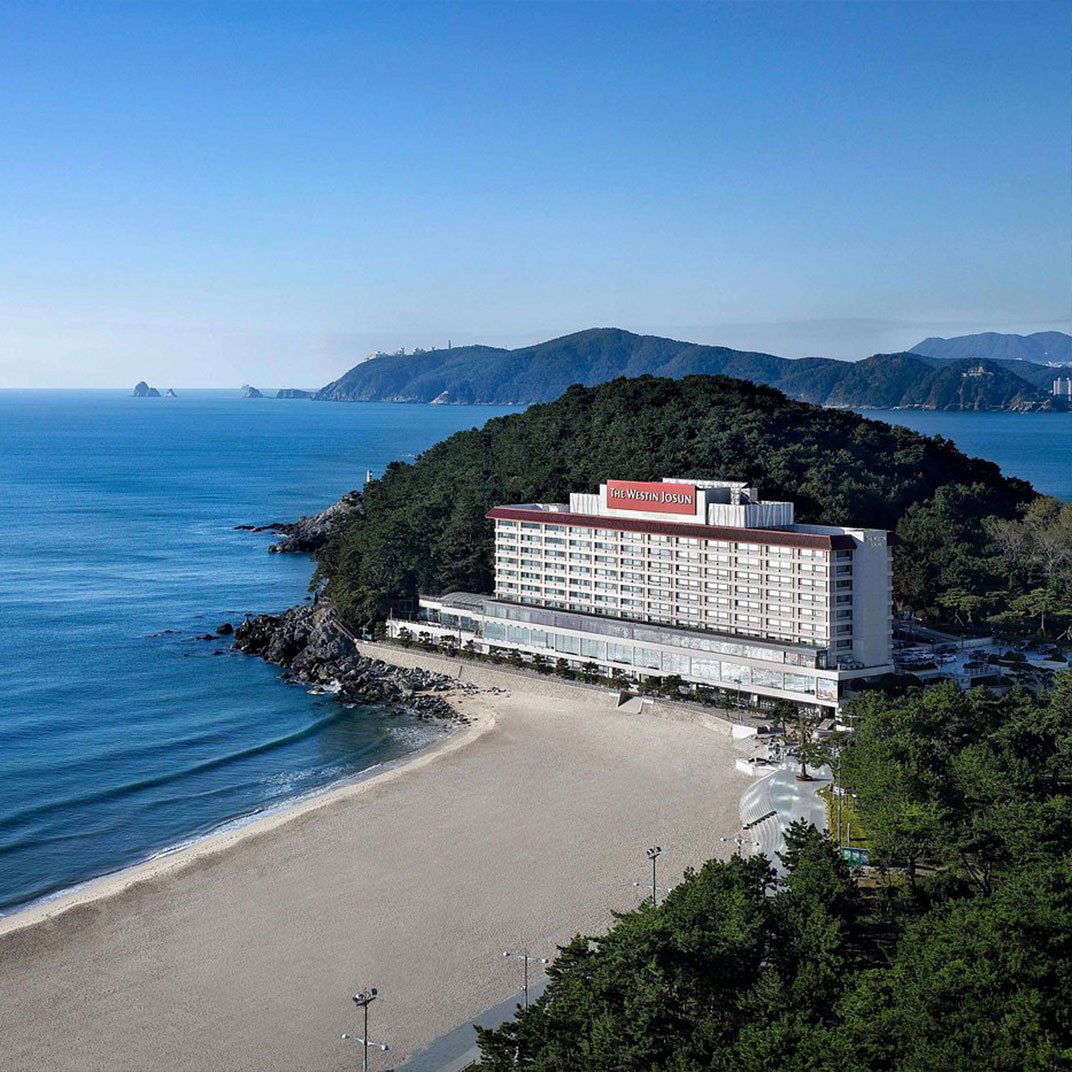
The Westin Josun Busan reads as a heritage-minded, classically urban hotel that foregrounds institutional presence over architectural novelty. It pairs the Josun name’s long-standing place in Korean hospitality with the Westin brand’s international service framework, so the property feels more about cultivated formality and institutional depth than flashy design statements. Its location on Haeundae’s shoreline gives the hotel a coastal context, framed by the Dongbaekseom peninsula and the immediate presence of the East Sea, so the overall impression is of a dignified, history-leaning property that still engages directly with its scenic waterfront setting.
Best For
This is a full-service hotel that suits travelers seeking composed, serviced stays rather than contemporary design theatrics. It works well for couples on a romantic getaway because rooms and public spaces are set against the nearby sea and Dongbaekseom headland; for business travelers because of the Westin-Josun combination and the hotel’s formal service DNA; and for short leisure breaks and weekend escapes because of its prominent Haeundae location where beach and coastal walks are immediate. The proposition is urban and service-forward rather than resortlike.
Stay Tips
When booking, prioritize rooms with views toward the East Sea or the Dongbaekseom peninsula to make the most of the hotel’s coastal setting: those perspectives are central to the property’s appeal. Expect a traditional, full-service hotel experience tied to the Josun name and Westin standards; for meetings or formal stays, highlight service needs up front so the hotel can deploy its institutional operations. Because the property emphasizes presence and location over architectural spectacle, plan time to explore the nearby shoreline and peninsula on foot.
Venue details
Ambiance
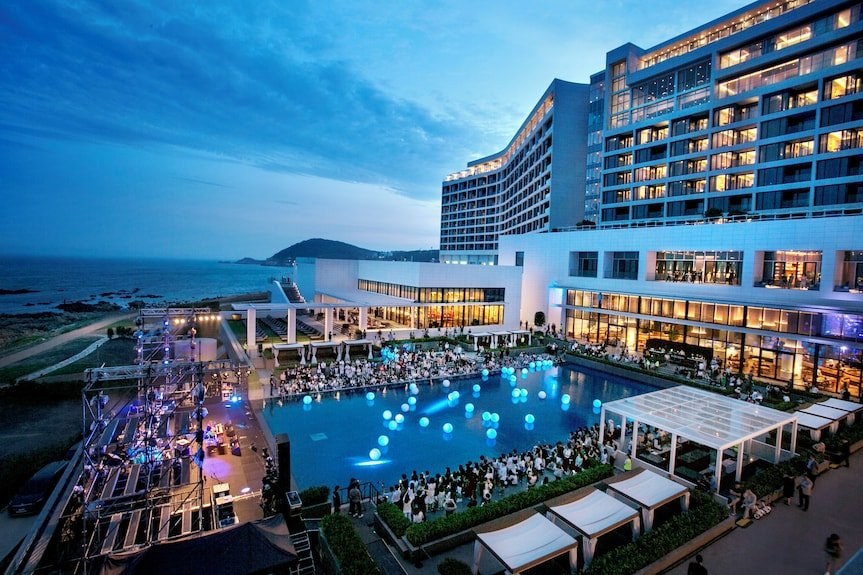
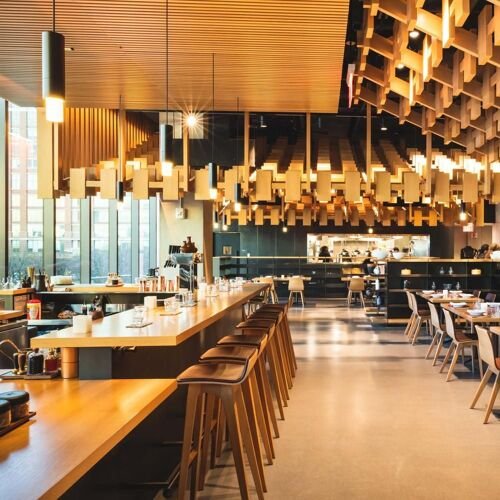
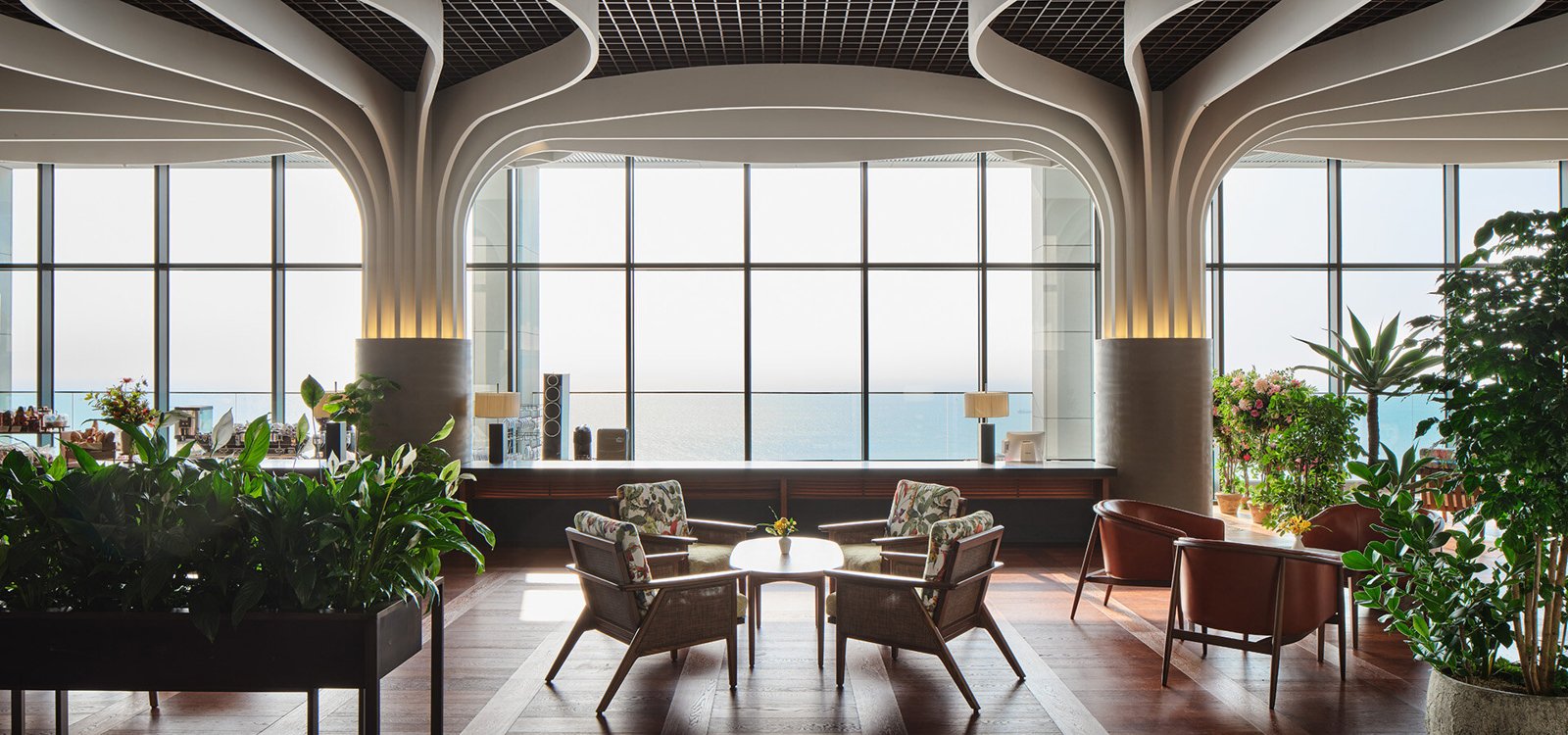
Airy, calm public spaces with serene atmosphere, contemporary furnishings, plush bedding, and emphasis on overwater views and natural light.
Tags
Vibe
Best For
Experience
Amenities
View
Accessibility
About the Stay
- Rooms
- 290
- Check-in
- 15:00
- Check-out
- 12:00
- Property Type
- Design hotel
- Property Style
- Modern Resort Hotel with Wellness Focus and Beachfront Serenity
- Design Style
- Contemporary Clean Lined Rooms with Plush Bedding and Scenic Views
- Pool
- Yes
- Families
- Welcome
- Cancellation
- Moderate
Know before you go
Know Before You Go
- Getting there
- 67, Dongbaek-ro, Haeundae-gu, Busan, Korea
Planning details
Location
67, Dongbaek-ro, Haeundae-gu, Busan, Korea
Recognition and awards
Explore Busan
Around this place
Discover more on Pearl
Unlock the full The Westin Josun Busan guide in Pearl, including awards, comparisons, FAQs, planning details, and nearby places.
FAQ
Frequently Asked Questions
Is The Westin Josun Busan good for business travel?
It may be worth considering for a Busan business stay because it is a recognized hotel selection in the MICHELIN Guide for 2025. Confirm business services, meeting facilities, desk setups, and connectivity details with the hotel if they matter to your trip.
How does The Westin Josun Busan compare to other hotels?
The comparison point is its MICHELIN Guide, Hotels Selected recognition for 2025. For differences in facilities, room types, location details, pricing, or service style, compare current information from The Westin Josun Busan with other Busan hotel options before booking.