
NH Collection Palacio de Burgos
Historic Center, Burgos
Hotel in Burgos, Spain
 Book with Pearl
The Read
Price
$100–200per night
Why go
NH Collection Palacio de Burgos is the right call for travelers who want a polished, central Burgos stay with more occasion value than a basic city hotel. Its MICHELIN Guide hotel selection in 2025 helps justify a closer look, especially for couples or business travelers who want the city to be easy rather than remote.
About NH Collection Palacio de Burgos
NH Collection Palacio de Burgos is a Burgos hotel with confirmed MICHELIN Guide Hotels Selected 2025 recognition.
A Burgos base with a confirmed MICHELIN hotel listing
The strongest point for NH Collection Palacio de Burgos is its MICHELIN Guide Hotels Selected 2025 recognition. That makes it a useful candidate for guests who want an externally recognized hotel in Burgos rather than choosing only by brand familiarity or map position.
For planning, keep the booking decision focused on confirmed facts: the venue is in Burgos, it is listed by the MICHELIN Guide for hotels in 2025, and the stated dress code is smart casual. If restaurant planning is part of the trip, keep those decisions separate via our full Burgos restaurants guide.
Who should choose it, and who should cross-shop
This is a better fit for travelers who want a recognized Burgos hotel than for guests who are primarily choosing around extras such as a spa, pool, destination restaurant, or countryside setting. If you are comparing city options, AC Hotel Burgos is another natural point of reference. If the brief is a different kind of stay, Palacio Tondón, Hotel Santa María Briones, Echaurren, and Palacio de los Angeles may be worth comparing according to your itinerary.
The practical verdict: consider NH Collection Palacio de Burgos for a Burgos stay with confirmed MICHELIN Guide Hotels Selected 2025 recognition and a smart casual dress code. Use our full Burgos hotels guide to compare the city set, then plan other parts of the trip separately through our full Burgos bars guide, our full Burgos wineries guide, and our full Burgos experiences guide.
Planning details
- Location
- C. Merced, 13, 09002 Burgos, Spain
- Website
- nh-hotels.com/en/hotel/nh-collection-palacio-de-burgos
- Phone
- +34 947 47 99 00
The take
The Take
The Vibe
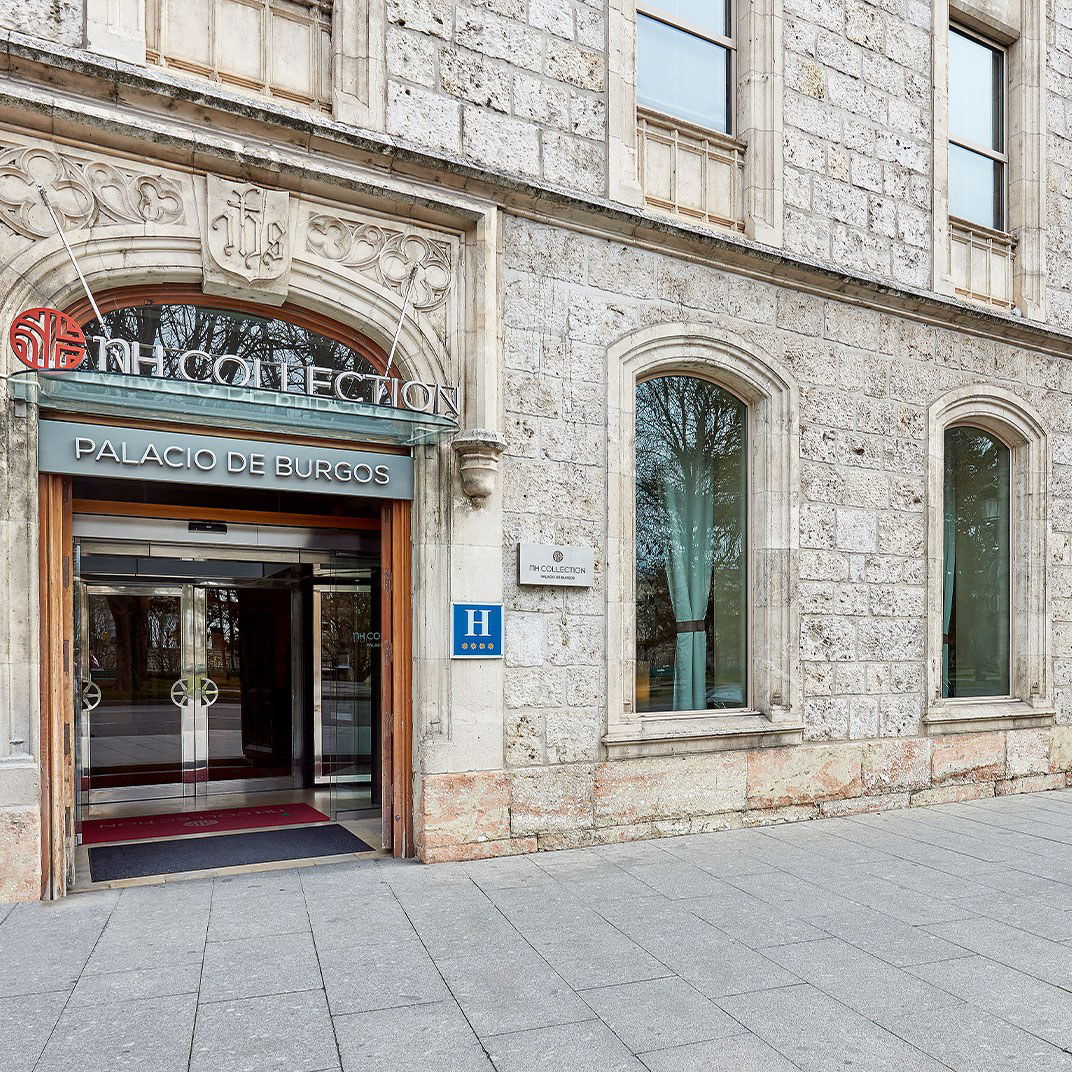
The NH Collection Palacio de Burgos presents history as its primary design element. Occupying a centuries‑old palace converted into a full‑service hotel, it foregrounds stone, civic heritage and proximity to Burgos’s Gothic cathedral. The property sits within the medieval core and leans into its architectural fabric rather than contemporary flash, delivering a measured, contemplative atmosphere for guests who value provenance and craft. Michelin’s 2025 hotel selection places it among Burgos’s upper tier, reinforcing a refined, quietly dignified character. Public spaces and the building’s layout emphasize the sense of continuity with the city’s past, making the stay feel like an extension of Burgos’s historic center.
Best For
The Palacio de Burgos is best for travelers who make the city’s monuments the purpose of their visit: cultural tourists, cathedral visitors and pilgrims on the Camino de Santiago who want to remain within walking distance of the principal sights. Its conversion from a palace and inclusion in Michelin’s 2025 selection position it as an upper‑tier, heritage‑forward choice for short breaks or business stays that prioritize centrality and architectural interest. Guests looking for a hotel that doubles as an immersive link to Burgos’s medieval fabric will find the location and building type particularly well suited to their plans.
Stay Tips
Book early during major pilgrimage dates and cathedral events, since Burgos’s Camino traffic and religious tourism concentrate visitors in the historic center. Because the NH Collection Palacio de Burgos occupies a converted palace close to the cathedral precinct, room availability can tighten around major cultural dates; advance reservations secure preferred dates and help you plan museum and cathedral visits. Rely on the hotel as a full‑service base while you explore the medieval quarter on foot. Consult the hotel’s listing in Michelin’s 2025 selection for an idea of standards and rates, and consider timing your stay on weekdays or outside peak pilgrimage periods for a quieter experience.
Venue details
Ambiance
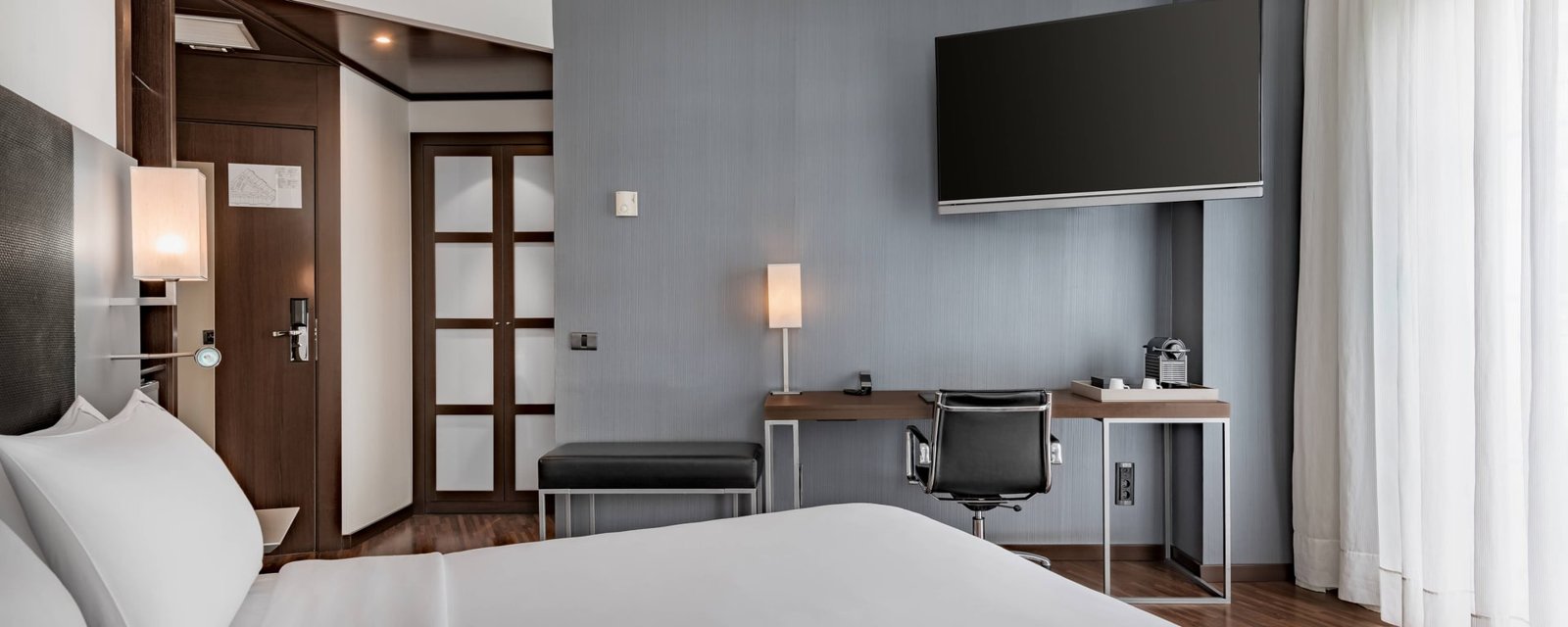
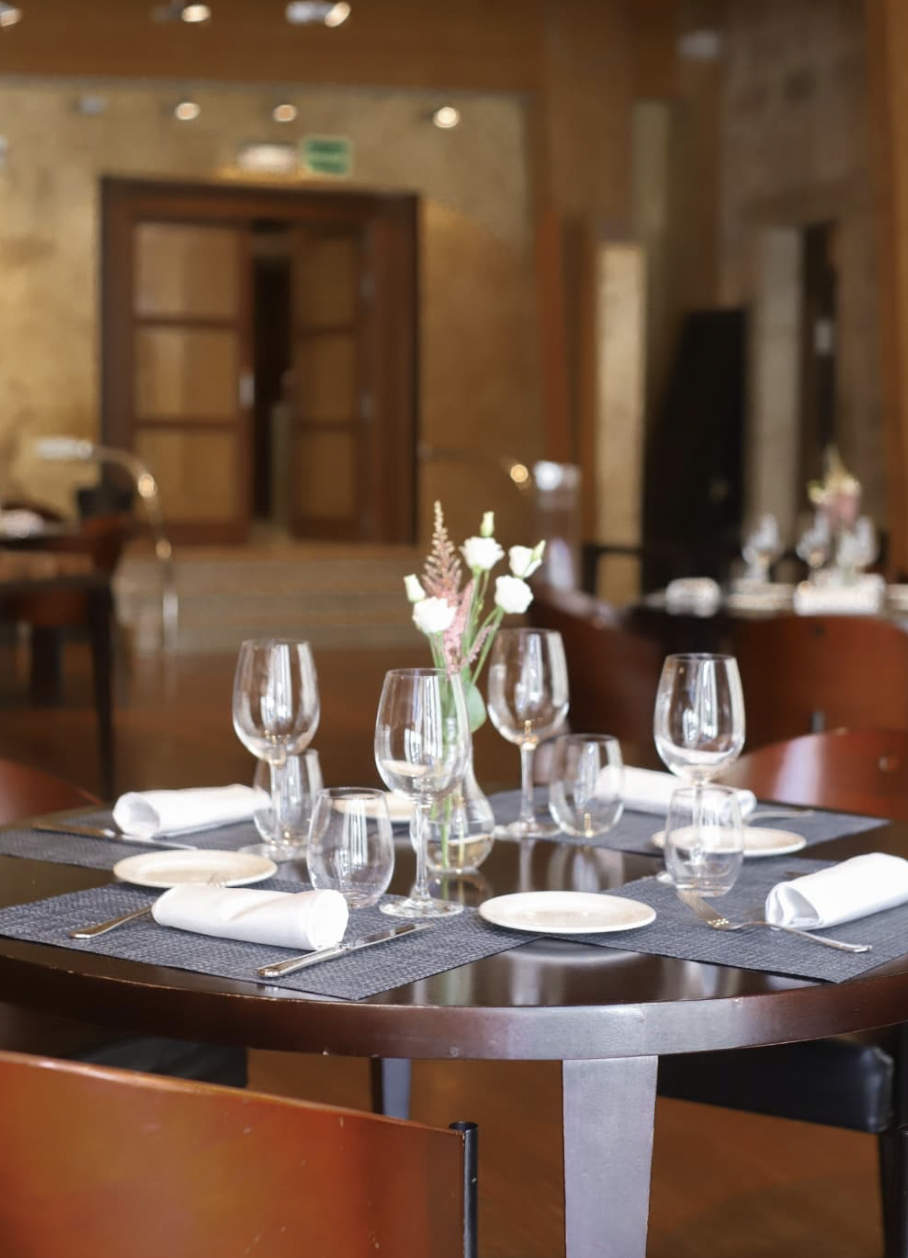
Elegant and spacious rooms blending classic dark wood furnishings with contemporary comforts in a serene historic setting.
Tags
Vibe
Best For
Experience
Amenities
Accessibility
About the Stay
- Rooms
- 110
- Check-in
- 15:00
- Check-out
- 12:00
- Property Type
- Heritage hotel
- Property Style
- Historic Palace Hotel with Modern Luxury
- Design Style
- Classic Contemporary Fusion with Dark Wood and Earthy Tones
- Pets
- Allowed
- Families
- Welcome
Know before you go
Know Before You Go
- Getting there
- C. Merced, 13, 09002 Burgos, Spain
Planning details
Location
C. Merced, 13, 09002 Burgos, Spain · Directions
Recognition and awards
Also consider
Where to look if this is not the right fit
If the priority is a simpler Burgos city hotel, cross-shop AC Hotel Burgos. If the trip should feel more like a countryside or wine-country break, compare Palacio Tondón and Hotel Santa María Briones instead.
Hotel context
How it compares in and around Burgos
Choose NH Collection Palacio de Burgos over AC Hotel Burgos if the stay needs more ceremony and a stronger historic-building feel. AC Hotel Burgos is the cleaner cross-shop for travelers who want a simpler city base and likely a more functional business-hotel mood; NH Collection Palacio de Burgos is the better fit when the hotel has to carry part of a celebration weekend.
Echaurren, Palacio Tondón, and Hotel Santa María Briones are stronger cross-shops when the trip is built around an out-of-town escape rather than Burgos city access. Pick those for a slower itinerary; pick NH Collection Palacio de Burgos when cathedral-area convenience, dinners in town, and easy movement matter more.
Palacio de los Angeles belongs in the same broader palace-hotel conversation, but it is less useful if the priority is staying inside Burgos. For a first Burgos visit or a short business trip with one free evening, the central choice is the safer decision.
Explore Burgos
Around this place
Discover more on Pearl
Unlock the full NH Collection Palacio de Burgos guide in Pearl, including awards, comparisons, FAQs, planning details, and nearby places.
Compare NH Collection Palacio de Burgos
| Venue | Location | Awards |
|---|---|---|
| NH Collection Palacio de Burgos | Burgos | 2025 Michelin Selected Hotels |
| AC Hotel Burgos | Burgos | No published awards |
| Echaurren | Ezcaray | 2026 Michelin Guide New Hotels2026 Relais Chateaux Hotels2025 Michelin Selected Hotels2025 Relais Chateaux Award |
| Palacio de los Angeles | Haro | 2026 Michelin Guide New HotelsLeading Hotels of the World 20262026 Michelin 1 Key2025 Michelin Selected Hotels |
| Palacio Tondón | Brinas | No published awards |
| Hotel Santa María Briones | Briones | 2026 Mr & Mrs Smith Luxury Hotels2026 Michelin 1 Key2025 Michelin 1 Key2024 Michelin 1 Key |




How NH Collection Palacio de Burgos compares with similar nearby venues.
FAQ
Frequently Asked Questions
How does NH Collection Palacio de Burgos compare to other hotels?
Pick this if you want a Burgos hotel with confirmed MICHELIN Guide Hotels Selected 2025 recognition. AC Hotel Burgos is another relevant city comparison, while Palacio Tondón, Hotel Santa María Briones, Echaurren, and Palacio de los Angeles may suit different itineraries. The best choice depends on whether Burgos itself is the focus of the trip.
When is the best time to book NH Collection Palacio de Burgos?
Booking timing depends on your travel dates and availability in Burgos. The confirmed MICHELIN Guide Hotels Selected 2025 recognition makes it a sensible hotel to check early if it is a priority for your trip.