
La Monastica Resort & Spa
Buggiano Castello
Hotel in Buggiano Castello, Italy
 Book with Pearl
The Read
Monastic Restoration Hospitality
Why go
La Monastica Resort & Spa is worth booking when the hotel itself is the point of the trip, especially for a quiet Tuscan spa break. Choose a room for space and comfort rather than the lowest rate; for one night, entry level can work, but longer stays justify moving up if the price step is reasonable.
About La Monastica Resort & Spa
La Monastica Resort & Spa is a resort and spa in Buggiano Castello with confirmed recognition from Michelin and Mr & Mrs Smith. Evaluate it by considering its location, name, smart-casual dress code, and accolades.
Avoid assuming a specific stay format from other descriptions. If details about rooms, rates, dining, service, amenities, or schedules matter, confirm them directly with the property before booking.
Book from the confirmed facts, not from assumptions
La Monastica Resort & Spa is in Buggiano Castello. It has a Michelin 1 Key for 2025 and a Mr & Mrs Smith Seal of Approval for 2026. Those recognitions support its positioning as a notable property, but they do not detail specific room types, spa facilities, dining formats, prices, or packages.
The dress code is smart casual. Beyond that, practical details such as check-in arrangements, meal service, facilities, and accessibility should be checked with the property or the booking channel you use.
Recognition helps justify putting the property on a short list, especially if you are comparing it with other stays. Keep the comparison grounded: confirmed accolades are useful signals, while claims about amenities, cuisine, views, or service style should not drive the decision.
How to think about the room category
Compare only the information from the property or your booking platform at the time of booking. Do not assume that a higher category includes a specific view, outdoor space, layout, or amenity unless it is stated in the current booking details.
If the stay depends on a particular feature, ask for confirmation before committing. That is especially important for any request involving room size, privacy, wellness facilities, dining arrangements, or special occasions.
For broader planning, compare La Monastica Resort & Spa with named alternatives such as Colle Alberti Country House, Grotta Giusti Resort Golf & Spa, Grotta Giusti Thermal Spa Resort Tuscany, Autograph Collection, Oasyhotel, and Villa Petriolo, or look at other dining in Buggiano Castello generically.
Planning details
- Location
- Via S. Scolastica, 51011 Buggiano Castello PT
- Website
- lamonastica.com
- Phone
- +39 0572 30585
The take
The Take
The Vibe
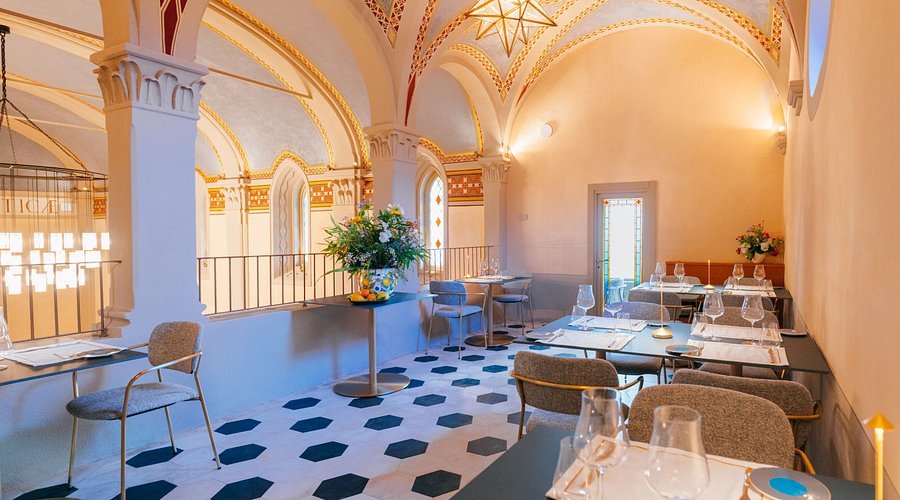
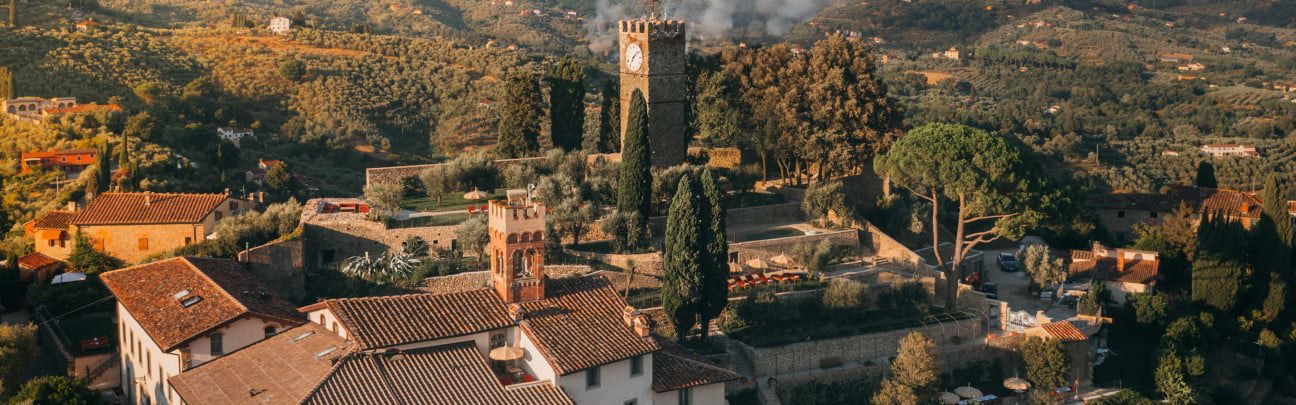
La Monastica presents as a carefully conserved monastery rather than a reimagined hotel. The restoration foregrounds original fabric — exposed wood-beamed ceilings, load-bearing stone walls and surviving frescoes and stained glass — so that architectural history defines the stay. Interiors read cloister-like in the simpler rooms, where wooden writing desks and shuttered windows reinforce a contemplative mood. The property sits on the crown of a hilltown, and that altitude, orientation to light and the monastery’s layered materiality create a quietly formal, intimate experience that privileges conservation-minded authenticity over contemporary gloss.
Best For
This is a hotel for travelers seeking a quiet, restorative escape rooted in history. It suits couples on romantic getaways or honeymoons, guests pursuing a wellness retreat at a property that literally names itself a spa, and anyone celebrating an anniversary or a slow weekend away from the city. Its hilltown setting in Valdinievole makes day trips to Florence and Lucca feasible while keeping the pace deliberately measured; guests who value historic architecture, low-key luxury and a small, intimate roster of rooms will find this especially well matched to their plans.
Stay Tips
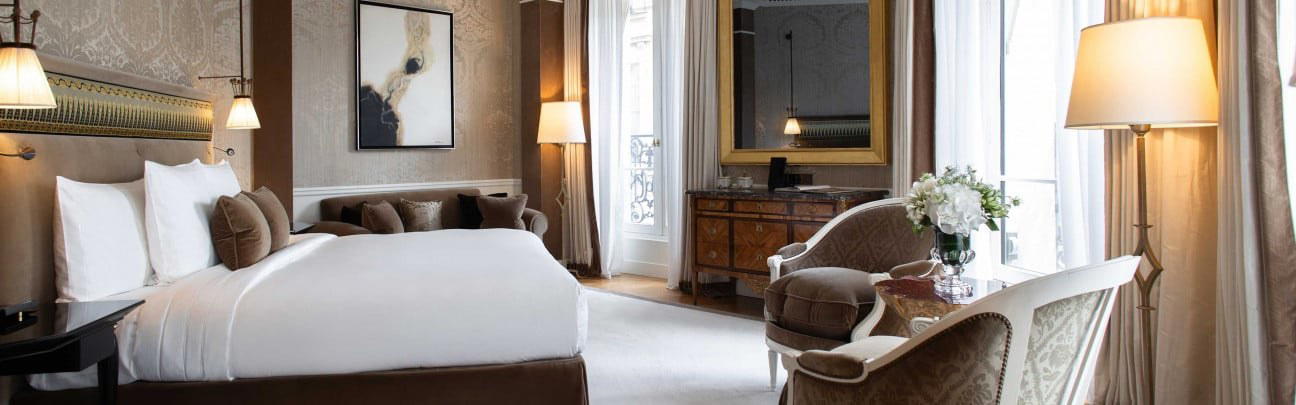
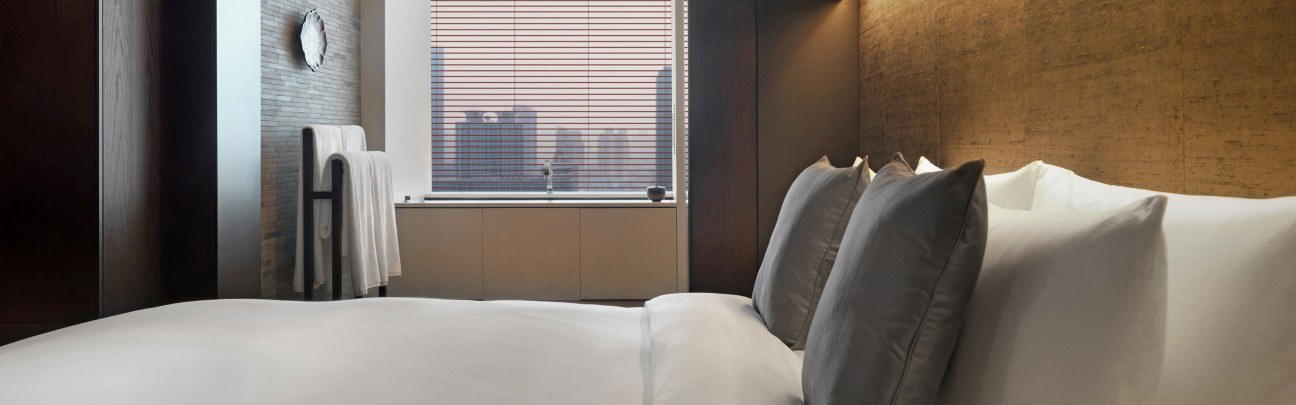
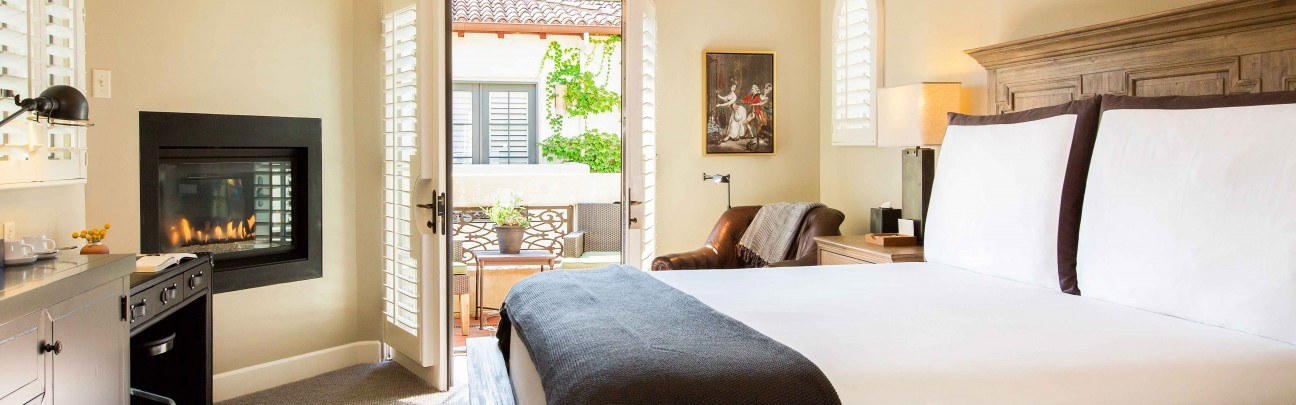
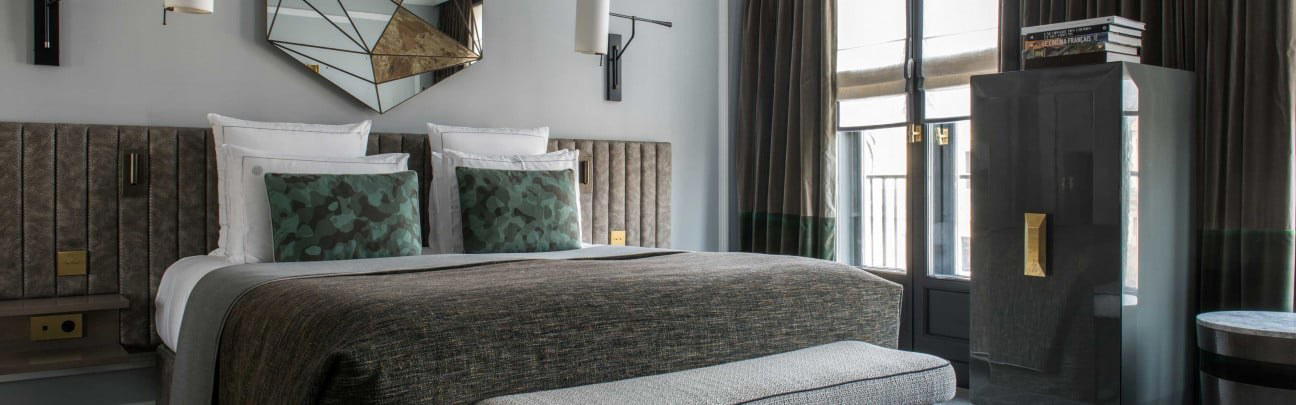
The hotel has a small collection of 19 rooms and suites, and the guest experience varies by tier, so study room descriptions before booking. Simpler rooms emphasize the cloister-like, preserved character of the convent’s living quarters, while higher tiers imply more space and elevated views; choose based on whether you prioritize austerity and authenticity or additional comfort and outlook. Given the limited inventory and restoration focus, book early and confirm room orientation if a view or specific light conditions matter to you.
Venue details
Ambiance
Serene and relaxing with soft lighting, hushed tones, and a contemplative yet warm atmosphere blending historic stone elements with modern elegance.
Tags
Vibe
Best For
Experience
Amenities
View
Accessibility
About the Stay
- Rooms
- 0
- Property Style
- Restored 16th Century Monastery in a Medieval Tuscan Village
- Design Style
- Historic Charm with Contemporary Elegance, Exposed Stone, Wood Beams, and Individually Styled Rooms
Know before you go
Know Before You Go
- Getting there
- Via S. Scolastica, 51011 Buggiano Castello PT
Planning details
Location
Recognition and awards
Also consider
If it is not available
Try Grotta Giusti Thermal Spa Resort Tuscany, Autograph Collection if the spa program is the main reason for the trip. Try Villa Petriolo if a countryside stay with a softer wine-country mood is a better fit.
Hotel context
How It Compares
Choose La Monastica Resort & Spa if Buggiano Castello's hill-town setting and a quieter hotel rhythm matter more than a large resort footprint. Grotta Giusti Resort Golf & Spa and Grotta Giusti Thermal Spa Resort Tuscany, Autograph Collection are the more obvious cross-shops for travellers who want the spa identity to dominate the trip; La Monastica is the better call when the desired feel is smaller and more place-led.
Oasyhotel is the alternative for travellers who want the stay to feel more nature-driven and removed from town life. Villa Petriolo makes more sense for a countryside-wine mood, while La Monastica is easier to justify when the priority is a polished hotel base near Buggiano Castello.
Colle Alberti Country House is the value-minded comparison if the trip mainly needs a softer rural stay and less of a resort-spa signal. For a celebration or a stay where the room, spa time, and setting carry the value, La Monastica should sit higher on the list, but book early because the stronger categories are the ones to target.
Explore Buggiano Castello
Around this place
Discover more on Pearl
Unlock the full La Monastica Resort & Spa guide in Pearl, including awards, comparisons, FAQs, planning details, and nearby places.
Compare La Monastica Resort & Spa
| Venue | Location | Awards |
|---|---|---|
| La Monastica Resort & Spa | Buggiano Castello | 2026 Mr & Mrs Smith Luxury HotelsMichelin 1 Key 20252025 Michelin 1 Key |
| Grotta Giusti Resort Golf & Spa | Monsummano Terme | No published awards |
| Grotta Giusti Thermal Spa Resort Tuscany, Autograph Collection | Monsummano Terme | No published awards |
| Oasyhotel | San Marcello Piteglio | 2026 Mr & Mrs Smith Luxury HotelsSmall Luxury Hotels Member 2025 |
| Villa Petriolo | Cerreto Guidi | Tablet Hotels Editors' Picks: Top 40 New Hotels — July 20262026 Michelin Guide New Hotels2025 Michelin 1 KeySmall Luxury Hotels Member 2025 |
| Colle Alberti Country House | Cerreto Guidi | No published awards |


How La Monastica Resort & Spa compares with similar nearby venues.
FAQ
Frequently Asked Questions
When is the best time to book La Monastica Resort & Spa?
Information on booking windows or seasonal patterns is not available. La Monastica Resort & Spa is in Buggiano Castello and has a Michelin 1 Key for 2025, so if your dates are important, confirm current availability and terms directly before booking. Compared with Villa Petriolo, it should be assessed using the details currently provided by each property.
Is La Monastica Resort & Spa good for business travel?
Business-travel facilities or services are not detailed. La Monastica Resort & Spa is in Buggiano Castello, has a smart-casual dress code, and holds a Michelin 1 Key for 2025. If work requirements matter, compare the current information for La Monastica Resort & Spa with Grotta Giusti Resort Golf & Spa before booking.
Is La Monastica Resort & Spa family-friendly?
Family facilities, policies, or activity details are not available. Before booking with children, confirm the current policy and any relevant arrangements directly with the property. Colle Alberti Country House is another named option to compare, using only the details each property currently publishes.
Which room category is best at La Monastica Resort & Spa?
Room-by-room details are not available. Choose only from the room descriptions and conditions shown by the property or booking channel at the time of booking, and confirm any important feature directly. The location should be stated simply as Buggiano Castello.
How does La Monastica Resort & Spa compare to other properties?
La Monastica Resort & Spa has confirmed recognition from Michelin, with a 1 Key in 2025, and from Mr & Mrs Smith, with a Seal of Approval in 2026. For comparison, you can also review Grotta Giusti Thermal Spa Resort Tuscany, Autograph Collection, Grotta Giusti Resort Golf & Spa, Oasyhotel, Villa Petriolo, and Colle Alberti Country House using their current published details.
How is the dining at La Monastica Resort & Spa?
Cuisine, restaurant format, menu, price, or dining schedule are not available. Rely on the property's current information for dining details. If food is a priority, compare La Monastica Resort & Spa with Villa Petriolo and other dining in Buggiano Castello using up-to-date published details.
How is the pool and spa at La Monastica Resort & Spa?
Pool or spa facility details are not available. Confirm current spa or wellness arrangements directly with the property before booking. Oasyhotel is another named option to compare if you are reviewing broader stay choices.