
Borgobrufa SPA Resort
Brufa
Hotel in Brufa, Italy
 Book with Pearl
Why go
Borgobrufa SPA Resort is the right Brufa pick for a spa-led Umbrian break where the hotel carries the trip. It is better suited to couples and first-timers who want slow days on property than travelers prioritizing city access, dining variety, or a packed sightseeing schedule.
About Borgobrufa SPA Resort
Borgobrufa SPA Resort is a hotel choice in Brufa with one clear distinction: it is listed in the MICHELIN Guide, Hotels Selected for 2025. Beyond that recognition and the property's smart-casual dress code, travelers should confirm current facilities, dining, room categories, and policies directly with the hotel before booking.
Borgobrufa SPA Resort is a selected hotel in Brufa, but specific claims about menus, spa facilities, room types, prices, hours, or on-site services should be confirmed directly with the hotel.
A resort stay in Brufa
Borgobrufa SPA Resort is in Brufa, carries MICHELIN Guide hotel selection recognition for 2025, and lists smart casual as the dress code.
That MICHELIN Guide hotel selection gives travelers a useful reference point when comparing hotel options. It does not endorse specific restaurant programs, spa features, room categories, price levels, or service formats.
Check-in to check-out: keep the plan light
Before committing, check the hotel's official channels for current arrival details, facilities, dining arrangements, and booking conditions. Specific hours, amenities, package inclusions, or seasonal recommendations should be confirmed directly with the hotel.
If the stay depends on a particular facility or service, confirm it directly with Borgobrufa SPA Resort. The Brufa location, smart-casual dress code, and MICHELIN Guide, Hotels Selected 2025 recognition are reliable details; all other information requires direct confirmation.
Who should book, and who should look elsewhere
Consider Borgobrufa SPA Resort if you want a Brufa hotel with MICHELIN Guide hotel selection recognition. If you are still comparing, you may also look at Aethos Saragano, Borgo Antichi Orti Assisi, Hotel Castello di Monterone, Sina Brufani, and Tenuta San Masseo, depending on the kind of stay you want. For dining research in Brufa, use Our full Brufa restaurants guide.
Quick reference: Brufa, smart casual dress code, and MICHELIN Guide, Hotels Selected 2025 recognition are the primary details; verify all other stay-specific details before booking.
Planning details
- Location
- Via del Colle, 38, 06089 Brufa PG, Italy
- Website
- borgobrufa.it
- Phone
- +39 075 9883
The take
The Take
The Vibe
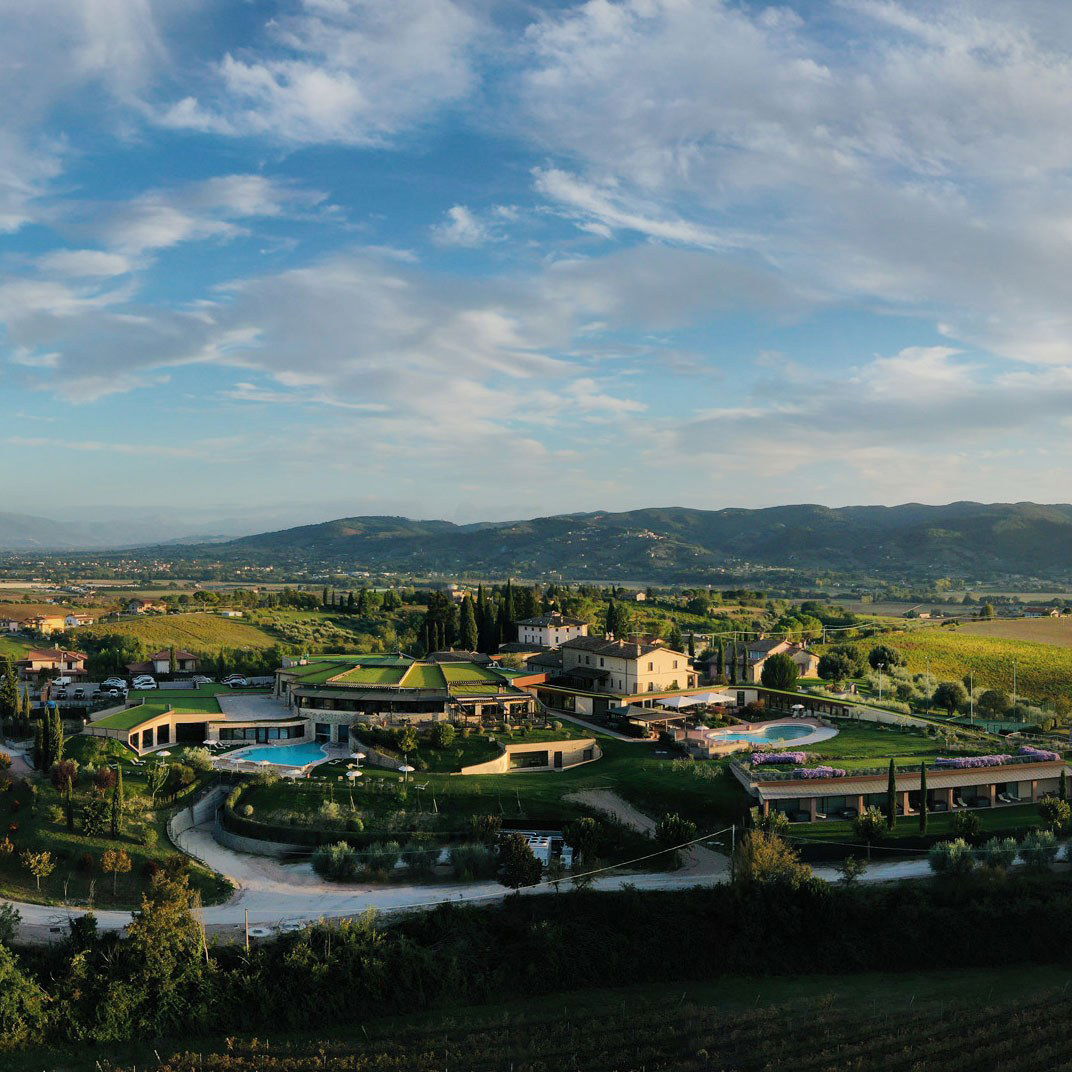
Borgobrufa reads as a contemporary, design-forward hilltop retreat that foregrounds architecture as the primary lens on the landscape. Terraced stone volumes, broad glazing and a siting that clamps the building to the ridge make the resort feel like a constructed viewpoint rather than a conventional hotel. The tone is quietly refined—wellness and decompression are embedded in the arrival and layout—so the experience skews modern and serene rather than ornate. Inclusion in Michelin’s hotel selection underlines a consistent, curated hospitality approach that complements the property’s sculptural, site-responsive character.
Best For
This resort is best for travelers seeking an architecture-first wellness escape: couples on a romantic or honeymoon break, guests planning a wellness retreat, and design-minded visitors who prioritize views and quiet. The hilltop siting and a spa program that extends beyond checklist amenities make it a natural choice for anniversary or weekend-escape stays where restorative calm and panoramic scenery are central to the trip. The gradual approach from the valley reinforces the meditative arrival many guests expect from a high-end spa property.
Stay Tips
Book a room with valley-facing orientation and request placement on the terraces if panoramic views are a priority—the building’s glazing and terraced volumes are explicitly designed to frame the Tiber Valley. Reserve spa treatments in advance, as the property’s wellness program is a core part of the offering and likely to fill ahead of peak periods. Allow time for the approach road: the drive up from Torgiano is described as part of the decompression, so plan arrivals to enjoy that transition rather than rushing directly to check-in.
Venue details
Ambiance
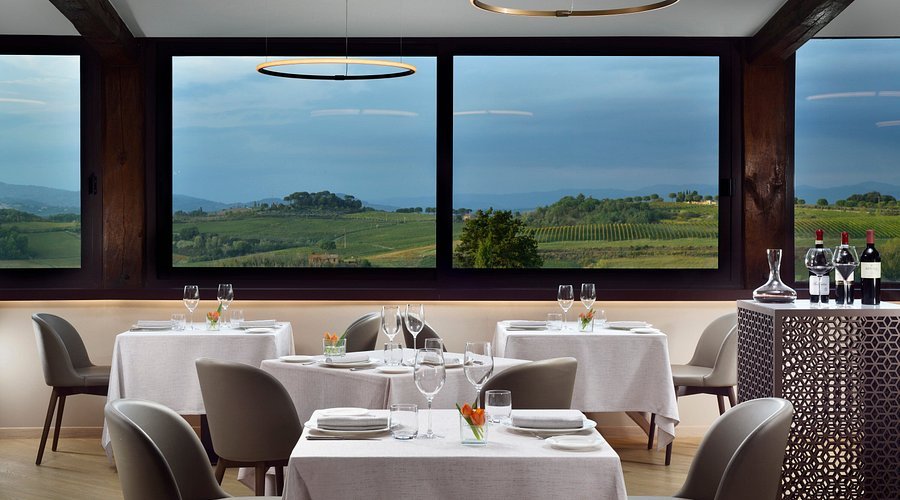
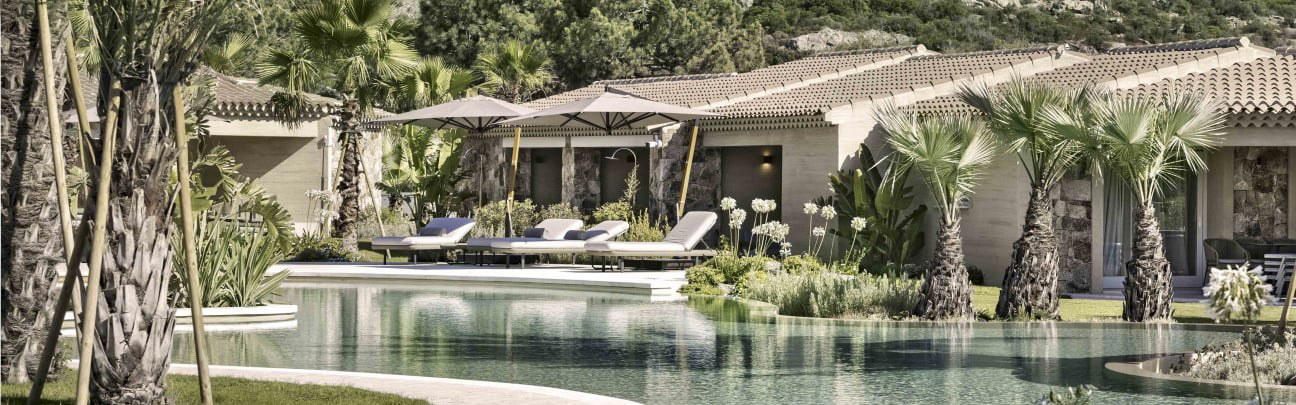
Sleek modern design complemented by local artwork, period furniture with wooden beam ceilings, warm lighting in cozy rooms opening to green vineyards, and a serene, relaxing atmosphere emphasizing silence and peacefulness.
Tags
Vibe
Best For
Experience
Amenities
View
Accessibility
About the Stay
- Rooms
- 49
- Check-in
- 15:30
- Check-out
- 12:00
- Property Type
- Boutique hotel
- Property Style
- Adults Only 5 Star Spa Resort Blending Authentic Umbrian Tradition with Modern Luxury in a Decentralized Hillside Estate Surrounded by 40,000 Sqm of Lush Greenery.
- Design Style
- Modern Interiors with Umbrian Authenticity: Period Furniture, Wooden Beam Ceilings, Terracotta Tiles, Exposed Beams, Warm Pastels, and Sleek Contemporary Elements.
- Pool
- Yes
- Spa
- Yes
- Pets
- Allowed
Know before you go
Know Before You Go
- Getting there
- Via del Colle, 38, 06089 Brufa PG, Italy
Planning details
Location
Recognition and awards
Also consider
If You Cannot Book Here
Try Aethos Saragano if the appeal is countryside quiet with a more village-style feel. Choose Sina Brufani instead if Perugia access matters more than spa time.
Hotel context
How It Compares
Borgobrufa SPA Resort is the spa-first choice in this set. Choose it over Hotel Castello di Monterone if wellness facilities matter more than a castle atmosphere, and over Sina Brufani if the trip is about switching off rather than staying close to Perugia's urban rhythm.
Borgo Antichi Orti Assisi and Tenuta San Masseo make more sense when Assisi is the main focus. Borgobrufa is the better call when the hotel day itself is the point. For a quieter countryside alternative, Aethos Saragano is the stronger cross-shop if design-led village calm sounds more appealing than a resort spa format.
On booking difficulty, Borgobrufa is the easier recommendation for travelers who want less friction and a clear stay pattern: arrive, use the spa, keep the itinerary light. The peers are stronger for setting-specific trips, but this is the cleaner choice for a wellness break in Brufa.
Explore Brufa
Around this place
Discover more on Pearl
Unlock the full Borgobrufa SPA Resort guide in Pearl, including awards, comparisons, FAQs, planning details, and nearby places.
Compare Borgobrufa SPA Resort
| Venue | Location | Awards |
|---|---|---|
| Borgobrufa SPA Resort | Brufa | 2025 Michelin Selected Hotels |
| Hotel Castello di Monterone | Perugia | 2026 Michelin 1 Key2025 Michelin 1 Key2024 Michelin 1 Key |
| Sina Brufani | Perugia | No published awards |
| Borgo Antichi Orti Assisi | Assisi | No published awards |
| Tenuta San Masseo | Assisi | No published awards |
| Aethos Saragano | Saragano | No published awards |


How Borgobrufa SPA Resort compares with similar nearby venues.
FAQ
Frequently Asked Questions
When is the best time to book Borgobrufa SPA Resort?
What facilities are available at Borgobrufa SPA Resort?
Confirm current facilities and access rules with the hotel before booking.
Which room category is best at Borgobrufa SPA Resort?
Choose only after checking the hotel's current room descriptions, availability, and policies through official channels.
How does Borgobrufa SPA Resort compare to other hotels?
Borgobrufa SPA Resort is a Brufa hotel with MICHELIN Guide, Hotels Selected 2025 recognition. Travelers comparing options may also review Aethos Saragano, Borgo Antichi Orti Assisi, Hotel Castello di Monterone, Sina Brufani, and Tenuta San Masseo, while confirming each property's location and current offering directly.
Is Borgobrufa SPA Resort family-friendly?
Contact Borgobrufa SPA Resort directly to confirm whether the current setup fits your group.
How is the dining at Borgobrufa SPA Resort?
The dress code is smart casual, and the hotel has MICHELIN Guide, Hotels Selected 2025 recognition; confirm current restaurant, menu, and service details directly with the property.