
Château St Pierre de Serjac
Puissalicon, Béziers
Hotel in Béziers, France
 Book with Pearl
The Read
Price
$200–300per night
Why go
Book Château St Pierre de Serjac if the trip calls for a slower Béziers-area château stay rather than a city hotel. Its appeal is the estate format, staff-supported country-house pacing, and recognized hotel credentials; choose an in-town peer if walkable city access matters more.
About Château St Pierre de Serjac
Château St Pierre de Serjac is a Béziers venue with a smart-casual dress code and confirmed hotel recognition from Mr & Mrs Smith and the MICHELIN Guide. With only limited public details available here, the safest way to evaluate it is as a premium hotel option in Béziers rather than as a page built around claims about specific facilities, dining, pricing, or room categories.
For planning, keep the decision simple: compare the venue on the basis of confirmed recognition, overall fit, and the kind of stay you want in Béziers. Avoid assuming specific services, meal formats, transport convenience, or amenities unless they are confirmed directly at booking.
A château stay makes sense if recognition matters
The clearest grounded reason to consider Château St Pierre de Serjac is its confirmed external recognition: Mr & Mrs Smith Seal of Approval for 2026 and selection in the MICHELIN Guide hotel listings for 2025. Those signals support treating it as a serious hotel choice in Béziers, while still leaving practical details to be checked directly with the property before committing.
Expectations should stay disciplined. Bookers should therefore confirm the details that matter most to their trip, especially arrival logistics, meals, and any special requirements.
Who should choose Château St Pierre de Serjac
Choose Château St Pierre de Serjac if the name, smart-casual tone, and confirmed hotel recognition make it the right fit for a Béziers stay. If you want to compare other hotel options, consider L'Hôtel Particulier Béziers, La Villa Guy, or Maison Jullian. Souki - Lodges & Spa and Village & Château Castigno - Wine Hotel Spa & Resort may also be relevant broader regional comparisons depending on the shape of the trip.
Because the data does not include booking difficulty, room inventory, prices, or exact services, avoid planning around assumptions. The better approach is to contact the hotel or booking channel directly and confirm the details that would make or break the stay.
Use Pearl's Béziers hotels guide for the city set, then compare Château St Pierre de Serjac with other options according to fit rather than unconfirmed amenities. For dining and trip planning around the stay, the practical companion page is Béziers restaurants. The short version: consider it for a smart-casual, recognized hotel stay in Béziers, and verify specifics before booking.
Planning details
- Location
- D30, 34480 Puissalicon, France
- Website
- serjac.com
- Phone
- +33 4 67 80 76 00
The take
The Take
The Vibe
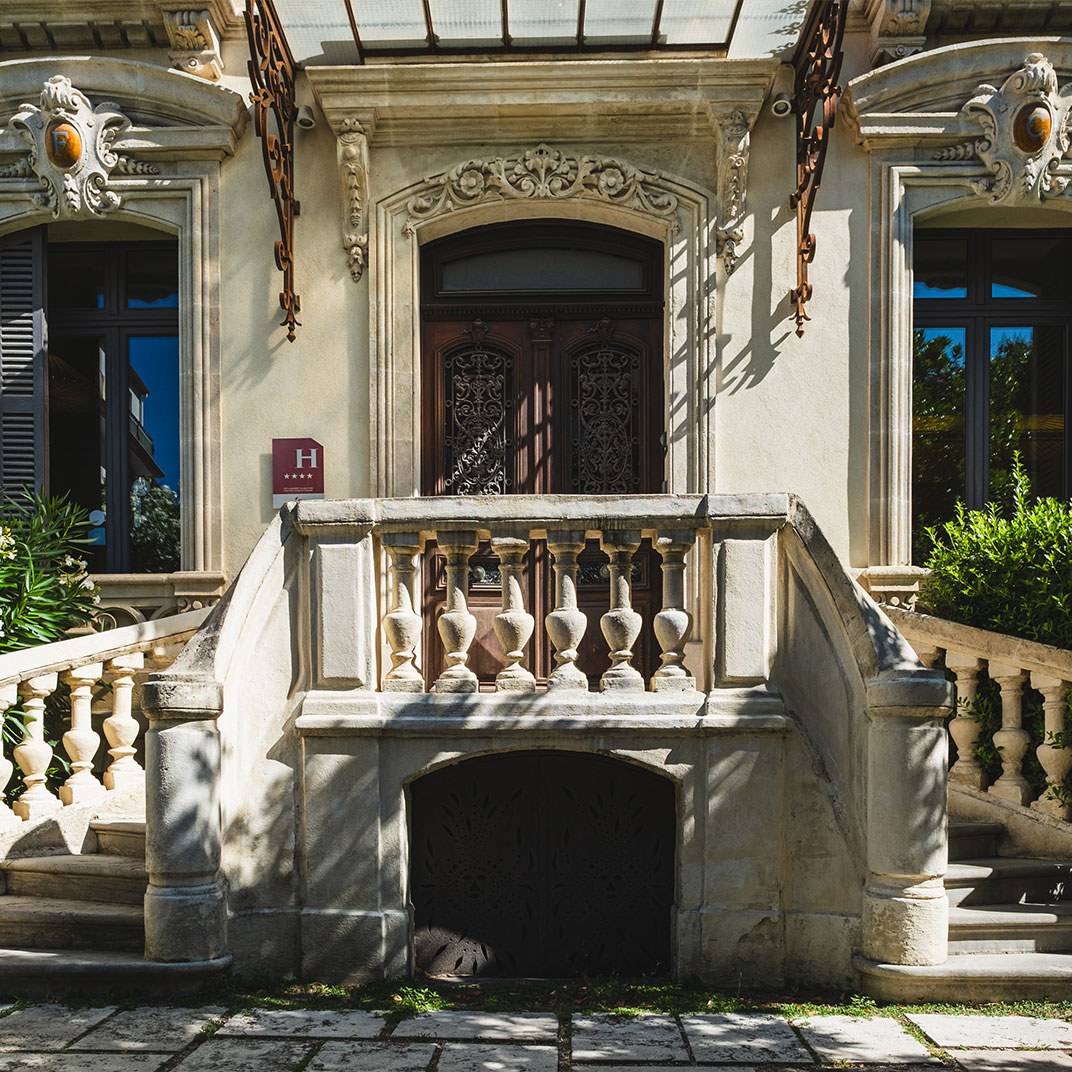
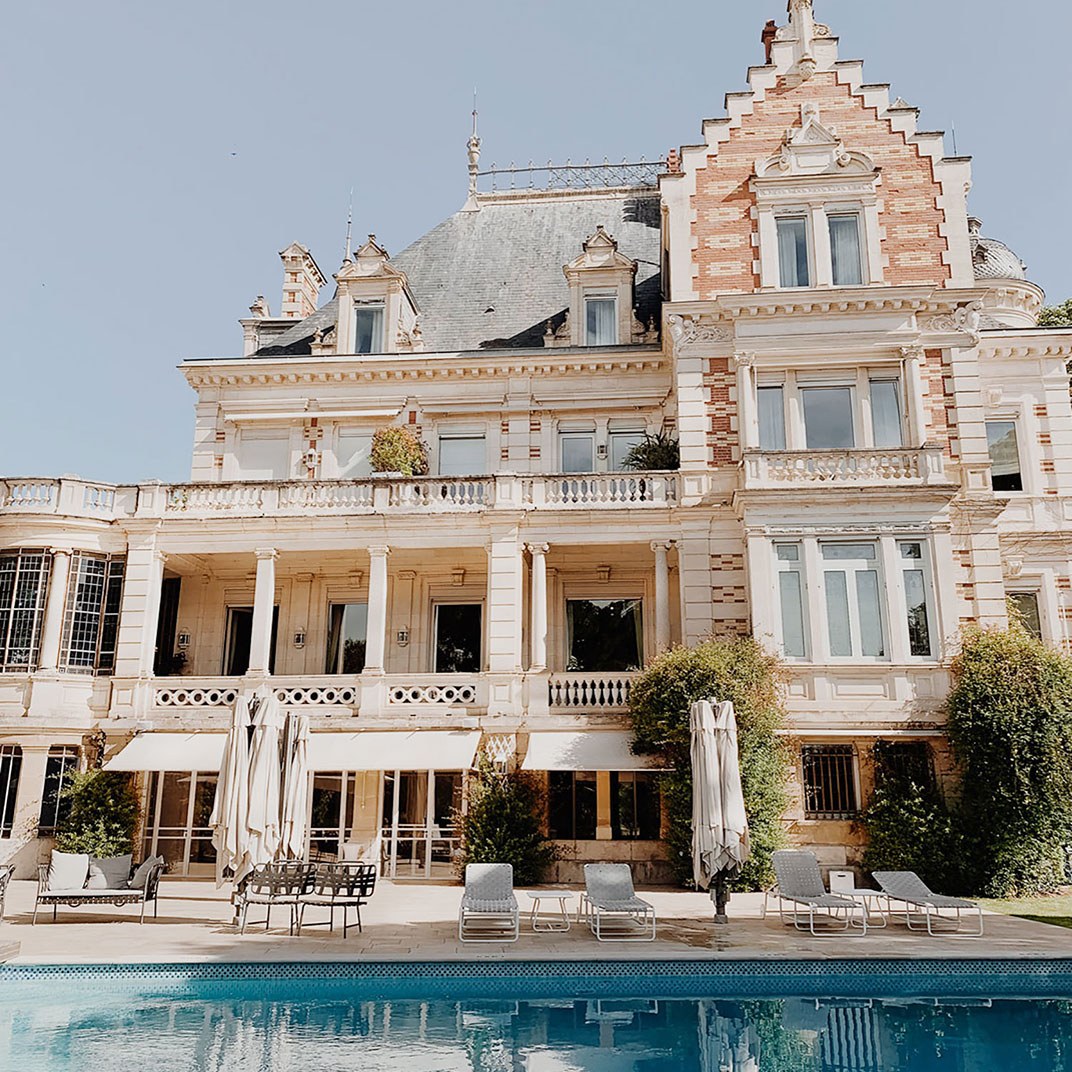
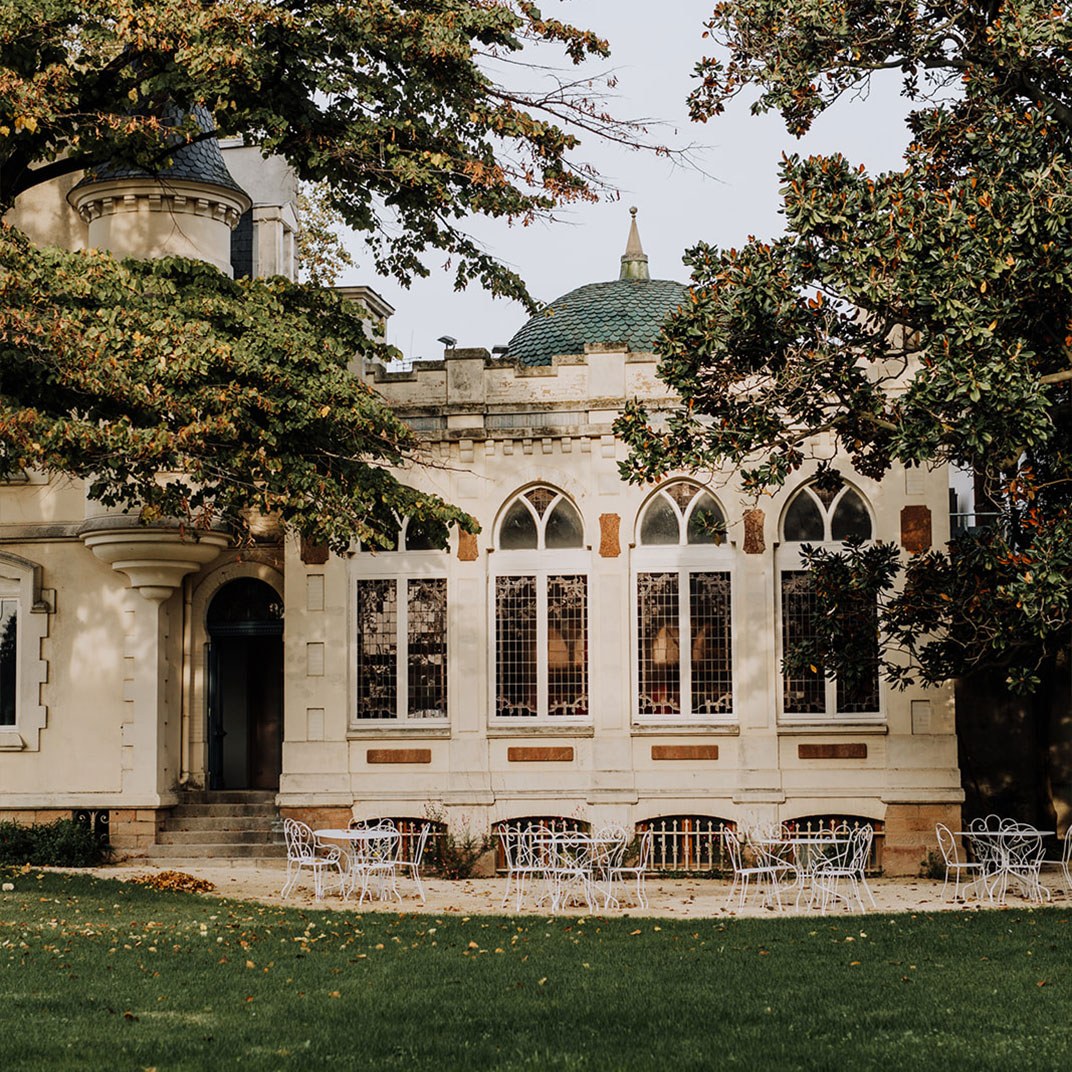
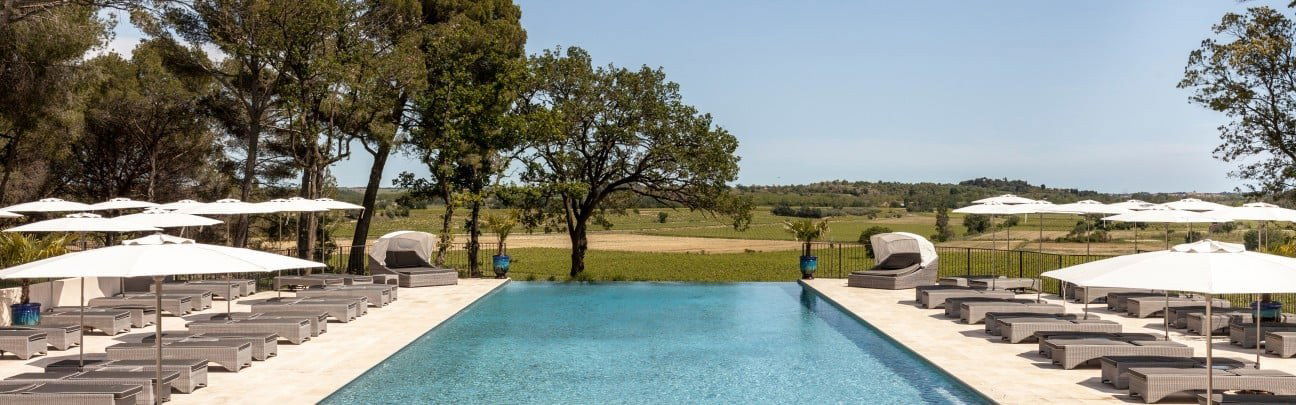
Château St Pierre de Serjac reads as a countryside estate first and a hotel second: its identity is rooted in the working vines and agricultural land that surround the property. The place favors the unhurried rhythms of seasonality, so interiors and service feel measured rather than flashy. That grounding gives the château a rustic, quietly charming personality with a classic château silhouette and a calm, rural tempo. Travelers should expect a contemplative, vineyard-forward ambiance where the landscape—not urban buzz—shapes the experience.
Best For
The estate framing makes this a natural pick for guests who want to immerse themselves in Languedoc’s wine country. It suits couples seeking a low-key romantic getaway or anniversary retreat and families wanting a relaxed base in the countryside. The hotel also appeals to visitors interested in wine-focused experiences and short weekend escapes: its working vineyards and estate orientation position it as a place to learn about regional production while enjoying the slower pace of rural southern France.
Stay Tips
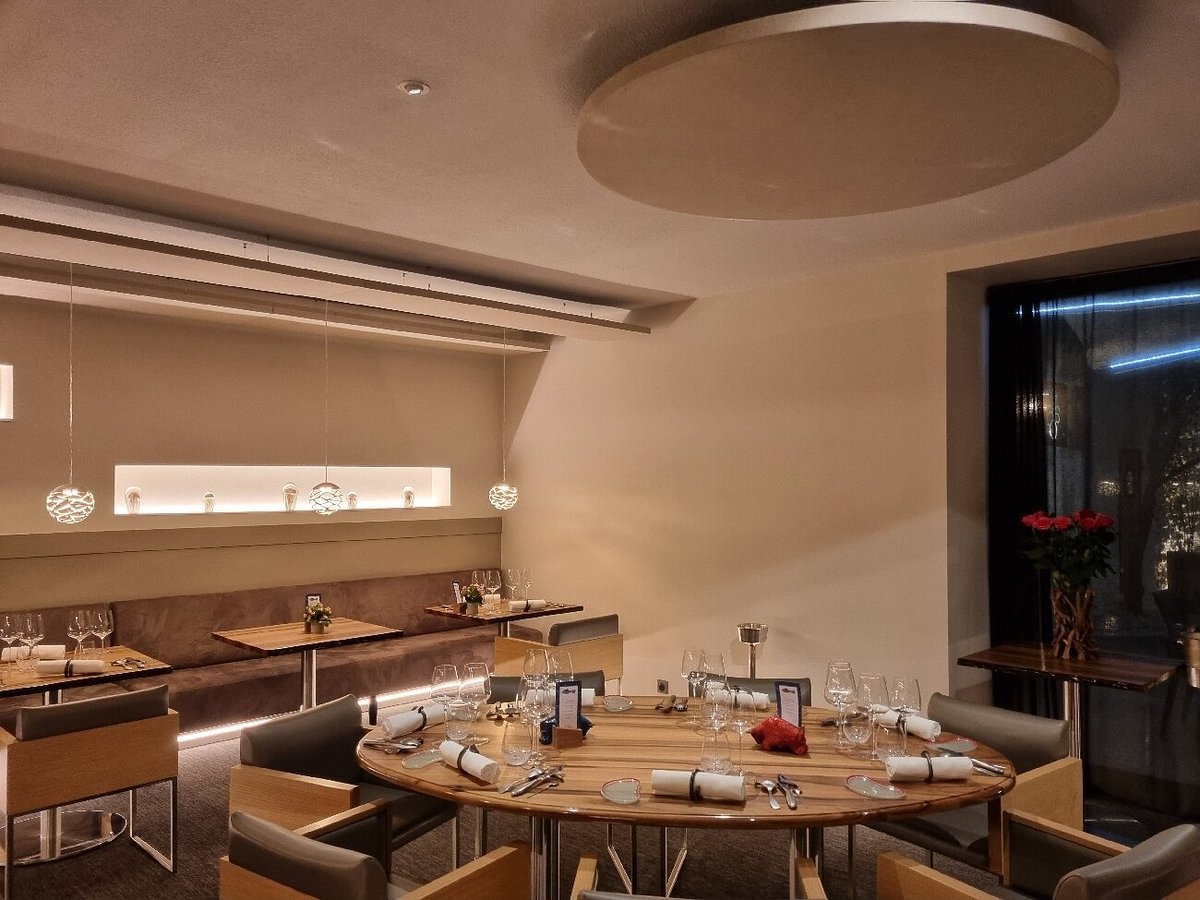
Menus and bottle lists at the château are presented in the context of estate production, so prioritize house or estate wines and dishes built around seasonal, locally sourced ingredients. Ask your server about current harvests or any estate bottlings on offer, and request pairing suggestions that reflect the property’s vineyard influence. If you’re curious about provenance, inquire about how what 'arrives at the table' relates to the vineyards you can see from the grounds—staff are likely to point you toward estate-led selections and seasonal preparations.
Venue details
Ambiance
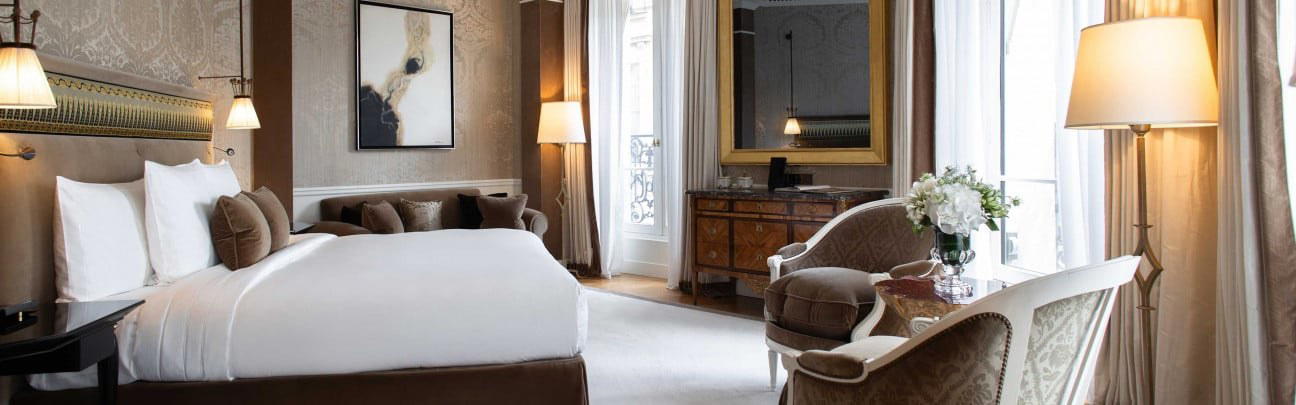
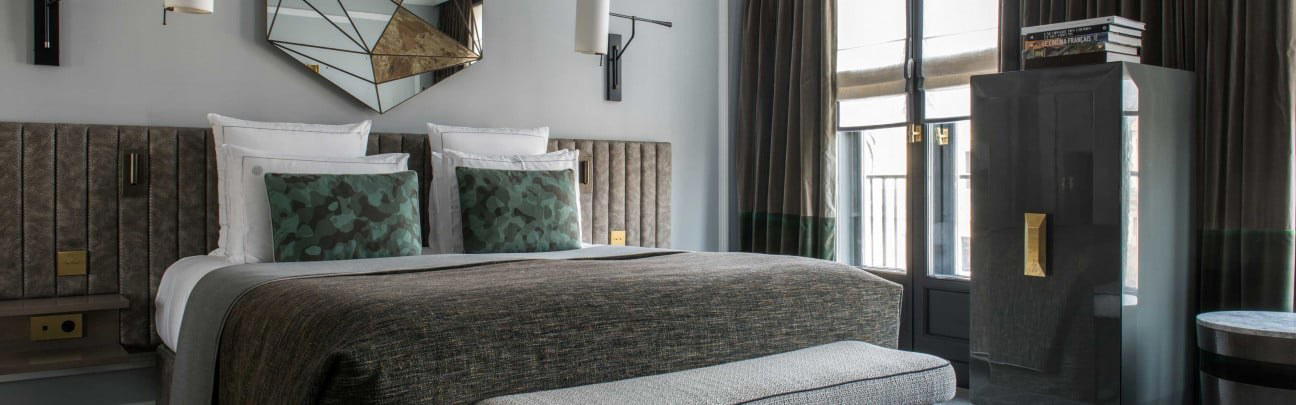
Soft, sophisticated interiors with classic French elegance featuring soft greys, aubergine, and navy blue accents, antique furnishings, velvet-clad furniture, and vintage chandeliers creating a laid-back yet glamorous atmosphere.
Tags
Vibe
Best For
Experience
Amenities
View
About the Stay
- Rooms
- 44
- Check-in
- 16:00
- Check-out
- 11:00
- Property Type
- Heritage hotel
- Property Style
- Luxury Heritage Estate Blending Historic French Château Architecture with Contemporary Comfort, Positioned as an Intimate Working Wine Property with Farm to Table Dining and Wellness Experiences.
- Design Style
- Classic French Sophistication with Soft Colour Palettes of Grey, Aubergine, and Navy Blue, Accented with Antique Furnishings, Vintage Chandeliers, Velvet Textures, and Original Architectural Details Including Marble Fireplaces and Hand Painted Wallpaper.
- Pool
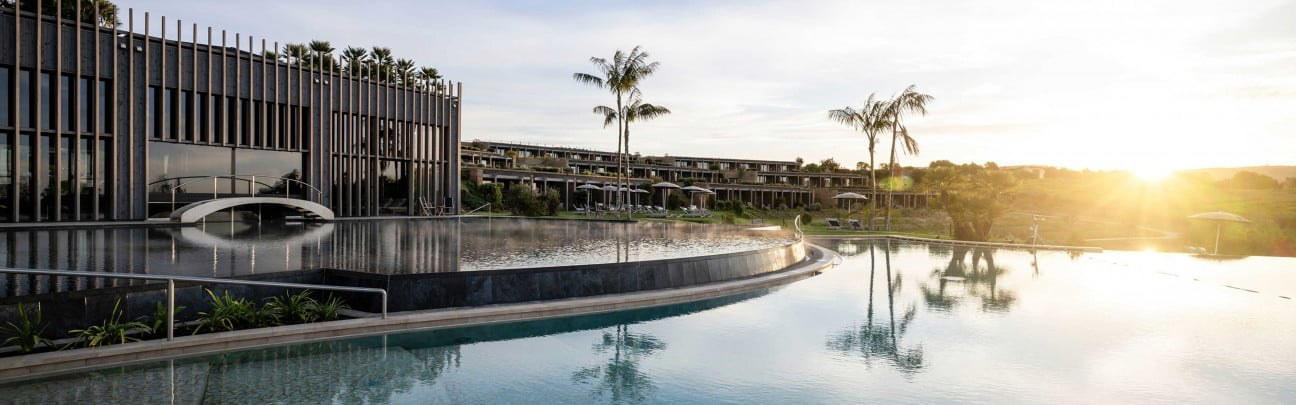
- Yes
- Spa
- Yes
- Families
- Welcome
- Cancellation
- Moderate
Know before you go
Know Before You Go
- Getting there
- D30, 34480 Puissalicon, France
Planning details
Location
Recognition and awards
Also consider
If this is not the right fit
For a city-first stay, start with L'Hôtel Particulier Béziers. For a smaller in-town alternative, try Maison Jullian. If the trip should lean further into rural seclusion, compare Village & Château Castigno - Wine Hotel Spa & Resort.
Hotel context
How it compares in the Béziers hotel set
L'Hôtel Particulier Béziers is the more practical choice if the trip is built around central Béziers: easier for restaurants, bars, and short city stays. Château St Pierre de Serjac is better for guests who want a countryside base and are willing to trade walkability for space and a slower pace.
La Villa Guy and Maison Jullian are cleaner cross-shops for travelers who want a smaller in-town feel. Pick them for convenience and shorter stays; pick the château when the hotel itself is part of the point and the schedule has room for time on property.
Souki - Lodges & Spa and Village & Château Castigno - Wine Hotel Spa & Resort sit closer to the destination-resort end of the decision. Cross-shop them if spa time, wine-country seclusion, or a more immersive rural stay matters more than proximity to Béziers. Château St Pierre de Serjac is the middle path: château atmosphere, easier booking, and a location that keeps the city within the broader trip plan.
Explore Béziers
Around this place
Discover more on Pearl
Unlock the full Château St Pierre de Serjac guide in Pearl, including awards, comparisons, FAQs, planning details, and nearby places.
Compare Château St Pierre de Serjac
| Venue | Location | Awards |
|---|---|---|
| Château St Pierre de Serjac | Béziers | 2026 Mr & Mrs Smith Luxury Hotels2025 Michelin Selected Hotels |
| L'Hôtel Particulier Béziers | Béziers | No published awards |
| La Villa Guy | Béziers | No published awards |
| Souki - Lodges & Spa | Cabrières | 2025 Michelin Selected Hotels2025 Gault & Millau Exceptional Hotel |
| Maison Jullian | Béziers | No published awards |
| Village & Château Castigno - Wine Hotel Spa & Resort | Assignan | 2026 Michelin 1 KeyMichelin 1 Key 20252025 Michelin 1 Key2025 Gault & Millau Exceptional Hotel2024 Michelin 1 Key |



How Château St Pierre de Serjac compares with similar nearby venues.
FAQ
Frequently Asked Questions
How is the location of Château St Pierre de Serjac?
Château St Pierre de Serjac is in Béziers. The location detail available here is the city, so confirm any exact address, transport plan, and arrival logistics directly before booking.
When is the best time to book Château St Pierre de Serjac?
If your dates are important, book when the hotel can confirm availability and the practical details you need.
Which room category is best at Château St Pierre de Serjac?
No room-category guidance is available here. Choose based on the hotel's current descriptions, your party size, and any directly confirmed needs.
Do loyalty programs work at Château St Pierre de Serjac?
How is the pool and spa at Château St Pierre de Serjac?
How is the dining at Château St Pierre de Serjac?
Specific dining details are not here. Before relying on meals at the property, confirm the current dining options, opening times, smart-casual dress code, and reservation requirements directly.
What is check-in like at Château St Pierre de Serjac?
Specific check-in procedures are not here. Confirm arrival time, access details, and any late-arrival requirements with the hotel before travelling.