
Lifestyle Resort Zum Kurfürsten
Kueser Plateau, Bernkastel-Kues
Hotel in Bernkastel-Kues, Germany
 Book with Pearl
The Read
Price
$300–500per night
Why go
A practical pick for a calm Bernkastel-Kues spa break, especially if the room is part of the occasion rather than just a place to sleep. Its MICHELIN Guide Hotels Selected 2025 recognition adds confidence, but suite upgrades make the most sense for longer or celebration-led stays.
About Lifestyle Resort Zum Kurfürsten
Lifestyle Resort Zum Kurfürsten is a hotel in Bernkastel-Kues with MICHELIN Guide Hotels Selected recognition for 2025. The dress code is smart casual. Before booking, confirm current room categories, dining format, spa facilities, prices, and service inclusions directly with the venue.
For trip planning, focus on the essentials first rather than assuming a full inventory of amenities. If a particular feature matters to the trip, check the hotel's official channels before making plans around it.
Book it as a Bernkastel-Kues hotel with MICHELIN recognition
A clear reason to keep Lifestyle Resort Zum Kurfürsten on a shortlist is simple: it is in Bernkastel-Kues and is listed by the MICHELIN Guide in Hotels Selected for 2025. That makes it relevant for travelers who want a recognized hotel option in the city, while the finer details are best checked before committing.
Do not assume a specific stay style from the headline listing alone. If the room, dining, or on-property facilities are central to the trip, confirm those details with the hotel before booking.
Use the town guides to build the stay around the hotel
This is not a property to judge in isolation. The stronger plan is to pair the hotel with a local itinerary: start with the Bernkastel-Kues hotel shortlist, then add meals from our full Bernkastel-Kues restaurants guide and wine stops from our full Bernkastel-Kues wineries guide. If the trip needs more structure, the Bernkastel-Kues experiences and bars guides can help round out the stay.
Verdict: consider Lifestyle Resort Zum Kurfürsten when you want a Bernkastel-Kues hotel with MICHELIN Guide Hotels Selected recognition. Cross-shop if you need a different setting, a branded loyalty program, or more clearly published details before booking.
Planning details
- Location
- Amselweg 1, 54470 Bernkastel-Kues, Germany
- Website
- zum-kurfuersten.de
- Phone
- +49 6531 96770
The take
The Take
The Vibe
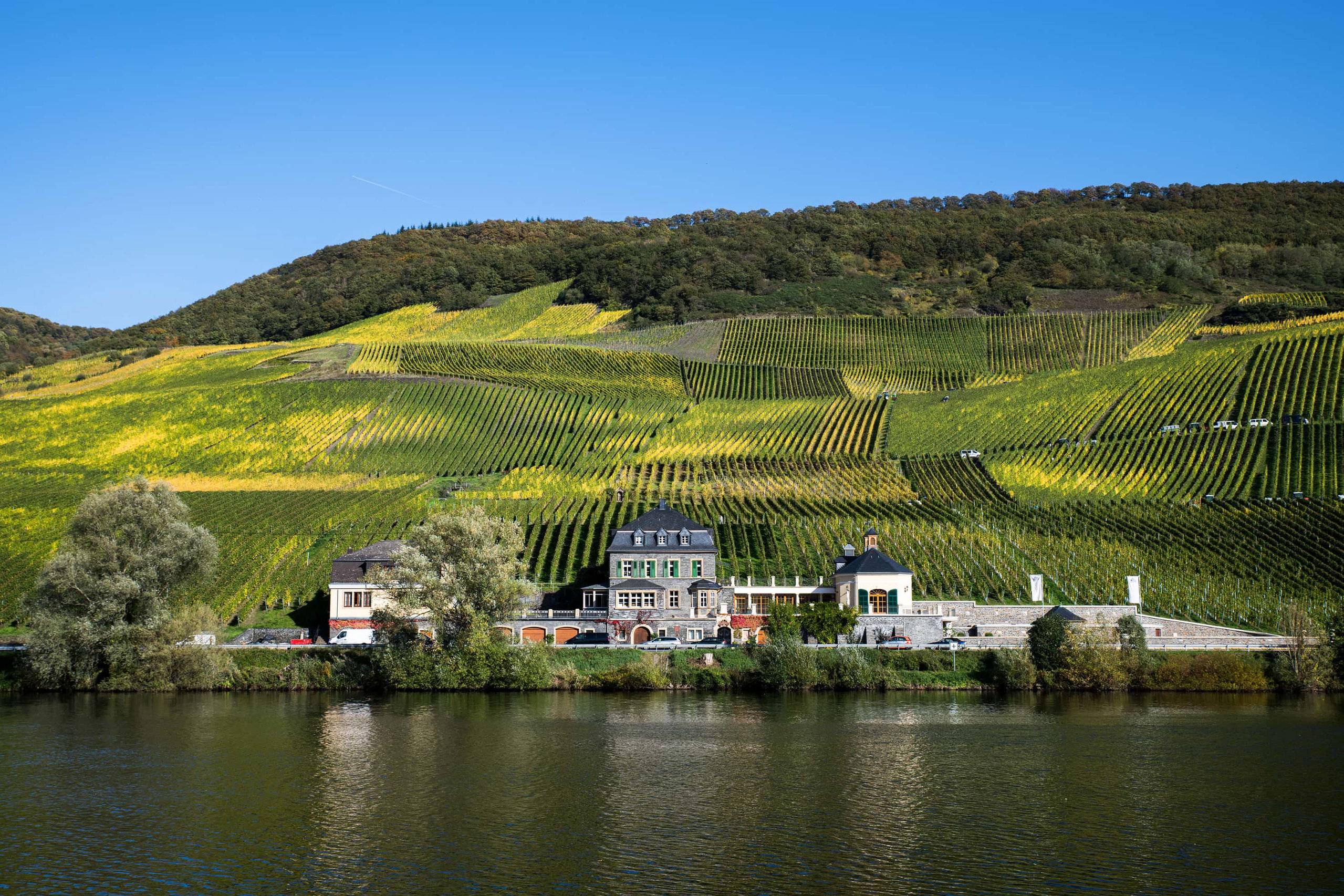
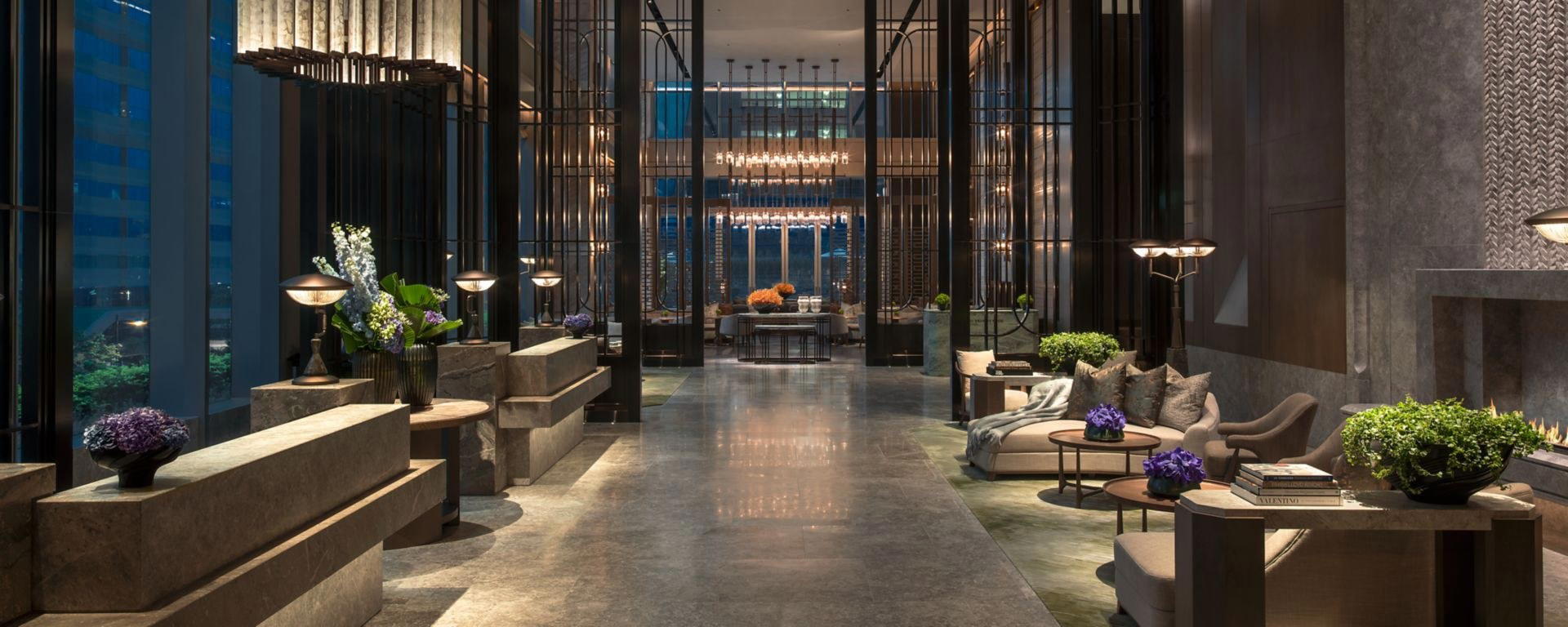
Lifestyle Resort Zum Kurfürsten reads as a contemporary intervention that deliberately engages with the Mosel valley's long architectural and viticultural history. The writing emphasizes a restrained, design‑forward approach — 'contemporary resort design' that 'earns its place' among timbered facades and vineyard terraces — so the hotel feels like a considered addition to its setting rather than an imposition. The overall tone is refined and layered: modern design sensibilities sit alongside the region's historic character, producing an experience that is quietly assured, contextually minded and quietly charming.
Best For
This is a property pitched as a retreat for travelers who want to be immersed in the Mosel landscape. The copy frames it alongside spa and wellness culture and as part of the valley’s Riesling‑centered identity, so it reads especially well for wellness retreats and short getaway weekends. Its placement within the river valley and recognition in Michelin’s 2025 hotel selection also make it a natural pick for couples seeking a scenic, low‑key romantic escape that prioritizes design coherence and a sense of place.
Venue details
Ambiance
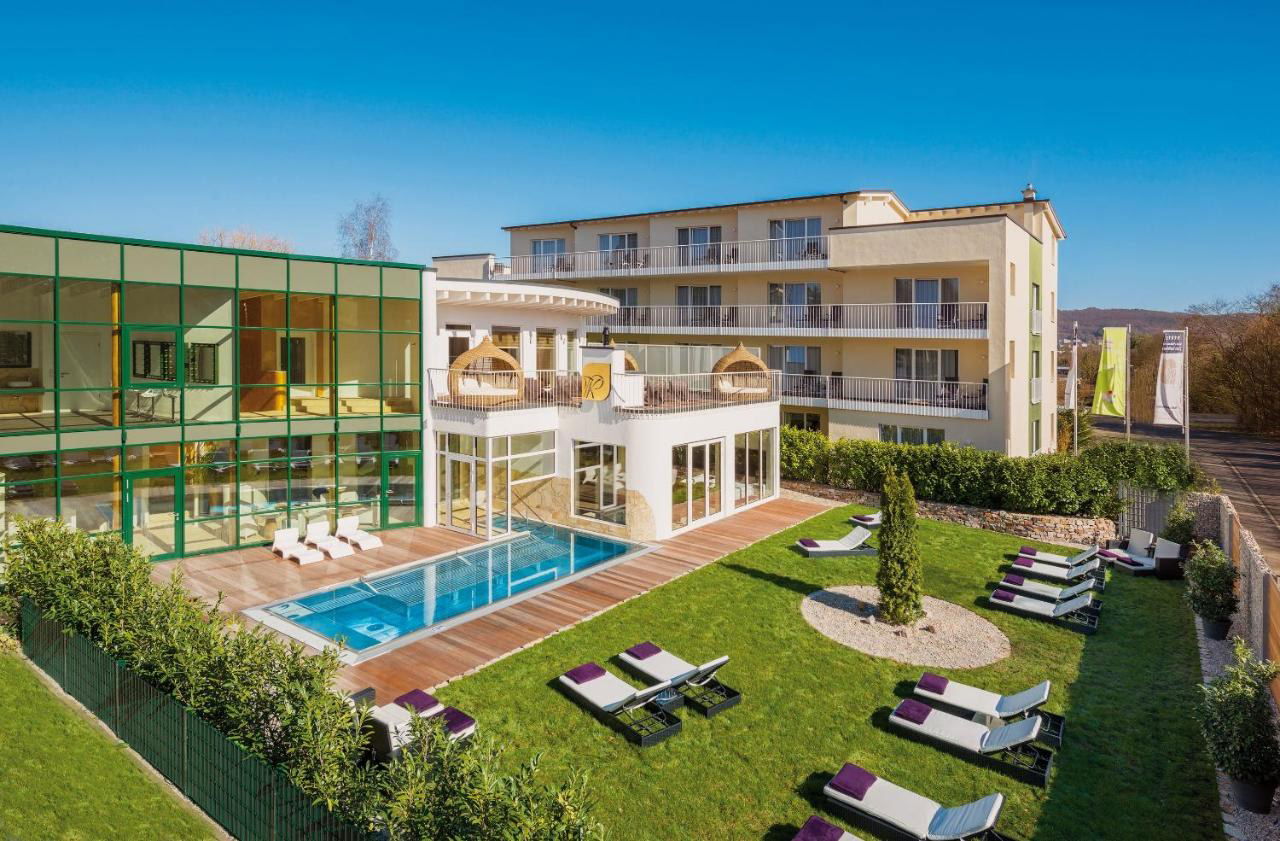
Harmonious and relaxing atmosphere with mindful wellness focus, featuring pools, saunas, quiet retreats, and stylish feng shui design.
Tags
Vibe
Best For
Experience
Amenities
View
Accessibility
About the Stay
- Rooms
- 95
- Check-in
- 15:00
- Check-out
- 12:00
- Property Type
- Design hotel
- Property Style
- Modern Wellness Resort Blending Luxury with Nature
- Design Style
- Stylish Feng Shui Design with Distinctive Asian Influences
- Airport Transfer
- Available
- Pool
- Yes
- Spa
- Yes
- Pets
- Allowed
- Families
- Welcome
Know before you go
Know Before You Go
- Getting there
- Amselweg 1, 54470 Bernkastel-Kues, Germany
Planning details
Location
Recognition and awards
Also consider
Also Consider
- Lieser Castle, Autograph Collection, Notable alternative
- Seezeitlodge Hotel & Spa, Notable alternative
- Archibald De Prince, Notable alternative
- Land & Golf Hotel Stromberg, Notable alternative
- FÄHRHAUS Koblenz, Notable alternative
Hotel context
How it compares in the Mosel and nearby hotel set
Choose Lifestyle Resort Zum Kurfürsten if the priority is a wellness-led stay in Bernkastel-Kues with an easier booking path. Lieser Castle, Autograph Collection is the stronger pick for guests who want a castle setting and a more formal hotel statement, but it is also the clearer splurge play. For a relaxed couple's weekend, Zum Kurfürsten is the more practical choice if spa time matters more than architectural drama.
Seezeitlodge Hotel & Spa is the better cross-shop for a dedicated spa escape, while FÄHRHAUS Koblenz makes more sense for travelers who want a stronger urban-river hotel feel. Land & Golf Hotel Stromberg is the more activity-led alternative if golf is part of the trip.
Archibald De Prince is the value-oriented comparison if the stay is mostly about access to the region rather than resort time. For a special occasion, Zum Kurfürsten is easier to justify when upgrading the room will change the pace of the stay; otherwise, put the budget toward restaurants, wineries, and experiences in Bernkastel-Kues.
Explore Bernkastel-Kues
Around this place
Discover more on Pearl
Unlock the full Lifestyle Resort Zum Kurfürsten guide in Pearl, including awards, comparisons, FAQs, planning details, and nearby places.
Compare Lifestyle Resort Zum Kurfürsten
| Venue | Location | Awards |
|---|---|---|
| Lifestyle Resort Zum Kurfürsten | Bernkastel-Kues | 2026 Michelin 1 Key2025 Michelin Selected Hotels |
| Lieser Castle, Autograph Collection | Lieser | 2026 Michelin 1 Key2025 Michelin 1 Key |
| Seezeitlodge Hotel & Spa | Gonnesweiler | 2026 Design Hotels Collection2026 Michelin 1 Key2025 Michelin 2 Keys2024 Michelin 2 Keys |
| Archibald De Prince | Echternach | No published awards |
| Land & Golf Hotel Stromberg | Stromberg | No published awards |
| FÄHRHAUS Koblenz | Koblenz | No published awards |




How Lifestyle Resort Zum Kurfürsten compares with similar nearby venues.
FAQ
Frequently Asked Questions
How is the pool and spa at Lifestyle Resort Zum Kurfürsten?
Plan around pool and spa facilities only after checking current details directly with the hotel. If wellness facilities are central to the trip, ask the venue for current details before booking. Lieser Castle, Autograph Collection is another option to compare.
Do loyalty programs work at Lifestyle Resort Zum Kurfürsten?
If points earning, redemptions, or partner benefits matter, confirm the booking channel and terms before reserving. For comparison, you may also look at Lieser Castle, Autograph Collection or FÄHRHAUS Koblenz.
Is Lifestyle Resort Zum Kurfürsten good for business travel?
Business-travel suitability depends on the details of the trip. Confirm practical needs such as meeting arrangements, workspace, transport plans, and booking terms directly with the hotel. FÄHRHAUS Koblenz or Archibald De Prince may also be worth comparing, depending on the itinerary.