
The Merchant Baku
Old Town Baku, Baku
Hotel in Baku, Azerbaijan
 Book with Pearl
The Read
Heritage Commerce Conversion
Why go
Book The Merchant Baku if the goal is a polished central Baku stay with a stronger service signal than a standard boutique hotel. Its Michelin 1 Key recognition in 2025 makes it worth considering for first-timers who value location and staff confidence, but travelers focused on pools, spa facilities, or loyalty-program benefits should compare larger peers before committing.
About The Merchant Baku
Should you stay at The Merchant Baku on a first trip to Baku? It is a reasonable hotel to consider if you want a Baku stay with Michelin 1 Key recognition in 2025. The smart casual dress code is also worth noting. Compare current room options, rates, and facilities directly before booking.
For first-time visitors, the decision should come down to fit rather than assumptions about amenities or hotel style. If The Merchant Baku is priced competitively against other Baku options and the available room type suits your trip, it can be a strong candidate. If your plans depend on specific facilities, dining, loyalty benefits, or room features, confirm those details through the hotel before committing.
A Baku hotel with Michelin recognition
The clearest signal is the Michelin 1 Key recognition in 2025. That makes The Merchant Baku notable among Baku hotel choices, but it should not be stretched into claims about specific services, room categories, dining, spa facilities, or booking patterns without checking those details for your dates.
The smart casual dress code is also worth noting for guests who prefer to know the tone of a property in advance. Otherwise, treat this as a hotel where the practical booking questions still matter: what room is available, what is included, what the cancellation terms are, and how the current rate compares with alternatives such as Four Seasons Hotel Baku, InterContinental Baku by IHG, Dinamo Hotel Baku, Art Gallery Hotel, and Kilim Boutique Hotel.
To avoid booking on assumptions, The Merchant Baku is best evaluated with a short checklist: confirm the room, confirm any amenities you care about, and compare the final price with other Baku stays before deciding.
What to expect if this is your first Baku hotel choice
Expect a Baku hotel whose strongest credential is Michelin 1 Key recognition. That is useful, but it does not answer every practical question a traveler may have. Dining, wellness facilities, room layouts, views, loyalty benefits, and other trip-shaping details should be checked directly with the hotel or booking channel.
The recommendation is therefore conditional: book The Merchant Baku when its available room, rate, and inclusions match your needs. If your trip depends on a specific amenity or a familiar large-brand structure, compare it carefully with other Baku hotels before paying a premium.
Planning details
- Location
- 4, 6 Əziz Əliyev küçəsi, Bakı 1005
- Website
- themerchantbaku.com
- Phone
- +994 12 377 39 01
The take
The Take
The Vibe
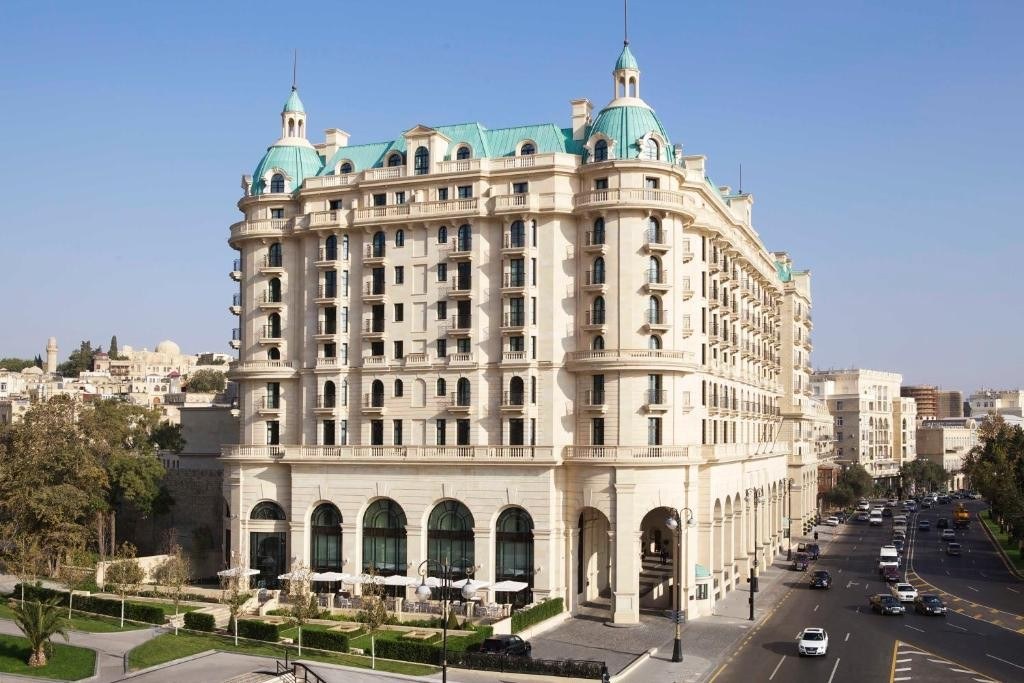
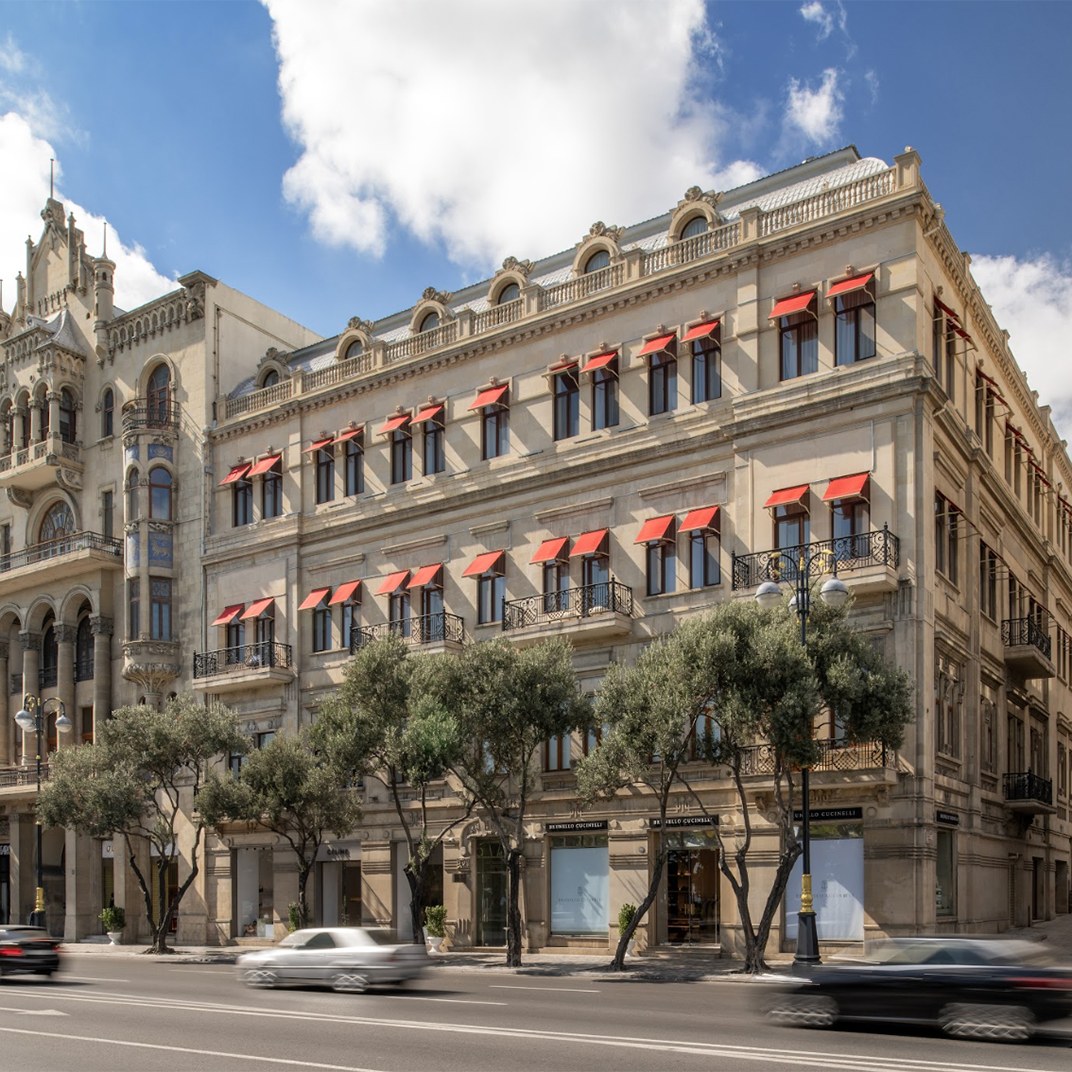
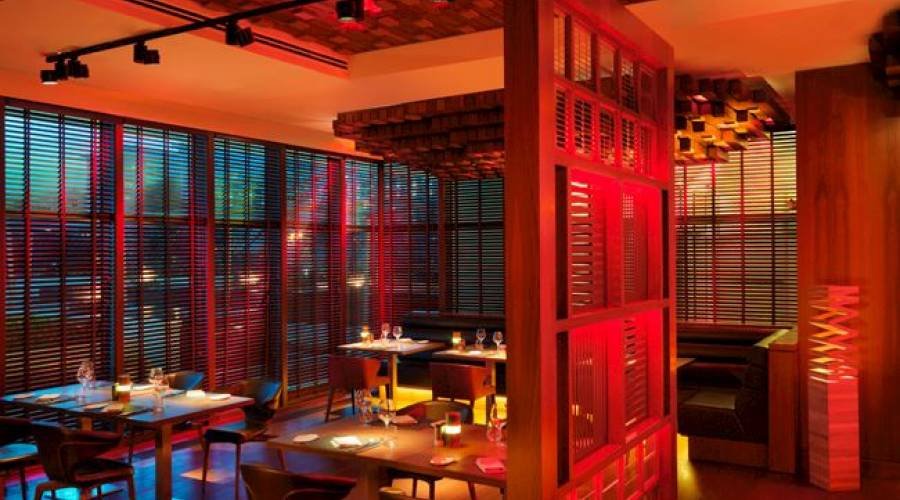
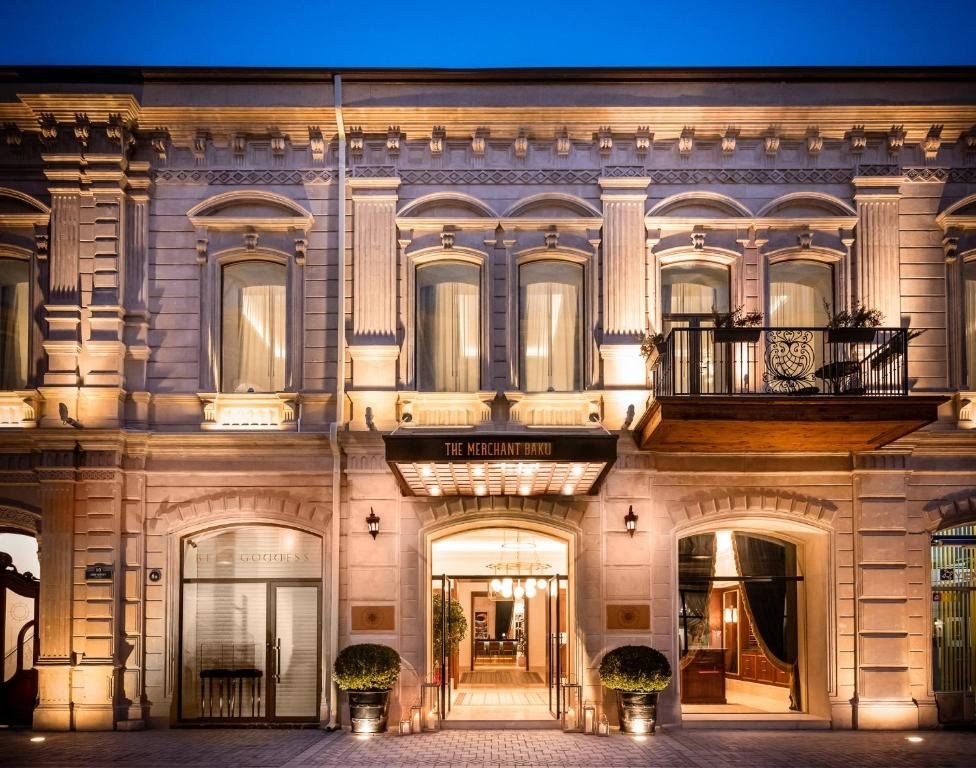
The Merchant Baku inhabits a 19th‑century headquarters in the heart of Icherisheher, and the building’s provenance shapes the guest experience. With 63 rooms and institutional proportions — tall ceilings, wide corridors and durable facades — the hotel reads as a quietly formal, classic presence rather than a piece of modern spectacle. It foregrounds texture and history: waking up within the UNESCO‑listed Old Town feels like staying inside the neighbourhood itself. The property positions itself as an intimate, boutique alternative to the larger waterfront flagships, trading gloss for architectural weight and a strong sense of place.
Best For
This hotel is best for travelers who want to center their stay on Baku’s Old Town rather than the city’s modern waterfront. It suits visitors who prize history, architecture and neighbourhood character — people who prefer a boutique scale that allows for a more immersive exploration of the UNESCO‑listed quarter. The Merchant is an appealing choice for short urban stays where proximity to medieval streets and local landmarks matters more than the amenities of larger chains; it favors culturally minded and design‑oriented travelers looking for an authentic Old Town experience.
Venue details
Ambiance
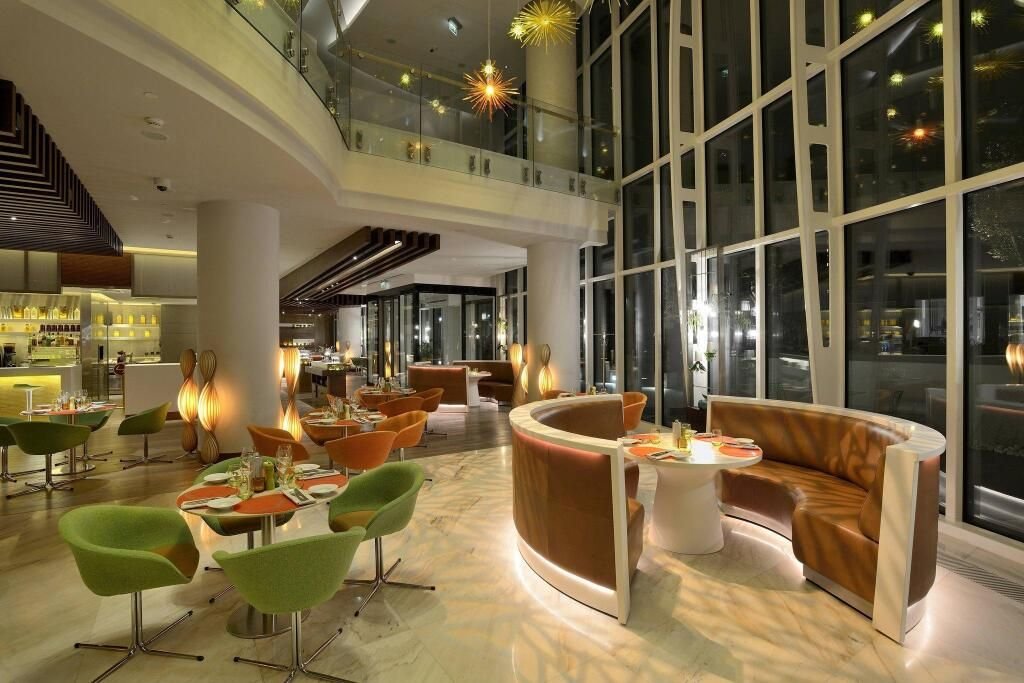
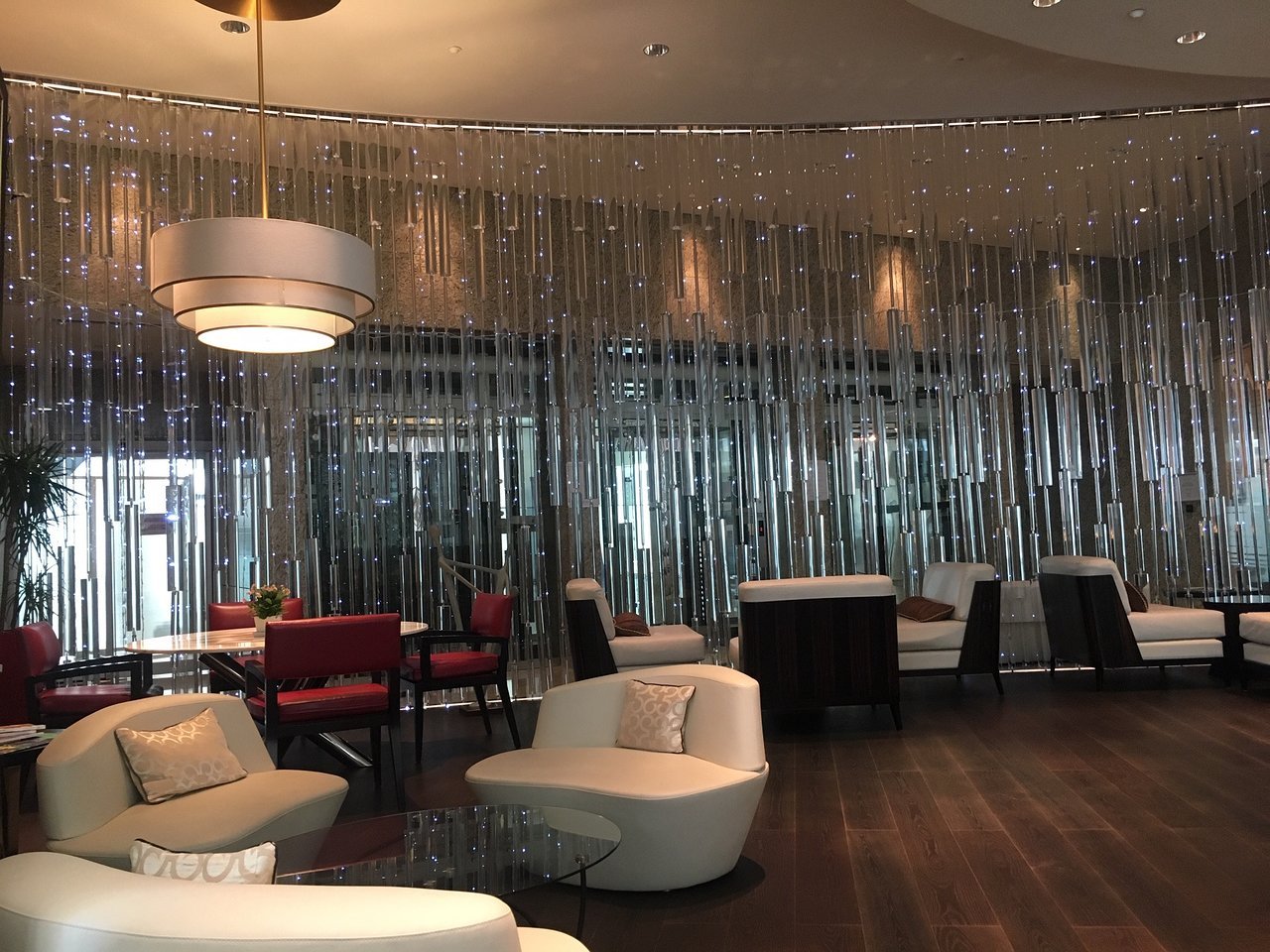
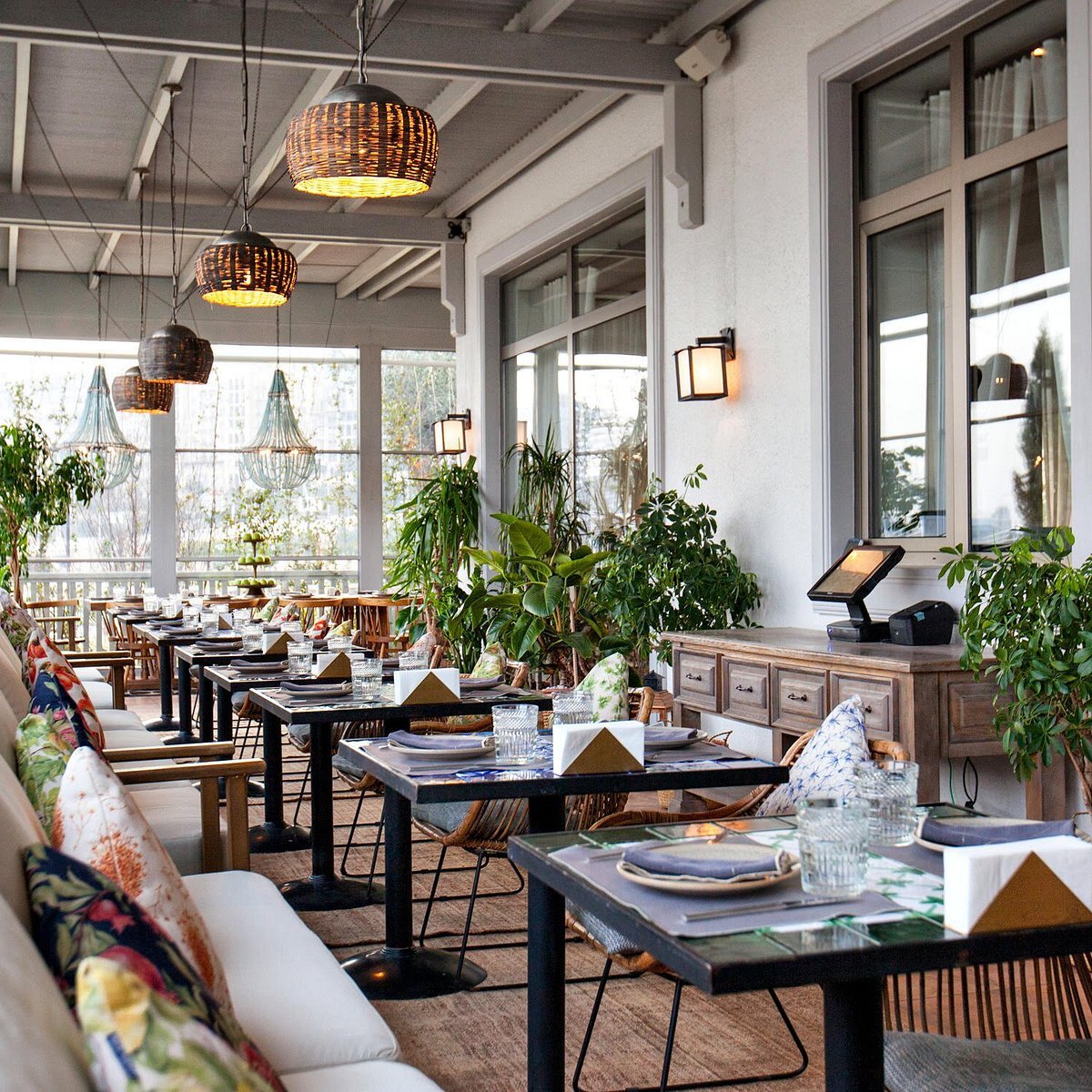
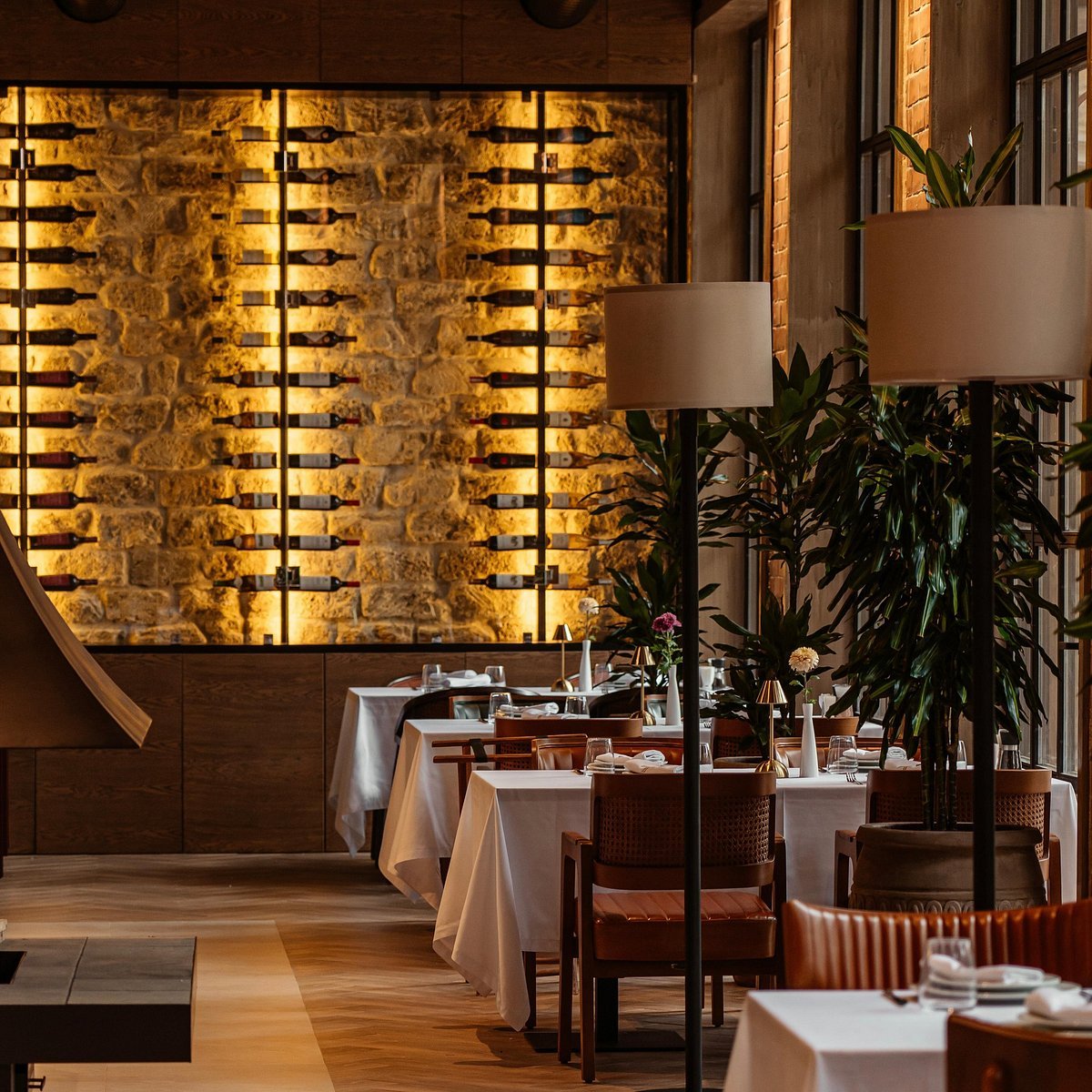
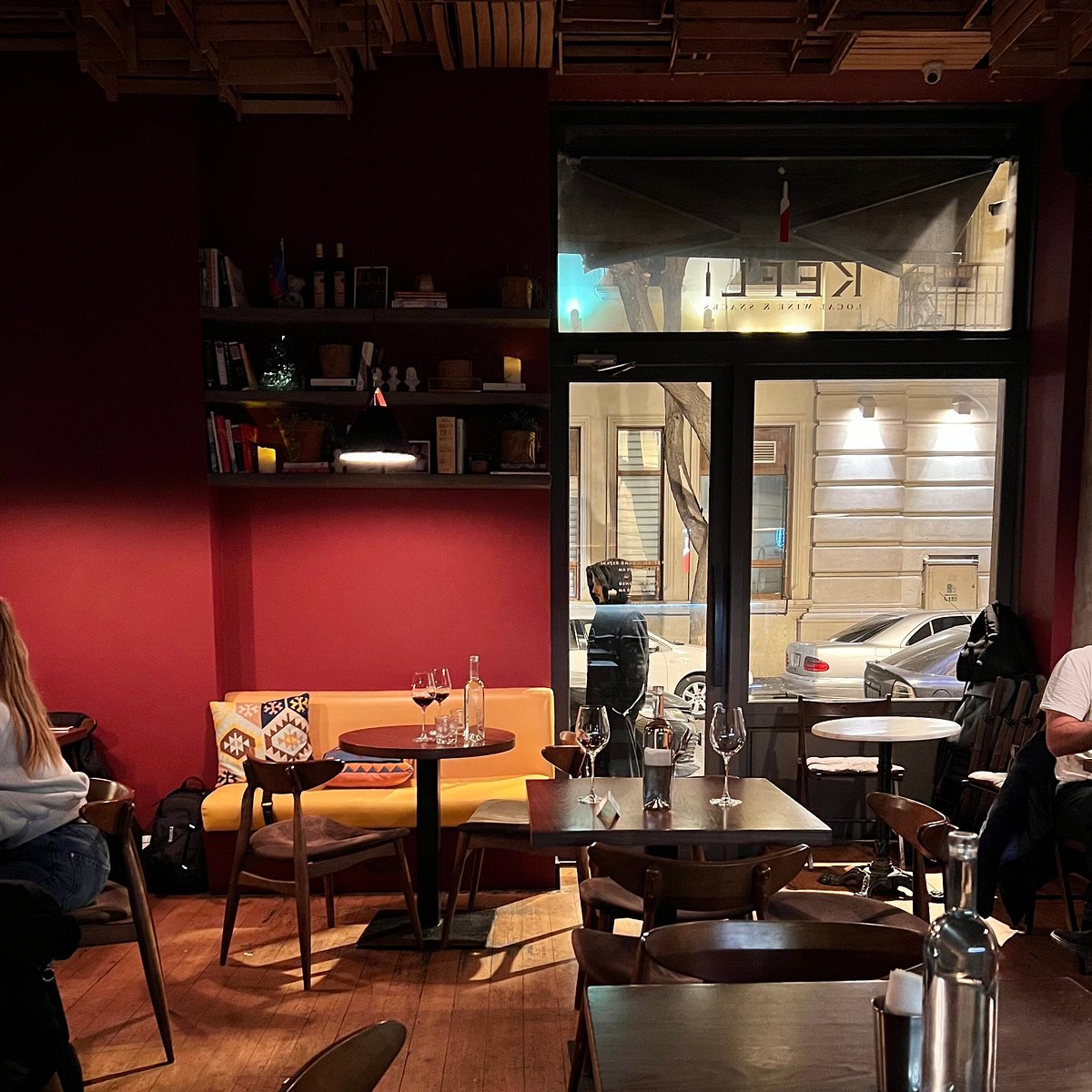
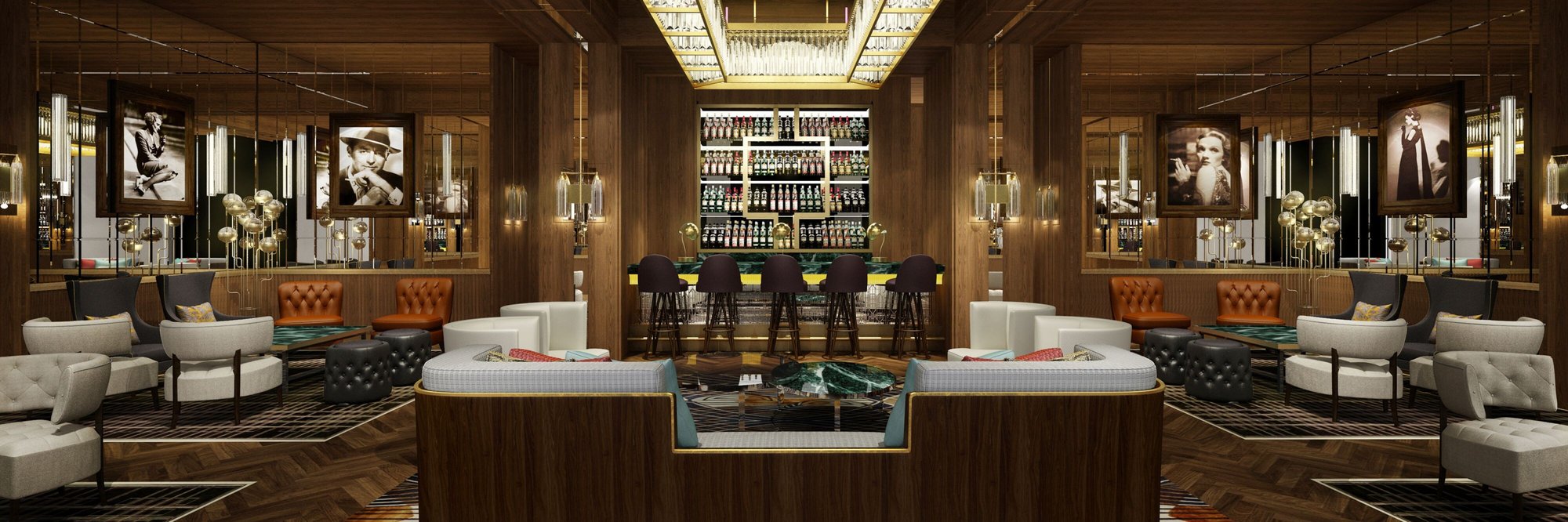
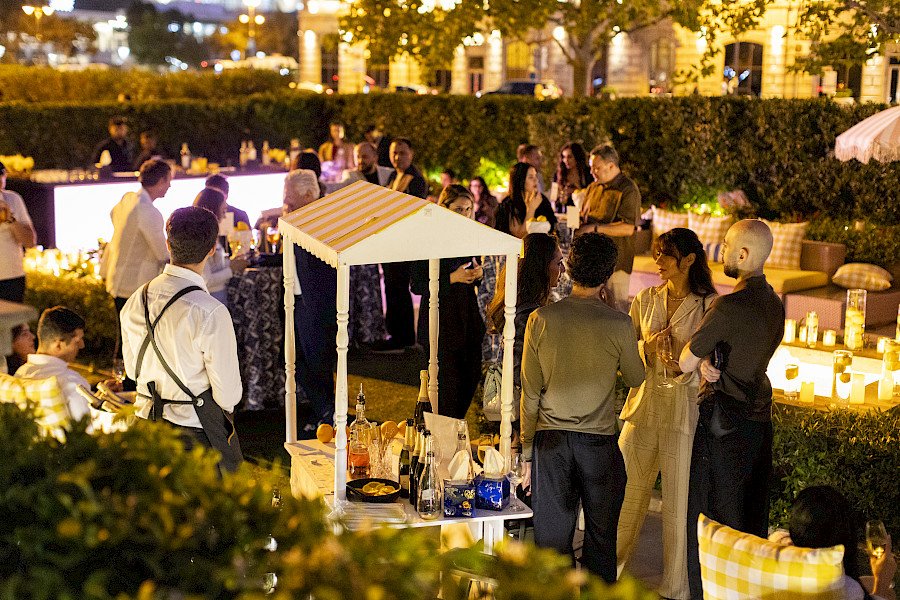
Sophisticated and lively with beautifully designed lobby adorned with artwork and books, a central courtyard bar and restaurant often featuring live music in evenings, creating a vibrant yet elegant atmosphere.
Tags
Vibe
Best For
Experience
Amenities
View
Accessibility
About the Stay
- Rooms
- 63
- Check-in
- 15:00
- Check-out
- 11:00
- Property Style
- Luxury Boutique Hotel Blending French Architectural Styles of Art Deco and Art Nouveau in a Restored 19th Century Building.
- Design Style
- Art Deco and Art Nouveau with Contemporary Luxury Elements, Featuring High Ceilings, Plentiful Natural Light, Marble Bathrooms, and Tastefully Curated Artwork Throughout.
Know before you go
Know Before You Go
- Getting there
- 4, 6 Əziz Əliyev küçəsi, Bakı 1005
Planning details
Location
Recognition and awards
Also consider
Also Consider
- Art Gallery Hotel, Notable alternative
- Kilim Boutique Hotel, Notable alternative
- Four Seasons Hotel Baku, Notable alternative
- InterContinental Baku by IHG, Notable alternative
- Dinamo Hotel Baku, Notable alternative
Hotel context
How It Compares
The Merchant Baku is the stronger choice for travelers who want a service-led central stay with character, especially when the rate sits close to other upper-tier Baku hotels. Four Seasons Hotel Baku is the safer pick for guests who want a larger luxury-hotel rhythm and broader facilities, while InterContinental Baku by IHG is more practical for travelers who care about loyalty benefits and brand familiarity.
For boutique alternatives, Art Gallery Hotel and Kilim Boutique Hotel are the sensible cross-shops if the main goal is a smaller, more local-feeling stay and the price gap is meaningful. They are likely to appeal more to value-focused travelers, while The Merchant Baku makes the stronger case when service polish is the reason for paying more.
Dinamo Hotel Baku is the one to compare if ambiance matters but the traveler still wants a hotel that feels substantial. If booking difficulty becomes an issue at The Merchant Baku, start with Four Seasons Hotel Baku for a higher-comfort fallback or Art Gallery Hotel for a smaller-scale alternative.
Explore Baku
Around this place
Discover more on Pearl
Unlock the full The Merchant Baku guide in Pearl, including awards, comparisons, FAQs, planning details, and nearby places.
Compare The Merchant Baku
| Venue | Location | Awards |
|---|---|---|
| The Merchant Baku | Baku | Michelin 1 Key 20252025 Michelin 1 Key |
| Art Gallery Hotel | Baku | No published awards |
| Kilim Boutique Hotel | Baku | No published awards |
| Four Seasons Hotel Baku | Baku | 2026 Forbes 5-Star2026 La Liste Top Hotels2025 Forbes 5-Star2025 Michelin 2 KeysFour Seasons Hotels |
| InterContinental Baku by IHG | Baku | No published awards |
| Dinamo Hotel Baku | Baku | No published awards |




How The Merchant Baku compares with similar nearby venues.
FAQ
Frequently Asked Questions
How is the location of The Merchant Baku?
The Merchant Baku is in Baku. Confirm the exact arrival point through the hotel or your booking channel before travel. The Michelin 1 Key recognition in 2025 is the main distinction to note.
When is the best time to book The Merchant Baku?
Book once your Baku travel dates are firm and the available room, rate, and cancellation terms work for you. If you are comparing premium options in Baku, Four Seasons Hotel Baku and InterContinental Baku by IHG are useful checks alongside The Merchant Baku.
Do loyalty programs work at The Merchant Baku?
If points, elite benefits, or brand membership are important, compare the current terms at The Merchant Baku with options such as InterContinental Baku by IHG, and check official channels before booking.
Which room category is best at The Merchant Baku?
Choose based on the room descriptions, inclusions, cancellation terms, and current price shown by the hotel or your booking channel.