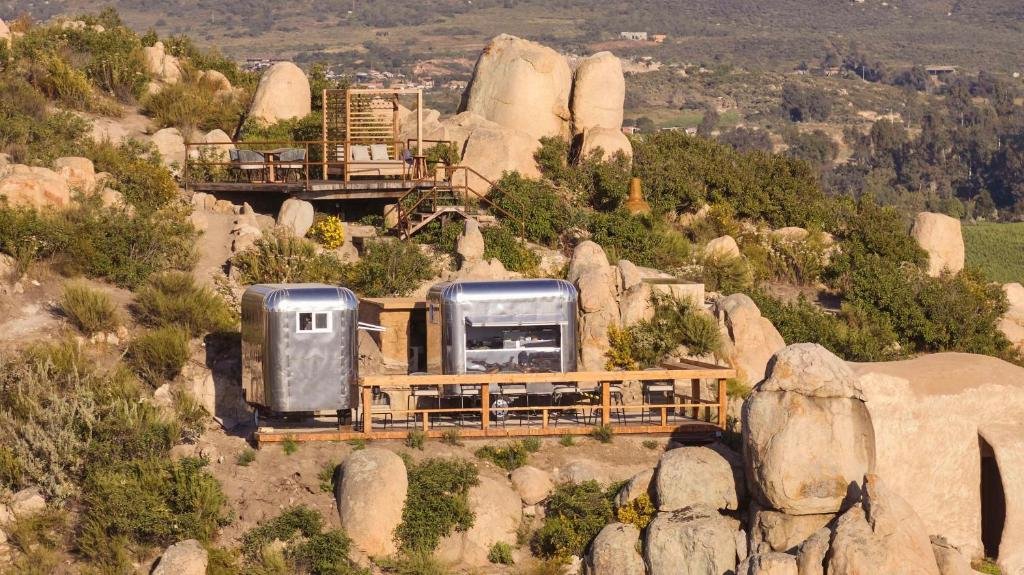


Banyan Tree Veya Valle de Guadalupe
Valle de Guadalupe, Baja California
Hotel in Baja California, Mexico
 Book with Pearl
Why go
Book Banyan Tree Veya Valle de Guadalupe if the goal is a quiet, wine-country luxury base with potential value through preferred-partner perks. It is a stronger fit for couples and wellness-leaning explorers than for business trips or families needing confirmed amenities. Compare inclusions carefully before committing.
About Banyan Tree Veya Valle de Guadalupe
The basics are direct: the venue is listed with daily hours of 8 AM–5 PM, a smart casual dress code, and Virtuoso Luxury Hotel Partner recognition for 2026. For wider trip planning, pair this page with Our full Baja California hotels guide, Our full Baja California wineries guide, and Our full Baja California restaurants guide.
Book with confirmed details, not assumptions
Banyan Tree Veya Valle de Guadalupe carries Virtuoso Luxury Hotel Partner recognition for 2026. If you are booking through an advisor or preferred channel, ask what benefits, if any, apply to your dates and booking type before committing.
Before treating room categories, dining, amenities, pricing, or package inclusions as settled, ask the property to document them. The most reliable planning approach is to check your exact arrival, stay needs, and booking terms in advance.
Who should choose it, and who should not
This is best considered by travelers specifically looking at Banyan Tree Veya Valle de Guadalupe in Baja California and who are comfortable checking details before payment. The listed hours are 8 AM–5 PM daily, and the dress code is smart casual.
If you are comparing options, consider needs such as schedule, booking terms, and the level of service you want documented before arrival. Other names to cross-check include Bruma Valle de Guadalupe, El Cielo Resort Valle de Guadalupe, Casa Olivea, MIRA Earth Studios, and Baja Off the Grid Coastal Vacation Homes & Events.
Use perks and peer checks before committing
The smart move is to compare documented inclusions before locking a rate. Ask the property or booking channel to document what is included, what the cancellation terms are, and whether any Virtuoso-related benefits apply to your stay. If those details are important to the trip, do not rely on assumptions.
Part of
Banyan Tree27 locations on PearlPlanning details
- Location
- Camino Vecinal #179, Ejido El Porvenir Valle de Guadalupe, 22755 Ensenada, B.C., Mexico
- Website
- veya.banyantree.com/en/destinations/valle-de-guadalupe/veya-valle-de-guadalupe-spa
- Phone
- +52 646 978 0394
The take
The Take
The Vibe
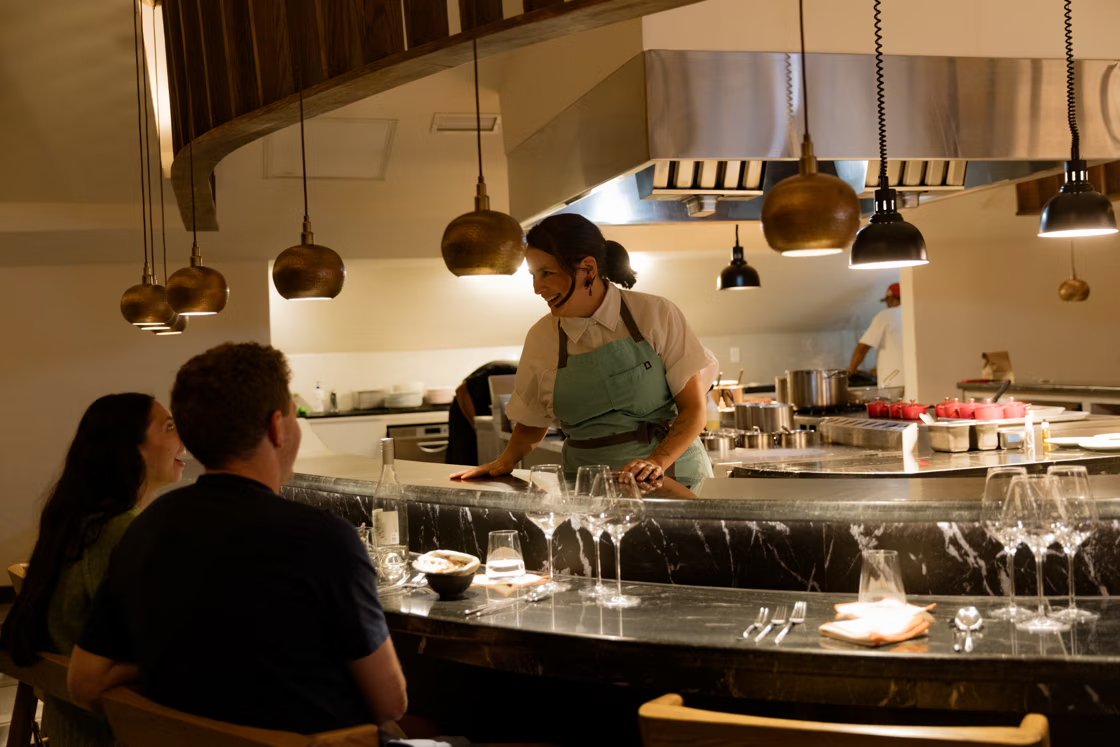
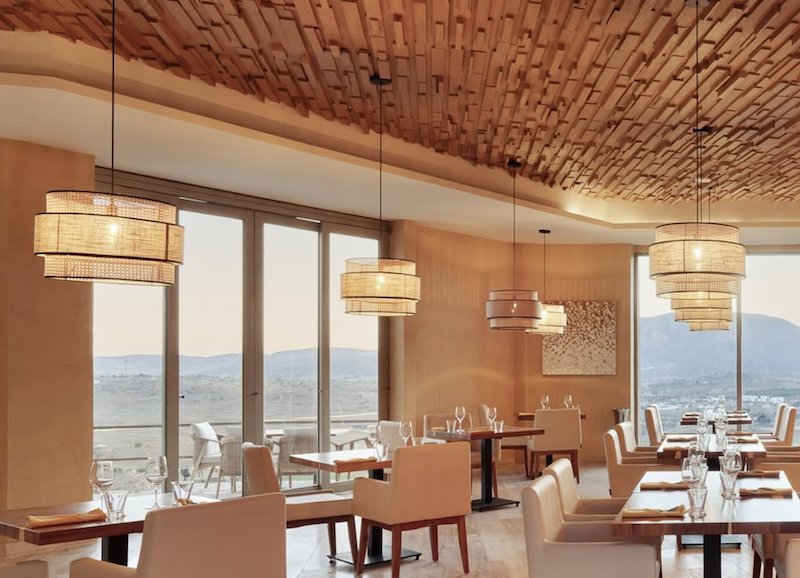
Banyan Tree Veya presents a restrained, modern aesthetic that foregrounds architecture as part of the landscape. Villas are conceived as measured volumes that sit within rolling topography rather than impose on it, resulting in a quietly sophisticated composition. The estate leans into minimalism—clean lines, sympathetic materials and an absence of theatrical arrival gestures—so the built work reads as a calm counterpart to the surrounding vines. With just thirty villas spread across a bespoke vineyard, the atmosphere reads intimate and serene: it feels like a small, design-first retreat where the architecture and setting speak in understated terms.
Best For
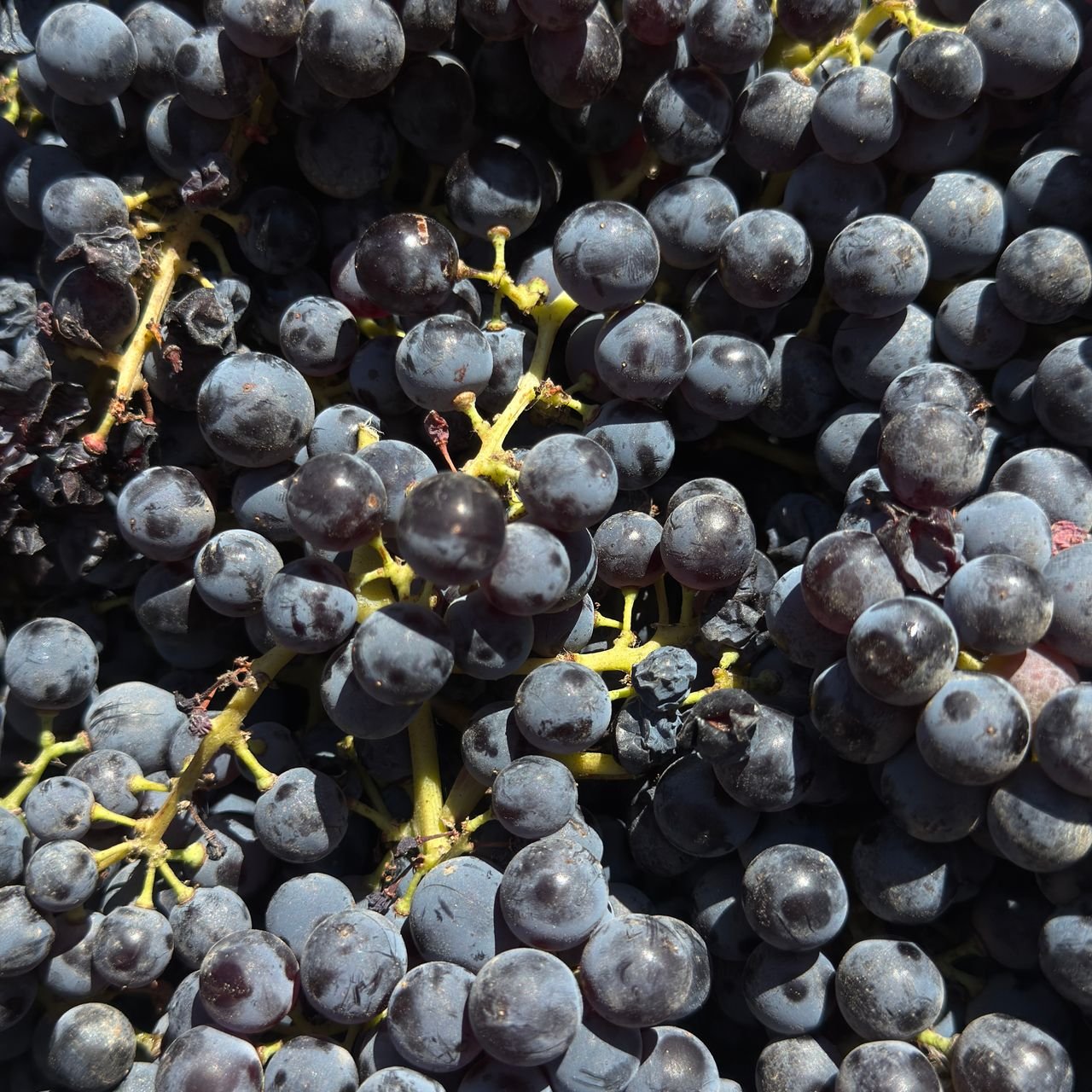
This is a destination for travelers who prioritize design, privacy and wine-country context. The property’s placement within an active, purpose-built vineyard and the framing of a deliberate wine programme make it well suited to couples and small groups seeking a contemplative escape centered on tasting and terroir. The small number of villas and the low-key approach to arrival also suit guests after quiet, intimate stays rather than high-energy resort activity. Guests who want to pair thoughtfully designed accommodation with exploration of Valle de Guadalupe’s wineries will find this a natural base.
Stay Tips
When planning a stay, treat the architecture and vineyard as part of the experience: seek a villa that sits closest to the vineyard if landscape integration is a priority, and allow time to explore the estate grounds on foot to appreciate the spatial logic described. Because the property foregrounds a considered wine programme, ask the hotel about its wine offerings and any on-site tastings or partnerships in the region. Given the restrained, design-focused character, travelers who prefer privacy and quiet will get the most from the atmosphere—plan relaxed arrival and departure times to match the property’s low-key approach.
Venue details
Ambiance
Peaceful and serene with natural light, stunning valley vistas, and a tranquil retreat atmosphere emphasized in guest reviews.
Tags
Vibe
Best For
Experience
Amenities
View
Accessibility
About the Stay
- Rooms
- 30
- Check-in
- 15:00
- Check-out
- 12:00
- Property Type
- Boutique hotel
- Property Style
- Contemporary Wine Country Resort with Wellness Focus
- Design Style
- Modern Minimalist with Natural Elements
- Airport Transfer
- Available
- Pool
- Yes
- Spa
- Yes
- Pets
- Allowed
Know before you go
Know Before You Go
- Getting there
- Camino Vecinal #179, Ejido El Porvenir Valle de Guadalupe, 22755 Ensenada, B.C., Mexico
Planning details
Location
Camino Vecinal #179, Ejido El Porvenir Valle de Guadalupe, 22755 Ensenada, B.C., Mexico · Directions
veya.banyantree.com/en/destinations/valle-de-guadalupe/veya-valle-de-guadalupe-spa
Recognition and awards


Also consider
Where to look if this does not fit
Try El Cielo Resort Valle de Guadalupe if the priority is a more established wine-country resort profile. Try Bruma Valle de Guadalupe if the trip calls for a smaller Valle stay with a more independent feel.
Hotel context
How it compares in Valle de Guadalupe
El Cielo Resort Valle de Guadalupe is the more obvious cross-shop for travelers who want a wine-country stay with a resort feel. Banyan Tree Veya Valle de Guadalupe is the quieter luxury play, better for guests who care about calm and preferred-partner value. El Cielo is the safer pick if the trip needs a more established valley-resort profile.
Casa Olivea, MIRA Earth Studios, and Bruma Valle de Guadalupe are better comparisons for travelers who want a smaller, more independent Valle stay. Choose them if intimacy, design character, or a lower-friction group setup matters more than luxury-brand recognition. Choose Banyan Tree Veya Valle de Guadalupe when loyalty-style benefits and a more composed atmosphere matter more.
Baja Off the Grid Coastal Vacation Homes & Events is a different decision entirely: better for groups, events, and travelers who want space over hotel service. For a couple's wine-country trip, Banyan Tree Veya Valle de Guadalupe is the cleaner fit; for a self-directed gathering, Baja Off the Grid is the more practical cross-shop.
Explore Baja California
Around this place
Discover more on Pearl
Unlock the full Banyan Tree Veya Valle de Guadalupe guide in Pearl, including awards, comparisons, FAQs, planning details, and nearby places.
Compare Banyan Tree Veya Valle de Guadalupe
| Venue | Location | Awards |
|---|---|---|
| Banyan Tree Veya Valle de Guadalupe | Baja California | 2026 Virtuoso Luxury Hotel Collection2025 Architectural Digest Great Design Hotel Award Winners |
| El Cielo Resort Valle de Guadalupe | Ensenada | No published awards |
| Casa Olivea | Ensenada | No published awards |
| MIRA Earth Studios | Valle de Guadalupe | No published awards |
| Bruma Valle de Guadalupe | Ensenada | No published awards |
| Baja Off the Grid Coastal Vacation Homes & Events | Ensenada | No published awards |
How Banyan Tree Veya Valle de Guadalupe compares with similar nearby venues.
FAQ
Frequently Asked Questions
How is the dining at Banyan Tree Veya Valle de Guadalupe?
If dining is a key part of the stay, check current options directly with the property before booking; for comparison, you may also review Bruma Valle de Guadalupe.
Do loyalty programs work at Banyan Tree Veya Valle de Guadalupe?
Banyan Tree Veya Valle de Guadalupe carries Virtuoso Luxury Hotel Partner recognition for 2026. Confirm any applicable benefits for your dates and booking channel before payment; El Cielo Resort Valle de Guadalupe or Casa Olivea may also be worth comparing for your trip.
Is Banyan Tree Veya Valle de Guadalupe family-friendly?
Families should check room setup, services, and policies directly before booking. Baja Off the Grid Coastal Vacation Homes & Events may be another option to compare.
Which room category is best at Banyan Tree Veya Valle de Guadalupe?
Choose only after checking the current categories, layout, and inclusions directly with the property or your booking channel.
What is check-in like at Banyan Tree Veya Valle de Guadalupe?
Check arrival procedures and timing directly with the property, especially because the listed public hours are 8 AM–5 PM daily. MIRA Earth Studios may be another option to compare.
How is the pool and spa at Banyan Tree Veya Valle de Guadalupe?
How does Banyan Tree Veya Valle de Guadalupe compare to other options?
Banyan Tree Veya Valle de Guadalupe is a Virtuoso Luxury Hotel Partner for 2026, with daily hours of 8 AM–5 PM and a smart casual dress code. For comparison, review El Cielo Resort Valle de Guadalupe, Bruma Valle de Guadalupe, MIRA Earth Studios, Casa Olivea, and Baja Off the Grid Coastal Vacation Homes & Events based on the details each property confirms for your dates.