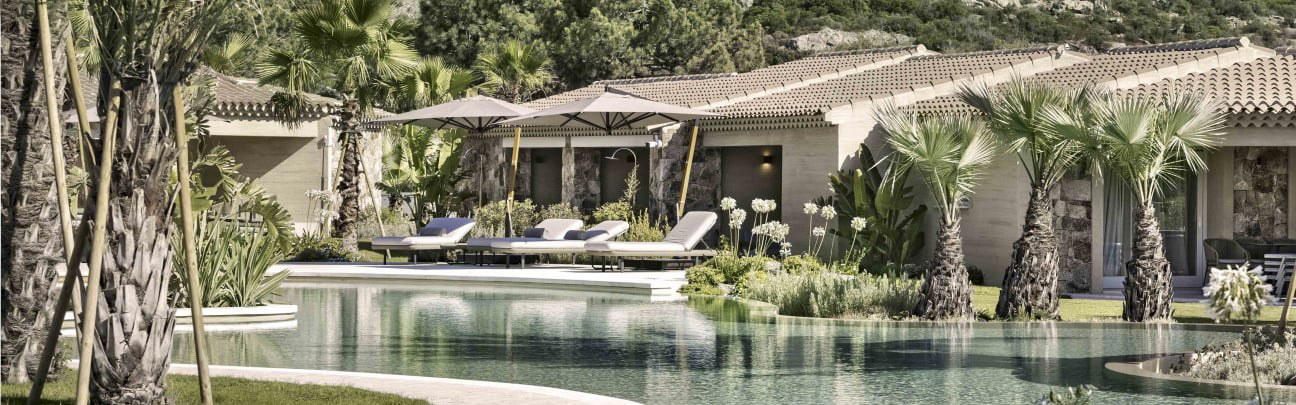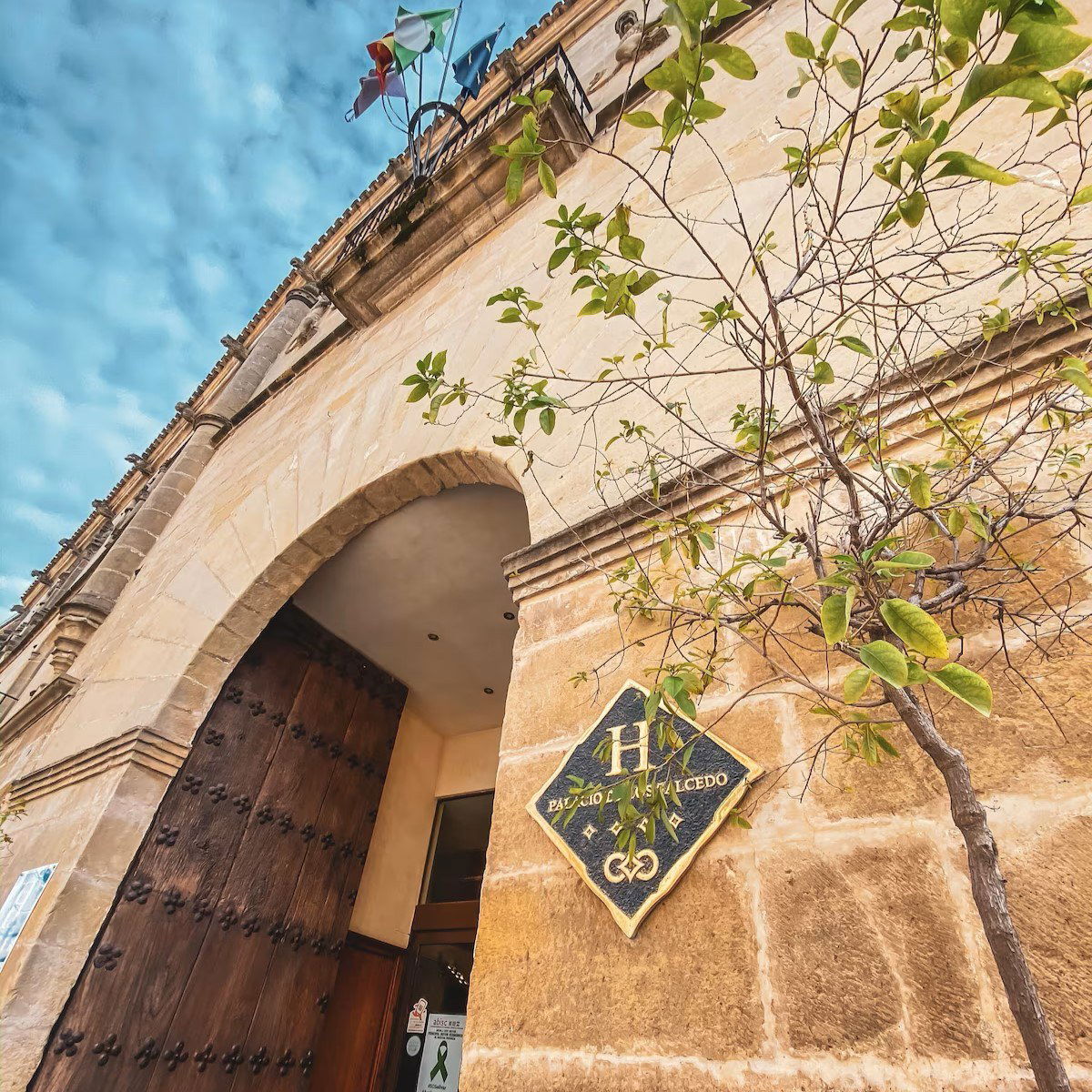

Cetina Palacio de los Salcedo
old town, Baeza
Hotel in Baeza, Spain
 Book with Pearl
The Read
Price
$1–100per night
Why go
A practical Baeza choice for travellers who want to stay inside the historic centre rather than drive in from a rural property. The MICHELIN Guide hotel selection adds confidence, but book it for access and heritage setting, not for a confirmed pool or spa-led stay.
About Cetina Palacio de los Salcedo
Book this if the point of the trip is having a Baeza base. Cetina Palacio de los Salcedo is best judged on its Baeza setting, its smart-casual dress code, and its MICHELIN Guide Hotels Selected recognition for 2025.
Keep the planning expectations simple. The hotel does not feature a resort-style amenity plan, a dining concept, a pool, a spa, room counts, prices, or detailed services. That means the safer way to evaluate the hotel is as a Baeza stay to support time in the city, not as a property to book for facilities or a specific in-house program.
Choose it for Baeza access, not a resort agenda
The MICHELIN Guide Hotels Selected listing in 2025 gives useful confidence, but it should not be stretched into claims about facilities or service details. For a repeat visitor, the decision is practical: if you want to stay in Baeza itself, Cetina Palacio de los Salcedo belongs on the shortlist.
Amenity questions are where expectations matter most. With no pool, spa, dining, pricing, or room-category details listed, verify anything essential directly before booking. That is not a problem if the trip is built around Baeza; it is a problem only if the stay depends on a guaranteed resort feature or a specific hotel service.
Who should book, and who should cross-shop
Travellers prioritising a Baeza base should keep this high on the list. Guests comparing a wider set of hotel options can also look at properties such as Hacienda La Marquesa, Hotel Cortijo del Marqués, Hotel La Caminera Club de Campo, or Hotel Casa Morisca, depending on the kind of stay they want.
For planning beyond the hotel, use our full Baeza hotels guide first, then add meals and drinks from our full Baeza restaurants guide and other Baeza planning resources. For a broader trip, compare the stay against other hotel options before committing.
Planning details
- Location
- C. San Pablo, 18, 23440 Baeza, Jaén, Spain
- Website
- cetinahotels.com
- Phone
- +34 953 74 72 00
The take
The Take
The Vibe
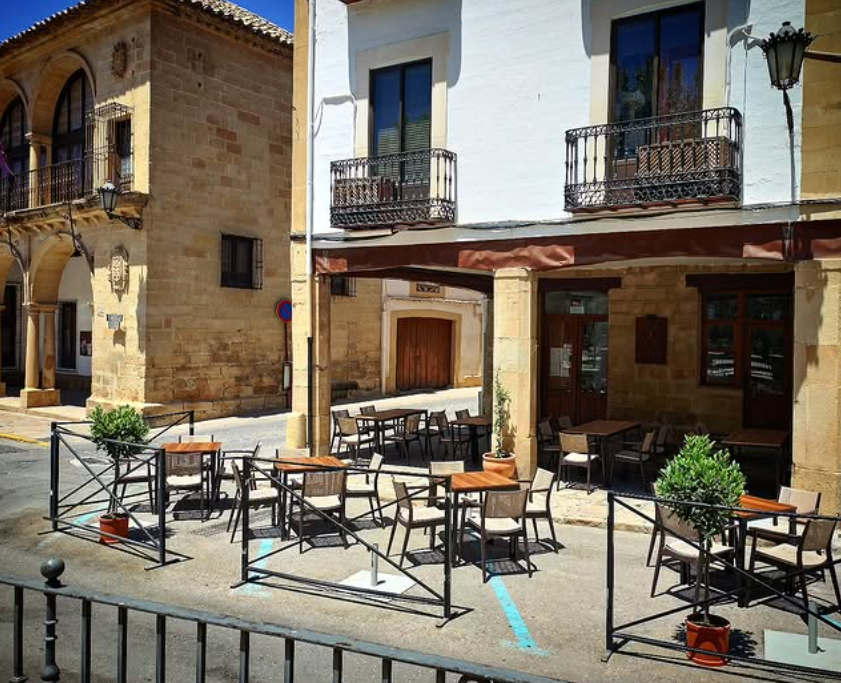
Cetina Palacio de los Salcedo reads like an embedded chapter of Baeza’s Renaissance quarter: a converted noble residence whose stone facade fronts Calle de San Pablo and whose plan still pivots on a central patio. The hotel foregrounds historic fabric rather than theatrical restoration, so the experience feels rooted and restrained — heavy masonry, carved heraldry and the play of light and shade in interior courtyards. That sense of architectural gravity is balanced by quietness and an attention to craft; the property’s Michelin Selected 2025 mention signals refined service and a quietly elevated hospitality register.
Best For
This is a stay for travelers who prize architecture and calm over city-center bustle. Guests who want an intimate, historically immersive experience — couples marking an anniversary or a weekend escape focused on heritage — find the palace’s measured pace appealing. The hotel’s placement inside Baeza’s UNESCO World Heritage centre makes it especially rewarding for people interested in Renaissance civic architecture, while the on‑site Michelin Selected dining elevates an overnight into a culinary as well as cultural visit. Expect a contemplative, slow-pace stay rather than lively nightlife.
Venue details
Ambiance
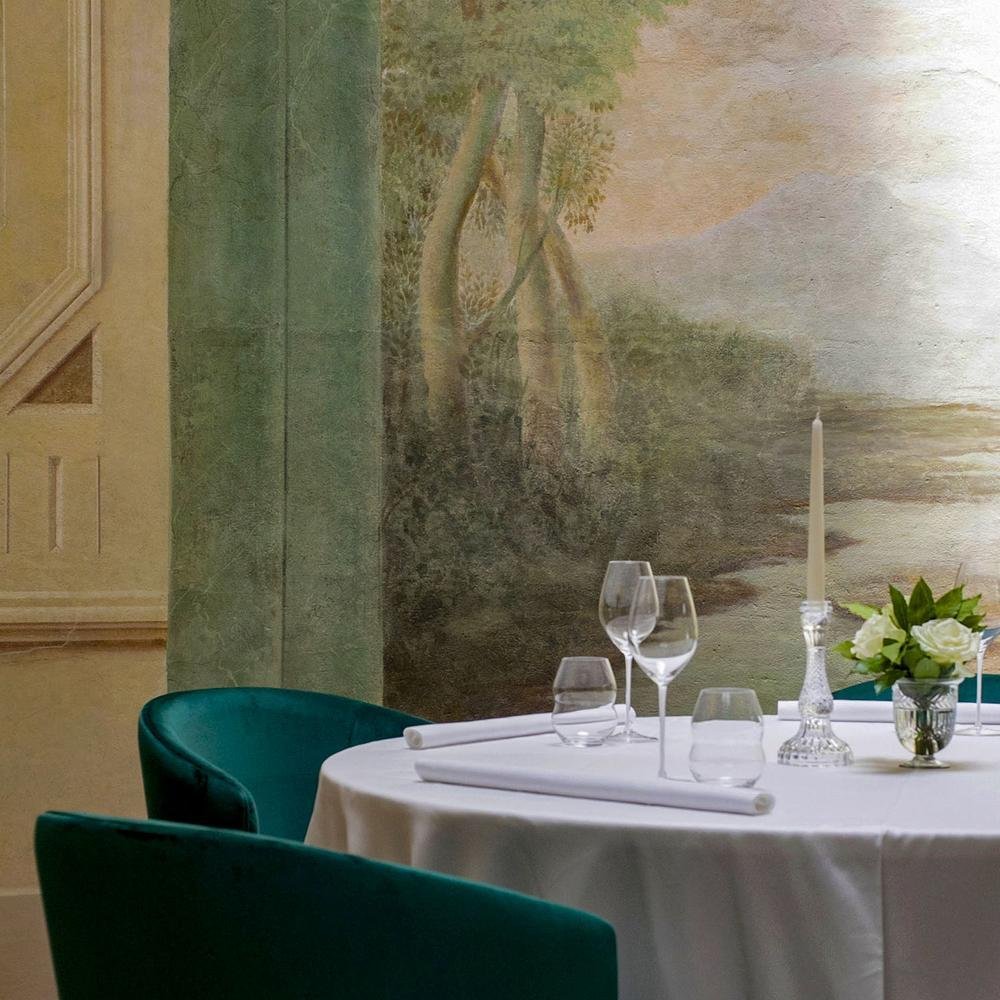
Traditional elegance with centuries-old stone walls, restored beamed ceilings, carved wood furnishings, and a quiet historic atmosphere.
Tags
Vibe
Best For
Experience
Amenities
Accessibility
About the Stay
- Rooms
- 30
- Check-in
- 14:00
- Check-out
- 12:00
- Property Type
- Heritage hotel
- Property Style
- Historic Palace Hotel
- Design Style
- Gothic Renaissance with Restored Period Furniture
- Airport Transfer
- Available
- Families
- Welcome
- Cancellation
- Moderate
Know before you go
Know Before You Go
- Getting there
- C. San Pablo, 18, 23440 Baeza, Jaén, Spain
Planning details
Location
Recognition and awards
Also consider
Also Consider
- Hacienda La Marquesa, Notable alternative
- Hotel Cortijo del Marqués, Notable alternative
- Hotel Cortijo del Marqués, Notable alternative
- Hotel La Caminera Club de Campo, Notable alternative
- Hotel Casa Morisca, Notable alternative
Hotel context
How it compares in and around Baeza
Cetina Palacio de los Salcedo is the better fit if Baeza itself is the reason for the trip. Against Hacienda La Marquesa and Hotel Cortijo del Marqués, the trade is clear: choose the city address for easier wandering and less transit, choose the out-of-metro options if the stay needs rural quiet, more separation, and a slower estate feel.
Hotel La Caminera Club de Campo is the stronger cross-shop for travellers who care more about a resort-style stay than Baeza access. If wellness facilities, golf-club atmosphere, or a more self-contained break matter, start there instead. Cetina Palacio de los Salcedo is easier to justify when the hotel is a base, not the main event.
Hotel Casa Morisca is the comparison for guests weighing historic atmosphere in another Andalusian setting. Pick Casa Morisca if Granada is the priority; pick Cetina Palacio de los Salcedo if the trip is specifically about Baeza and Jaén province. For booking difficulty, this should be approached as the easier, more practical city-base option rather than a hard-to-secure destination resort.
Explore Baeza
Around this place
Discover more on Pearl
Unlock the full Cetina Palacio de los Salcedo guide in Pearl, including awards, comparisons, FAQs, planning details, and nearby places.
Compare Cetina Palacio de los Salcedo
| Venue | Location | Awards |
|---|---|---|
| Cetina Palacio de los Salcedo | Baeza | 2025 Michelin Selected Hotels |
| Hacienda La Marquesa | Vilches | No published awards |
| Hotel Cortijo del Marqués | Albolote | 2026 Mr & Mrs Smith Luxury Hotels2026 Michelin 1 KeyMichelin 1 Key 20252025 Michelin 1 Key2024 Michelin 1 Key |
| Hotel Cortijo del Marqués | Granada | 2026 Mr & Mrs Smith Luxury Hotels2026 Michelin 1 KeyMichelin 1 Key 20252025 Michelin 1 Key2024 Michelin 1 Key |
| Hotel La Caminera Club de Campo | Torrenueva | 2026 Michelin 1 Key2025 Michelin 1 Key |
| Hotel Casa Morisca | Granada | No published awards |


How Cetina Palacio de los Salcedo Baeza compares with similar nearby venues.
FAQ
Frequently Asked Questions
How is the pool and spa at Cetina Palacio de los Salcedo?
Do not book Cetina Palacio de los Salcedo on the assumption of a specific pool or spa setup. The key highlight is the MICHELIN Guide Hotels Selected recognition for 2025, plus its role as a Baeza base. Confirm any facility that matters directly before booking.
How does Cetina Palacio de los Salcedo compare to other hotels?
It makes the most sense if your trip is focused on staying in Baeza. If you are comparing a broader set of hotel options, also consider Hacienda La Marquesa, Hotel Cortijo del Marqués, Hotel La Caminera Club de Campo, or Hotel Casa Morisca, depending on the desired stay details.
Which room category is best at Cetina Palacio de los Salcedo?
Pick the largest or quietest room category, as specific room inventory details are not available. For a short stay in Baeza, the key decision points are the location in Baeza, the smart-casual dress code, and the MICHELIN Guide Hotels Selected recognition for 2025.
Do loyalty programs work at Cetina Palacio de los Salcedo?
Do not plan around loyalty benefits unless you confirm them directly. The primary trust signal is the MICHELIN Guide Hotels Selected recognition for 2025, not a points-driven stay. If loyalty status matters, compare that value against any stated policies before committing.
How is the location of Cetina Palacio de los Salcedo?
The location is Baeza. That makes Cetina Palacio de los Salcedo a sensible choice if you want a Baeza base, while other hotels may suit different trip plans better.