
Meltar Boutique Hotel
Asiago
Hotel in Asiago, Italy
 Book with Pearl
The Read
Price
$200–300per night
Why go
Meltar Boutique Hotel is worth considering if the priority is a quieter Asiago base with MICHELIN Guide hotel recognition rather than a points-driven chain stay. Compare the live rate against nearby alternatives before committing, since public pricing and room-category detail are limited; the value case depends on the date and how much the Asiago setting matters to the trip.
About Meltar Boutique Hotel
A key signal for Meltar Boutique Hotel is its inclusion in the MICHELIN Guide hotel selection for 2025. That gives the property a credible quality marker for travelers considering an Asiago stay, while still leaving many practical details to confirm directly before booking. In practical terms, the listing is a useful starting point rather than a complete profile. It can help place the hotel on a serious shortlist, but it does not, by itself, answer the questions that usually matter at the point of reservation: what room is available, what is included, what the final rate looks like for the chosen dates, and whether the stay fits the traveler's exact needs. The safest way to approach it is as a boutique-hotel option in Asiago rather than as a stay with all details of room types, services, pricing, or on-property dining readily available.
The booking case is strongest for travelers who specifically want to stay in Asiago and are comfortable comparing date-specific rates, availability, and inclusions before committing. That means treating the hotel as one promising candidate within a destination-led search, not as a finished decision made on the strength of a guide listing alone. The MICHELIN inclusion is useful as a quality filter, but it should not replace the ordinary work of checking what the stay actually includes and deciding whether the hotel matches the purpose of the trip. A short leisure stay, a more structured itinerary, or a visit where meals and location carry equal weight may all require different checks before booking. If meals matter as much as the room, our full Asiago restaurants guide can help you compare dining separately.
Book for an Asiago stay, not for assumptions
Meltar Boutique Hotel is best evaluated on these basics: it is in Asiago, has a casual dress code, and is listed in the MICHELIN Guide hotel selection for 2025. Those facts are enough to make it relevant for travelers who are already looking closely at Asiago, but they are not enough to support assumptions about the shape of the stay. Beyond that, travelers should avoid assuming specific benefits, services, room layouts, dining formats, or loyalty-program features unless they have confirmed them with the hotel or booking channel. That distinction should shape expectations from the start. The appeal is not in a long list of published guarantees, but in choosing a hotel that fits the idea of an Asiago stay, then verifying the practical details that turn that idea into a workable booking.
Use it when Asiago itself is the focus of the trip and the MICHELIN hotel selection is a meaningful signal for your shortlist. In that context, the hotel can be considered for the credibility of the listing and the convenience of narrowing the field, while still requiring the same careful comparison any boutique stay deserves. Guests who need specific room details, particular services, or a highly standardized stay should compare alternatives before committing, especially if room layout, bedding, or exact inclusions will determine whether the stay works. The same caution applies for travelers building a tightly planned itinerary, because small differences in inclusions or booking terms can matter once travel plans or meals are already arranged.
Planning details
- Location
- Via Meltar, 1, Via Meltar, 2, 36012 Asiago VI, Italy
- Website
- meltarhotel.com/it
- Phone
- +39 0424 460626
The take
The Take
The Vibe
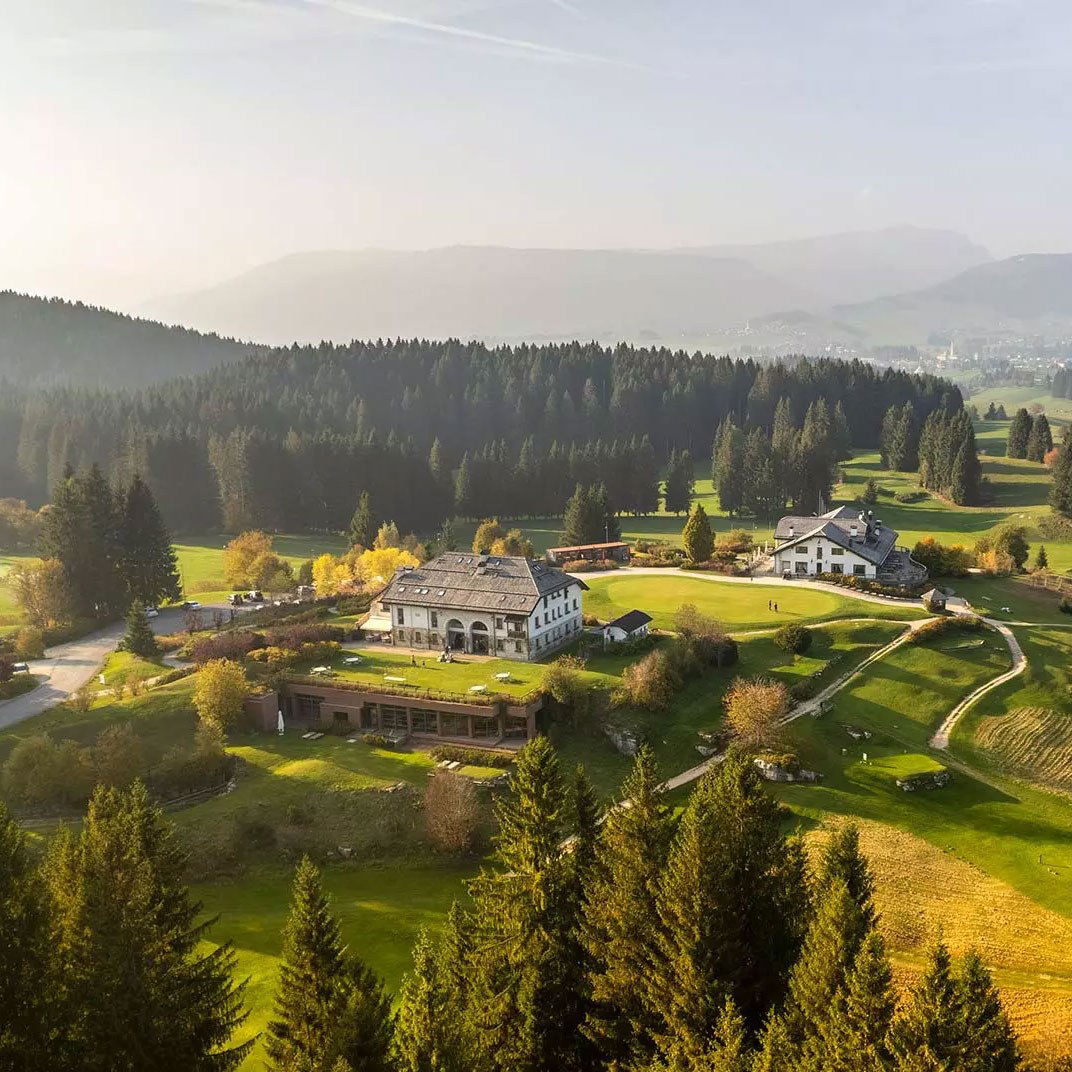
Meltar Boutique Hotel reads as a quietly assertive design gesture set into an alpine plateau. The narrative in the text foregrounds material restraint and contemporary lines against a vernacular mountain backdrop, so the hotel feels both considered and subdued rather than overtly alpine-resort. Its scale and placement on Via Meltar keep it tied to the fabric of Asiago, and the writing emphasizes access to working landscape and cheese culture rather than spectacle. The overall impression is of a small, design-led property that privileges measured architecture and the plateau’s slow rhythms over tourist theatrics.
Best For
This property suits travelers who prize architecture and a quieter mountain experience: design-aware visitors, couples seeking an intimate escape, and those after a low-key weekend away. The text frames Meltar as an alternative to larger resort offerings, appealing to people who want access to the Altopiano’s landscape and local cheese culture without the scale of the Dolomites. It also sits comfortably alongside spa-forward destinations in the region for guests constructing a restorative short break, though the description does not specify on-site spa facilities.
Venue details
Ambiance
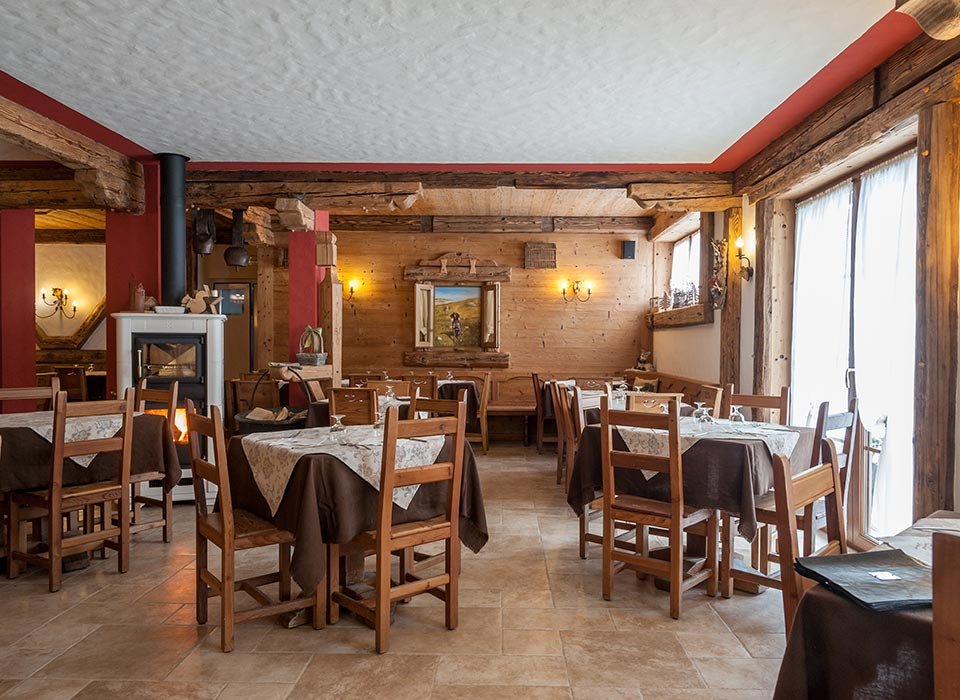
Cozy rustic-chic with vaulted wood ceilings, parquet floors, and romantic patterned wallpaper in sophisticated neutral tones.
Tags
Vibe
Best For
Experience
Amenities
View
Accessibility
About the Stay
- Rooms
- 19
- Check-in
- 15:00
- Check-out
- 12:00
- Property Type
- Boutique hotel
- Property Style
- Restored Historic Farmhouse with Intimate, Home Like Hospitality
- Design Style
- Rustic Chic Contemporary Classic
- Breakfast
- Included
- Pool
- Yes
- Spa
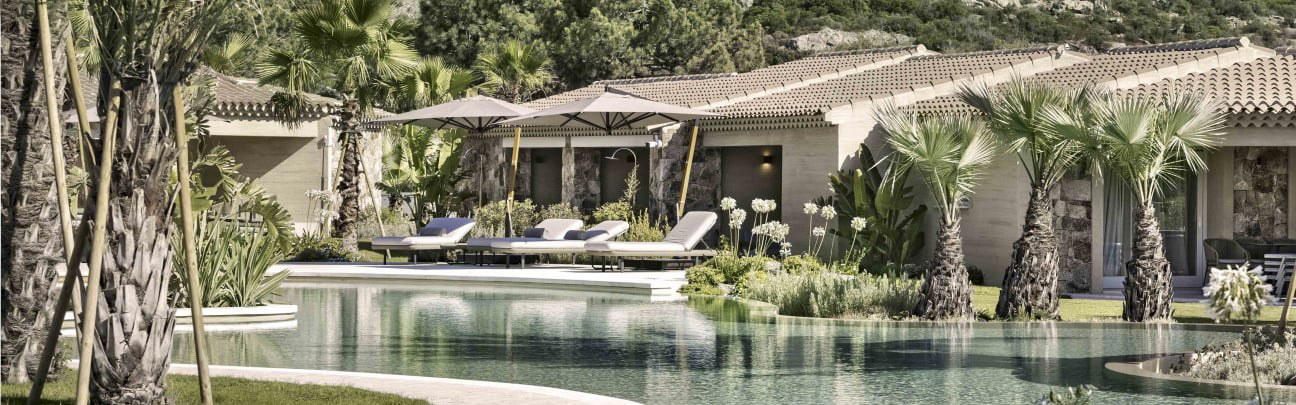
- Yes
- Pets
- Allowed
Know before you go
Know Before You Go
- Getting there
- Via Meltar, 1, Via Meltar, 2, 36012 Asiago VI, Italy
Planning details
Location
Recognition and awards
Also consider
Where to look if this is not the right fit
If the rate feels high for the date, check Albergo Al Sole first for a more value-led comparison. If the trip can sit outside Asiago and lean more rural, Agritur La Dolce Mela is the more natural alternative.
Hotel context
How it compares in the Asiago hotel set
Meltar Boutique Hotel is the safer pick for travelers who want a boutique stay in Asiago with external recognition, thanks to its MICHELIN Guide hotel selection. Hotel Villa Cipriani and Villa Abbazia make more sense for guests cross-shopping classic Italian hotel character outside Asiago, but they are less direct if the trip is specifically built around the Asiago plateau.
Albergo Al Sole is the practical alternative to check if price discipline matters more than boutique positioning. Nerocubo is better for a more contemporary stopover-style stay, while Meltar Boutique Hotel is the stronger fit when the stay itself should feel tied to Asiago rather than just serve as a place to sleep.
Agritur La Dolce Mela is the cross-shop for guests who prefer a rural agriturismo feel over a boutique-hotel format. Choose Meltar Boutique Hotel when booking ease, recognition, and an Asiago address matter; choose the peers when the trip is less location-specific or when the live rate creates a clearer value gap.
Explore Asiago
Around this place
Discover more on Pearl
Unlock the full Meltar Boutique Hotel guide in Pearl, including awards, comparisons, FAQs, planning details, and nearby places.
Compare Meltar Boutique Hotel
| Venue | Location | Awards |
|---|---|---|
| Meltar Boutique Hotel | Asiago | 2025 Michelin Selected Hotels |
| Hotel Villa Cipriani | Asolo | No published awards |
| Albergo Al Sole | Asolo | No published awards |
| Nerocubo | Rovereto | No published awards |
| Villa Abbazia | Follina | 2026 Relais Chateaux Hotels2025 Relais Chateaux Award |
| Agritur La Dolce Mela | Vallelaghi | No published awards |

How Meltar Boutique Hotel Asiago compares with similar nearby venues.
FAQ
Frequently Asked Questions
When is the best time to book Meltar Boutique Hotel?
If your dates are fixed, compare availability and rates early enough to make a calm decision. Meltar Boutique Hotel is listed in the MICHELIN Guide hotel selection for 2025, but specific demand patterns and price bands vary. Albergo Al Sole is another property to compare if you are building a broader shortlist.
How is the location of Meltar Boutique Hotel?
Meltar Boutique Hotel is in Asiago. Confirm any precise address, arrival instructions, and transport details directly with the hotel or your booking channel. Hotel Villa Cipriani is another comparison point if you are considering other stays.
Do loyalty programs work at Meltar Boutique Hotel?
Do not choose this hotel based on loyalty-program assumptions, because loyalty-program details are not available. A key quality signal is its MICHELIN Guide hotel selection for 2025. If program benefits are important, compare the booking terms carefully before committing; Nerocubo may be worth checking as another option.
How does Meltar Boutique Hotel compare to other hotels?
Meltar Boutique Hotel is an Asiago option with a MICHELIN Guide hotel selection for 2025. For comparison shopping, you can also look at Nerocubo, Villa Abbazia, Agritur La Dolce Mela, Albergo Al Sole, and Hotel Villa Cipriani, while checking each property's location, availability, and inclusions directly rather than assuming they serve the same kind of trip.
Which room category is best at Meltar Boutique Hotel?
Specific room-category details are not available. Choose based on the room descriptions, inclusions, cancellation terms, and any direct answers the hotel provides before booking. If you need a benchmark while comparing options, Hotel Villa Cipriani is another property to review.
What is check-in like at Meltar Boutique Hotel?
Specific check-in details are not available, so confirm arrival times, access instructions, and any required information directly before travel. A key public recognition is the MICHELIN Guide hotel selection for 2025. Nerocubo is another property to compare if you want to review different arrival and booking arrangements.
How is the dining at Meltar Boutique Hotel?
Specific dining details for Meltar Boutique Hotel are not available. Treat any meal planning as something to confirm directly with the hotel before arrival. For a food-focused trip, compare other dining in Asiago through current official listings and reservations, and review Villa Abbazia if you are considering another property.