

Valsana Hotel & Appartements
Arosa
Hotel in Arosa, Switzerland
 Book with Pearl
The Read
Geothermal Alpine Design
Why go
Valsana Hotel & Appartements is the Arosa pick for travelers who want a polished mountain stay with a Michelin 2 Keys signal and Small Luxury Hotels of the World membership behind it. It is better for celebrations and design-conscious leisure trips than pure business efficiency, and worth cross-shopping against BelArosa and Tschuggen Grand Hotel before fixed-date weekends.
About Valsana Hotel & Appartements
Valsana Hotel & Appartements is a Michelin 2 Keys hotel in Arosa and a Small Luxury Hotels of the World member. That makes it one of the more clearly recognized hotel choices in town for travelers who want an Arosa stay with independent recognition.
The strongest reasons to consider it are the Arosa setting, the Michelin 2 Keys recognition, and its Small Luxury Hotels of the World membership. For room types, amenities, dining format, prices, or service details, confirm the specifics directly before reserving.
Choose it for a recognized Arosa hotel stay
For travelers comparing premium stays in and around Arosa, Valsana Hotel & Appartements has a clear recognition signal through Michelin 2 Keys. Tschuggen Grand Hotel and BelArosa are natural names to consider when comparing Arosa hotels, while Davos options such as AlpenGold Hotel, AMERON Davos Swiss Mountain Resort, and Hotel Seehof Davos belong to a different base altogether.
Dining calls for advance planning. Travelers planning around meals should confirm the hotel's current restaurant concept, cuisine, menu format, and dining schedule, and also scan our full Arosa restaurants guide before locking the weekend. For hotel-first travelers, the stronger logic is simple: choose it for the recognized Arosa hotel stay, then plan meals separately around the town.
Book early if the dates matter
If the trip has fixed dates, check availability at Valsana Hotel & Appartements early and compare alternatives only after confirming whether the hotel works for your plans. Flexible travelers can also compare Arosa with Davos hotels such as AlpenGold Hotel, but that changes the base of the trip: Davos is not a like-for-like substitute for staying in Arosa.
Room choice should be made from the hotel's current booking information rather than assumptions about specific categories. Guests should confirm room layouts, views, sizes, or apartment features directly if space, privacy, or an extended stay setup is important.
For evening and non-hotel planning, use current local information rather than assuming details from the hotel profile. The dress code for Valsana Hotel & Appartements is smart casual, which is a practical baseline when packing for the stay.
Planning details
- Location
- Oberseepromenade 2, 7050 Arosa
- Website
- tschuggencollection.ch/de/hotel/valsana-hotel
- Phone
- +41 81 378 63 63
The take
The Take
The Vibe
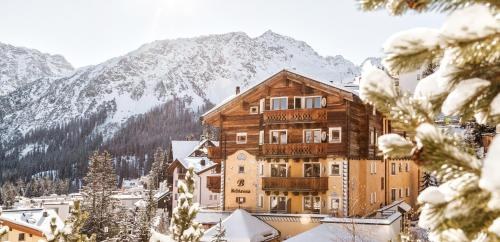
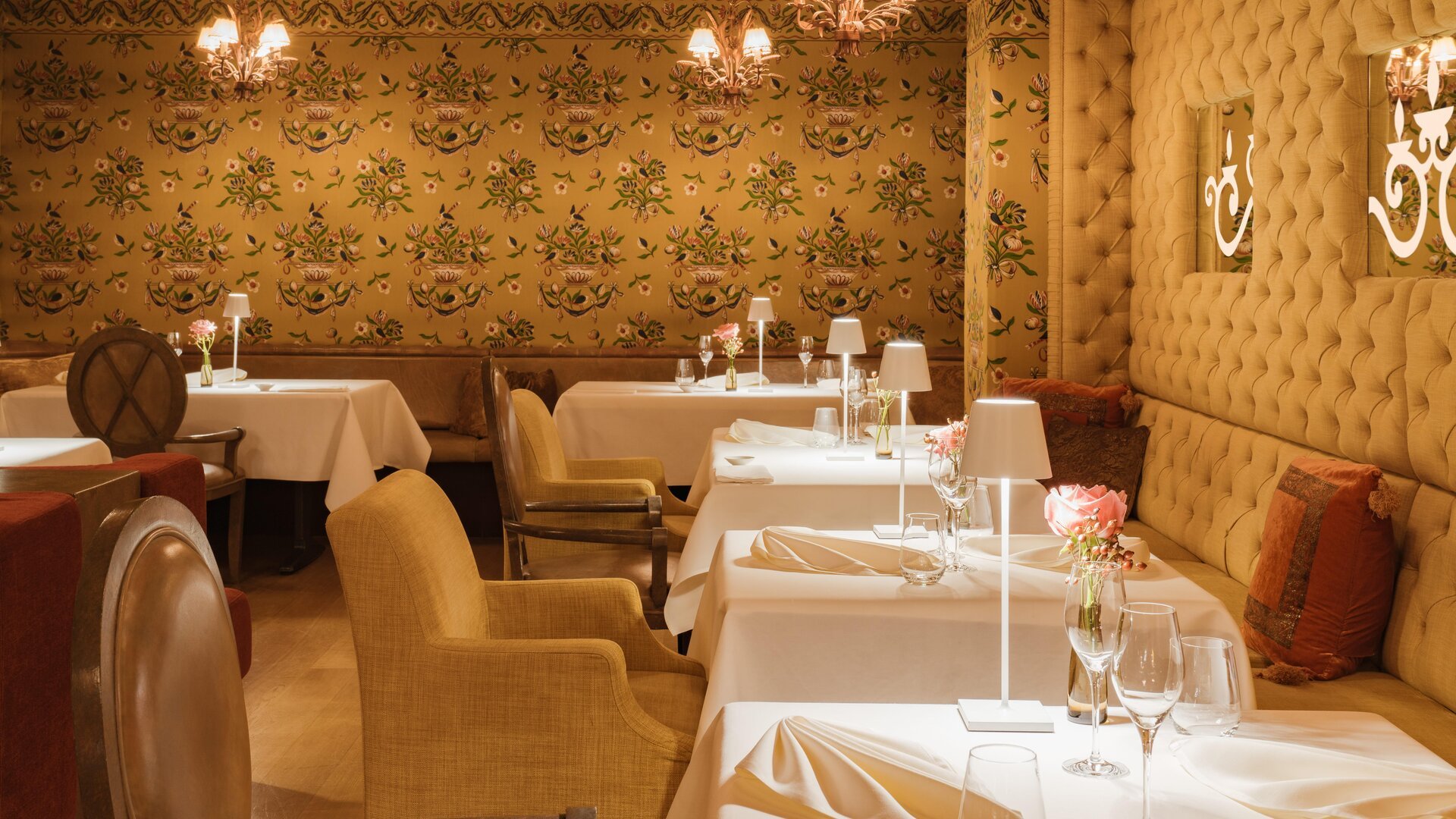
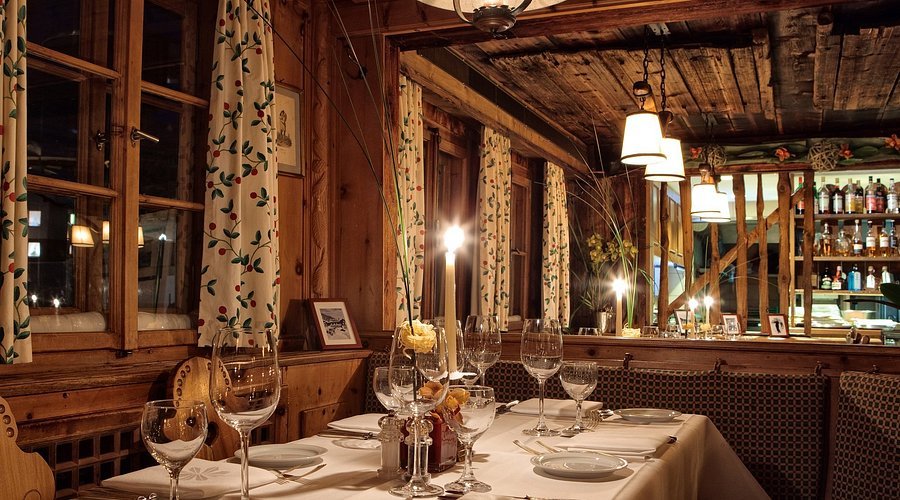
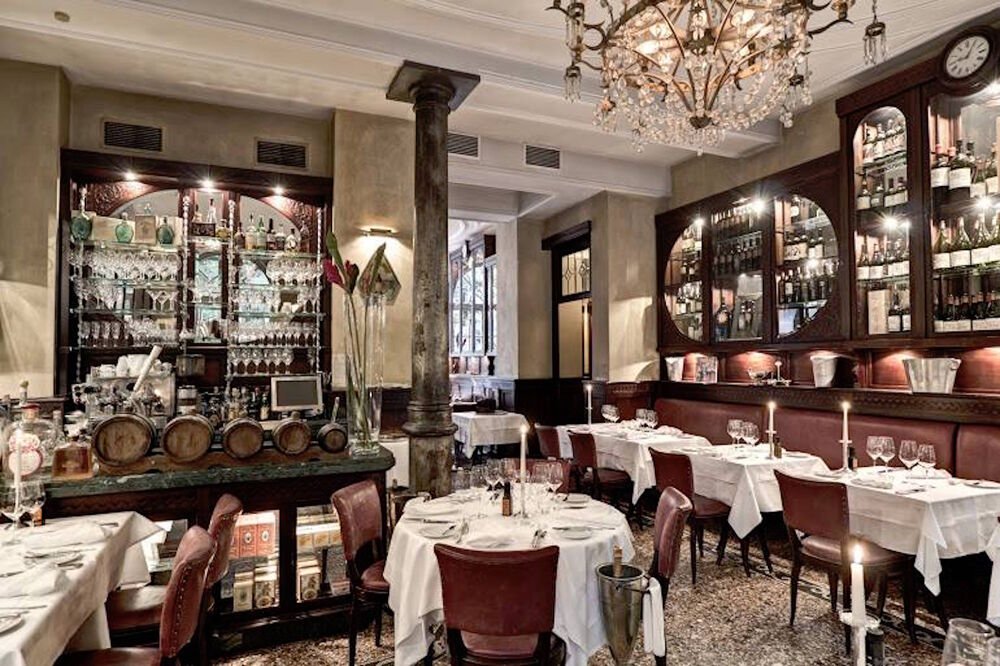
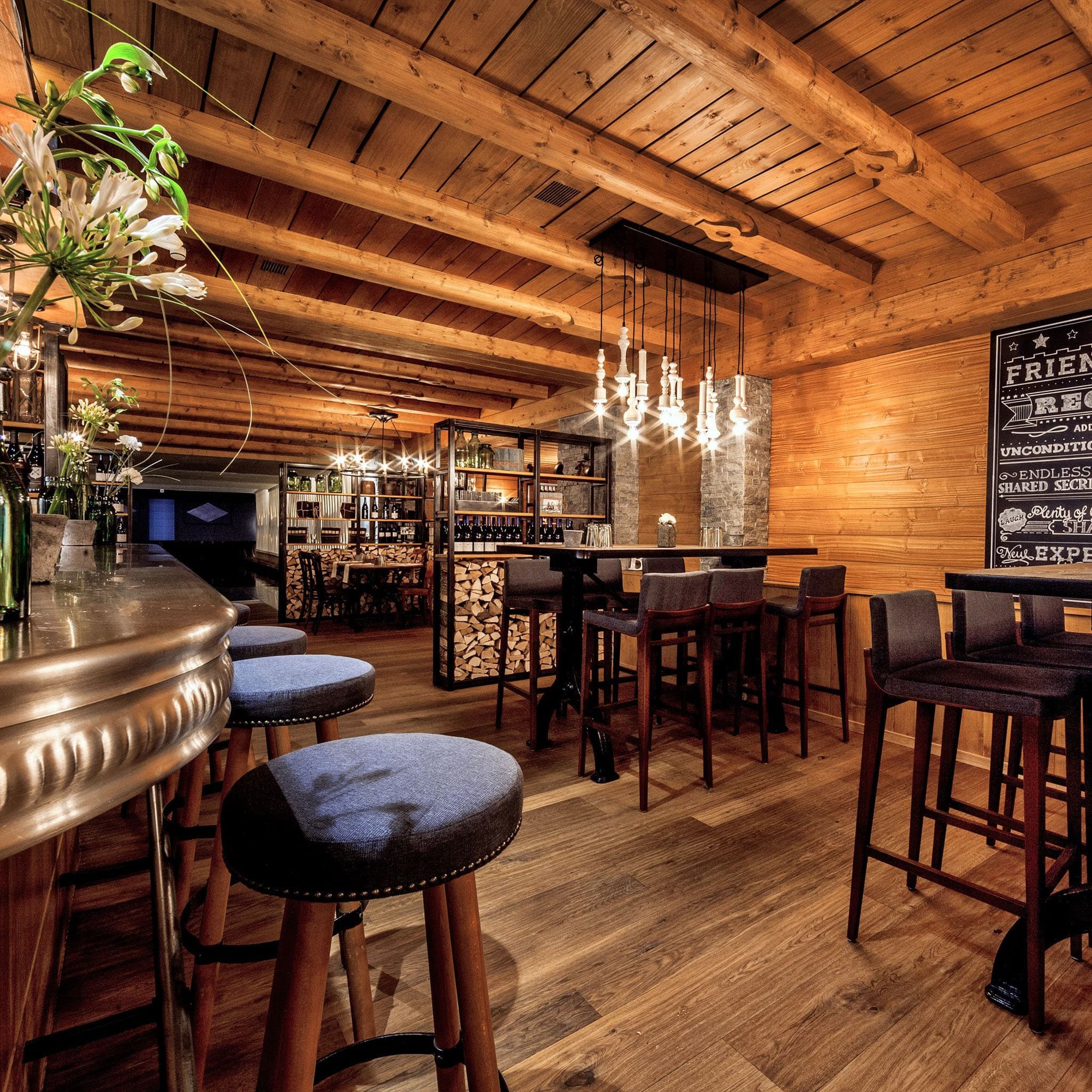
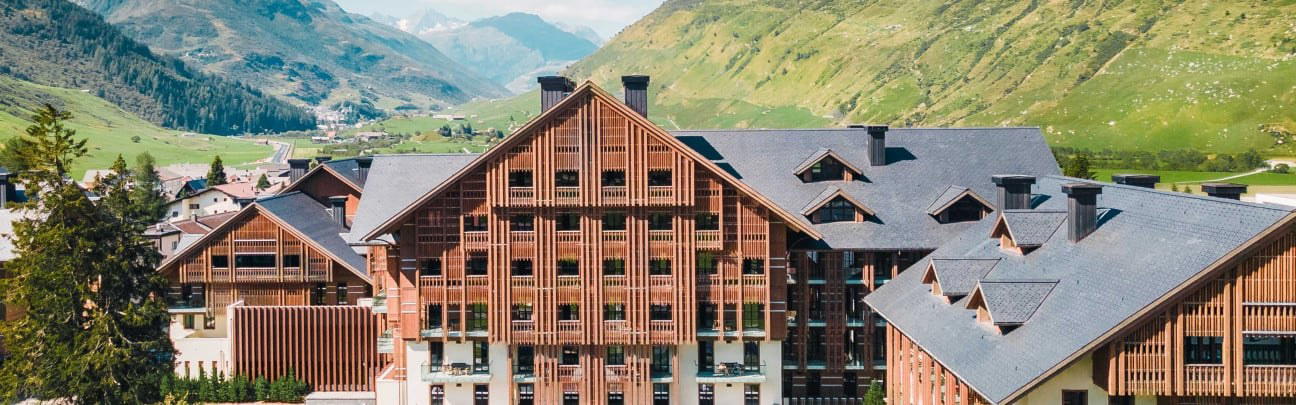
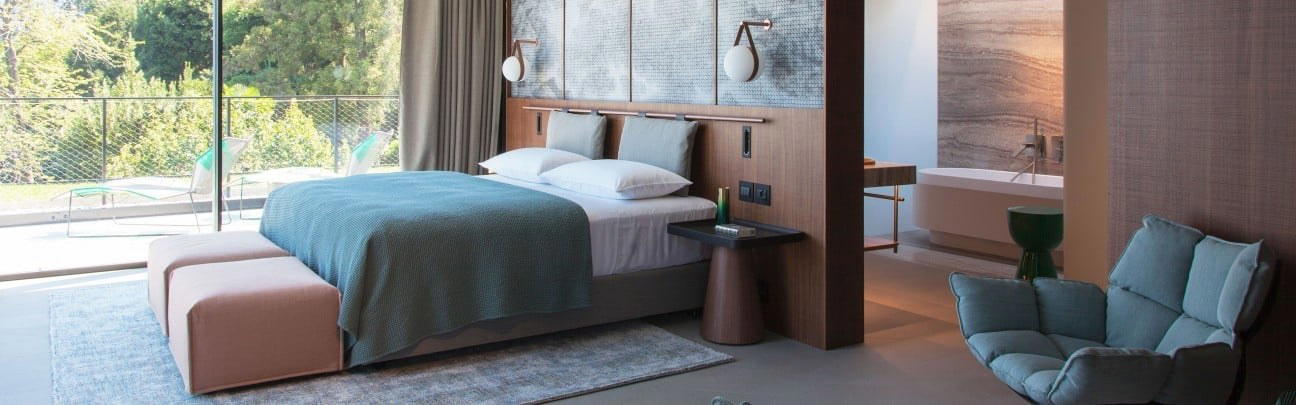
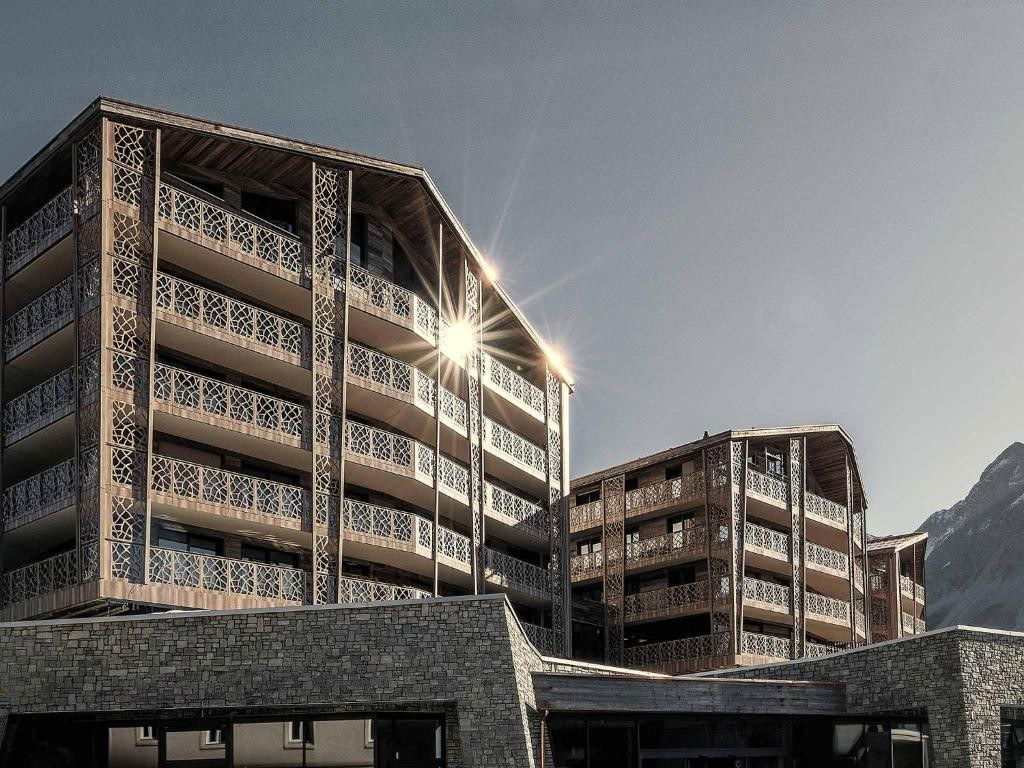
Valsana presents as a design-led mountain hotel that balances the familiar language of an Alpine lodge with contemporary architectural gestures. The building’s pitched roofs and timber volumes nod to regional tradition, while carved, organic balconies and a deliberate mix of wood, stone and glass signal thoughtful, sculptural design. Interiors avoid sterile minimalism, favoring layered textures—parquet floors, down duvets and curated artworks—that create a warm, characterful atmosphere. The overall effect is sophisticated and quietly confident: a compact, considered property where design and materiality shape a hospitable, bespoke alpine experience rather than a uniform template.
Best For
Valsana is well suited to travelers who value design and comfort in a mountain setting. With forty individually conceived rooms and an emphasis on tactile materials, it appeals to couples and small groups seeking a weekend escape or romantic mountain stay. The hotel also speaks to guests attentive to operational sustainability: geothermal heating and an ice-battery thermal storage system are highlighted as part of its engineering approach, making it a good fit for visitors who appreciate eco-conscious infrastructure paired with high design. Its compact scale and warm finishes favor a restful, restorative stay.
Venue details
Ambiance
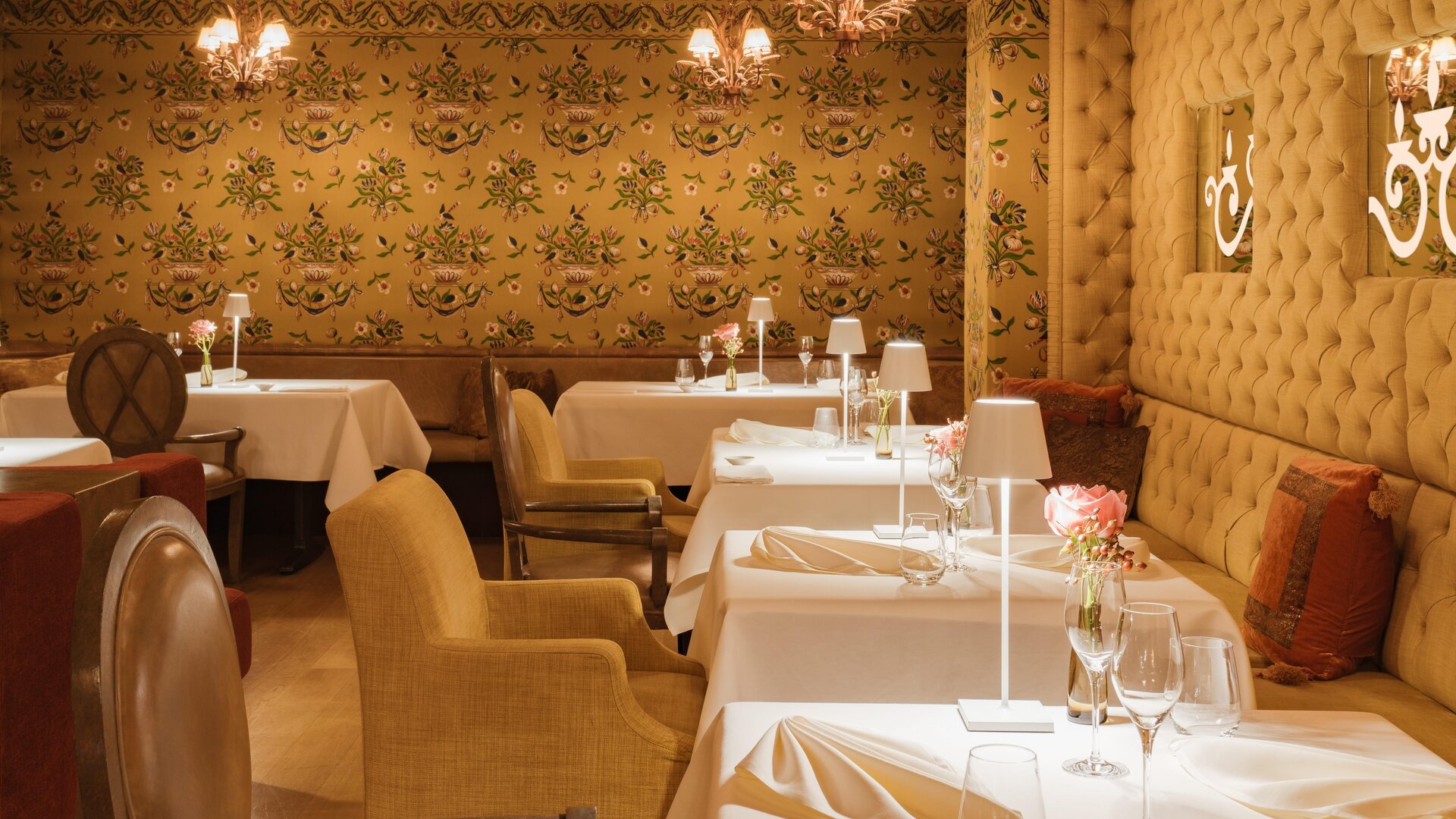
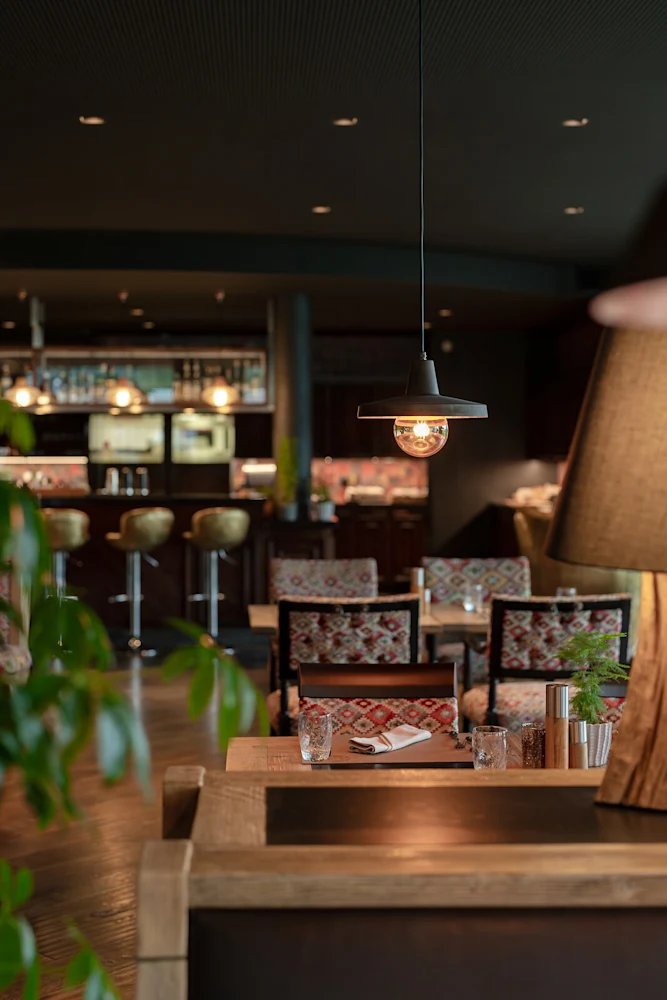
Relaxing and tranquil with natural light in spacious, modern rooms and wellness areas, cozy lounge and restaurant spaces with a welcoming, sophisticated atmosphere.
Tags
Vibe
Best For
Experience
Amenities
View
Accessibility
About the Stay
- Rooms
- 40
- Check-in
- 15:00
- Check-out
- 12:00
- Property Style
- Contemporary Chalet Style with Sustainability Focus
- Design Style
- Modern Minimalist with Natural Materials and Panoramic Views
Know before you go
Know Before You Go
- Getting there
- Oberseepromenade 2, 7050 Arosa
Planning details
Location
Oberseepromenade 2, 7050 Arosa · Directions
Recognition and awards

Also consider
Where to look if this is full
Start with BelArosa if the plan needs to stay in Arosa and the trip would benefit from a smaller-feeling hotel. Choose Tschuggen Grand Hotel if the occasion calls for a more formal resort stay.
If Arosa is not essential, compare AlpenGold Hotel and AMERON Davos Swiss Mountain Resort in Davos, especially when event access or broader Davos logistics matter more than being in Arosa.
Hotel context
How it compares in Arosa and nearby Davos
For Arosa, Valsana Hotel & Appartements is the contemporary special-occasion pick. BelArosa is the more intimate Arosa alternative to check if availability is tight or the trip calls for a quieter, less formal stay. Tschuggen Grand Hotel is the stronger choice for travelers who want the grand-resort version of Arosa; choose Valsana if the brief is polished but less ceremonial.
Out of town, AMERON Davos Swiss Mountain Resort, Hotel Seehof Davos, and AlpenGold Hotel are useful cross-shops only if Davos works as the base. They are not substitutes for an Arosa stay; they change the geography of the trip. Use them when availability in Arosa is difficult or when Davos events, meetings, or rail logistics matter more than staying by Oberseepromenade.
For value, BelArosa is the first Arosa comparison to check. For a higher-ceremony resort feel, compare Tschuggen Grand Hotel. For a broader mountain-hotel search with larger-property energy, look at AlpenGold Hotel or AMERON Davos Swiss Mountain Resort. Valsana is the pick when the decision is driven by Arosa location, a recognized luxury signal, and a stay that suits a celebration without requiring full grand-hotel formality.
Explore Arosa
Around this place
Discover more on Pearl
Unlock the full Valsana Hotel & Appartements guide in Pearl, including awards, comparisons, FAQs, planning details, and nearby places.
Compare Valsana Hotel & Appartements
| Venue | Location | Awards |
|---|---|---|
| Valsana Hotel & Appartements | Arosa | Michelin 2 Keys 20252025 Michelin 2 KeysSmall Luxury Hotels Member 20252024 Michelin 2 Keys |
| BelArosa | Arosa | No published awards |
| Tschuggen Grand Hotel | Arosa | Leading Hotels of the World 20262026 La Liste Top Hotels2025 Michelin 2 Keys2024 Michelin 2 Keys |
| AMERON Davos Swiss Mountain Resort | Davos | 2025 Michelin 1 Key |
| Hotel Seehof Davos | Davos | No published awards |
| AlpenGold Hotel | Davos | No published awards |



How Valsana Hotel & Appartements Arosa compares with similar nearby venues.
FAQ
Frequently Asked Questions
How is the dining at Valsana Hotel & Appartements?
Confirm the current cuisine, restaurant format, menu, and dining schedule directly with the hotel. Use the Michelin 2 Keys recognition as a signal for the overall hotel stay rather than a restaurant-specific claim.
Which room category is best at Valsana Hotel & Appartements?
Choose based on the hotel's current booking details and confirm anything important, such as space, layout, or apartment-style needs, before reserving.
Is Valsana Hotel & Appartements good for business travel?
It may suit travelers who want an Arosa hotel with Michelin 2 Keys recognition, but meeting, workspace, and schedule needs should be confirmed directly.
When is the best time to book Valsana Hotel & Appartements?
If your Arosa dates are fixed, check availability early. Let current availability and terms guide the decision.
How is the pool and spa at Valsana Hotel & Appartements?
Do loyalty programs work at Valsana Hotel & Appartements?
Valsana Hotel & Appartements is a Small Luxury Hotels of the World member. Confirm current loyalty earning, redemption, and perk details before relying on them.
How is the location of Valsana Hotel & Appartements?
Valsana Hotel & Appartements is in Arosa. If exact positioning matters for the trip, check the hotel's current map listing.