
PURS Luxury Boutique Hotel & Restaurant
Andernach Old Town, Andernach
Hotel in Andernach, Germany
 Book with Pearl
The Read
Vervoordt-Signed Rhine Retreat
Price
$300–500per night
Why go
PURS Luxury Boutique Hotel & Restaurant is worth considering if you want a boutique Andernach stay with 2026 recognition from Relais Chateaux and Mr & Mrs Smith. It is less compelling for travelers chasing chain loyalty value or resort-scale facilities, so compare the final rate, cancellation terms, and any upgrade language before committing.
About PURS Luxury Boutique Hotel & Restaurant
For travelers considering a stay in Andernach, PURS Luxury Boutique Hotel & Restaurant is a hotel and restaurant in Andernach, features a smart casual dress code, and holds a Relais Chateaux Award for 2026 and a Mr & Mrs Smith Seal of Approval for 2026.
The booking decision should be made carefully. Treat the recognition as a quality signal, not as a substitute for checking the current rate, cancellation terms, inclusions, and any benefits directly at the point of booking. Choose PURS Luxury Boutique Hotel & Restaurant if you want a recognized stay in Andernach; compare alternatives if your priority is a specific hotel format, loyalty strategy, or a specific set of facilities.
A boutique Andernach base, not a points-maximizing hotel play
The practical advantage is simple: the stay is in Andernach. For travelers comparing the wider region, that may matter more than choosing a hotel somewhere else. Use broader Andernach hotel resources if the trip is hotel-led, and cross-check Our full Andernach restaurants guide if dining is the reason to stay overnight.
The loyalty angle should stay conservative. Do not book this expecting conventional chain-point value unless a rate channel explicitly confirms benefits before payment. The smarter value play is to compare the final nightly rate, cancellation terms, included services, and any upgrade language at checkout. If those benefits are unclear, treat the awards as the quality signal and the Andernach setting as the convenience signal, then decide whether that is enough for the trip.
Who should book it first
Book this for a stay in Andernach where the venue's positioning and recognition from Relais Chateaux and Mr & Mrs Smith carry weight. It also suits travelers who prefer a named, recognized property over choosing only from broader regional hotel inventory. Business travelers should be more selective: information on room sizes, workspace, parking, or meeting facilities is not available, making this easier to assess as an overnight stay than as a logistics-heavy work base.
If the hotel is unavailable, compare the wider hotel set rather than forcing the stay. FÄHRHAUS Koblenz is an alternative for travelers willing to shift toward Koblenz. Althoff Grandhotel Schloss Bensberg may make sense when the trip calls for a different hotel experience outside Andernach. For broader planning, general Andernach resources can be more useful than over-reading the hotel alone, because the best choice depends on whether the overnight is meant to support dining, local exploring, or a wider itinerary.
Inside PURS Luxury Boutique Hotel & Restaurant
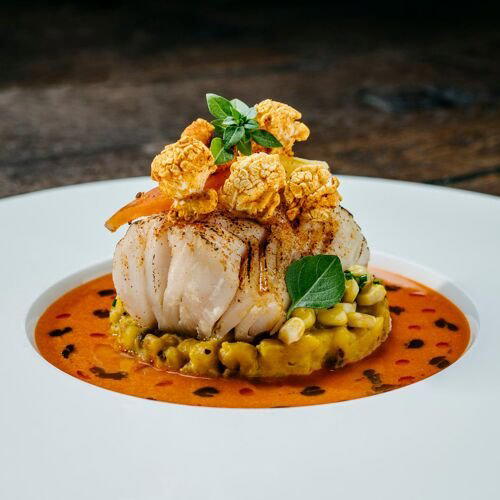 restaurantYOSO Asian Comfort FoodYOSO Asian Comfort Food holds a 2025 Michelin Plate at Schafbachstraße 14 in Andernach, a small Rhineland city with a dining scene punching above its size. The kitchen works in the Asian comfort register at a mid-range price point, earning. For Andernach, that combination of Michelin recognition and accessible pricing is a meaningful signal.
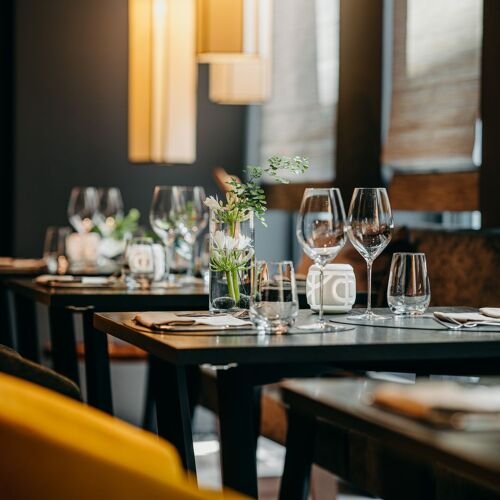
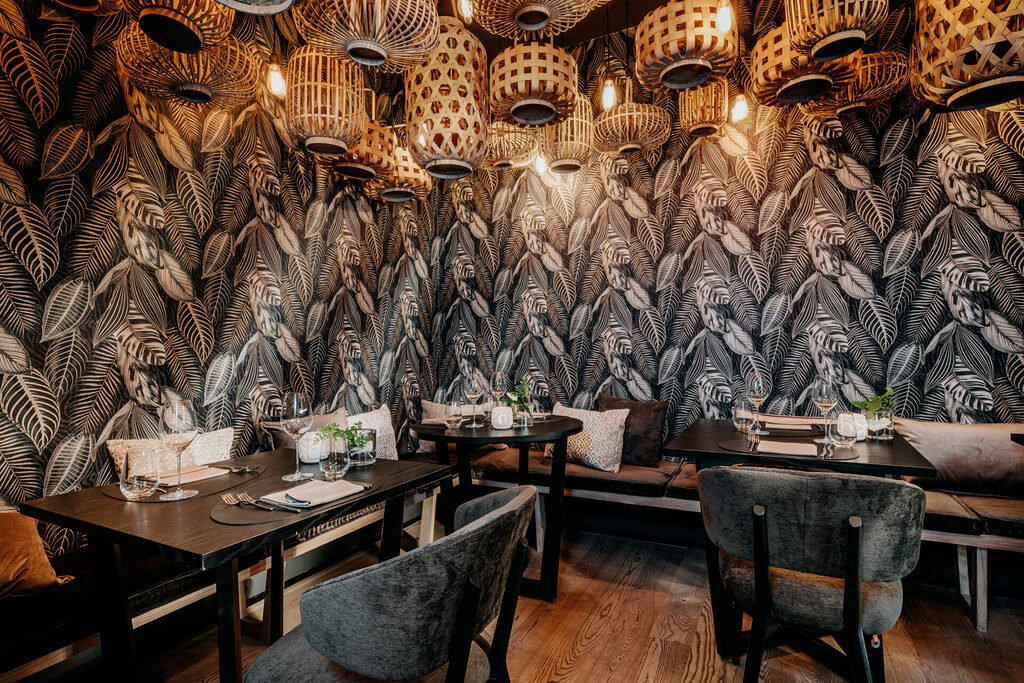 restaurantPURSInside a Rhineland town better known for its medieval walls than its restaurant scene, PURS holds a Michelin star and an Opinionated About Dining ranking among Europe's top 400. The kitchen, under chef Peter Fridén, works a modern French-leaning register inside a space designed in its entirety by Belgian architect and designer Axel Vervoordt. It is one of Germany's more architecturally cohesive dining experiences.
Planning details
- Location
- Steinweg 30-32, 56626 Andernach
- Website
- purs.com/purs/purs-restaurant
- Phone
- +49 2632 9586750
The take
The Take
The Vibe
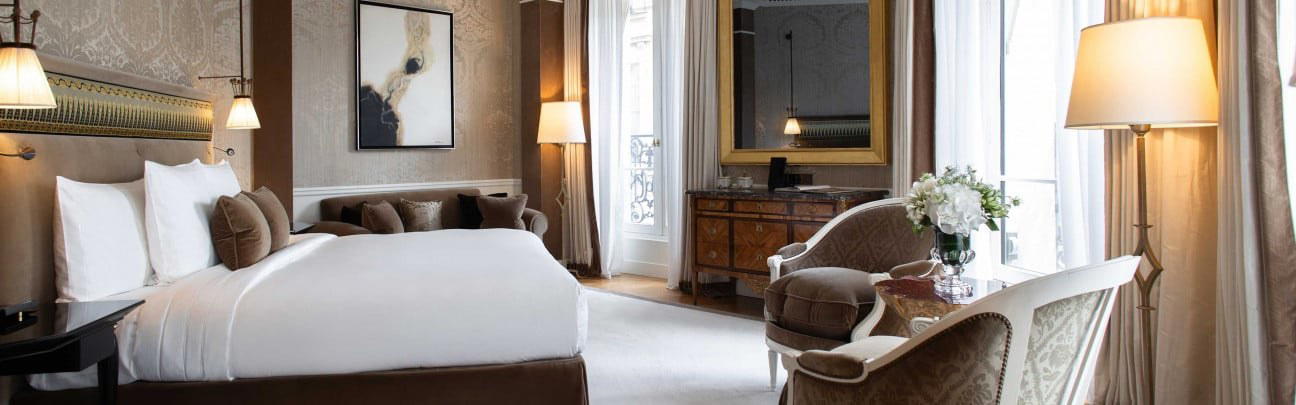
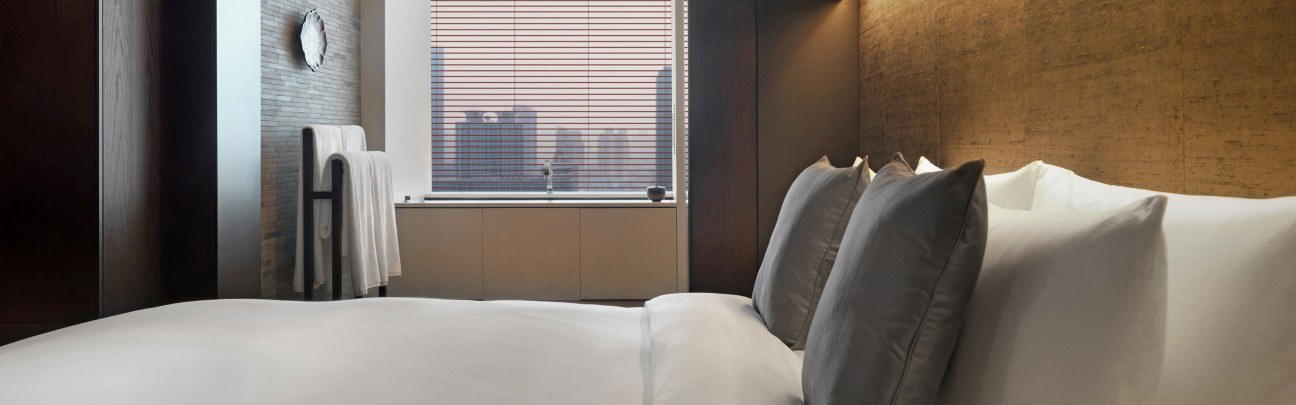
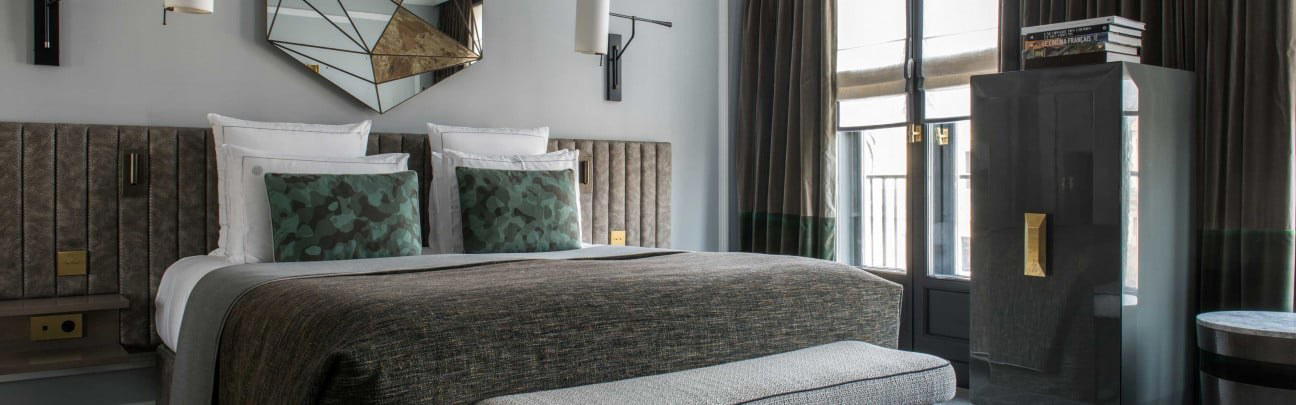
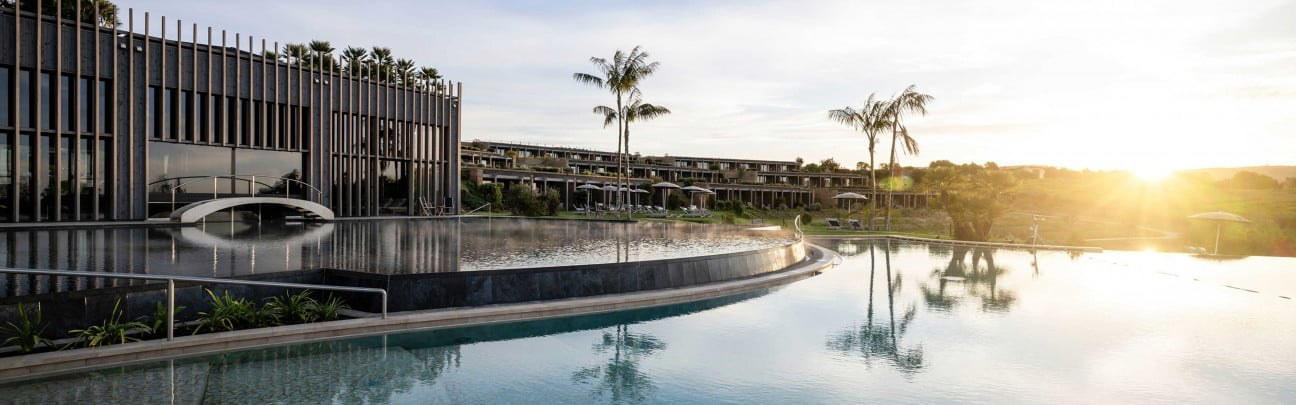
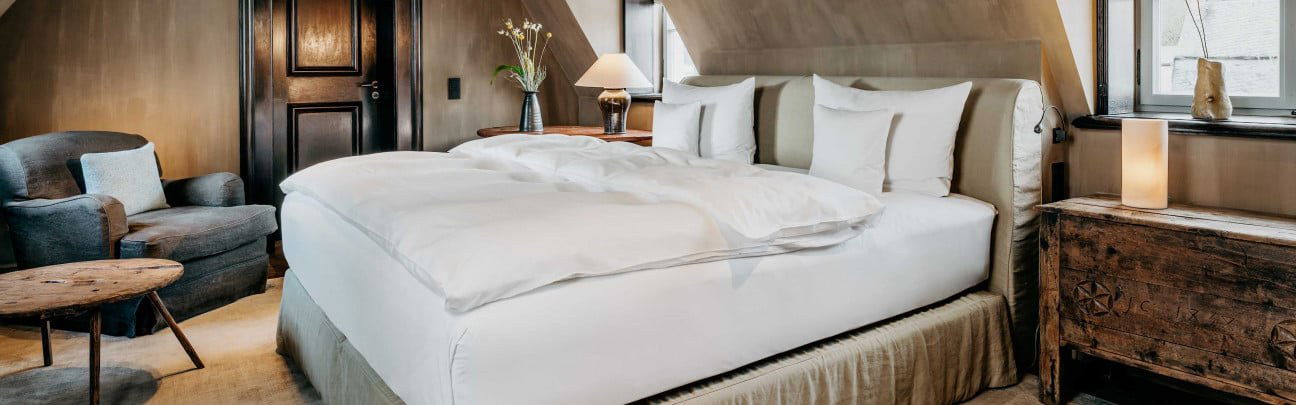
PURS reads as a quietly rigorous study in materiality. Under Axel Vervoordt’s hand the hotel favors aged surfaces, antique objects used as architectural elements, and a subdued, undyed palette that resists overt polish. The 300-year-old main building gives the interiors a built-in patina, so the overall impression is one of thoughtful restraint rather than showy luxury. Spaces reward sustained attention: details reveal themselves slowly, and the design privileges texture, proportion, and historic joinery over gimmicks. Guests arrive for a contemplative, design-forward experience that privileges atmosphere and provenance.
Best For
This property is best for travelers who prioritize architecture and curated interiors over flash. It suits couples seeking a quiet, design-led romantic escape and solo or paired travelers who appreciate antique materials and a muted aesthetic. Because the hotel is positioned among boutique, small-scale addresses, it appeals to those after a slower, more considered stay—weekend escapes and anniversary trips fit naturally here. The presence of an on-site restaurant complements overnight stays, but the core draw remains the Vervoordt-inflected interior and historic fabric.
Stay Tips
Expect an intimate, design-focused hotel rather than a large institutional property: the write-up notes the cohort’s tendency toward small room counts and a premium placed on the physical environment. If you care about experiencing the interiors, allow time to explore the building and its material details rather than treating the stay as a quick stopover. Given the boutique scale and design-led positioning, plan reservations for the restaurant and secure dates early when travel dates are firm.
Venue details
Ambiance
Tranquil and tasteful with carefully curated lighting, blending historical architectural elements like stucco ceilings and Flemish tiles with modern abstract art installations, creating an understated luxury atmosphere.
Tags
Vibe
Best For
Experience
Amenities
View
About the Stay
- Rooms
- 11
- Check-in
- 15:00
- Check-out
- 12:00
- Property Type
- Boutique hotel
- Property Style
- Contemporary Luxury Design Integrated Into a Historic 1677 Baroque Building, Emphasizing Minimalist Aesthetics and Curated Art Collection.
- Design Style
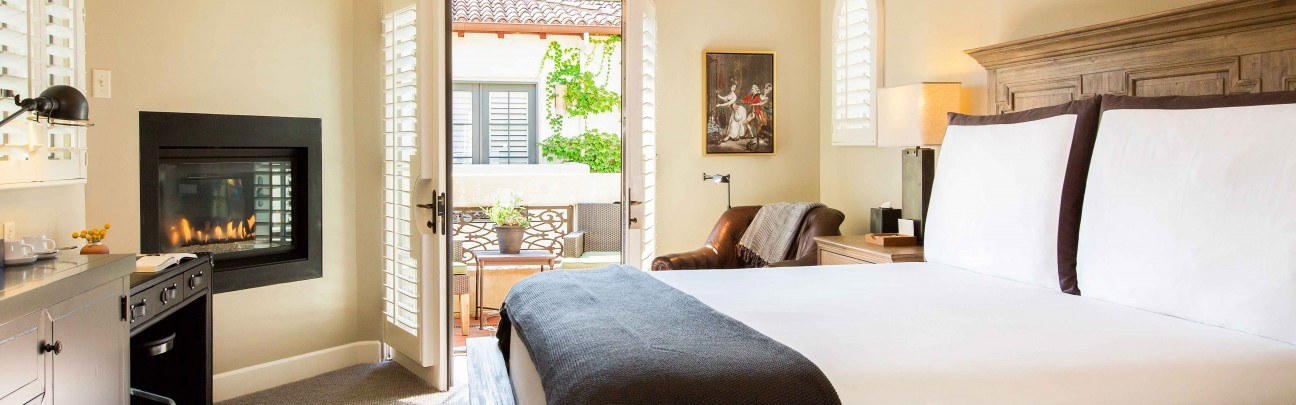
- Minimalist Contemporary with Eclectic Antique Furnishings, Abstract Led Artwork, and Refined Scandinavian Inspired Interiors Blending Historical Architectural Details with Modern Elegance.
- Cancellation
- Moderate
Know before you go
Know Before You Go
- Getting there
- Steinweg 30-32, 56626 Andernach
Planning details
Location
Recognition and awards

Also consider
Also Consider
- FÄHRHAUS Koblenz, Notable alternative
- Kameha Grand, Notable alternative
- Althoff Grandhotel Schloss Bensberg, Notable alternative
- Land & Golf Hotel Stromberg, Notable alternative
- Lifestyle Resort Zum Kurfürsten, Notable alternative
Hotel context
How it compares with nearby hotel options
PURS Luxury Boutique Hotel & Restaurant is the Andernach pick when location and boutique scale matter more than a bigger regional hotel footprint. FÄHRHAUS Koblenz is the more practical cross-shop if Koblenz works better for the itinerary, while Kameha Grand is a better fit for travelers who want a larger hotel environment outside Andernach.
For a more formal hotel stay, Althoff Grandhotel Schloss Bensberg is the peer to check before committing, especially if the trip can sit outside the immediate Andernach area. Land & Golf Hotel Stromberg is better suited to travelers prioritizing a golf-oriented countryside stay, while Lifestyle Resort Zum Kurfürsten makes more sense for a resort-style break.
Booking difficulty is marked easy here, so the decision is less about securing a hard-to-get room and more about choosing the right format. Pick PURS for Andernach convenience and recognized boutique credentials; pick the peers when the trip needs a larger property, resort facilities, golf access, or a different regional base.
Explore Andernach
Around this place
Discover more on Pearl
Unlock the full PURS Luxury Boutique Hotel & Restaurant guide in Pearl, including awards, comparisons, FAQs, planning details, and nearby places.
Compare PURS Luxury Boutique Hotel & Restaurant
| Venue | Location | Awards |
|---|---|---|
| PURS Luxury Boutique Hotel & Restaurant | Andernach | 2026 Mr & Mrs Smith Luxury Hotels2026 Relais Chateaux Hotels2026 Michelin 2 Keys2025 Relais Chateaux Award2025 Michelin 1 Key |
| FÄHRHAUS Koblenz | Koblenz | No published awards |
| Kameha Grand | Bonn | No published awards |
| Althoff Grandhotel Schloss Bensberg | Bensberg | 100 Most Incredible Hotels in the World · 20262026 La Liste Top Hotels2026 Michelin 1 Key2025 Michelin 1 Key |
| Land & Golf Hotel Stromberg | Stromberg | No published awards |
| Lifestyle Resort Zum Kurfürsten | Bernkastel-Kues | No published awards |



How PURS Luxury Boutique Hotel & Restaurant compares with similar nearby venues.
FAQ
Frequently Asked Questions
Which room category is best at PURS Luxury Boutique Hotel & Restaurant?
Room-category guidance is not available. Choose based on the current room descriptions, rate conditions, and cancellation terms shown when you book, rather than assuming a specific category is the best value.
When is the best time to book PURS Luxury Boutique Hotel & Restaurant?
Book when your Andernach dates are firm and compare the current terms before payment. The venue's Andernach location, smart casual dress code, and 2026 recognition from Relais Chateaux and Mr & Mrs Smith are known, but not a specific booking window.
How is the location of PURS Luxury Boutique Hotel & Restaurant?
The location is Andernach. That makes it relevant for visitors who want to stay in the city rather than base the trip elsewhere in the wider region.
How does PURS Luxury Boutique Hotel & Restaurant compare to other regional hotels?
PURS is the more relevant pick if you specifically want to stay in Andernach. FÄHRHAUS Koblenz and Kameha Grand are alternatives for travelers considering other cities, while Althoff Grandhotel Schloss Bensberg, Land & Golf Hotel Stromberg, and Lifestyle Resort Zum Kurfürsten may fit trips planned around a different regional hotel setting.
Do loyalty programs work at PURS Luxury Boutique Hotel & Restaurant?
Is PURS Luxury Boutique Hotel & Restaurant good for business travel?
It may work for a business stay in Andernach, but information on workspace, parking, meeting facilities, or other business-travel specifics is not available. Confirm those practical details before booking.
How is the dining at PURS Luxury Boutique Hotel & Restaurant?
The venue includes a restaurant in its name, and the dress code is smart casual. Cuisine, menu format, pricing, or service details are not available, so check current dining information directly before planning a meal around it.