


Pulitzer Amsterdam
Felix Meritisbuurt, Amsterdam
Hotel in Amsterdam, Netherlands
 Book with Pearl
The Read
Canal-House Collector's Hotel
Why go
Pulitzer Amsterdam is worth shortlisting if the room is part of the trip, not just a place to sleep. Its canal-belt address and Michelin 1 Key recognition make the upgrade case stronger for couples, repeat visitors, and slower weekends; value-focused business travelers may prefer a simpler hotel elsewhere in Amsterdam.
About Pulitzer Amsterdam
Pulitzer Amsterdam is in Amsterdam and offers: smart casual dress code, Michelin 1 Key recognition for 2025, Forbes Recommended status for 2026, Virtuoso Luxury Hotel Partner recognition for 2026, and a Mr & Mrs Smith Seal of Approval for 2026.
The verdict: choose this if the trip calls for an Amsterdam hotel with clear external trust signals. Always confirm specifics on room types, dining format, service details, or facilities directly before booking.
Confirm the room details before choosing a category
Room-category decisions may matter at Pulitzer Amsterdam. The safest booking approach is to confirm the room category directly before committing, especially if space, work time, or a slower stay is important to the trip.
For an Amsterdam stay, Pulitzer Amsterdam is a credible option when recognition matters. The hotel has multiple external trust signals, including Michelin 1 Key recognition, Forbes Recommended status, Virtuoso Luxury Hotel Partner recognition, and a Mr & Mrs Smith Seal of Approval. Those signals do not guarantee a specific room view, room size, or service moment, but they do place the hotel in a more vetted category than an unreviewed stay.
Who should choose it over another Amsterdam hotel
Pick this for an Amsterdam hotel with recognition and a smart casual positioning. Travelers comparing the broader city can also consider Décor Canal House, Hotel Mercier, Soho House Amsterdam, The Dylan Amsterdam, and The Hoxton, Amsterdam depending on the kind of stay they want.
Business travelers may consider Pulitzer Amsterdam if hotel recognition and an Amsterdam base matter. Confirm meeting facilities, workspaces, check-in process, or business services directly with the hotel. For a different Amsterdam mood, compare it with The Dylan Amsterdam, Soho House Amsterdam, or The Hoxton, Amsterdam.
Families can consider it. Confirm family-specific amenities, connecting rooms, childcare, or room configurations directly with the hotel. Couples and repeat Amsterdam visitors may find the recognition level useful when narrowing the shortlist. For planning beyond the hotel, use our full Amsterdam hotels guide, then pair it with our full Amsterdam restaurants guide and our full Amsterdam bars guide.
Quick reference: choose Pulitzer Amsterdam for hotel recognition in Amsterdam. Confirm any room or service specifics directly before booking, and use the smart casual dress code as the clearest style cue.
Inside Pulitzer Amsterdam
Planning details
- Location
- Prinsengracht 323, 1016 GZ Amsterdam
- Website
- pulitzeramsterdam.com
- Phone
- +31 20 523 5235
The take
The Take
The Vibe
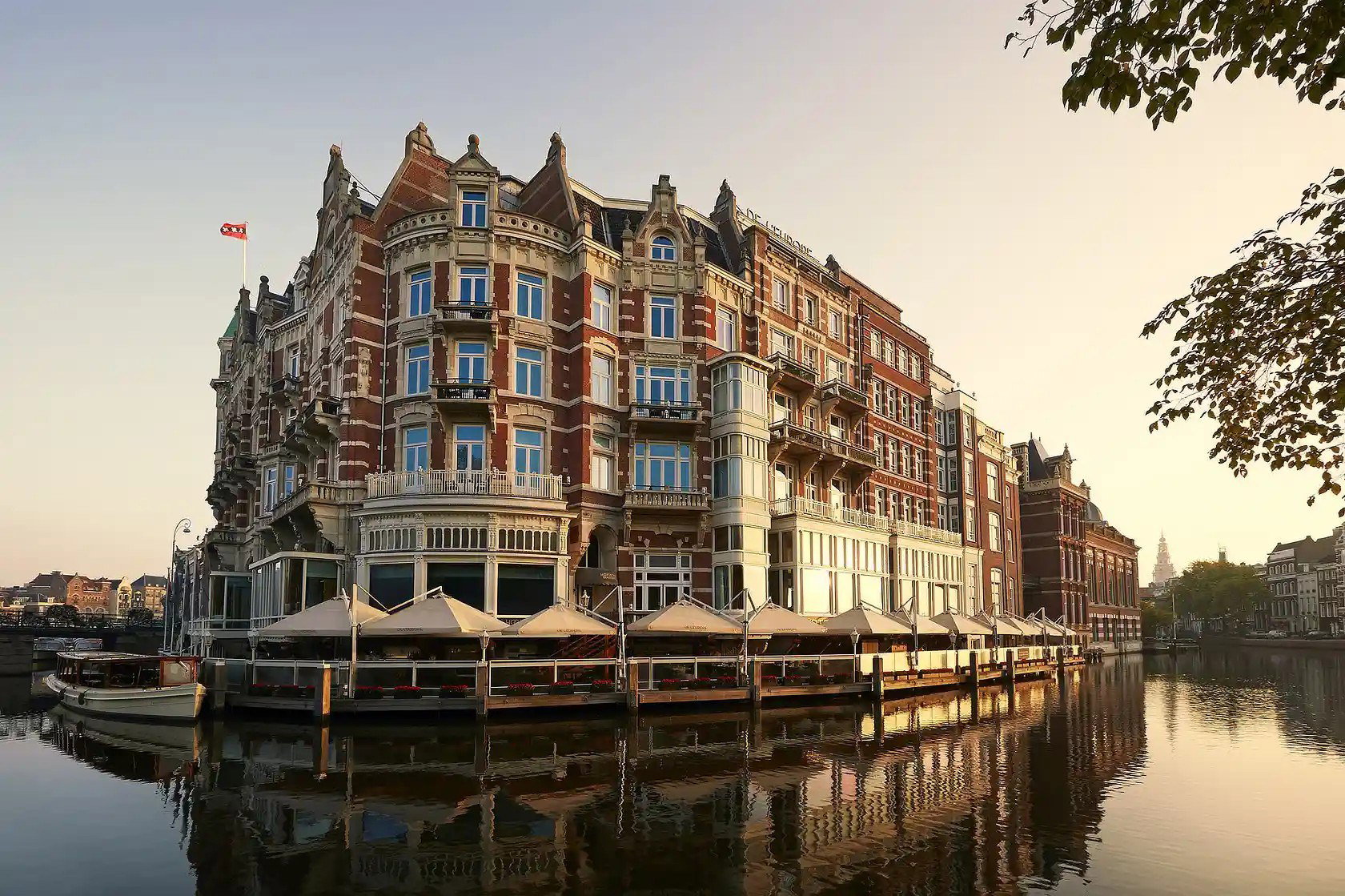
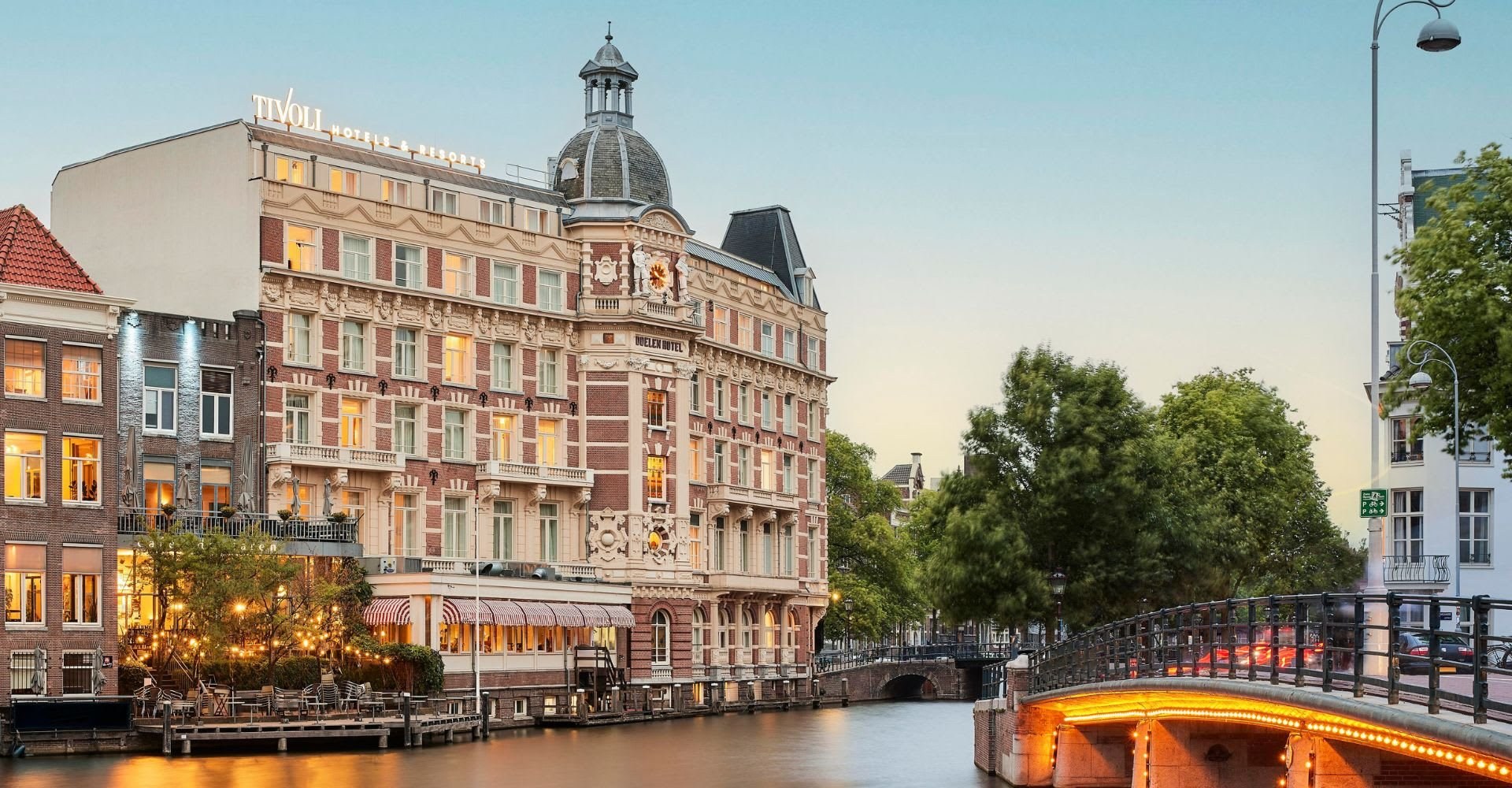
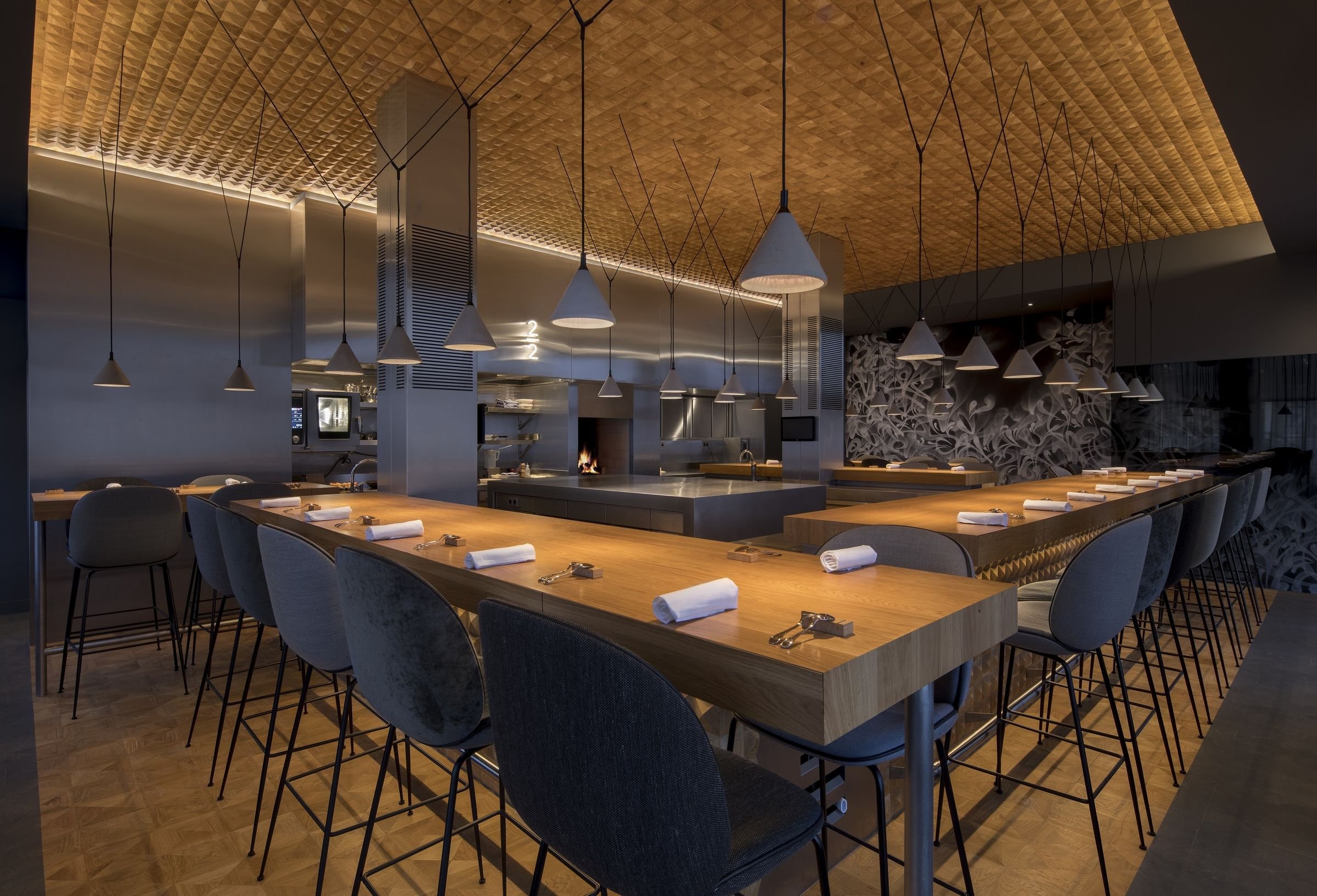
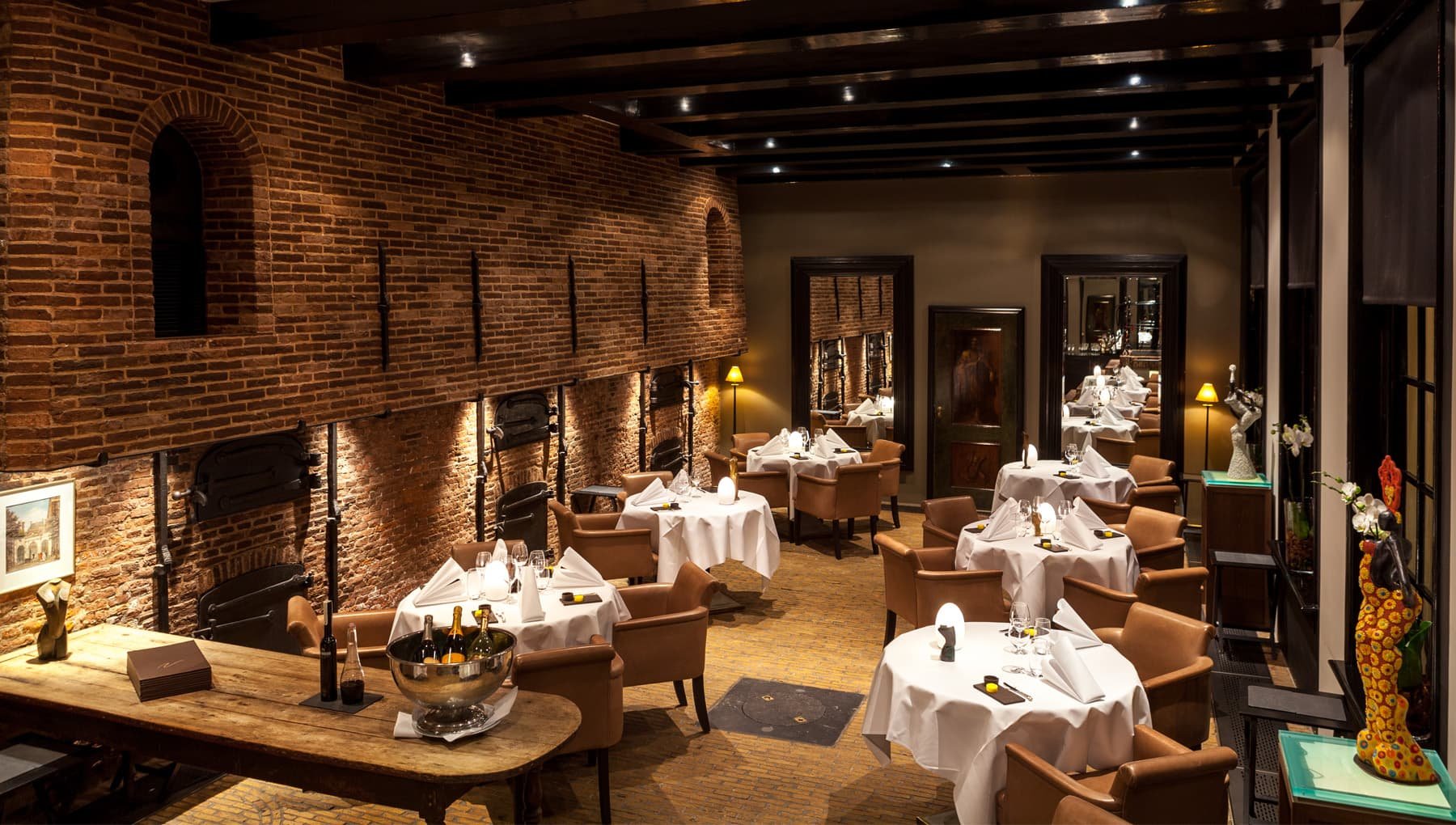
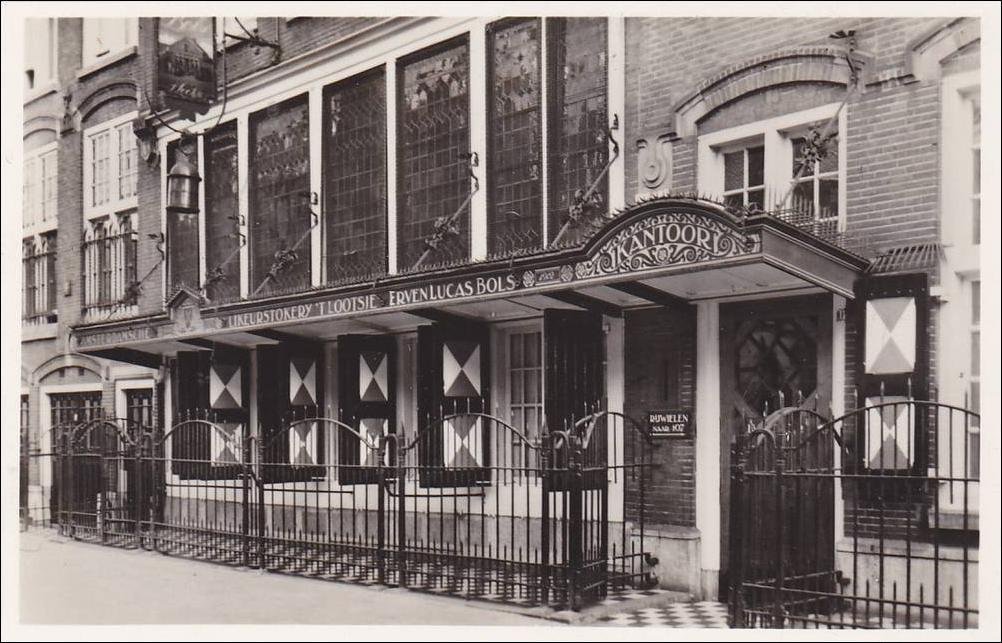
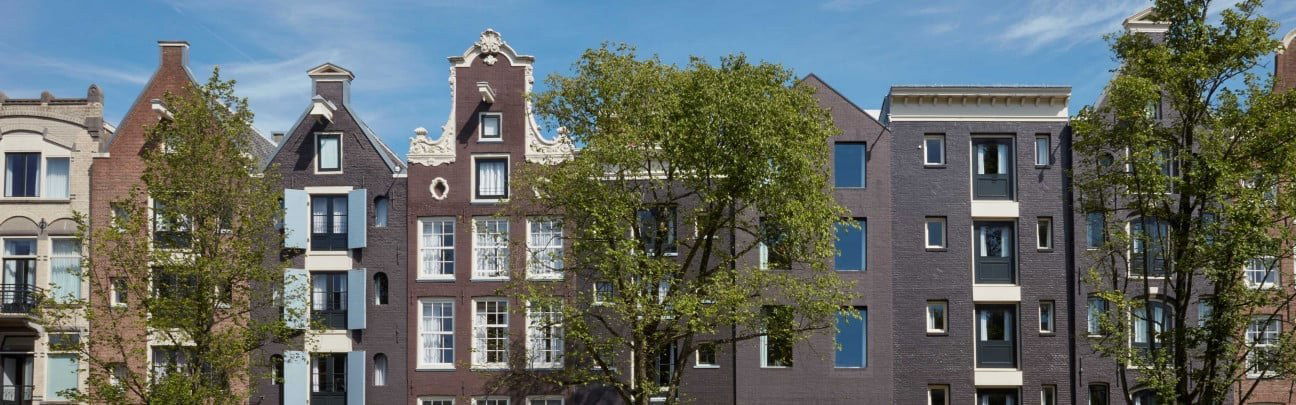
Pulitzer Amsterdam pairs Golden Age bones with a considered modern hand. The hotel occupies twenty-five interlinked 17th- and 18th-century canal houses, so the feel is unmistakably historic: low beams, slanted walls and uneven ceiling heights give rooms a compact, intimate scale. The 2016 restoration by the Lore Group design team layers contemporary Dutch craft over original timber and masonry, so period details sit alongside restrained modern fittings. Approaches from the Prinsengracht read like a row of merchant houses rather than a grand hotel entrance, and small courtyard reveals and shifting corridor junctions make exploration feel quietly rewarding rather than uniform.
Best For
Pulitzer Amsterdam is for travellers who prize character over uniformity. Design-minded guests and history lovers appreciate the eccentric layout — 223 rooms spread through a labyrinth of canal houses — and the way restoration preserves original quirks rather than erasing them. Couples and those seeking a quietly scenic stay along Amsterdam’s famous canals find the setting especially appealing, and guests who enjoy discovery are rewarded by unexpected courtyard views and varied interior moments. Less suited to travellers demanding flat, single-level hotel floors, the property favors those who welcome idiosyncrasy.
Stay Tips
Expect a non-linear hotel experience: moving between wings involves small flights of stairs and corridor junctions that change tone between buildings. The façade on the Prinsengracht reads like narrow merchant houses, so arrival can feel understated rather than overt. The property completed a comprehensive restoration in 2016, which blends contemporary interventions with the building’s original timber and masonry; guests should anticipate uneven ceilings and slanted walls as part of the character rather than defects. For visitors, patience with the layout pays off in charming courtyard surprises and distinctive room configurations.
Venue details
Ambiance
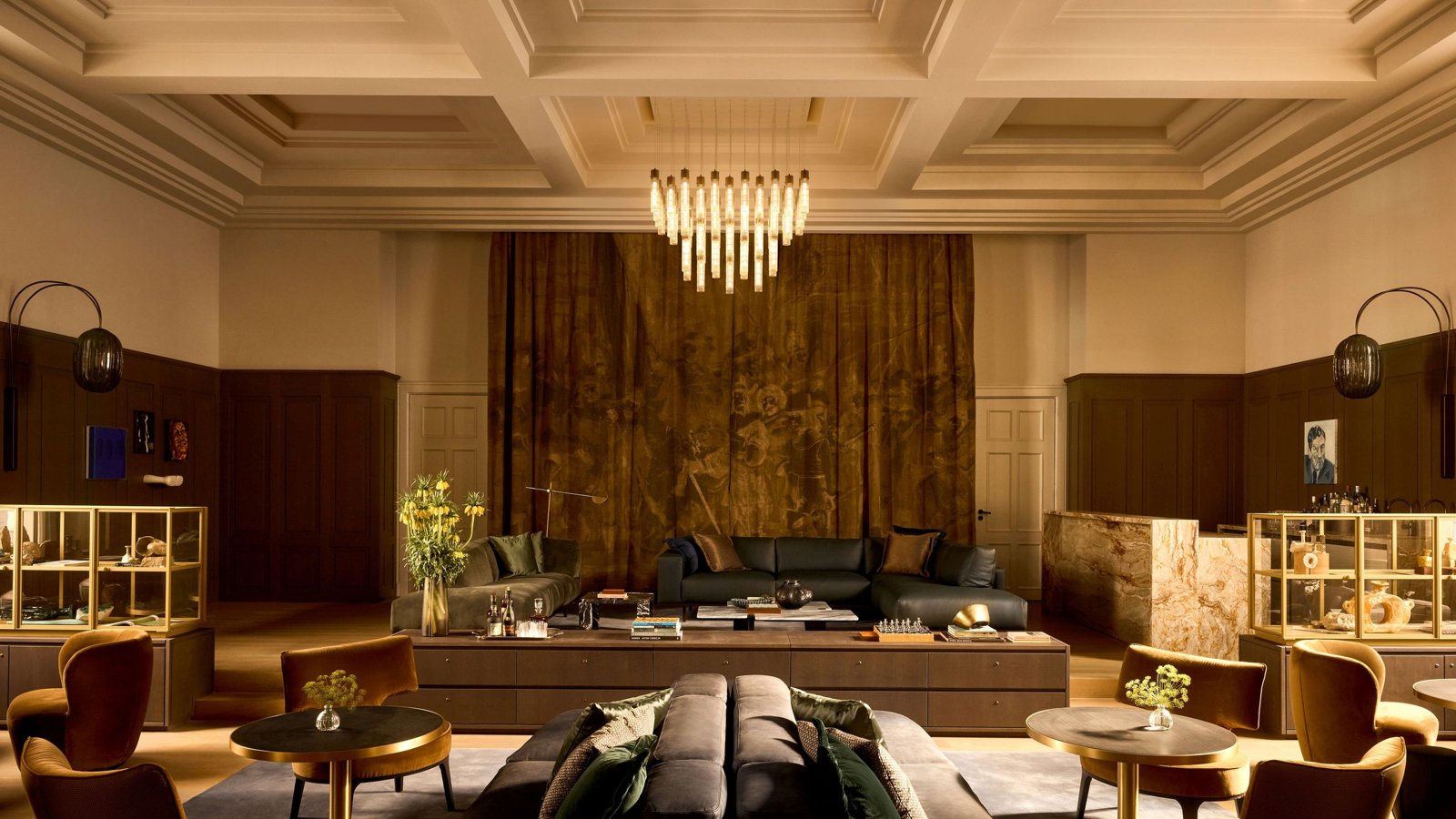
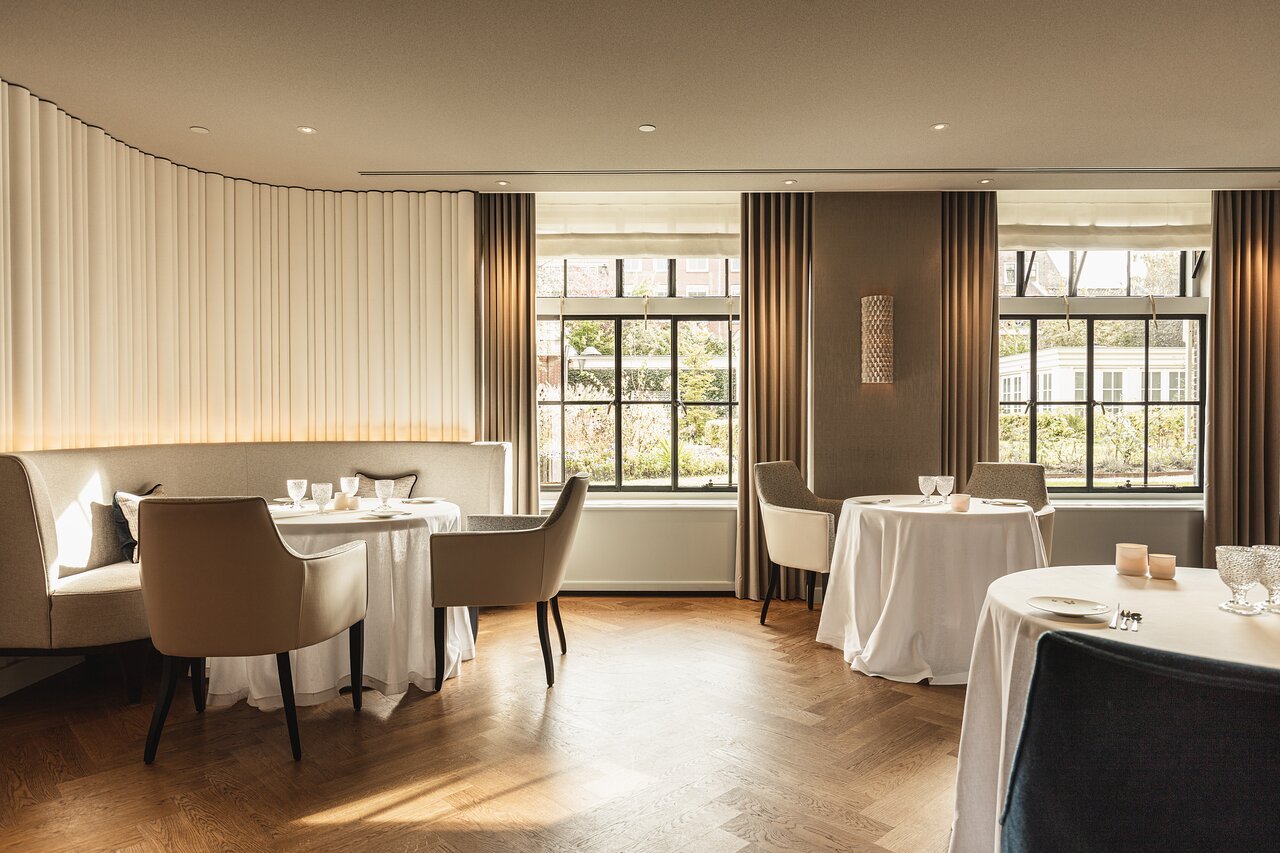
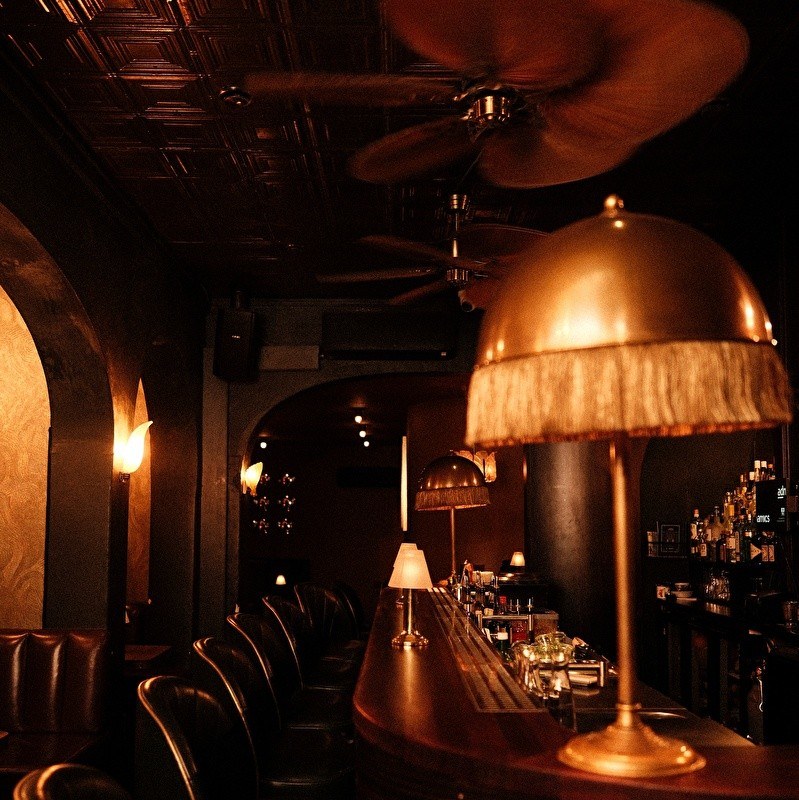
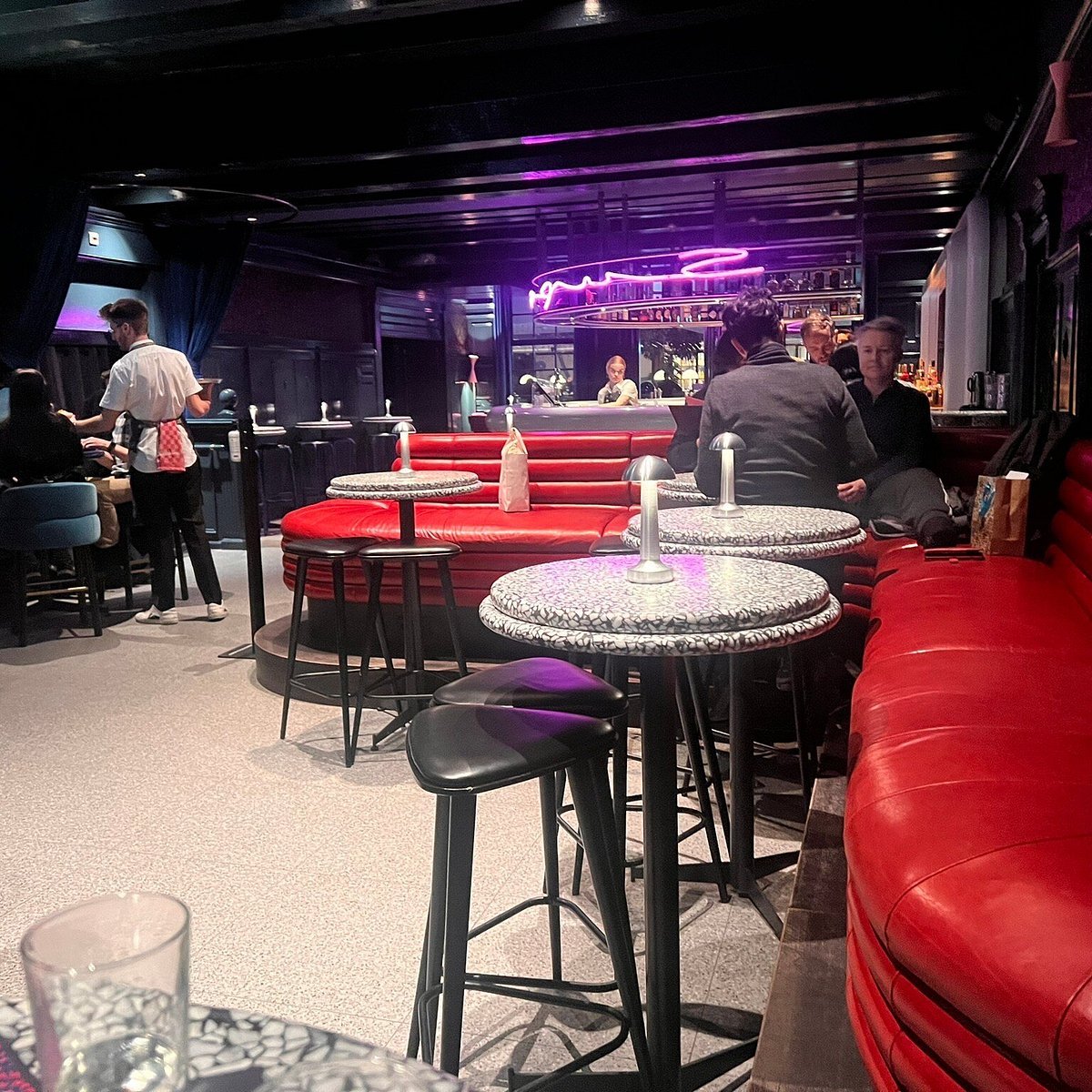
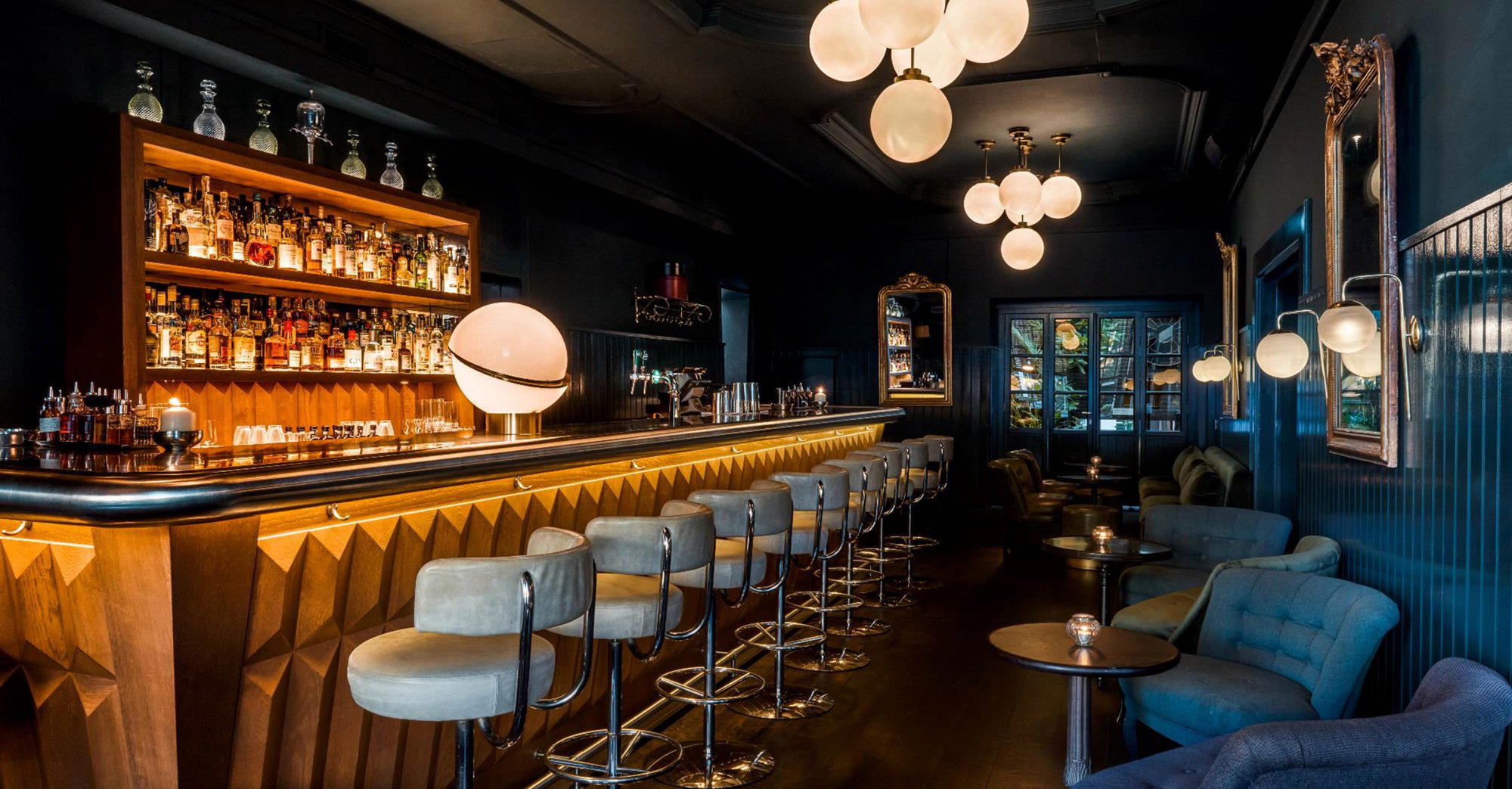
Tranquil and elegant with soft lighting in historic interiors, lush garden courtyards, and sophisticated atmosphere praised in guest reviews.
Tags
Vibe
Best For
Experience
Amenities
View
Accessibility
About the Stay
- Rooms
- 223
- Check-in
- 15:00
- Check-out
- 12:00
- Property Style
- Restored 17th 18th Century Canal Houses with Modern Comforts
- Design Style
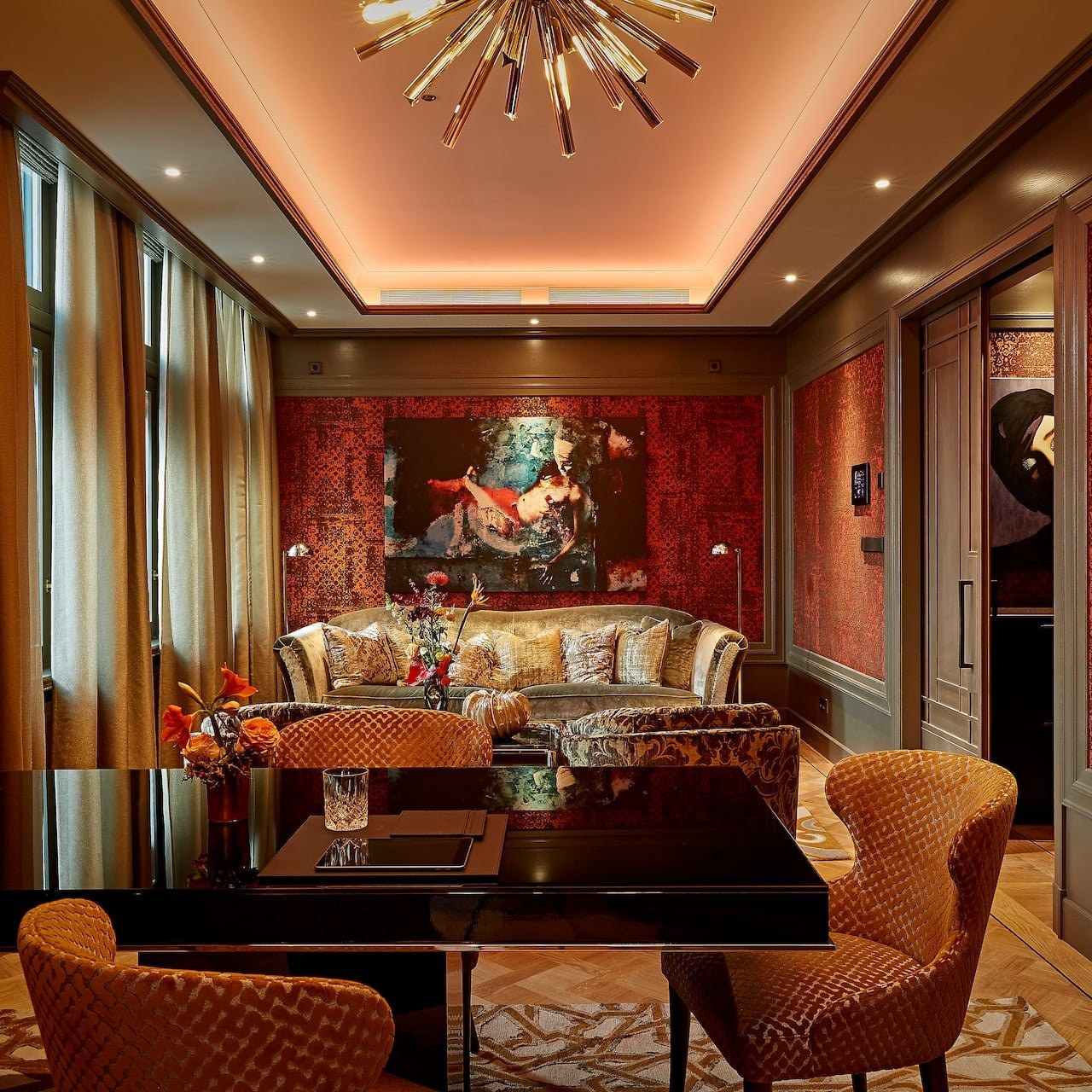
- Eclectic Mix of Antiques, Vintage Art, and Contemporary Dutch Craftsmanship
Know before you go
Know Before You Go
- Getting there
- Prinsengracht 323, 1016 GZ Amsterdam
Planning details
Location
Recognition and awards


Also consider
Also Consider
- Décor Canal House, Notable alternative
- Hotel Mercier, Notable alternative
- The Hoxton, Amsterdam, Notable alternative
- Soho House Amsterdam, Notable alternative
- The Dylan Amsterdam, Notable alternative
Hotel context
How Pulitzer Amsterdam compares in the canal-house set
Against Décor Canal House and Hotel Mercier, Pulitzer Amsterdam is the safer luxury choice if external recognition matters. The tradeoff is value: smaller or less formal canal-house hotels can make more sense when the room is mainly a base for walking, dining, and museum time.
The Hoxton, Amsterdam is the better cross-shop for a livelier, more casual stay, while Soho House Amsterdam fits travelers who want a clubby, social atmosphere. Pulitzer Amsterdam is better for guests who want the canal setting to feel like the point of the hotel, not just the neighborhood around it.
The Dylan Amsterdam is the closest serious alternative for a polished Amsterdam stay. Choose The Dylan Amsterdam if a quieter, more intimate luxury feel is the priority; choose Pulitzer Amsterdam if the preference is a larger canal-house experience with broader recognition and a stronger case for upgrading the room.
Around this place
Discover more on Pearl
Unlock the full Pulitzer Amsterdam guide in Pearl, including awards, comparisons, FAQs, planning details, and nearby places.
Compare Pulitzer Amsterdam
| Venue | Location | Awards |
|---|---|---|
| Pulitzer Amsterdam | Amsterdam | 2026 Virtuoso Luxury Hotel Collection2026 Forbes Recommended2026 Mr & Mrs Smith Luxury HotelsMichelin 1 Key 20252025 Michelin 1 Key2025 Forbes Recommended |
| Décor Canal House | Amsterdam | No published awards |
| Hotel Mercier | Amsterdam | No published awards |
| The Hoxton, Amsterdam | Amsterdam | No published awards |
| Soho House Amsterdam | Amsterdam | 2026 Mr & Mrs Smith Luxury Hotels2025 Michelin 1 Key |
| The Dylan Amsterdam | Amsterdam | 2026 Virtuoso Luxury Hotel Collection2026 Forbes RecommendedLeading Hotels of the World 20262025 Michelin 1 Key2025 Forbes Recommended |

How Pulitzer Amsterdam compares with similar nearby venues.
FAQ
Frequently Asked Questions
How is the dining at Pulitzer Amsterdam?
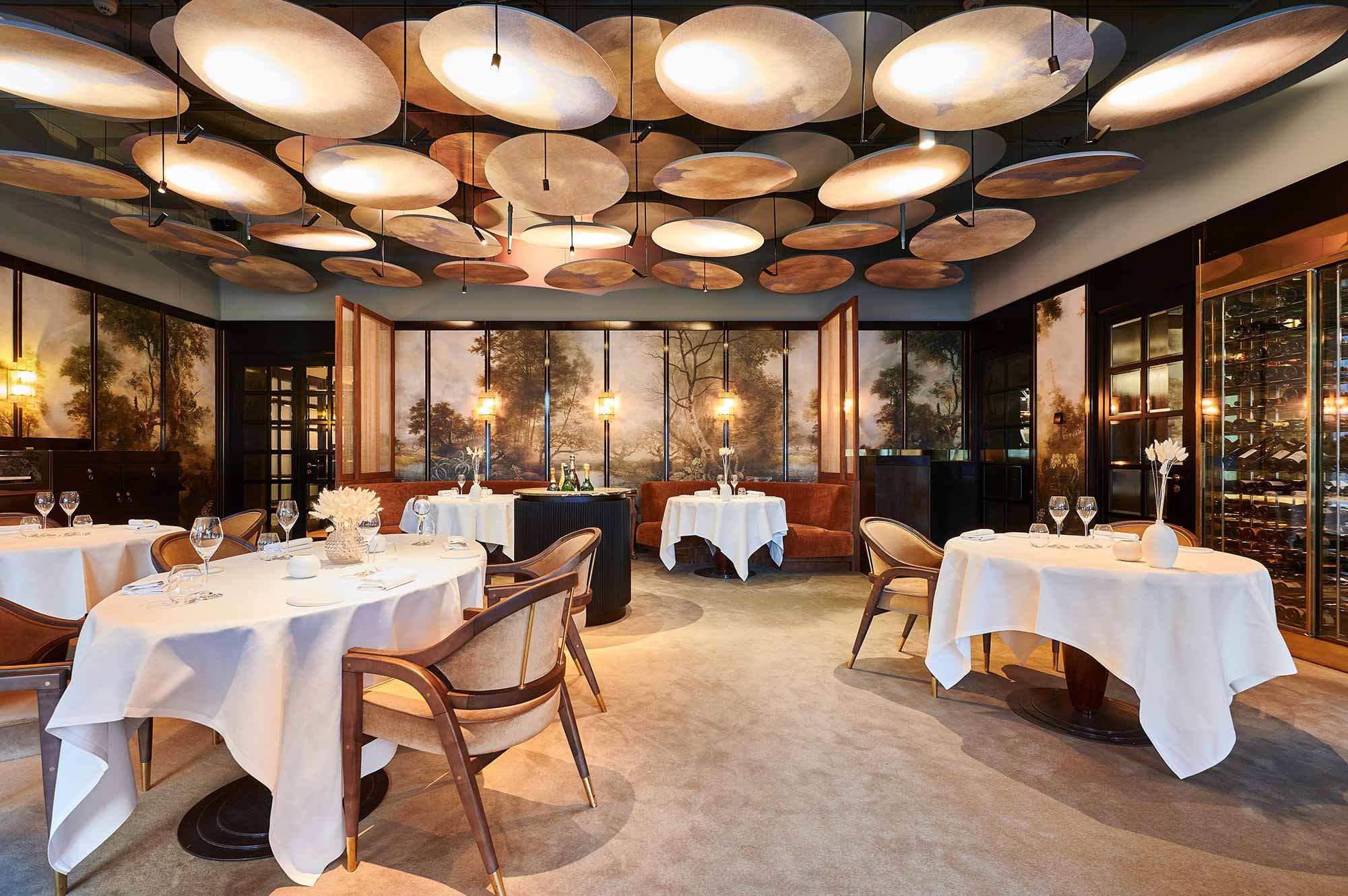
For dining at Pulitzer Amsterdam, note the hotel's smart casual dress code and its Michelin 1 Key recognition for 2025. If dining is your main priority, compare hotel options in Amsterdam carefully and confirm current restaurant details directly before booking.
Is Pulitzer Amsterdam part of a hotel partner program?
Pulitzer Amsterdam is listed as a Virtuoso Luxury Hotel Partner for 2026. That makes it relevant for travelers booking through adviser-led channels, though any specific benefits should be confirmed at the time of booking. For a different Amsterdam hotel comparison, The Hoxton, Amsterdam is another option to consider.
What is check-in like at Pulitzer Amsterdam?
For the check-in process at Pulitzer Amsterdam, consider the hotel's Amsterdam location, smart casual dress code, and recognition including Michelin 1 Key status. If arrival style matters, confirm the current process directly with the hotel before booking. Soho House Amsterdam is another Amsterdam option for travelers comparing different hotel moods.
Which room category is best at Pulitzer Amsterdam?
For specific room categories, layouts, views, or sizes at Pulitzer Amsterdam, choose based on the room information available at booking and confirm any space requirements directly with the hotel. For another Amsterdam comparison, Décor Canal House may be worth reviewing alongside Pulitzer Amsterdam.
Is Pulitzer Amsterdam good for business travel?
Pulitzer Amsterdam may suit business travelers who want an Amsterdam hotel with recognition. For details on meeting rooms, workspaces, corporate services, or transport, confirm directly with the hotel. The Michelin 1 Key award supports its credibility as a hotel, not any specific business facility. The Hoxton, Amsterdam and The Dylan Amsterdam are also useful Amsterdam comparisons.
Is Pulitzer Amsterdam family-friendly?
Families considering Pulitzer Amsterdam should confirm practical requirements such as family amenities, connecting rooms, childcare, or room configurations directly before booking. Hotel Mercier is another Amsterdam hotel to review alongside Pulitzer Amsterdam.
When is the best time to book Pulitzer Amsterdam?
For booking-window guidance, seasonal availability, or room-inventory details for Pulitzer Amsterdam, the safest approach is to book when your Amsterdam dates are firm and confirm any must-have room or service details directly. Soho House Amsterdam and The Hoxton, Amsterdam are other Amsterdam options to compare if your dates are flexible.