
Hotel Cortijo del Marqués
Albolote
Hotel in Albolote, Spain
 Book with Pearl
The Read
Andalusian Manor Preservation
Price
$200–300per night
Why go
A strong countryside choice near Granada if the trip benefits from space, quiet, and a driving base rather than city-center convenience. Michelin 1 Key recognition and a Mr & Mrs Smith Seal of Approval give it credible quality signals, but travelers focused on walking access to Granada should cross-shop city hotels first.
About Hotel Cortijo del Marqués
Hotel Cortijo del Marqués is a hotel in Albolote with a smart casual dress code and two recognition signals: Michelin 1 Key in 2024 and the Mr & Mrs Smith Seal of Approval in 2026. To evaluate it further, decide whether Albolote is the right base for your trip, then compare it with other named hotel options you are considering.
The strongest signals are recognition, rather than a detailed list of amenities. Michelin's 1 Key recognition in 2024 and the Mr & Mrs Smith Seal of Approval in 2026 place Hotel Cortijo del Marqués in a curated hotel set. Specific claims about facilities, dining, room counts, prices, service formats, or transport details should be checked directly with the hotel before booking.
Choose it for Albolote, not assumptions about a full-service resort
The location to rely on is Albolote. If your planning depends on a particular address, route, amenity, meal service, or room type, confirm those details directly before making the booking. The hotel is a premium consideration, but travelers seeking a detailed checklist of facilities should confirm directly.
Use the recognition as a quality signal, then compare the stay against other options by location and trip style. Hotel Casa Morisca, Palacio Gran Vía, a Royal Hideaway Hotel, Seda Club Hotel, The Alhambra Palace Hotel, and Hospes Palacio de los Patos are relevant comparison hotels for travelers weighing Hotel Cortijo del Marqués against other choices.
Who should choose it, and who should cross-shop
Choose Hotel Cortijo del Marqués if you want a recognized hotel in Albolote and the information available is enough for your decision. Cross-shop the other named hotels if your priority is a different location, a different hotel style, or more detailed amenities.
Palacio Gran Vía, a Royal Hideaway Hotel, Seda Club Hotel, The Alhambra Palace Hotel, Hospes Palacio de los Patos, and Hotel Casa Morisca are the natural comparison set to review alongside Hotel Cortijo del Marqués. For dining or other trip planning in Albolote, rely on current local listings rather than assuming specific services at the hotel.
Bottom line: Hotel Cortijo del Marqués is best evaluated as a recognized Albolote hotel with a smart casual dress code. Confirm any practical details that matter to your stay directly with the property.
Planning details
- Location
- Camino del Marqués s/n A44, exit 108, 18220 Albolote, Granada
- Website
- cortijodelmarques.com
- Phone
- +34 673 86 27 15
The take
The Take
The Vibe
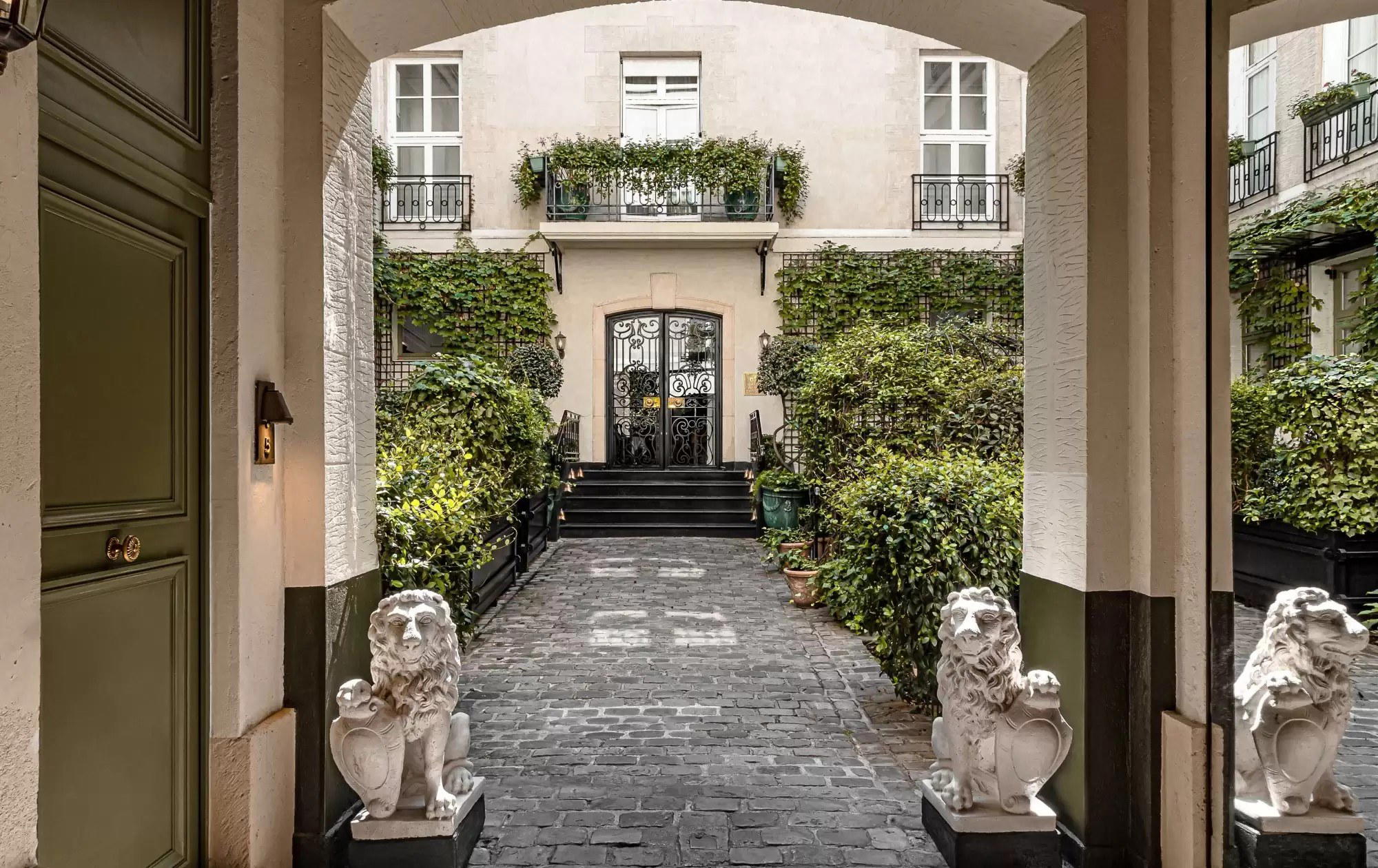
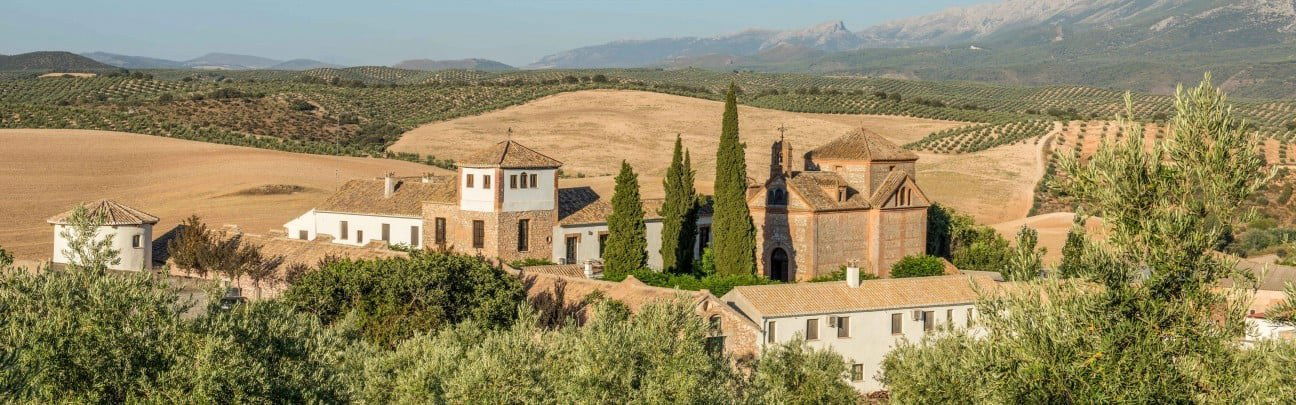
Hotel Cortijo del Marqués presents a quietly assured rural character: stone walls and walled gardens anchor a property that reads as authentically old rather than a pastiche of history. The conversion privileges preservation over reinvention, so contemporary interventions are applied sparingly — most notably in the bathrooms — and always in service of the building's fabric. The result is a serene, charming cortijo that leans into Andalusian agricultural history rather than resort-style spectacle. Guests encounter a restrained, tactile aesthetic that favors silence, texture and the sense of staying within a place that has patiently accumulated its own story.
Best For
This cortijo is best suited to travelers seeking a quiet rural retreat and those who want a long-weekend escape from Granada; the property is roughly thirty minutes from the city by A44 (exit 108). It appeals to people who appreciate historic architecture and careful conservation — visitors who prefer experiencing authentic, preserved buildings over modern, high-footprint resorts. The hotel is particularly fitting for couples and small groups looking for an unhurried, restorative stay in the Andalusian countryside rather than an activity-packed, amenity-driven holiday.
Stay Tips
Plan travel by car: the hotel is reached via the A44 motorway, exit 108, and sits about thirty minutes outside Granada, so a vehicle is the practical way to access the property. Allow time for a long-weekend stay to absorb the cortijo's atmosphere — the editorial frame of the place emphasizes preservation and quiet rather than a heavy slate of modern amenities. Note that contemporary interventions are concentrated (the text highlights modern bathrooms), so expect historically driven public spaces and rooms that foreground original stonework and restraint.
Venue details
Ambiance
Peaceful and deeply relaxing atmosphere with natural lighting, cozy characterful rooms featuring timbered ceilings and antique floors, and a sophisticated yet homely vibe.
Tags
Vibe
Best For
Experience
Amenities
View
Accessibility
About the Stay
- Rooms
- 15
- Property Type
- Boutique hotel
- Property Style
- Restored Historic Andalusian Cortijo with Thick Stone Walls, Patios, Fountains, and Outbuildings Turned Into Characterful Suites.
- Design Style
- Rustic Charm with Individually Styled Rooms Featuring Timbered Ceilings, Antique Floors, and Refined Details Blending Historic and Modern Comforts.
- Breakfast
- Included
- Airport Transfer
- Available
- Pool
- Yes
- Spa
- Yes
- Pets
- Allowed
Know before you go
Know Before You Go
- Getting there
- Camino del Marqués s/n A44, exit 108, 18220 Albolote, Granada
Planning details
Location
Camino del Marqués s/n A44, exit 108, 18220 Albolote, Granada · Directions
Recognition and awards
Also consider
Where to look if this is full
If the rural location is the draw but availability is tight, first cross-shop Hospes Palacio de los Patos for a more formal Granada stay, then The Alhambra Palace Hotel if proximity to Granada's landmark circuit matters more than countryside quiet.
If the goal is a cleaner city-hotel base, compare Palacio Gran Vía, a Royal Hideaway Hotel and Seda Club Hotel. They are the more practical substitutes for travelers who want fewer transport decisions.
Hotel context
How it compares with Granada-area hotel peers
Hotel Cortijo del Marqués is the pick when the stay is about a rural base near Granada rather than city-center movement. Hotel Casa Morisca, Palacio Gran Vía, a Royal Hideaway Hotel, Seda Club Hotel, The Alhambra Palace Hotel, and Hospes Palacio de los Patos are stronger cross-shops for travelers who want Granada logistics first.
On value, the decision comes down to what the rate is buying. Here, the premium is setting and recognized hotel quality, backed by Michelin 1 Key recognition and a Mr & Mrs Smith Seal of Approval. The city peers are easier to justify when the trip involves short stays, late returns, or a schedule built around Granada's core sights.
Booking is marked hard, so do not treat this as a last-minute countryside swap. If it is unavailable, choose Palacio Gran Vía or Seda Club Hotel for a more city-focused stay, or The Alhambra Palace Hotel if the Granada landmark circuit is the priority.
Explore Albolote
Around this place
Discover more on Pearl
Unlock the full Hotel Cortijo del Marqués guide in Pearl, including awards, comparisons, FAQs, planning details, and nearby places.
Compare Hotel Cortijo del Marqués
| Venue | Location | Awards |
|---|---|---|
| Hotel Cortijo del Marqués | Albolote | 2026 Mr & Mrs Smith Luxury Hotels2026 Michelin 1 KeyMichelin 1 Key 20252025 Michelin 1 Key2024 Michelin 1 Key |
| Hotel Casa Morisca | Granada | No published awards |
| Palacio Gran Vía, a Royal Hideaway Hotel | Granada | No published awards |
| Seda Club Hotel | Granada | 2026 Mr & Mrs Smith Luxury Hotels2026 Michelin 1 Key2025 Michelin 1 KeySmall Luxury Hotels Member 20252024 Michelin 1 Key |
| The Alhambra Palace Hotel | Granada | No published awards |
| Hospes Palacio de los Patos | Granada | No published awards |


How Hotel Cortijo del Marqués Albolote compares with similar nearby venues.
FAQ
Frequently Asked Questions
How does Hotel Cortijo del Marqués compare to other hotels?
Hotel Cortijo del Marqués is an Albolote hotel with Michelin 1 Key recognition from 2024 and the Mr & Mrs Smith Seal of Approval from 2026. Compare it with Hotel Casa Morisca, Palacio Gran Vía, a Royal Hideaway Hotel, Seda Club Hotel, The Alhambra Palace Hotel, and Hospes Palacio de los Patos based on the location and hotel style that best fit your trip.
Which room category is best at Hotel Cortijo del Marqués?
A best room category is not identified. Choose based on your group size, budget, and availability, and confirm room-specific details directly with Hotel Cortijo del Marqués before booking.
Is Hotel Cortijo del Marqués family-friendly?
Family-specific services are not detailed. If you are traveling with children, confirm room setup, policies, and any family needs directly with Hotel Cortijo del Marqués.
How is the pool and spa at Hotel Cortijo del Marqués?
Pool and spa details are not provided. If those facilities are important to your stay, confirm current availability and terms directly with Hotel Cortijo del Marqués.
Is Hotel Cortijo del Marqués good for business travel?
Specific business-travel suitability is not detailed. If you need meeting space, transport details, workspace, or specific services, confirm them directly with Hotel Cortijo del Marqués before booking.
How is the dining at Hotel Cortijo del Marqués?
Specific dining details are not provided. The dress code is smart casual, but menus, meal periods, and restaurant services should be checked directly with Hotel Cortijo del Marqués.