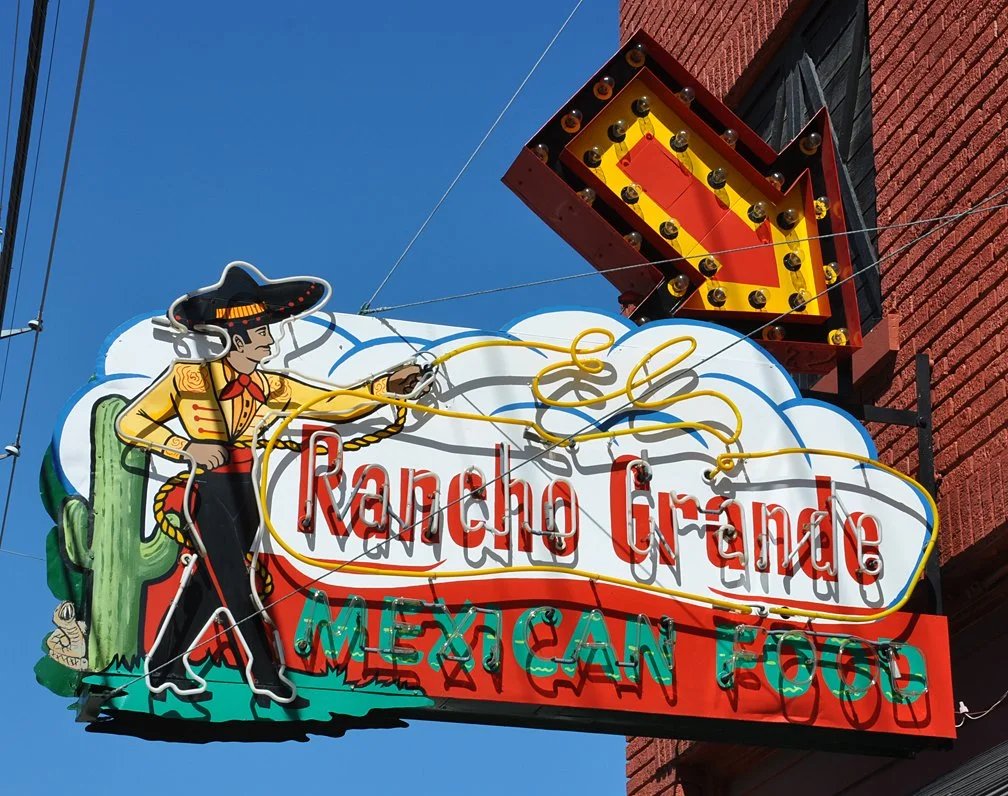
El Rancho Grande Mexican Food
Route 66, Tulsa
Bar in Tulsa, United States
 Book with Pearl
The Read
Price
$20–30per person
Why go
El Rancho Grande Mexican Food is a sensible Tulsa pick for a casual Mexican meal on 11th Street, especially earlier in the evening Monday through Saturday. It is better for regulars, low-pressure dinners, and easy group meals than for a polished date night or chef-led destination meal.
About El Rancho Grande Mexican Food
El Rancho Grande Mexican Food is a casual Tulsa dining option with regular Monday-to-Saturday hours, Sunday closure, and a casual dress code. Planning is best kept practical and focused on timing and fit for an informal meal.
The best-fit use case is direct: consider it when the group wants an informal Tulsa meal and the published hours work for the plan. The decision is mainly about whether a casual setting and the listed schedule fit the visit.
Better for casual planning than occasion dining
The casual dress code makes El Rancho Grande Mexican Food easier to frame as a low-pressure Tulsa stop than as a special-occasion restaurant. If the night calls for a different style of meal, compare it with Juniper Restaurant or SMOKE. Woodfire Grill as other Tulsa options to consider.
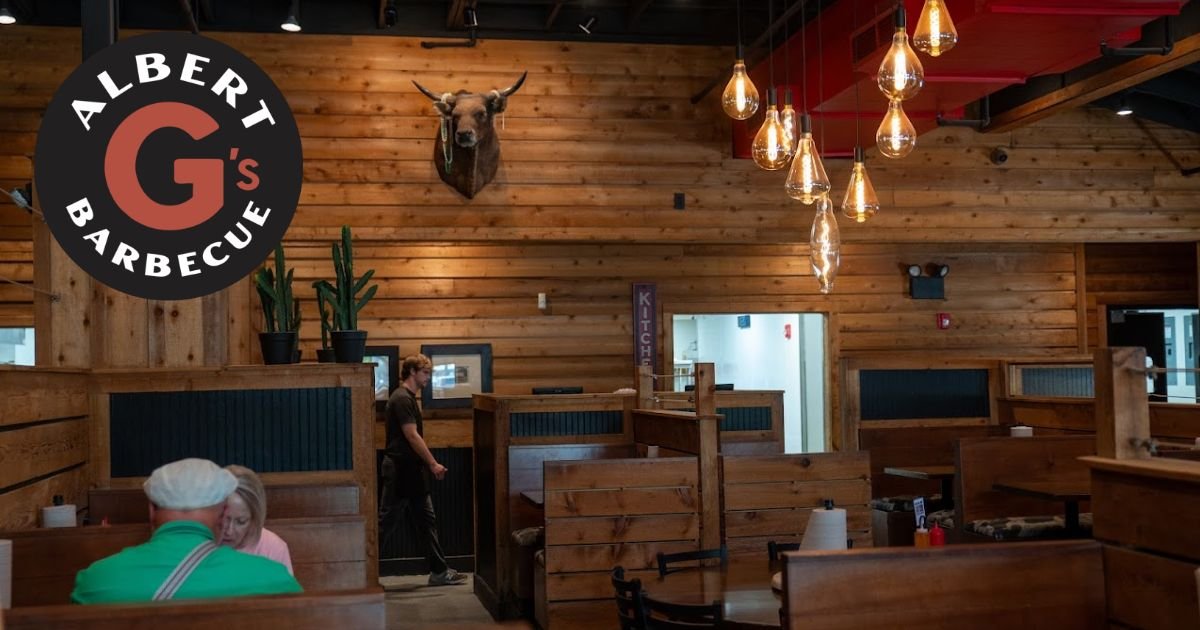
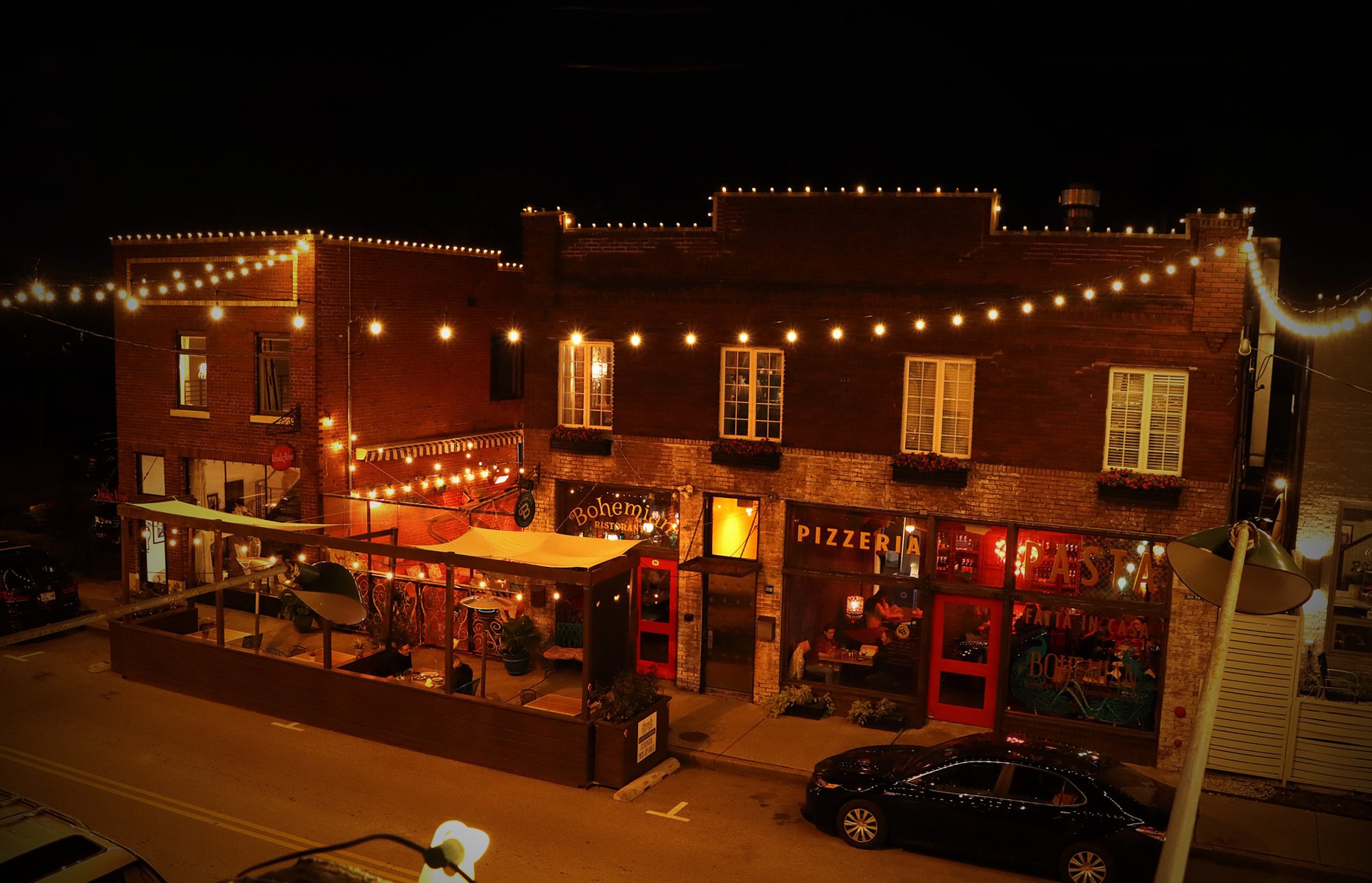
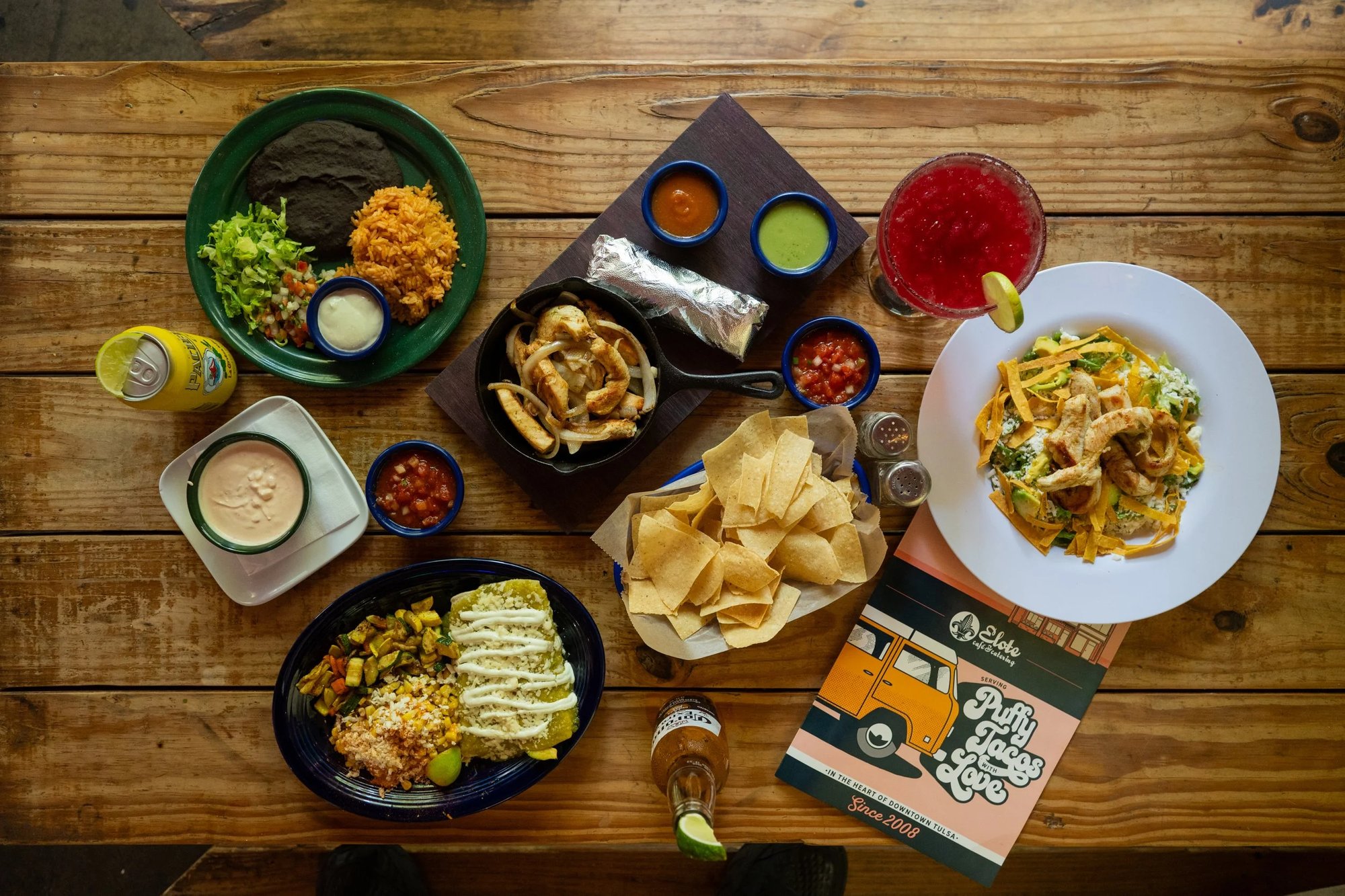
For other Tulsa dining decisions, Elote Cafe & Catering, East Village Bohemian Pizzeria, and Albert G's Bar-B-Q may also be useful comparisons depending on what the group wants. Choose among them based on the kind of outing you are planning.
Timing matters more than planning
The schedule is consistent: El Rancho Grande Mexican Food is open 11 AM to 9 PM Monday through Saturday and closed Sunday. That makes it easier to plan around weekday and Saturday visits, while Sunday plans should look elsewhere.
Groups should treat it as a casual Tulsa meal option rather than a private-event substitute. Date-night fit depends on expectations: it is better framed as low-key than dressy. For broader planning, use our full Tulsa restaurants guide, or compare the night against our full Tulsa bars guide, our full Tulsa hotels guide, our full Tulsa wineries guide, and our full Tulsa experiences guide.
Planning details
- Location
- 1629 E 11th St, Tulsa, OK 74120
- Website
- elranchograndemexicanfood.com
- Phone
- +1 918 584 0816
The take
The Take
The Vibe
El Rancho Grande reads like a neighborhood institution rooted in the old Route 66 corridor. The piece describes storefronts and signage as "deliberate holdovers from an earlier era," and the restaurant is framed as part of a collection of independent, long-running fixtures. Inside, the priority is the food over design flourishes: this is not a modern, Instagram-first concept but the original taqueria model where consistency, familiarity and habit matter. The overall feel is unpretentious, grounded in local history, and oriented toward regulars who come for reliable plates rather than decorative interiors.
Best For
This is a venue for people who prize familiarity, value and dependable cooking. The description emphasizes community use and habitual visits by neighborhood regulars, so it suits solo diners looking for an everyday spot as well as groups seeking an unpretentious meal. It performs best for routine lunch or dinner visits rather than special-occasion dining: think quick, reliable plates in a place anchored to its block and the local population. Visitors who appreciate long-standing, low-frills places will find this a comfortable, straightforward option.
Ordering Tips
Approach this as you would a neighborhood taqueria: expect straightforward, value-focused Mexican cooking and order what feels familiar. The write-up stresses that the kitchen, not the room, is the main draw, so prioritize classic plates over novelty. Visit with modest expectations about decor—its strengths are consistency and community standing, not design drama. If you want the most authentic experience, settle in like a local and seek out the menu items that regulars choose most often rather than looking for contemporary spins or chef-driven tasting elements.
Venue details
Ambiance
Classic Tex-Mex with friendly service, TVs in cantina bar area, and comfortable seating.
Tags
Vibe
Best For
Experience
Format
Accessibility
At the Bar
- Bar Category
- Lounge
- Late Night
- Closes by Midnight
- Spirits Focus
- Tequila
Signature Pours
- Margarita
- Night Hawk
Know before you go
Know Before You Go
- Getting there
- 1629 E 11th St, Tulsa, OK 74120
Planning details
Location
Also consider
Also Consider
- SMOKE. Woodfire Grill, Notable alternative
- East Village Bohemian Pizzeria, Notable alternative
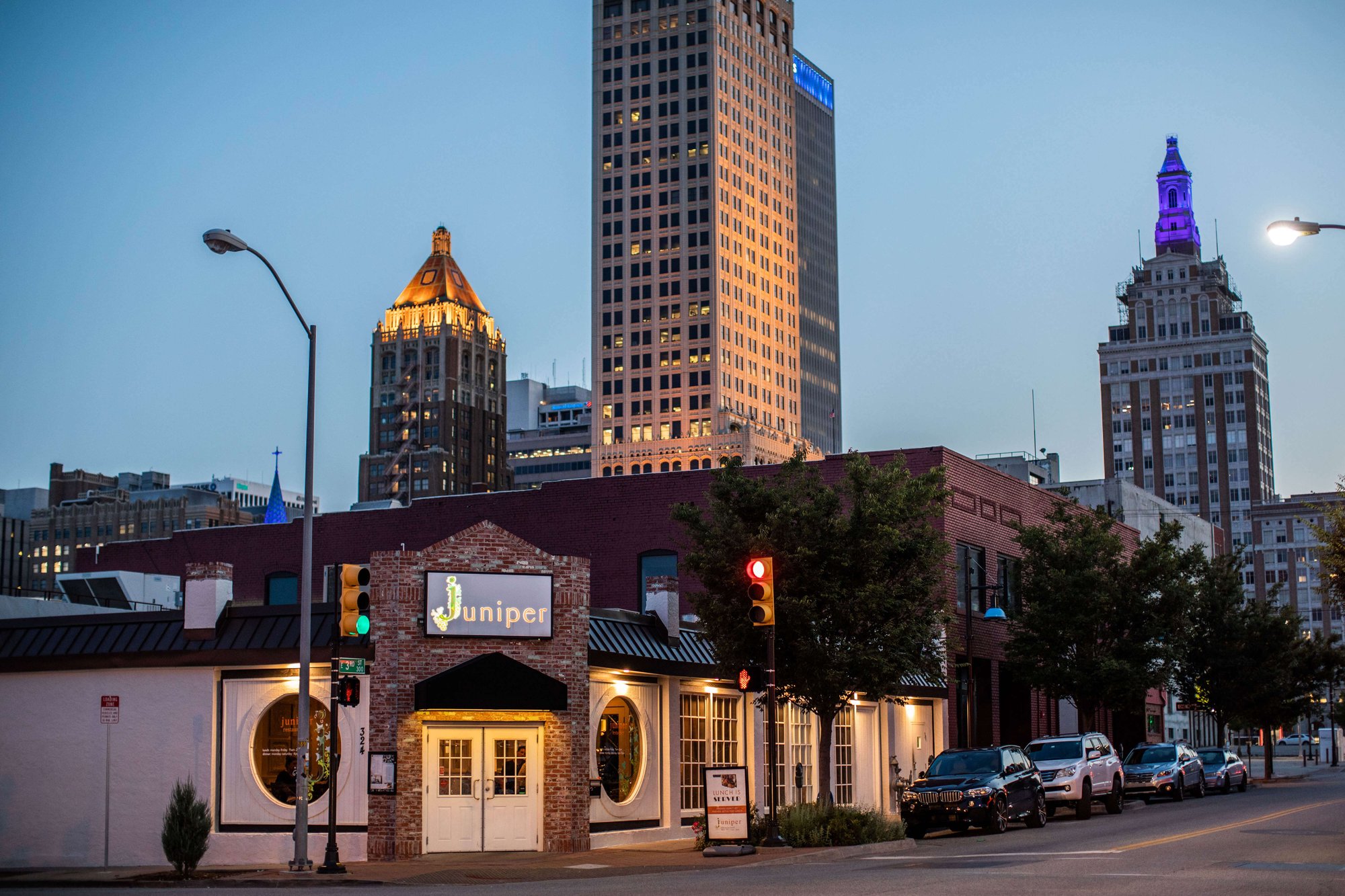
- Juniper Restaurant, Notable alternative
- Elote Cafe & Catering, Notable alternative
- Albert G's Bar-B-Q, Notable alternative
Bar context
How it compares in Tulsa
Choose El Rancho Grande Mexican Food when the brief is casual Mexican food with easy planning. Against Elote Cafe & Catering, it feels like the lower-friction option for a repeat weeknight meal, while Elote is the more obvious cross-shop when the group wants a more defined Mexican-adjacent outing.
SMOKE. Woodfire Grill and Juniper Restaurant are better fits when the night calls for a more composed dinner. Pick SMOKE. for a grill-driven meal, Juniper for a more restaurant-forward plan, and El Rancho Grande when convenience and comfort matter more than polish.
If the group is split on cuisine, East Village Bohemian Pizzeria is the safer pizza pivot, while Albert G's Bar-B-Q is the barbecue alternative. For a wider Tulsa sweep, compare with Gigi's Chinese Cuisine, 'O Munaciello MiMo District Neapolitan Pizza in Miami, (405) Brewing Co. LLC in Norman, and ¡BE! Club in San Sebastián only if the search has moved beyond a local dinner decision.
Explore Tulsa
Around this place
Discover more on Pearl
Unlock the full El Rancho Grande Mexican Food guide in Pearl, including awards, comparisons, FAQs, planning details, and nearby places.
Compare El Rancho Grande Mexican Food
| Venue | Location | Awards |
|---|---|---|
| El Rancho Grande Mexican Food | Tulsa | No published awards |
| SMOKE. Woodfire Grill | Tulsa | No published awards |
| East Village Bohemian Pizzeria | Tulsa | No published awards |
| Juniper Restaurant | Tulsa | No published awards |
| Elote Cafe & Catering | Tulsa | No published awards |
| Albert G's Bar-B-Q | Tulsa | No published awards |
How El Rancho Grande Mexican Food Tulsa compares with similar nearby venues.
FAQ
Frequently Asked Questions
Does El Rancho Grande Mexican Food have outdoor seating?
If patio seating is important, check the venue's current information before planning around it.
Does El Rancho Grande Mexican Food have happy hour deals?
For happy hour deals, check the venue's current promotions before planning around them. The hours are 11 AM to 9 PM Monday through Saturday, with Sunday closed.
Is El Rancho Grande Mexican Food good for groups?
It may fit groups looking for a casual Tulsa meal. The dress code is casual, and the listed hours run 11 AM to 9 PM Monday through Saturday.
Is El Rancho Grande Mexican Food good for a date?
It is best framed as a casual Tulsa option rather than a dress-up date-night destination. For comparison, consider other Tulsa options such as SMOKE. Woodfire Grill or Juniper Restaurant.
What's the crowd like at El Rancho Grande Mexican Food?
The dress code is casual, so plan for an informal visit rather than a formal dining experience.
What's the best time to go to El Rancho Grande Mexican Food?
The hours are 11 AM to 9 PM Monday through Saturday, and the restaurant is closed Sunday. Plan around the timing that best fits your visit.