IZUMI Brewery (Ontario Spring Water Sake Company)
The Distillery District, Toronto
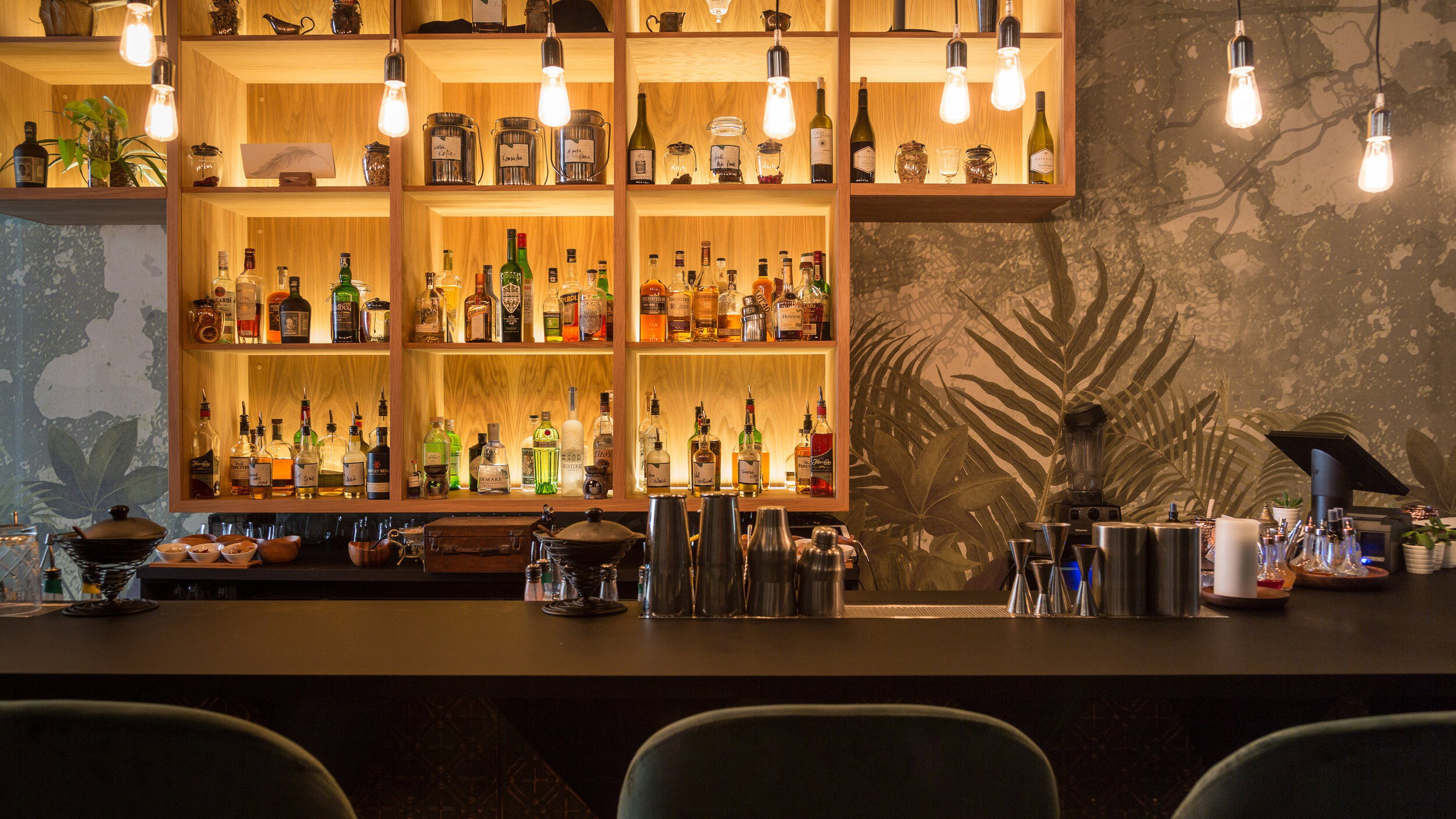
Bar in Toronto, Canada
 Book with Pearl
The Read
Price
$20–30per person
Why go
IZUMI Brewery (Ontario Spring Water Sake Company) is worth booking as a focused Toronto sake stop, especially if the plan is a daytime or early-evening visit in the Distillery District. It is not the move for late-night energy or a full dinner replacement, but it works well for drinkers who want a more specific alternative to a standard wine bar.
About IZUMI Brewery (Ontario Spring Water Sake Company)
IZUMI Brewery (Ontario Spring Water Sake Company) is a Toronto venue with casual dress and daytime-to-early-evening listed hours. The schedule is simple: it is closed Monday, open 12–6 PM Tuesday through Friday, open 12–7 PM Saturday, and open 12–6 PM Sunday.
Because only limited details are available, plan around the practical facts rather than assuming a specific menu, service style, seating setup, price point, or reservation policy. It is best considered when the listed hours and casual dress code fit your Toronto plans.
Choose it for a casual Toronto stop with clear daytime hours
The strongest confirmed planning detail is the schedule. IZUMI Brewery (Ontario Spring Water Sake Company) is not listed as open on Monday, and its other days end by early evening. That makes it easier to place earlier in the day than as a late-night option.
For broader planning, compare the timing against other Toronto options rather than assuming this venue covers a full evening. If you are building a larger itinerary, use Pearl's Toronto bars guide, or pair this stop with Pearl's Toronto restaurants guide if you are also choosing where to eat.
Who should put this on the shortlist
Put IZUMI Brewery (Ontario Spring Water Sake Company) on the shortlist if you want a casual Toronto venue and the published hours work for your day. Skip it if you need Monday availability or a late-night plan. For anything more specific, such as seating, menu details, pricing, reservations, or outdoor space, check the venue's current official channels before you go.
Planning details
- Location
- 51 Gristmill Lane, Toronto, ON M5A 3C4, Canada
- Website
- izumibrewery.com
- Phone
- +1 416 365 7253
The take
The Take
The Vibe
IZUMI Brewery reads as a quiet, historically rooted outlier in Toronto’s Distillery District. The copy positions the operation against a backdrop of nineteenth-century industrial architecture and craft‑spirits culture, so the tone is reflective and modest rather than flashy. Rather than leaning on the rye-and-barrel traditions around it, this nihonshu producer foregrounds technique and source — especially the role of Ontario spring water — which gives the space a thoughtful, terroir-focused personality. Visitors encounter a producer mentality more than a rowdy bar scene, and the venue feels like an understated, education‑minded stop among the district’s bustling attractions.
Best For
IZUMI is best for people who come to the Distillery District curious about fermentation, provenance and the quiet particulars that shape a drink. It suits visitors who prefer low-key exploration over loud nightlife — those seeking to learn about how water and rice influence nihonshu, and anyone interested in terroir-driven approaches to brewing. The brewery also works as a distinctive stop for special-occasion drinkers who want something outside the usual whisky and beer offerings, and for learners or small groups focused on beverage craft rather than big social gatherings.
Ordering Tips
Approach IZUMI with an inquisitive mindset: the write-up makes clear that water composition is central to the brewery’s identity, so ask staff about the Ontario spring source and how its mineral balance shapes each release. Frame questions around production choices (water profile, grain selection, temperature control) rather than look for cocktail-style offerings. If you want to get the most out of a visit, steer the conversation toward terroir and technique — the brewery presents itself as a place for focused engagement with nihonshu rather than a mainstream bar experience.
Venue details
Ambiance
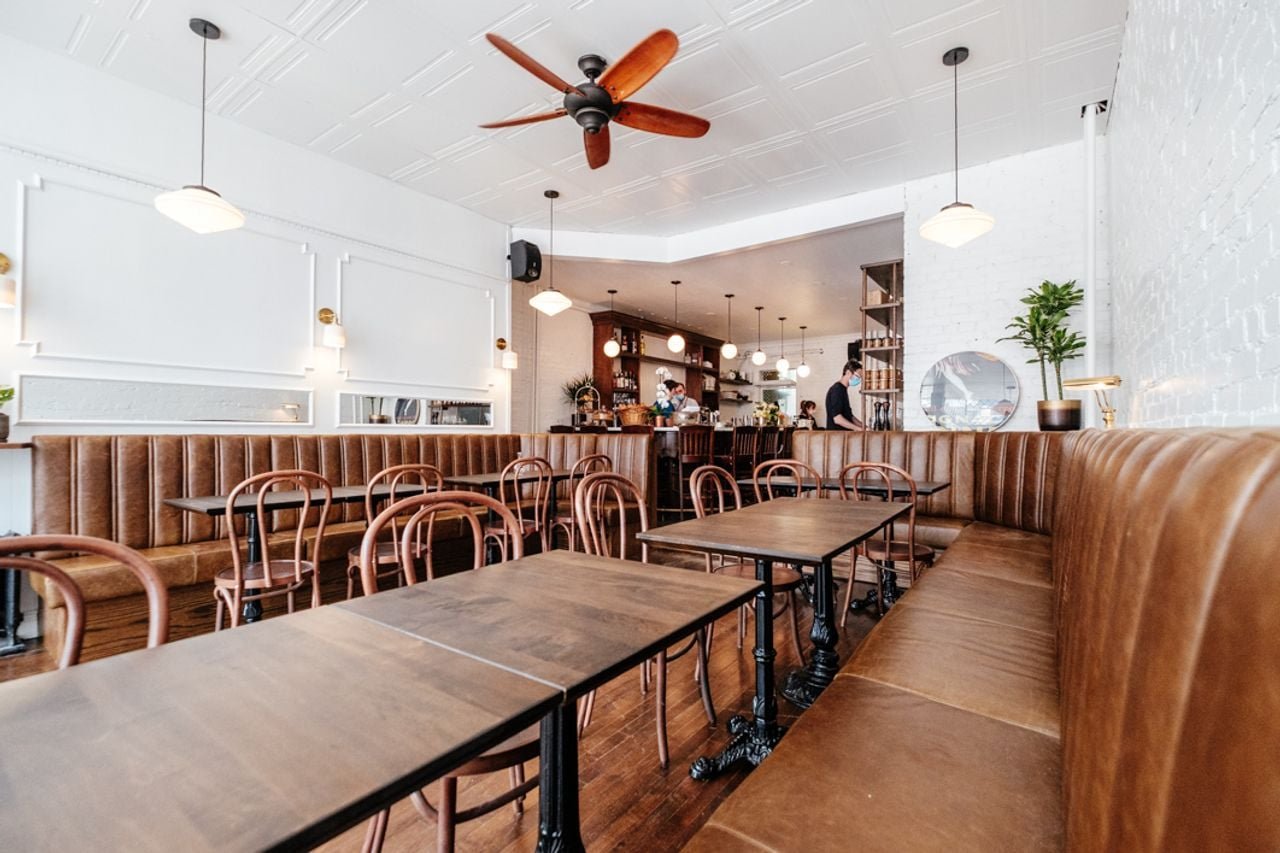
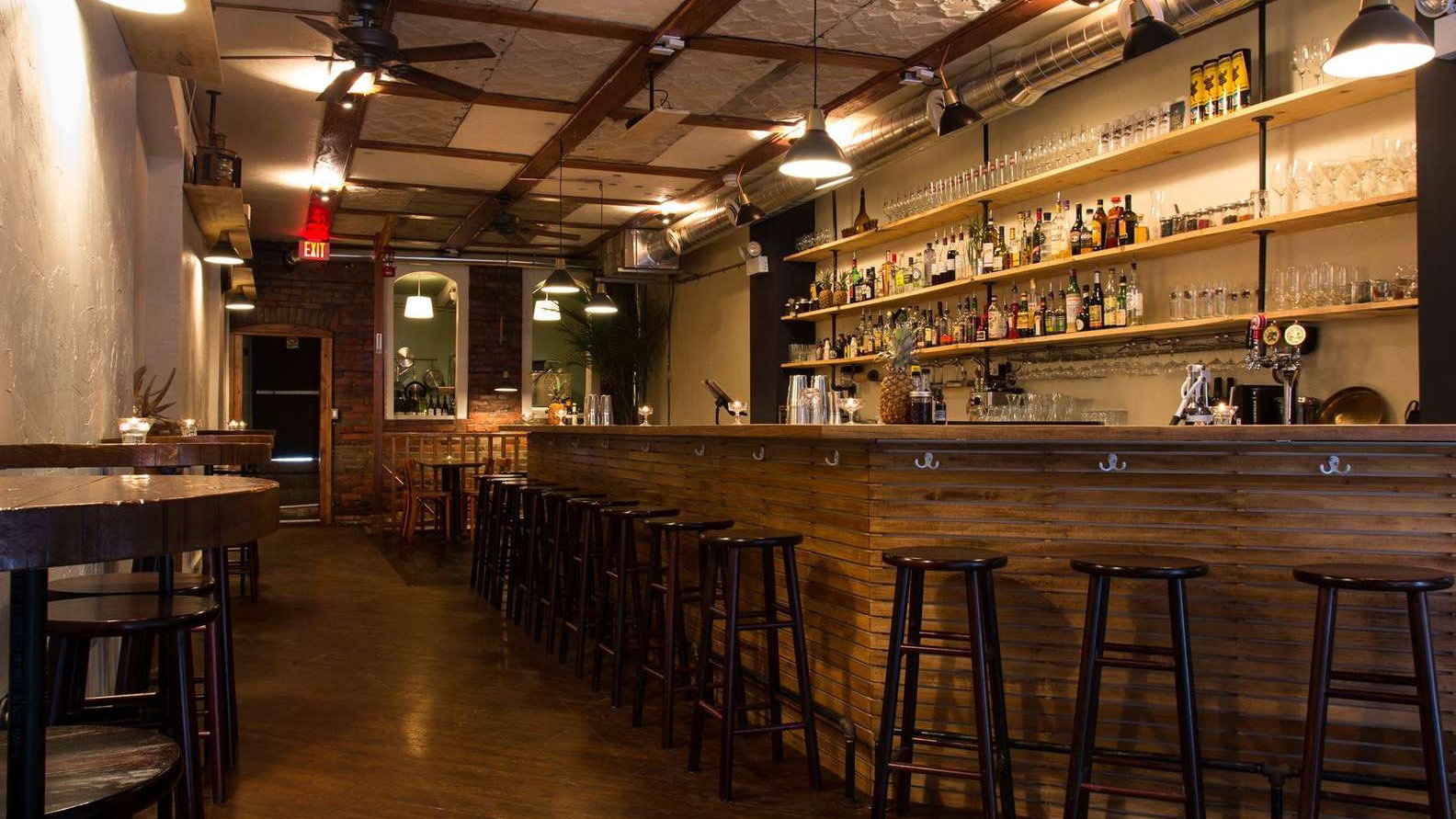
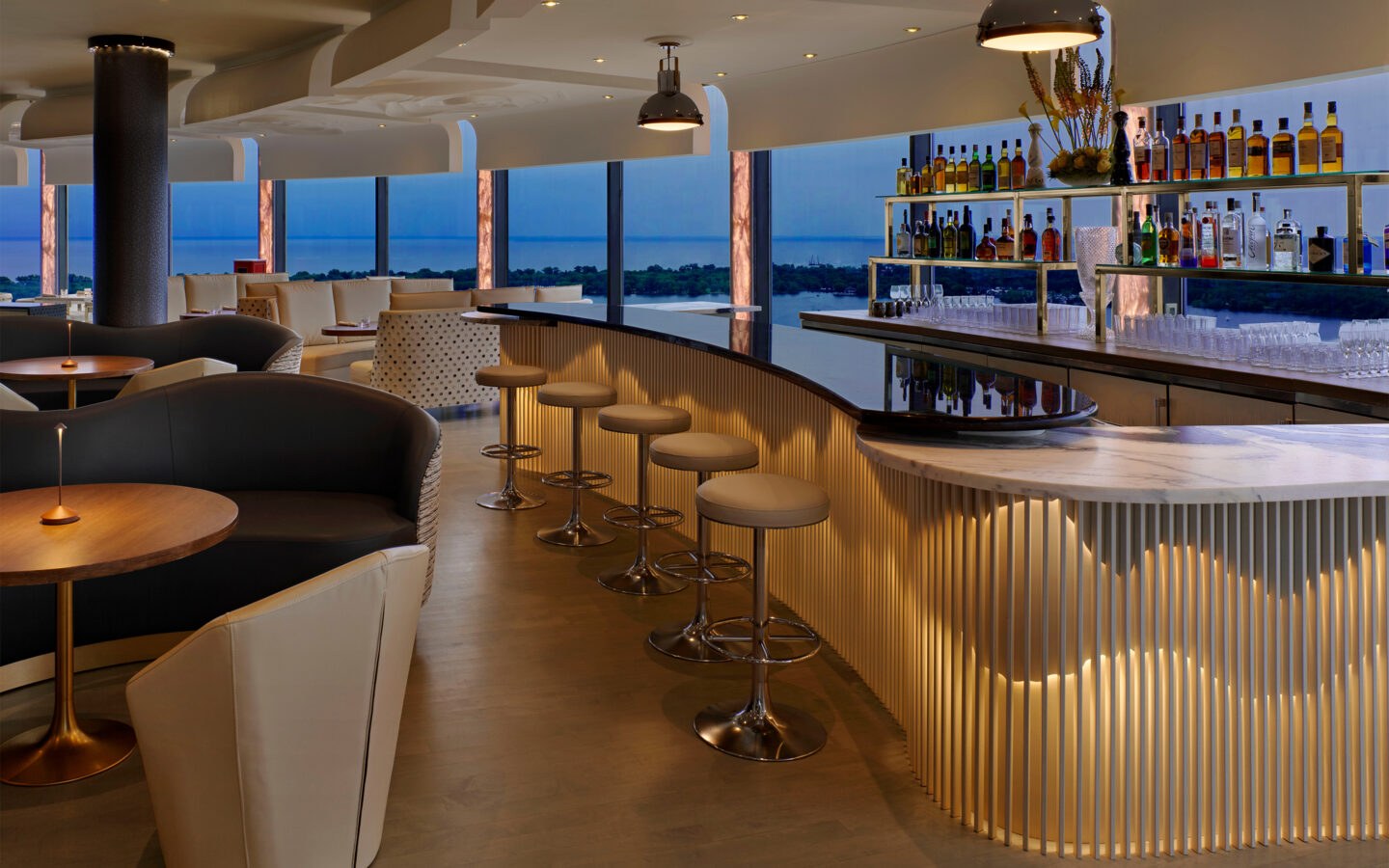
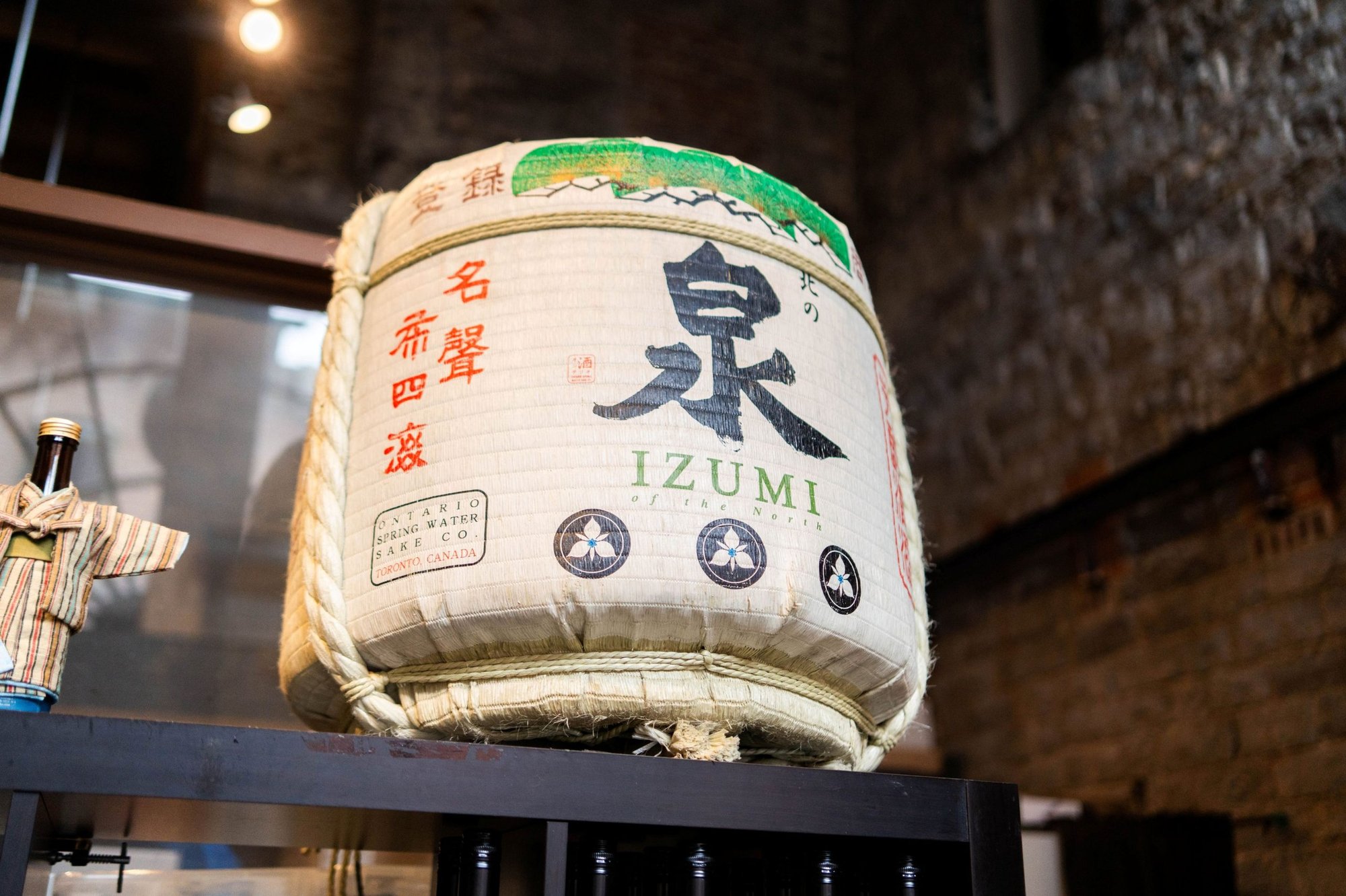
Charming tasting bar in a stunning historic industrial space with meter-thick limestone walls and 12-meter vaulted ceilings.
Tags
Vibe
Best For
Experience
Format
At the Bar
- Bar Category
- Sake Bar
- Late Night
- Closes by Midnight
Signature Pours
- Nama-Nama
- Lychee Saketini
- Premium Yuzu Sake
Know before you go
Know Before You Go
- Getting there
- 51 Gristmill Lane, Toronto, ON M5A 3C4, Canada
Planning details
Location
Also consider
Also Consider
- 111 Queen St E, Notable alternative
- J San Sushi Bar, Notable alternative
- Pick 6ix Sports, Notable alternative
- Page One Coffee + Bar, Notable alternative
- Daphne, Notable alternative
Bar context
How It Compares
Choose IZUMI Brewery (Ontario Spring Water Sake Company) when the drink category is the point. Compared with 111 Queen St E or Daphne, it reads as a more specialized stop rather than a broader bar or restaurant-bar choice. That makes it stronger for sake-curious visitors and weaker for groups that want a wider drinking lane.
J San Sushi Bar is the better cross-shop if the group wants food to lead and drinks to support the meal. Pick IZUMI if the sake itself should lead the outing. Page One Coffee + Bar is easier to justify for a casual coffee-to-drinks hang, while IZUMI is more purposeful and less of an all-purpose meet-up room.
For atmosphere, Pick 6ix Sports is the opposite choice: better for a louder, game-oriented group, not for drink-category depth. IZUMI is the calmer recommendation for explorers who want a compact Toronto stop with a clear point of view and easier booking pressure than dinner-led venues.
Around this place
Discover more on Pearl
Unlock the full IZUMI Brewery (Ontario Spring Water Sake Company) guide in Pearl, including awards, comparisons, FAQs, planning details, and nearby places.
Compare IZUMI Brewery (Ontario Spring Water Sake Company)
| Venue | Location | Awards |
|---|---|---|
| IZUMI Brewery (Ontario Spring Water Sake Company) | Toronto | No published awards |
| 111 Queen St E | Toronto | No published awards |
| J San Sushi Bar | Toronto | No published awards |
| Pick 6ix Sports | Toronto | No published awards |
| Page One Coffee + Bar | Toronto | No published awards |
| Daphne | Toronto | No published awards |
How IZUMI Brewery Toronto compares with similar nearby venues.
FAQ
Frequently Asked Questions
Do I need a reservation at IZUMI Brewery (Ontario Spring Water Sake Company)?
Check the venue's current official channels before you go. If your group is choosing between this and Page One Coffee + Bar, base the decision on the kind of Toronto stop you want and the latest details from each venue.
Is IZUMI Brewery (Ontario Spring Water Sake Company) open late?
No. The listed hours are 12–6 PM Tuesday through Friday, 12–7 PM Saturday, and 12–6 PM Sunday; it is closed Monday. If you want a later plan, compare current hours with another Toronto option such as Pick 6ix Sports.
What's the best time to go to IZUMI Brewery (Ontario Spring Water Sake Company)?
Use the listed hours to plan: Tuesday through Friday and Sunday are 12–6 PM, while Saturday is 12–7 PM. Since no late-night hours, an earlier Toronto visit is the safer assumption.
Does IZUMI Brewery (Ontario Spring Water Sake Company) have outdoor seating?
If outdoor space matters, check before you go. J San Sushi Bar and Daphne may be useful Toronto reference points if you are comparing different dining formats, but confirm current details directly.